
Abdin – The church of St Sabas

Mar Saba - Church, Aabdine, Lebanon

Other Details

كنيسة مار سابا

Aabdine

Zgharta

North

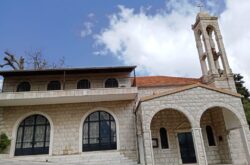
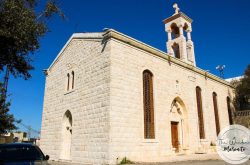
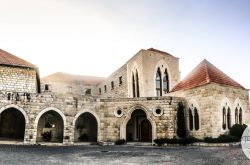
كنيسة مار سابا - عبدينأواخر القرن الثامن عشر استوطن عبدين عائلات من الفلّاحين شركاء لمشايخ آل صعب، وبنوا لهم قبوًا صغيرًا ليكون كنيسةً مكرّسة لمار سابا. سنة ١٨٨٤ بوشر بناء الكنيسة الحاليّة بسعي الخوري يوحنّا العلم وتمّ البناء سنة ١٨٨٩. تحوي الكنيسة لوحة لمار سابا من عمل كنعان ديب تعود لسنة ١٨٥٣.The church of St Sabas - AbdinAt the end of the XVIIIth century, the village of Abdin was inhabited by families who worked for the Saabs, a local feudal family. The first inhabitants built a small vault to be dedicated as a church. In 1884 with the aid of Fr Youhanna El Alam a new church began to be built. The construction was done in 1889. The church holds a painting of St Sabas by Kanaan Dib dating back to 1853.

Visited 3039 times, 2 Visits today

Reviews are disabled, but trackbacks and pingbacks are open.

Related Listings

Kfarshleiman – The church of Our Lady of Naya

Sayyidat Naya Church, Kafr, Lebanon

كنيسة سيّدة نايا

Kfarb Shlaimane

Batroun

Mount Lebanon

كنيسة سيّدة نايا - كفرشليمان

كانت كفرشليمان مركزًا لمعبدٍ فينيقيّ تحوّل في القرن الخامس الميلادي مع إنتشار الديانة المسيحية، الى كنيسة على إسم سيّدة نايا (الكنيسة الجديدة). إزدانت الكنيسة برسوم وجدرانيات ونقوش مميزة على صخورها رمّمت عام ٢٠٠٧. في الكنيسة جداريّات الشفاعة ، الضابط الكلّ، العذراء المرضعة، مار أفسطاقيوس.
كان البطريرك يوسف التِيّان متنسكًا في هذه الكنيسة، بعدما إستقال من السّدة البطريركية جرّاء خلافه مع الأمير بشير الثاني الشهابيّ.

The church of Our Lady of Naya - Kfarshleiman

Kfarshleiman was the land of a Phoenician shrine that was converted in the Vth century into a Byzantine church dedicated to our Lady and named “nea” meaning new church. The church was ornate with frescoes that were restored in 2007 representing: the Deisis, the Pantokrator, the Nourishing Virgin, St Eustache.
The Patriarch Youssef el Tyan used the church as a hermitage for a while after he resigned from his seat due to the polemic with Prince Beshir the second Shehab.

Anfeh – St George’s Greek Orthodox Church

St. Georges Church Anfeh, Anfeh, Lebanon

كنيسة مار جاورجيوس للروم الأرثوذكس

Enfeh

Koura

North

كنيسة مار جاورجيوس للروم الأرثوذكس - أنفه

هي الكنيسة الرئيسيّة في البلدة. إنتهت عمليّة البناء بشكلها الحاليّ في ١٧ أيّار ١٩٧٠. إنّ الموقع الذي بُنيت فيه الكنيسة، له تاريخ مهمّ في التّراث المسيحيّ للبلدة؛ ففي القرون المسيحيّة الأولى، كانت تلك المنطقة مليئة بالقبور المحفورة بالصخر، و بعد ذلك بُني في العهد البيزنطيّ كنيسة في الموقع، تتضارب المعلومات حولها، فالبعض يتحدّث عن وجود ديرٍ على اسم القدّيس جاورجيوس، و البعض الآخر يتحدّث عن ثلاث كنائس تحمل احداها اسم القديس جاورجيوس. سنة ١٩٥٤، قرّر راعي الأبرشيّة هدم البناء القديم و اقامة كنيسة كبيرة مكانه بإسم كنيسة القدّيس جاورجيوس. رُمّمت الكنيسة سنة ٢٠٠٩ وزُيّنت بالجداريّات.

St George’s Greek Orthodox Church - Anfe

It is the main parish church of the village, consecrated on the 17th of may 1970. The site has paleo Christian roots as it was a stone necropolis. Later on, during the Byzantine era, a monastery of St George was erected on the site. According to other sources, three churches one of them dedicated to St George were on the site. In 1954 the local bishop decided to build a bigger church on the site and dedicate it to St George. The church was restored in 2009 and decorated with Byzantine frescoes.

Aqoura – The monastery of St Edna

Mar Edna Monastery, Aaqoura, Lebanon

دير مار إدنا

Aaqoura

Jbeil

Mount Lebanon

دير مار ادنا - العاقورة

ادنا هو لقب سريانيّ لمار طراخونيوس، وهو من القدّيسين الأكثر شهرة عند موارنة القرون الوسطى. بني هذا الدّير سنة ٥٠٩ على أنقاضٍ رومانيّة ما زالت ماثلة، ويتألّف من كنيسة بخوروسين ما يزال القسم الجنوبيّ منها ماثل. بقيّة الدّير ودير البنات أي دير الراهبات العابدات الذي بقربه أنقاض. قنطرة الحنية مزيّنة بالعديد من الصلبان والنقوش التي ترمز للتجسد والفداء. كان الدّير مقرًّا لأساقفة العاقورة مدى قرون ومن أشهرهم البطريرك يوحنا السابع العاقوري الذي توفي سنة ١٣٥٧.

The monastery of St Edna - Aqoura

Edna is a title given by syriacs to St Trakhonius, who was one of the most venerated saints by the medieval Maronites. The monastery was built in 509 over roman ruins that are still visible, and it consists of a two aped church, with the southern part of the church still standing. The rest of the church and monastery and the adjacent nunnery are all in ruins. The apse is decorated with crosses and symbols of the Incarnation and Redemption. The monastery was the seat of Aqoura’s bishops for centuries, the most famous of them was patriarch John VII El Aqoury who died in 1357.