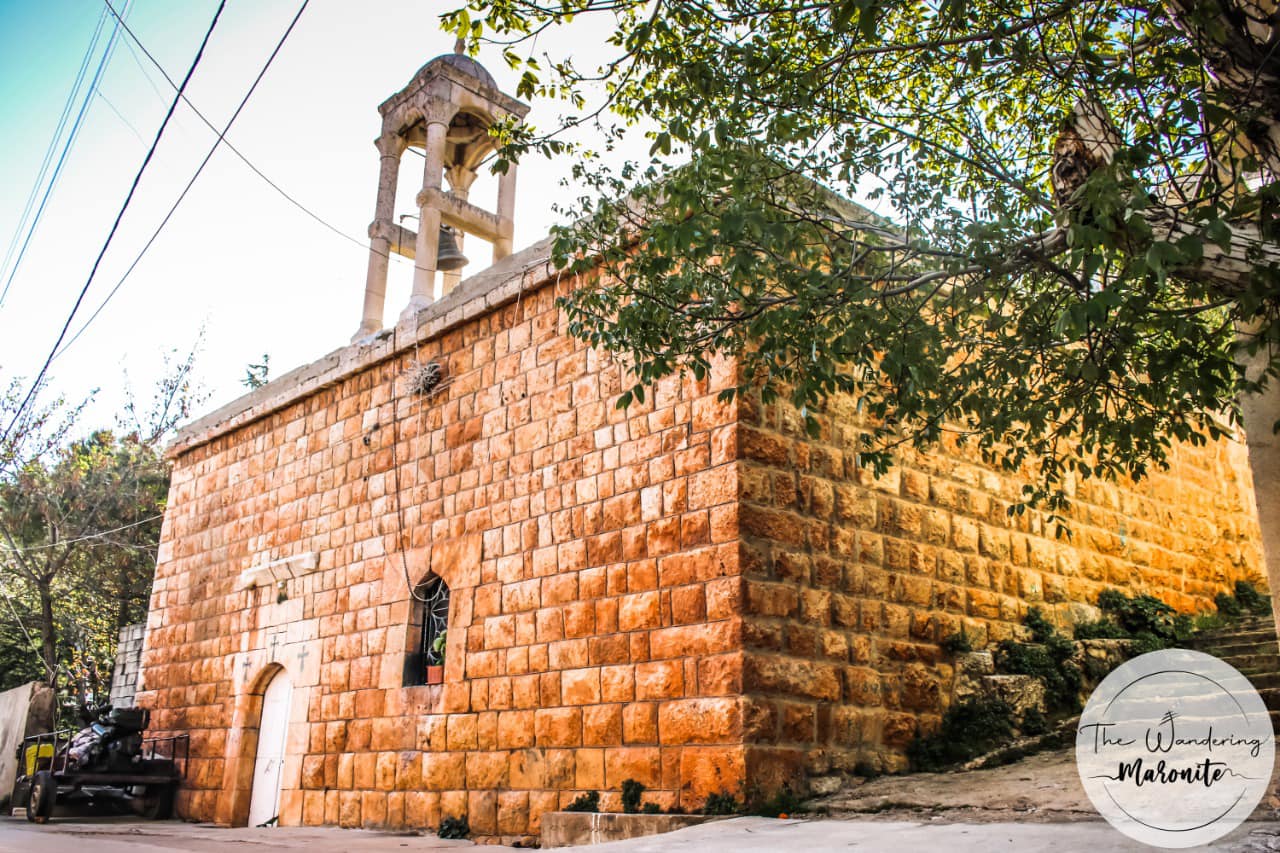
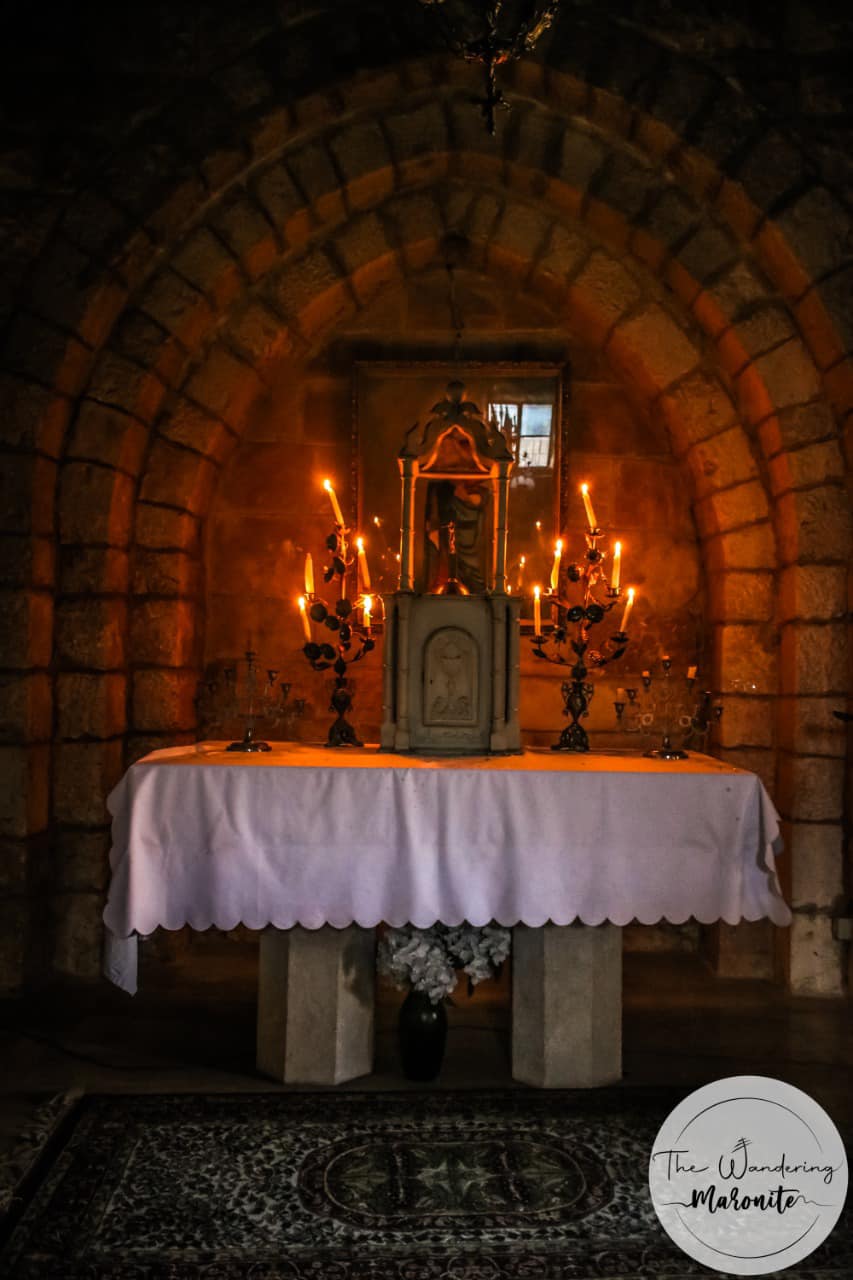
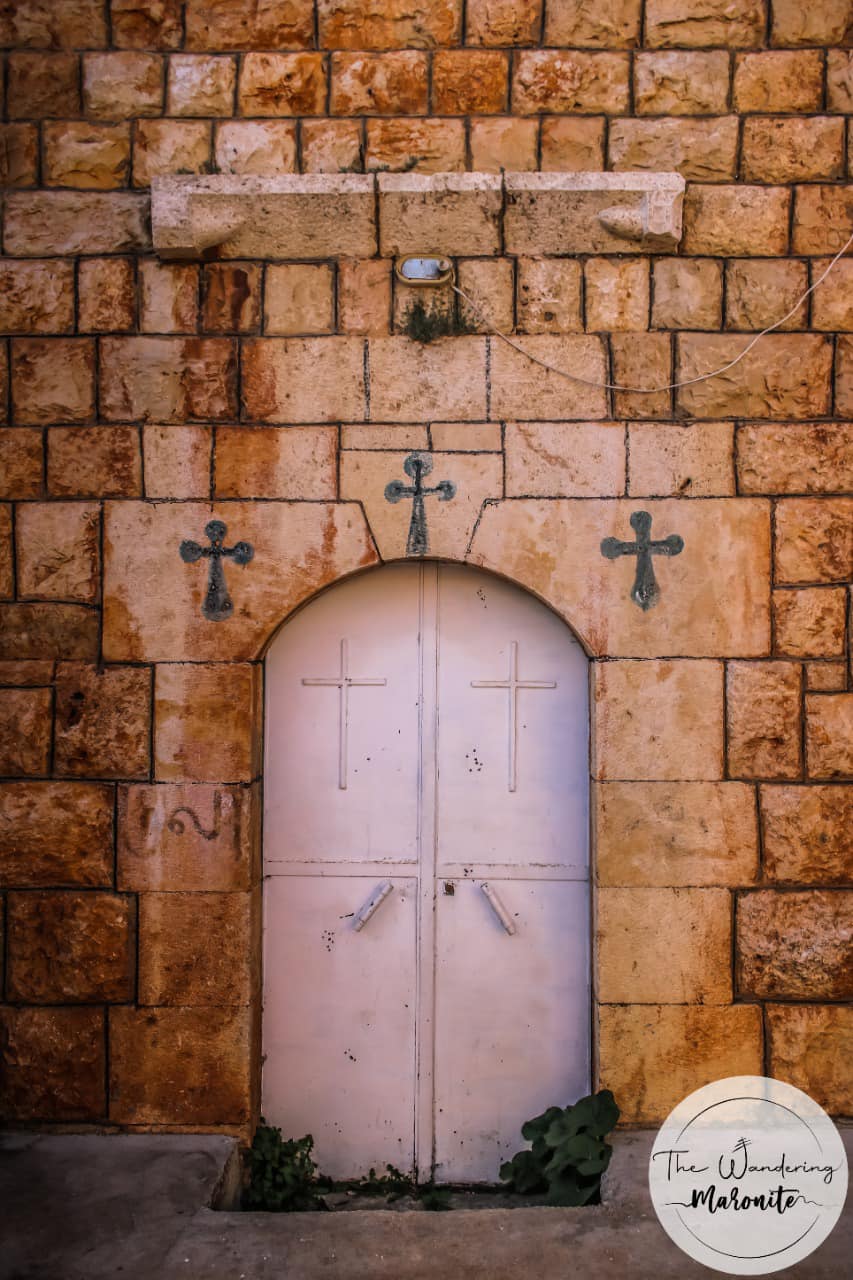
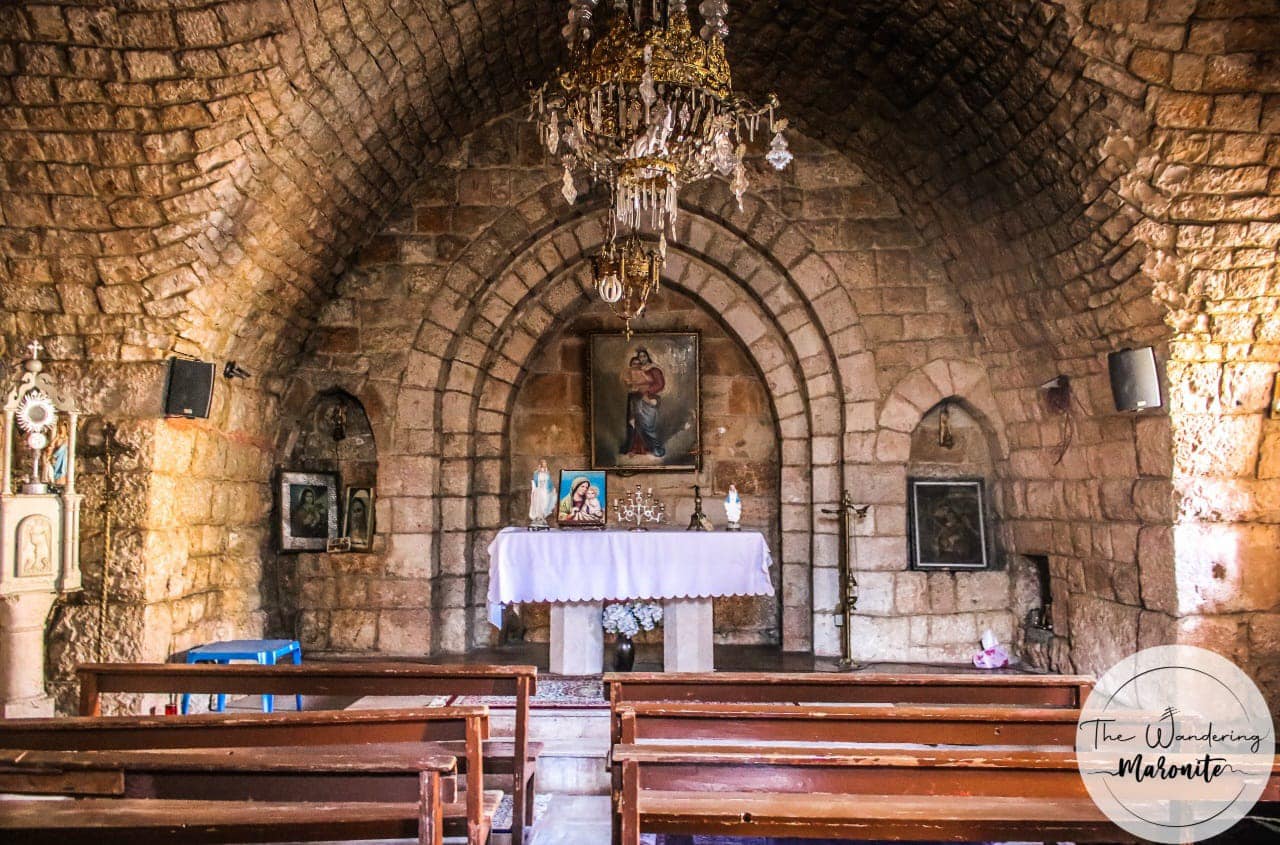
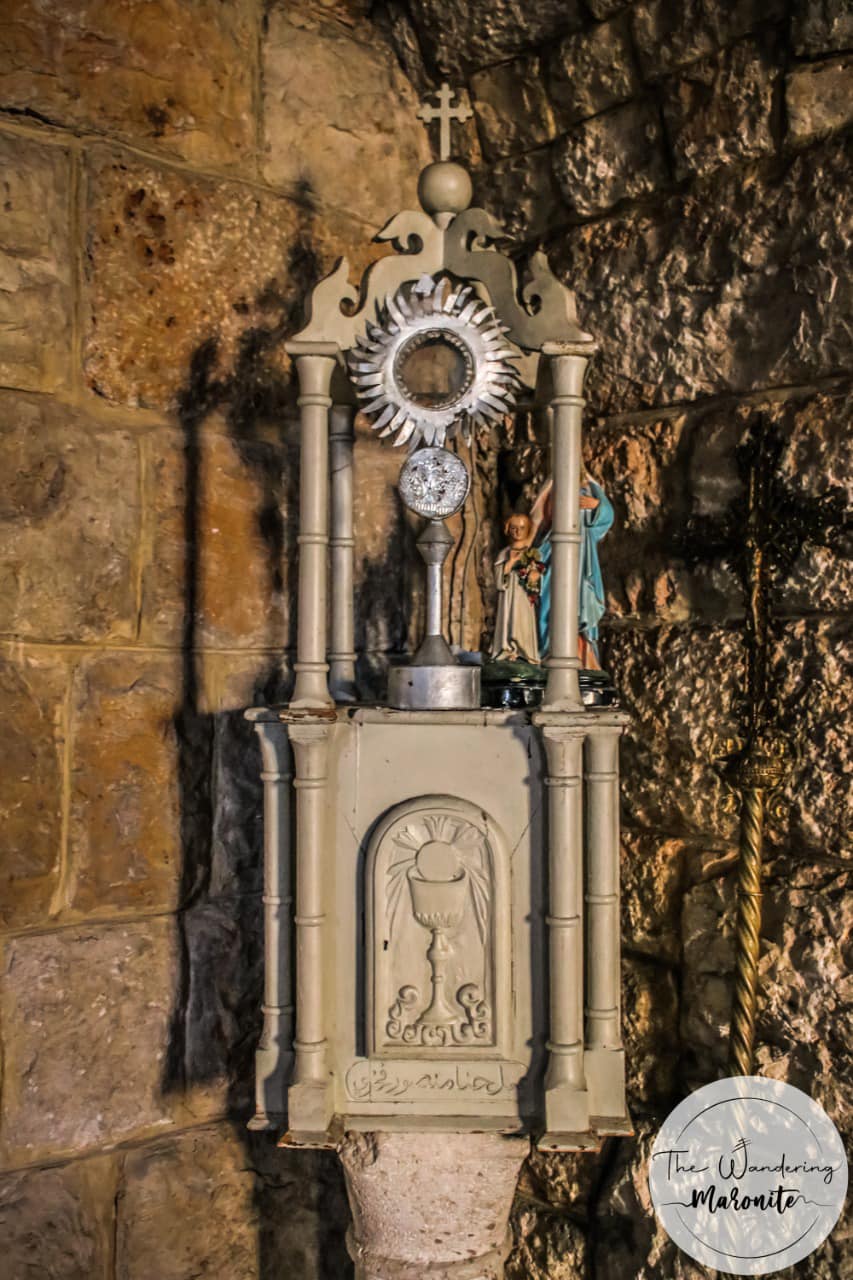
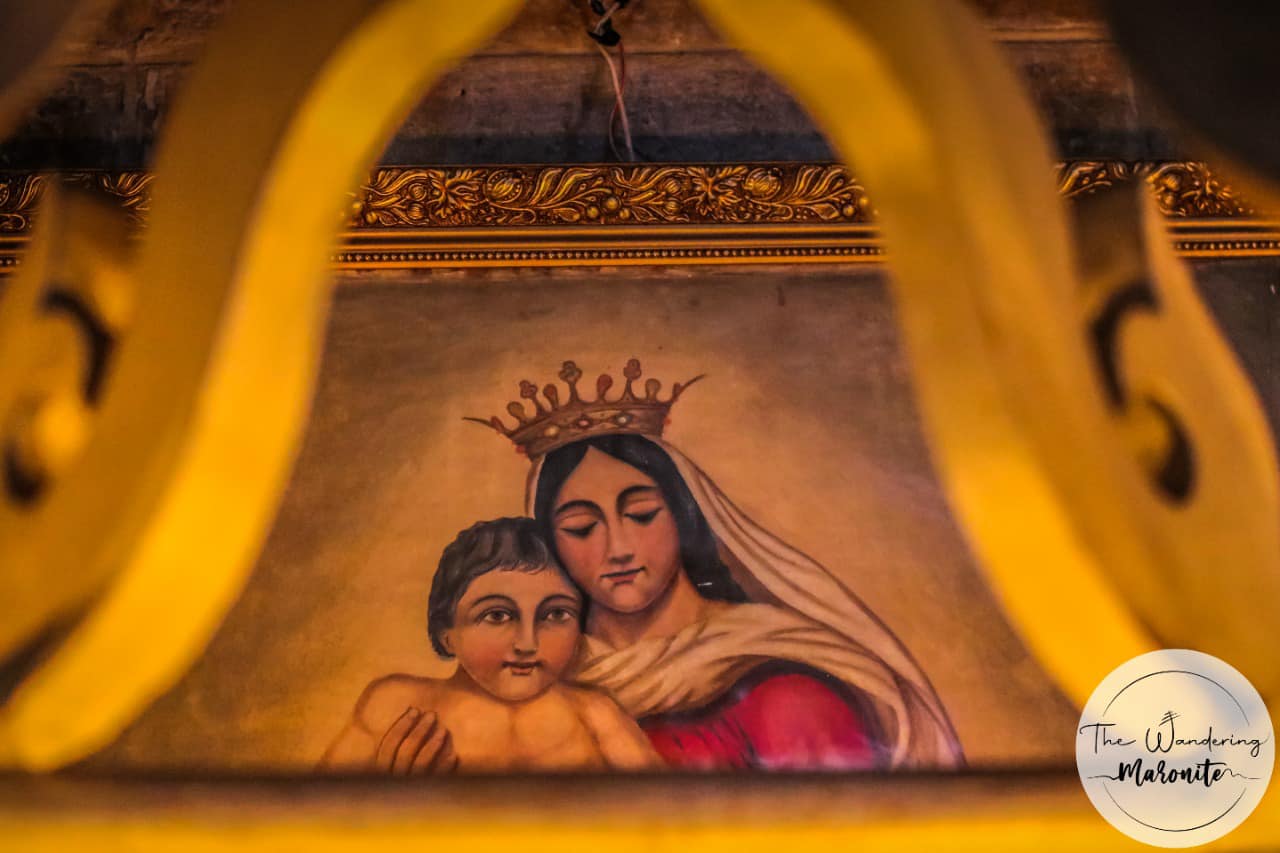
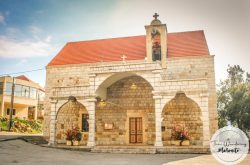
كنيسة سيّدة اليمونة - اليمونةأواسط القرن التاسع عشر حمت السيّدة شخصًا من آل ياغي من الغرق فنذر بناء كنيسةٍ لها في اليمونة. الكنيسة صغيرة بعقدٍ مصالبٍ. تشتهر هذه الكنيسة بكونها مقامًا عجائبيّّا يقصده المسيحيّون والشيعة للتبرّك.The church of our Lady of Yammouneh - YammounehIn the mid XIXth century a man from the Yaghy clan was saved from drowning with the miraculous intercession of Our Lady. He dedicated himself to build a church in Yammouneh as an act of thanksgiving. The church is small with a crossed vault. The shrine is considered holy for both christians and Shias, and it is an important pilgrimage site for both religions.
Saint Georges - grecs catholiques, Ain El Rihane, Lebanon
كنيسة مار جرجس
Bickfaya
Metn
Mount Lebanon
كنيسة مار جاورجيوس - المحيدثة بكفيّا
تسلّمت الرهبانيّة الباسيليّة الشويريّة حجّة عام ١٧٢٦ لبناء كنيسة على إسم مار جرجس للروم الملكييّن الكاثوليك فشرعت بالبناء، وشهدت مراحل ترميم وتوسعة عام ١٩٠٠ و٢٠١١. تتميّز الكنيسة بالإيقونات المقدسيّة والبلديّة التي تعود للنصف الثاني من القرن الثامن عشر. تخدم كنيسة مار جرجس كلّ أبناء المنطقة وهي أمّ الرعايا الملكيّة والأقدم بينها.
St George’s church - El Mhaydse Bikfaya
The Bassilian Choueirite order received permission to build a church in Bikfaya in 1726, and decided to dedicate the new church to St George. The church underwent major restorations in 1900 and 2011. The church holds a collection of icons from the School of Jerusalem and some other local icons. The icons date back to the XVIIIth century. The church is the mother parish of all the Melkites in the region.
بنيت الكنيسة الحاليّة سنة ١٧٦٣ على أنقاض برجٍ صليبيّ. تتألف الكنيسة من صحنٍ كبير ينتهي بالحنية والمذبح، وعلى جهة الجنوب صحن آخر أعلى من مستوى الكنيسة ينتهي بمذبح مكرّس للقدّيسة تقلا. تحوي الكنيسة أيقونة مارونيّة للسيّدة تعود للقرن السابع عشر، أمّا لوحة مار جرجس فهي غربيّة الصنع.
The church of St George - Baskinta
The current church was built in 1763, over an old crusader’s tower. The church consists of a great nave ending with the apse and the altar. A smaller nave on the southern side is higher than the church ending with a small altar dedicated to St Thecla. The church holds a XVIIth century Maronite icon of the Madona, and a European painting of St George.
على تلة مشرفة في البلدة ترتفع قلعة عسكرية حصينة. وتعلو القلعة حوالى 500 متر عن سطح البحر ويعود تاريخ بنائها الى ملوك جبيل الفينيقيين الذين اشتهروا بالقصور والقلاع المنحوتة بالصخر، ثم سكنها ملك بابل “بختنصر”. وثمّة تماثيل رومانيّة بأوشحتها المعروفة تدلّ على أنّ الرومان احتلوها وبنوا فيها هيكلًا بأعمدة ضخمة بقاياها مشتتة في نواح عدة من سمار جبيل، وفي الحائط الجنوبي لكنيستها الأثرية. وقد بنى فيها الرومان أيضًا مسرحًا يدعى الراميّة، وهو مفروش بالإسمنت القديم، كما بنوا معاصر موجودة في الجنوب الغربي من القلعة. في القلعة خندق منحوت في الصخر يُملأ بالمياه لمنع دخول الغزاة، وبرج مراقبة وطاقات لفوانيس. في التقليد القديم يُروى ان مار لوجيوس وهو شفيع العيون والمعروف لدى السريان بمار نوهرا، قصد بلاد البترون للتبشير، ونال اكليل الشهادة بقطع الرأس ورميه في أحد آبار هذه القلعة بالذات. هذا البئر مازال مقصودًا الى اليوم للتبرك بمائه العجائبي الشافي لأمراض العيون. كذلك يذكر تقليد آخر ان مار يوحنا مارون قصد القلعـة، يوم تعيينه أسقـفًا على البترون سنة 676، واختارهـا حصـناً له بعـد خراب دير مـار مارون في سوريا. ولمّا أصبـح بطريركـًا سنة 685 نُقل مقـرّه الى كفرحي وبنى فيها ديرًا. بعد سقوط الامبراطورية البيزنطية، تعاقب على القلعة العرب والصليبيون، وأتى بعدهم المماليك ثم العثمانيون. الحكام اللبنانيون قديماً كان لهم نصيب في هذه القلعة، حيث سكنها الشيخ أبو نادر الخازن الذي ولّاه الأمير فخر الدين على مقدّمي البلاد.
Built by the phonecian kings of Byblos on a hill overlooking the coastline, the castle was used by the Babylonian king Baktensar. Later on in the classical period, the romans built a temple inside of it with a large atrium, nowadays the columns of the atrium are scatered all around the village and in the walls of the historical church. The romans also built a theater, and a winery in the western side of the castle. A watch tower and a protective water trench were added in the late classical period for protection. According to tradition St Logius the patron saint of eye illness, also known as Nohra in the Syriac world, preached in the lands of Batroun. He was sentenced to death during the Diocletian persecution by beheading in the castle patio. His head was thrown in a well nearby, still visited for its miraculous eye healing waters. According to another tradition, the first Maronite patriarch St John Maroun, and when he became bishop of Batroun in 676, resided in the castle after the devastation of the monastery of St Maroun on the Orontes in Syria. After he was elected patriarch in 685 he moved again to Kfarhay where he built a new monastery. After the fall of the Byzantine empire the castle was occupied by the Arabs, the Crusarders, the Mamluks and the Ottomans. During the reign of prine Fakhredyn the Second, the first Christian regent of the land Aby Nader Al khazin took hold of the castle and made it his headquarter.



Reviews are disabled, but trackbacks and pingbacks are open.