
Zakrit – Mar Abda

Mar abda church, Lebanon

Other Details

دير مار عبدا المشمّر - زكريت

1685

Zakrit

Metn

Mount Lebanon

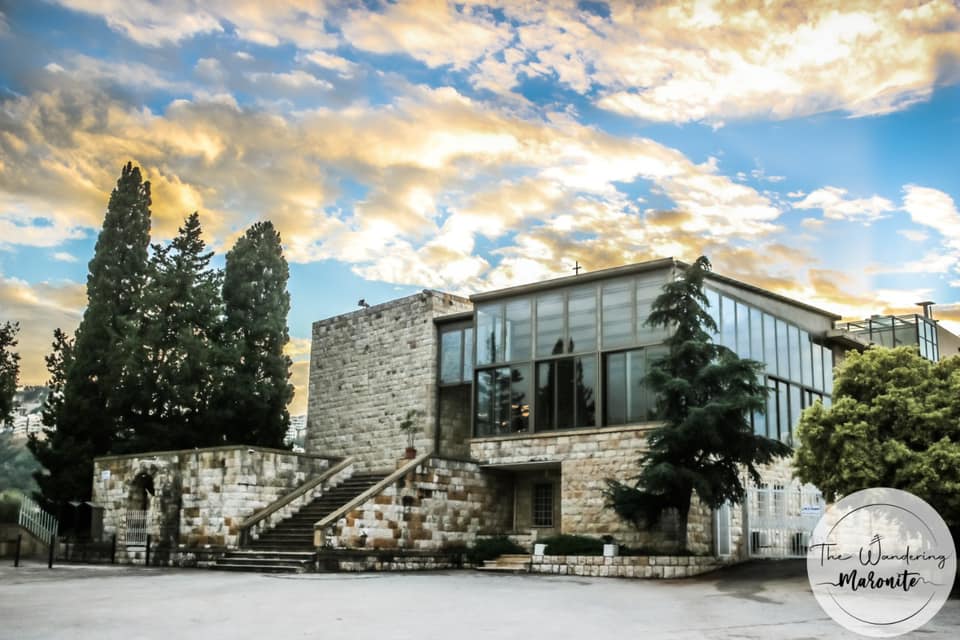
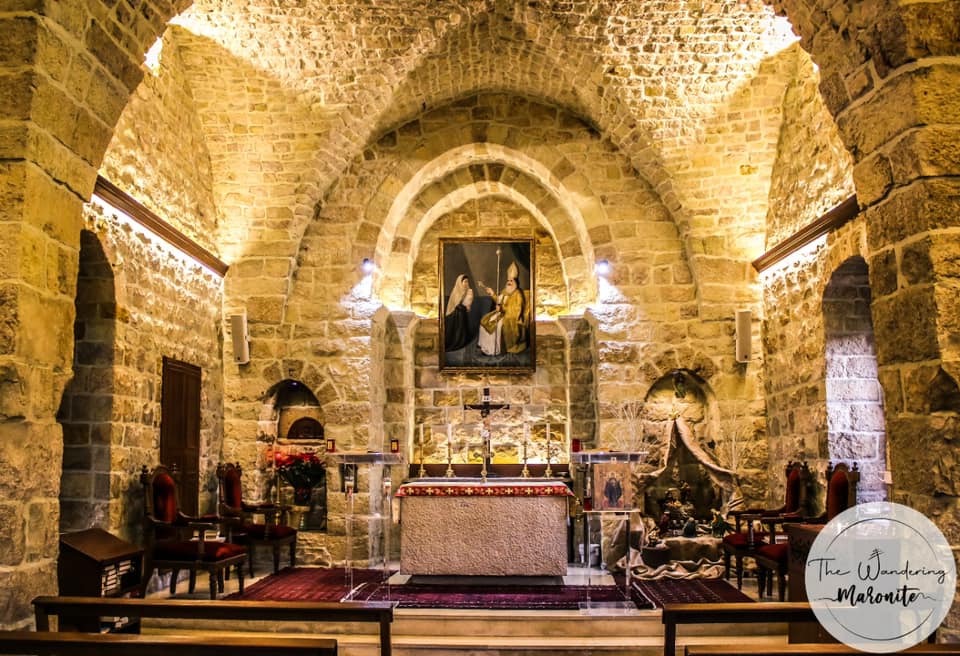
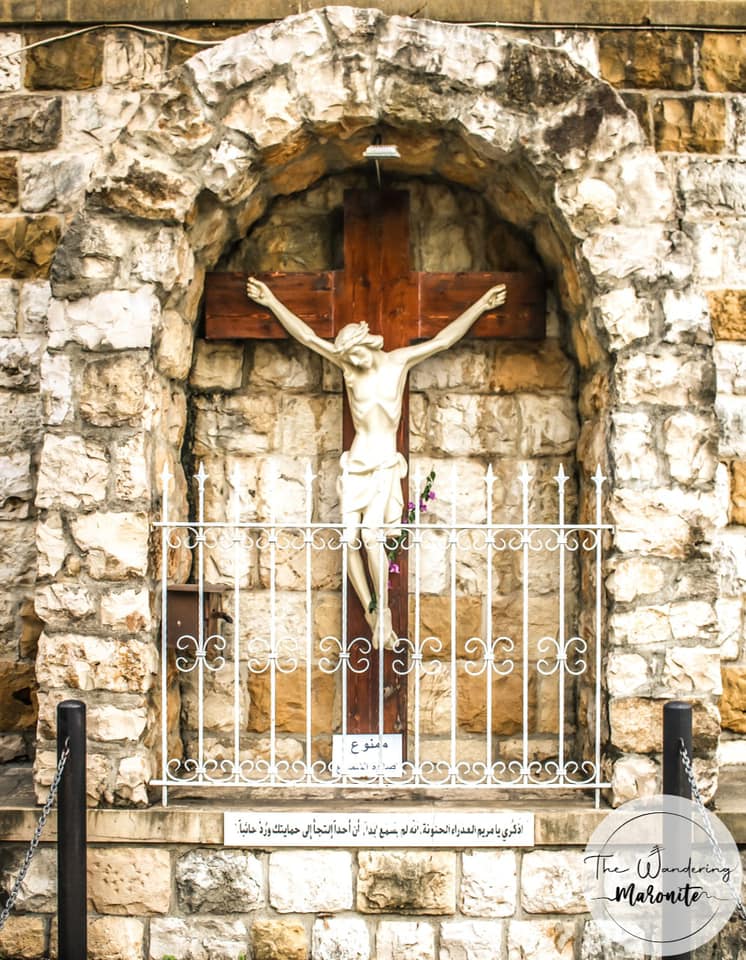
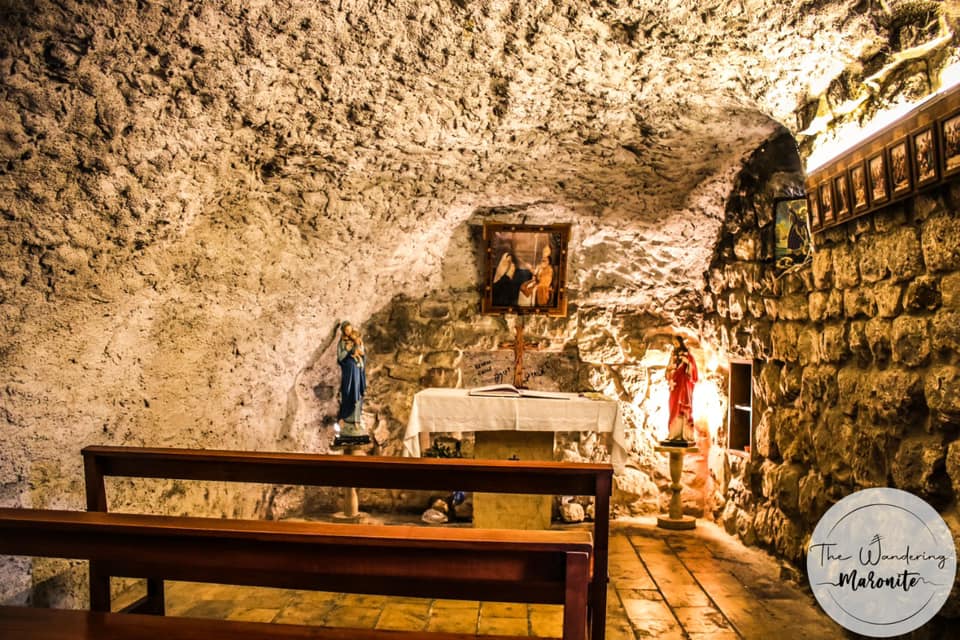
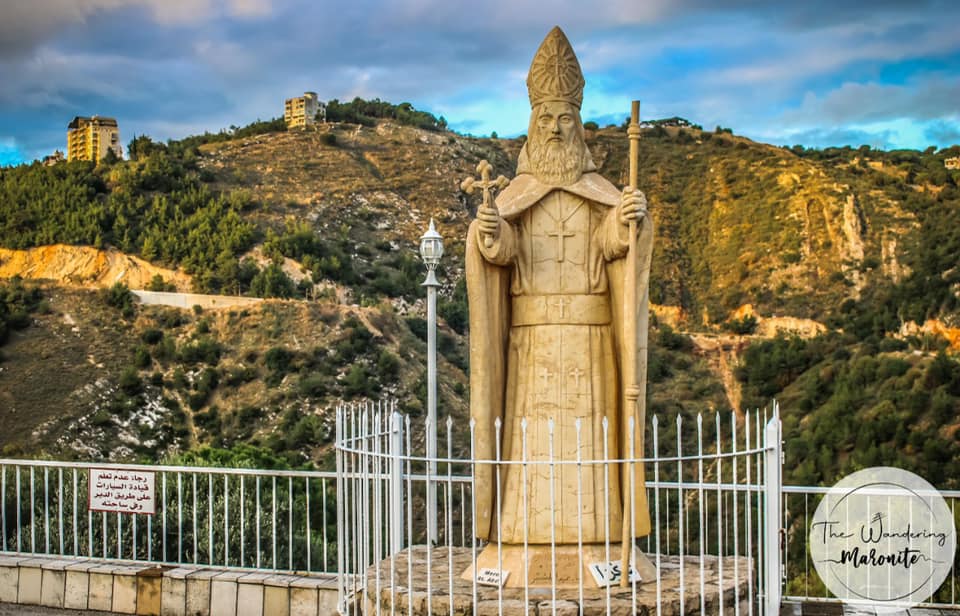
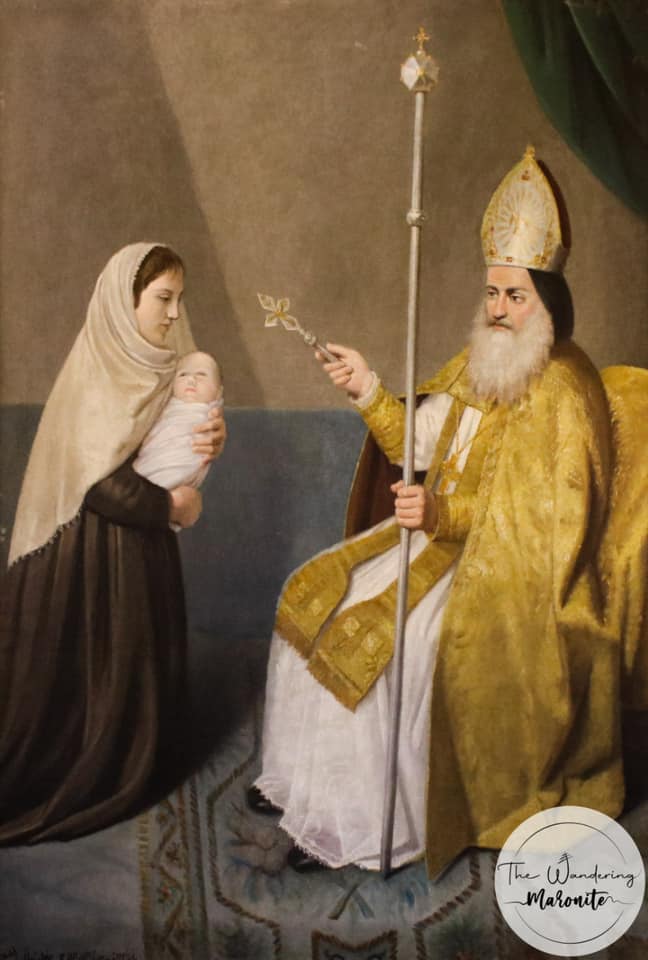
بُنيَ الدّير على تلّةٍ في ضواحي زكريت على ضفاف نهر الكلب. الكنيسة القديمة بُنيت على أنقاض هيكلٍ وثنيّ عقب حملة المماليك على كسروان، وجُدِّدت سنة ١٦٨٥، بحسب كتاب تاريخ الأزمنة للبطريرك إسطفان الدويهيّ. إستلمت الرهبانيّة الأنطونيّة المارونيّة الكنيسة وبنت ديرًا سنة ١٧١٦. أمّا الكنيسة الجديدة فبنيت سنة ١٨١٠ بإعتناء الأمير حسن قاسم الشهابي، أيّام رئاسة الأب يوسف البشابيّ العامّة. لوحة مار عبدا هي من عمل داود القرم، سنة ١٨٨٤. وفي الكنيسة لوحة أُخرى للقدّيس من عمل أسعد رنّو. يقصد هذا الدّير المؤمنون طالبين شفاعة مار عبدا العجائبيّ خصوصًا النّساء العواقر والأطفال المرضى.Built on a hill in the vicinity of Zakrit near Nahr El Kalb, the first church was built over the ruins of a roman temple after the Mamluk’s campaign on Kesserwan and renovated in 1685 according to Patriarch Estephan El Douaihy in his book Tarikh al Azmina. The Antonine Maronite Order acquired the church and the monks built a new monastery in 1716. In 1810 a new church was built on top of the first one with the help of Prince Hassan Abou Qasem Shehab, when Fr Youssef al Bchabby was abbot. The main painting is the work of Dawoud el Qorm, dating back to year 1884. Another painting of the saint is kept in the church and is the work of Assad Renno. St Abda’s church is believed to be miraculous especially for baron ladies and sick children

Visited 5240 times, 2 Visits today
Reviews are disabled, but trackbacks and pingbacks are open.

Related Listings

Aramoun – The Monastery of St. Rouhana is located in Al Baqi’a

Monastère St. Rouhana Aramoun, Aaramoun, Lebanon

دير مار روحانا البقيعة

Aaramoun Aaley

Aley

Mount Lebanon

دير مار روحانا البقيعة - عرمون

سنة ١٧٠٣ جاء قرار بناء دير مار روحانا، وكان ديرًا مشتركًا للرهبان والعابدات، في موضع مدرسةٍ قديمة لتعليم الأحداث على اسم السيّدة. وسّعه البطريرك طوبيّا الخازن ليكون مقرًّا له خلال إقامته في كسروان. سنة ١٧٧٥ ترهّب في الدير قيس بن رامح الخازن وهو المطران جرمانوس الخازن رئيس أساقفة دمشق. في ٢٥ أيلول ١٨٢٦ فصل البطريرك يوسف حبيش الرهبان عن الدير. رُمّم الدير على عدّة مراحل آخرها سنة ٢٠١٦ حين كُرّس المذبح الجديد. الدير وقف بعناية آل زوين تحت ولاية البطريركيّة المارونيّة.

The Monastery of St. Rouhana is located in Al Baqi'a - Aramoun.

In 1703, a decision was made to build a joint monastery for monks and nuns on the site of an old school dedicated to the Virgin Mary. Patriarch Tobia El Khazen renovated it to use as his residence during his stay in Keserwan. On September 25, 1826, Patriarch Youssef Hobeish separated the monks from the monastery. The monastery underwent several stages of renovation, with the last one in 2016 when the new altar was consecrated. The monastery is under the jurisdiction of the Maronite Patriarchate and is entrusted to the care of the Zwein family.

Smar Jbeil – Fortress (Citadel)

Smar Jbeil Citadel, Smar Jbeil, Lebanon

قلعة سمار جبيل

Smar Jbayl

Batroun

North

على تلة مشرفة في البلدة ترتفع قلعة عسكرية حصينة. وتعلو القلعة حوالى 500 متر عن سطح البحر ويعود تاريخ بنائها الى ملوك جبيل الفينيقيين الذين اشتهروا بالقصور والقلاع المنحوتة بالصخر، ثم سكنها ملك بابل “بختنصر”. وثمّة تماثيل رومانيّة بأوشحتها المعروفة تدلّ على أنّ الرومان احتلوها وبنوا فيها هيكلًا بأعمدة ضخمة بقاياها مشتتة في نواح عدة من سمار جبيل، وفي الحائط الجنوبي لكنيستها الأثرية. وقد بنى فيها الرومان أيضًا مسرحًا يدعى الراميّة، وهو مفروش بالإسمنت القديم، كما بنوا معاصر موجودة في الجنوب الغربي من القلعة. في القلعة خندق منحوت في الصخر يُملأ بالمياه لمنع دخول الغزاة، وبرج مراقبة وطاقات لفوانيس.
في التقليد القديم يُروى ان مار لوجيوس وهو شفيع العيون والمعروف لدى السريان بمار نوهرا، قصد بلاد البترون للتبشير، ونال اكليل الشهادة بقطع الرأس ورميه في أحد آبار هذه القلعة بالذات. هذا البئر مازال مقصودًا الى اليوم للتبرك بمائه العجائبي الشافي لأمراض العيون.
كذلك يذكر تقليد آخر ان مار يوحنا مارون قصد القلعـة، يوم تعيينه أسقـفًا على البترون سنة 676، واختارهـا حصـناً له بعـد خراب دير مـار مارون في سوريا. ولمّا أصبـح بطريركـًا سنة 685 نُقل مقـرّه الى كفرحي وبنى فيها ديرًا.
بعد سقوط الامبراطورية البيزنطية، تعاقب على القلعة العرب والصليبيون، وأتى بعدهم المماليك ثم العثمانيون. الحكام اللبنانيون قديماً كان لهم نصيب في هذه القلعة، حيث سكنها الشيخ أبو نادر الخازن الذي ولّاه الأمير فخر الدين على مقدّمي البلاد.

Built by the phonecian kings of Byblos on a hill overlooking the coastline, the castle was used by the Babylonian king Baktensar. Later on in the classical period, the romans built a temple inside of it with a large atrium, nowadays the columns of the atrium are scatered all around the village and in the walls of the historical church. The romans also built a theater, and a winery in the western side of the castle. A watch tower and a protective water trench were added in the late classical period for protection.
According to tradition St Logius the patron saint of eye illness, also known as Nohra in the Syriac world, preached in the lands of Batroun. He was sentenced to death during the Diocletian persecution by beheading in the castle patio. His head was thrown in a well nearby, still visited for its miraculous eye healing waters.
According to another tradition, the first Maronite patriarch St John Maroun, and when he became bishop of Batroun in 676, resided in the castle after the devastation of the monastery of St Maroun on the Orontes in Syria. After he was elected patriarch in 685 he moved again to Kfarhay where he built a new monastery.
After the fall of the Byzantine empire the castle was occupied by the Arabs, the Crusarders, the Mamluks and the Ottomans. During the reign of prine Fakhredyn the Second, the first Christian regent of the land Aby Nader Al khazin took hold of the castle and made it his headquarter.

Ghadir – The Chapel of St. Rita

St. Rita Church, Ghadir, Lebanon

كابيلّا القدّيسة ريتا

Jounie Ghadir

Keserwan

Mount Lebanon

كابيلّا القدّيسة ريتا - غادير

سنة ١٩٠٦ بنت عائلة خورشيد إيليان كابيلّا مدفنيّة على اسم مار بطرس وبولس، وكانت تابعة لكنيسة الأرمن الكاثوليك. سنة ١٩٨٩ إنتقلت ملكيّتها لوقف الورديّة، غادير، ورُمّمت. كرّسها الخورأسقف يعقوب الشمالي على اسم القدّيسة ريتا. سنة ٢٠٠٢ أُعيد ترميمها وأُضيفت إليها الباحة الخارجيّة. سنة ٢٠١٥ تمّ الاحتفال باليوبيل الفضيّ لتكريسها. البناء كناية عن عقدٍ مُصالب، بواجهة نيوكلاسيكيّة.

The Chapel of St. Rita - Ghadir

In 1906, the Armenian Catholic family Khorcheid Elian built a funerary chapel dedicated to Sts. Peter and Paul. In 1989, the chapel was purchased by the parish of the Rosary - Ghadir. It was then rededicated to St. Rita by Chorbishop Yaqoub Chemaly. In 2002, the chapel underwent restoration, and an external garden was added. In 2015, the chapel celebrated its silver jubilee. The structure features a crossed vault with a neoclassical facade.