
Rmeish – The church of St George

Saint George Church كنيسة مار جريس - رميش, Rmaych, Lebanon

Other Details

كنيسة مار جرجس

Rmaich

Bent Jbeil

Nabatieh

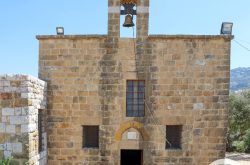
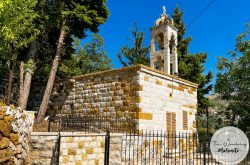
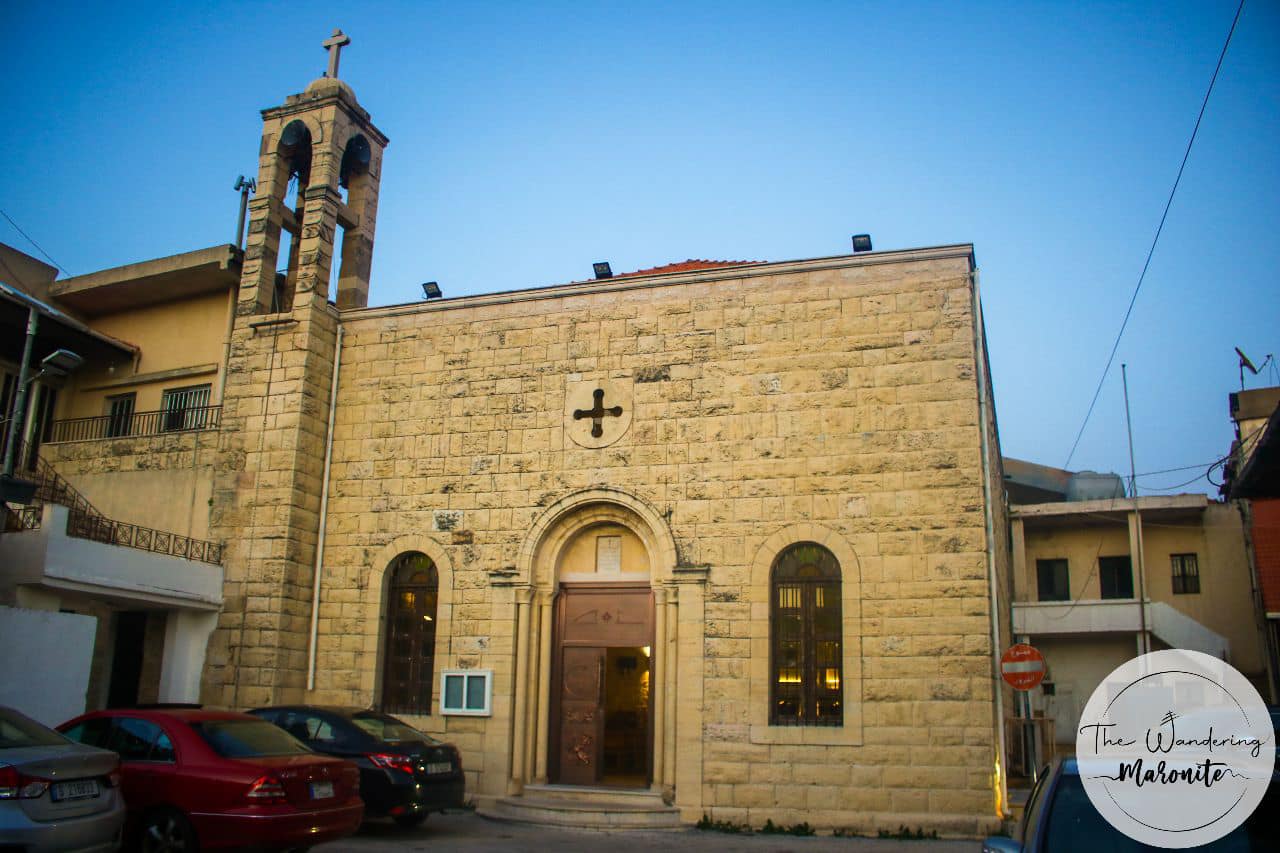
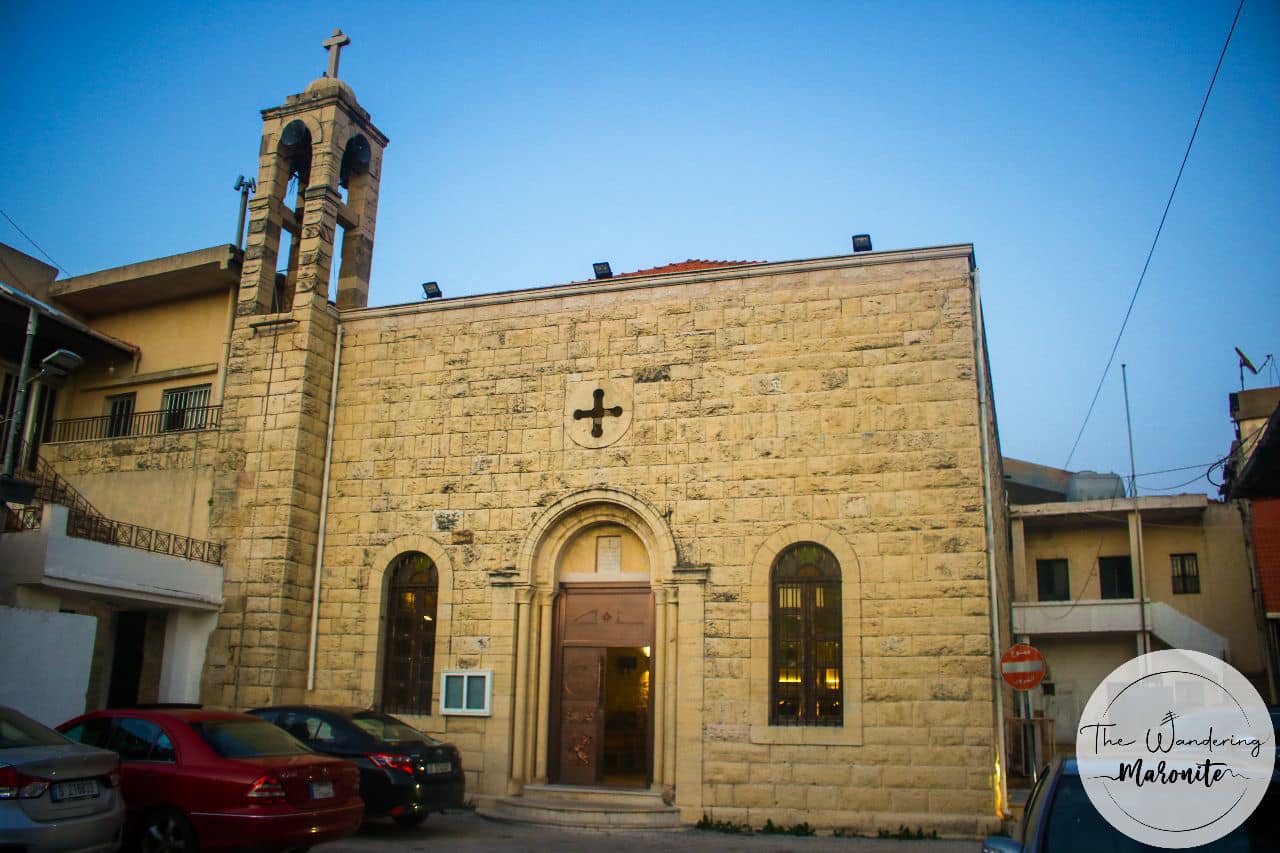
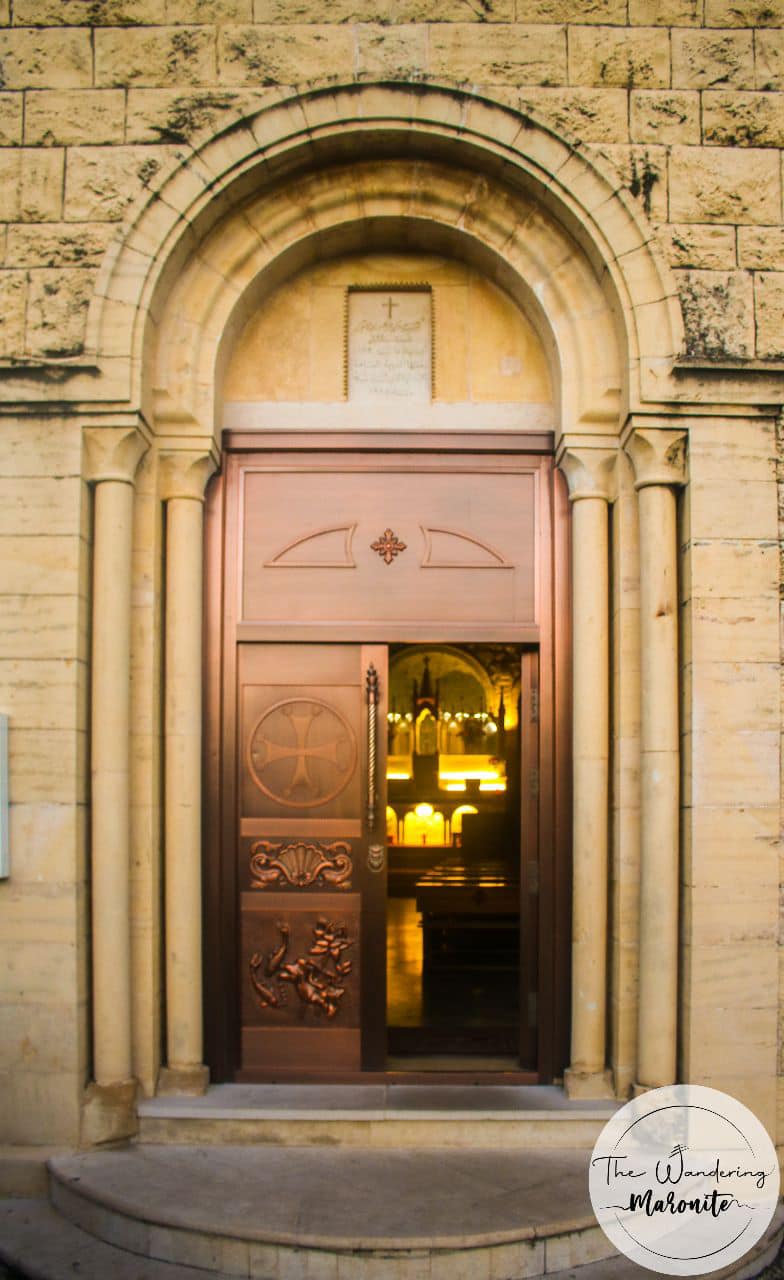
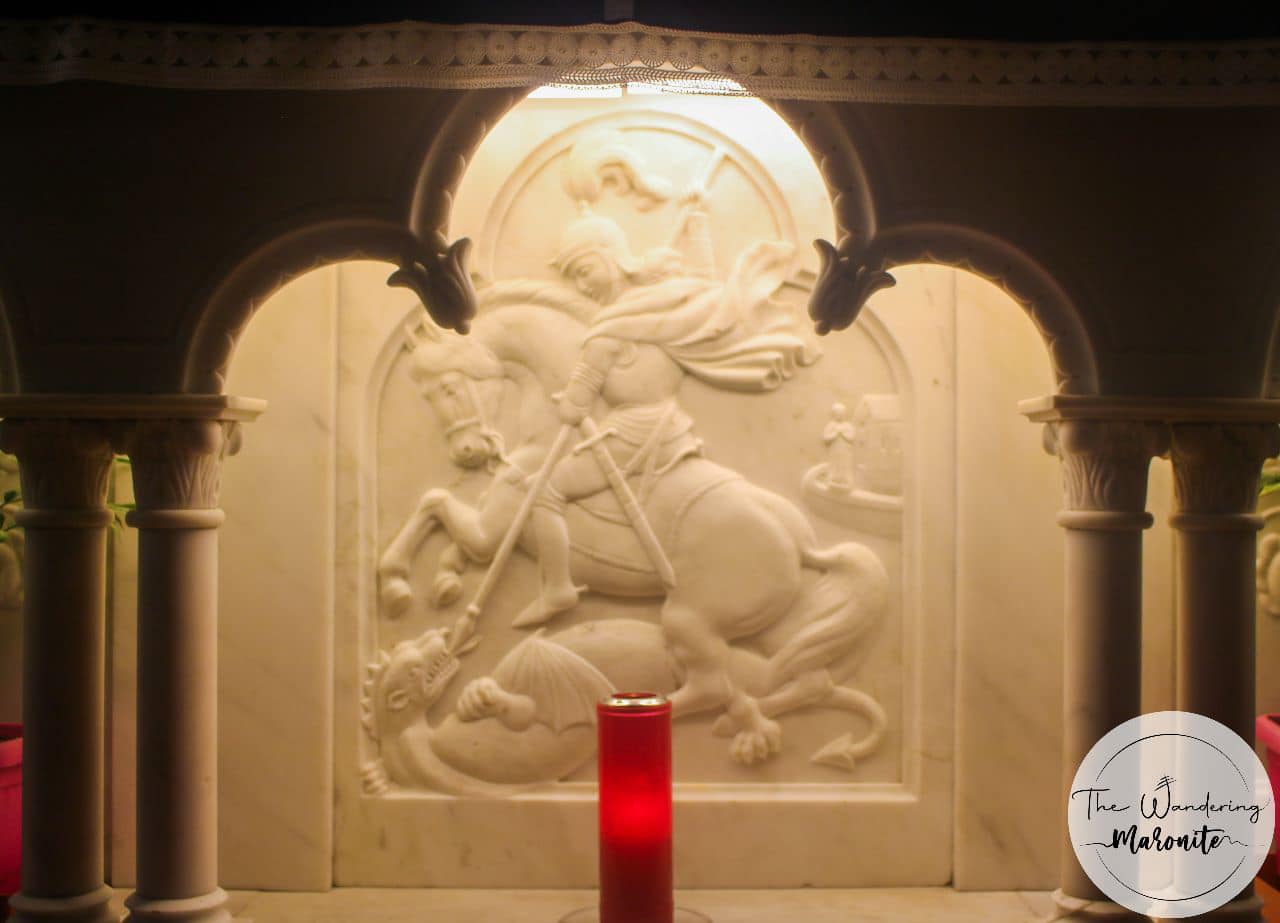
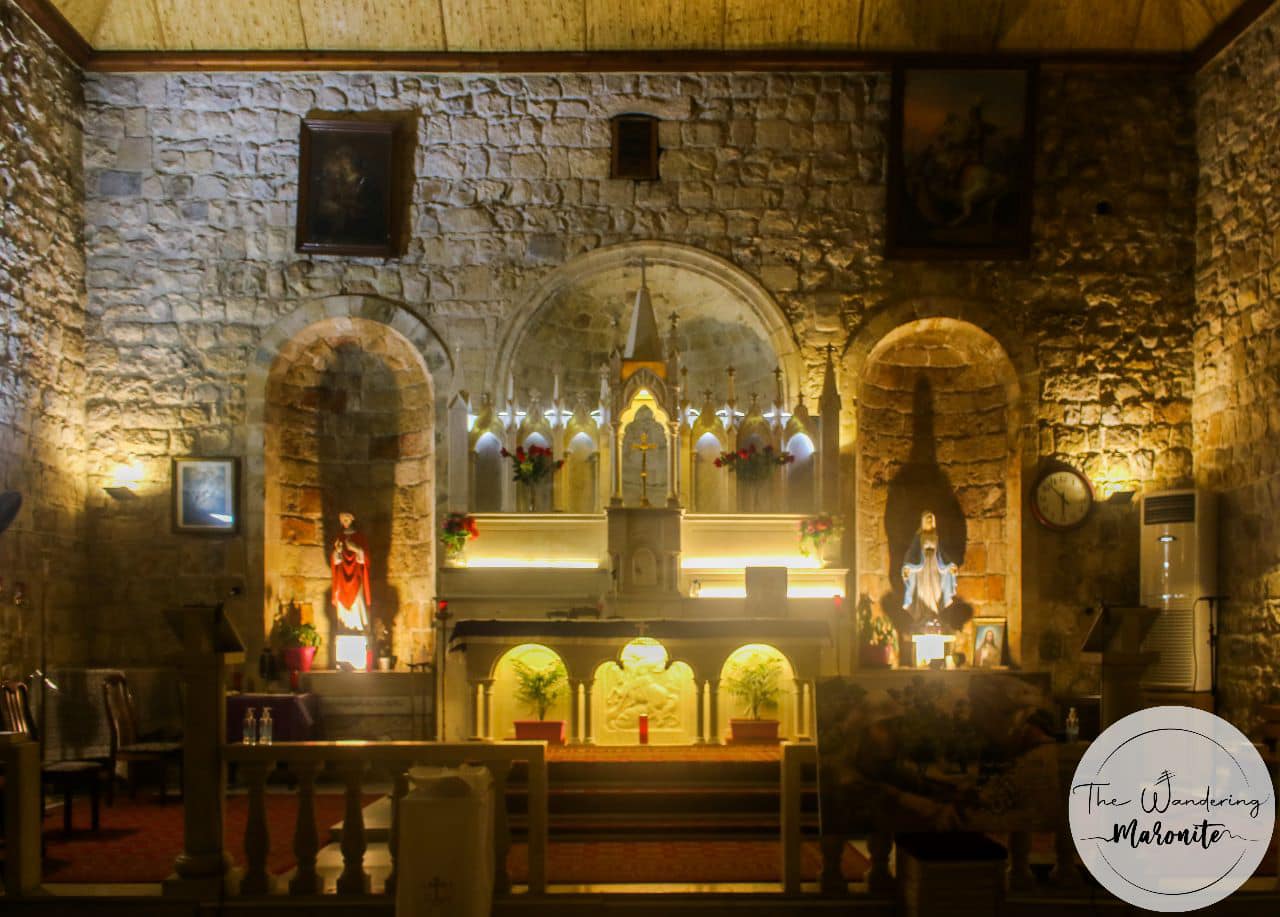
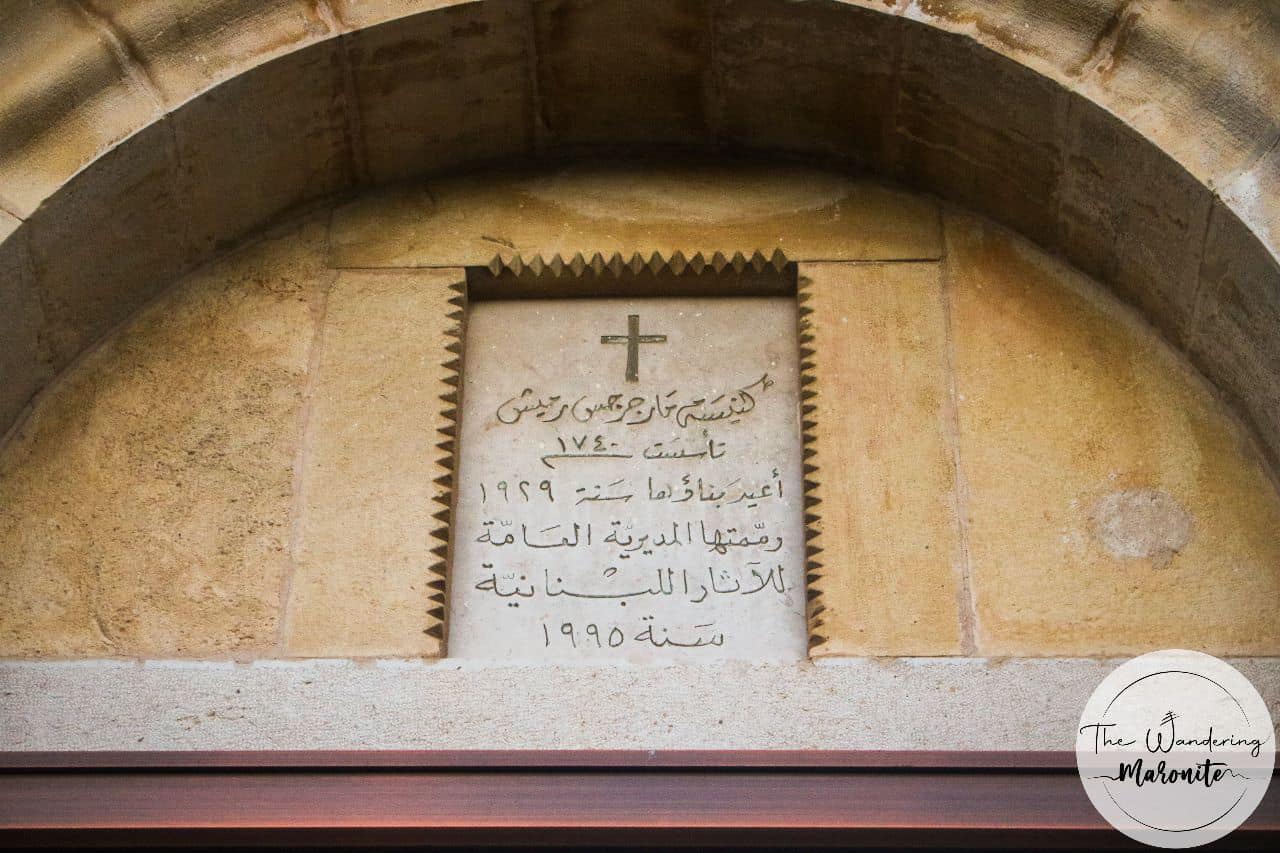
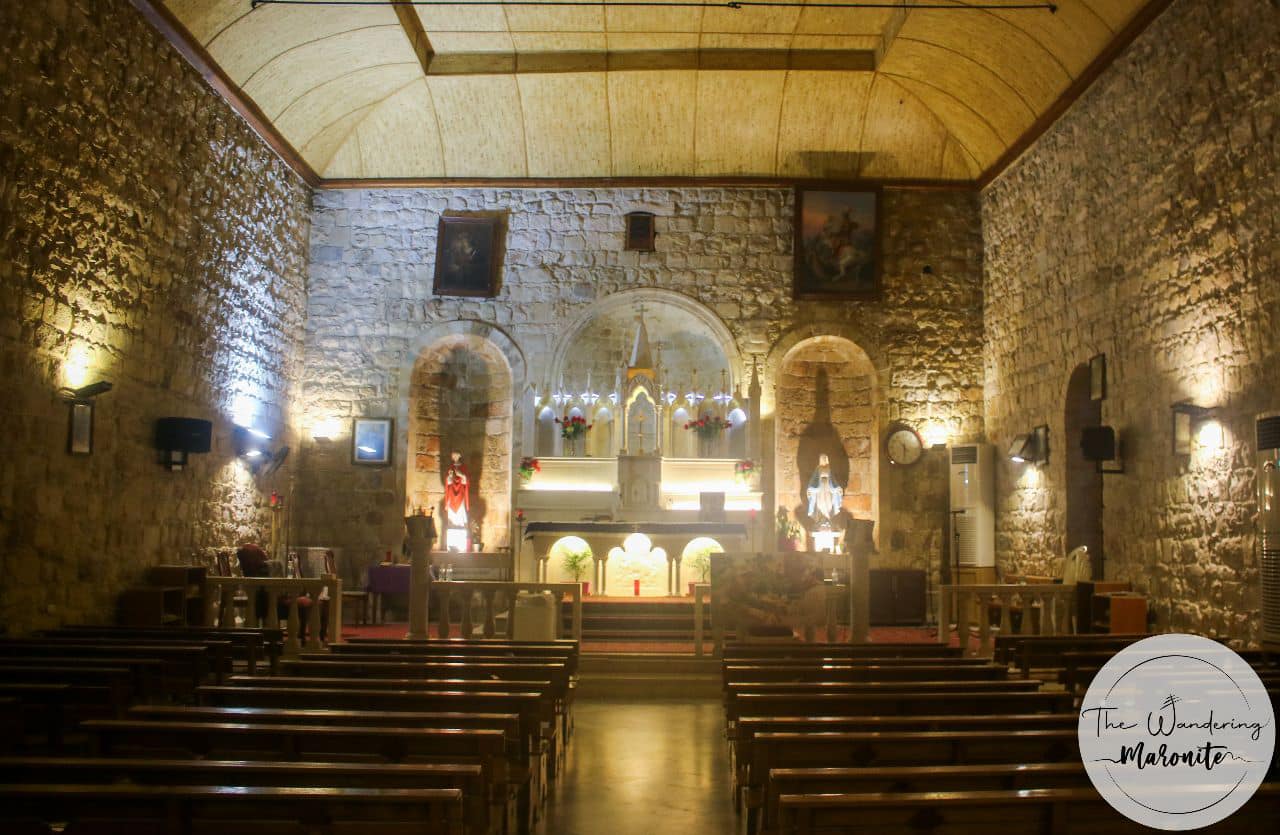
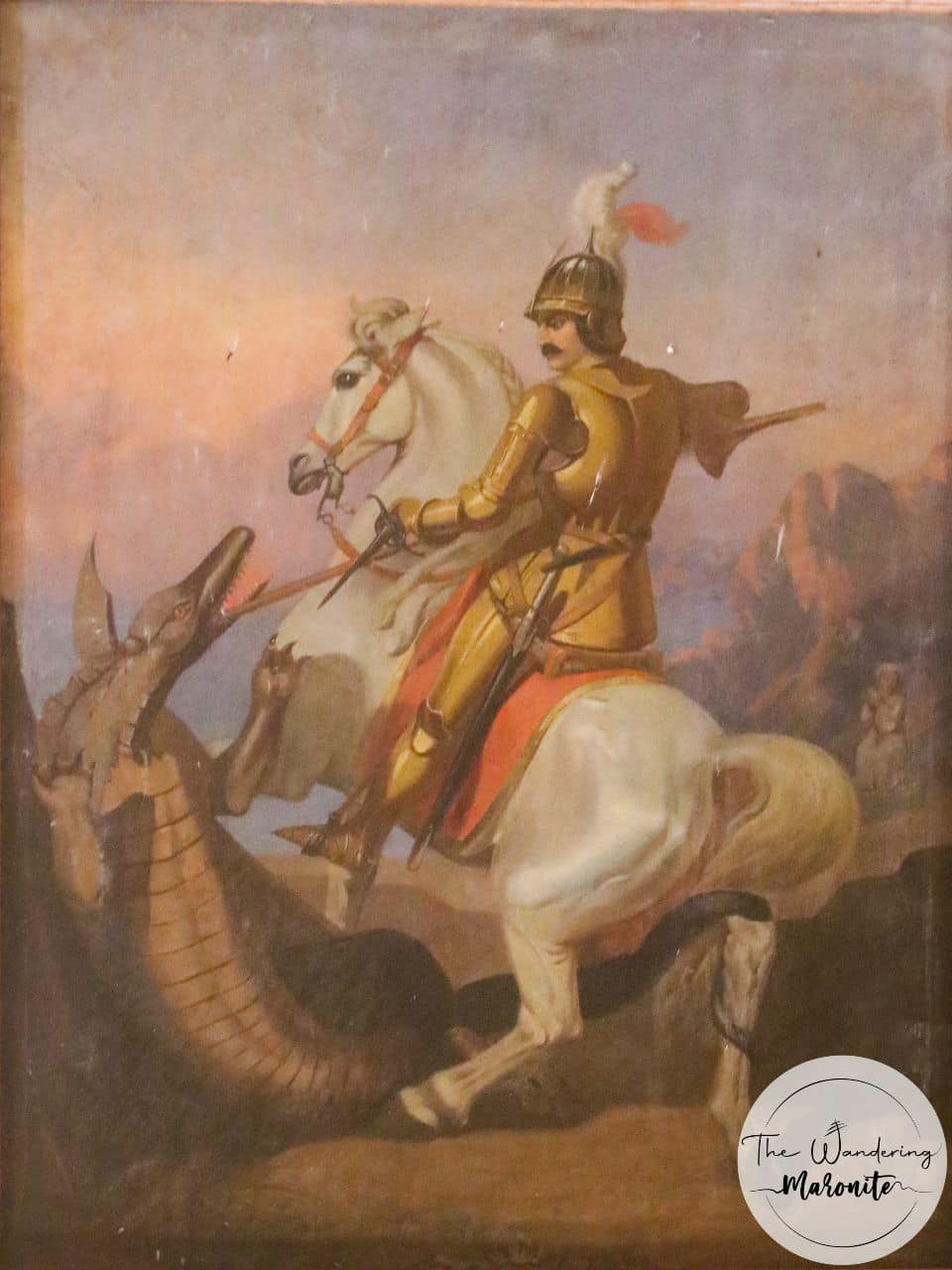
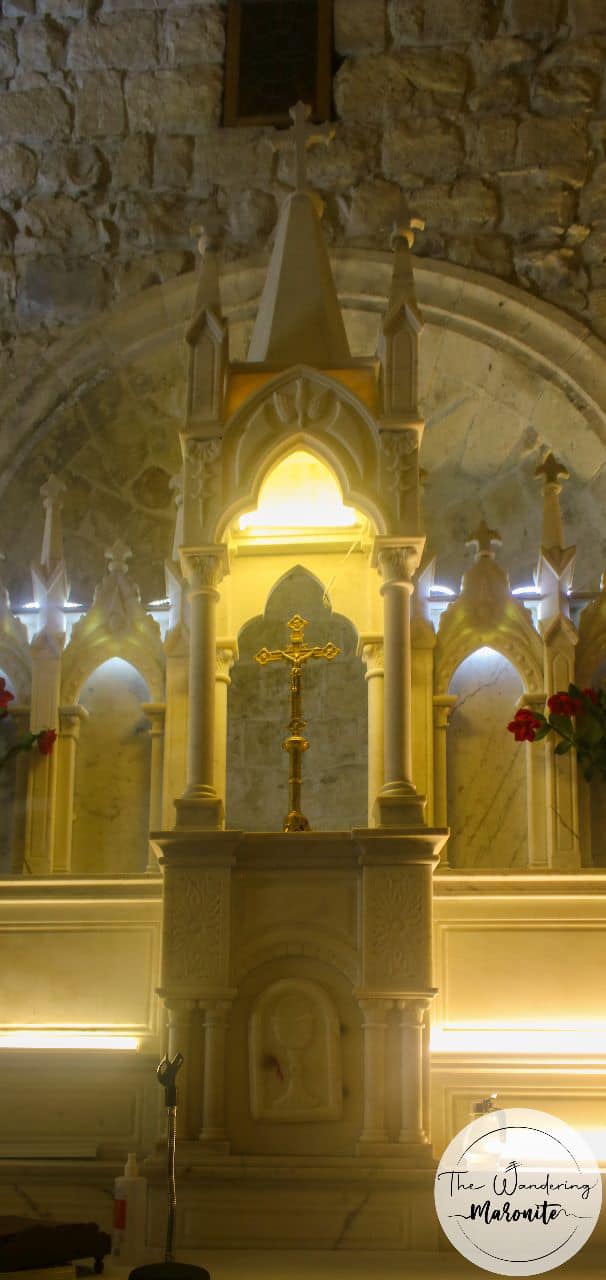
كنيسة مار جرجس - رميش تأسّست الكنيسة الأولى سنة ١٧٤٠، مع قدوم الموارنة إلى البلدة. تعرّضت هذه الكنيسة للتخريب جرّاء الزلازل والحروب عدّة مرّات. أُعيد بناؤها بالشكل الحاليّ سنة ١٩٢٩ ورمّمتها مديريّة الآثار سنة ١٩٩٥. الكنيسة كناية عن سوقٍ واحدٍ مستطيل مسقوف بسقفٍ بغداديّ. مذبحها رخاميّ يحوي نقشًا لمار جرجس. وتحوي الكنيسة لوحتين للسيّدة ومار جرجس. The church of St George - Rmeish The church was founded in 1740 when the first Maronites came to the village. It was damaged many times due to wars and earthquakes. It took its current form in 1929, and was restored in 1995. The structure is a single roofed rectangular nave with a wooden ceiling. The main altar contains a marble Bas-Relief of St George. The church holds two local paintings: the Madonna and St George.

Visited 2364 times, 10 Visits today

Reviews are disabled, but trackbacks and pingbacks are open.

Related Listings

Bejjeh – The Church of Our Lady of the Farm

سيدة المزرعة - بجه, Bejjeh, Lebanon

كنيسة سيّدة المزرعة

Bejjeh

Jbeil

Mount Lebanon

كنيسة سيّدة المزرعة - بجّة

كنيسةٌ بيزنطيّة بعقدٍ سريريّ وحنية نصف دائريّة، مبنيّة فوق أنقاضٍ رومانيّة. تقع الكنيسة في موضعٍ أثريّ غنيّ بالنواويس والآثار. رمّمت الكنيسة في القرن العشرين وأُضيفت إليها قبّة جرسٍ.

The Church of Our Lady of the Farm - Bejjeh

The church is a Byzantine church, with its structure consisting of a rib vault and a semicircular apse. The church was built over Roman ruins in a historic necropolis. It was renovated in the 20th century, and a bell tower was added.

Dlebta – Convent of Our Lady of the Fields

دير سيدة الحقلة، دلبتا، Lebanon

دير سيّدة الحقلة - دلبتا

1755

Dlebta

Keserwan

Mount Lebanon

دير سيدة الحقلة - دلبتا
يعود تأسيس دير سيدة الحقلة في دلبتا – لبنان إلى القرن السادس عشر على يد الخوري يوسف قصاف.
عام 1755 شيدت الكنيسة الكبيرة وحفر على عتبة بابها الصليب البطريركي الماروني.
راهبات سيدة الحقلة أو الراهبات الحبيسات المسؤولات عن الدير يقضين نهارهنّ في الصلاة، العمل اليدوي والزراعي.
هذا الدير الذي كان يجمع الراهبات والرهبان، قصد إحدى رهبانه من حوالي ٤٠٠ سنة تقريباً النمسا بهدف البحث عن جرس جديد حيث كُسر جرس الكنيسة الأساسي على يد الراهب نفسه.
وفي التفاصيل، أن ابنة الملك كانت مريضة وسمع هذا الراهب بهذا الأمر فتوجه الى البلاط الملكي وصلّى على الفتاة فشيت في الحال. فقال له الملك، ماذا تريد وكيف اردّ لك الجميل، فقال الراهب، اريد جرساً جديداً أصطحبه معي الى جبل لبنان. فأهداه الملك جرسًا وبيت قربان وكأس قربان ومذبحًا وغيرها من الأمور التي جاء بها الى الدير.
ومنذ ذلك التاريخ وهذه التّحف موجودة في الدير حتى يومنا هذا.

The monastery of our Lady of the fields - Dlebta
The monastery was built by the priest Joseph Asaf during the sixteenth century. The main church was built in 1755 and a patriarcal cross was engraved on it’s main door. The monastery is now occupied by a patriarcal contemplative order of nuns.
When it was built, the monastery was mixed with two communities: monks and nuns. 400 years ago a monk broke the church’s bell when he was ringing it, so he went to Austria where he had an audience with the emperor and asked him for a bell to be taken to Mount Lebanon.
After a healing miracle with an austrian princess, the emperor donated a bell, a great tabernacle, a high altar, and a chalice to the monastery. All of these baroque artifacts are still conserved in the monastery today.

Qannoubine valley – St Marina’s Grotto

St. Marina the Monk, Wadi Qannoubine, Lebanon

مغارة القدّيسة مارينا

Ouadi Qannoubine

Bcharre

North

مغارة القدّيسة مارينا - وادي قنّوبين

بالأصل هذه المحبسة مغارة طبيعيّة بقرب دير قنّوبين، قصدها الحبساء
للخلوة. الى هذه المغارة لجأت القديسة مارينا والولد اللقيط الذي ربّته واهتمّت به بعد طردها من الدّير، وفيها ماتت ودفنت. بحسب البطريرك الدويهيّ أخذ الصليبيّون جثمانها الى البندقيّة وبقيت يدها اليسرى في المغارة. أصبحت هذه المغارة محجًّا ومدفنًا لسبعة عشر بطريركًا سكنوا في دير قنّوبين، من يوحنّا الجاجيّ الى يوحنّا الحلو. سنة ١٩٠٩ خلال حبريّة البطريرك الياس الحويّك ، رُمّم المدفن، وبنيت للمغارة واجهة حجريّة، ووضع في داخله مذبح رخاميّ جديد.

St Marina’s Grotto - Qannoubine valley

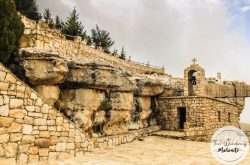
The cave was a hermitage dependent of the monastery of Qannoubine. In this cave St Marina took refuge with the bastard child she raised after her unfair expulsion from the monastery. She was buried in the same cave that became a pilgrimage site. The Crusaders transferred her relics to Venice leaving only her left hand in the cave according to patriarch Douweihy. The cave became the patriarchal necropolis, a total of 17 patriarchs were buried there from John of Jaj to John El Helou. In 1909 during the pontificate of Patriarch Elias Howayek the necropolis was restored, a stone facade was built to the west, and a new marble altar was brought in.