
Ejdabra – The Church of Our Lady of El Fers

كنيسة سيدة الأنتقال, Ijdabra, Lebanon

Other Details

كنيسة سيّدة الفرس

Ijdabra

Batroun

North

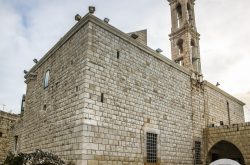
كنيسة سيّدة الفرس - إجدبراالكنيسة وقف ذريّ لعائلة أبي أنطون. بنيت سنة ١٨٦٦ بموافقة البطريرك بولس مسعد وسعي روكز الخوري. الكنيسة صغيرة بعقد مصالب وحنية واحدة.The Church of Our Lady of El Fers - EjdabraThe church is a private familial chapel built in 1866, with the approval of Patriarch Boulos Massaad, by Roukoz El Khoury. The church is a small cross vaulted crypt with a single apse.

Visited 3129 times, 2 Visits today
Reviews are disabled, but trackbacks and pingbacks are open.

Related Listings

Bcharre – The old monastery of Prophet Elishah

Saint Elisha the Prophet, Bcharre - Tannourine Road, Lebanon

دير مار أليشاع القديم

Bcharreh

Bcharre

North

دير مار أليشاع القديم - بشرّي

يقع الدير في وادي قنّوبين على السفح أسفل مدينة بشرّي. أولى الإشارات لوجوده تعود لسنة ١٣١٥، حين كان الدير مقرًّا لأساقفة بشرّي.
سنة ١٦٤٣، قطنه الرهبان الكرمليّون وهم أوّل إرساليّة أجنبيّة خدمت الموارنة. سنة ١٦٤٤، توفّي فيه برائحة القداسة، الناسك الفرنسيّ فرانسوا دي شاستوي. سنة ١٦٩٥، تسلّمت الرهبانيّة الحلبيّة اللبنانيّة الناشئة الدير من اهالي بشرّي، فأعاد الرهبان بناءه، وأقاموا فيه مدرسةً، وجلبوا من حلب أيقونة مار أليشاع. في ١٠ تشرين الثاني ١٦٩٨ إنعقد فيه أوّل مجمع للرهبانيّة، وفيه وُضع القانون الرهبانيّ الذي ثبّته فيما بعد البابا أقليمنضوس الثاني عشر وأهدى بدوره الدّير بيت قربانٍ وذخيرة مار مارون. أصبح الدّير محبسةً بعد بناء الدّير الجديد سنة ١٨٧٤، وكان آخر حبسائه الأب أنطونيوس طربيه (+١٩٩٨). وهو اليوم محجّ ومقصد للعزلة والصلاة.

The old monastery of Prophet Elishah - Bcharre

The monastery is situated in the holy valley of Qannoubin, on a cliff underneath the city of Bcharre. The oldest signs of it’s existence date back to 1315 when it was the seat of Bcharre’s bishops.
In 1643 it was the headquarters of the Carmelites, the first western missionaries to the Maronites.
In 1644 the saintly hermit Francois de Chasteuil died and was buried in the monastic church.
The newly founded Lebanese Aleppan Maronite took the monastery as it’s headquarter in 1695 and bought the icon of Prophet Elishah from Aleppo. On the 10th of November 1698 the first monastic council was held and the new monastic rules where promulgated. They where later acknowledged by Pope Clement XII who gave the monastery a tabernacle and a relic of St Maroun.
The monastery was used as a hermitage after the construction of the new monastery in 1874. The last of the hermits was Father Antonios Torbey (+1998). The monastery is now a shrine for pilgrims who seek solitude.

Yammouneh – The Fountain of the Forty Martyrs

Yammouneh, Lebanon

نبع الأربعين شهيد

Yammouneh

Baalbek

Baalbek-Hermel

نبع الأربعين شهيد - اليمّونة

هو نبعُ ماءٍ طبيعيّ بقربه آثار رومانيّة. هذه الآثار تحوّلت إلى كنيسةٍ وديرٍ في العهد البيزنطيّ، وحافظ المكان على الإسم الذي يشير إلى شهداء سبسطية الأربعون. "

The Fountain of the Forty Martyrs - Yammouneh"

The fountain is a natural water source. Near the source, the Romans built some structures that were later converted into a church and a monastery during the Byzantine era. The ruins of the buildings are still visible, and the place has retained its dedication to the forty martyrs of Sebastopolis.

Zouk Mikael – The church of St Doumit

Mar Doumit El Athaya - Church, Zouq Mkayel, Lebanon

كنيسة مار ضومط - زوق مكايل

Zouk Mkayel

Keserwan

Mount Lebanon

كنيسة مار ضومط - زوق مكايل
بنى الكنيسة الشيخ موسى الخازن سنة ١٧٢٨ وكانت وقفيّةً لآل الخازن. الكنيسة عقد مزدوج فريد بزخرفته ومقرنصاته وفتحات الضوء في السقف. كانت الكنيسة لزمنٍ طويل مرتبطة بعائلة الخازن إلى أن قامت بين سنتيّ ١٩٠٢ و ١٩٠٤ عاميّة زوق مكايل. في ذلك الزمان هدّد الأهالي بتحوّلهم إلى المذهب الأنغليكانيّ، ولتحول البطريركيّة دون ذلك، حوّلت وقفيّة الكنيسة من عائلة الخازن إلى أهالي البلدة، وخصّ البطريرك الياس الحويّك الرعيّة بزيارةٍ حبريّة وبعددِ من الإنعامات. تضمّ الكنيسة العديد من اللوحات والتحف الكنسيّة القيّمة. رمّمت في ثمانينات القرن العشرين.
The church of St Doumit - Zouk Mikael
The church was built in 1728 by Sheikh Moussa el Khazen as a private church for the Khazen family. The structure is ornate with arabesque decoration and lucarnes in the vault, blending cribbed and crossed vaults. The church was a fiefdom of the Khazen family until the uprising of the peasants between 1902 and 1904. Back then the Maronite Patriarchy made the church a parish for the people to prevent them from turning to anglicanism. Also the Patriarch Elias Howayek made a pontifical visit to the parish and gave the parish many indulgences. The church holds a lot goldsmith artifacts and paintings. The building was renovated in the eighties of the XXth century.