كنيسة سيّدة الإنتقال - تنورين الفوقا
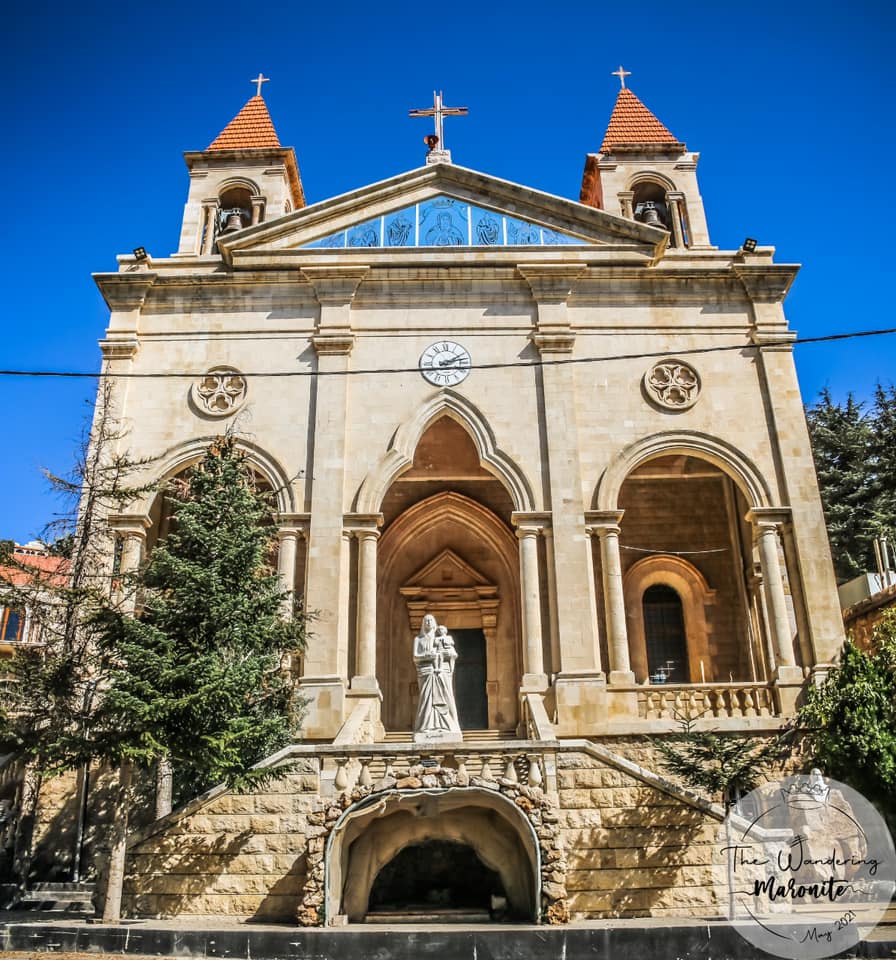
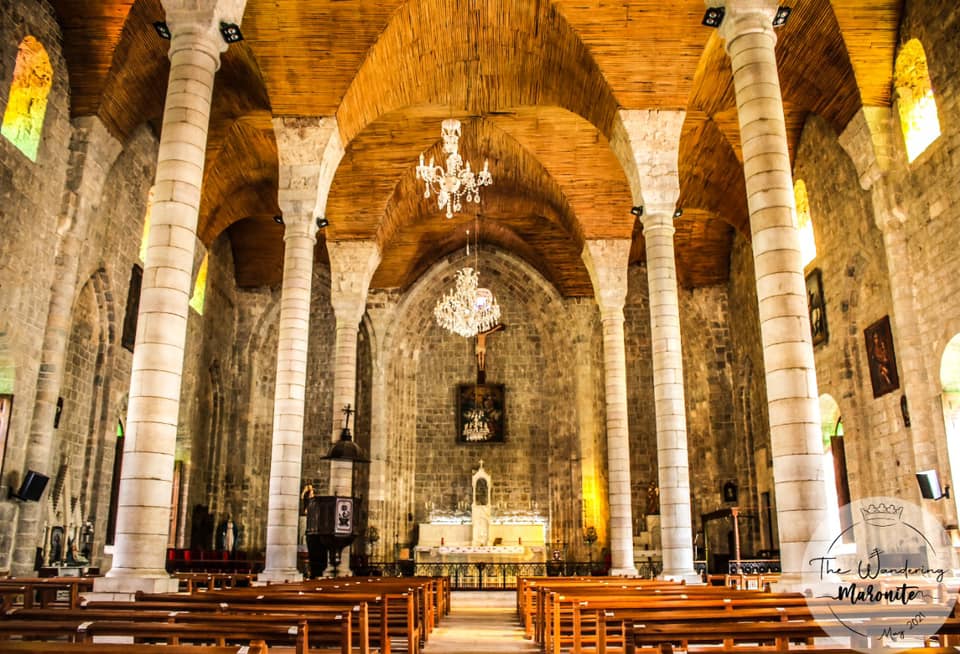
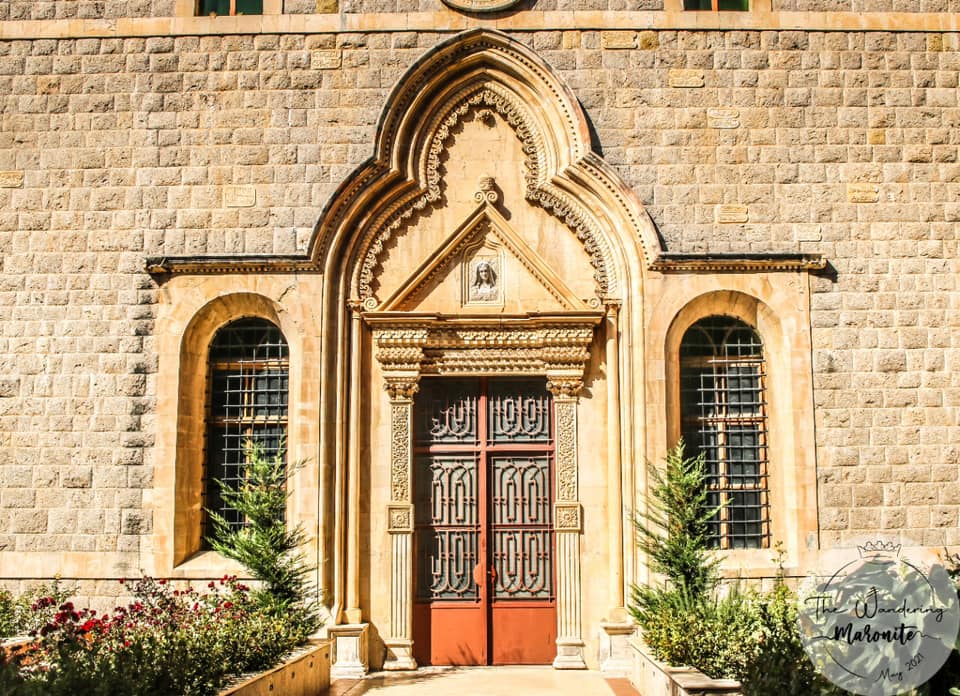
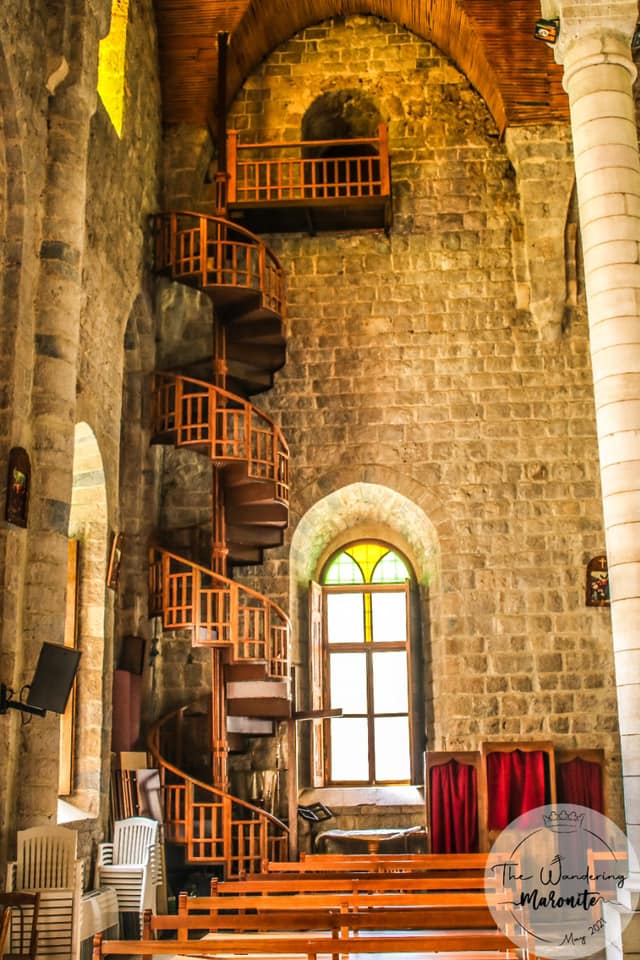
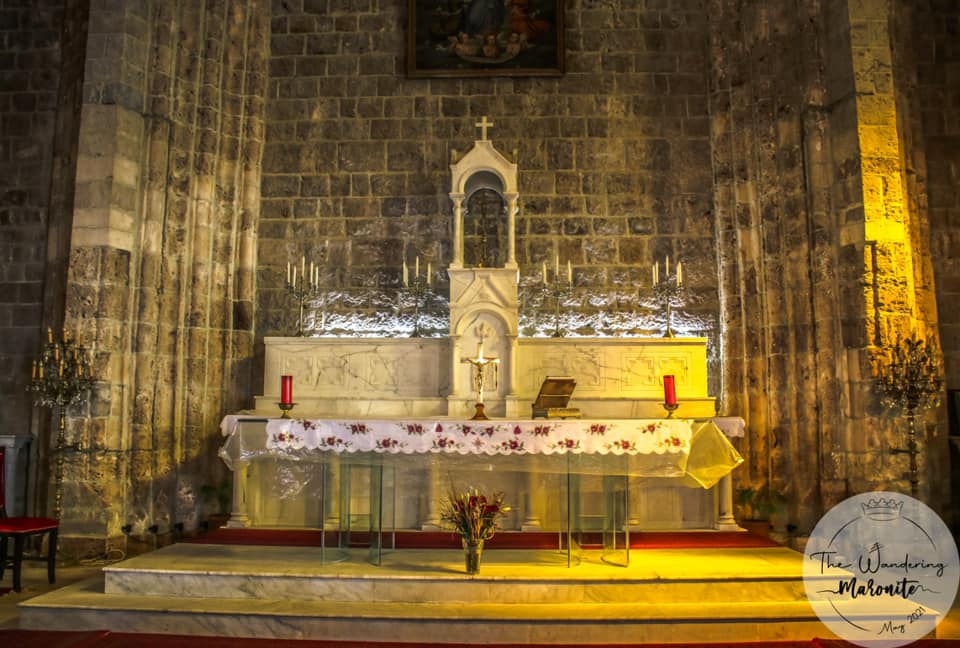
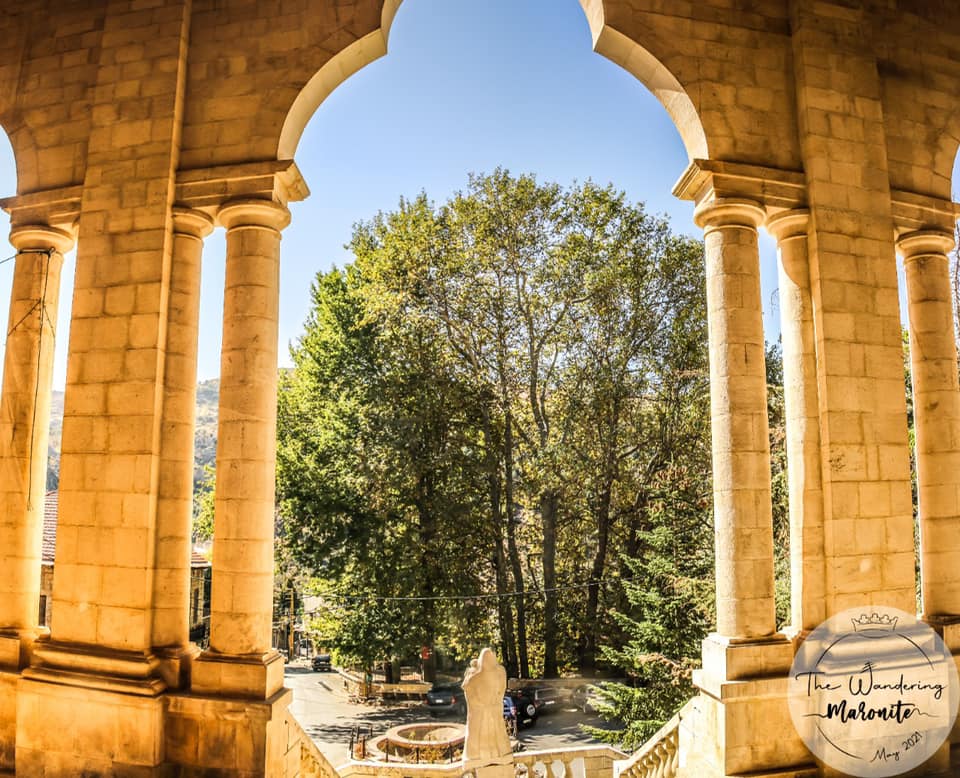
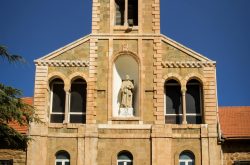
بُنيت هذه الكنيسة على أنقاض كنيسة أقدم تعود للقرن الثامن. بوشر البناء سنة ١٨٧٠ وتمّ سنة ١٩٢١ فكانت أكبر كنيسة في لبنان آنذاك. رُمّمت سنة ١٩٧٩ وأظهر الترميم العقد المصنوع من خشب الأرز. سنة ١٩٩٦ إستُقدمت الساعة من إيطاليا.The church of Our Lady of Assumption - Tannourin el FawqaThe church was built over an older church dating back to the VIIIth century. The construction began from 1870 until 1921, becoming the biggest church in Lebanon at that time. The church was restored in 1979 and the cedar wood roof was revealed. A bell tower imported from italy was added to the structure in 1996.
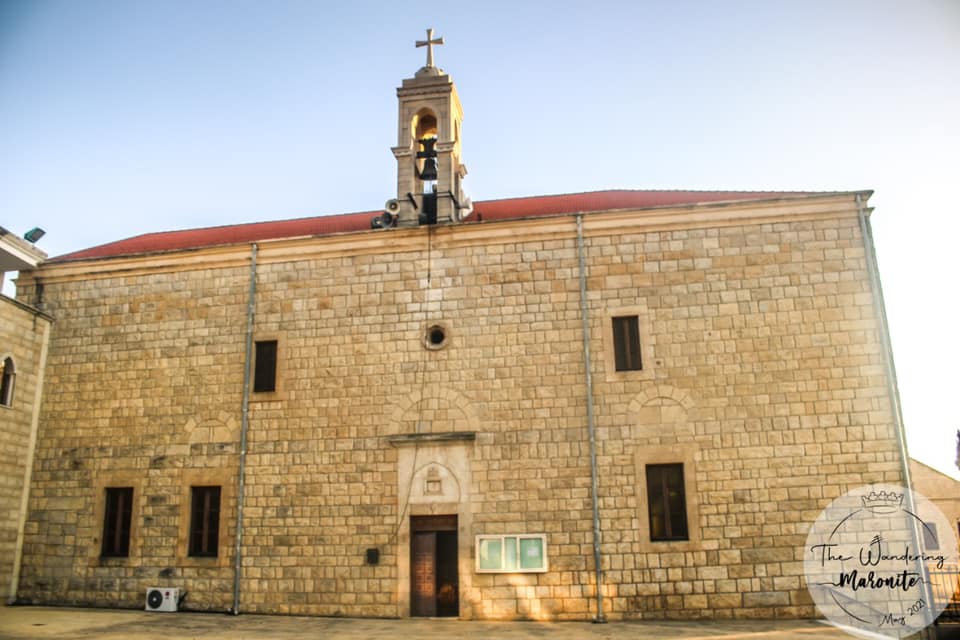
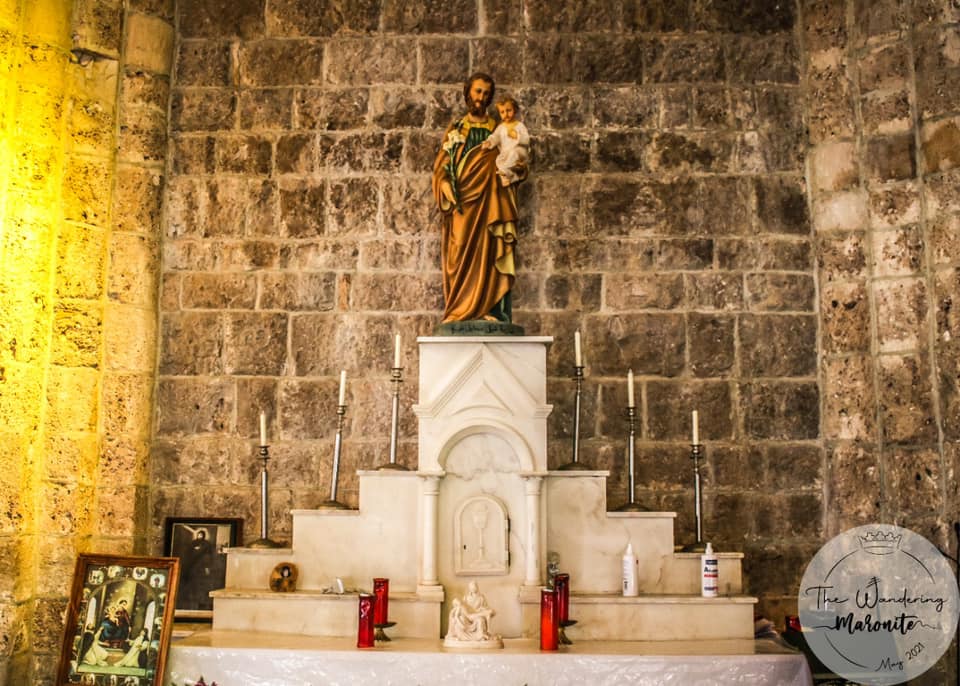
بنيت الكنيسة سنة ١٨٧٦ وكانت وقفًا خاصًا لآل الهاشم. في ٢٦ تشرين الثاني سنة ١٩٠٠ إشتراها الأهالي بمصادقة المطران نعمة الله سلوان فأصبحت كنيسةً رعائيّة. الكنيسة كناية عن عقدٍ مصالبٍ ينتهي بحنية. لوحة مار يوسف تعود لسنة ١٩٢٨.
The church of St Joseph - El Fraykeh
The church was built in 1876 as a private chapel for the Al Hashem family. On the 26th of November 1900, the locals bought the church, and it was created a parish with the approbation of Mgr. Nemtallah Selwan Bishop of Cyprus. The church is a cross vaulted structure ending with a nave. The painting of St Joseph dates back to 1928.
تعود رسالة الآباء الكرمليّين في منطقة بشرّي إلى أواخر القرن السابع عشر. سكنوا أوّلاً دير مار أليشاع القديم وانتقلوا سنة ١٧٠٤ إلى دير مار سركيس. في ٩ آذار سنة ١٩٠٥، قام الأب سيريل دي سانتا ماريا، النائب الرسولي لجبل الكرمل، بزيارة بشرّي فاستقبله الأهالي وطالبوه بتوسيع الرسالة وإقامة مدارس. بدأ أبناء بشرّي البناء بمساعدات من فرنسا وبلجيكا وألمانيا سنة ١٩٠٨. سنة ١٩١٠ أكمل الأب جيوسيبي داربينو الجناح بناء الدّير والكنيسة، بمساعدة الكاردينال غوتي. الكنيسة كناية عن سوقٍ واحد بحنية نصف دائريّة وسقفٍ بغداديّ. الكنيسة مزيّنة بجدرانيّات للرسّام جرجس ديب الأورشليميّ وتمثل عدّة مشاهد من وحي روحانيّة الكرمل. يُعرف الدّير محليًّا "بالبادريّة" وهي تعريب لكلمة بادري أي الأب.
The Carmelite Convent of St Joseph - Bcharreh
The Carmelite mission Bcharreh goes back to the late XVIIth century. The fathers resided in St Elishah and moved in 1704 to St Sergius. On the 9th of March 1905 the Carmelite provincial Cyril Da Santa Maria visited the town and was demanded by the locals to enlarge the mission and build schools. After that the locals began building with financial help from France, Belgium, and Germany in 1908. Construction was completed in 1910 with Padre Joseppe Darbino who completed the building with the church with the help of Cardinal Gotti. The church consists of a single roofed nave with a semi circular apse. The church is decorated with frescoes by Gerges Dib from Jerusalem.
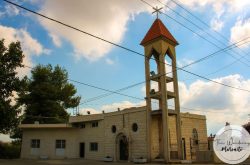
بنى أهالي جنجلايا كنيسة السيّدة سنة ١٩٥٦ لتُفصل رعيّة جنجلايا عن عقتانيت. كرّسها المطران أنطونيوس خريش (البطريرك لاحقًا). الكنيسة بناء إسمنتيّ بسوقٍ واحد.
The church of Our Lady - Jenjlaya
The church was built in 1956 and consecrated by Bishop Antonios Khoreish (Later patriarch). The church was built to separate the parish of Jenjlaya from the parish of Aktanyt. The church is a small cement structure with an apse.



Reviews are disabled, but trackbacks and pingbacks are open.