
Qsaibeh – Our Lady of Deliverance

St Mary Church, Qsaybeh, Lebanon

Other Details

كنيسة سيّدة النجاة القصيبة

1883

Qsaibeh Baabda

Baabda

Mount Lebanon

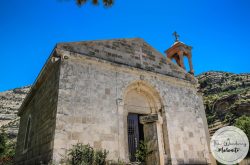
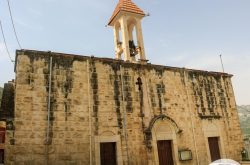
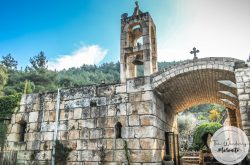
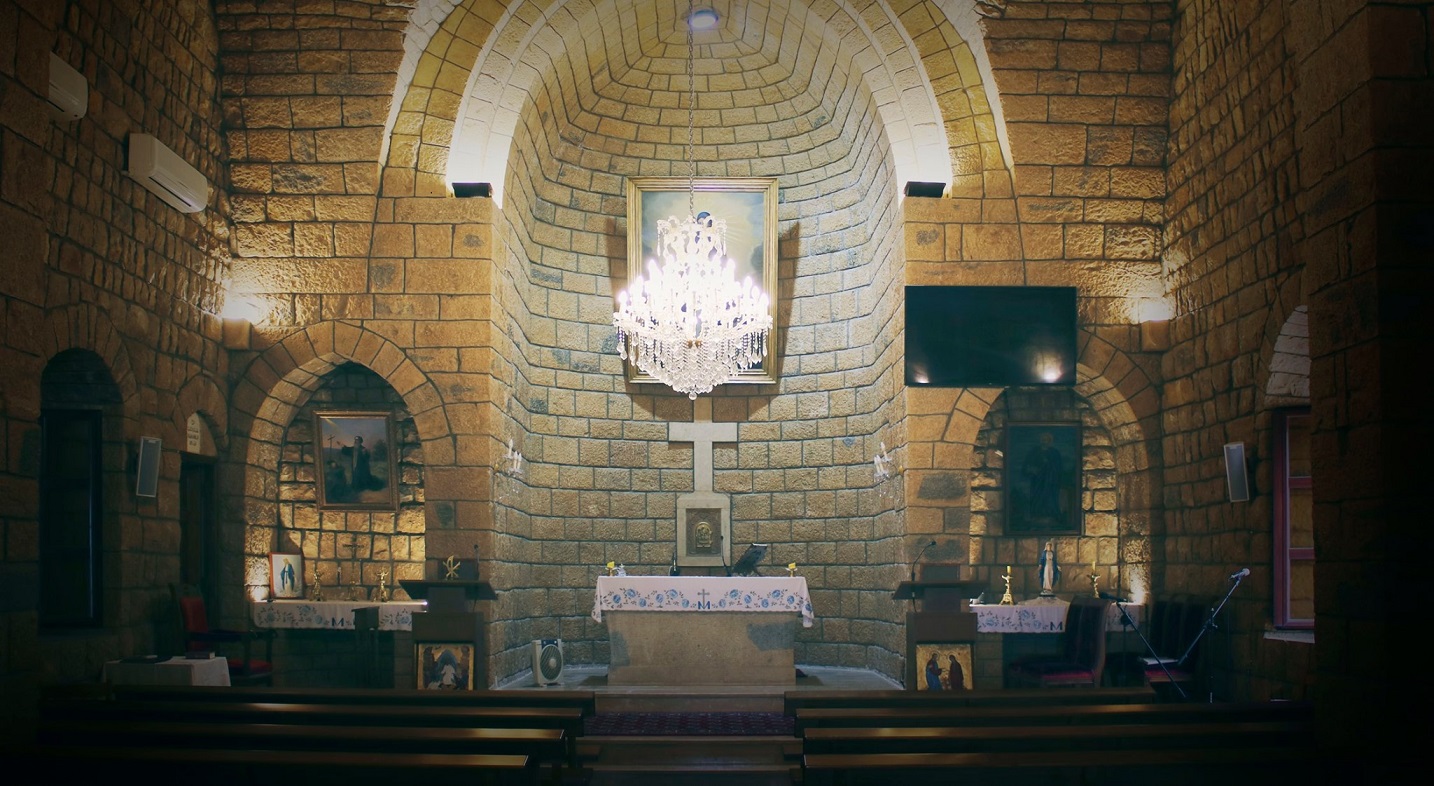
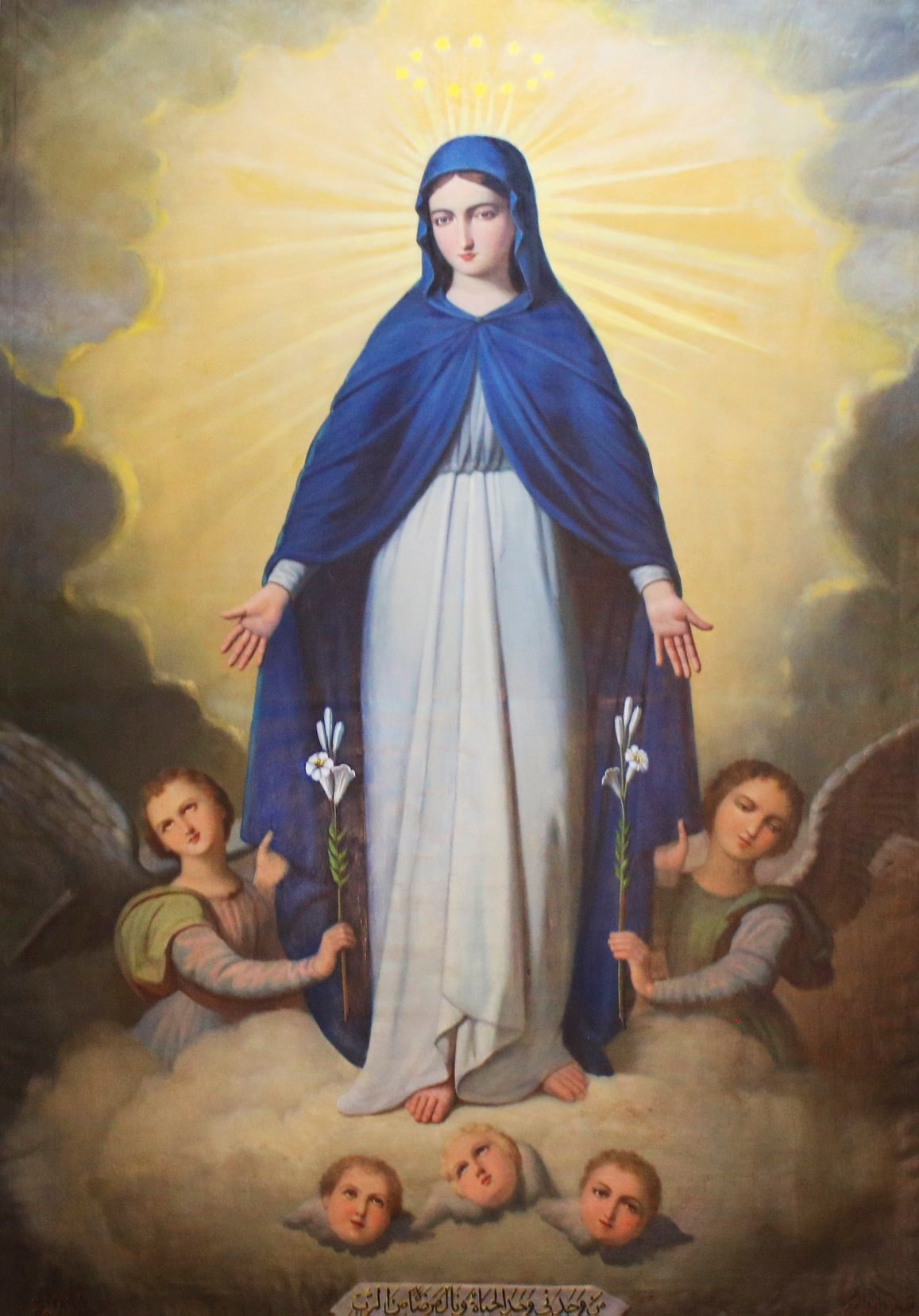
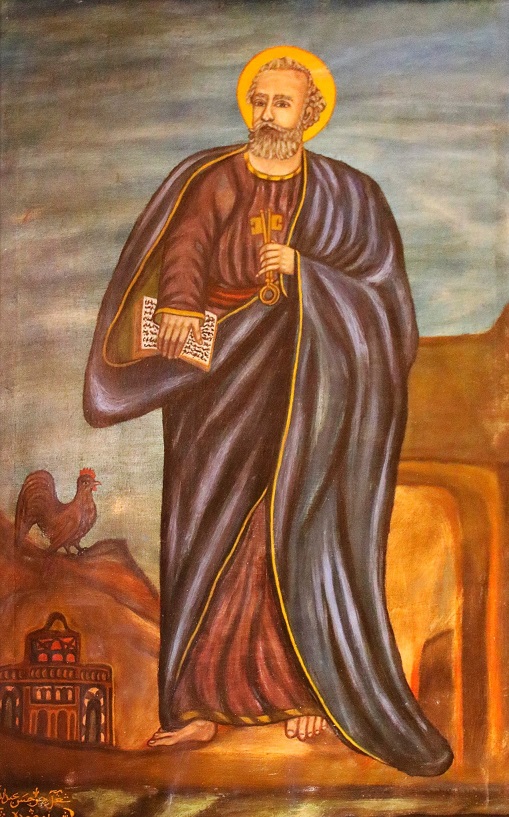
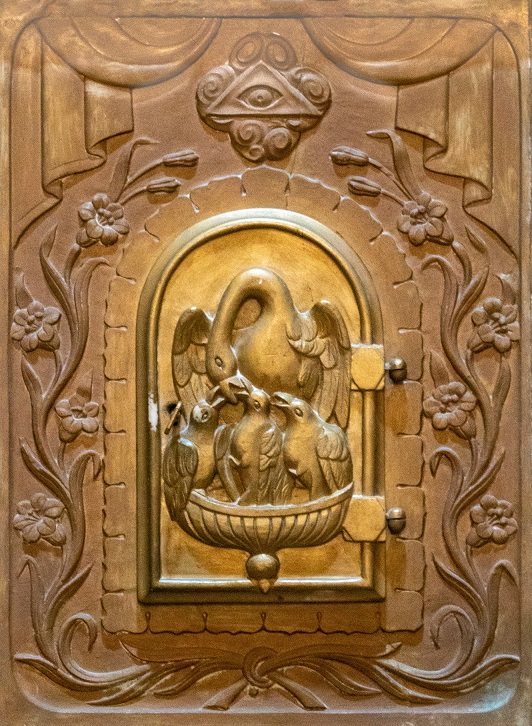
دُشّنت كنيسة سيّدة النجاة-القصيبة في عيد السيّدة سنة ١٨٨٣ بسعي وهمّة الخوري بطرس زيدان. تحتوي هذه الكنيسة على ثلاثة رسومات قيّمة لشفيعة الرعيّة (رسم داود القرم، ١٨٩٤) عليها كتابة: "من وجدني وجد الحياة ونال مرضاة الربّ" (أمثال ٨ /٣٥)، ومار مارون (رسم حبيب سرور، ١٩٢٣)، ومار بطرس(رسم جرجس عبدالله أبو جودة، ١٩١١).من الملفت وجود عين العناية الإلهية على بيت القربان، رمزًا قّل استخدامه بعد منتصف القرن التاسع عشر في الفن المسيحي بعدما أخذ دلالةً ماسونيّةً.رُمّمت الكنيسة في القرن الماضي وأُعيد تدشينها وتكريس المذبح الجديد في عيد السيّدة سنة ١٩٧٤.Our Lady of Deliverance Church QsaybehThe church was consecrated on the feast of Assumption of Mary year 1883 with the efforts of Father Boutros Zeidan. Three main paintings are hung in the three apses. On the main apse, stands that of the Assumption of the Lady, painted by Dawoud El Qorm in year 1894, with the verse :"For whoever finds me finds life, and wins favor from the Lord" (Proverbs 8: 35) written below the virgin. On the side apses, one can find a painting that depicts Saint Maroun drawn by Habib Srour in 1923, and another one depicting Saint Peter, a work by Gerges Abdallah Abou Jaoudeh, year 1911.What is remarkable is the presence of the Eye of Providence on the tabernacle, a symbol that was rarely used after the mid 19th century in Christian art for its relation with the Masonry.The Church was renovated in the past century, and the Altar was reconsecrated on the feast of the Assumption of the Lady year 1974.

Visited 3666 times, 8 Visits today

Reviews are disabled, but trackbacks and pingbacks are open.

Related Listings

El Gharbye Kobayat – The church of the Forty Martyrs

40 Martyrs Church, Qoubaiyat El Gharbiyeh, Lebanon

كنيسة الأربعين شهيد

Qbaiyat Aakkar

Akkar

Akkar

كنيسة الأربعين شهيد - الغربيّة القبيّات

بُنيت الكنيسة الأولى في القرن السادس عشر في المحلّة التي تعرف بالقبيّات العتيقة. ومن أبرز أبنائها في تلك الحقبة الأولى سمعان ابن شمعة الذي كتب مدحًا في البطريرك موسى سعادة العكّاري سنة ١٥٥٧ بحسب سلسلة البطاركة التي كتبها البطريرك الدويهيّ. أعيد بناء الكنيسة سنة ١٩٢٥ وكرّسها رئيس أساقفة طرابلس آنذاك المطران أطون عريضه (البطريرك لاحقً). الكنيسة مبنيّة بالحجر البركانيّ الأسود، مؤلفة من سوق واحد بحنية نصف دائريّة. رمّمت في العقد الأخير ممّا أضفى على داخلها نمطًا حديثًا في الهندسة يختلف عن نمطها الخارجيّ.

The church of the Forty Martyrs - El Gharbye Kobayat

The first church was originally built in the XVIth century in the locality known as Kobayat el Atiqa (the old Kobayat). One of its most famous parishioners from that era is Semaan Ibn Shamaa el Kobayati who wrote a eulogy for patriarch Moussa Saade el Akkari in 1557, according to the patriarchal list written by patriarch El Douwaihy. The church was rebuilt in 1925 and consecrated by the archbishop of Tripoli Mgr. Antoun Arida (later patriarch). The church is built with black basalt, it consists of a single nave with a semi circular apse. It was restored in the last decade, with a modern interior that is in real contrast with the exterior.

Kfarhelda – Our lady of Kfarmalkoun, or Our lady of ruins

كنيسة سيدة كفرملكون الأثرية - كفرحلده, Kfar Helda, Lebanon

كنيسة سيّدة كفرملكون (سيّدة الخرايب)

Kfar Hilda

Batroun

North

كنيسة سيّدة كفرملكون (سيّدة الخرايب) - كفرحلدا
ترقى الكنيسة الى القرن الثالث عشر ، في أعالي بلدة كفرحلدا وكانت قد بنيت هذه الكنيسة بالطريقة البدائية التقليدية كما كان قائماً في القرون الوسطى، أما قبة الجرس فهي حديثة الصنع.
هذه الكنيسة كانت جزءاً من قرية كفرملكون الواردة في السجلات العثمانية. مع مرور الزمن هُجّرت القرية وبدأت الابنية بالتفكك والانهيار خاصة بعد حدوث زلزال كان قد ضرب المنطقة أدى الى خرابها فسُميت بسيّدة الخرايب. أما السواد الذي يغطي بعضاً من معالم الرسومات داخل جدران الكنيسة، فكان بسبب ان بعض الرعاة كانوا يرتادون المكان ويشعلون النار للتدفئة.
في حنية الكنيسة جدارية الشفاعة مع كتابة يسوع المسيح بالخط السرياني الملكي في الوسط.
على الجدار الشمالي رسماً لأسقف أصلع الرأس، هو القديس يوحنا الذهبي الفم. وعلى الجدار نفسه نقرأ اسم ضومطيوس باللغة اليونانية.
أما على الجدار الجنوبي بقايا مشهد الميلاد مع أربع ملائكة وراعٍ يعزف على الناي وبجانبه حملان.

Our lady of Kfarmalkoun, or Our lady of ruins - Kfarhelda
Dating back to the 13th century, and laying on the high hills of Kfarhelda, this church was built following the traditional medieval style.
This church is located in the old Kfarmalkoun village that is found in the Ottoman records. With time, the villagers had left their village and the buildings started to fall apart, especially after it was hit by an earthquake. Thus the name: Our Lady of the Ruins.
Some of the Church walls are covered with a black layer caused by the fires that the pastors lit when they were cold.
On the Church's apse, one can find the Deisis fresco, surrounded by the words Jesus Christ written in a royal syriac font.
On the northen wall, we can see the drawing of a bald bishop, St. John Chrysostom. On the same wall, we can find the words Domtius written in Greek.
On the sourhern wall, on can find the remains of a fresco depicting the Nativity scene with four angels and a pastor playing on the flute next to some sheep.

Bane – The church of St George

St Georges Church, Bane, Lebanon

كنيسة مار جرجس

Bane

Bcharre

North

كنيسة مار جرجس - بان

هي كنيسة بان الرعائيّة، بُنيت أوائل القرن التاسع عشر موضع كنيستين صغيرتين على اسم مار اسطفان والأخرى على إسم مار نوهرا أقدم عهدًا، وبقي أثر أعتاب هاتين الكنيستين في الواجهة الحاليّة، وكرّس المذبحين الجانبيّين لشفاعة هذين القدّيسين. الكنيسة نمطها بازيليكيّ بثلاث أسواق تنتهي بثلاث مذابح رخاميّة نمطها نيوغوطيّ. رمّمت الكنيسة عدّة مرّاتٍ آخرها في العام ١٩٢٤ حين أخذ مدخل الكنيسة شكله الحاليّ، مع مدخلٍ جنوبيٍّ برتاجٍ ضخم. أواسط القرن العشرين تمّ بناء القبّة وهي من تصميمٍ إيطاليّ.

The church of St George - Bane

St George is the parish church of Bane, built in the XIXth century, over the ruins of two older smaller churches dedicated to Sts Stephen and Nohra. The entablature of the old churches were inserted into the new building, and the two side altars were dedicated to both saints respectively. The church is basilical with three naves ending with three marble neo gothic altars. The church was restored many times the last being in 1924 with the grand southern entrance and portico. In the mid XXth century the bell tower was added by an Italian architect.