دير مار جرجس الأحباش - وادي قنوبين
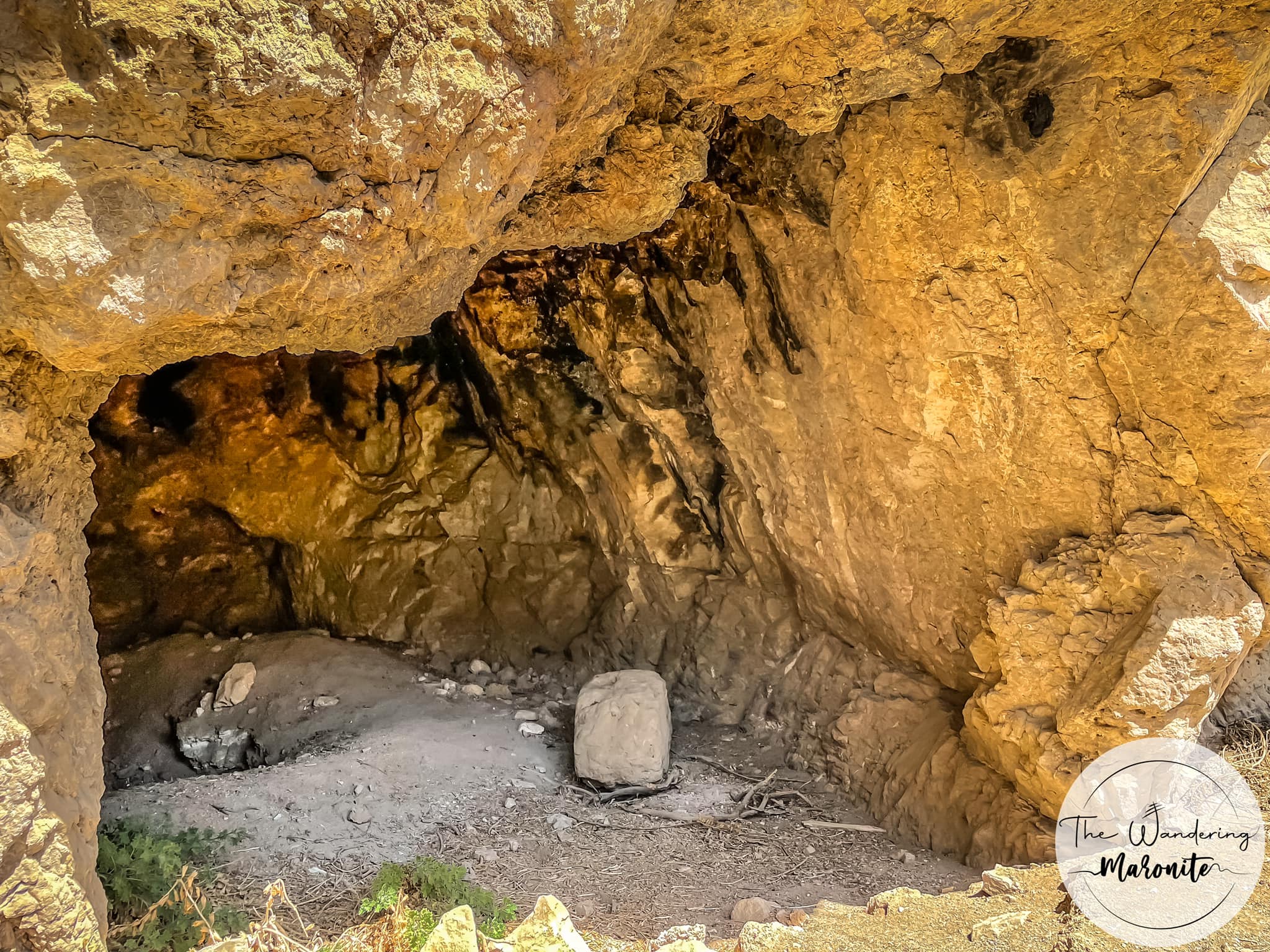
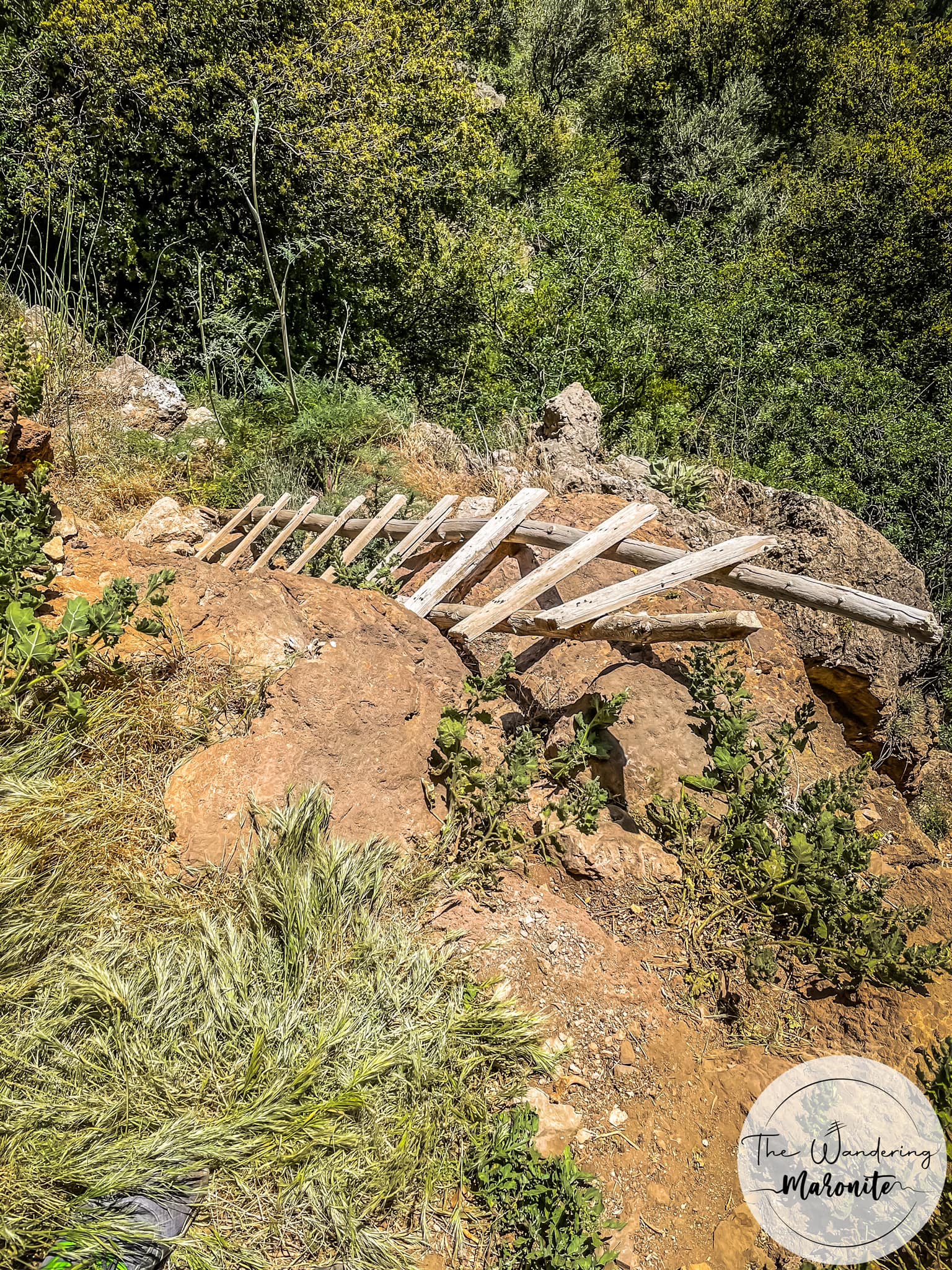
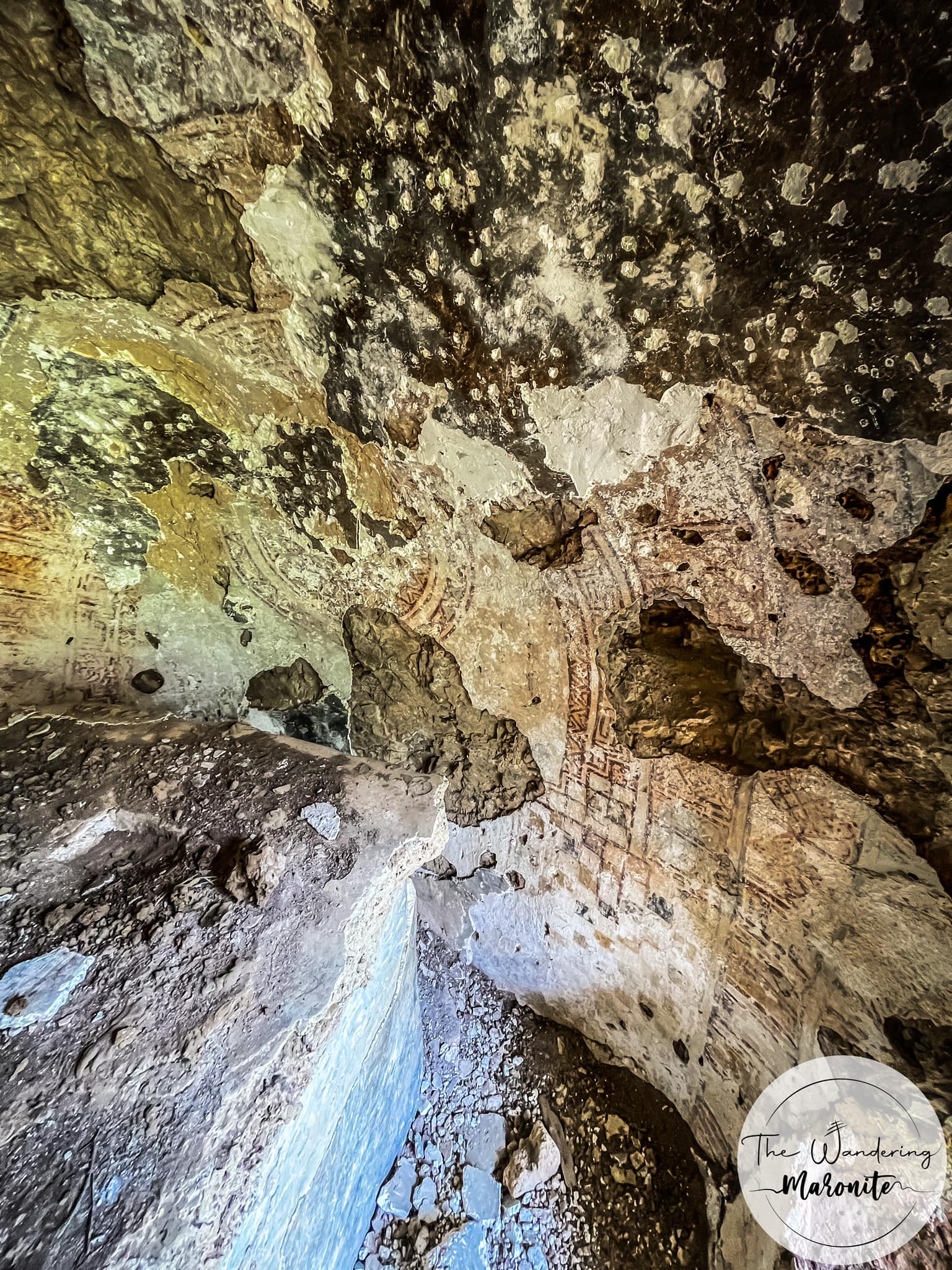
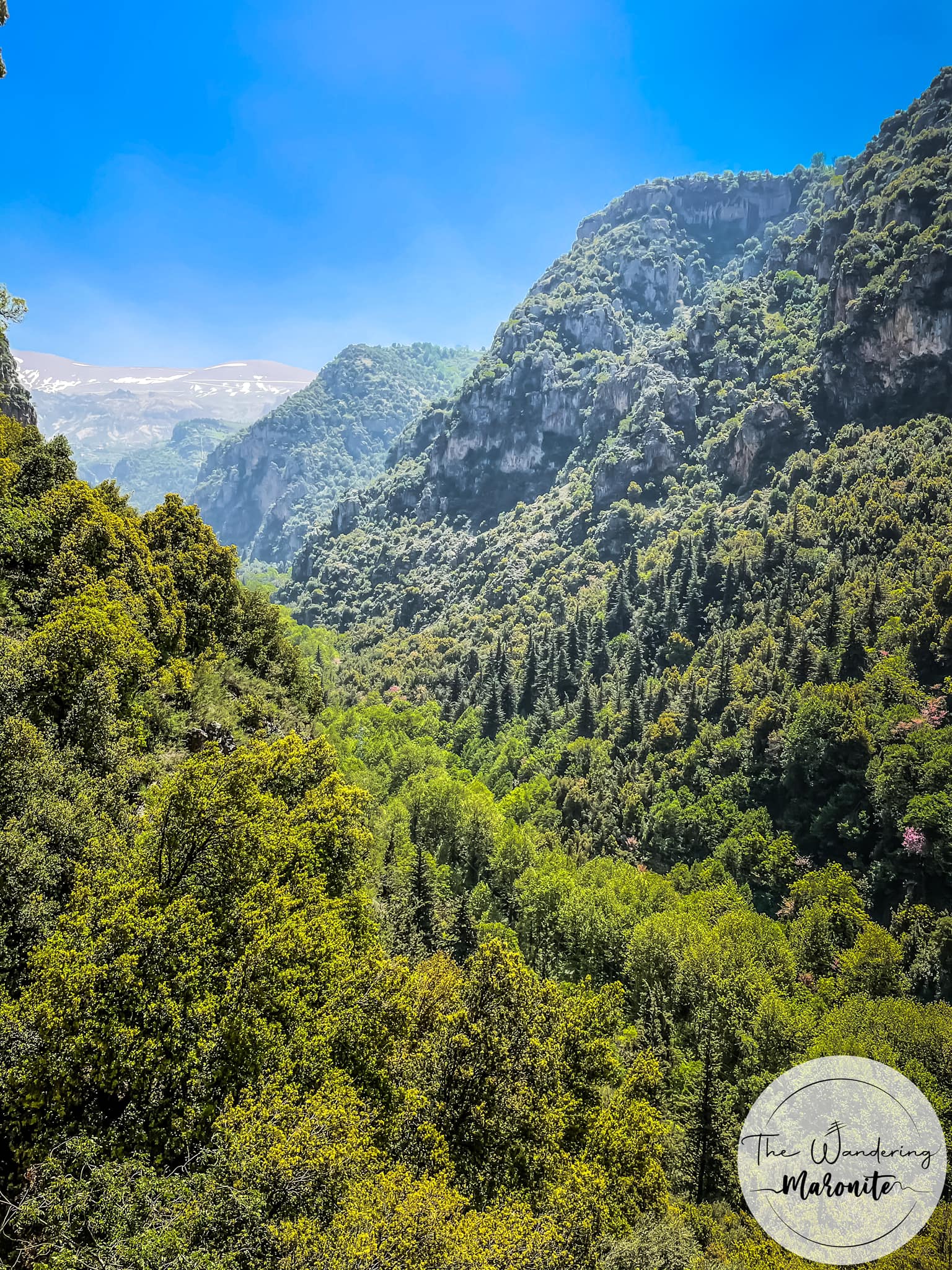
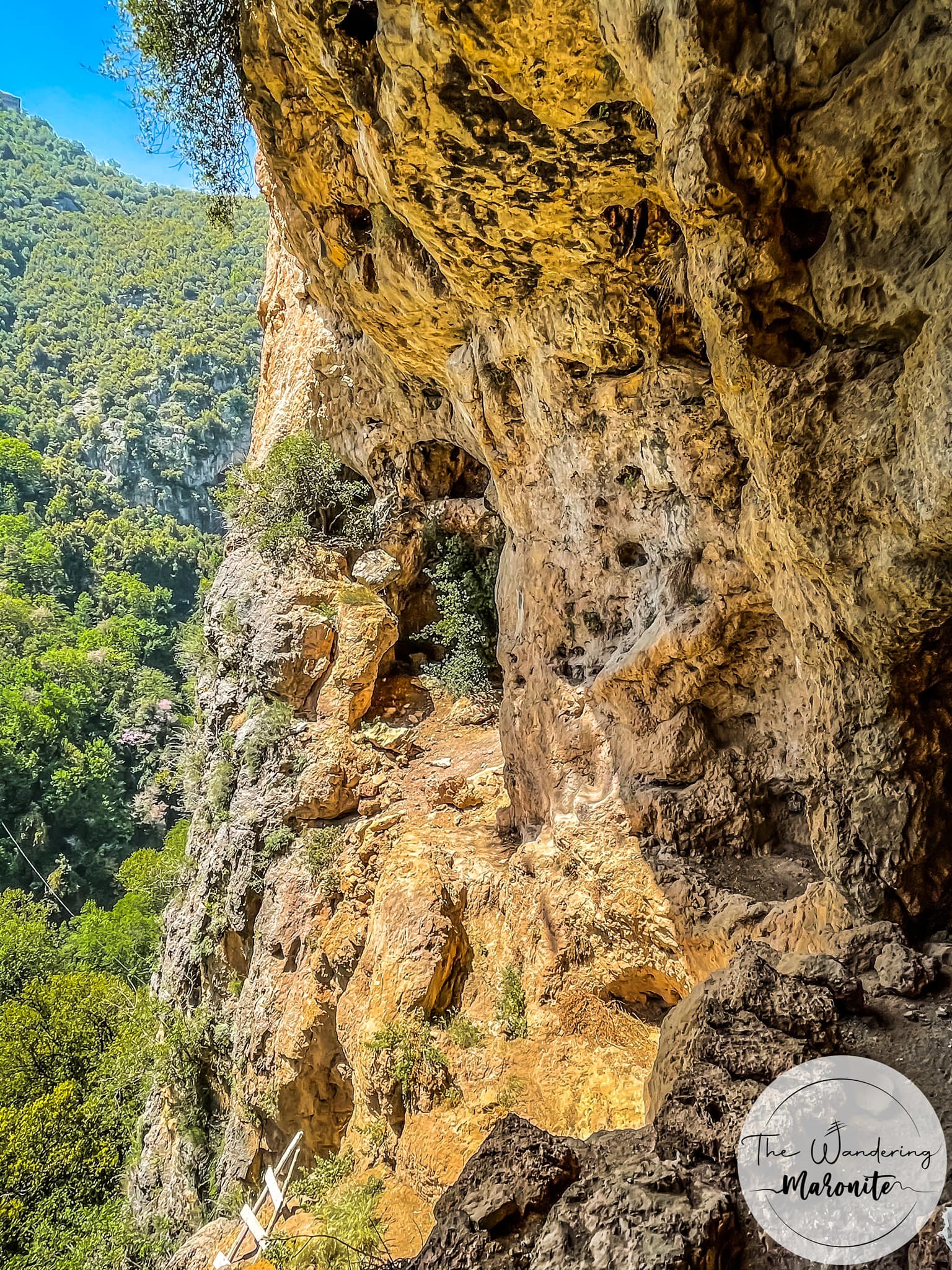
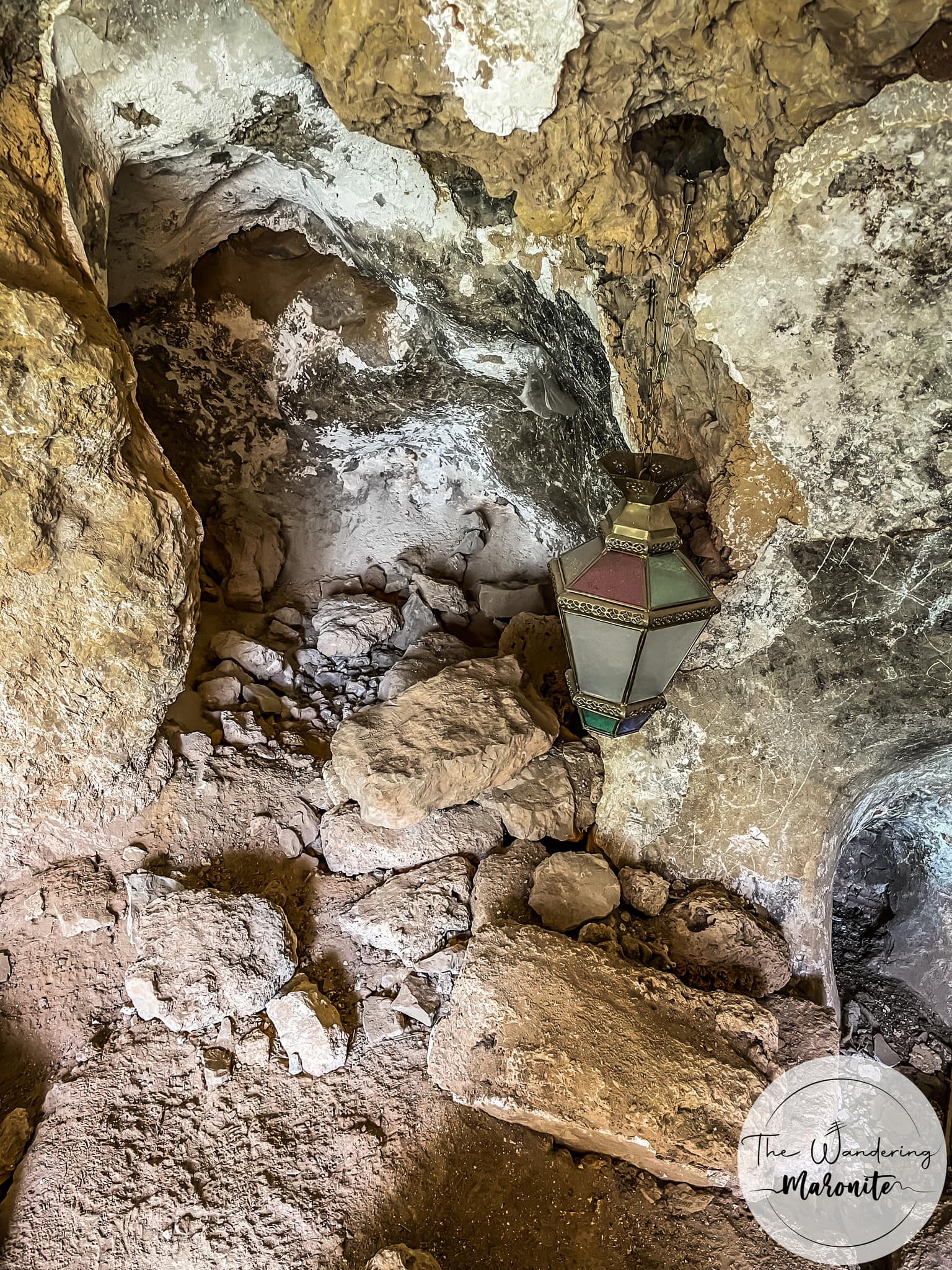
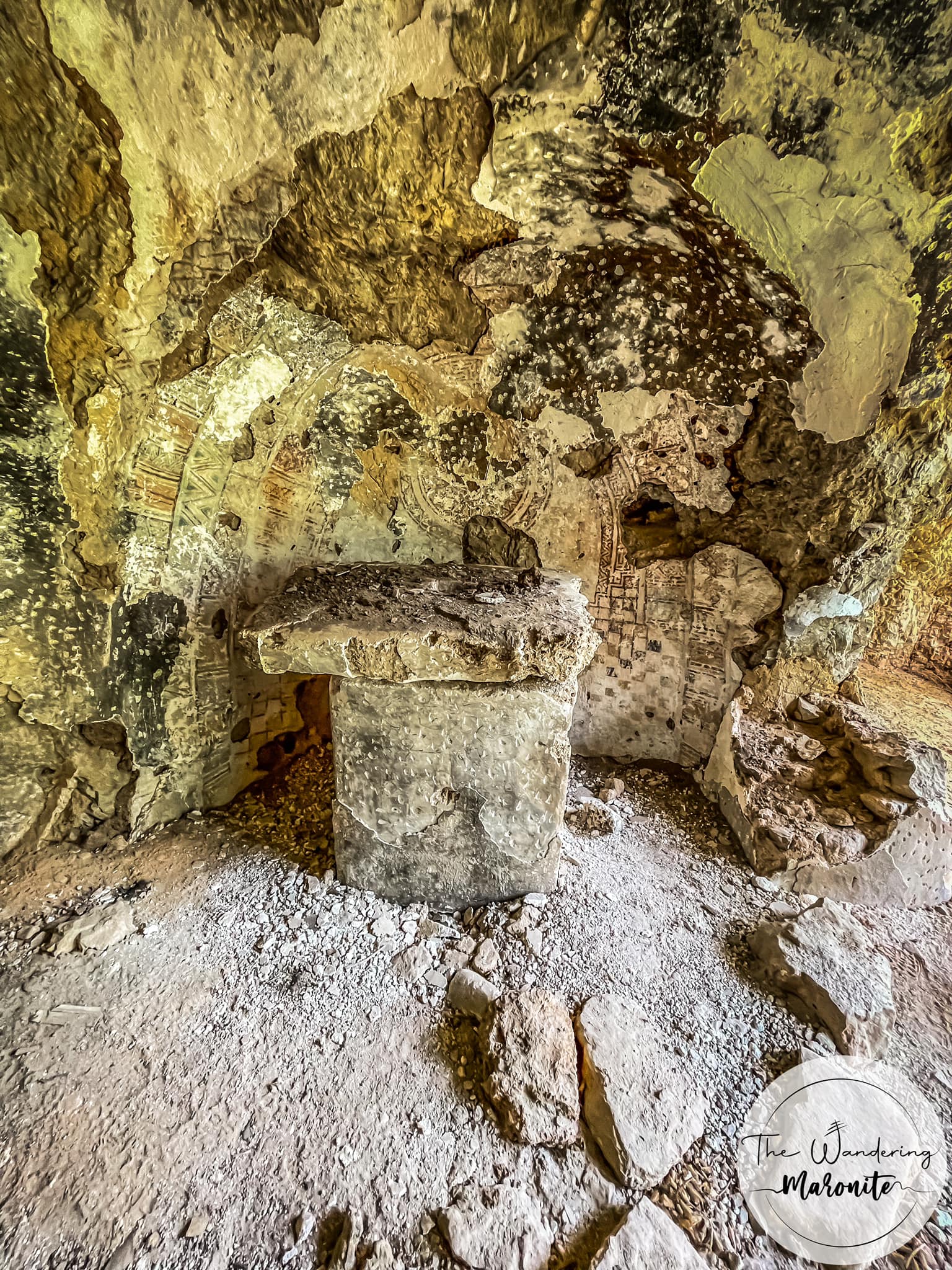
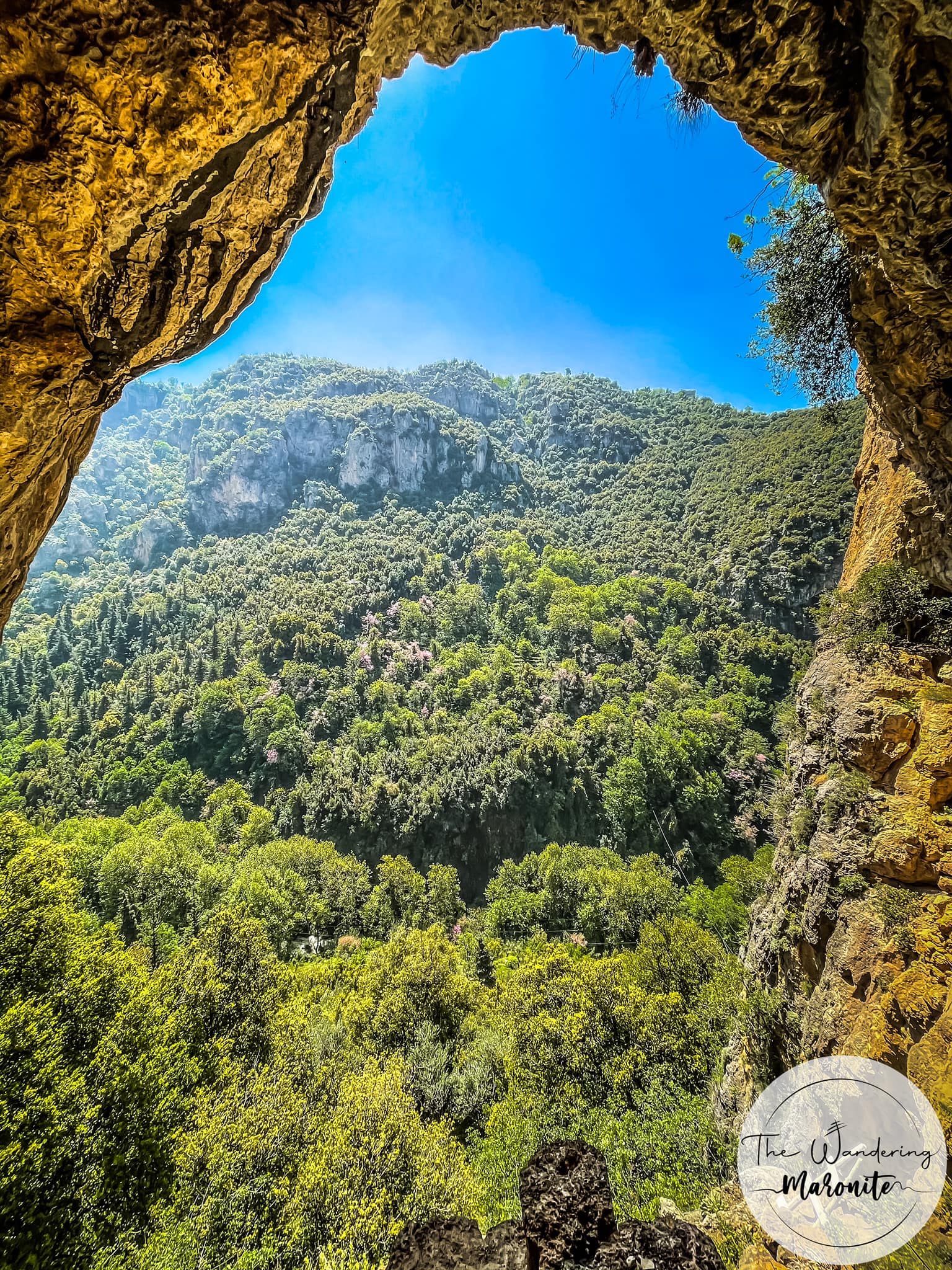
الدّير عبارة عن كهفٍ طبيعيٍّ يقع في وسط الجُرف الصخريّ ويضمُ كنيسةً ومدفنًا وبعض القلالي. يتمّ الوصول إليه عبر درجٍ من الحجارة المنحوتة. بنى الدّير رهبان مونوفيزيّين جاؤوا من الحبشة في القرن الثاني عشر بقصد التنسك. الكنيسة كناية عن تجويفٍ طبيعيًّ حُفرت حنيتها على شكل عقدٍ مكسورٍ مُليّسة بالكلس، ومزيّنة برسومٍ جداريّة ذات أشكال هندسيّة تنتمي لفنّ الكنيسة الحبشيّة. في الكنيسة كذلك مذبح مربّع الشكل.
The monastery of St George of the Abyssinians - the valley of Qannoubine
The monastery is a natural cave in a cliff consisting of a church, a necropolis and some cells. It is accessible trough a carved stair. The monastery was built by Jacobite monks from Abyssinia during the XIIth century. The church is a natural cave with a carved apse covered by limestone gypson with a geometrical motif fresco from the Ethiopian art tradition, the church also has a squared altar.
Monastery of our lady of deliverance- El Cherfeh DAroun harissa, Harissa, Lebanon
دير سيّدة النجاة الشرفة - درعون
Daraaoun
Keserwan
Mount Lebanon
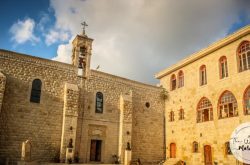
كانت قمّة الشرفة تخصّ مشايخ آل خازن. وقد باعوها عام ١٧٥٤ إلى القس يوسف مارون الطرابلسي بشرط أن يبني مدرسة. بعد إنتخابه بطريركًا سريانيًّا في ماردين وهربه من الإضهاد إثر إعلانه الشركة مع الكنيسة الكاثوليكيّة، إشترى البطريرك إغناطيوس جروة دير الشرفة عام ١٧٨٦ وجعله كرسيًّا له ونقل إليه أيقونة سيّدة النجاة المقدسيّة التي رافقته في ترحاله. يُعدّ هذا الدير المقر البطريركيّ للسريان الكاثوليك، كما ويضمّ مدرسة لتعليم الأولاد وإكليريكيّة.
The hill of Sharfe was a property of the Khazen feudal lords. In 1754 the parcel of land was sold to the monk Joseph Maroun from Tripoli to build a school. After he was elected Syriac patriarch in Mardin, Mor Ignatius Jarwe proclaimed communion with the Roman Catholic Church. For this, he was then persecuted and obliged to leave his homeland. He finally settled in Charfe and bought the old school transforming it into a patriarcal seat bringing in an icon of Our Lady of Deliverance from Jerusalem. Since then the monastery became a patriarcal seat with a school and a seminary.
دير مار أنطونيوس الكبير قزحيا - الرهبانية اللبنانية المارونية, دير مار أنطونيوس قزحيا، Aarbet Qozhaiya, Lebanon
دير مار أنطونيوس الكبير
Aarbet Qozhaiya
Zgharta
North
دير مار أنطونيوس الكبير – قزحيَّا
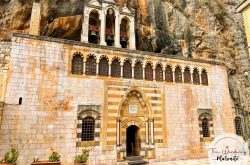
يقع الدير في وادي قزحيَّا (الكنز الحيّ). يرجِّح المؤرِّخون تأسيس هذا الدير، في أوائل القرن الرابع. في الدّير آثار من تأسيسه أهمّها عصا رعاية من الملك لويس التاسع. سنة ١٢١٥ بعث البابا إينوشنسيوس الثالث، براءة إلى البطريرك إرميا العمشيتيّ تذكِّر بأنَّ دير قزحيَّا هو أوَّل كرسيّ أسقفيّ مارونيّ. كان الدير، منذ القديم، ركيزة الحياة النسكيَّة في الكنيسة المارونيَّة. بقربه قامت عدّة محابس تابعة له. وتجدر الإشارة إلى أنَّ أوَّل مطبعة وصلت إلى الشرق كانت في دير قزحيّا سنة ١٦١٠. تَسلَّمت الرهبانيَّة اللبنانيَّة الدير، سنة ١٧٠٨. حَلَّت بالدير نَكبات من الطبيعة؛ ونكبات من جور المضطهِدين. سنة ١٨٢٨ بُنيت كنيسة الدّير الحاليّة. في أثناء الحرب العالميَّة الأولى، قام الدير بإيواء جميع الوافدين إليه وإعالتهم. يضم الدّير العديد من الآثار، أخذ شكله الحاليّ في عشرينيّات القرن الماضي ورمّم في آخره. هو من أهمّ الأديار المارونيّة، ومركزًا للحجّ والخلوة
The Monastery of St. Anthony the Great - Qozhaya.
The Monastery sits on a cliff in the valley of Qozhaya (meaning the treasure of life). According to archeologists, the monastery dates back to the 4th century. Evidence of its importance includes a cross given by King Louis IX and a bull from Pope Innocent III, dating back to 1250, which granted Qozhaya precedence over other Maronite monasteries. Qozhaya had a hermitical tradition, and as a result, many hermitages were built near it. In 1610, the first printing press of the Middle East was brought to Qozhaya. In 1708, the Lebanese Maronite Order acquired the monastery. The monastery has suffered from natural disasters and the despotism of rulers. In 1828, a great church was built. During World War I, the monastery served as a refuge. In the 1920s, the monastery took on its current structural shape, and was restored in the 1990s. It is considered a major pilgrimage site for Maronites around the world.
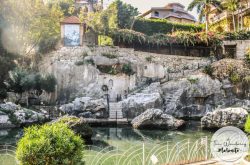
في أسفل الشير الصخري عند شاطىء صربا توجد مغارة طبيعية تعرف بـ"الباطية" وهي تعني "إناء للماء"، إذ تتضمّن المغارة حوضًا صخريًّ تملأه مياه البحر المحاذي للموقع. فوق المغارة كان يوجد في السابق معبد قديم مكرّس لعبادة البعل. لقد شيّد المسيحيّون في الموقع كنيسةً كبيرةً كانت قد فُرشت أرضيتها بفسيفساء جميلة لم يبق منها سوى بعض الأجزاء. ومن ثم استُبدلت هذه العادات والتقاليد برموز مسيحيّة، فتحوّل الموقع إلى مزار للقديس جرجس، وأصبح السكان المحليّون يقصدون الموقع ويقدمون النذور للقديس جرجس لشفاء الأطفال من الأمراض المستعصية والنساء من مشاكل العقم.
The Shrine of St George El Batyeh - Sarba
Under a huge limestone cliff on the coast of Sarba there is a natural cave known as el Batyeh (meaning the water vessel) because it retains water from the neighboring sea. Over the cave, the Phoenicians erected a temple for Baal, that early christians converted to a church with mosaic flooring. Some of the mosaics are still visible. After the paleochristian era, the local pilgrimage and vitive customs attributed to the site were converted. The shrine was dedicated to St George, with an emergence of votive pilgrimage piety surrounding the place.



Reviews are disabled, but trackbacks and pingbacks are open.