
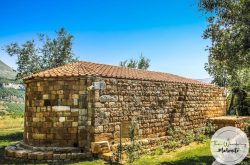
The Valley of Qannoubine – The monastery of St Aboun

دير مار آبون, Wadi Qannoubine, Lebanon

Other Details

دير مار أبون

Ouadi Qannoubine

Bcharre

North

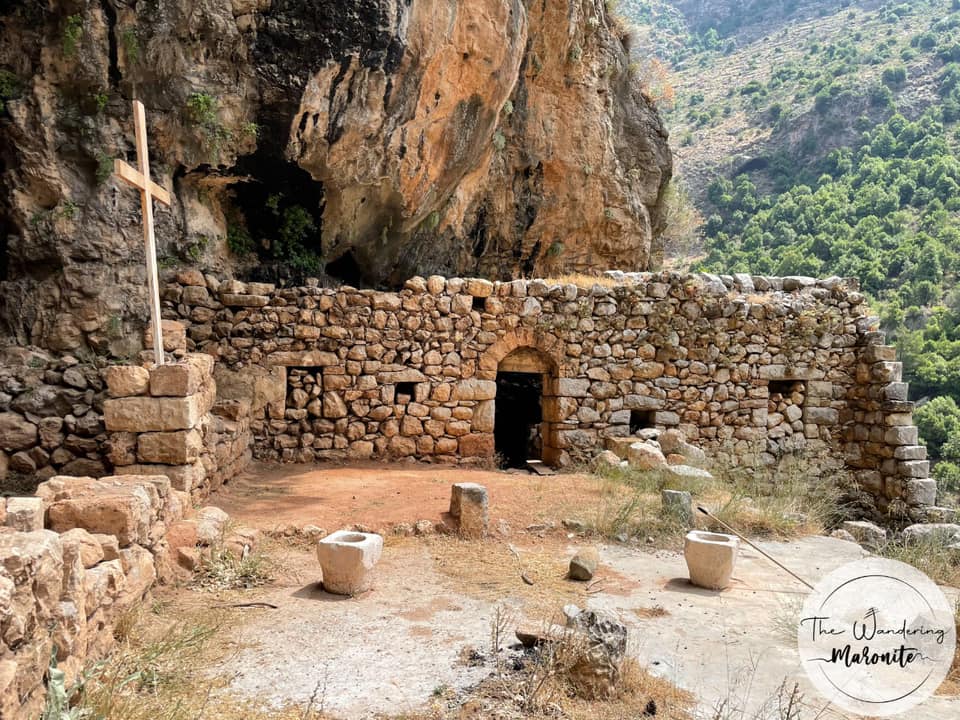
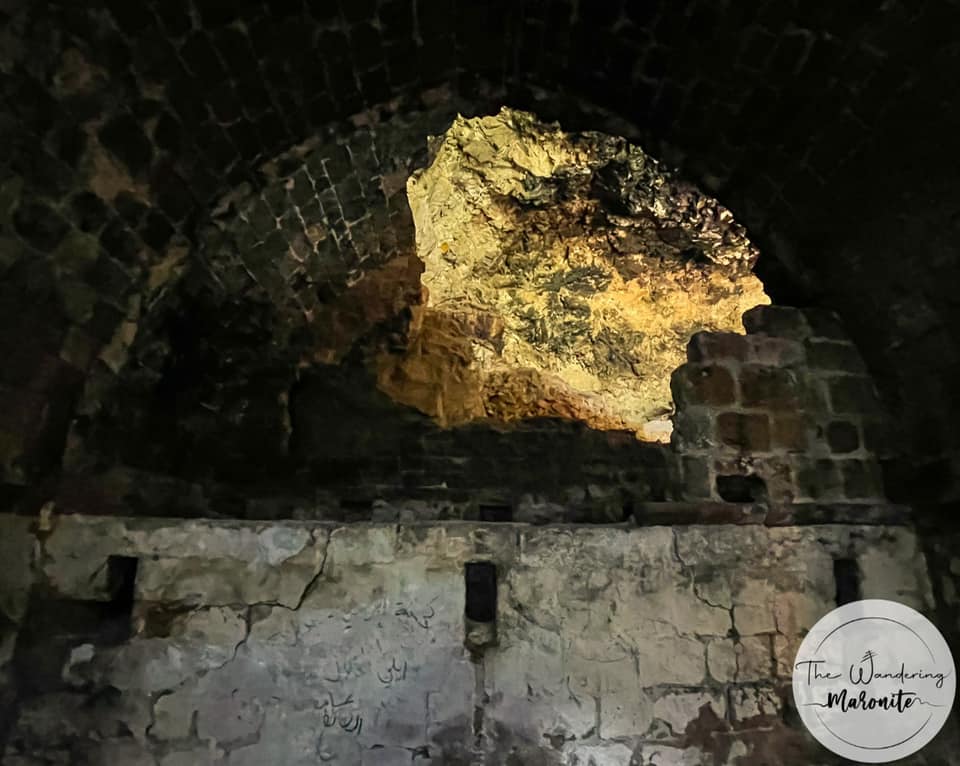
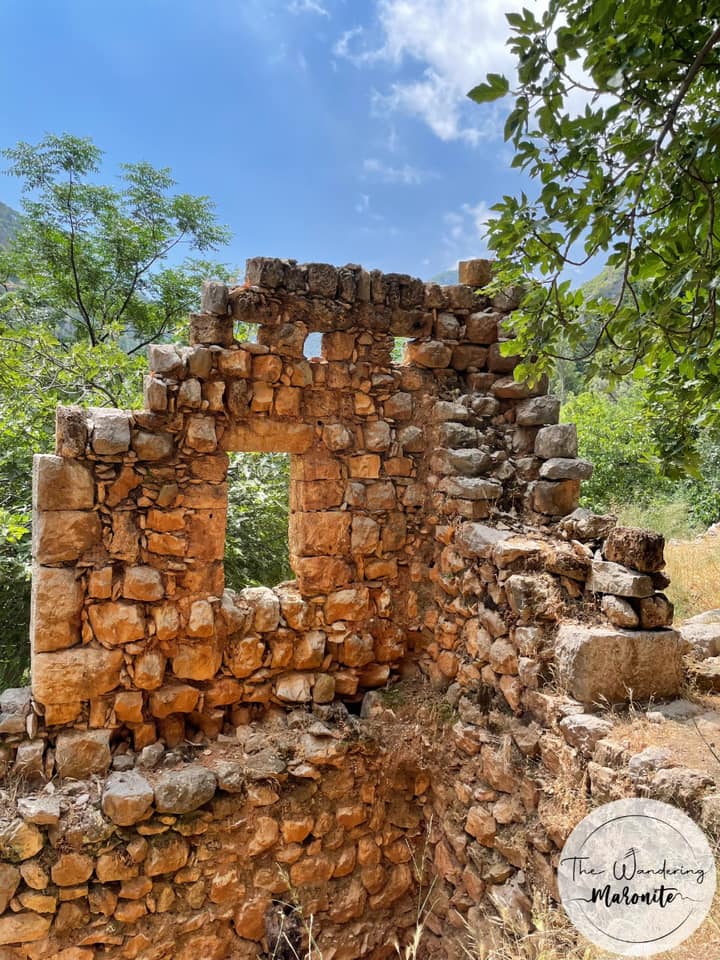
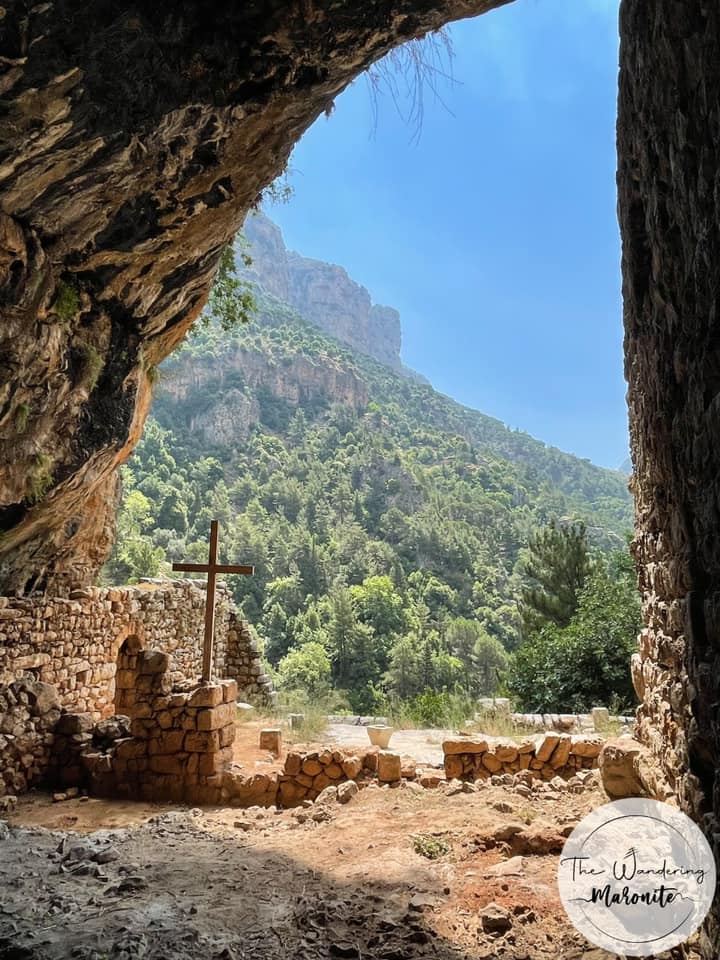
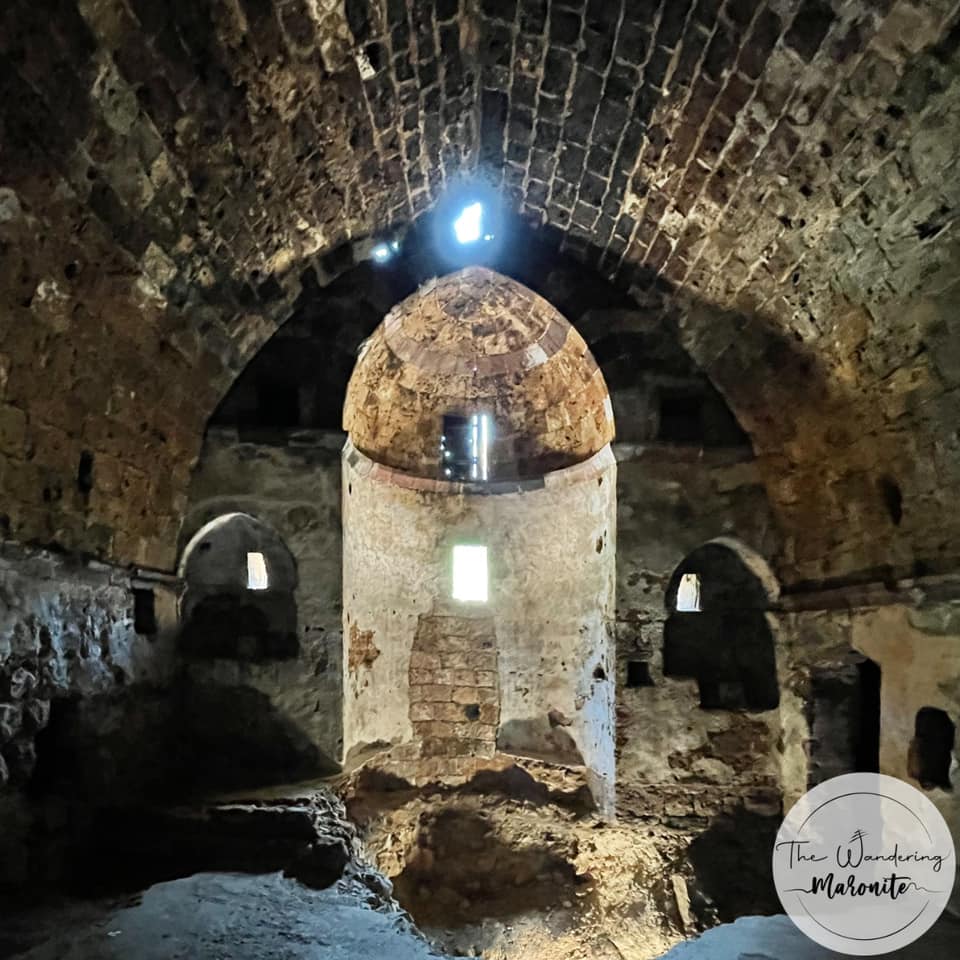
دير مار أبون - وادي قاديشاهو دير مار يوحنّا القصير الملقب بأبون أحد آباء الصحراء. يتكوّن الدّير من كنيسةٍ وعدّة قلالي. تقع الكنيسة داخل مغارة وهي على نسق البازيليك في البناء، والأكبر بين كنائس الوادي. أوّل ذكر للدّير يعود إلى القرن الثاني عشر، عندما أفاد البطريرك اسطفان الدويهيّ أن "هذا الدير كان مديرًا لجميع النساك في منطقة بشراي" . جعله البطريرك يعقوب الحدثي مقرًّا له سنة ١٤٤٥. بقي الدّير مأهولاً للقرن السابع عشر، وهو اليوم ضمن ورشة ترميم لإصلاحه وتجديده.The monastery of St Aboun - The Valley of QannoubineThe monastery is dedicated to St John the short an Egyptian desert father known to the syriacs as Aboun. The monastery consists of a basilical cave church, the largest one in the holy valley, and some adjacent cells. The first mention of the monastery is from the XIIth century when it was the head of all the monasteries and hermitages in the region of Bsharre according to Patriarch Estefan el Douaihy. In 1445 the monastery became the patriarchal residence of Patriarch Yaaqoub el Hadathi. The monastery fell into ruins at the end of the XVIIth century, today a plan for it’s restoration is undergoing.

Visited 6983 times, 3 Visits today
Reviews are disabled, but trackbacks and pingbacks are open.

Related Listings

Yanouh – The church of the Theotokos our Lady Mary

Church of Mary mother of god, Yanouh, Lebanon

كنيسة أم الله السيّدة مريم

Yanouh Jbayl

Jbeil

Mount Lebanon

كنيسة أم الله السيّدة مريم - يانوح

بعد محاولته العودة إلى أنطاكيا ورجوعه الى جبل لبنان سنة ٧٥٠، سكن البطريرك الرابع يوحنّا مارون الثاني و من بعده خلفائه البطاركة دير مار جرجس الأزرق يانوح لخمسمئة سنة إلى سنة ١٢٧٧. يُعزى ذلك بحسب المؤرخين لثلاثة أسباب : كون يانوح منطقة جبليّة عاصية، قربها من معبر المنيطرة القريب الى البقاع، وتقوى أهل يانوح بحسب البطريرك الدويهيّ. في القرن الثامن بُنيت كنيسة أم الله في الصرح البطريركيّ لجهة الشمال، وجدّدت في أيّام الصليبيّين. سنة ١٢١٥ صدر أمر البابا اينوشنسيوس الثالث الى الأساقفة الموارنة بالخضوع للبطريرك في كرسيّ يانوح. ضمّت هذه الكنيسة مخطوط إنجيل رابولا. بعد القرون الوسطى خرب الدّير والكرسيّ. رمّمت الكنيسة بسعي البطريرك بشارة بطرس الراعي وأعيد تكريسها سنة ٢٠١٧. تضمّ العرش البطريركيّ القديم، وعلى زواياها نقشت الصلبان المثنية الأطراف.

The church of the Theotokos our Lady Mary - Yanouh

After his failed attempt to go back to Antioch the fourth Maronite patriarch John Maroun II move his seat to the monastery of St George the blue in Yanouh in 1750. The patriarchal seat remained there for 500 years until 1277. The main reasons that Yanouh was chosen was because of the mountainous nature of the region, the closeness to the pass of Mneitra and to the region of Bekaa, and the locals piety described by patriarch Douwaihy. In the VIIIth century the church of the Theotokos was built north of the patriarchal seat, and renewed during the crusades. In 1215 an edict by pope Innocent III ordered the maronite bishops to obey the patriarch in the sear of Our Lady of Yanouh. This church held the Codex Rabbula. After the middle ages the church fell into despair, it was renewed by order of Patriarch Bechara Boutros el Rai in 2017 and reconsecrated. The church holds the old patriarcal throne and has two egged crosses on the four sides of the structure.

Bcharre – Our Lady Church

Our Lady of Bsharri Church, Bsharri, Lebanon

كنيسة السيّدة

Bcharreh

Bcharre

North

كنيسة السيّدة - بشرّي

لما ازداد عدد سكّان بشرّي اواخر القرن الثامن عشر، طلب الاهالي والمشايخ من البطريرك يوسف التيّان، بناء كنيسةٍ جديدةٍ في بشرّي، فبنوا كنيسةً على اسم السيّدة العذراء. أوتي بِبَنّائَين من حلب لبناء الكنيسة. سنة ١٨٧٥، عُيِّن الخوري يوسف عريضه رئيس كهنة بشري، وكيلاً على كنيسة السيدة، وقد أضاف الى البناء القديم جناحًا للجهة الجنوبيّة، كما شيّد مدرسة في الجهة الشرقية. مذبح الكنيسة الرئيسيّ أهداه الى الكنيسة يوسف بك كرم سنة ١٨٦٩. كذلك ضمّت الكنيسة مصلوبًا قدّمه الخوري أنطون عريضه الأوّل من مدرسة ميكل انج. سنة ١٩٧٠ بُنيت الكنيسة بشكلها الحاليّ في عهد البطريرك بولس بطرس المعوشي: نمط بازيليكيّ بثلاث أروقة، وزيّنها بالجداريّات الفنّان أسعد رنوّ.

Our Lady Church - Bcharre

As the population of Bcharreh experienced a notable increase in the late eighteenth century, both the local community and the sheikhs approached Patriarch Youssef Al-Tyan with a request to construct a new church in Bcharre. Consequently, a church was erected in honor of the esteemed Virgin Mary. In order to bring this vision to fruition, two skilled builders were sourced from Aleppo to undertake the construction of the church. Subsequently, in the year 1875, Youssef Arida, a prominent clergyman in Bcharre, was appointed as the custodian of Our Lady Church. Under his stewardship, a wing was added to the existing structure on the southern side, and a school was erected on the eastern side. The principal altar within the church was generously donated by Youssef Bey Karam in 1869. Additionally, Father Anton, in his first entreaty from Mikkeleng School, contributed a crucifix that became an integral part of the church. Then, in 1970, during the reign of Patriarch Boulos Boutros Al-Maoushi, the church was reconstructed in its present form—a magnificent basilica-style edifice featuring three aisles. Notably, the gifted artist Asaad Ranno adorned the interior with captivating murals, further enhancing its aesthetic appeal.

Tannourin el Fawka – The monastery of St Challita

Saint Challita Church, Tannourine El Faouqa, Lebanon

دير مار شلّيطا

Tannourine El-Faouqa

Batroun

North

دير مار شلّيطا - تنوّرين الفوقا

من أقدم كنائس تنّورين، يرجّح البعض أن يكون البناء في الأصل هيكلاً وثنيًّا. الكنيسة مزدوجة بمذبحين: مار شليطا ومار جرجس، دلالة على أنّ الكنيسة تعود لأواسط العصر البيزنطيّ. دير مار شليطا يحوي نقوشًا مميّزة: صليب العاموديّين، الصليب الورديّ، والنجوم المثمّنة والمسدّسة. جرسها من عمل فارس النفّاع سنة ١٩٤٤. في الكنيسة لوحتين غير موقّعتين لمار جرجس ومار شليطا تعودا لما قبل القرن السادس عشر.

The monastery of St Challita - Tannourin el Fawka

It is one of the oldest churches in Tannourin, and used to be a pagan temple according to some sources. The double choir indicates that the structure dates back to the mid Byzantine era. The monastery of St Chalyta is finely built with rare encrypted geometric shapes on the apses : the rose cross, the cross of the stylite, the six and the eight pointed stars... The bell is done by of Fares el Nafah in 1944. In the church are two paintings for St Challita and St George dating back to the XVIth century and not signed.