Overview
Map
Other Details
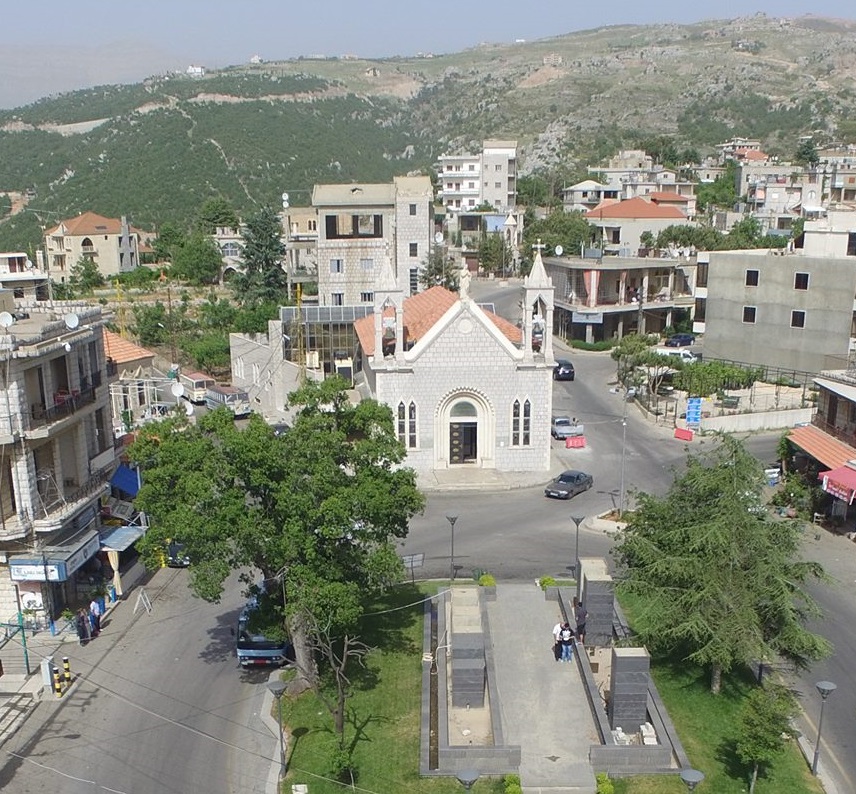
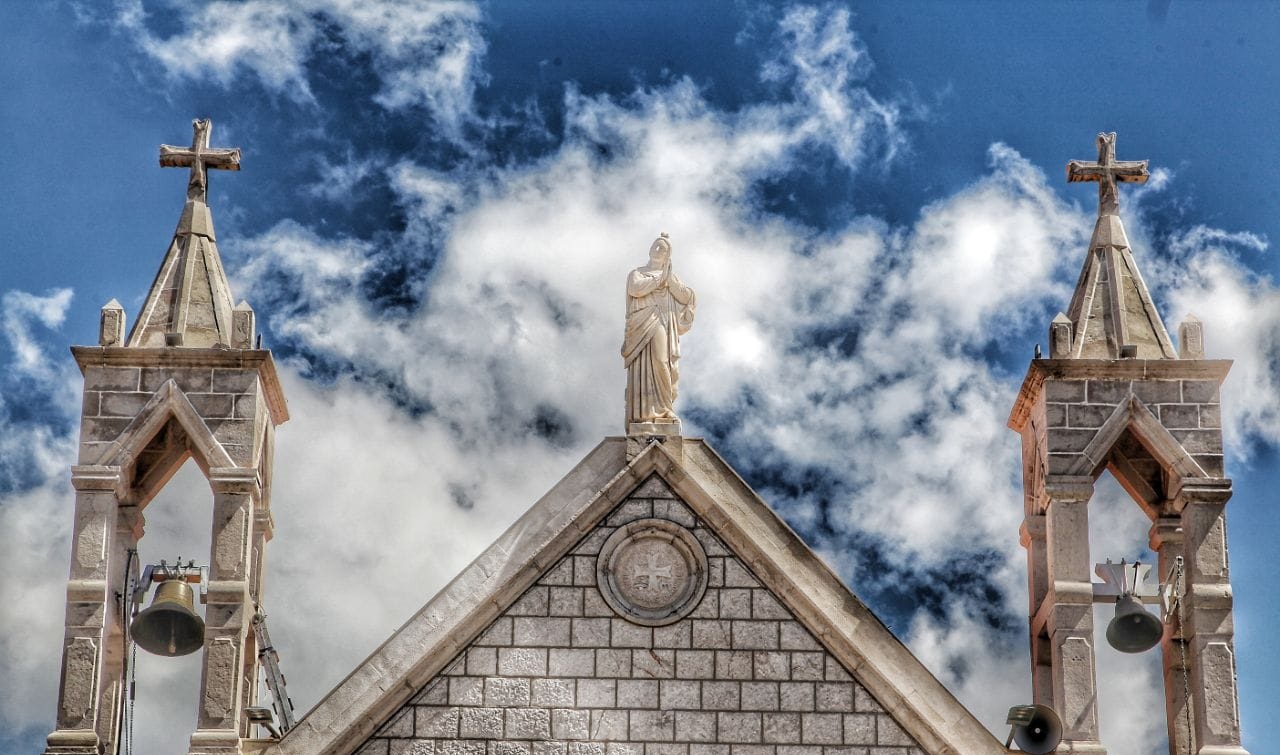
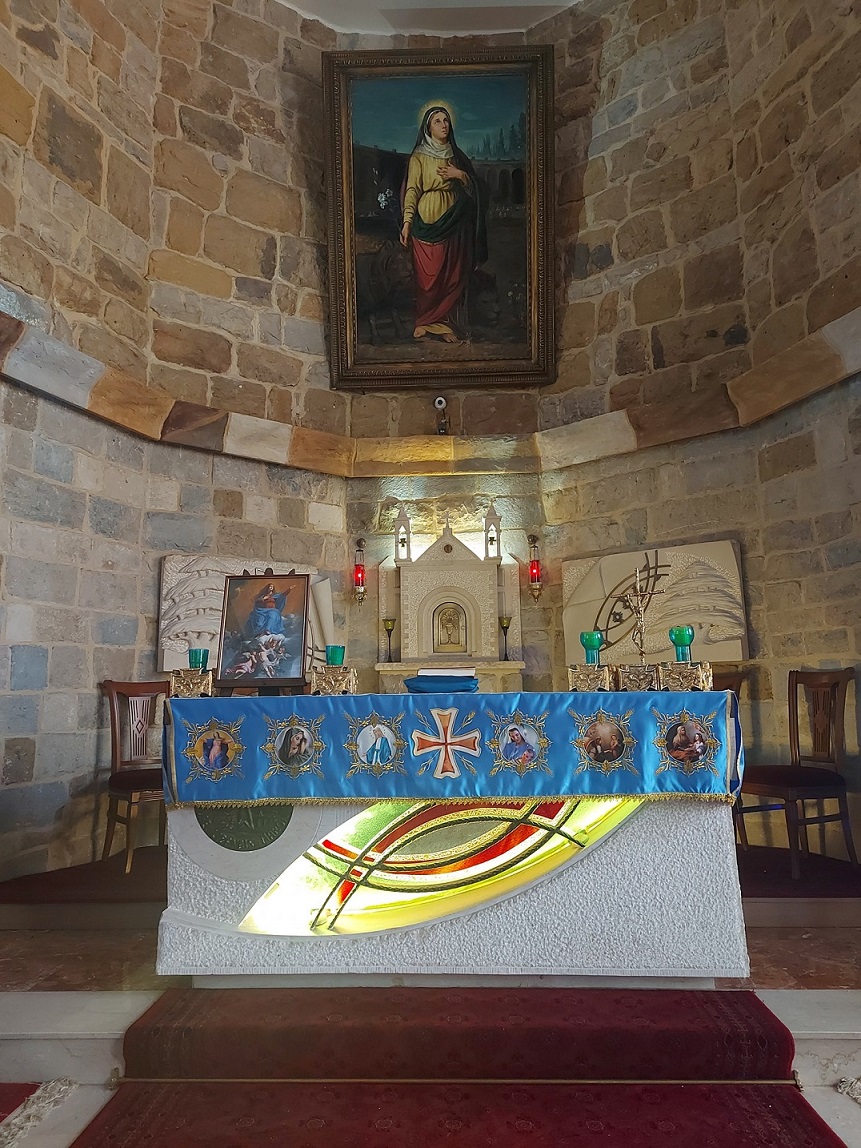
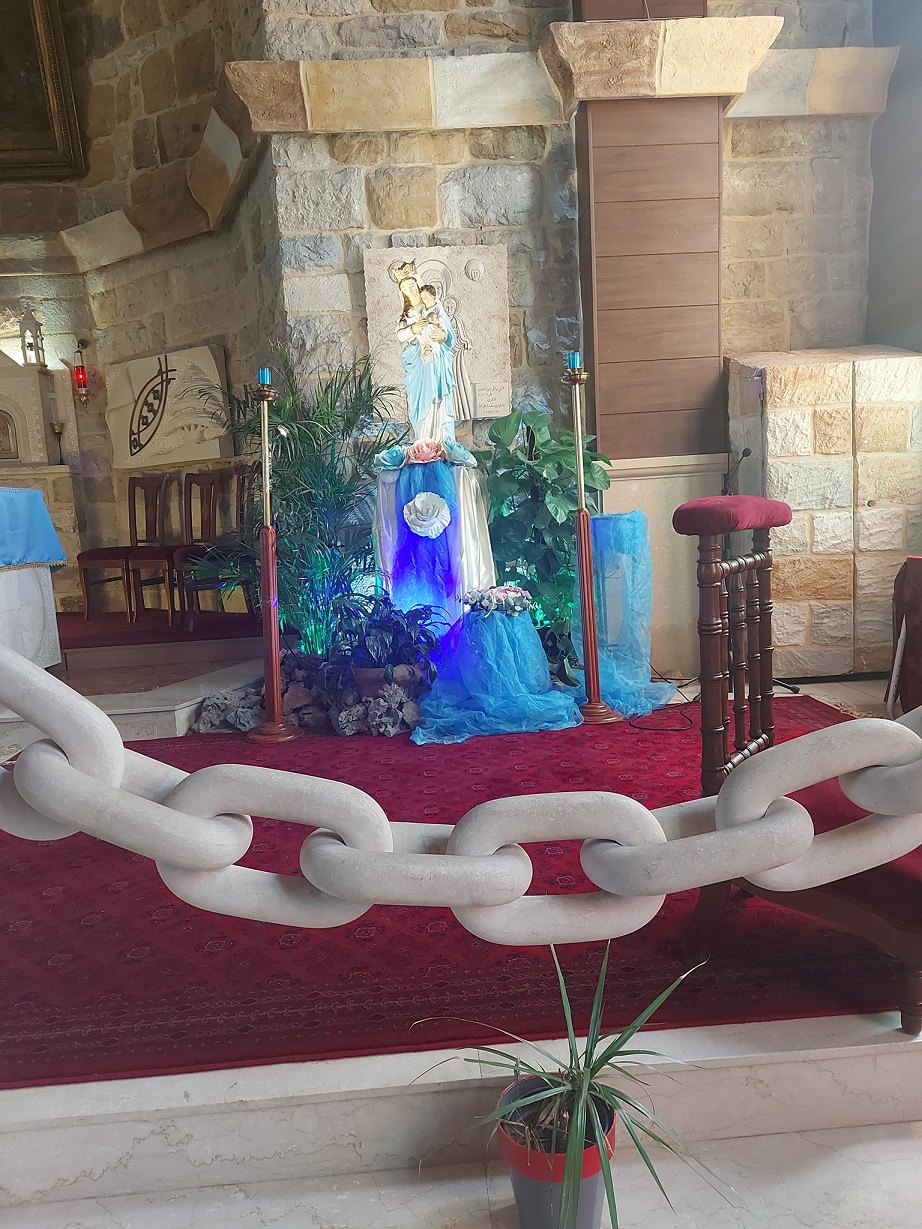
القديسة تقلا
Mrouj
Metn
Mount Lebanon
Visited 4359 times, 2 Visits today
Directory of Churches in Lebanon


Mar Takla Church, Mrouj, Lebanon





القديسة تقلا
Mrouj
Metn
Mount Lebanon
Visited 4359 times, 2 Visits today
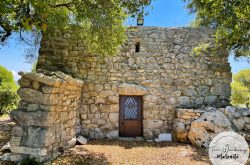
Our Lady of Habeel, Habil, Lebanon
دير سيّدة هابيل البطريركيّ
Habil
Jbeil
Mount Lebanon
دير سيّدة هابيل البطريركيّ - هابيل
البناء يعود لأواخر الحقبة البيزنطيّة، إنتقل إليه البطريرك يوحنا اللحفدي في القرن الثاني عشر وبقي مقرًّا بطريركيًّا الى عهد البطريرك إرميا العمشيتي. البناء كناية عن بقايا ديرٍ مع أقبية وأروقة، لم يسلم منه سوى الكنيسة وهي عقدٍ سريريّ بخوروسين، رُمّمت سنة ٢٠١٢.
The patriarchal monastery of our Lady of Habil - Habil
The church was first built during the Byzantine era. During the XIIth century patriarch Youhanna el Lehfedy made it his patriarchal seat, and it remained that way until the reign of patriarch Jeremiah of Amshyt. What remains of the patriarchal seat are the ruins of old crypts, the church still stands: it is a cribed vault with two choirs and two semi circular apses. The church was restored in 2012.
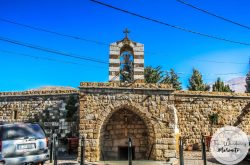
St. Jude Church, Hasroun, Lebanon
كنيسة مار لابي الرسول
Hasroun
Bcharre
North
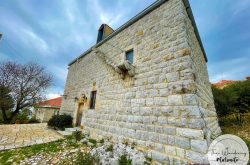
Sehayleh, Lebanon
دير سيّدة المعونات رام بو دقن
Shayleh Kesrouane
Keserwan
Mount Lebanon
دير سيّدة المعونات رام بو دقن - سهيلة
سنة ١٧٦٧ بنى المطران مخايل بن الشيخ ابا نادر الخازن ديرًا على اسم سيّدة المعونات في محلّة رام بو دقن، ليصبح مقرًّا لإقامته. بعد وفاته تحوّل الدّير إلى وقفيّة ذريّة لمشايخ آل الخازن. الكنيسة كناية عن عقدٍ مُصالبٍ ينتهي بحنية نصف دائريّة، سقفها مزيّن بالنقوش على الجصّ. لوحات الكنيسة من عمل الخوري موسى ديب الدلبتاوي.
The monastery of Our Lady of Perpetual help Ram Bou Daqn - Sheile
The monastery was built in 1767 by bishop Michael son of Sheikh Aba Nader el Khazen, in Ram Bou Daqn to become his episcopal residence. After his death the monastery became a private domain for the Khazen family. The church consists of a crossed vault ending in a semi circular apse with a ceiling covered with arabesque. The church holds paintings by Fr Moussa Dib from Dlebta.
Reviews are disabled, but trackbacks and pingbacks are open.