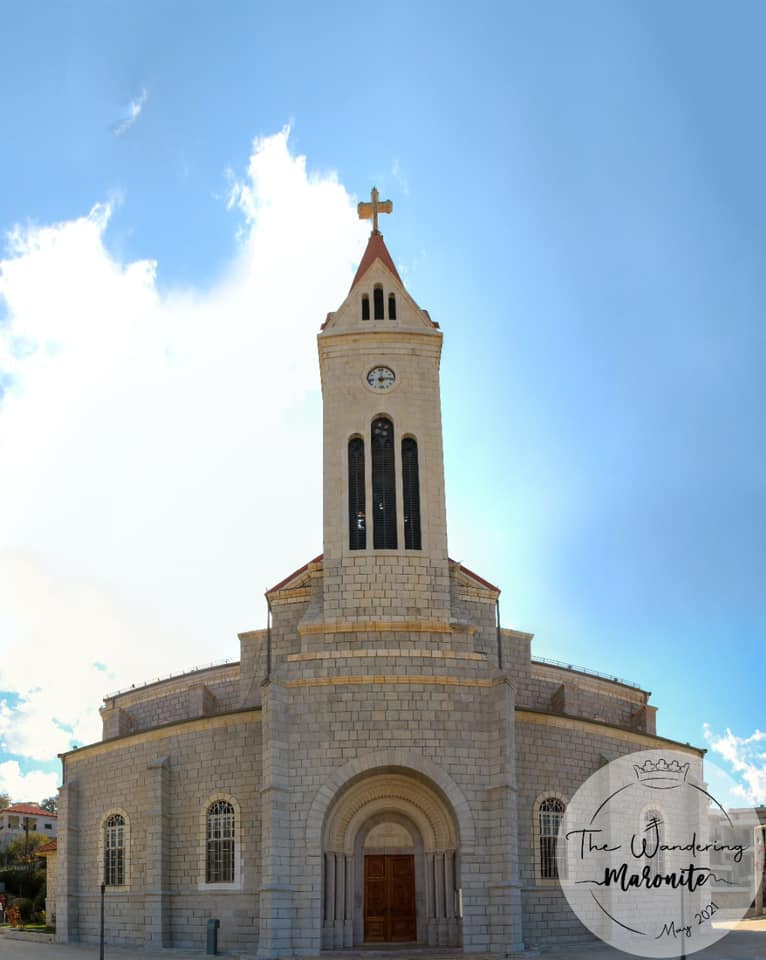
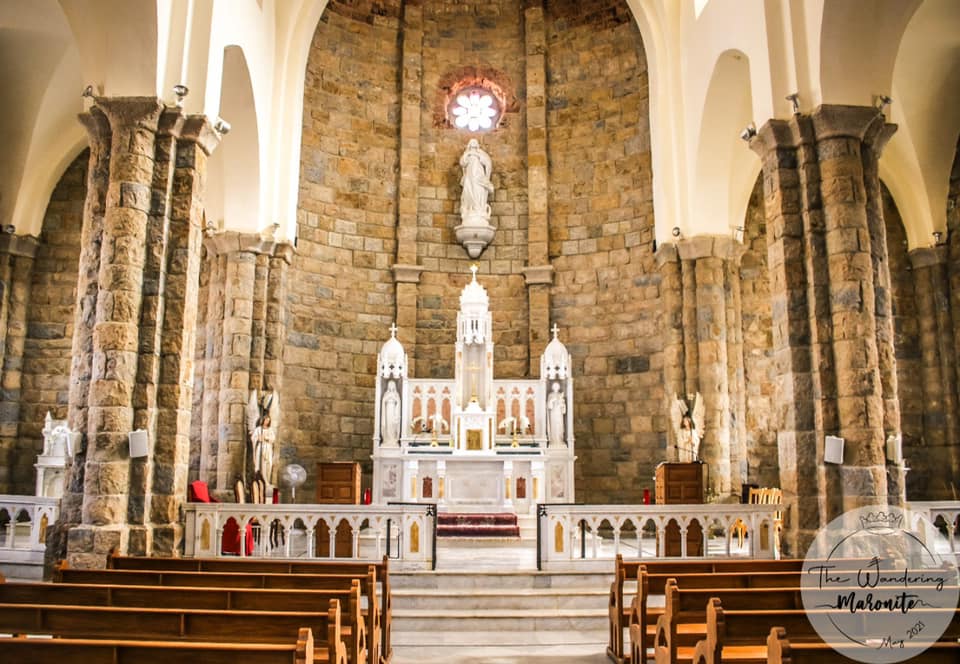
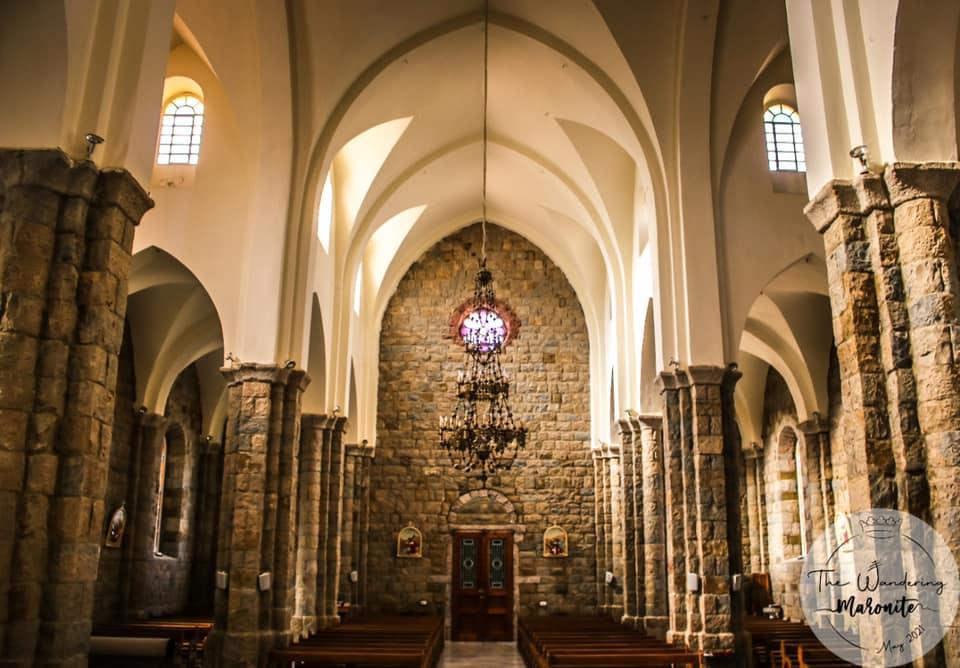
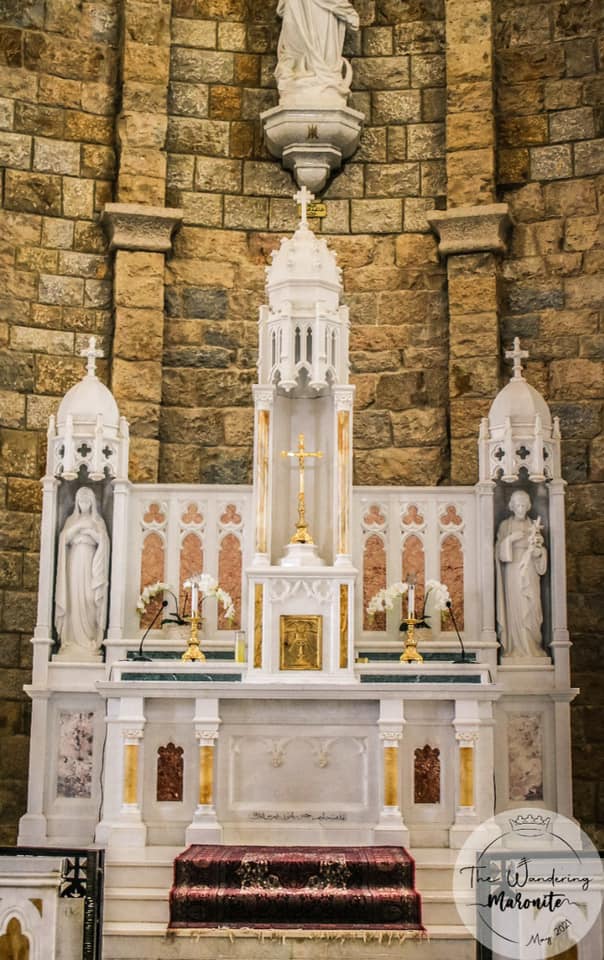
كنيسة سيّدة النجاة - كفرصغابابتدأ بناؤها سنة ١٨٩٠ وانتهى سنة ١٩١٢. تتميّز بجمال هندستها بحسب الطراز البازيليكيّ الأصيل، وبضخامتها وارتفاع قبّتها بما يقارب ٤٠ مترًا وجمال مذابحها الرخاميّة المصنوعة في إيطالية. صحنها مقسوم ثلاثة أقسام يفصل بين كلٍّ منها صفٌّ من ست ركائز ضخمة من كلّ جهة.The church of Our Lady of Deliverance - KfarsghabThe construction of the church began in 1890 and was completed in 1912. The church is a huge basilical structure with a 40 meter bell tower and a three aisle nave with six columns on each side. The church holds magnificent carrera marble altars from Italy.
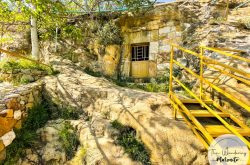
كنيسة سيّدة الدرّ - بشرّي سيدة الدرّ أو الوريسة كان معبدًا فينيقيًّا تحوّل الى كنيسة في القرن الحادي عشر. بحسب الأب بطرس ضو "تحوّل هذا المعبد الى كنيسة، وكان يوجد فيه رسوم جدرانيّة من القرن الثاني عشر وتحتوي على أسماء القدّيسين باليونانيّة، مما يدلّ على أن الموارنة في وادي قاديشا كانوا حتى القرن الثالث عشر على اتصال بالحضارة البيزنطيّة". الكنيسة عبارة عن مغارة محفورة في الصخر ذات خوروسين، لعلّ جداريتها الأجمل هي الظهور الإلهيّ.
The church of Our Lady of the Milk - Bcharre
The church of Our Lady of the Milk or El Waryse is a Phoenician temple converted in the XIth century. According to the historian Fr. Boutros Daw: ”The shrine was converted into a fresco covered church in the XIIth century with the saints name written in greek, indicating that the Maronites in that era kept contact with the Byzantines”. The church consists of a man made cave with a double apse. The best kept fresco is that of the Epiphany over the altar.
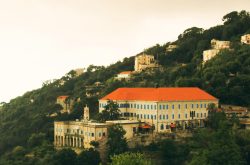
من أهم أديرة غوسطا، أسّسه المطران جرجس خيرالله أسطفان سنة 1660. وفي 14 أيلول 1698 كرّس كنيسة الدير البطريرك أسطفان الدويهي. في العام 1789 وقّع خلفه البطريرك يوسف أسطفان صك تحويل الدير الى مدرسة اكليريكيّة. وافتُتحت مدرسة عين ورقة سنة 1797-1798 على عهد البطريرك يوسف التيّان على قوانين وبرامج المدرسة المارونيّة في روما. ولم تلبث أن ضاهت جامعات أوروبا، فكانت أول جامعة في الشرق، حتى لقّبها مارون عبود بـ"سوربون الشرق"، حيث كانت تدرّس فيها خمس لغات الى جانب العلوم اللاهوتيّة والفلسفيّة. وقد قيل على سبيل المزاح أنّ "دجاجات عين ورقة تتكلم خمس لغات". خرّجت المدرسة أربعة بطاركة وعشرون مطرانًا، وعنها نشأت المدارس الأخرى التي انتشرت في البلاد، وخرّجت روّاد النهضة العربيّة في القرن التاسع عشر. هي اليوم ميتم بعهدة راهبات القربان الأقدس المارونيّات. The monastery of Ain Warqa Located in Ghosta Keserwan, it was built by Bishop Gerges Khairallah Estefan in 1660. The grand church was dedicated by Patriarch Stephen Doueihi on the 14th of September year 1698. During the pontificate of Patriarch Joseph Estephan, the monastery was transformed into a seminary in 1789. The first scholastic year was in 1797-1798 during the pontificate of Patriarch Joseph Tyan, according to the curriculum of the Maronite Grand Seminary in Rome. The reputation of the school was so great that it competed with the grand seminaries of Europe, and ranked first in the Middle East. The seminary was even called by the great author Maroun Abboud “the Sorbone of the East”. The curriculum included five languages, along with theological, philosophical, and scientific studies.The most important alumnus where four patriarchs and twenty bishops, and a great numer of notable writers and scientists that were the pioneers of the Arabic renaissance during the nineteenth century. The school was also named the mother of all schools in Syria and Lebanon. Today it is used as a foster home in the custody of the Maronite sisters of the Most Blessed Sacrament.



Reviews are disabled, but trackbacks and pingbacks are open.