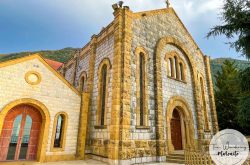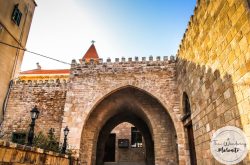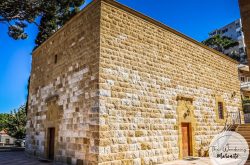

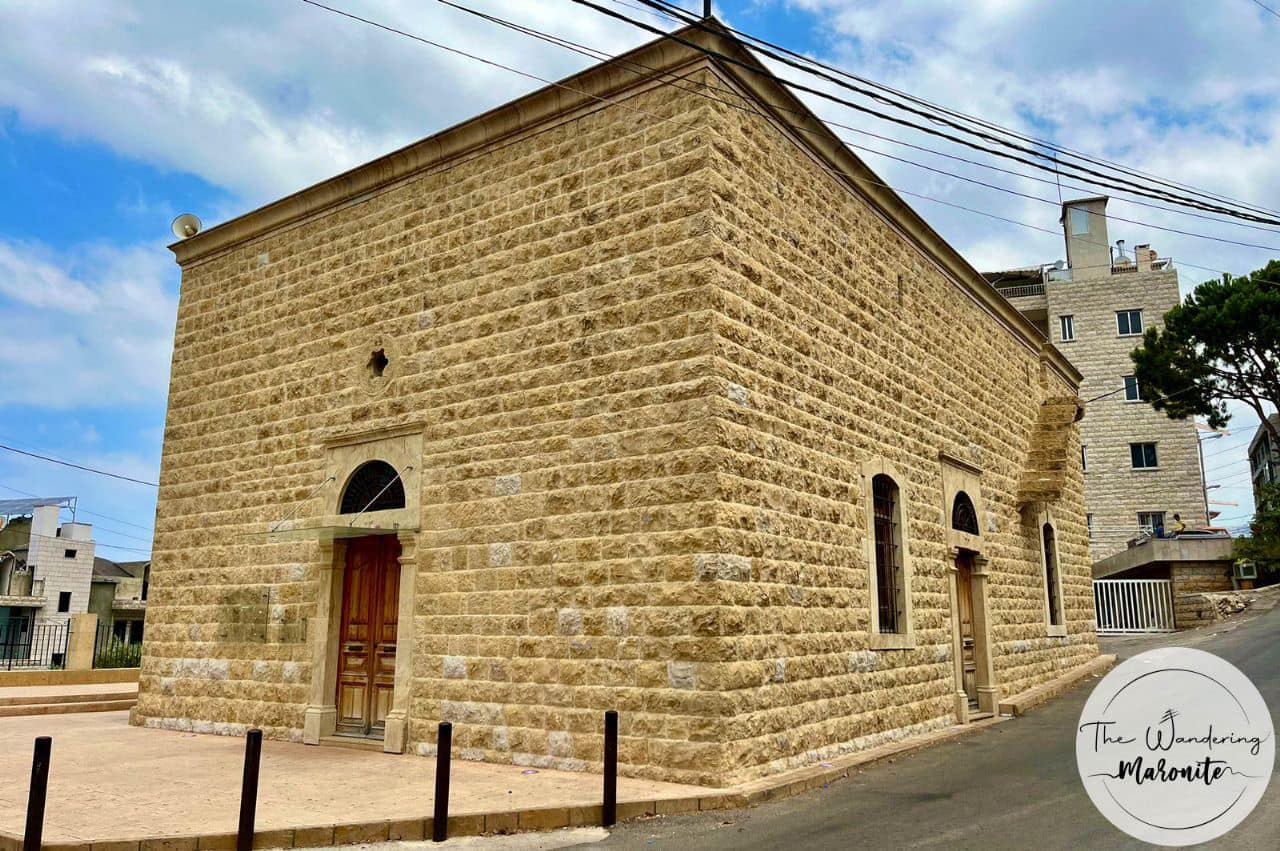
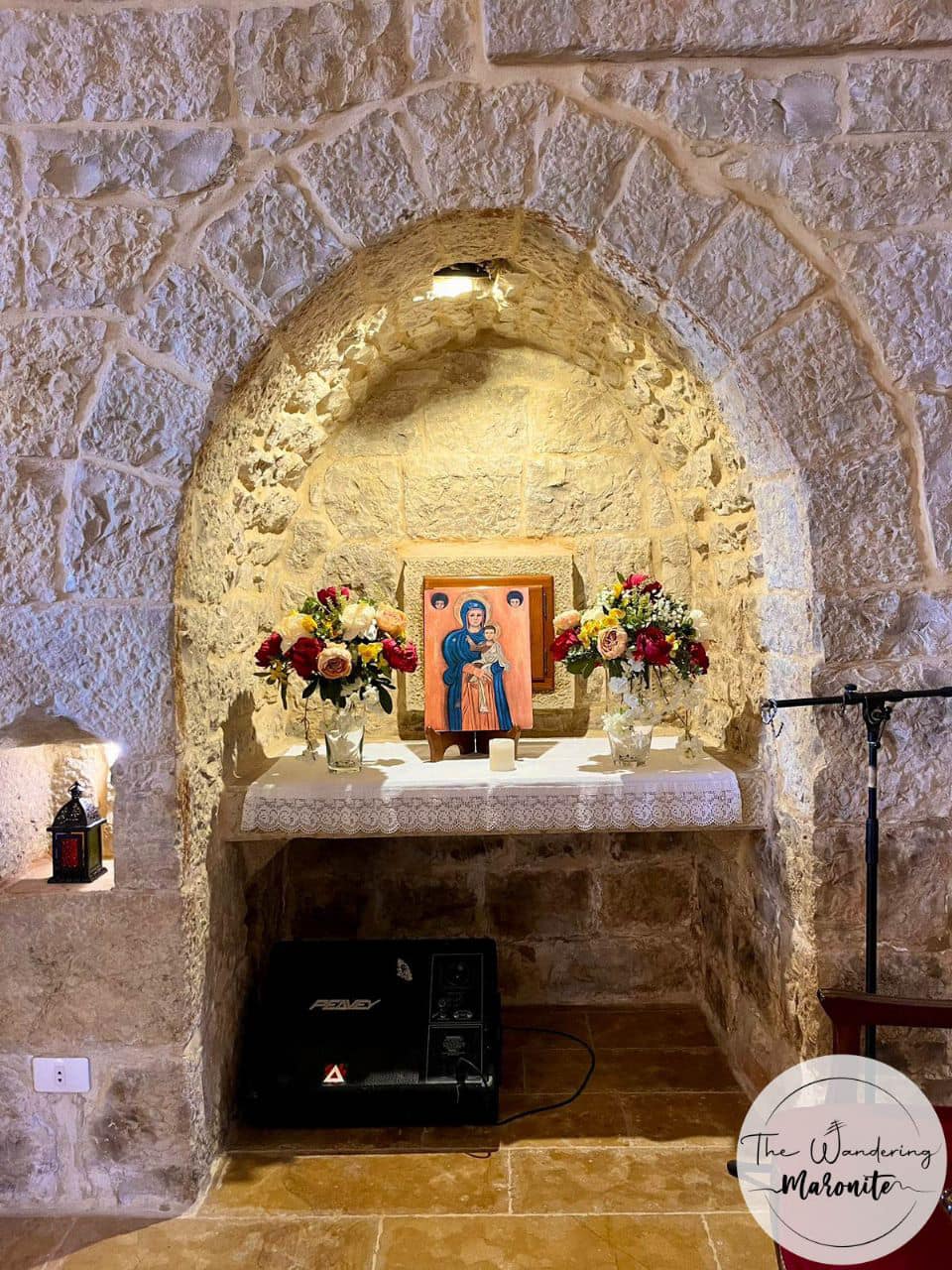
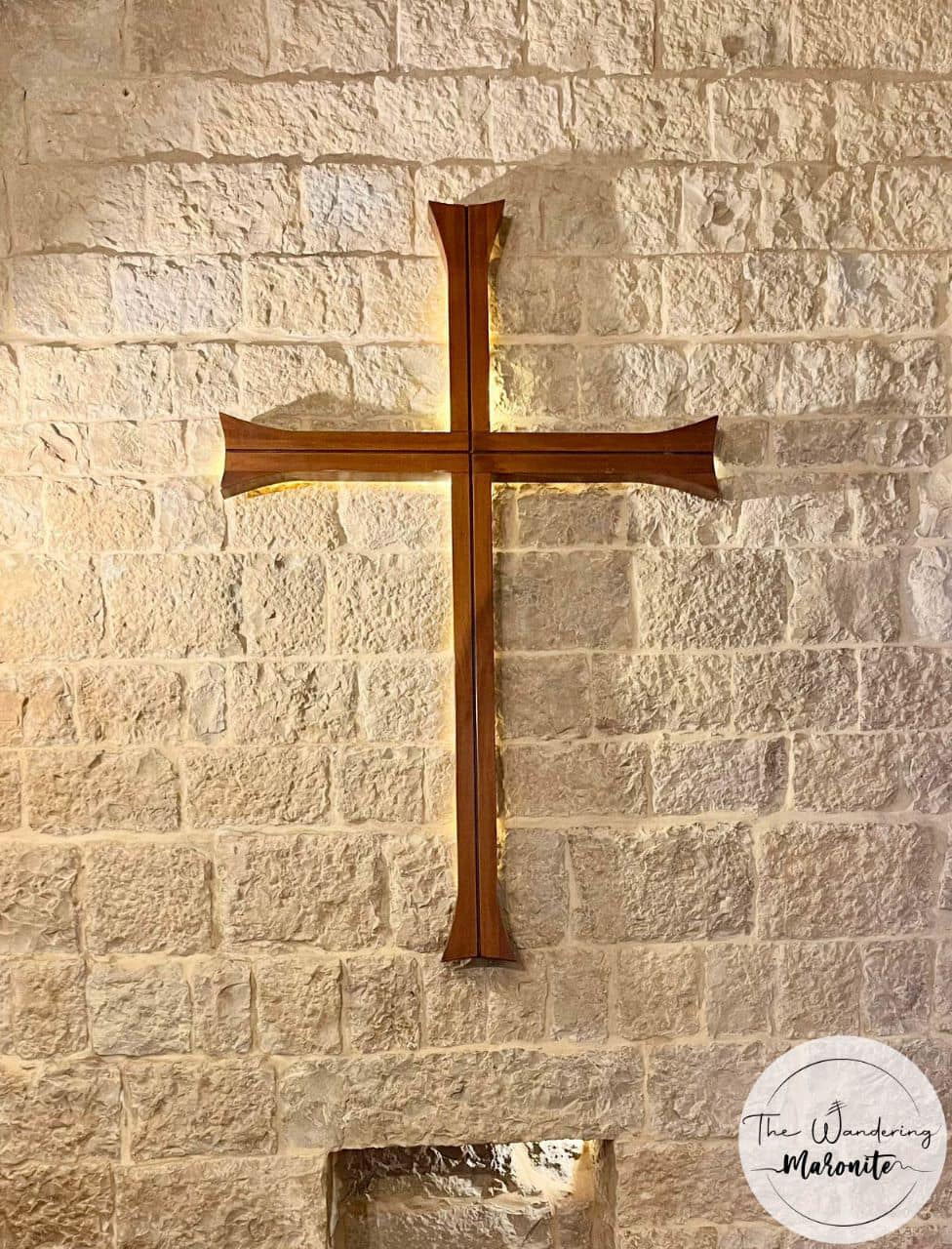
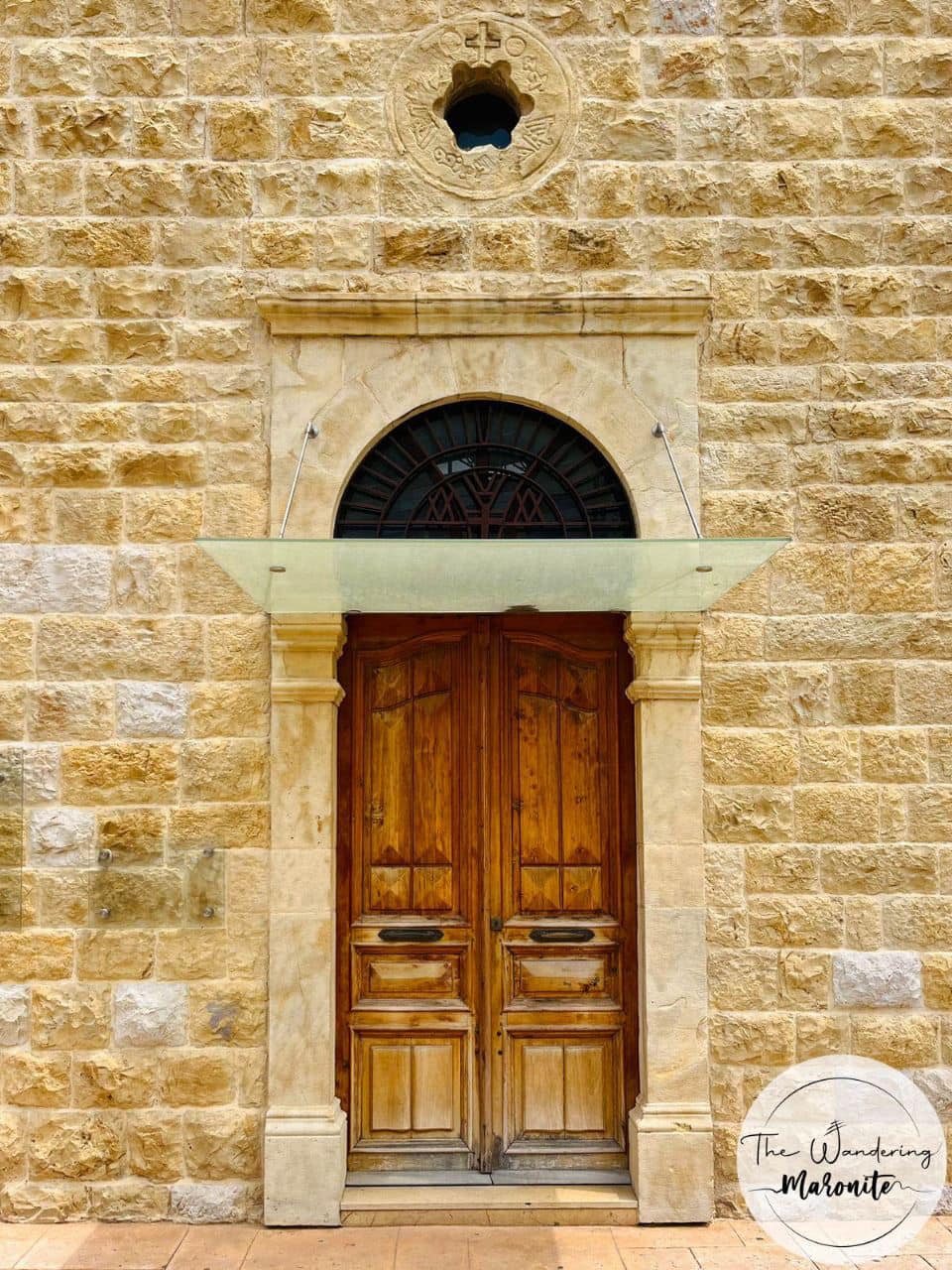
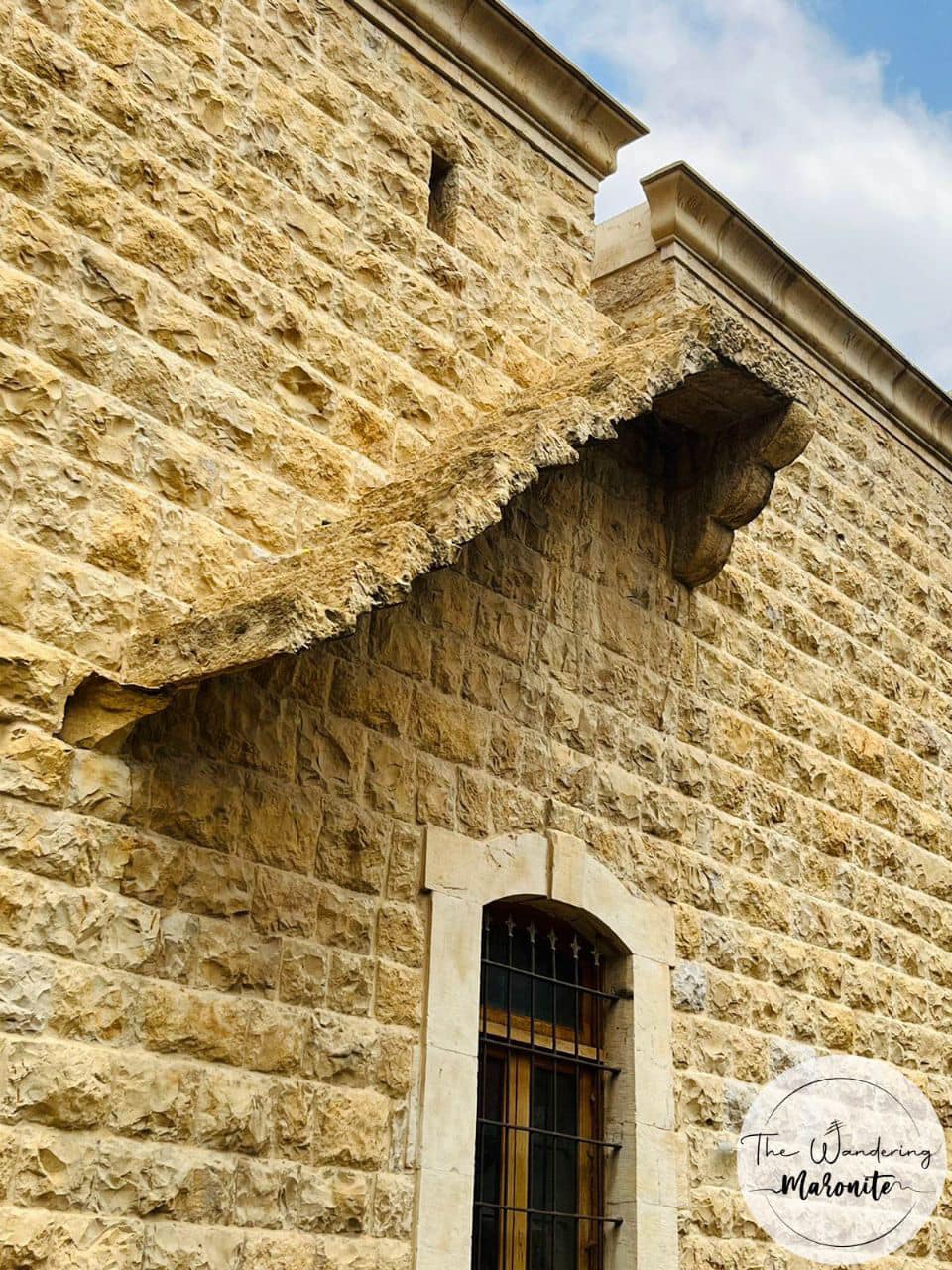
كنيسة تلاميذ مار مارون - مزرعة يشوع
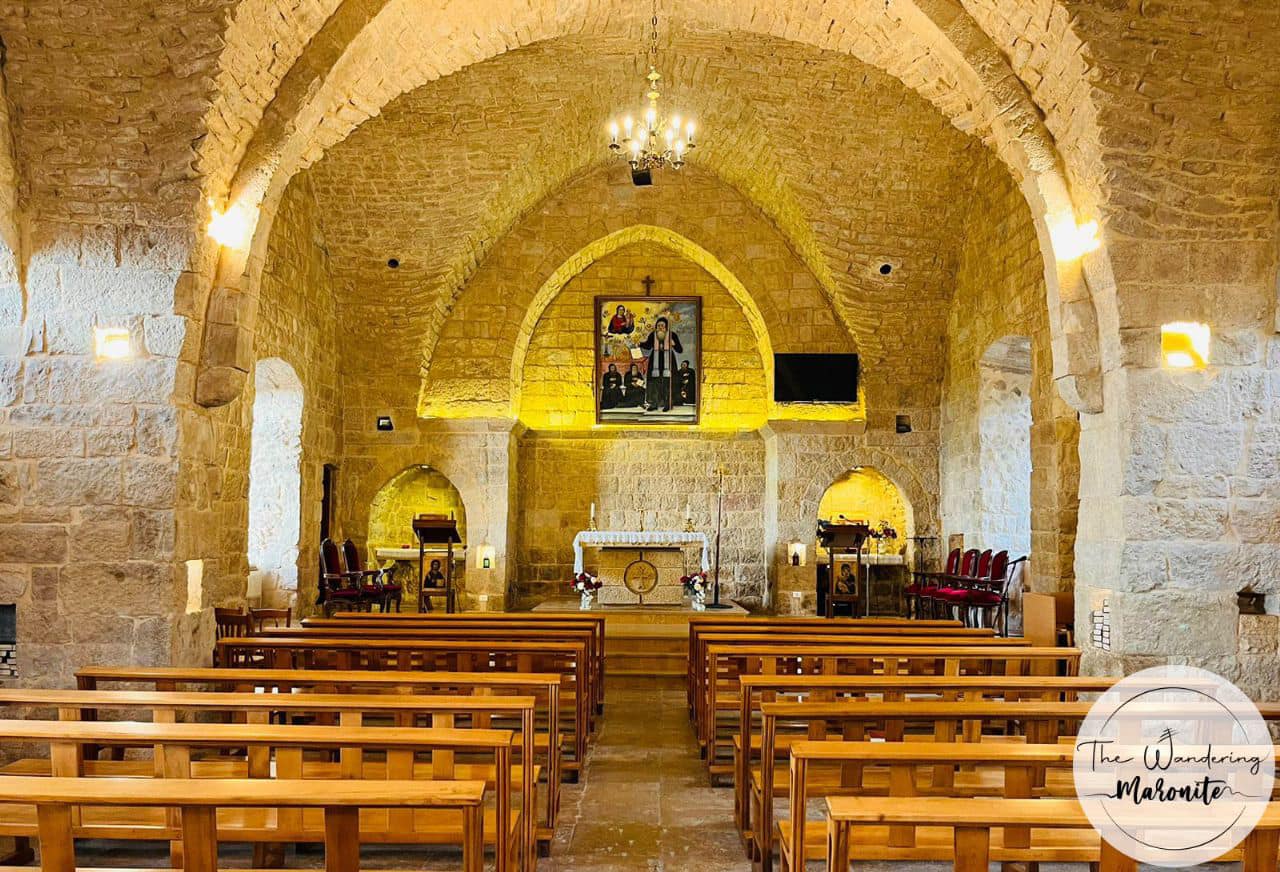
بُنيت الكنيسة الأولى شرفيّ البلدة أواخر القرن الثامن عشر. أعاد الأهالي بناء الكنيسة سنة ١٨٨٣ في موقعها الحاليّ. البناء كناية عن عقدٍ مُصالب ينتهي بحنية نصف دائرية. رمّمت الكنيسة أواخر القرن العشرين.
The Church of the Holy Martyrs, Disciples of St. Maroun - Mazraat Yashou’
The first church was built at the end of the XVIII century east of the village. The villagers rebuilt it in its current location in 1883. The structure is a cross-vault with a semi-circular apse. The church was restored during the nineties.
يروي التقليد أنّ القدّيس يوحنّا مارون، بنى الدير على أنقاض بيتٍ سكنه العبّاد يوم سيم اسقفًا على البترون في العام ٦٧٦، ونقل إليه هامة مار مارون وسمّاه ريش موران أي رأس مارون، وجعله كرسيّه بعد انتخابه بطريركًا سنة ٦٨٥. أقام في الدّير، البطاركة الموارنة المتعاقبون إلى دانيال الشاماتي. آل الدّير إلى الخراب بعد أن دمّره يوسف سيفا سنة ١٦٣٤. أعاد بناؤه البطريرك يوسف أسطفان سنة ١٧٨٧ وكرّسه على إسم مار يوحنّا مارون، وجعل فيه مدرسةً لتعليم الأحداث ما لبثت أن تحوّلت لإكليريكيّة سنة ١٨١٨ بأمر البطريرك يوحنّا الحلو. الديّر اليوم كرسيّ أساقفة البترون، وهو الشاهد على تاريخ الموارنة في لبنان.
The monastery of St John Maroun - Kfarhay
According to tradition, St John Maroun built the first monastery when he was the bishop of Batroun in 676 over a hermitage, and brought to it the holy relic of the forehead of St Maroun and named it Rish Moran or the head of St Maroun. He made the monastery his patriarcal seat when he was elected in 685. The succeeding patriarchs lived in the monastery until Daniel el Shamaty. The monastery was destroyed by Youssef Sayfa in 1634. Patriarch Youssef Estfen rebuilt it with a school and consecrated it to St John Maroun, the school was transformed into a seminary in 1818 by a decree of Patriarch Youhanna el Helo. The monastery is now the seat of the bishops of Batroun, and the witness to the Maronite history.
سنة ١٨٦٥ شيّد الخوري يوحنّا جرجس بصبوص مدرسةً على اسم مار يوحنّا الحبيب في محلّة الضهر معاد، وجعل لها كنيسةً صغيرةً بعقدٍ مُصالب. أُوقفت المدرسة والكنيسة للرهبانيّة اللبنانيّة المارونيّة سنة ١٨٩٥ بُغية تحويلها لدير راهباتٍ مُحصّنات. قبلت الرهبانيّة الوقفيّة سنة ١٨٩٧ وصادق عليها البطريرك يوحنّا الحاج. سنة ١٩٠١ رقد الخوري يوحنّا بالربّ ودُفن في كنيسته. رُمّمت الكنيسة سنة ٢٠٠٣ ونُقل إليها مذبح دير مار يوسف القديم وهو من عمل الأخوين بصبوص من راشانا.
The Church of St. John the Apostle - Jrabta
The church was constructed in 1865 to serve as a chapel for St. John's School, which was established by Father Youhanna Gerges Basbous. The school was handed over to the Lebanese Maronite Order in 1895 and was transformed into a nunnery. The donation was accepted by the order in 1897, and the decision was authorized by Patriarch Youhanna el Hajj. In 1901, Father Basbous passed away and was buried in the chapel. The church underwent restoration in 2003, during which the magnificent marble altar of St. Joseph's Monastery, a masterpiece carved by the Basbous brothers, was installed.
The hermitage of St Simeon the stylite in Wadi al-Bouwayli'e - 'Abeydat The monastery is a hollowed-out cavity in the rock, containing frescoes dating back to the XIIth century. Among these wall paintings is the depiction of the deisis, as well as Syriac inscriptions, of which only a few remain due to natural factors and human ignorance. Access to the monastery's chambers is achieved through newly installed wooden and iron ladders. Adjacent to the Mar Simeon monastery is the St Moura's Church, which is a carved cave in the rock. According to experts, the wall paintings in 'Abeydat belong to the same artist who painted the wall paintings in the Mar Tadros Church in Behadidat.
La Ermita de San Simeón el estilita en Wadi al-Bouwayli'e - 'Abeydat El monasterio es una cavidad excavada en la roca, que contiene frescos que datan del siglo XII. Entre estas pinturas murales se encuentra la representación de la deisis, así como inscripciones siríacas, de las cuales, debido a factores naturales y la ignorancia humana, solo quedan unas pocas. Para acceder a las cámaras del monasterio se utilizan las escaleras de hierro y madera recién instaladas. Colindante al monasterio de San Simeon se encuentra la iglesia de San Moura, que es una cueva tallada en la roca. Según los expertos, las pinturas murales de 'Abeydat pertenecen al mismo artista que pintó las pinturas murales de la iglesia de San Tadros en Behadidat
Reviews are disabled, but trackbacks and pingbacks are open.