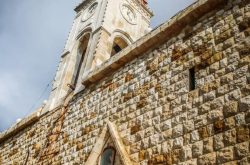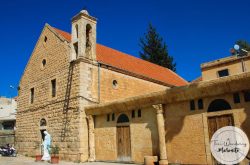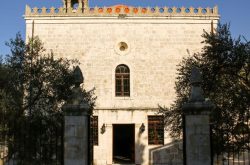

Jeita – The convent of St Elias el Ras

Mar Elias El Ras Monastere (Church), Mazraat El Ras, Lebanon

Other Details

دير مار الياس الراس

Jaaita

Keserwan

Mount Lebanon

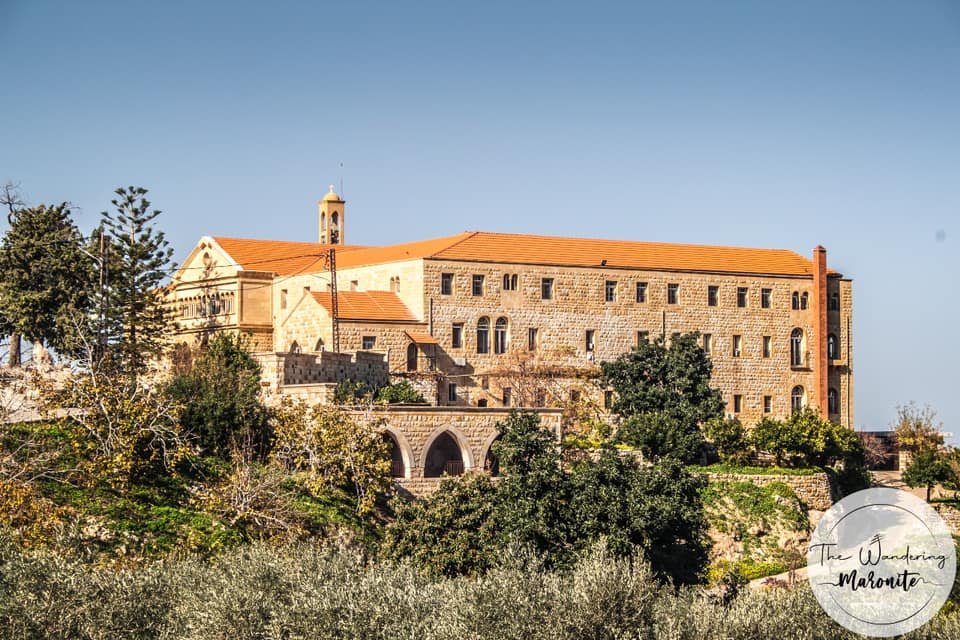
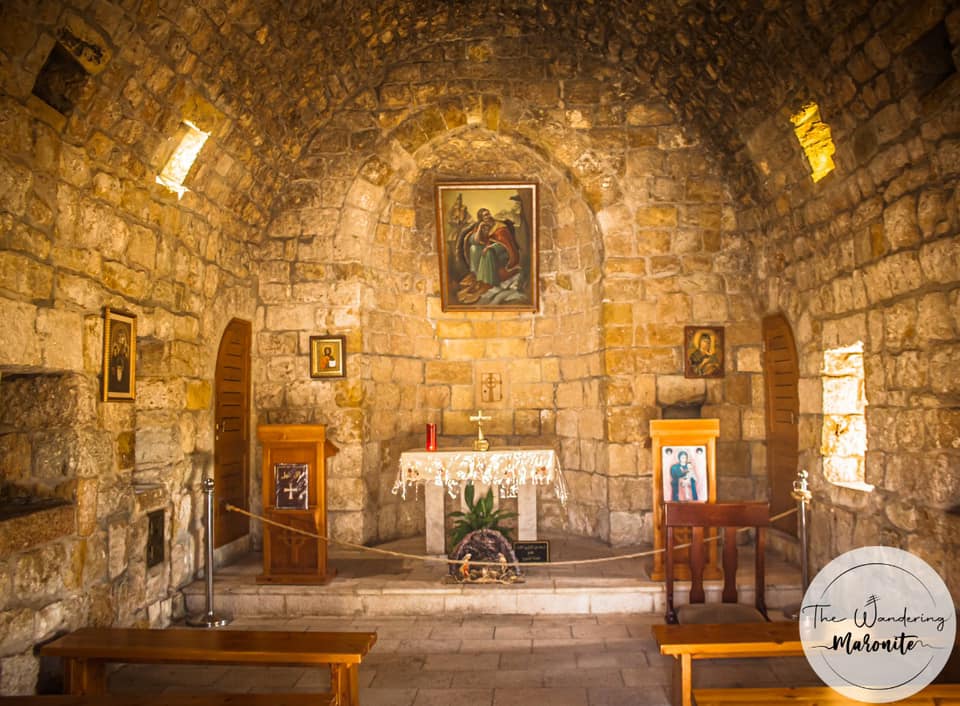
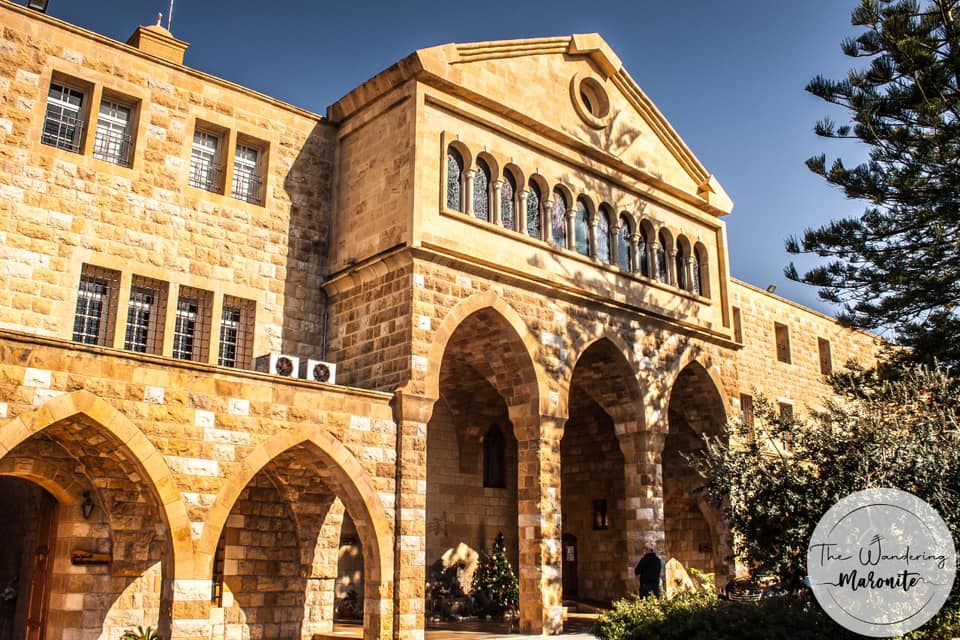
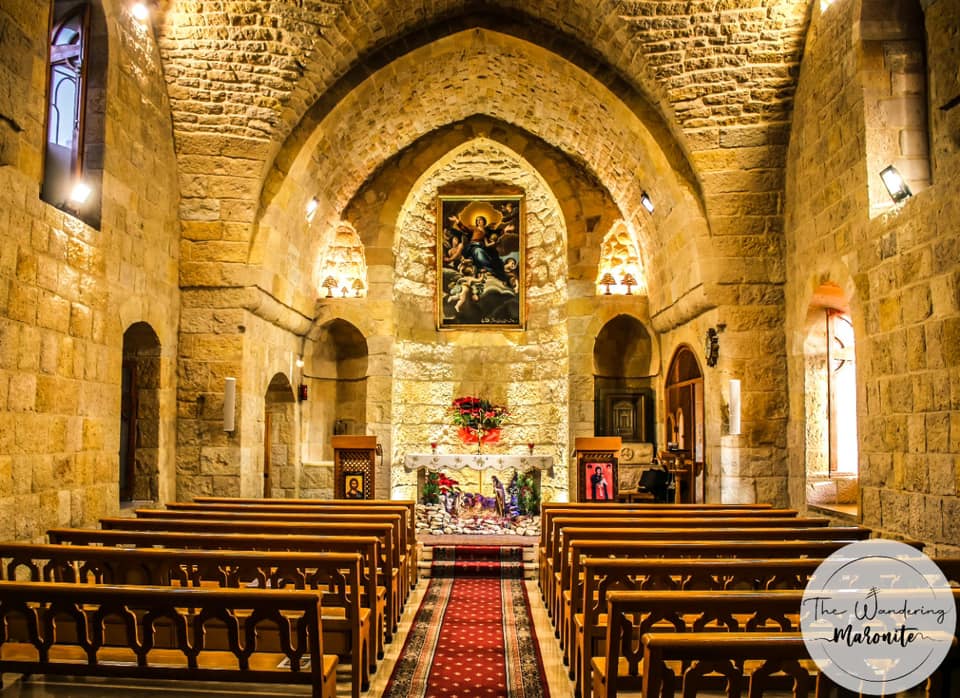
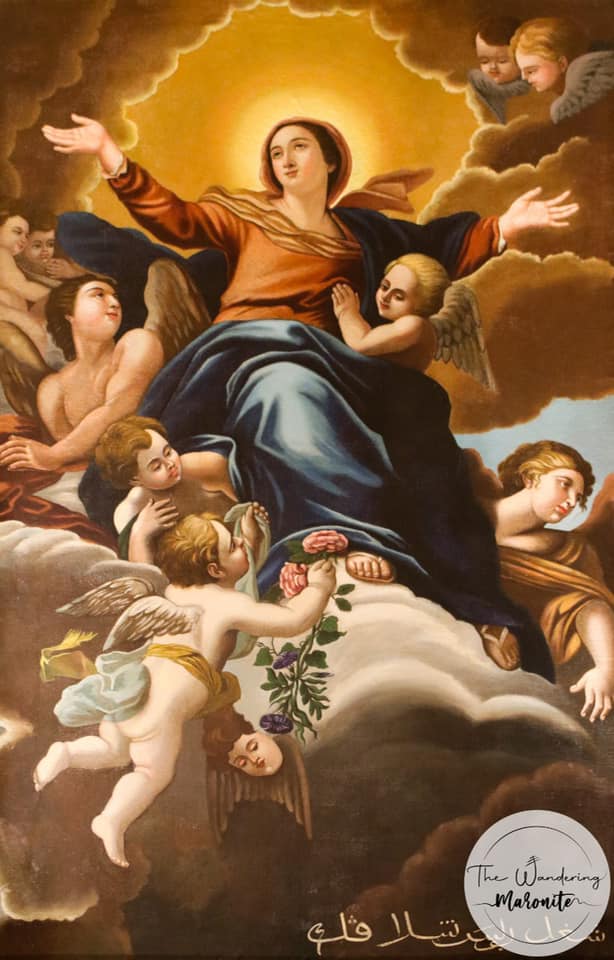
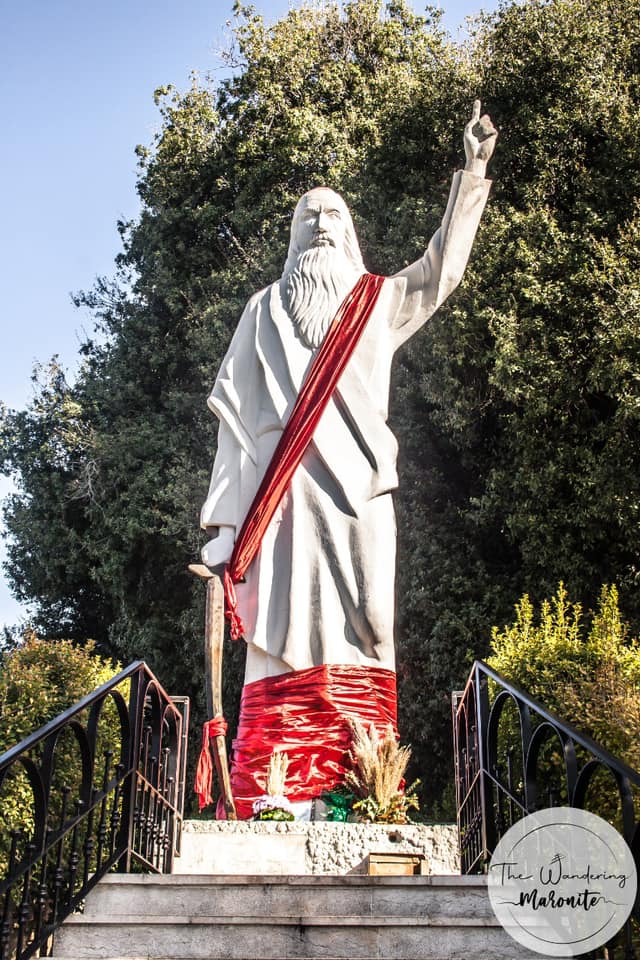
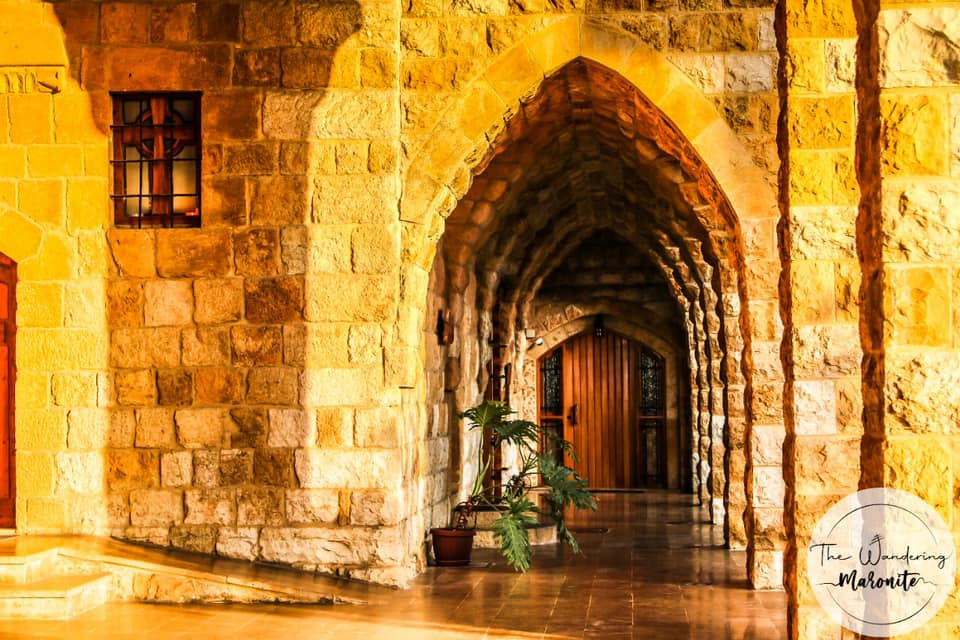
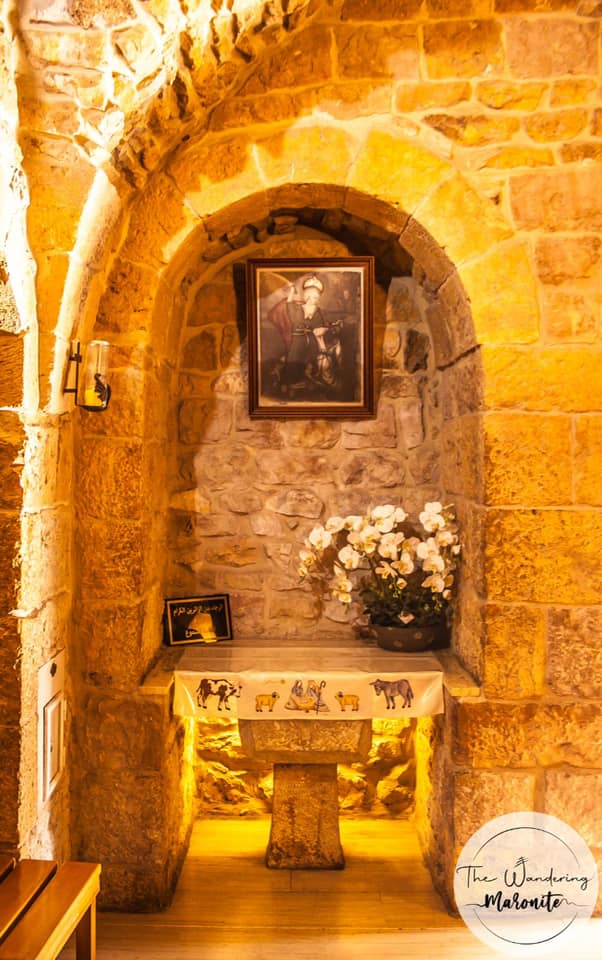
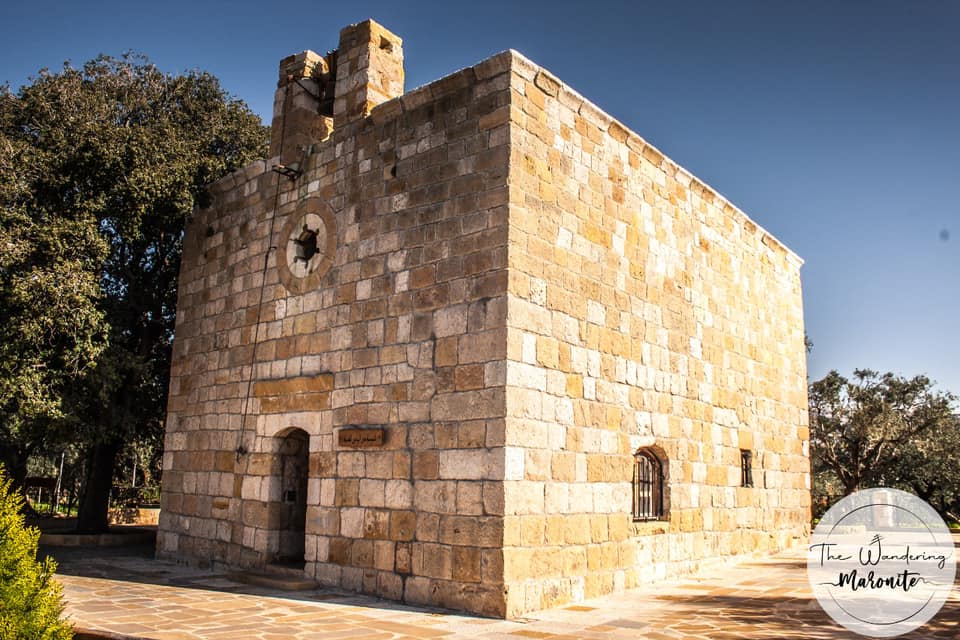
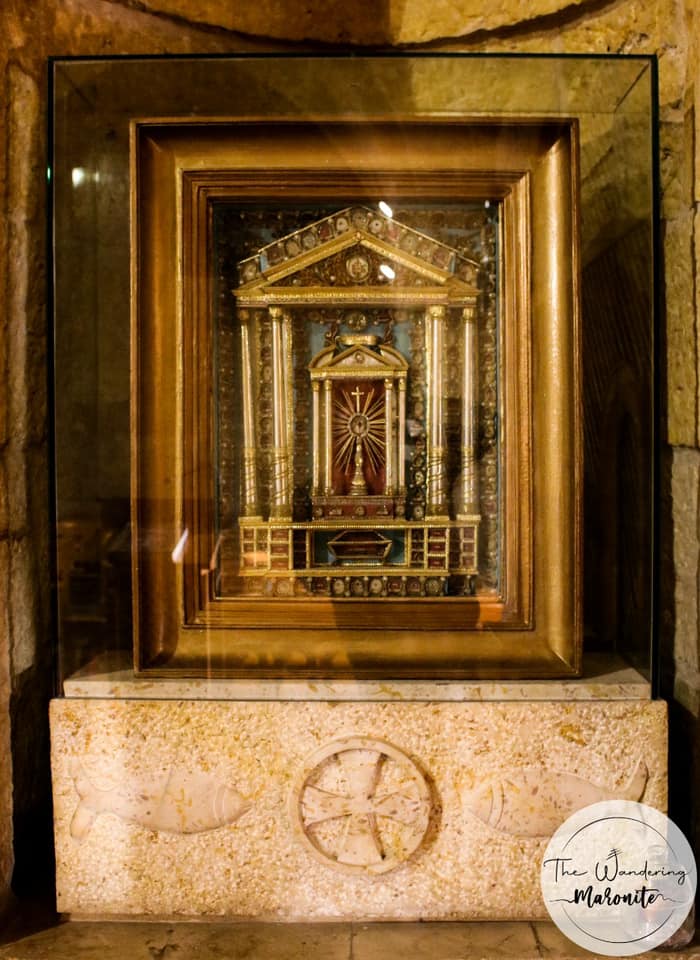
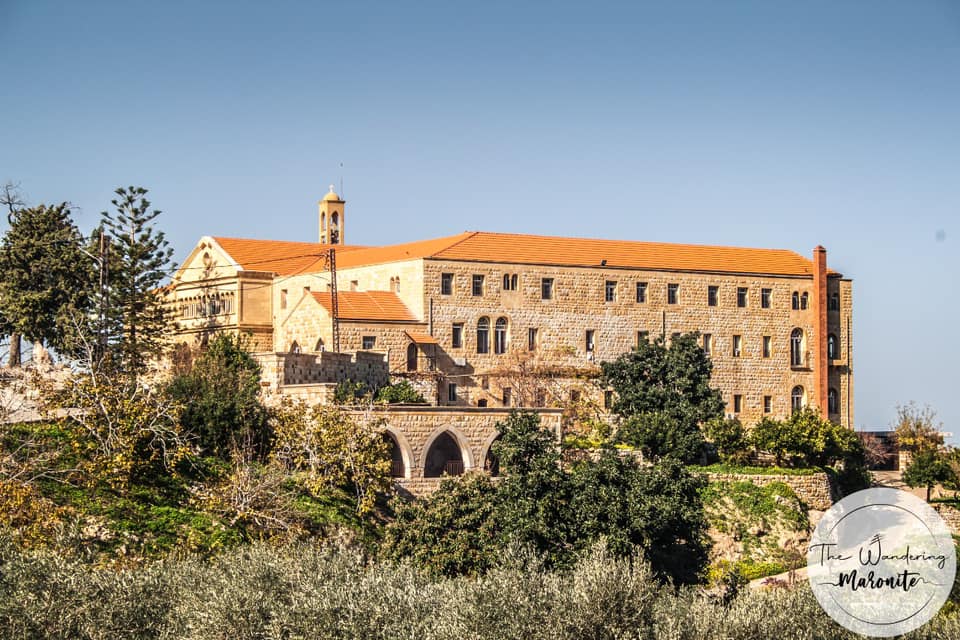
دير مار الياس الراس – جعيتاتأسّس الدّير في مزرعة الراس بعد جلاء المماليك عن كسروان. عام ١٧٠٤ كان الدّير بعهدة القسّ بطرس صفرونيوس الحاقلانيّ من زوق مصبح، الذي ترهّب فيه مع رهبانه العبّاد.قرّر المجمع اللبنانيّ المنعقد سنة ١٧٣٦ إلغاء الأديار المزدوجة، وفصل أديار الرهبان عن أديار الراهبات، وشدّد على أن يكون للراهبات قانون خاصّ. عند الإنتقال إلى مرحلة تطبيق مبدأ الفصل إتّفق القاصد الرسوليّ يوسف السمعانيّ مع المطران عبدالله قراعلي، على إنشاء دير قانونيّ يكون مثالًا وقدوة لسائر أديار الراهبات في دير ما الياس الراس. وهكذا آل الدير إلى الرّهبانيّة اللبنانيّة المارونيّة.باشر الرهبان، بعد استلام الدّير، بناء كنيسةٍ ودير مخصّص لسكن راهبات محصّنات فبني الدّير الجديد مع كنيسته الكبيرة. فُتحت أبواب الدير في ٦ كانون الثاني ١٧٤٠. ولا يزال إلى اليوم واحة صلاةٍ وتأملٍ، ومزارًا يقصده المؤمنون من كلّ حدبٍ وصوب.The convent of St Elias el Ras - JeitaThe convent was built in the farm of El Rass after the Mamluks left Keserwan. In 1704 the convent was under the custody of Boutros Safronius el Haklany, a monk from Zouk Mosbeh. In 1736 the Lebanese Council dictated that nunneries shall be separated from monks' monasteries, thereby abolishing mixed monasteries, and giving nuns their own convents and rules. When it was time to apply the new rules, Monsignor Youssef El Semaany, the papal nuncio, and Bishop Abdallah Qaraaly, decided to give St Elias’s convent to the nuns of the newly formed Lebanese Order. It was decided to build a new convent suitable for contemplative nuns with a big church. The new convent was consecrated on the 6th of January 1740, and is still a haven for prayer and meditation, and a shrine for all pilgrims.

Visited 4067 times, 2 Visits today

Reviews are disabled, but trackbacks and pingbacks are open.

Related Listings

Jbeil – Saint John Marcus

Monastery of Saint John Marcus Jbeil Lebanese Maronite Order, Byblos, Lebanon

مار يوحنا مرقس - جبيل

1115

Jbayl

Jbeil

Mount Lebanon

A beautiful Romanesque church, Eglise Saint Jean Marc is the cathedral church of Jbail-Byblos. The Church is dedicated to Saint Jean Mark, the patron saint of the town, who is said to have founded the first Christian community of Byblos. The church itself was built in 1115 A.D by the Crusaders, originally as the Cathedral of Saint John the Baptist. After their departure, earthquakes, invasions and other disasters have repeatedly damaged the structure, and for a few centuries it remained disused. In 1764, Emir Youssef Chehab, of the Druze dynasty that ruled a semi- autonomous Lebanon under the Ottomans, donated the church to L’Ordre Libanais Maronite (Lebanese Maronite Order) which subsequently restored and reopened in 1776 after re-dedicating it to St Jean Marc. British bombardments of Lebanon in 1840 caused further damage, but the church was restored yet again. Eglise Saint Jean Marc continues to serve the Maronite Christian community. One interesting feature in the church is its open- air domed baptistery on the northern side which dates from the original construction in 1115 A.D, The church is situated on Rue de Port, between the port and the archaeological area.

Aramoun – The Monastery of St. Rouhana is located in Al Baqi’a

Monastère St. Rouhana Aramoun, Aaramoun, Lebanon

دير مار روحانا البقيعة

Aaramoun Aaley

Aley

Mount Lebanon

دير مار روحانا البقيعة - عرمون

سنة ١٧٠٣ جاء قرار بناء دير مار روحانا، وكان ديرًا مشتركًا للرهبان والعابدات، في موضع مدرسةٍ قديمة لتعليم الأحداث على اسم السيّدة. وسّعه البطريرك طوبيّا الخازن ليكون مقرًّا له خلال إقامته في كسروان. سنة ١٧٧٥ ترهّب في الدير قيس بن رامح الخازن وهو المطران جرمانوس الخازن رئيس أساقفة دمشق. في ٢٥ أيلول ١٨٢٦ فصل البطريرك يوسف حبيش الرهبان عن الدير. رُمّم الدير على عدّة مراحل آخرها سنة ٢٠١٦ حين كُرّس المذبح الجديد. الدير وقف بعناية آل زوين تحت ولاية البطريركيّة المارونيّة.

The Monastery of St. Rouhana is located in Al Baqi'a - Aramoun.

In 1703, a decision was made to build a joint monastery for monks and nuns on the site of an old school dedicated to the Virgin Mary. Patriarch Tobia El Khazen renovated it to use as his residence during his stay in Keserwan. On September 25, 1826, Patriarch Youssef Hobeish separated the monks from the monastery. The monastery underwent several stages of renovation, with the last one in 2016 when the new altar was consecrated. The monastery is under the jurisdiction of the Maronite Patriarchate and is entrusted to the care of the Zwein family.

Kfarhelda – Our lady of Kfarmalkoun, or Our lady of ruins

كنيسة سيدة كفرملكون الأثرية - كفرحلده, Kfar Helda, Lebanon

كنيسة سيّدة كفرملكون (سيّدة الخرايب)

Kfar Hilda

Batroun

North

كنيسة سيّدة كفرملكون (سيّدة الخرايب) - كفرحلدا
ترقى الكنيسة الى القرن الثالث عشر ، في أعالي بلدة كفرحلدا وكانت قد بنيت هذه الكنيسة بالطريقة البدائية التقليدية كما كان قائماً في القرون الوسطى، أما قبة الجرس فهي حديثة الصنع.
هذه الكنيسة كانت جزءاً من قرية كفرملكون الواردة في السجلات العثمانية. مع مرور الزمن هُجّرت القرية وبدأت الابنية بالتفكك والانهيار خاصة بعد حدوث زلزال كان قد ضرب المنطقة أدى الى خرابها فسُميت بسيّدة الخرايب. أما السواد الذي يغطي بعضاً من معالم الرسومات داخل جدران الكنيسة، فكان بسبب ان بعض الرعاة كانوا يرتادون المكان ويشعلون النار للتدفئة.
في حنية الكنيسة جدارية الشفاعة مع كتابة يسوع المسيح بالخط السرياني الملكي في الوسط.
على الجدار الشمالي رسماً لأسقف أصلع الرأس، هو القديس يوحنا الذهبي الفم. وعلى الجدار نفسه نقرأ اسم ضومطيوس باللغة اليونانية.
أما على الجدار الجنوبي بقايا مشهد الميلاد مع أربع ملائكة وراعٍ يعزف على الناي وبجانبه حملان.

Our lady of Kfarmalkoun, or Our lady of ruins - Kfarhelda
Dating back to the 13th century, and laying on the high hills of Kfarhelda, this church was built following the traditional medieval style.
This church is located in the old Kfarmalkoun village that is found in the Ottoman records. With time, the villagers had left their village and the buildings started to fall apart, especially after it was hit by an earthquake. Thus the name: Our Lady of the Ruins.
Some of the Church walls are covered with a black layer caused by the fires that the pastors lit when they were cold.
On the Church's apse, one can find the Deisis fresco, surrounded by the words Jesus Christ written in a royal syriac font.
On the northen wall, we can see the drawing of a bald bishop, St. John Chrysostom. On the same wall, we can find the words Domtius written in Greek.
On the sourhern wall, on can find the remains of a fresco depicting the Nativity scene with four angels and a pastor playing on the flute next to some sheep.