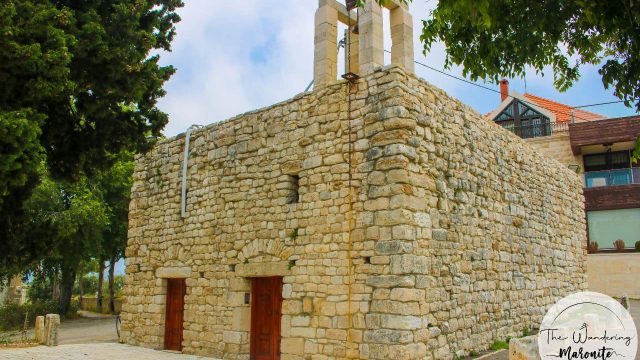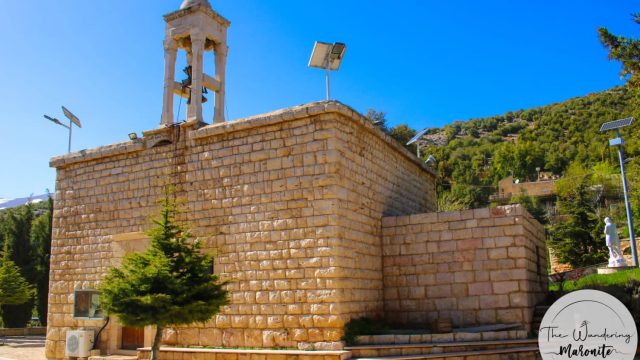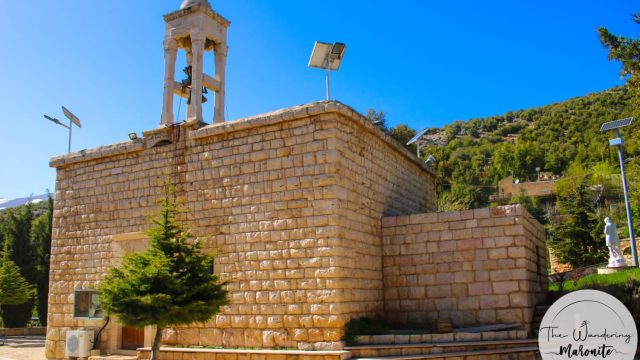
أنطوش سيّدة المعونات - بعلبك
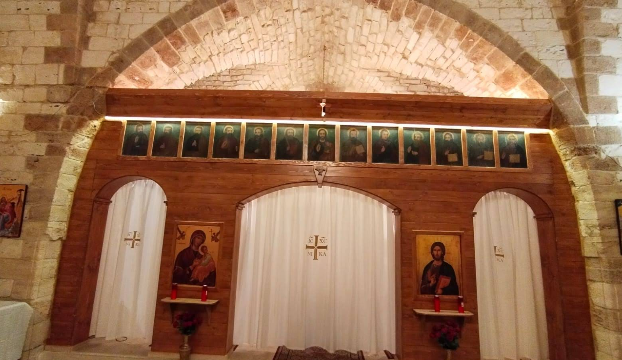
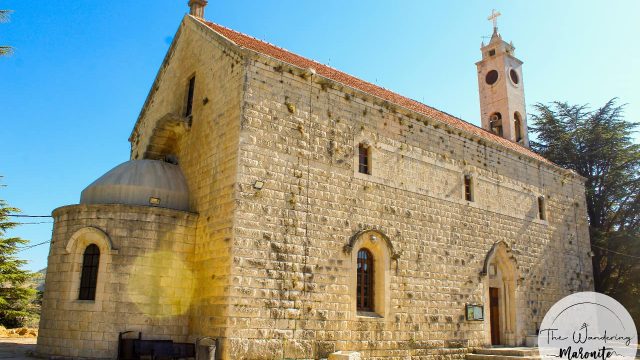
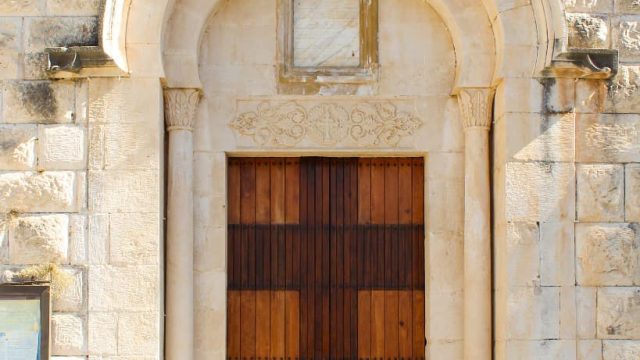
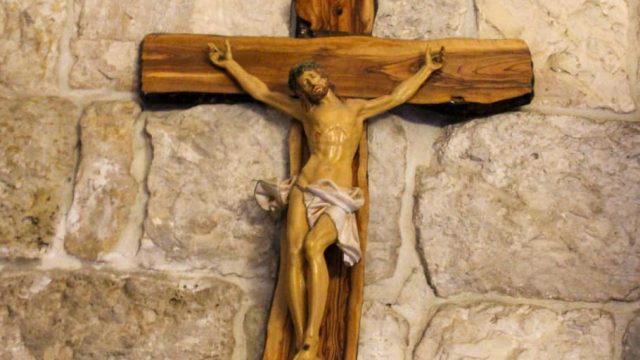
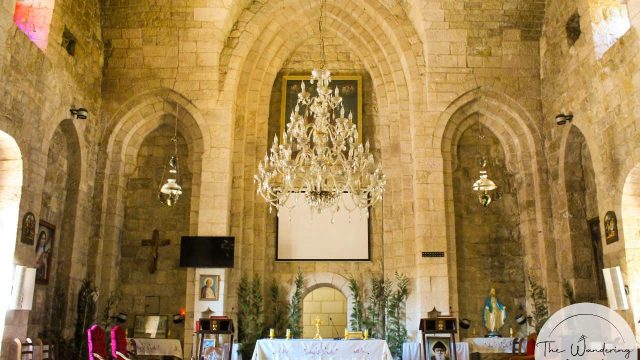
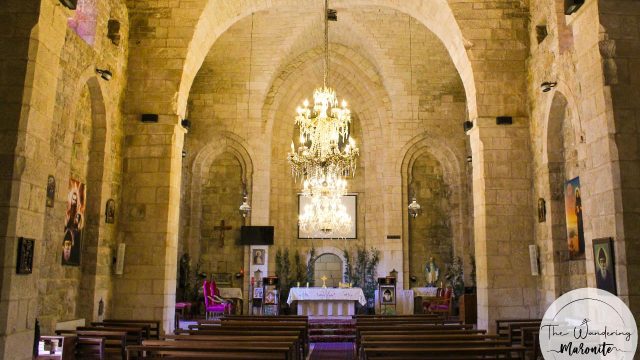
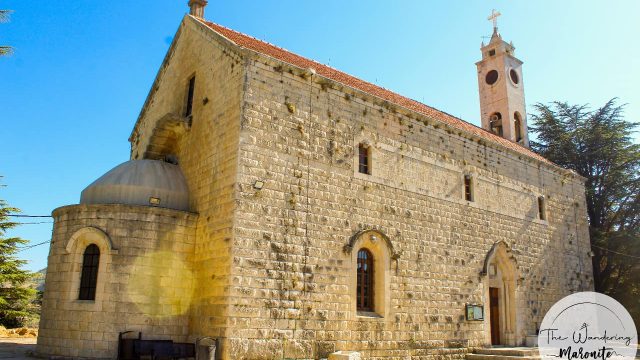
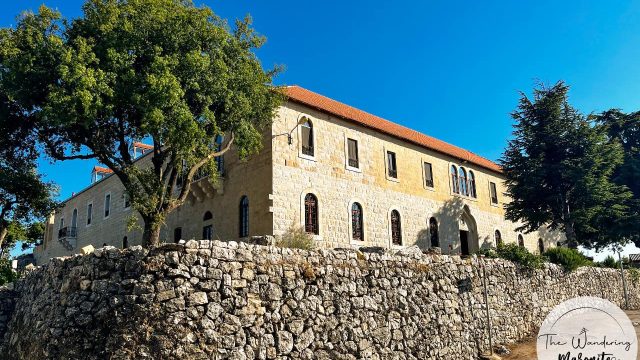
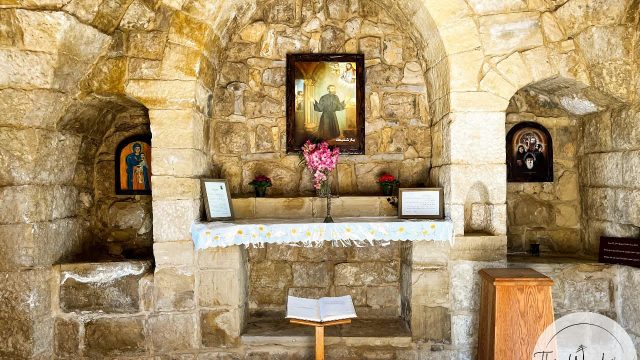
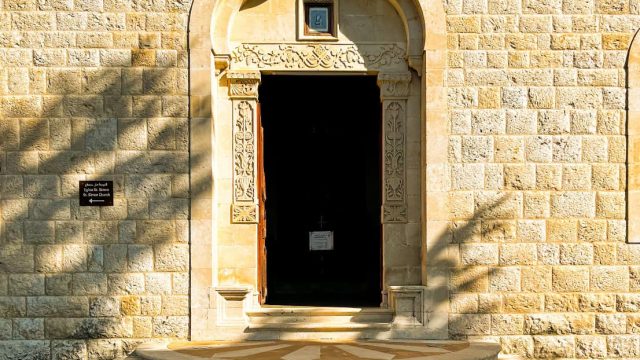
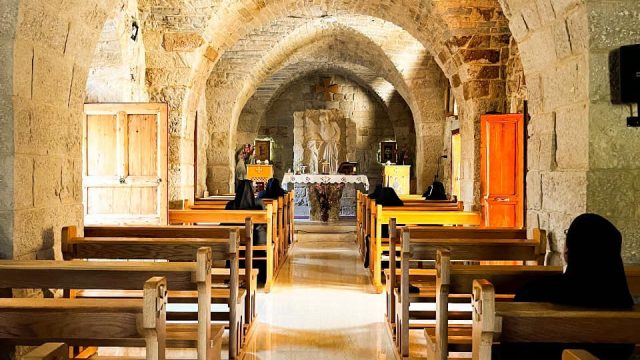
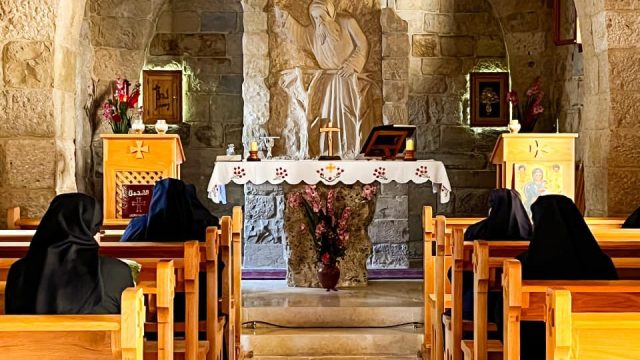
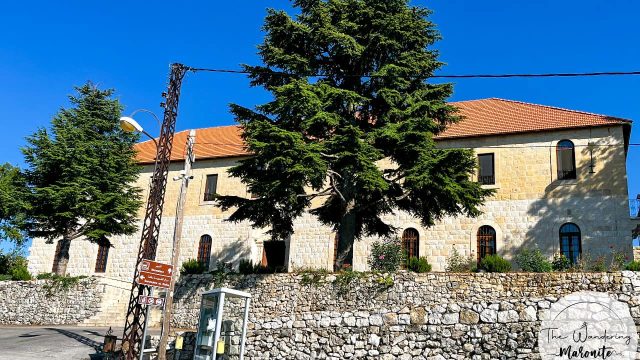
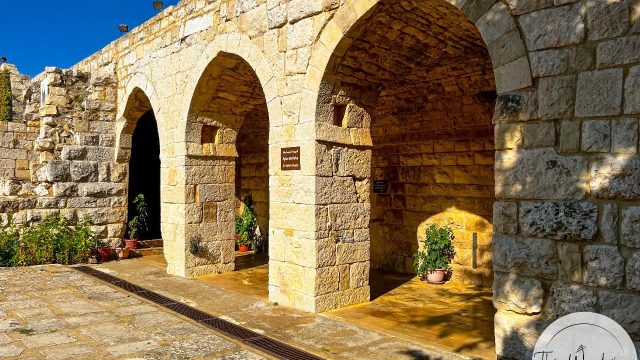
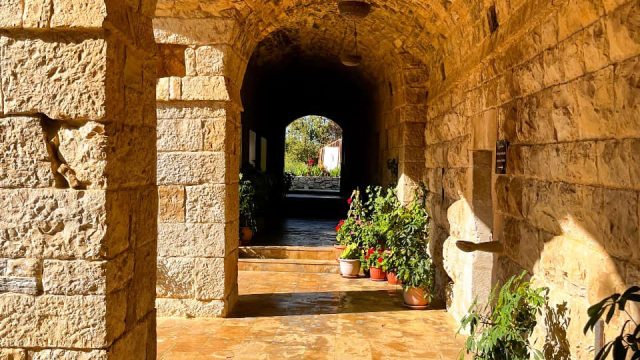
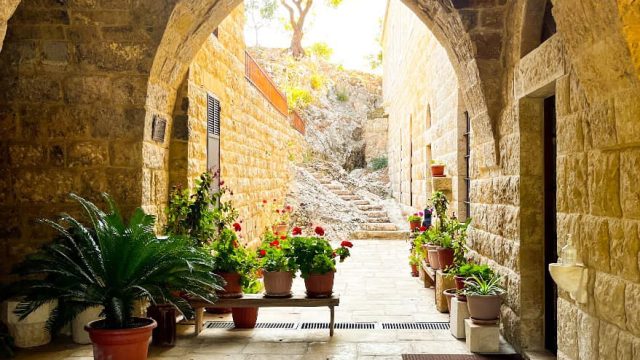
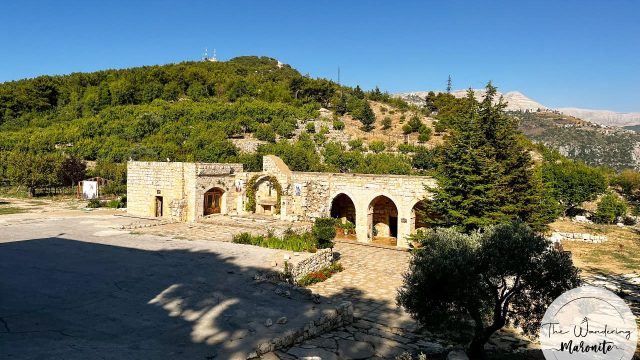
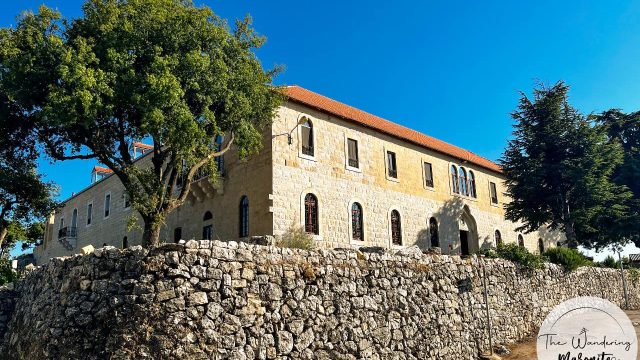
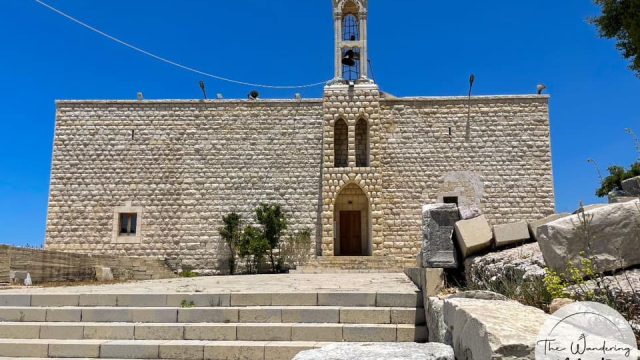
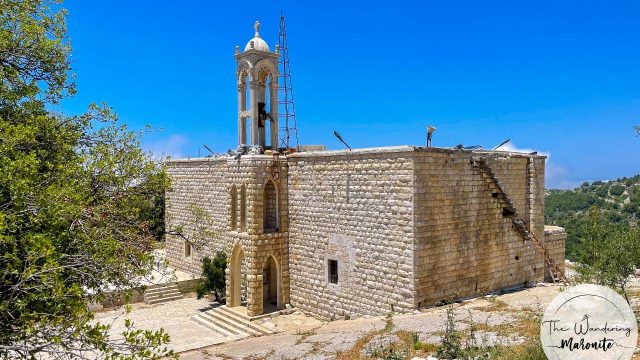
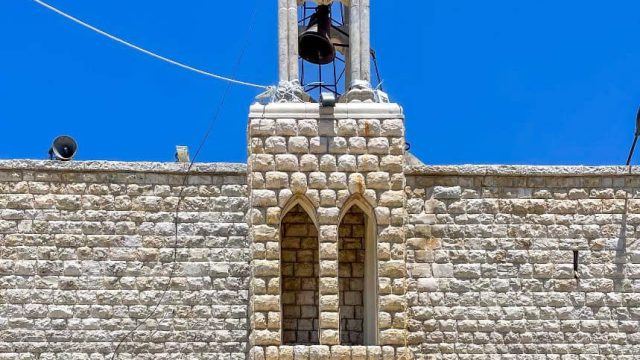
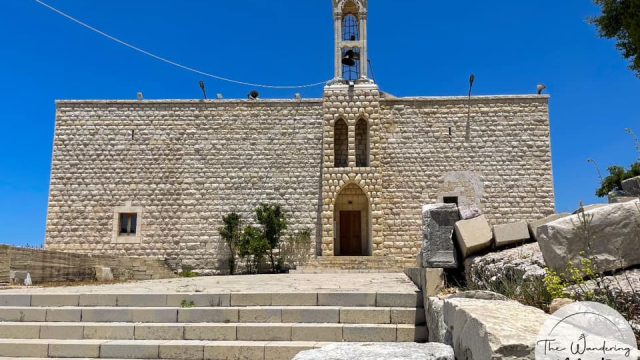
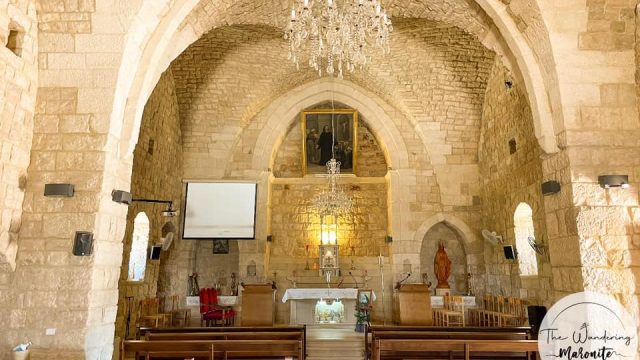
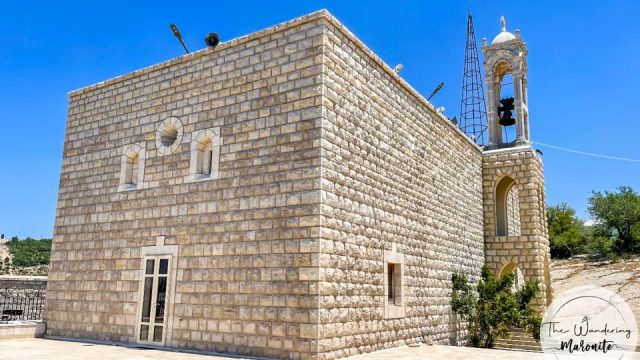
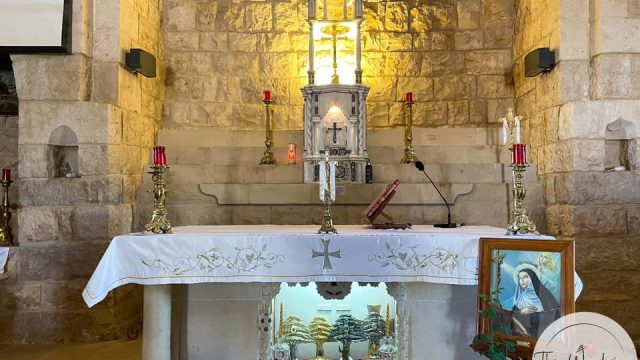
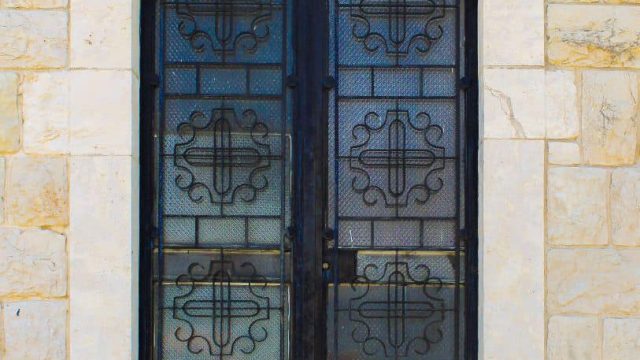
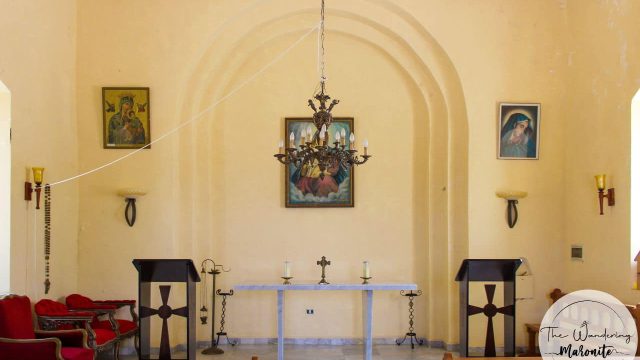
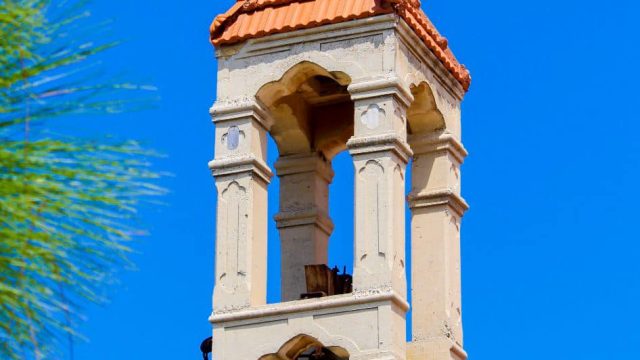
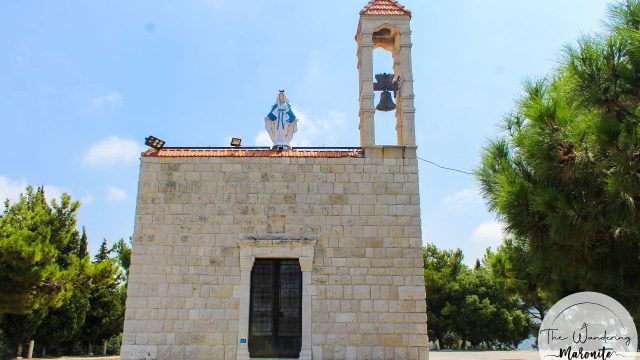
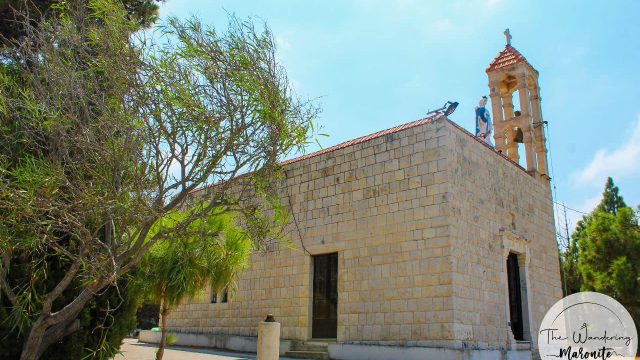
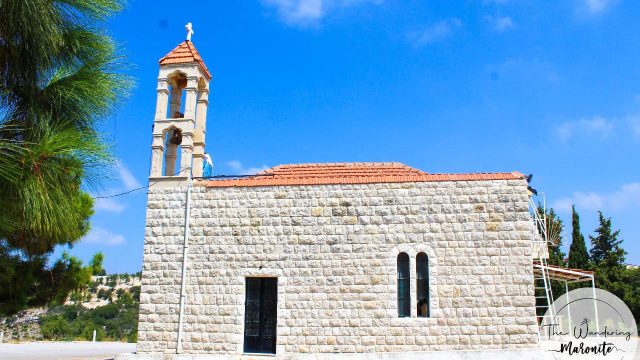
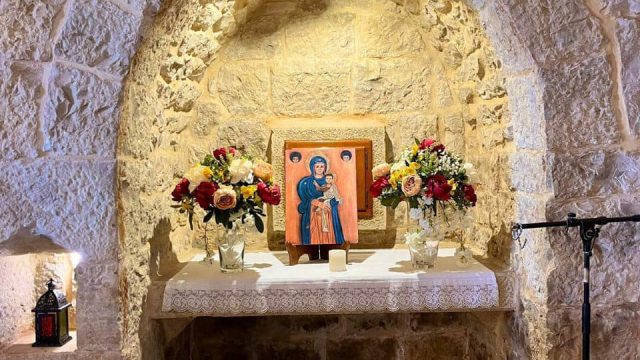
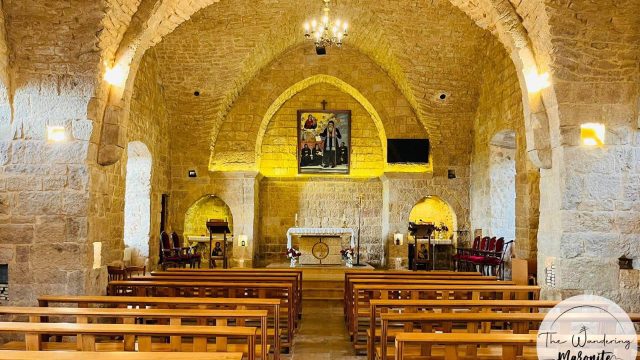
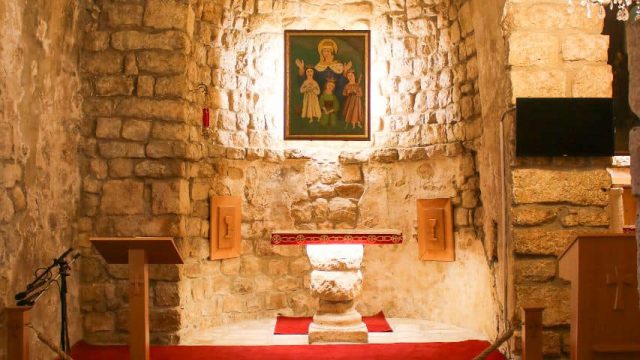
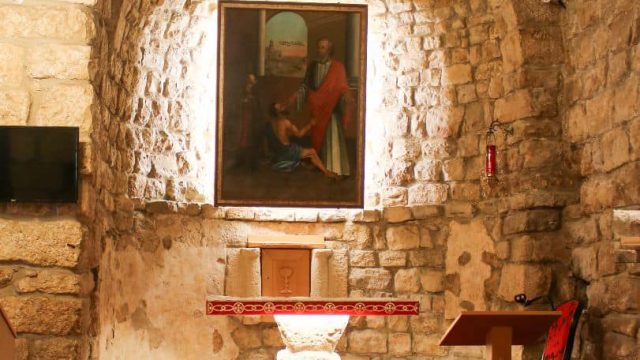
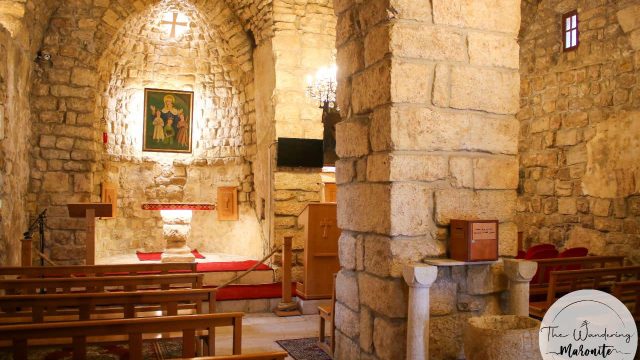
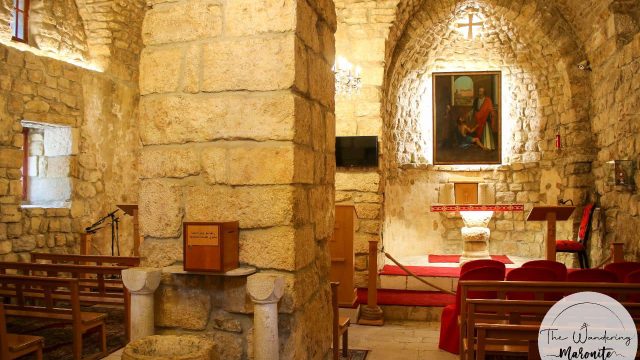
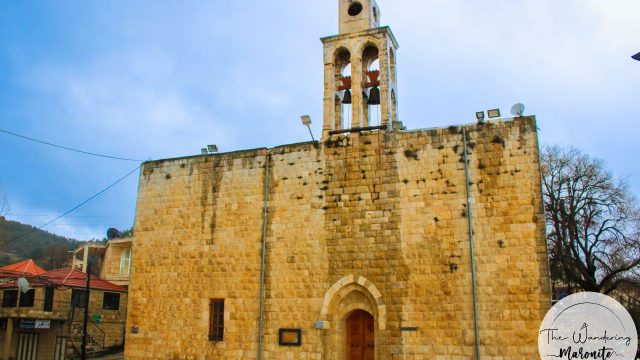
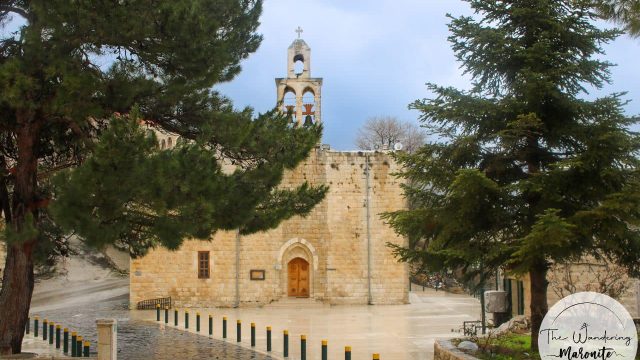
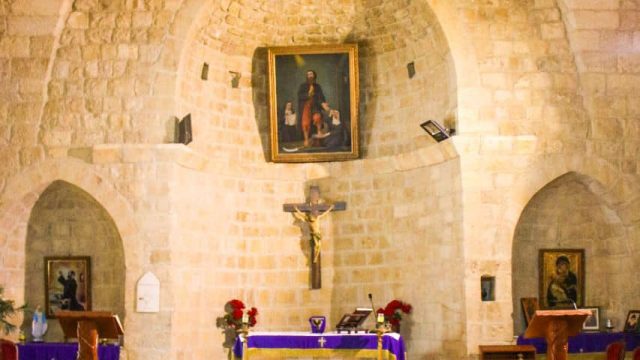
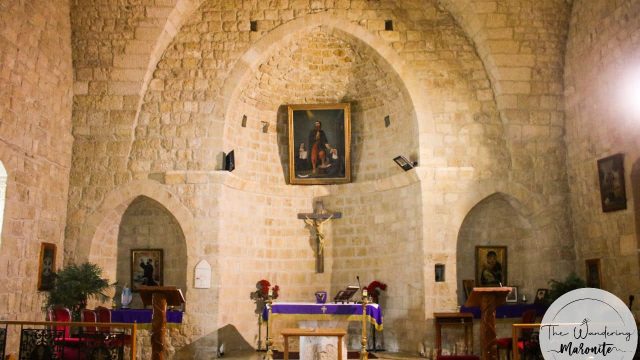
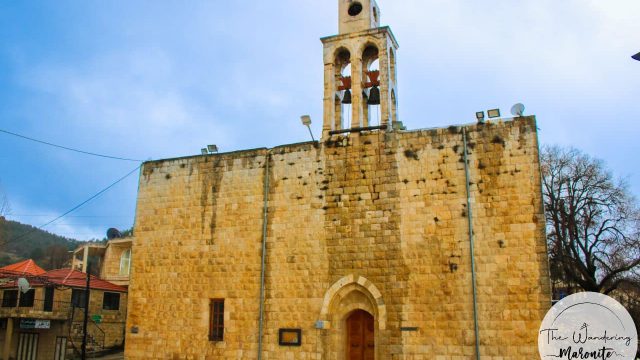
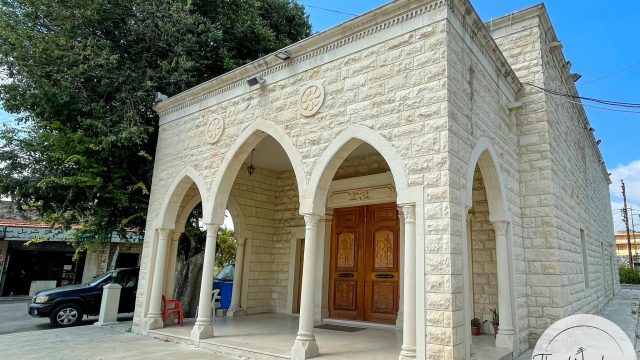
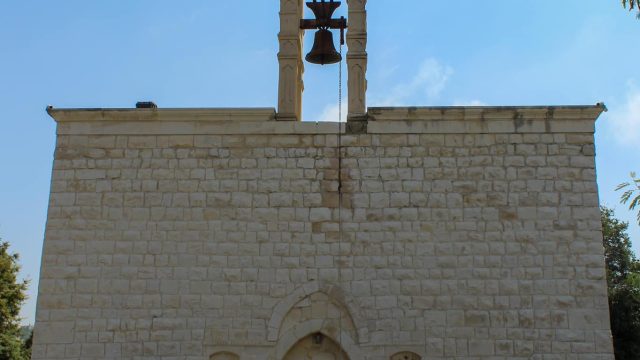
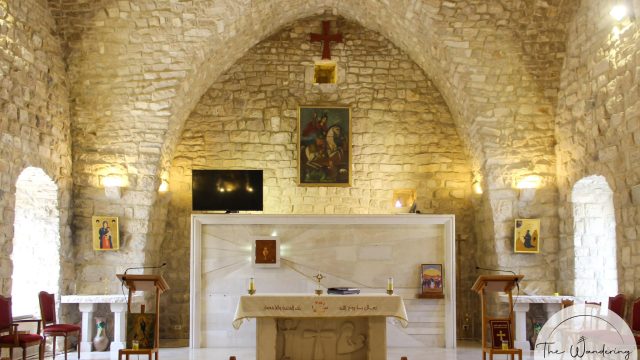
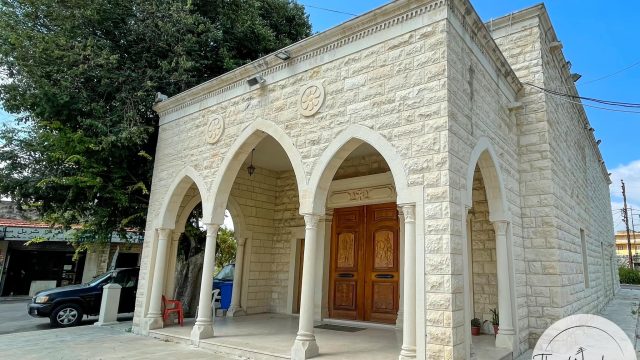
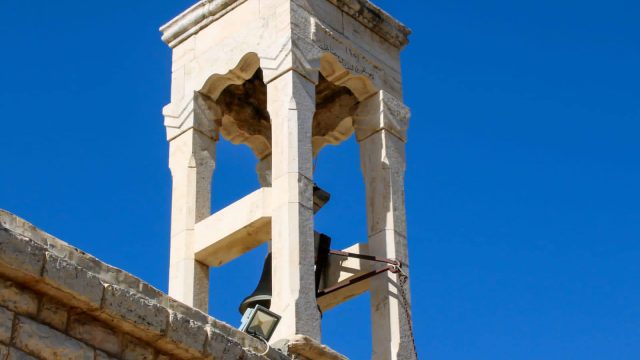
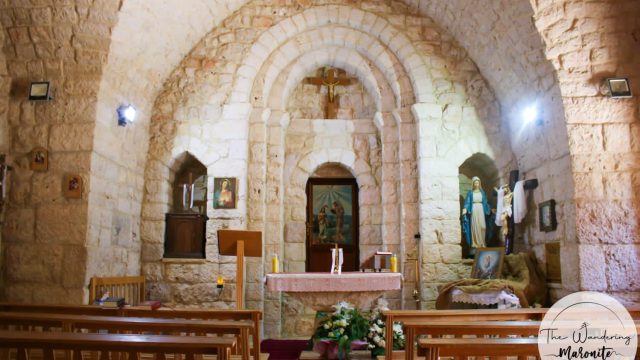
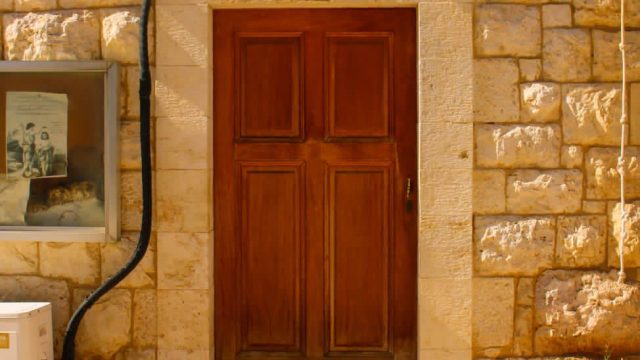
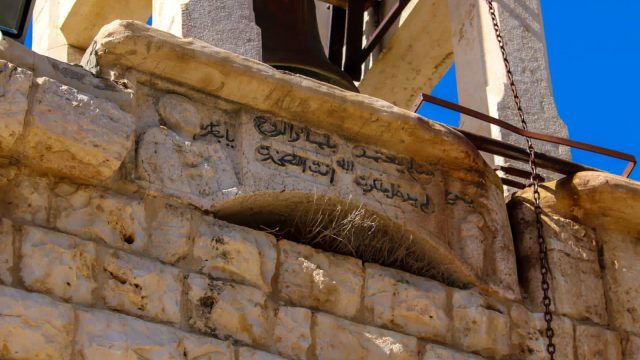
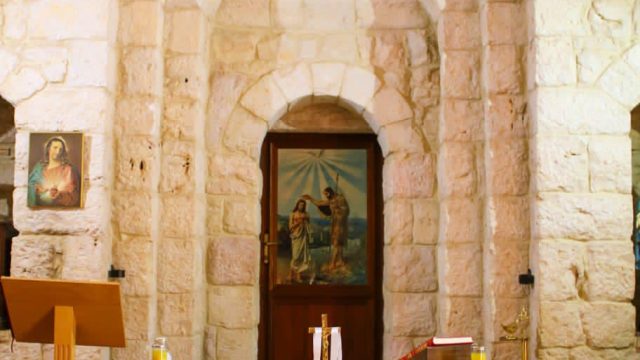
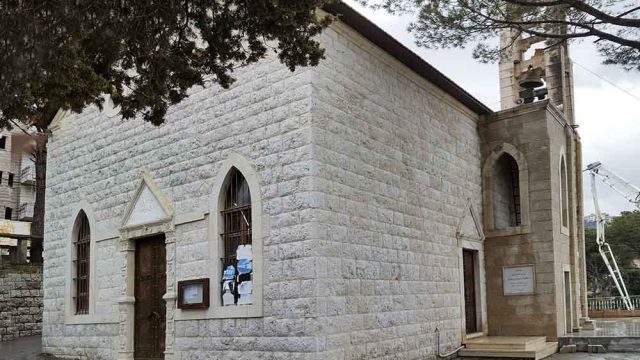
سنة ١٨٥٩ حاز الأب دانيل الحدثي على قطعة أرضٍ قرب قلعة بعلبك من أمير المدينة سليمان حرفوش لبناء كنيسةٍ وأنطوش للرهبان. سنة ١٨٧٠ بُنيت الكنيسة وكُرّست وأصبحت الرعيّة المارونيّة في المدينة. الكنيسة كناية عن عقدٍ سريريّ إسمنتيّ مسقوفة، ولوحة السيّدة من عمل داود القرم. هُجّر الأنطوش خلال الحرب اللبنانيّة من سنة ١٩٨٤ إلى سنة ١٩٩٥. عندما عاد الرهبان إليه رمّموا الأنطوش والكنيسة ليستمرّ بمهامه الرعائيّة.
The presbytery of our Lady of Perpetual Help - Baalbek
In 1859, Father Daniel Al-Hadathi acquired a piece of land near the Citadel of Baalbek from the governor of the city, Suleiman Harfush, to build a church and a presbytery for the monks. In 1870, the church was built and consecrated, and it became the Maronite parish in the city. The church is basilical with one nave and a crib concrete vault. The painting of the lady is drawn by Daoud Al Qorm. The presbytery was abandoned during the Lebanese war from 1984 to 1995. When the monks returned, they restored the buildings so that they could continue their pastoral duties.
Saint George church eglise, Wata Aamaret Chalhoub, Lebanon
كنيسة مار جرجس
Aamaret Chalhoub
Metn
Mount Lebanon
كنيسة مار جرجس - عمارة شلهوب
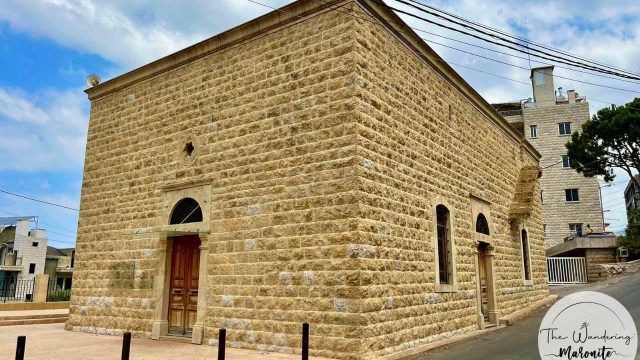
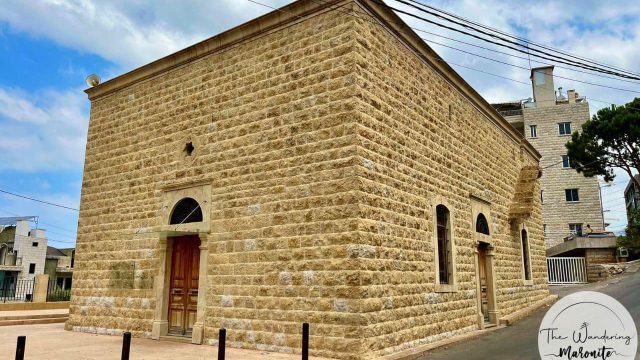
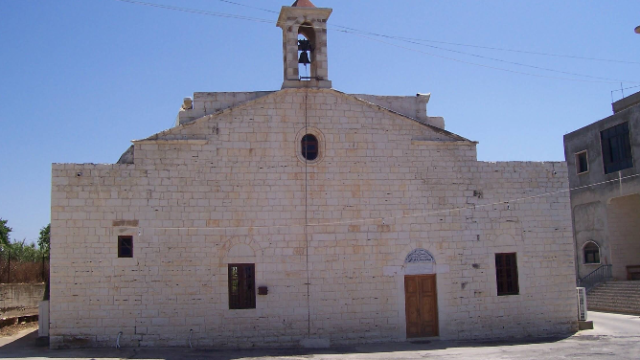
أعطى المطران المثلث الرحمات نعمة الله سلوان الإذن ببناء الكنيسة ( كنيسة القديس مارون آنذاك) وأوقفت الأرض من المرحوم سلوم بسول سنة ١٨٩٩. اكتمل بناء الكنيسة مار جرجس الأعظم حوالي سنة ١٩٠٠/١٩٠١ من أموال أبناء الرعيّة بدليل تعيين أول وكيل وقف سنة ١٩٠٠ وتسجيل أول عمادة فيها سنة ١٩٠١ كما وتعيين أول كاهن لخدمتها سنة ١٩٠٢. تضرّر السقف خلال الحرب اللبنانيّة فتمّ ترميمه وطرشه على عجل. عند ترميم الكنيسة الثاني سنة ٢٠١٧ تم اعادة كشف رسومات السقف الأصلية.
St. George Church - Amaret Chalhoub
The late Salloum Bessoul donated the land for the building of the Maronite Church of St. Maron (at that time), and Archibishop Neematullah Selwan granted permission for its construction. The construction of the Church of St. George the Great was completed around 1900/1901 from the funds of the parishioners, with the appointment of the first trustee in 1900 and the registration of the first baptism in 1901, as well as the appointment of the first priest to serve in it in 1902. The ceiling was damaged during the Lebanese war and was hastily restored and painted. During the second restoration of the church in 2017, the original ceiling paintings were rediscovered.
St Theodore Church - مار تيودوروس, Behdaidat, Lebanon
كنيسة مار تاودوروس الشهيد بحديدات
900
Behdaydat
Jbeil
Mount Lebanon
يعود بناء الكنيسة للقرن العاشر، تحتوي على مجموعة جدرانيّات تعود إلى القرون الوسطى. هي من أكثر الكنائس المحافظة على طابعها الأول هندسةً، وتُجسّد الجدرانيّات التي زيَّنتها منذ القرن الثالث عشر، موضوعاتٍ من العهدين القديم والجديد. تُجسّد الجدرانية قصَّة الخلاص المقسومة الى جزءين: الأوّل إلى الناحية اليمنى يُمثّل يدَي الربّ وموسى يتلقّى منهما الوصايا العشر، والى الناحية اليسرى ذبيحة النبي إبراهيم، وما بين الإثنين رسمٌ لعمانوئيل وسط القمر والشمس. والثاني الى اليمين يمثّل بِشارة العذراء، يليه رسم للنبي دانيال، ومار إسطفان. على الحائط الشماليّ صورة مار تاودروس، وعلى الحائط الجنوبيّ صورة القديس جاورجيوس. في الوسط ايقونة الشفاعة مع الملائكة وعلى مستوى المذبح صف الرسل الإثنا عشر.
The church was built during the tenth century, and contains a collection of medieval Syriac frescoes. It is one of the most preserved churches architecturally. The church was covered with frescos dating back to the 13th century and depicting themes from the Old and the New Testament. The main fresco represents on the right side the hand of God giving Moses the ten commandments, on the left the sacrifice of Abraham. In the middle is Emmanuel between the sun and the moon. The second part depicts the Annunciation, prophet Daniel, and Stephen the Protomartyr. On the northern wall one can find St Theodorus, and St George on the southern. In the main apse is the Deisis with angels, below it the row of the twelve apostles
سنة ١٧٠٨ وصل ثلاثة رهبان أرمن إلى لبنان لتأسيس رهبانيّة أرمنيّة، فأوقف لهم الشّيخ صخر الخازن، أراضًا في وادي غوسطا سنة ١٧١٦. فأنشىء الرهبان إكليريكيّة وامتدّ بناء الدير والكنيسة إلى سنة ١٧٣٣. سنة ١٨٦٥ اشترى الخوري يوحنّا حبيب (المطران لاحقًا)، الدّير من الرّهبان الأرمن حيث انتقل هؤلاء إلى بزمّار، وأسّس جمعيّة المرسلين اللّبنانيّين في الدّير مع العديد من الكهنة وفي مقدَّمهم الخوري إسطفان قزاح، الرّئيس العام الأوّل. إهتمّ الكريميوّن ووسّعوه.. وقد كان هذا الدّير ملجأً للعديد من المهجّرين والمشرّدين والجياع والهاربين من ظلم السّلطات العثمانيّة. خضع البناء لعدّة عمليّات ترميم كان آخرها سنة ٢٠١٣. كان الدّير مركزًا للرّئاسة العامّة للجمعية حتّى العام ١٩٢١، وهو حاليًّا ديراً للابتداء، توجد فيه كنيسة المُخلّص وتحوي لوحةً زيتيّةً قديمة،، تدعى "الثّالوث المتألّم"، ولوحة أخرى أرمنيّة للميلاد. وفي الكنيسة أيضًا مدافن عائدة إلى كلّ من المطران يوحنّا الحبيب مؤسّس الجمعيّة، والخوري اسطفان قزاح رئيسها العام الأوّل، والمطران شكرالله خوري، .
The Holy Savior Monastery - Kreim Ghosta
The monastery was established in 1708 by three Armenian monks who arrived in Lebanon with the intention of creating an Armenian monastic order. Located in Wadi Ghosta, Lebanon, the monastery's history is intertwined with various events and figures over the centuries. In 1716, Sheikh Sakhr al-Khazen granted the Armenian monks lands in Wadi Ghosta, enabling them to establish their monastic order. The construction of the monastery and church complex took several decades, finally extending until 1733. It served as a seminary, providing education and spiritual guidance to the community. Fast forward to 1865, and the ownership of the monastery changed hands. Father John Habib, who later became a Bishop, purchased the monastery from the Armenian monks. With this transaction, the Armenian monks relocated to Bzommar, and Father John Habib initiated the Lebanese Missionaries Congregation within the monastery. Many priests were part of this association, and Father Stephen Qazah became its first superior general. Throughout its history, the Holy Savior Monastery played a crucial role in the local community. It served as a refuge for the displaced, homeless, hungry, and those seeking refuge from the oppression of the Ottoman authorities. The monastery experienced several periods of restoration to preserve its historical significance and structural integrity. The last restoration took place in 2013, ensuring that the monastery continued to stand as a testament to its enduring history and cultural importance. The Holy Savior Monastery, historically serving as the center of the general presidency of the association until 1921, has evolved into a monastery dedicated to novices in the present day. Nestled within its walls is the sacred Church of the Savior, housing cherished relics from the past. One of the notable treasures preserved within the church is an ancient oil painting named "The Suffering Trinity." This artwork carries profound emotional depth and holds a place of reverence within the community, reminding all who behold it of the timeless spiritual journey. Adding to the artistic splendor, another precious possession within the church is an Armenian painting depicting the Nativity. This painting enriches the spiritual ambiance of the sanctuary, reflecting the shared heritage and faith of those who seek solace and inspiration within its halls. Moreover, the church stands as a memorial to the esteemed figures who have shaped the legacy of the monastery and the association it represents. The burials of Bishop Youhanna Al-Habib, the visionary founder of the Lebanese Missionaries Association, Father Estephan Qazzah, the dedicated first general president, and Bishop Shukrallah Khoury, a revered spiritual leader, grace the church grounds. As the monastery continues to embrace novices and nurture their spiritual growth, it remains an enduring symbol of devotion, compassion, and hope. The presence of these sacred artifacts and burials serves as a constant reminder of the monastery's illustrious past and the profound impact it has had on the lives of those who seek solace and enlightenment within its sanctuary.
Reviews are disabled, but trackbacks and pingbacks are open.