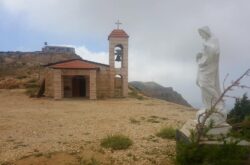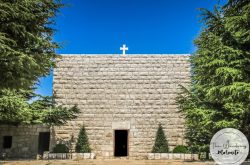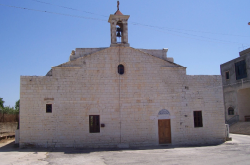

Hasroun – The Church of Our Lady

St. Mary Church, Hasroun, Lebanon

Other Details

كنيسة السيدة

Hasroun

Bcharre

North

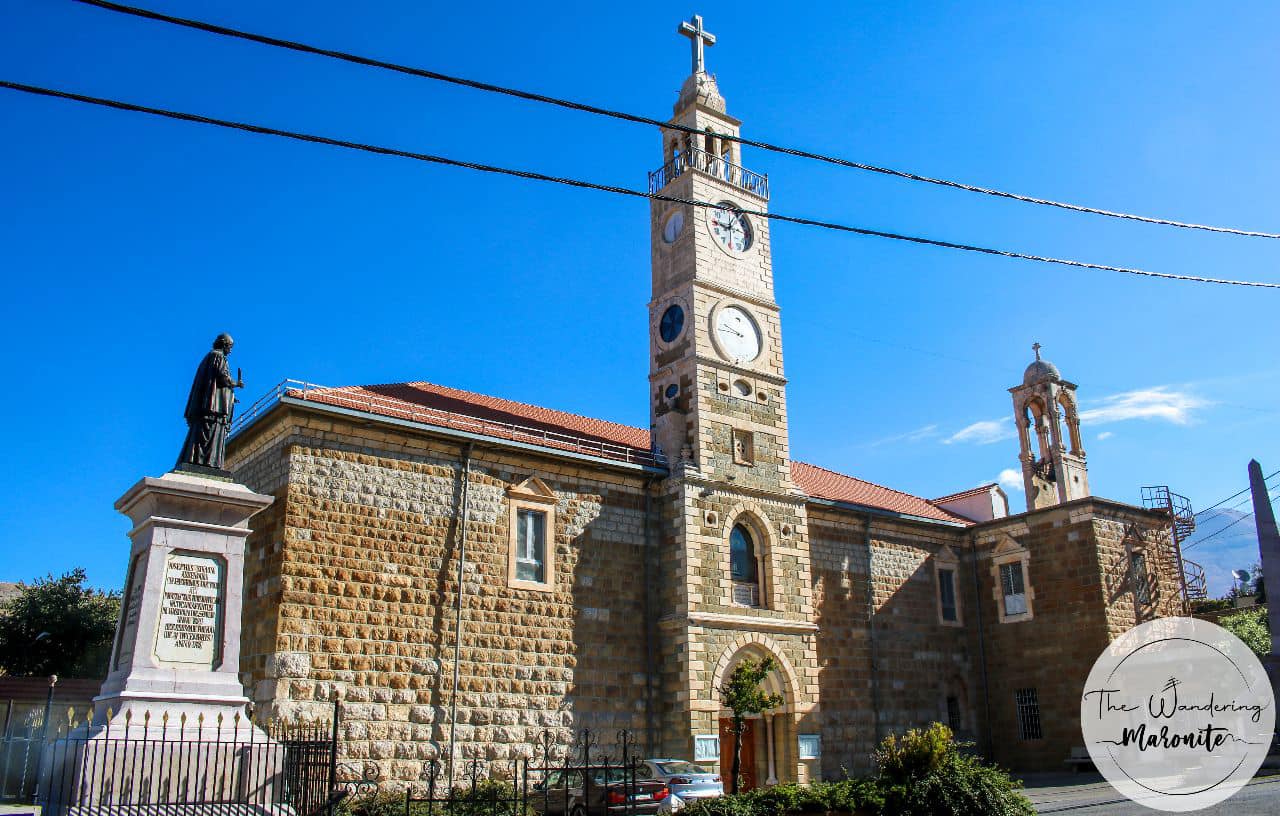
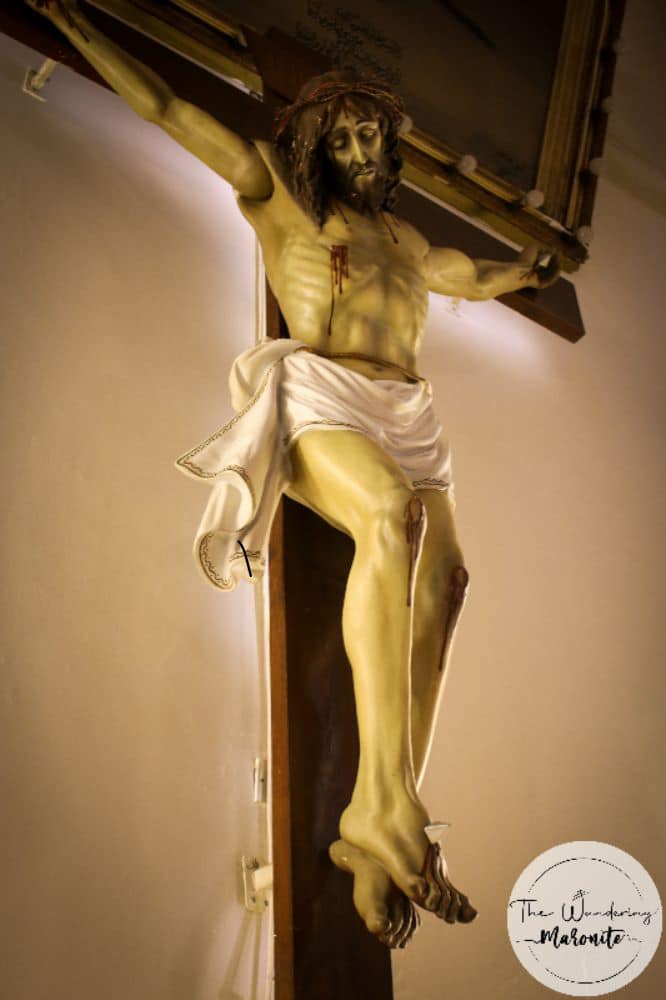
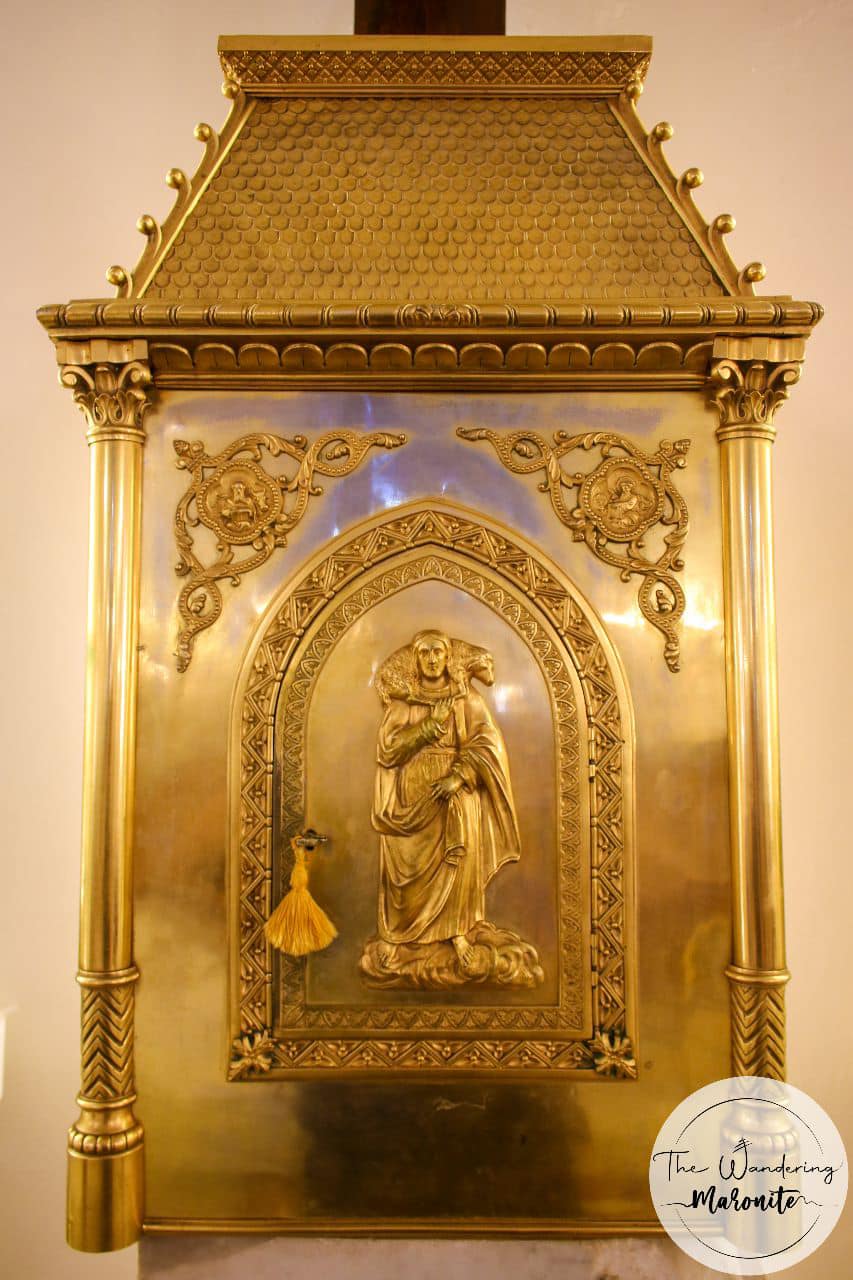
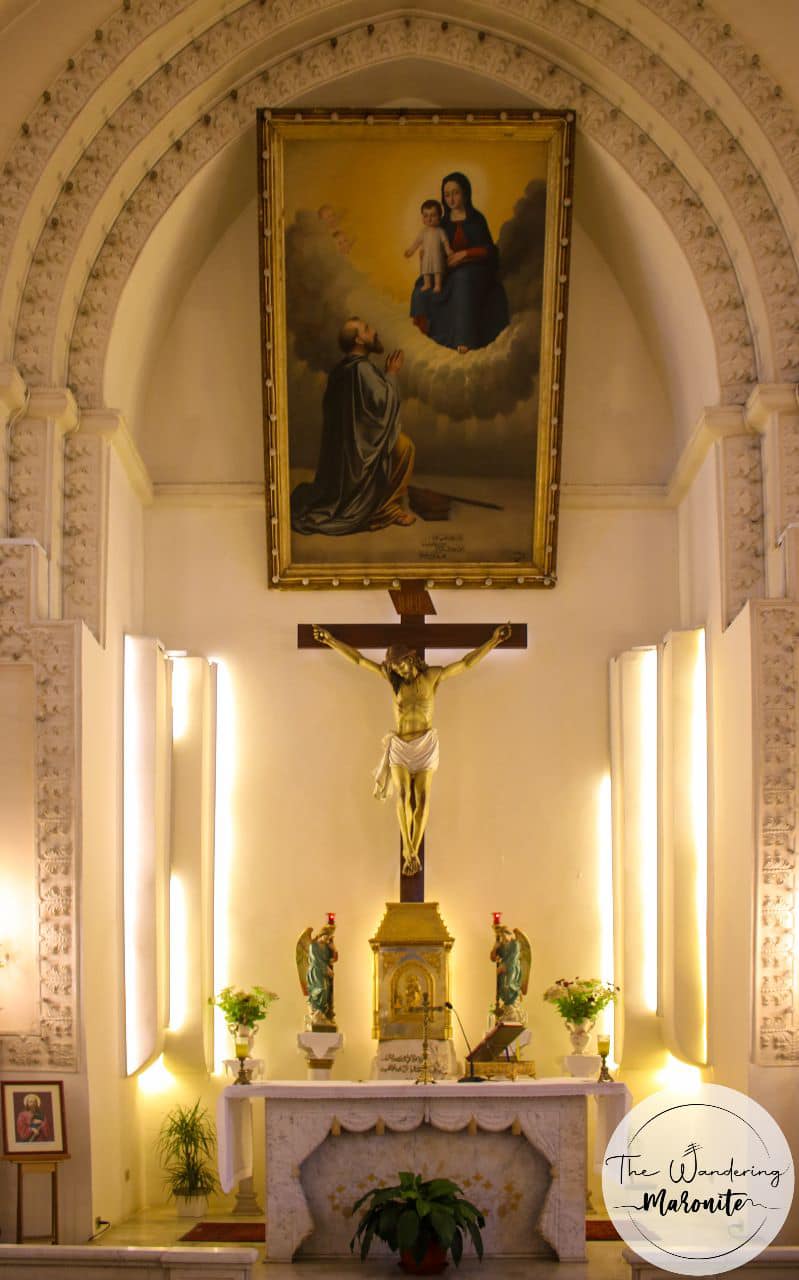
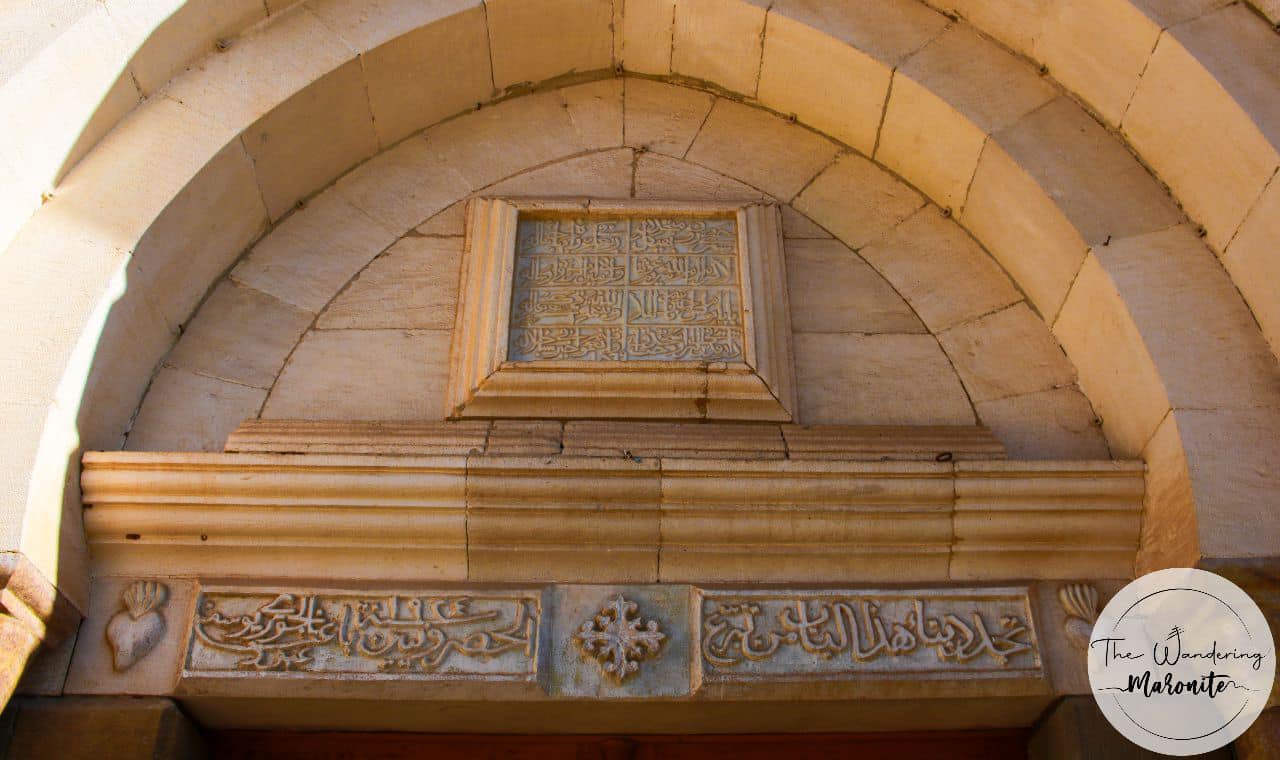
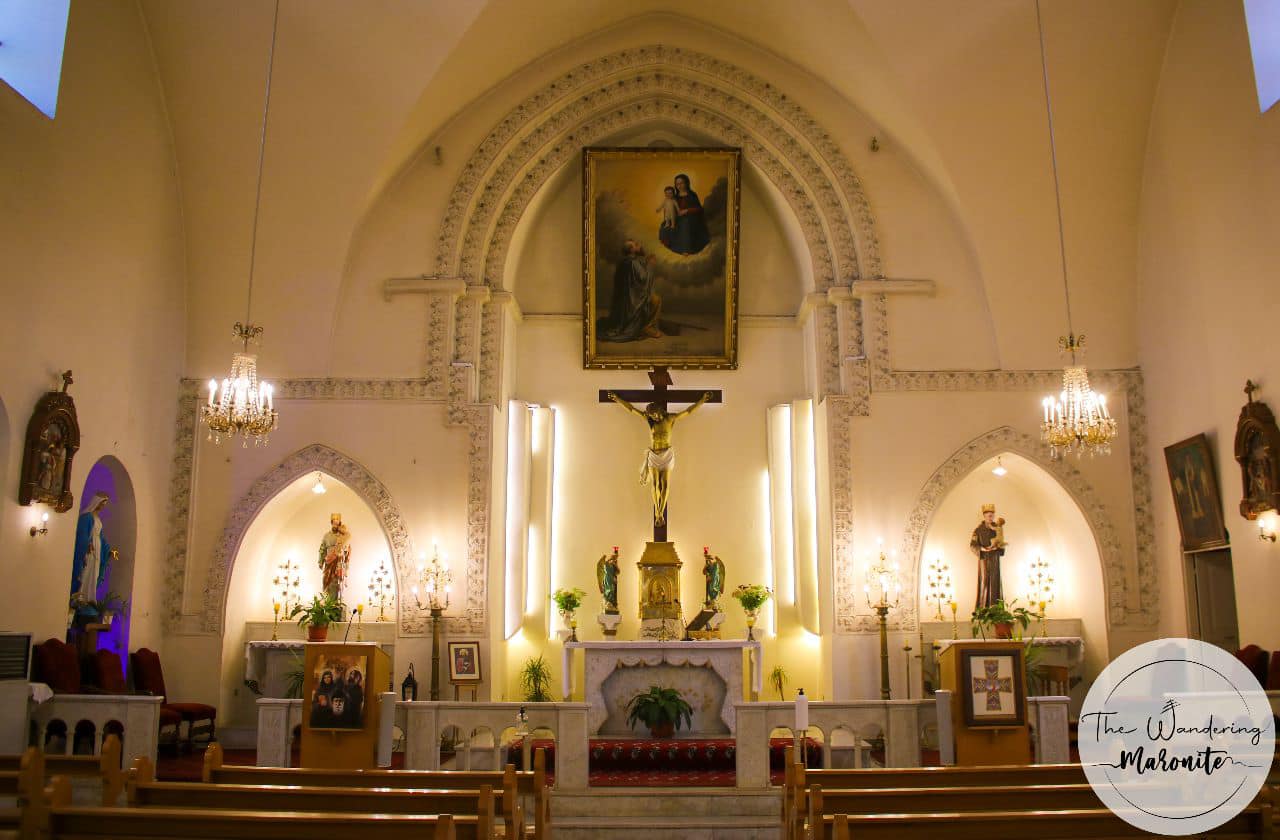
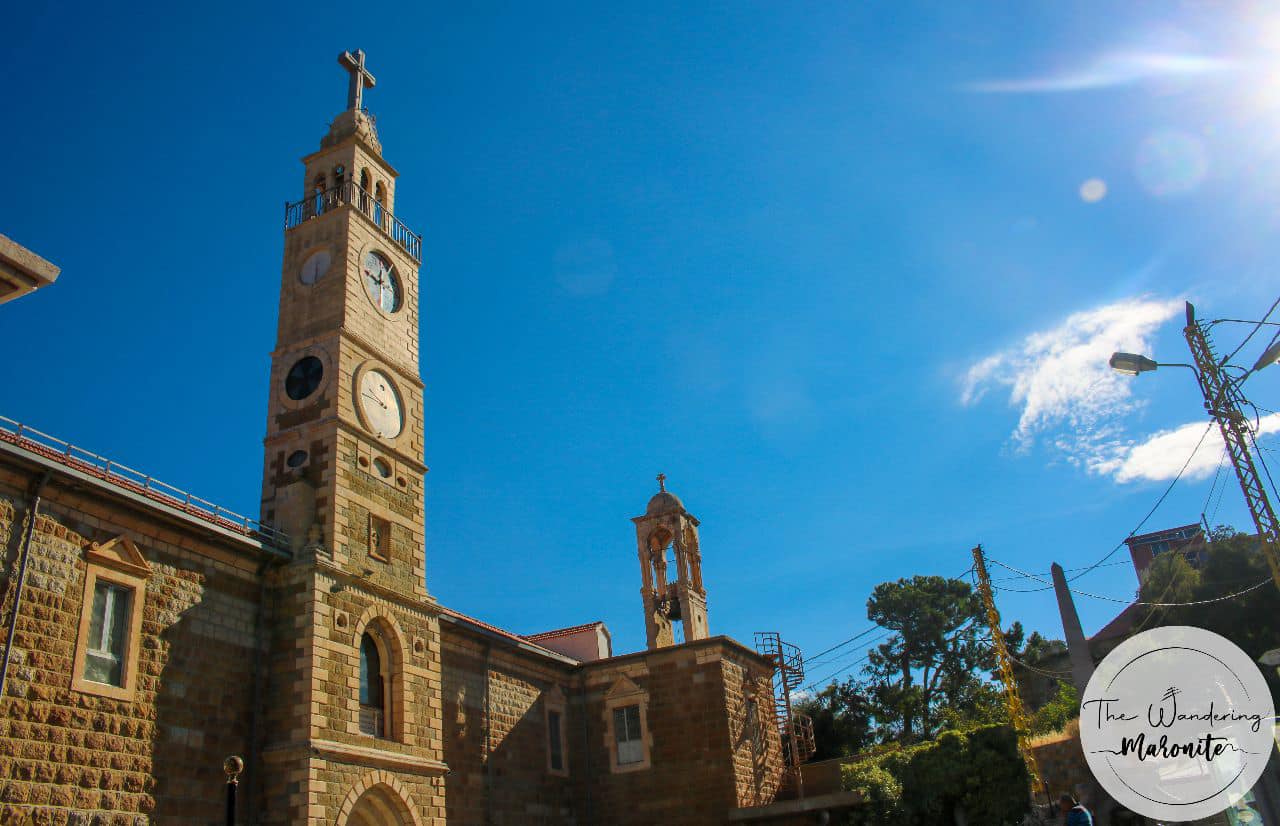
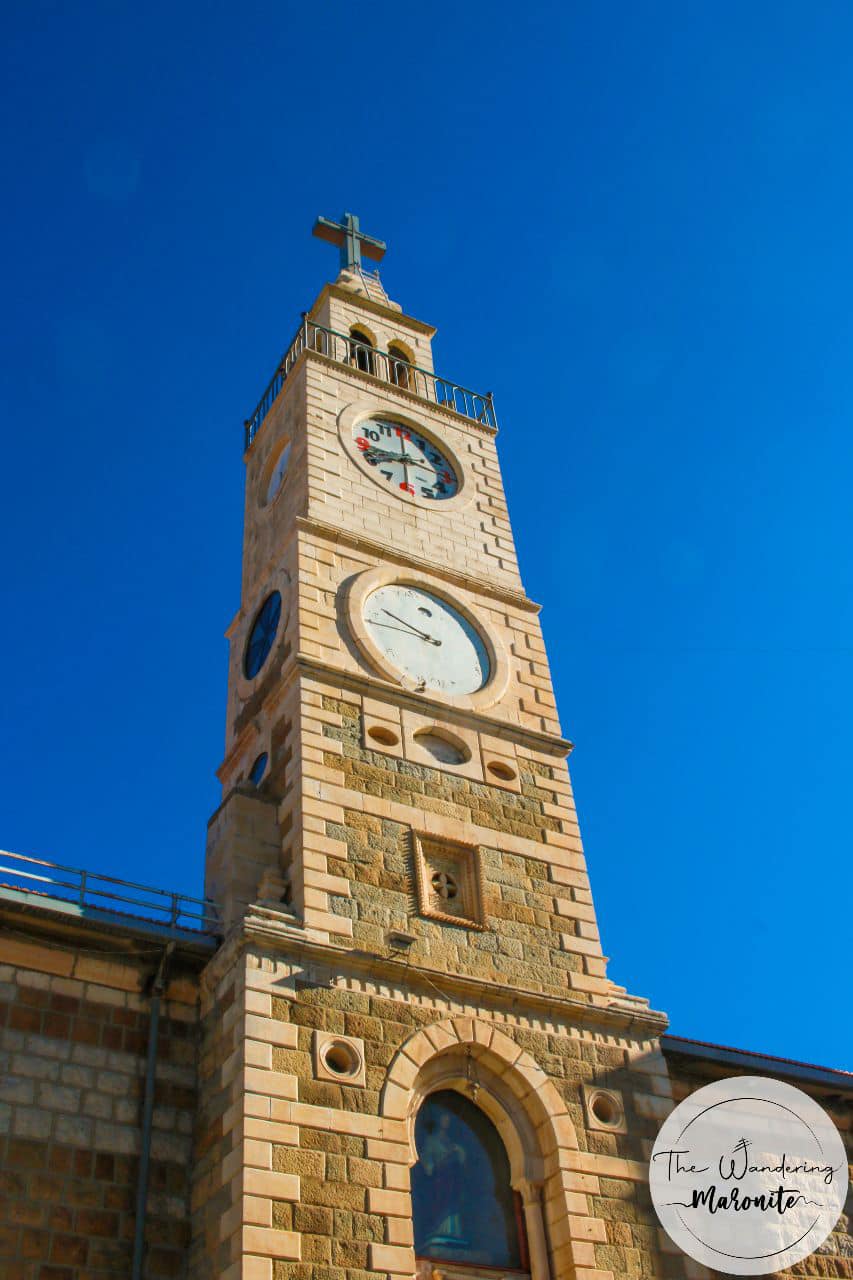
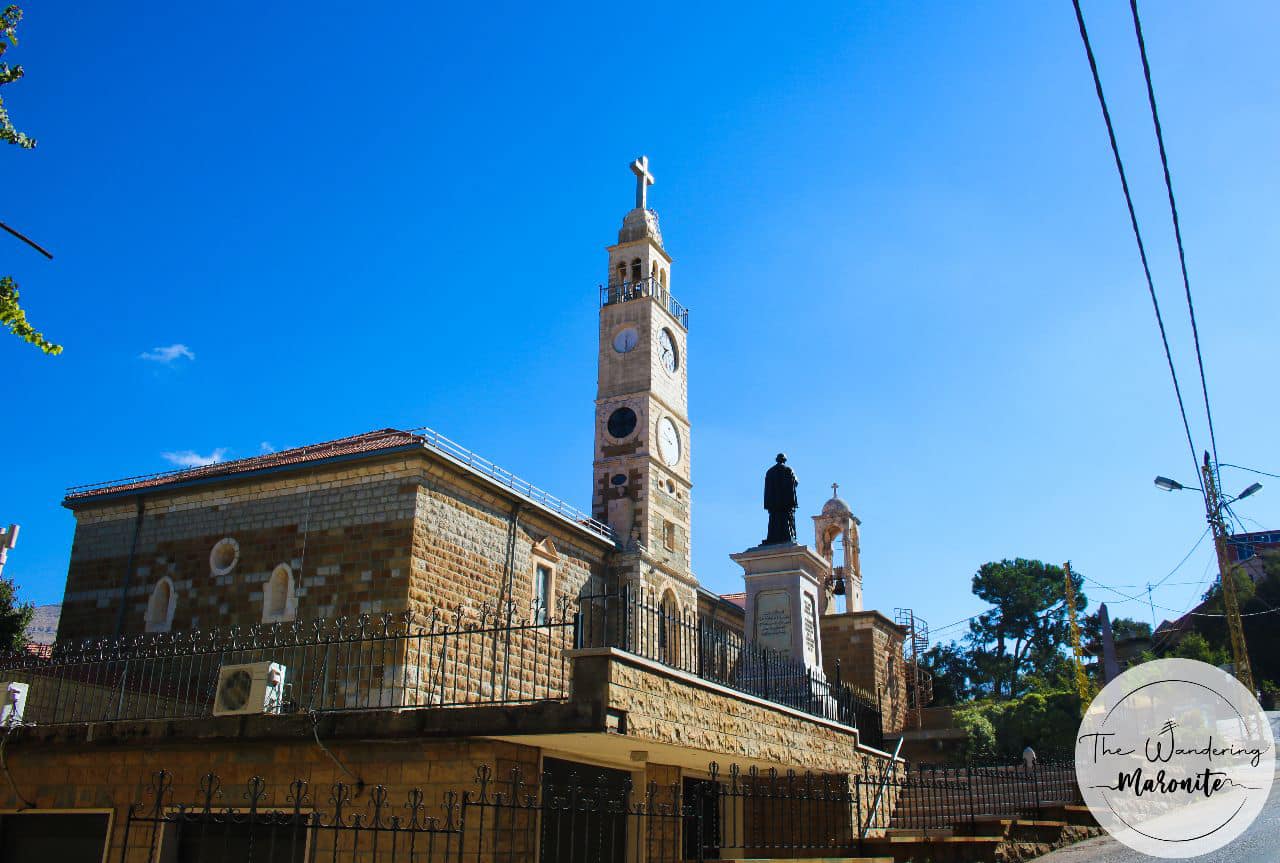
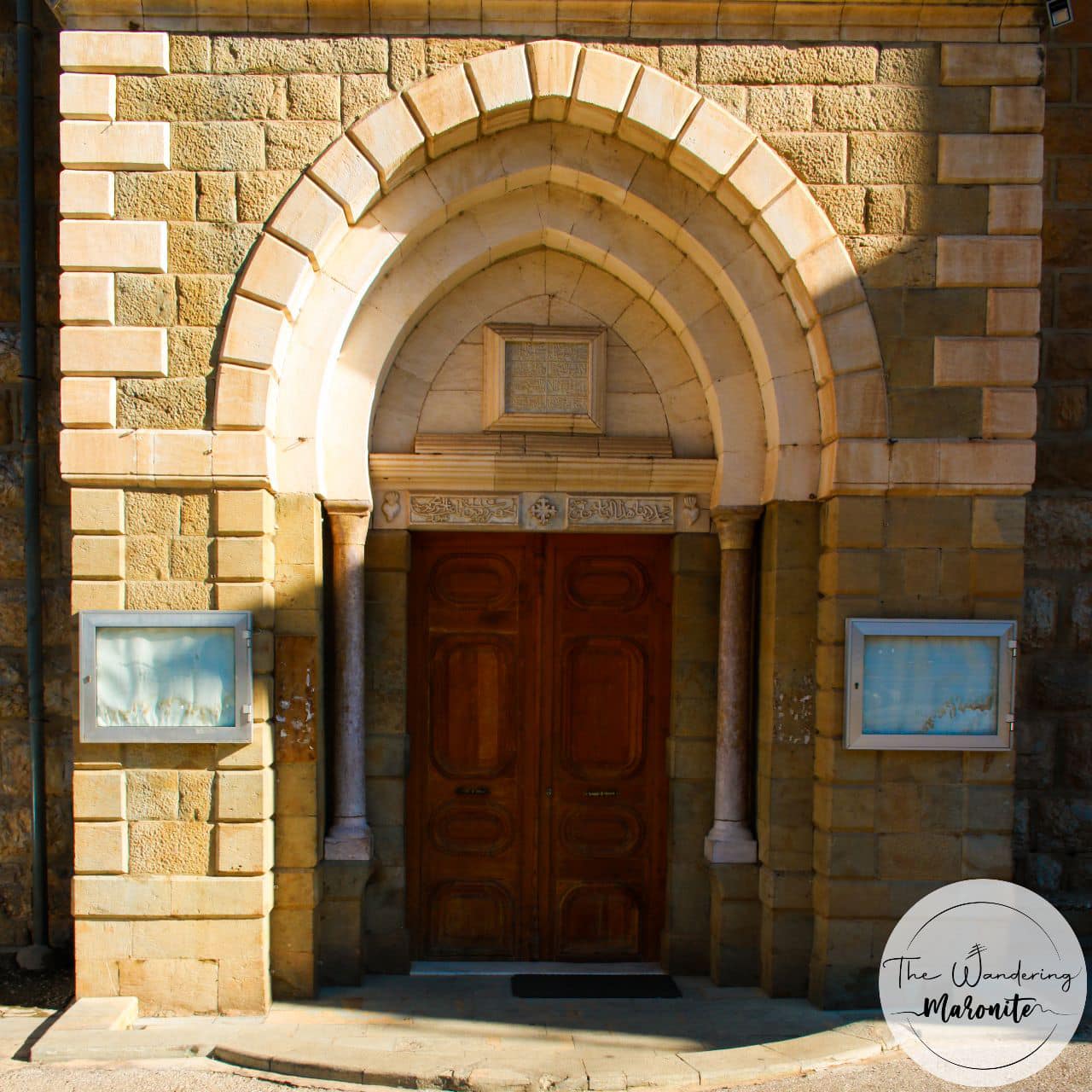
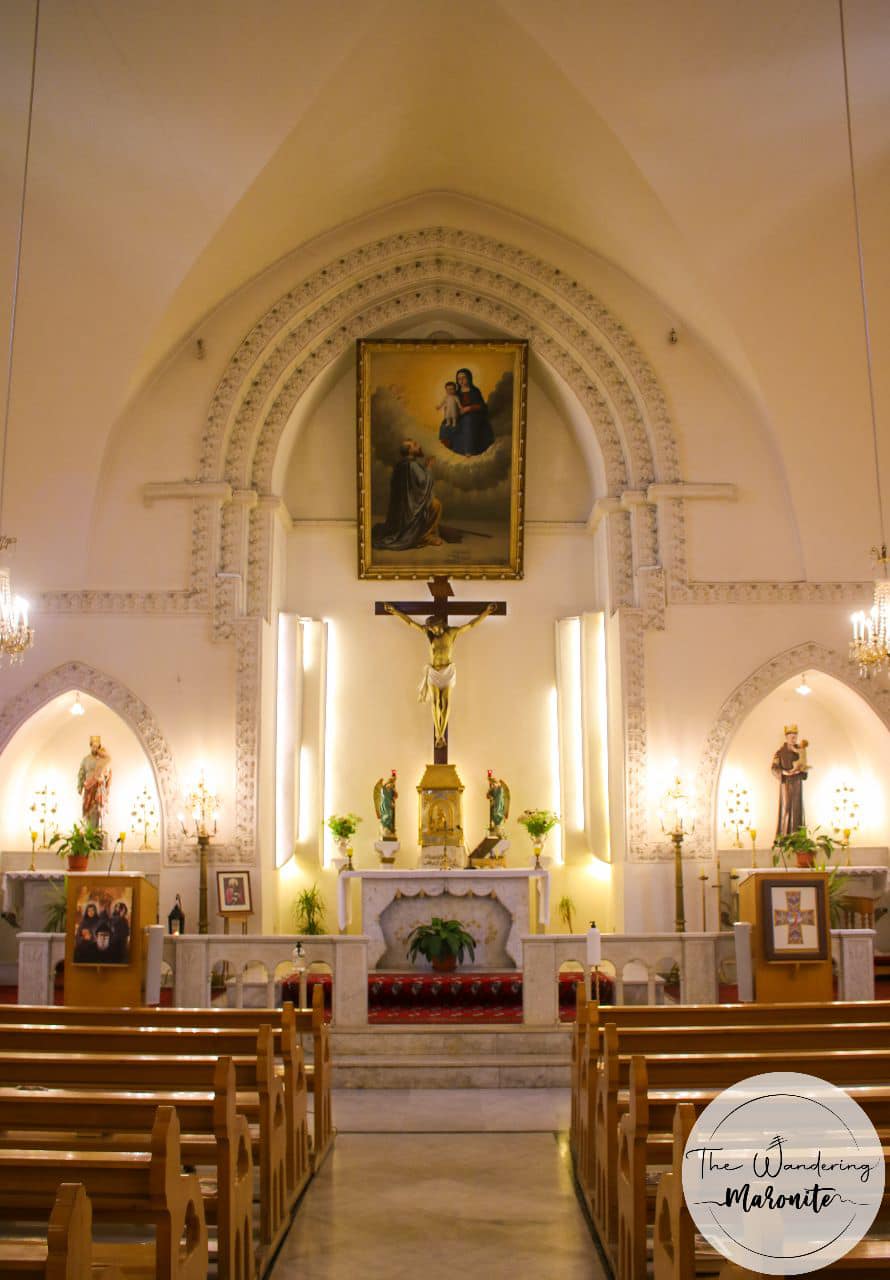
كنيسة السيدة - حصرون‎ تمّ بناء الكنيسة سنة ١٨٦٩. هي كناية عن عقد مصالب، ولها ثلاث حنايا مستديرة، تحتها ثلاثة مذابح، الكبير منها في الوسط وهو من الرخام، على إسم السيّدة العذراء والقدّيس لابي الرسول شفيع البلدة. اللوحة الكبيرة رسمها داوود القرم عام ١٨٩٥. أمّا المذبحان الآخران، علي اليمين للقديس أنطونيوس البادواني، وعلى اليسار وللقدّيس يوسف. كُرّست الكنيسة في ٢٢ ايلول ١٩٠١ على يد المطران بولس عبود. يعلو الكنيسة برج ساعةٍ طنّانة بني عام ١٩٢٤. تحافظ الكنيسة على طابعها الأصليّ، ورُمّمت سنة ١٩٩٩. The Church of Our Lady - Hasroun It was built in 1869 and features a crossed vault with three semi-circular apses. Inside the apses are three altars dedicated to Our Lady and St. Jude, St. Anthony of Padua, and St. Joseph. The main painting in the church is a depiction of Our Lady and St. Jude, created by Dawoud al Qorm in 1895. The church was consecrated on September 22, 1901, by Mgr. Boulos Abboud. In 1924, a bell tower was added to the church. Despite its age, many of the church's original elements have been preserved, and the building was restored in 1999.

Visited 2492 times, 5 Visits today

Reviews are disabled, but trackbacks and pingbacks are open.

Related Listings

Zebdine – The church of St Sophia

كنيسة القديسة صوفيا وبناتها, Haqlet El Tineh, Lebanon

دير سيّدة بكركي البطريركيّ

Zibdine Jbayl

Jbeil

Mount Lebanon

كنيسة القدّيسة صوفيا - زبدين

هي كنيسة صغيرة قائمة على أطراف البلدة. تاريخ بنائها مجهولُ، لكنّ هندستها تشير أنّها تعود للقرون الوسطى. الكنيسة عبارة عن قبو عقدٍ سريريٍّ ينتهي بحنية. تحوي الكنيسة على لوحة للمستشرق البولونيّ بول شلافاك تعود للقرن التاسع عشر.

The church of St Sophia - Zebdine

It is a small church in the village’s vicinity. The date it was built is unknown, yet its architecture is typical for the high middle ages.The church is a crypt with a crib vault ending with an apse. The church holds a painting by the polish orientalist Paul Shlavak.

Ehden – Saint Jacob the Persian Monastery

Saint Jacob's Monastery of the Abyssinians دير مار يعقوب الا حباش, Baabda, Lebanon

دير مار يعقوب المقطّع

Ehden

Zgharta

North

دير مار يعقوب المقطّع - إهدن

بُني الدّير أواخر القرن الثالث عشر بعد حملة المماليك. سنة ١٤٧٠ قطنه القس يعقوب ورفاقه الوافدين من الحبشة فدُعي بدير الأحباش نسبةً إليهم. سنة ١٤٨٨، طرد الإهدنيّون الأحباش واليعاقبة بعد معركة بقوفا، فأصبح الدّير مقرًّا لأساقفة إهدن. سنة ١٦٣٢، سكنه الفرنسيسكان. جعله البطريرك إسطفانوس الدويهيّ مدرسةً لتعليم الأحداث عندما كان كاهنًا. سنة ١٩٧٦ إنهارت الكنيسة إثر عاصفة ثلجيّة. أعيد ترميمها وتكريسها صيف ٢٠٠٤ على يد المطران سمير مظلوم.

Saint Jacob the Persian Monastery - Ehden

Saint Jacob's Monastery was built at the end of the XIIIth century, after the Mamluks' invasion. In 1470, it was inhabited by Abyssinian monks. However, in 1488, the Ehdenites expelled the monks from the monastery after the Battle of Bqoufa. Later on, the monastery became the seat of Ehden's bishops. Then, in 1641, it was inhabited by Franciscan monks. In 1657, Fr. Estfen al Doueihy (later patriarch) turned it into a school for Ehden's youth. During the 18th century, the convent was completely abandoned. In the winter of 1976, a blizzard destroyed the church. Finally, it was restored in 2004 and reconsecrated by Bishop Samir Mazloum.

Bcharre – The church of Our Lady of the Milk

Saydet al dorr سيدة الدر, Bsharri, Lebanon

كنيسة سيّدة الدرّ

Bcharreh

Bcharre

North

كنيسة سيّدة الدرّ - بشرّي
سيدة الدرّ أو الوريسة كان معبدًا فينيقيًّا تحوّل الى كنيسة في القرن الحادي عشر. بحسب الأب بطرس ضو "تحوّل هذا المعبد الى كنيسة، وكان يوجد فيه رسوم جدرانيّة من القرن الثاني عشر وتحتوي على أسماء القدّيسين باليونانيّة، مما يدلّ على أن الموارنة في وادي قاديشا كانوا حتى القرن الثالث عشر على اتصال بالحضارة البيزنطيّة". الكنيسة عبارة عن مغارة محفورة في الصخر ذات خوروسين، لعلّ جداريتها الأجمل هي الظهور الإلهيّ.

The church of Our Lady of the Milk - Bcharre

The church of Our Lady of the Milk or El Waryse is a Phoenician temple converted in the XIth century. According to the historian Fr. Boutros Daw: ”The shrine was converted into a fresco covered church in the XIIth century with the saints name written in greek, indicating that the Maronites in that era kept contact with the Byzantines”. The church consists of a man made cave with a double apse. The best kept fresco is that of the Epiphany over the altar.