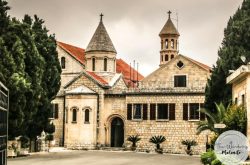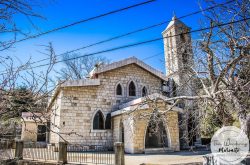

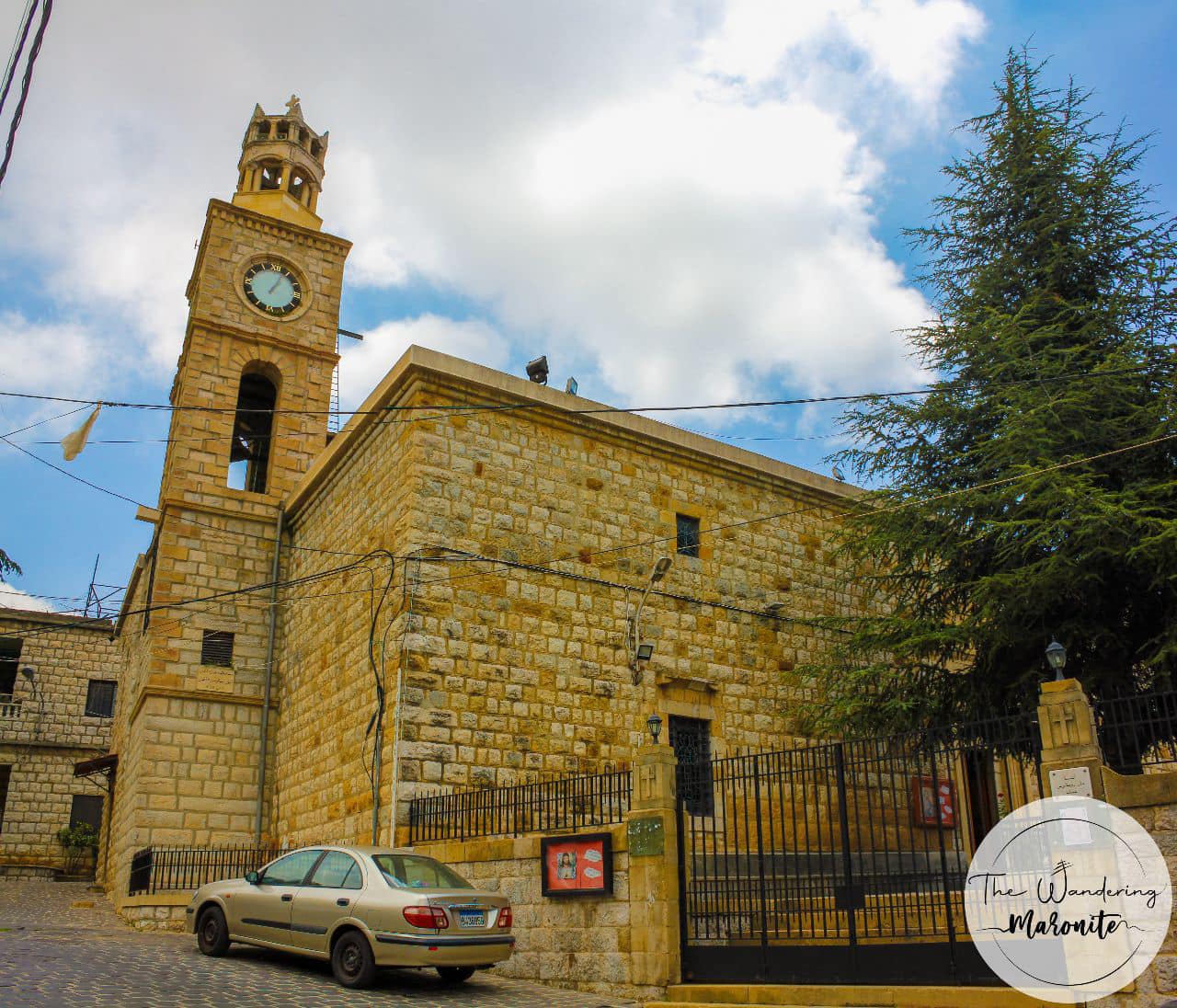
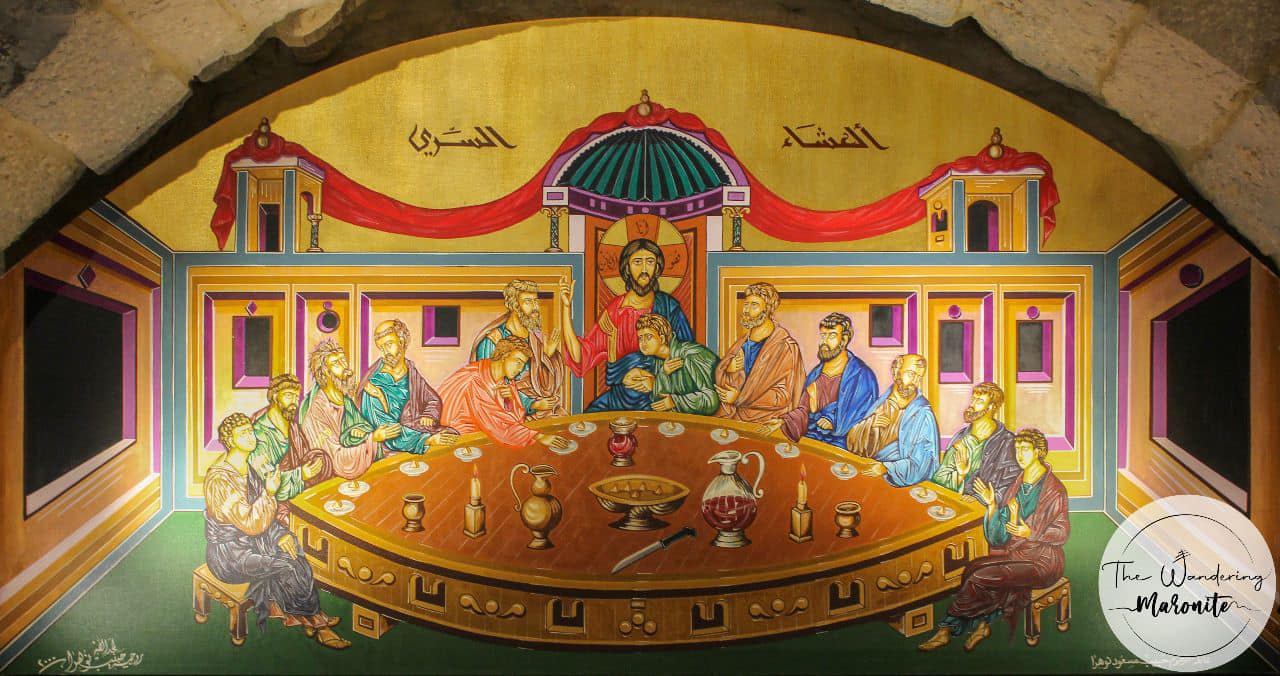
Hammana – The church of St. Raymond (Roumanos)

St Romanos Church, Unnamed Road, Lebanon

Other Details

كنيسة مار رومانوس

Hammana

Baabda

Mount Lebanon

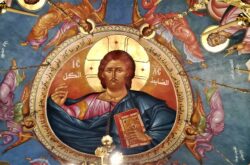
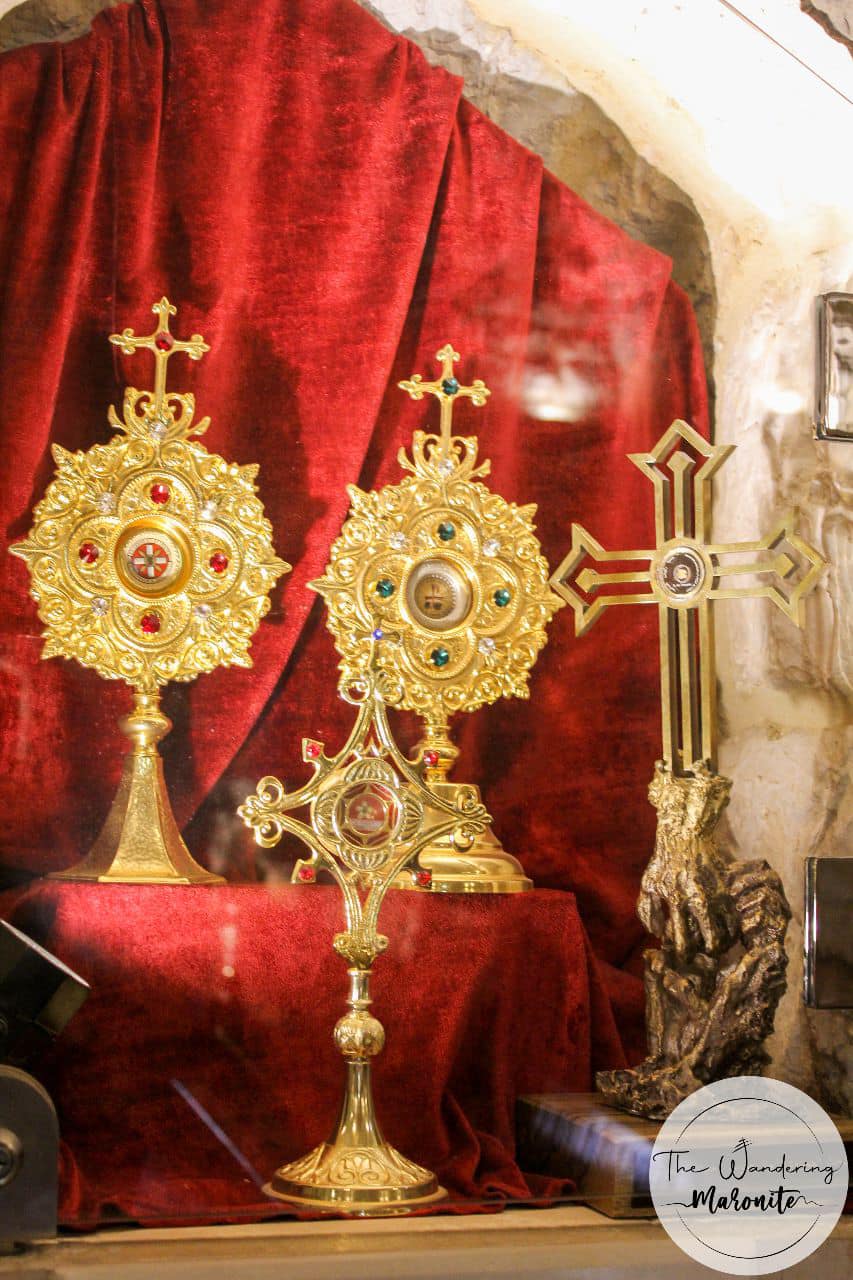
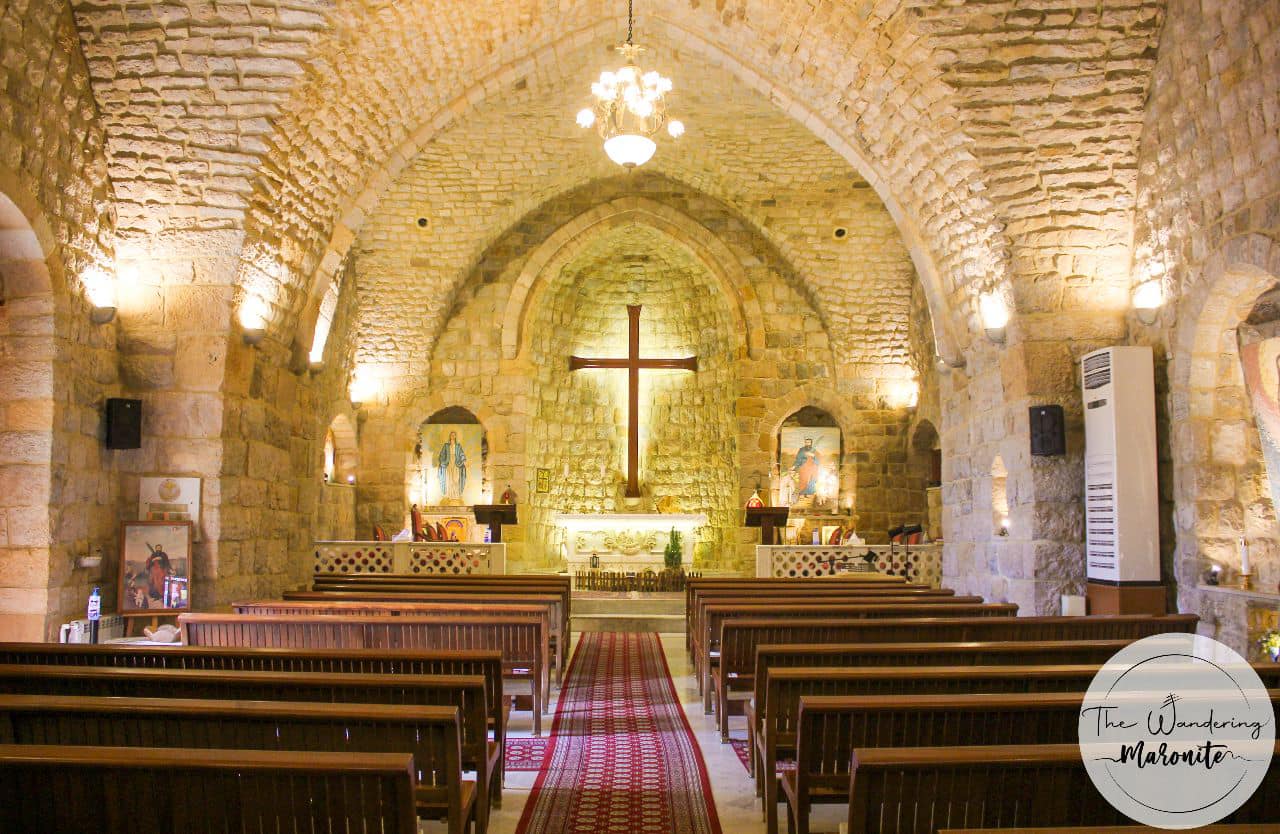
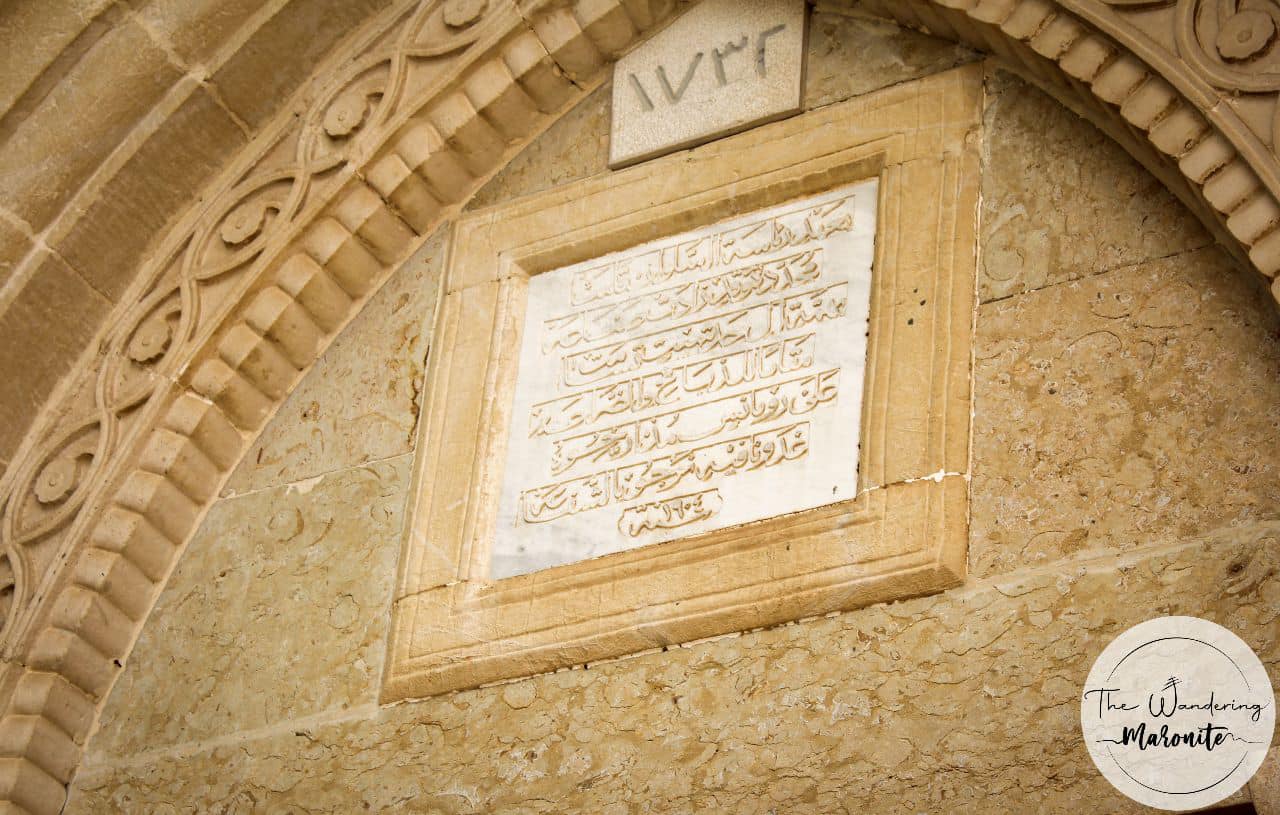
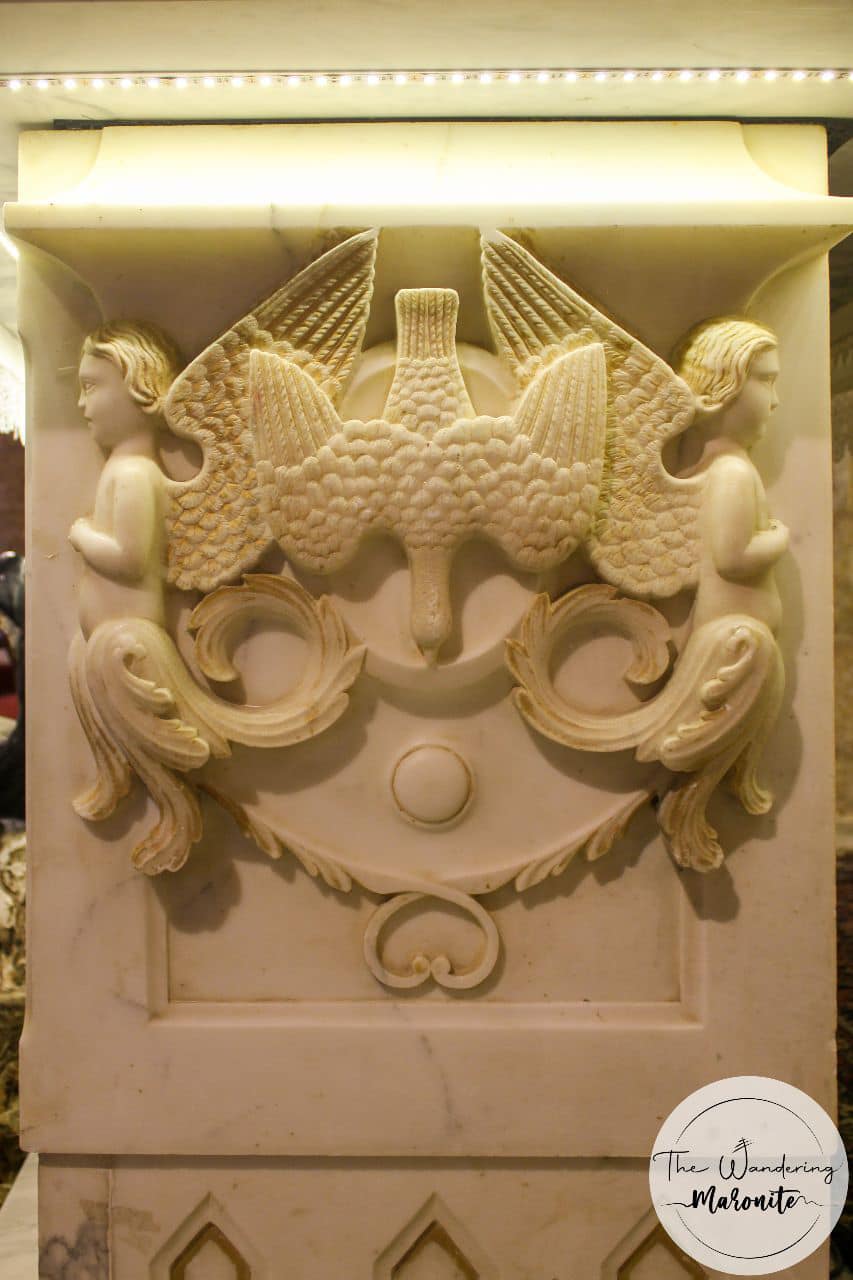
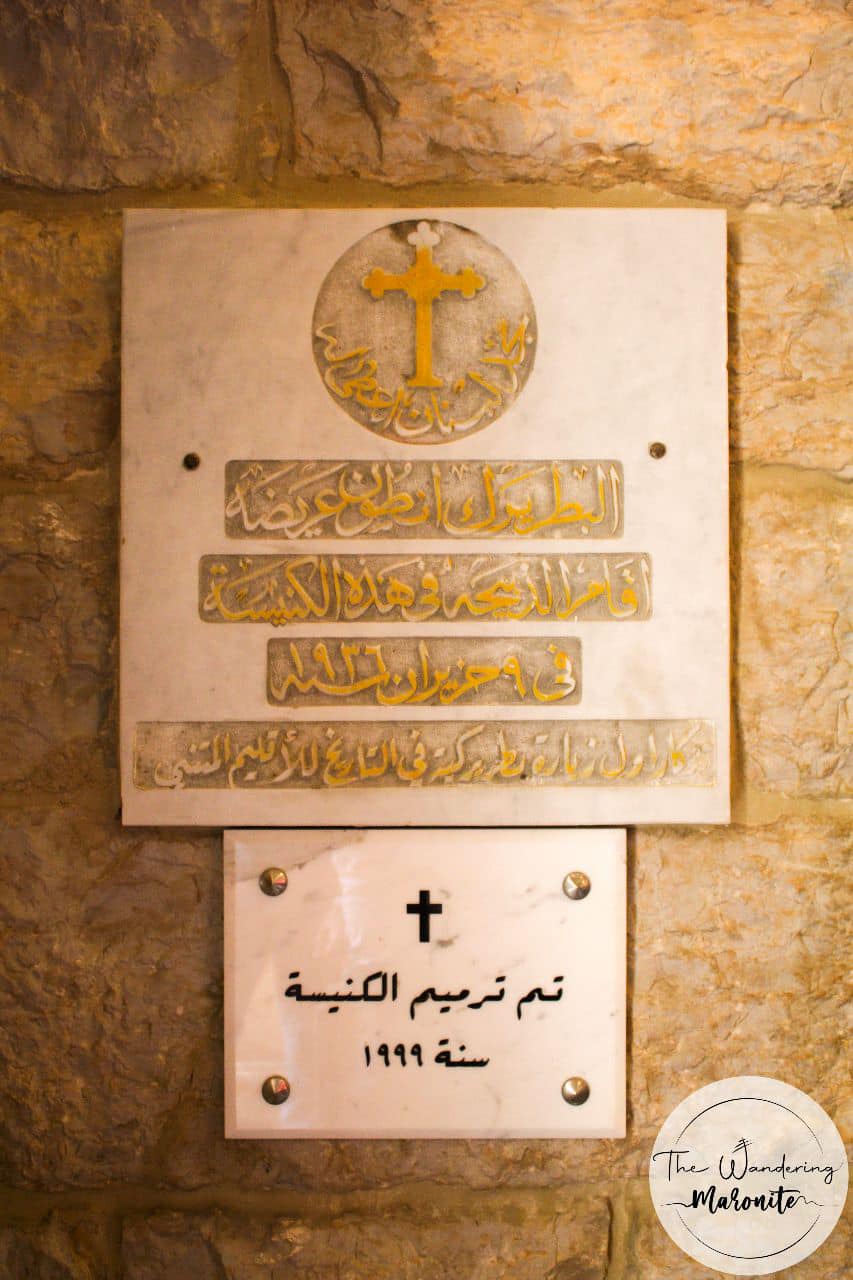
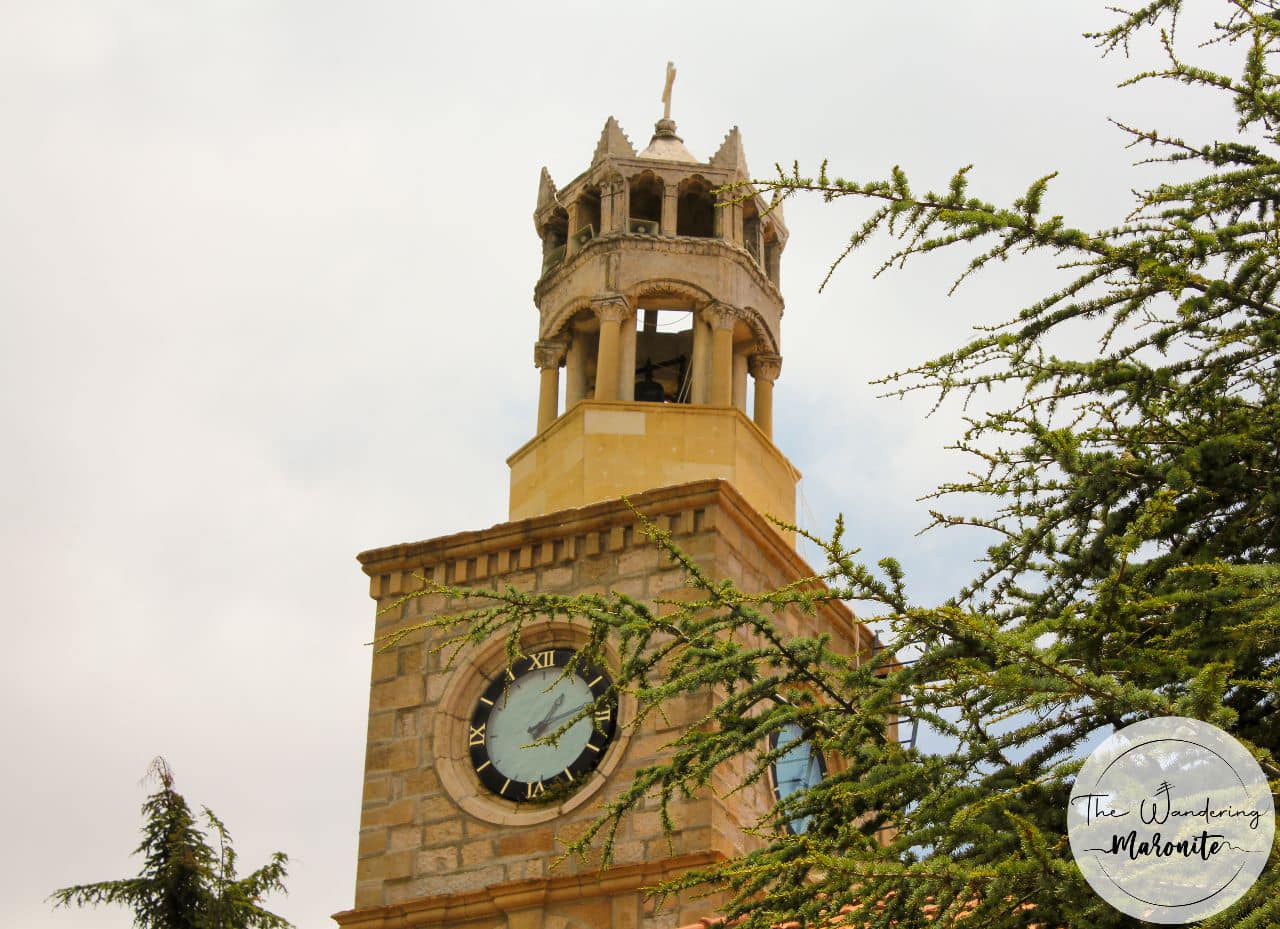
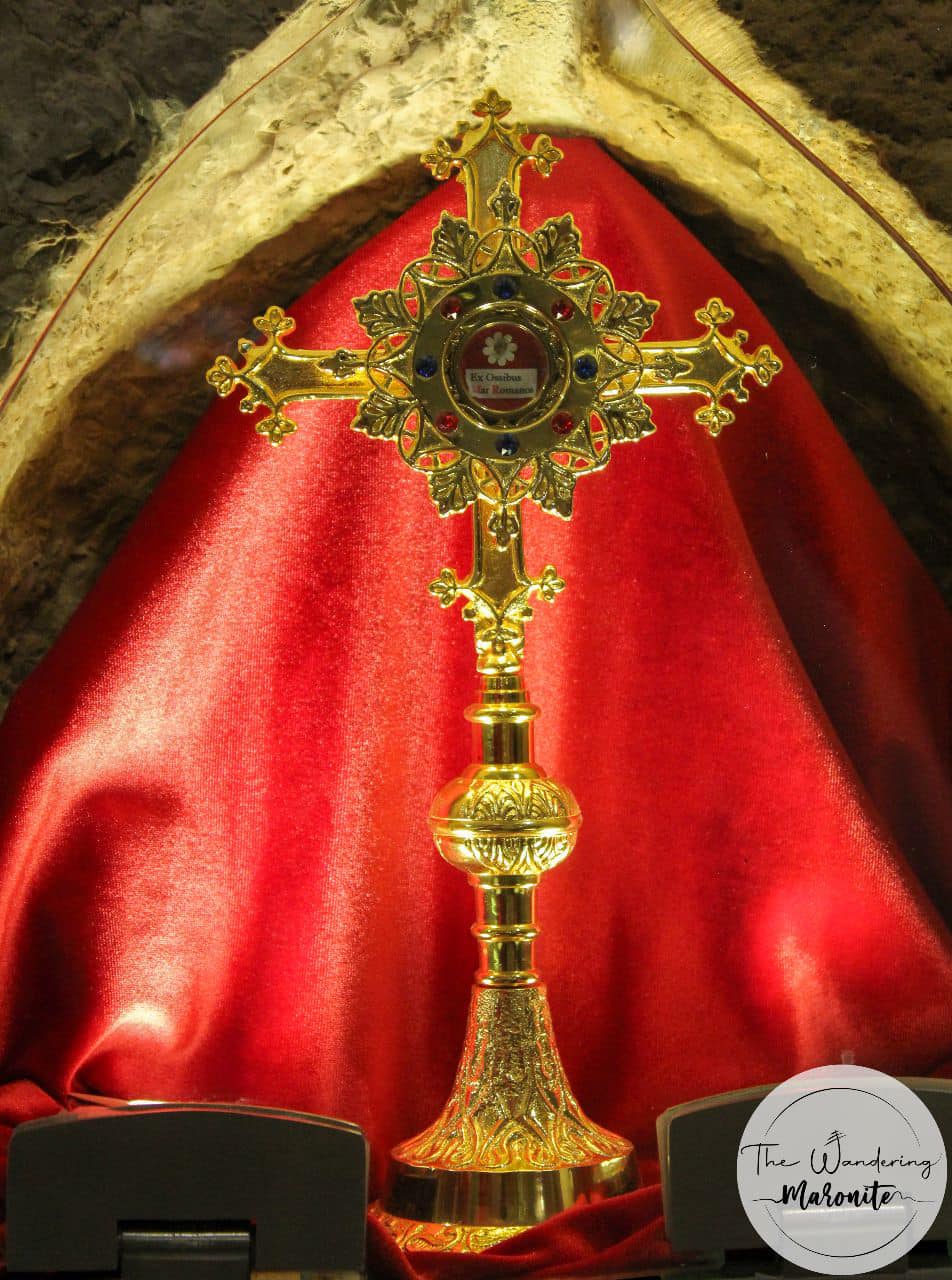
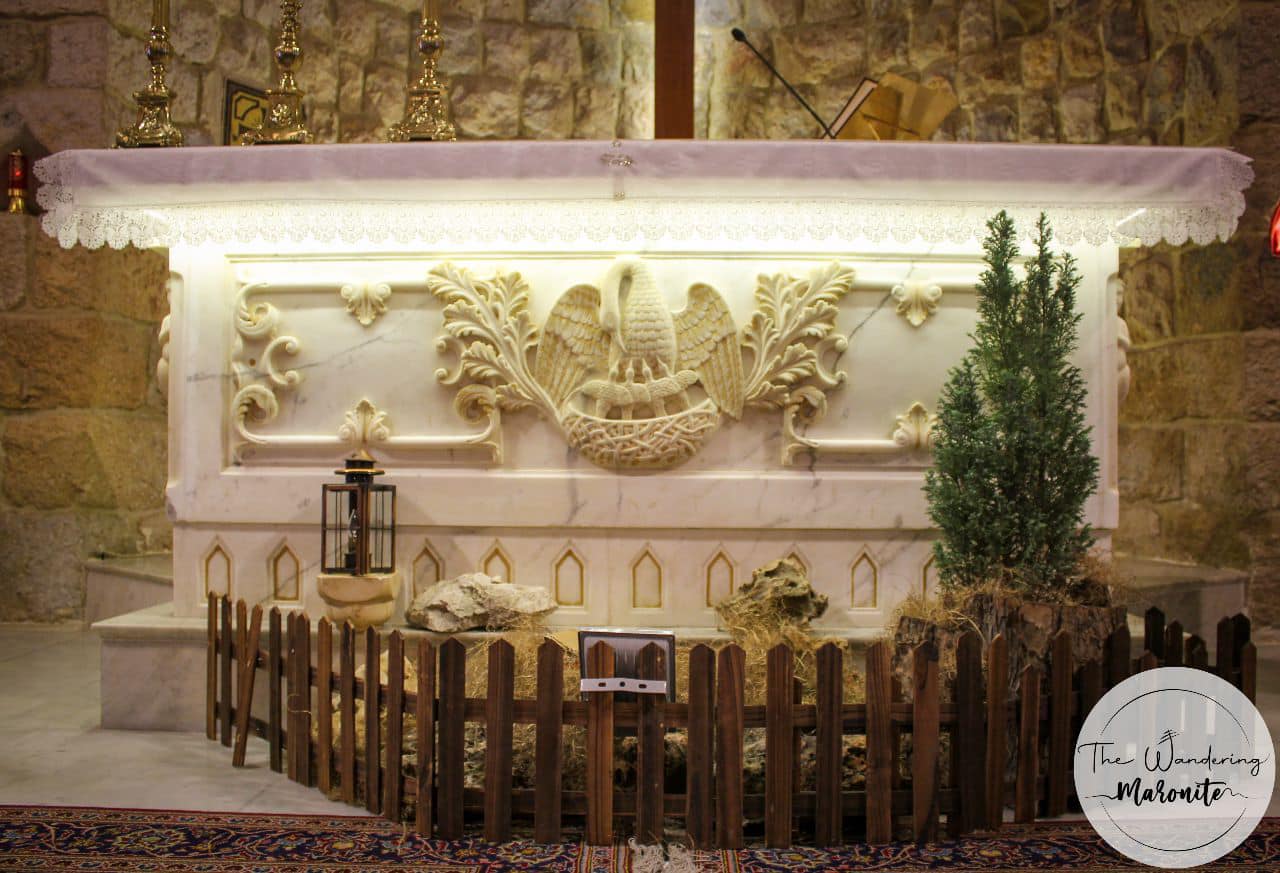
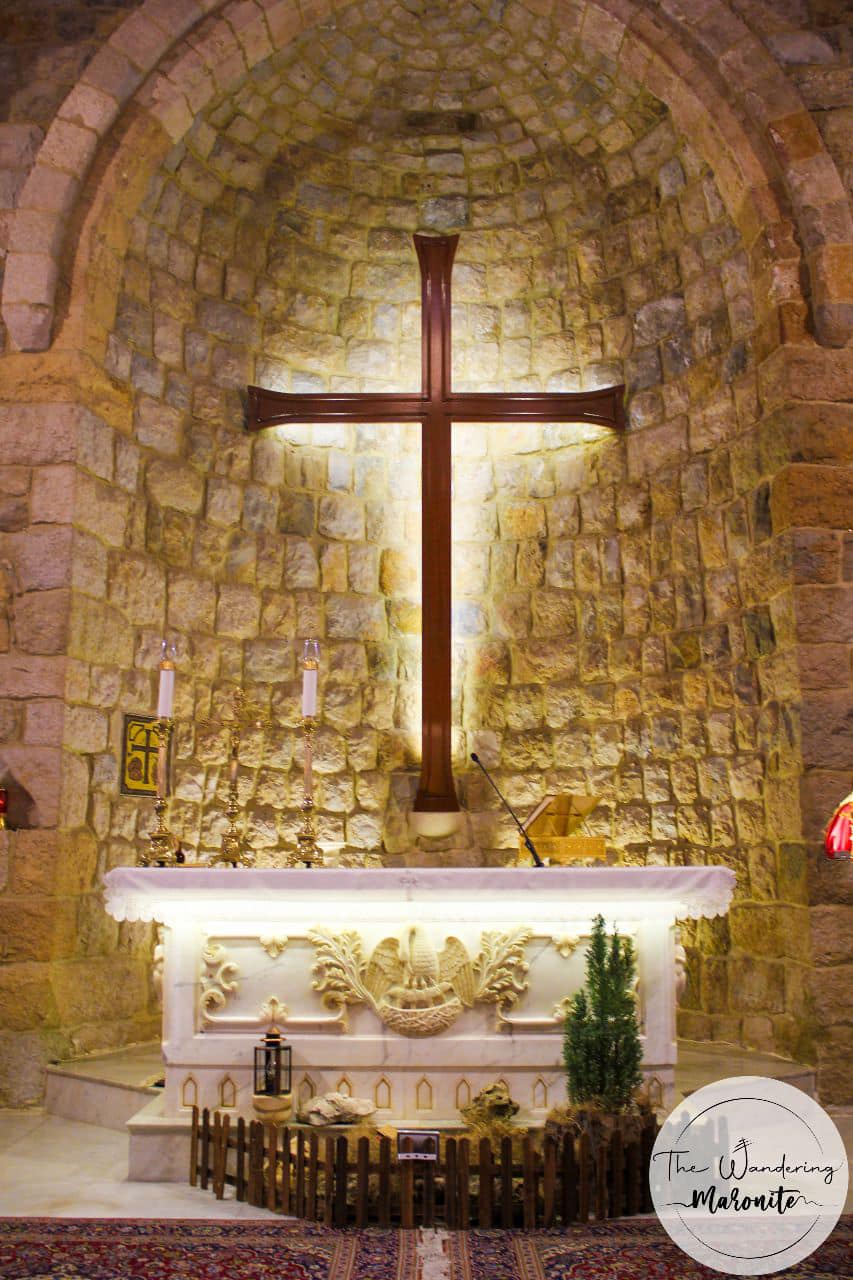
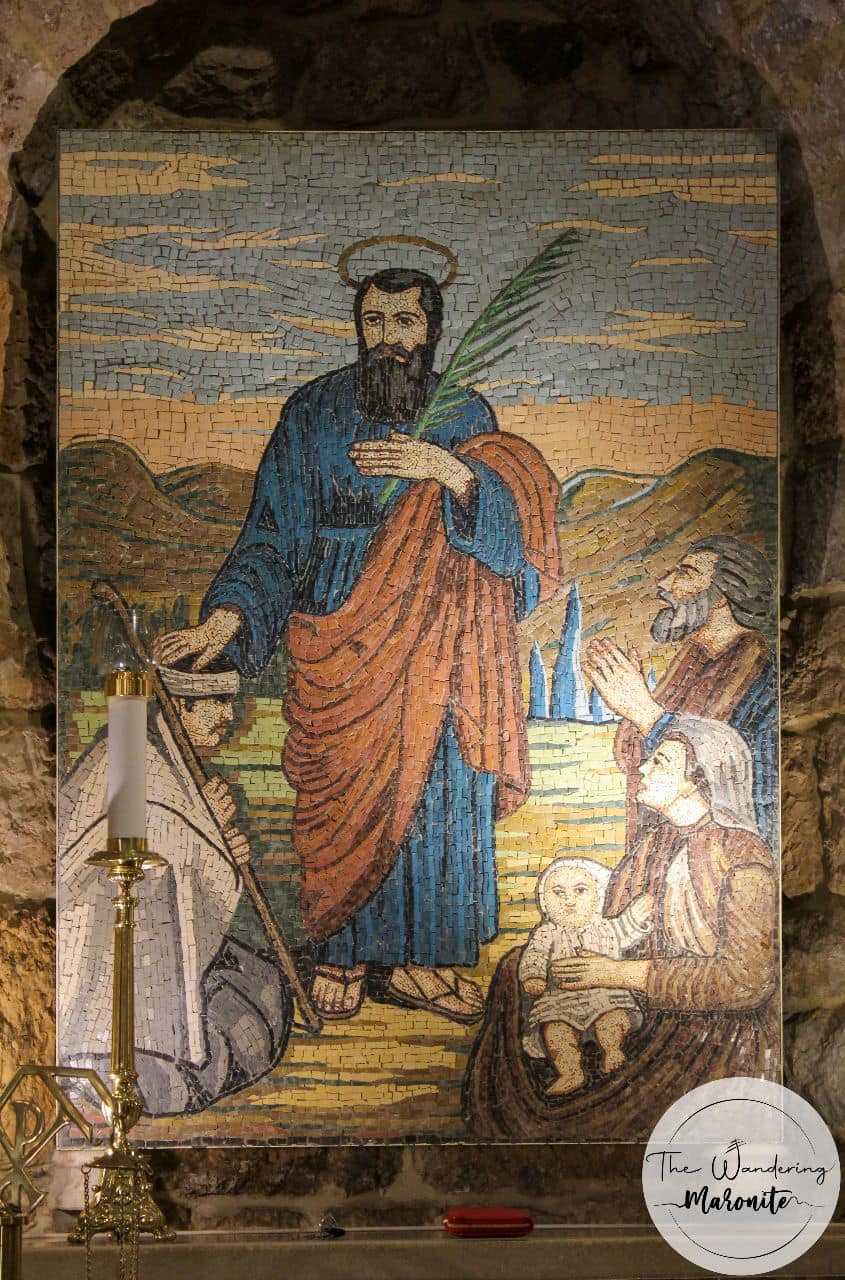
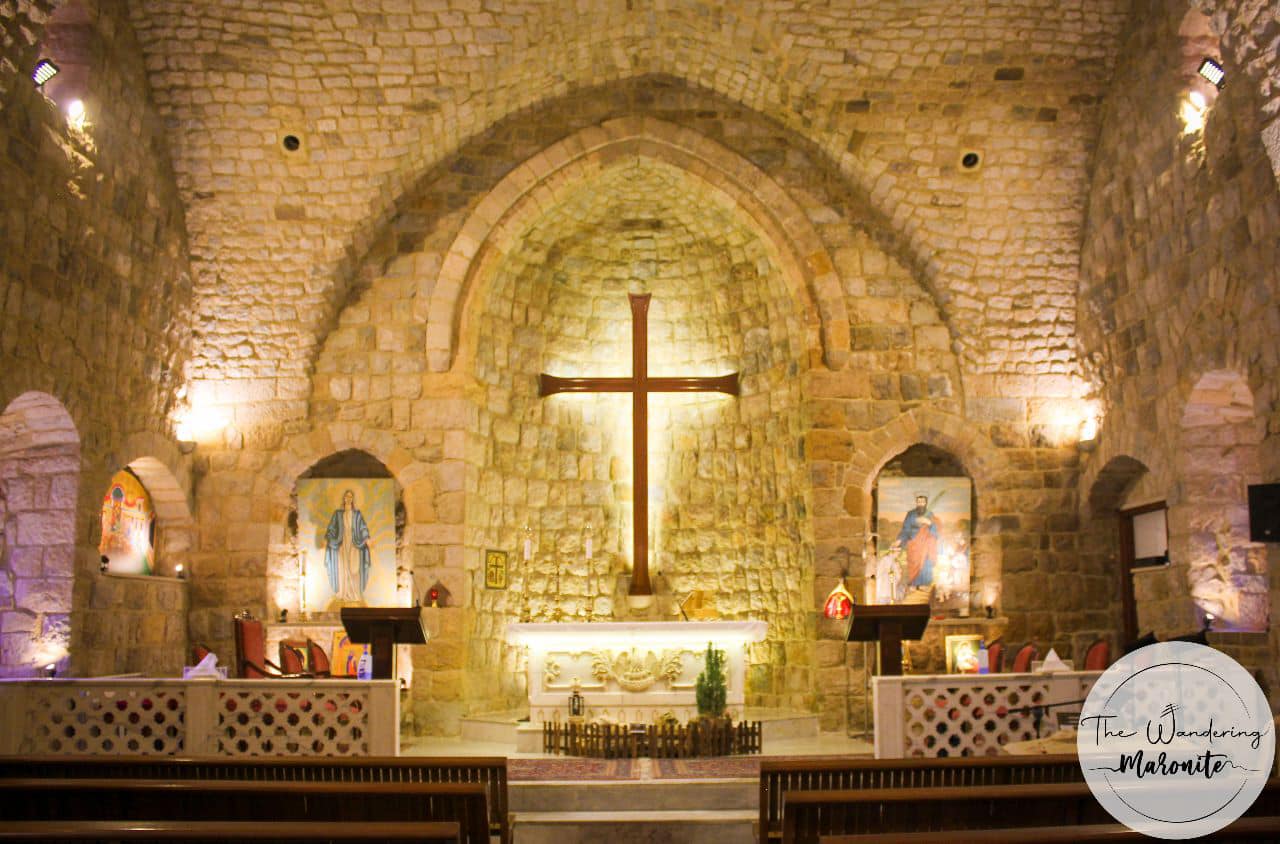
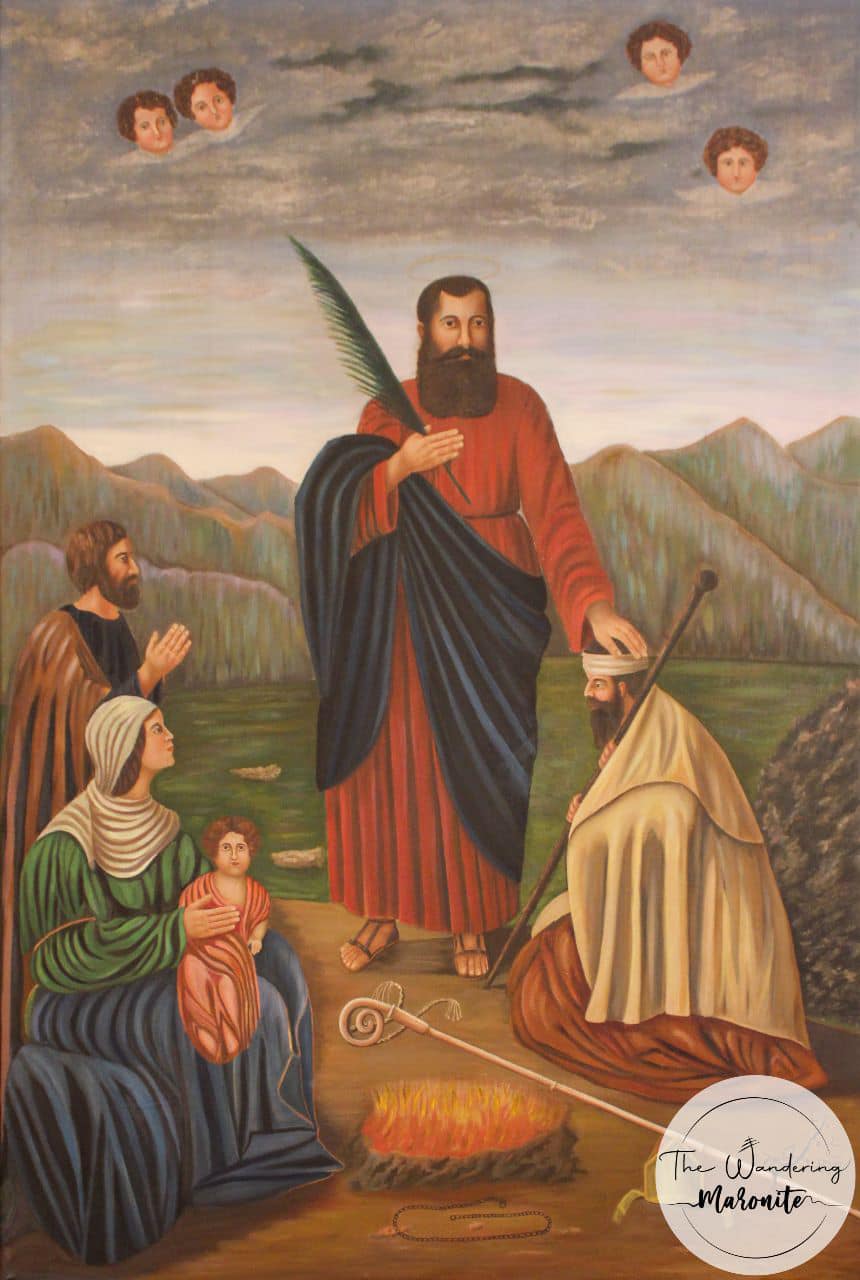
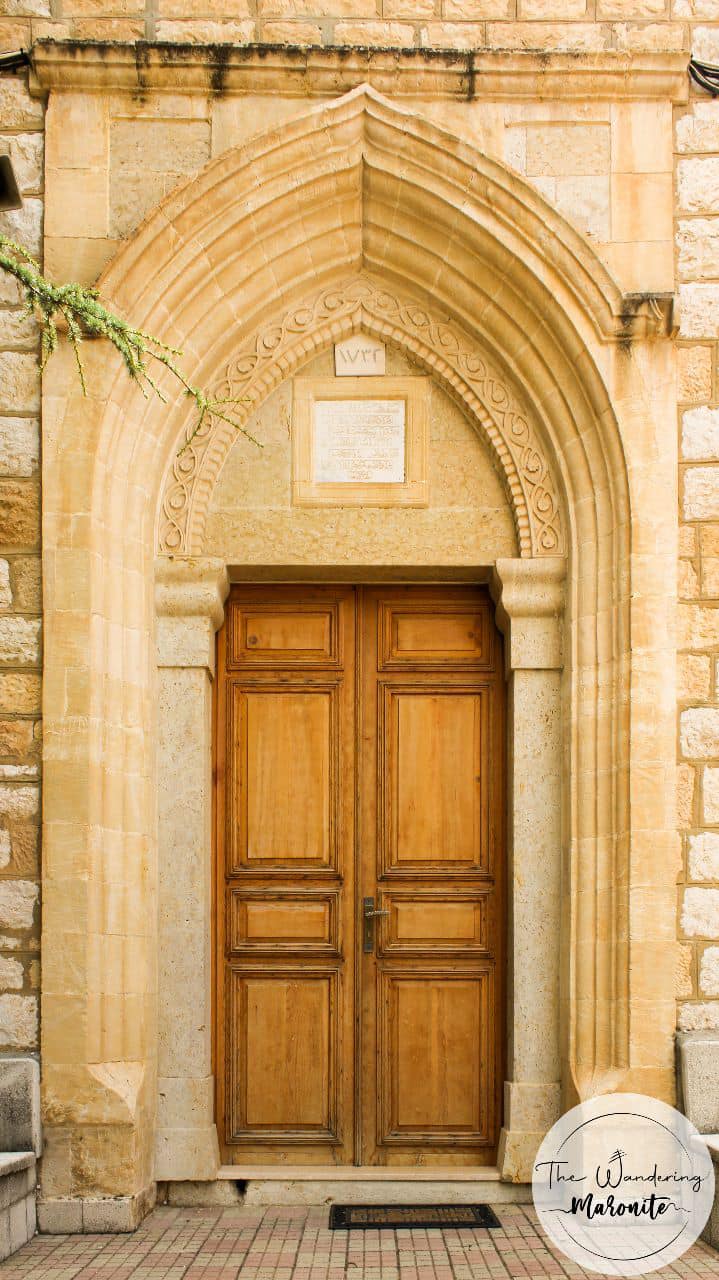
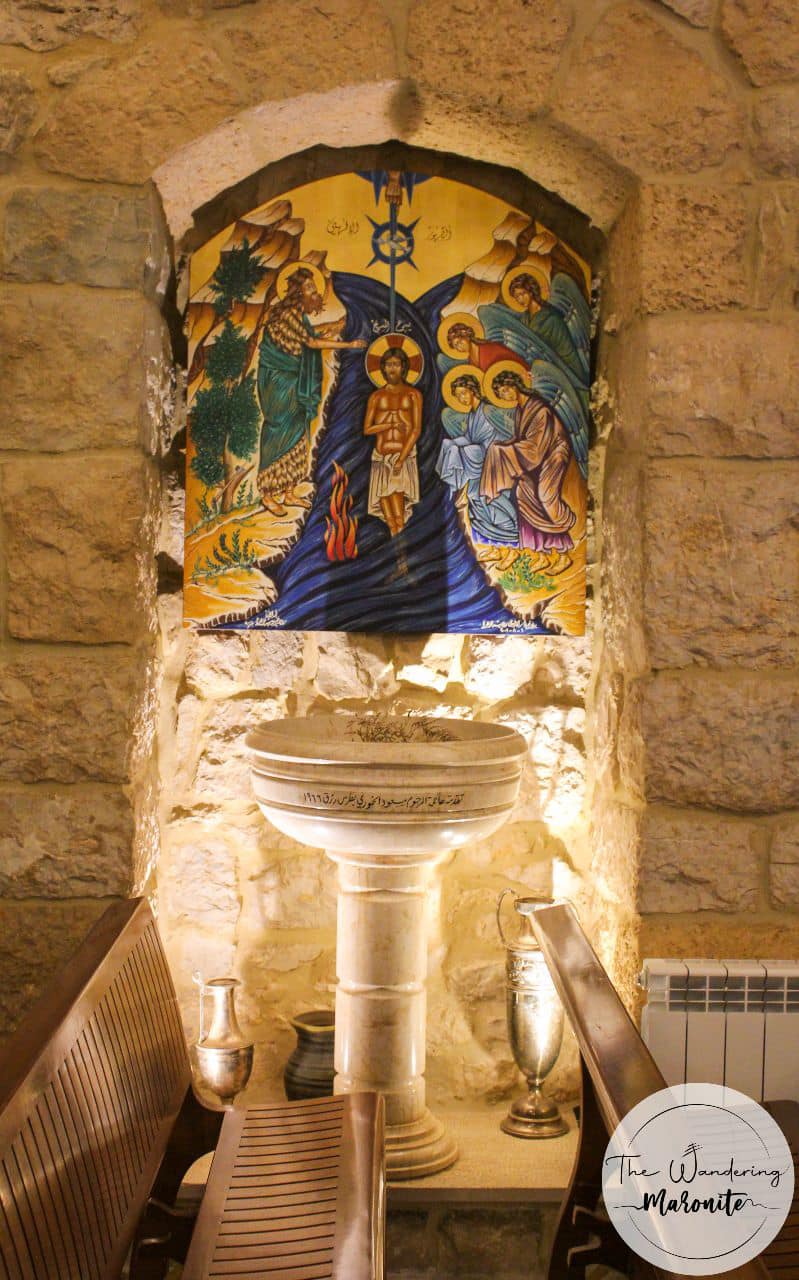
كنيسة مار رومانوس - حمّانا بنى أهل حدشيت الآتين إلى حمّانا الكنيسة الأولى بداية القرن السابع عشر، وحملوا معهم شفاعة مار رومانوس. سنة ١٧٢٣ أخذت الكنيسة شكلها الحاليّ: عقد مُصالب ينتهي بحنية. وًسّعت سنة ١٧٨٣. سنة ١٨٢٥ أنعم قداسة البابا لاوون الثاني عشر، بالغفارين للمذبح الكبير. تعرّضت للتخريب في أحداث ١٨٦٠، وكرّس مذبحها الجديد المطران نعمة الله سلوان سنة ١٨٧٣. في عشرينيّات القرن العشرين بُنيت القبّة والساعة الطنّانة. سنة ١٩٣٦ زارها البطريرك أنطون عريضة. رمّمت الكنيسة سنة ١٩٩٠. تضمّ الكنيسة العديد من المفارش البيعيّة المحليّة الصنع كبيت القربان وقبته، مجموعةً من اللوحات الغربيّة، ولوحة مار رومانوس مقتبسة عن لوحة حدشيت من عمل نجيب حاتم سنة ١٩٢٢. The church of St. Raymond (Roumanos) - Hammana The church was built in the beginning of the XVIth century by the villagers of Hadshit who resided in Hammana and imported the devotion towards their patron saint Raymond. In 1723 the church took its current form: a crossed vault with an apse. The church was enlarged in 1783. In 1825 Pope Leo XII gave the privilege to the church's altar. In 1860 the church was damaged during the civil war. The altar was reconsacrated in 1873 by Mgr. Nematullah Selwan. During the second decade a bell tower with a clock was added. In 1936 Patriarch Antoun Arida visited the church. In 1999 the church was restored. The church holds many ecclesiastical artifacts: a tabernacle with a baldaquin, western style paintings, and a painting of Saint Raymond inspired by the one in Hadshit by Najib Hatem dating back to 1922.

Visited 3303 times, 4 Visits today

Reviews are disabled, but trackbacks and pingbacks are open.

Related Listings

Kfarhay – The monastery of St John Maroun

Mar Youhanna Maroun, Lebanon

دير مار يوحنّا مارون

Kfar Hay

Batroun

North

دير مار يوحنّا مارون - كفرحي

يروي التقليد أنّ القدّيس يوحنّا مارون، بنى الدير على أنقاض بيتٍ سكنه العبّاد يوم سيم اسقفًا على البترون في العام ٦٧٦، ونقل إليه هامة مار مارون وسمّاه ريش موران أي رأس مارون، وجعله كرسيّه بعد انتخابه بطريركًا سنة ٦٨٥. أقام في الدّير، البطاركة الموارنة المتعاقبون إلى دانيال الشاماتي. آل الدّير إلى الخراب بعد أن دمّره يوسف سيفا سنة ١٦٣٤. أعاد بناؤه البطريرك يوسف أسطفان سنة ١٧٨٧ وكرّسه على إسم مار يوحنّا مارون، وجعل فيه مدرسةً لتعليم الأحداث ما لبثت أن تحوّلت لإكليريكيّة سنة ١٨١٨ بأمر البطريرك يوحنّا الحلو. الديّر اليوم كرسيّ أساقفة البترون، وهو الشاهد على تاريخ الموارنة في لبنان.

The monastery of St John Maroun - Kfarhay

According to tradition, St John Maroun built the first monastery when he was the bishop of Batroun in 676 over a hermitage, and brought to it the holy relic of the forehead of St Maroun and named it Rish Moran or the head of St Maroun. He made the monastery his patriarcal seat when he was elected in 685. The succeeding patriarchs lived in the monastery until Daniel el Shamaty. The monastery was destroyed by Youssef Sayfa in 1634.
Patriarch Youssef Estfen rebuilt it with a school and consecrated it to St John Maroun, the school was transformed into a seminary in 1818 by a decree of Patriarch Youhanna el Helo.
The monastery is now the seat of the bishops of Batroun, and the witness to the Maronite history.

Zouk Mikael – The church of St Doumit

Mar Doumit El Athaya - Church, Zouq Mkayel, Lebanon

كنيسة مار ضومط - زوق مكايل

Zouk Mkayel

Keserwan

Mount Lebanon

كنيسة مار ضومط - زوق مكايل
بنى الكنيسة الشيخ موسى الخازن سنة ١٧٢٨ وكانت وقفيّةً لآل الخازن. الكنيسة عقد مزدوج فريد بزخرفته ومقرنصاته وفتحات الضوء في السقف. كانت الكنيسة لزمنٍ طويل مرتبطة بعائلة الخازن إلى أن قامت بين سنتيّ ١٩٠٢ و ١٩٠٤ عاميّة زوق مكايل. في ذلك الزمان هدّد الأهالي بتحوّلهم إلى المذهب الأنغليكانيّ، ولتحول البطريركيّة دون ذلك، حوّلت وقفيّة الكنيسة من عائلة الخازن إلى أهالي البلدة، وخصّ البطريرك الياس الحويّك الرعيّة بزيارةٍ حبريّة وبعددِ من الإنعامات. تضمّ الكنيسة العديد من اللوحات والتحف الكنسيّة القيّمة. رمّمت في ثمانينات القرن العشرين.
The church of St Doumit - Zouk Mikael
The church was built in 1728 by Sheikh Moussa el Khazen as a private church for the Khazen family. The structure is ornate with arabesque decoration and lucarnes in the vault, blending cribbed and crossed vaults. The church was a fiefdom of the Khazen family until the uprising of the peasants between 1902 and 1904. Back then the Maronite Patriarchy made the church a parish for the people to prevent them from turning to anglicanism. Also the Patriarch Elias Howayek made a pontifical visit to the parish and gave the parish many indulgences. The church holds a lot goldsmith artifacts and paintings. The building was renovated in the eighties of the XXth century.

Kaftoun – Monastery of our Lady

Monastery of Our Lady of Kaftoun, Kaftoun, Lebanon

دير السيّدة - كفتون

1910

Kaftoun

Koura

North

عود تأسيس الدّير الى القرن السادس، كُتِب عنه في منشورات تعود الى القرن التاسع موجودة في مكتبة أوكسفورد. تمَّ بناؤه على عِدَّة مراحل أمّا ترميمه الأخير فيعود الى العام 1910. الوجهة الخلفية للدير ملاصقة لشيرٍ صخريٍّ ضخم، وكنيسته في قلب الشير.
كان الدير بدايةً ديرًا مارونيًّا سكنه المطران (البطريرك لاحقًا) إرميا الدملصاوي. بعد حملات المماليك تنسّك فيه الرهبان الأرثوذكس. كانت أوجّ الحياة الرهبانيّة فيه عام ١٩٠٤. وفي بداية السبعينات أضحى مهجوراً ونُهبت كافة الأيقونات والمخطوطات. تجدّدت الحياة الرهبانيّة في الدّير سنة ١٩٧٧. عام ١٩٩٧ أُعيدت إليه أيقونة سيّدة كفتون العجائبيّة. تكمن أهميّة هذه الأيقونة أنّها مرسومةٌ على الوجهتين: الأولى تعود الى القرن الحادي عشر وتُمثِّل العذراء مريم والسيّد المسيح، والثانية تعود الى القرن الثالث عشر وتُمثِّل معموديّة السيّد المسيح ومدوَّنٌ عليها باللغات الثلاث: السريانيّة والعربيّة واليونانيّة، شهادةً عريقةً للطقس السريانيّ الملكيّ. يضُمّ الدير آثارًا تاريخيّةً قديمة كأجران منحوتة بالصخر وآبار ومطحنة ومعصرة قديمة تعود للقرن السادس.

The monastery was founded in the VIth century and many documents from the IXth century attesting its existence are still present in the Library of Oxford. The building was done over time up until 1910. The monastery is built inside a rocky cliff, with the main church inside the cave. At first the monastery was served by the Maronites and was the seat of Bishop (later patriarch) Jeremiah of Dmalsa. After the Mamluk’s raids the ownership was taken by the Orthodox hermits. The monastic life saw its peak in 1904 yet it declined up to the seventies when the monastery was deserted and looted. The monastic life would be renewed in 1977. In 1997 the miraculous icon of Our Lady of Kaftoun was returned. The importance of that icon reside in its being a double sided icon: on the first side dating back to the XIth century is a depiction of the Theotokos, on the other one dating back to the XIIIth century is a Theophany with inscriptions in Arabic Greek and Syriac, a true witness to the Syriac Melkite Rite.