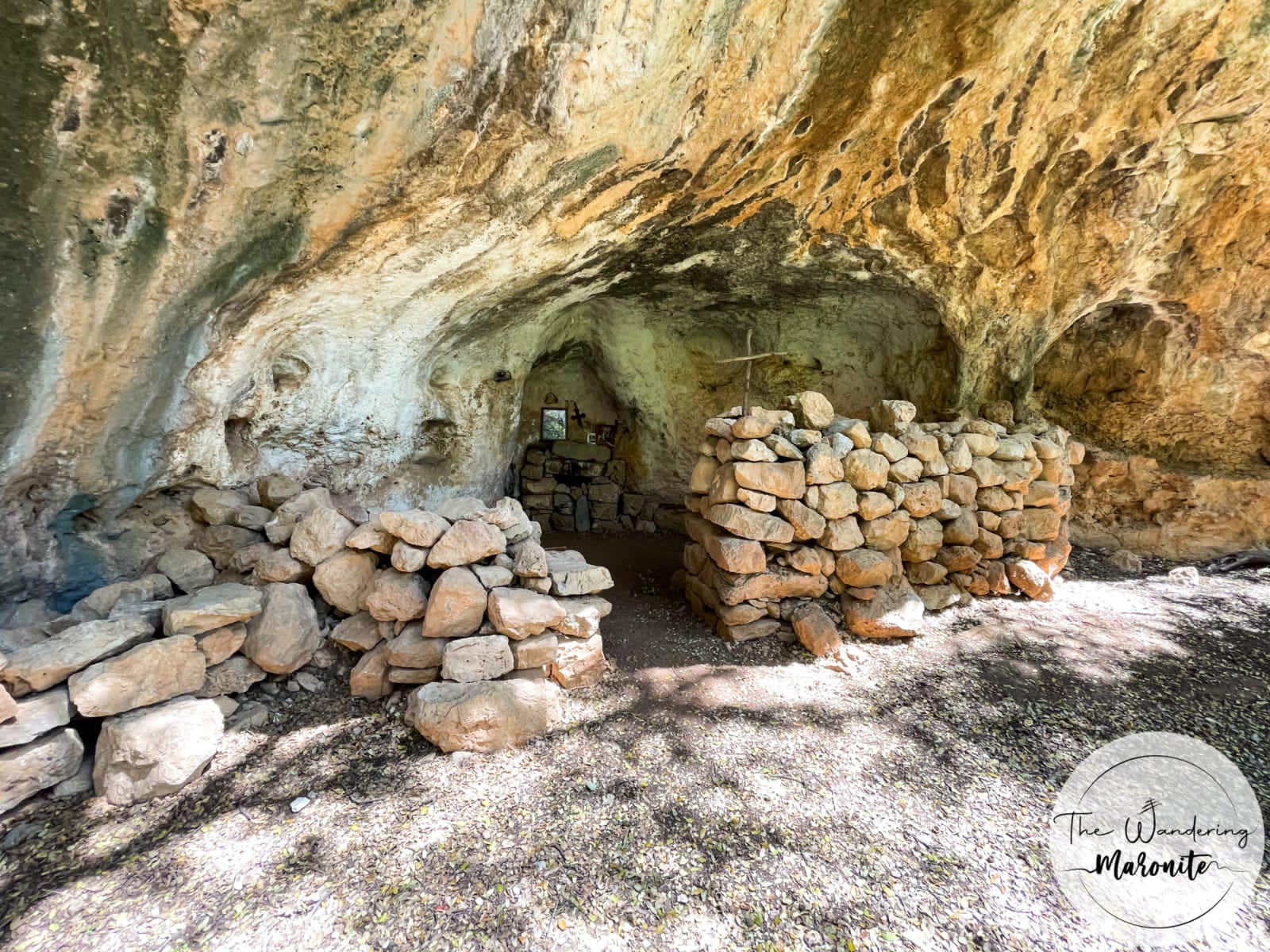
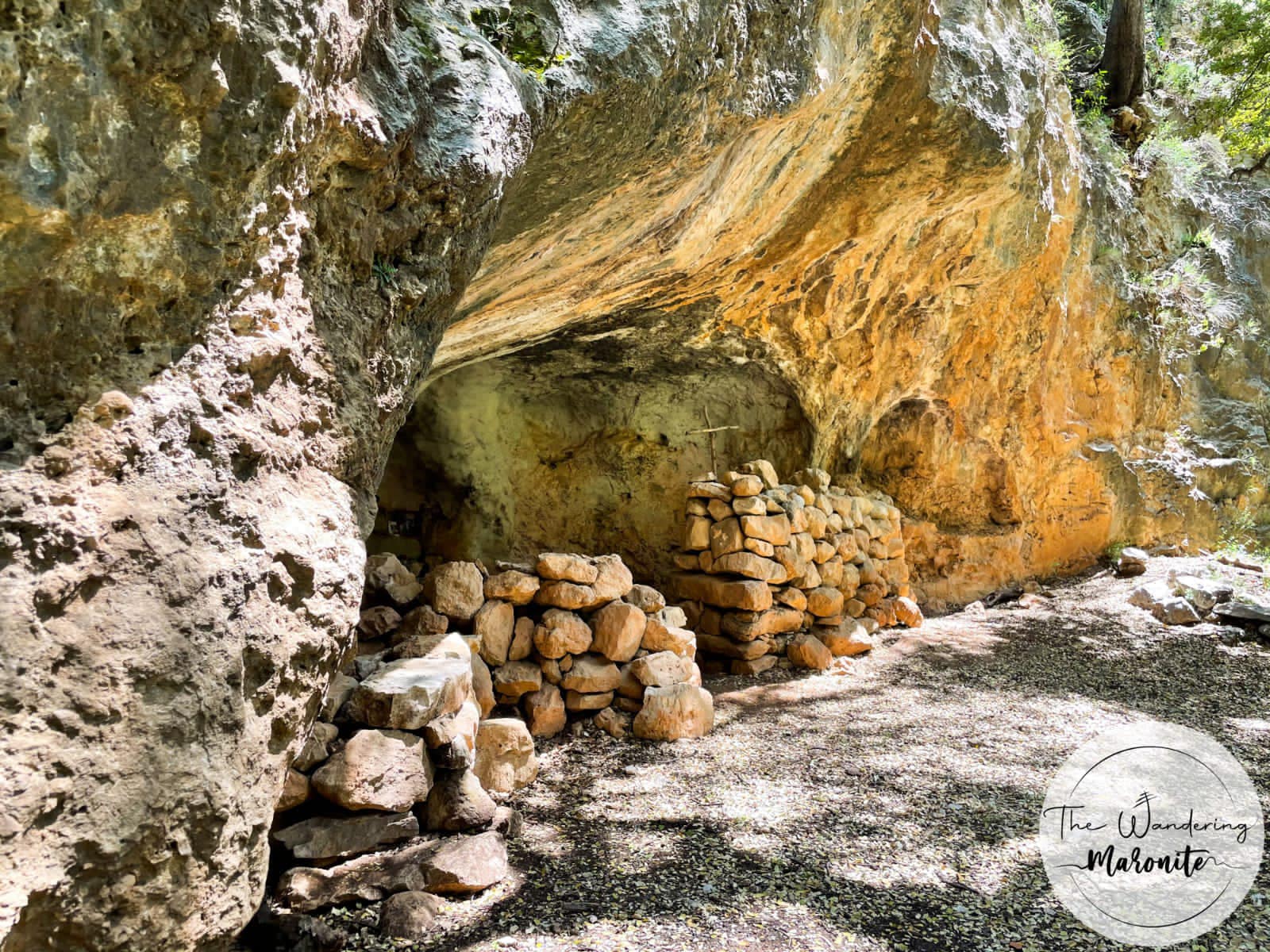
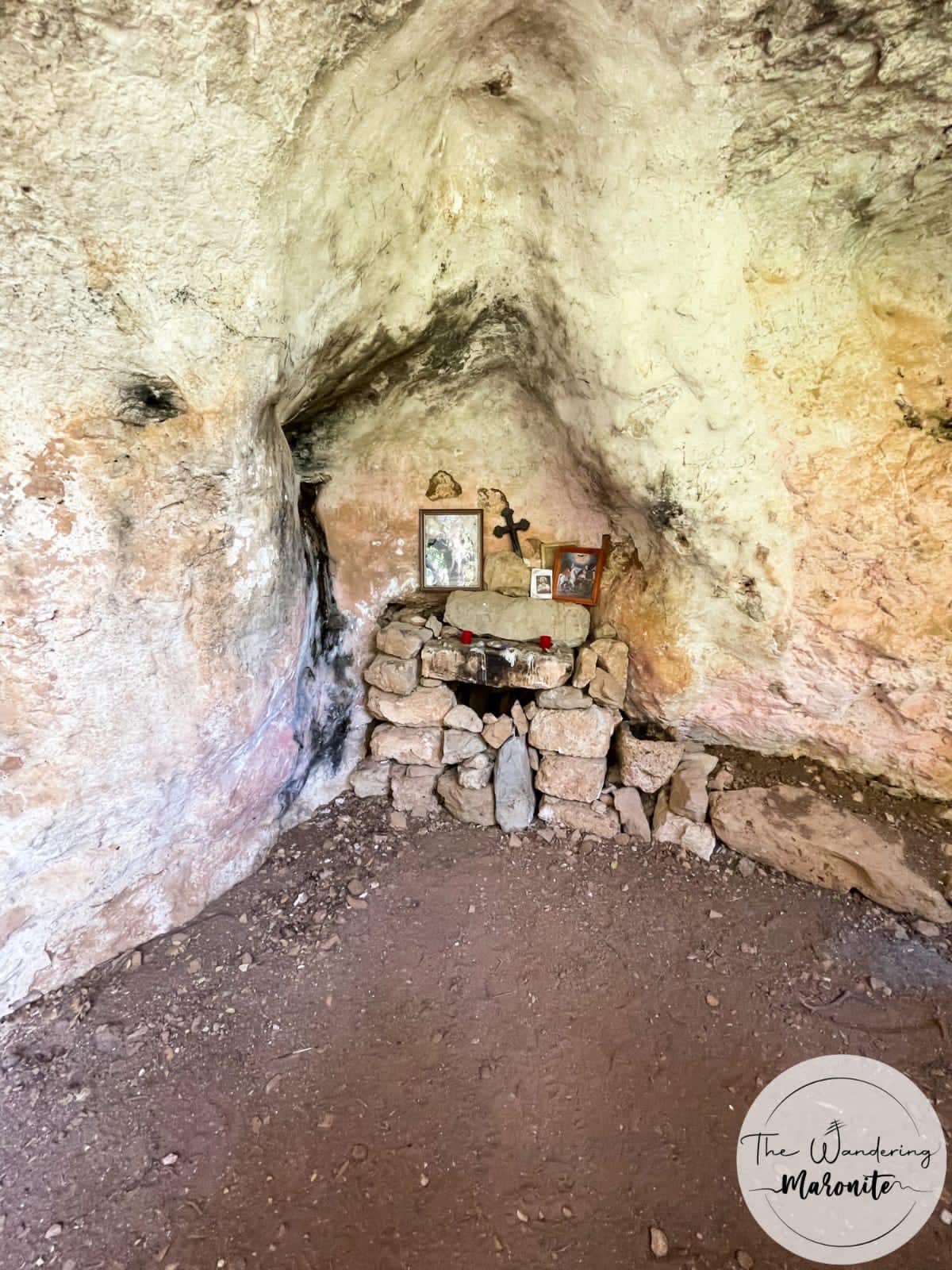
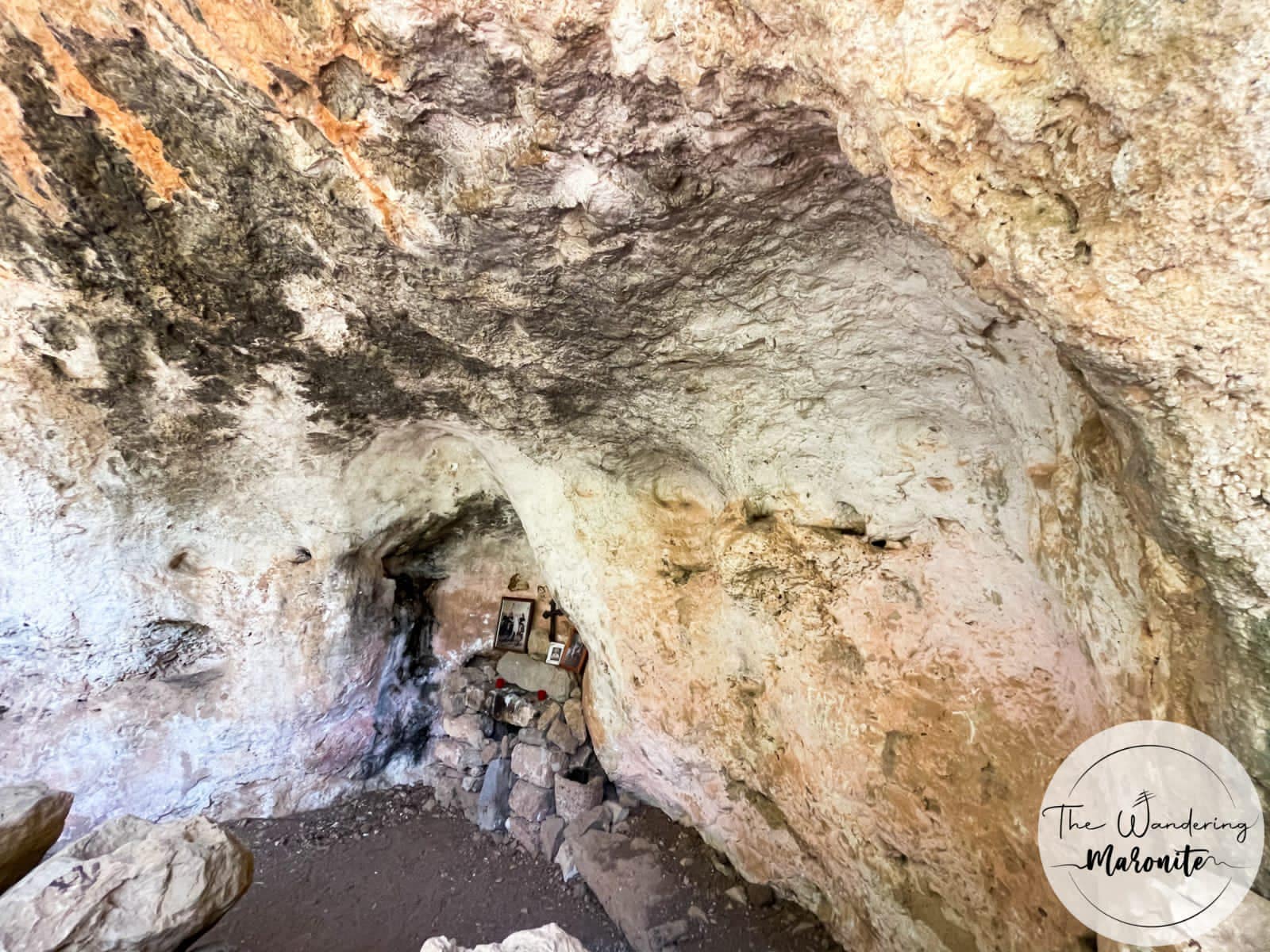
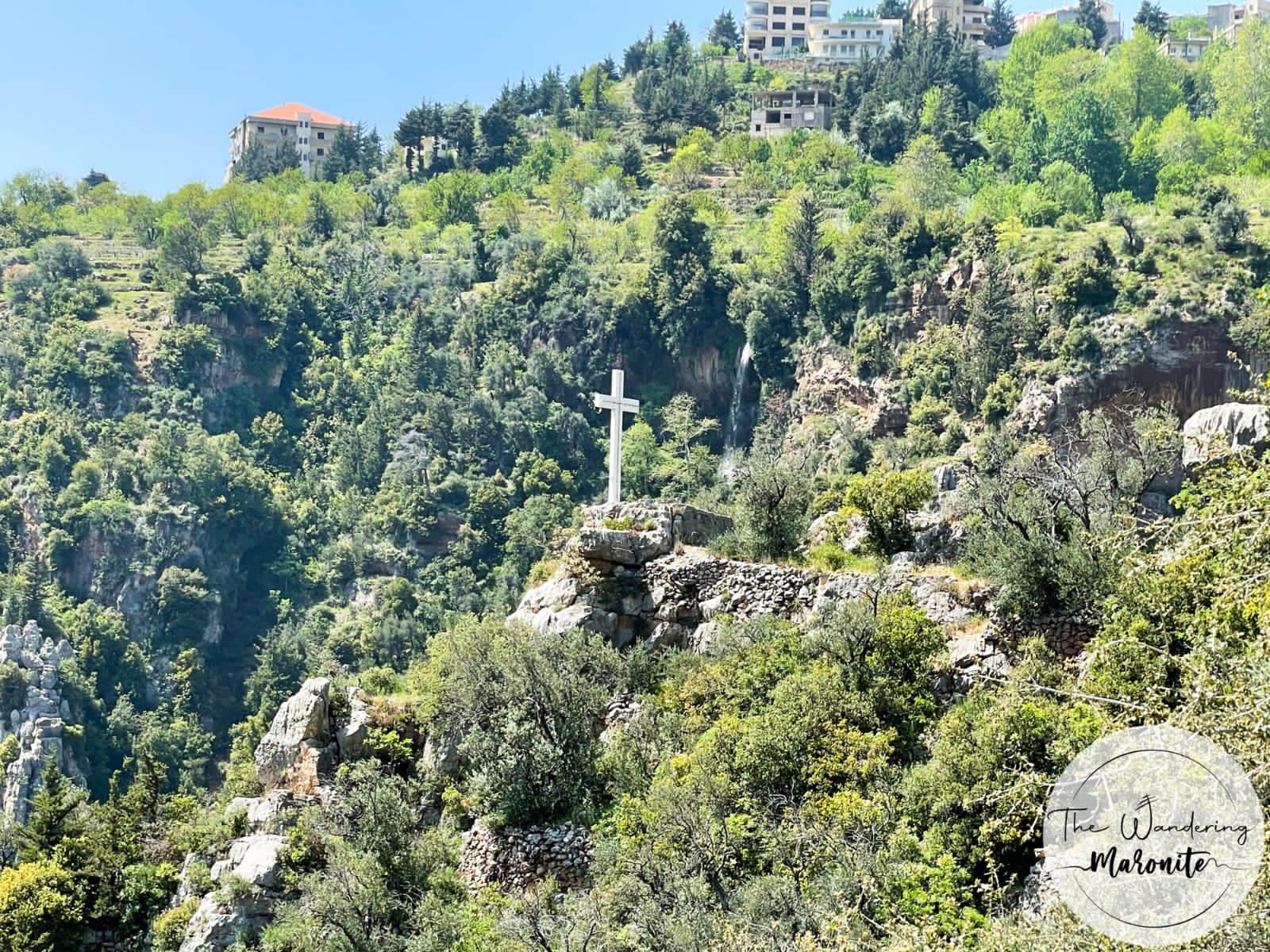
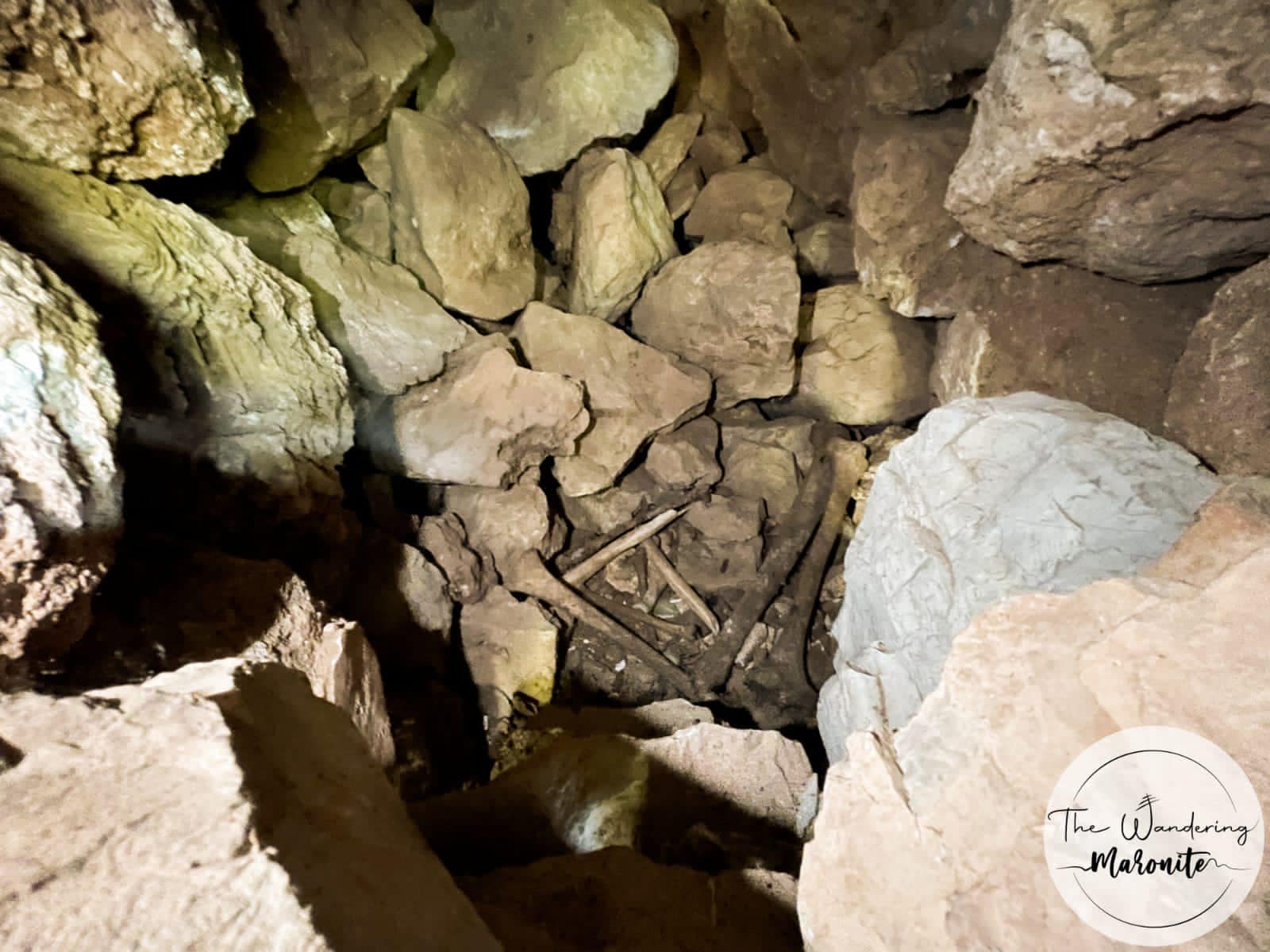
محبسة مار سركيس وباخوس - الوادي المقدّس حدشيتهي محبسةٌ قديمةٌ تعود للقرن الثالث عشر. المحبسة عبارة عن مغارةٍ في قلب سفح الجبل مغلقةٍ بجدارٍ من جهة الغرب. وفيها بقايا للمذبح وتحته مدفن للحبساء.The hermitage of Sts Sergius and Bacchus - The Holy Valley HadshitThe hermitage dates back to the XIIIth century. The hermitage is a cave in the mountain cliff closed by a wall on the western side. The hermitage contains an altar used that enshrines the remains of the hermits.
هي كنيسة حارة التحتا، بناها مفرّج جريس أواخر القرن التاسع عشر وجعلها وقفًا ذريًّا. لوحتها عمل كنعان ديب الدلبتاوي سنة ١٨٧٣.
The church of St George - Qartaba
It is the church of El Tahta street, built as a private chapel for the family of Moufarrej Geryes in the late XIXth century. The painting is the work of Kanaan Dib from Dlebta in 1873.
بُنيت الكنيسة الأولى سنة ١٦٧٢، وكرّسها البطريرك إسطفان الدويهيّ. سنة ١٨٢٨ كانت الكنيسة أصبحت ضيّقة، فأُخذت جحارتها، بالإضافة إلى حجارة كنيسةٍ قديمةٍ مهجورةٍ على اسم مار عبدا، كانت تخصّ آل الشمالي قبل نزوحهم إلى بلدة سهيلة. كان البناء بسعي الخوري نقولا صفير. الكنيسة كناية عن عقدٍ مُصالب ينتهي بحنية. تضمّ أربعة مذابح: مار زخيا، السيّدة، القلب الأقدس، مار يوسف. الكنيسة تحافظ على طابعها الأصليّ بنقوشها وزخرفتها الملوّنة والأشكال الهندسيّة على الجدران والأسقف.
The church of St Zakhia (St Nicolas) - Ajaltoun
The first church was built in 1672, and dedicated by Patriarch Estefan el Douwaihy. In 1828 the church became too small for the increasing number of villagers. With the help of Fr Nkoula Sfeir, two old churches were dismantled: the old St Zakhia and an old ruined chapel dedicated to St Abda that belonged to the Chemaly family that moved to Shaileh. The stones were used to build the new church. The structure is a crossed vault, with four altars: St Zakhia, the Madonna, the Sacred Heart, and St Joseph. The church still conserves its original decorum with colored floral motifs and arabesques.
ادنا هو لقب سريانيّ لمار طراخونيوس، وهو من القدّيسين الأكثر شهرة عند موارنة القرون الوسطى. بني هذا الدّير سنة ٥٠٩ على أنقاضٍ رومانيّة ما زالت ماثلة، ويتألّف من كنيسة بخوروسين ما يزال القسم الجنوبيّ منها ماثل. بقيّة الدّير ودير البنات أي دير الراهبات العابدات الذي بقربه أنقاض. قنطرة الحنية مزيّنة بالعديد من الصلبان والنقوش التي ترمز للتجسد والفداء. كان الدّير مقرًّا لأساقفة العاقورة مدى قرون ومن أشهرهم البطريرك يوحنا السابع العاقوري الذي توفي سنة ١٣٥٧.
The monastery of St Edna - Aqoura
Edna is a title given by syriacs to St Trakhonius, who was one of the most venerated saints by the medieval Maronites. The monastery was built in 509 over roman ruins that are still visible, and it consists of a two aped church, with the southern part of the church still standing. The rest of the church and monastery and the adjacent nunnery are all in ruins. The apse is decorated with crosses and symbols of the Incarnation and Redemption. The monastery was the seat of Aqoura’s bishops for centuries, the most famous of them was patriarch John VII El Aqoury who died in 1357.



Reviews are disabled, but trackbacks and pingbacks are open.