Overview
Map
Other Details
دير مار يوسف الحصن
Ghosta
Keserwan
Mount Lebanon
Visited 3187 times, 5 Visits today
Directory of Churches in Lebanon

Mar Youssef Church - مار يوسف الحصن, Lebanon
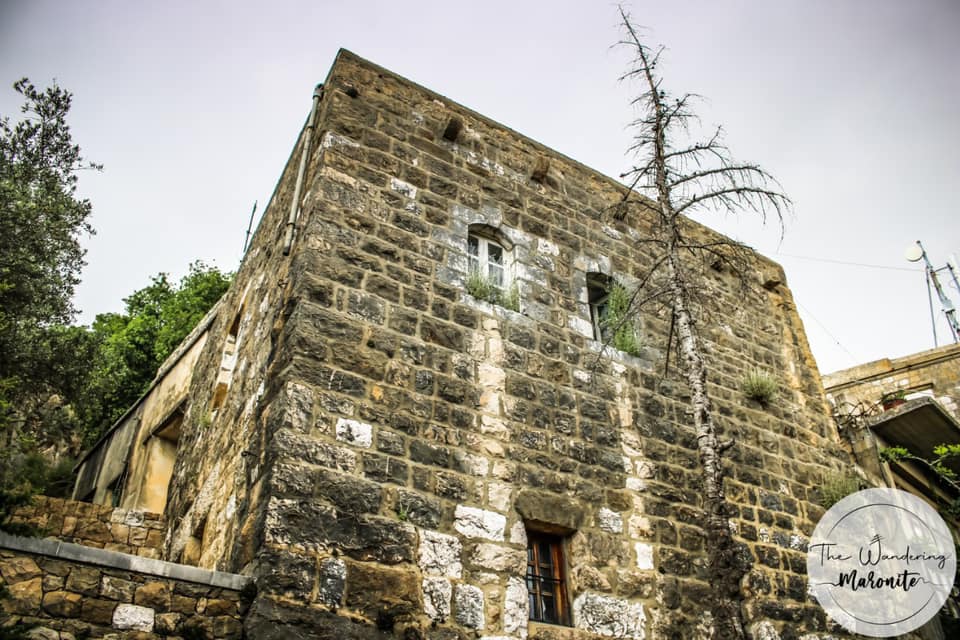
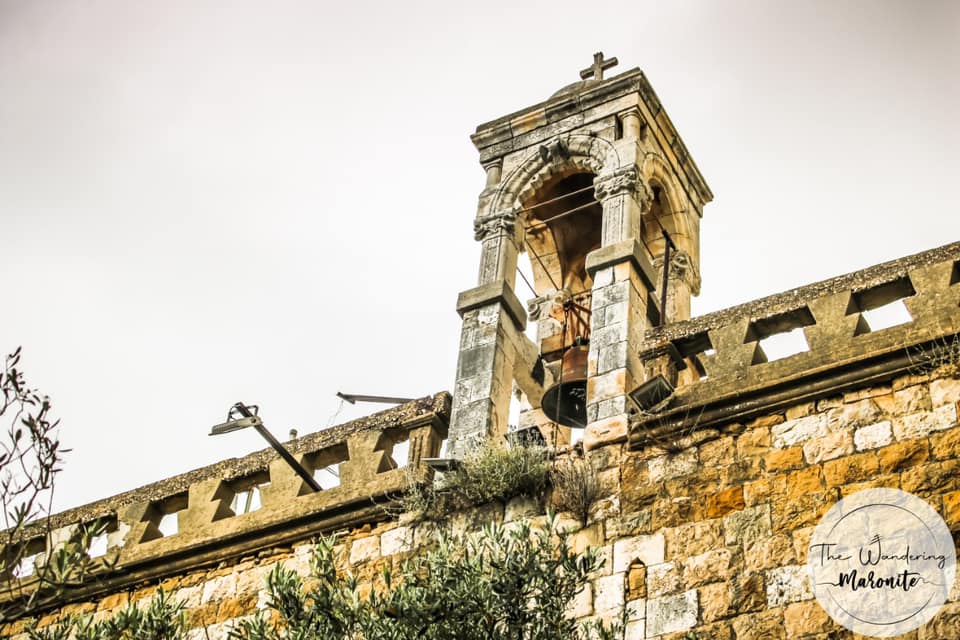
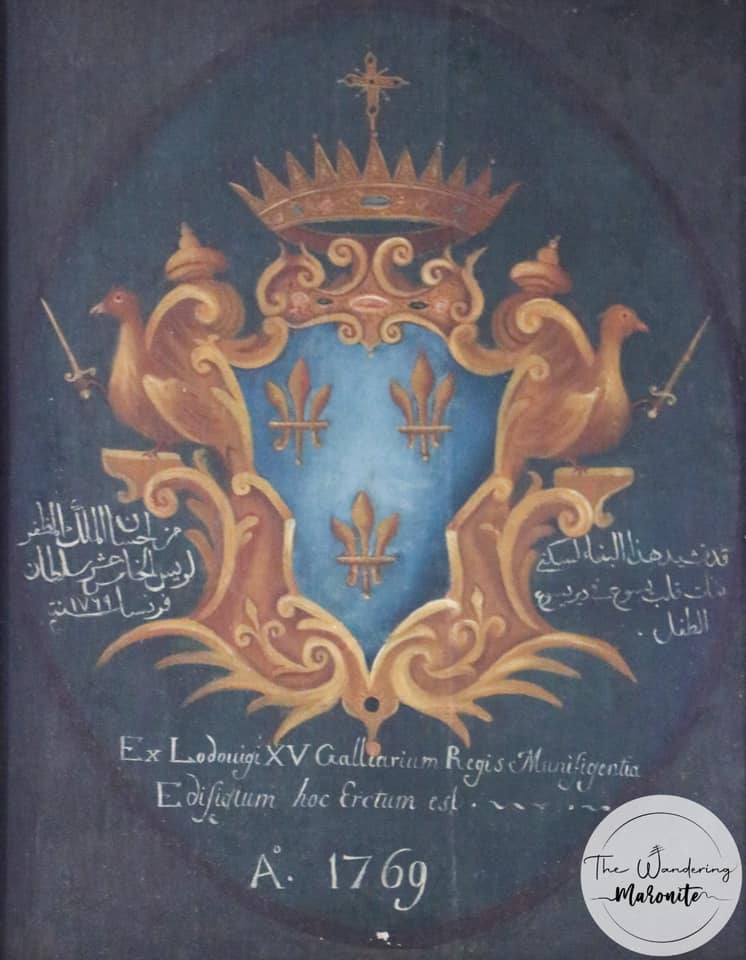
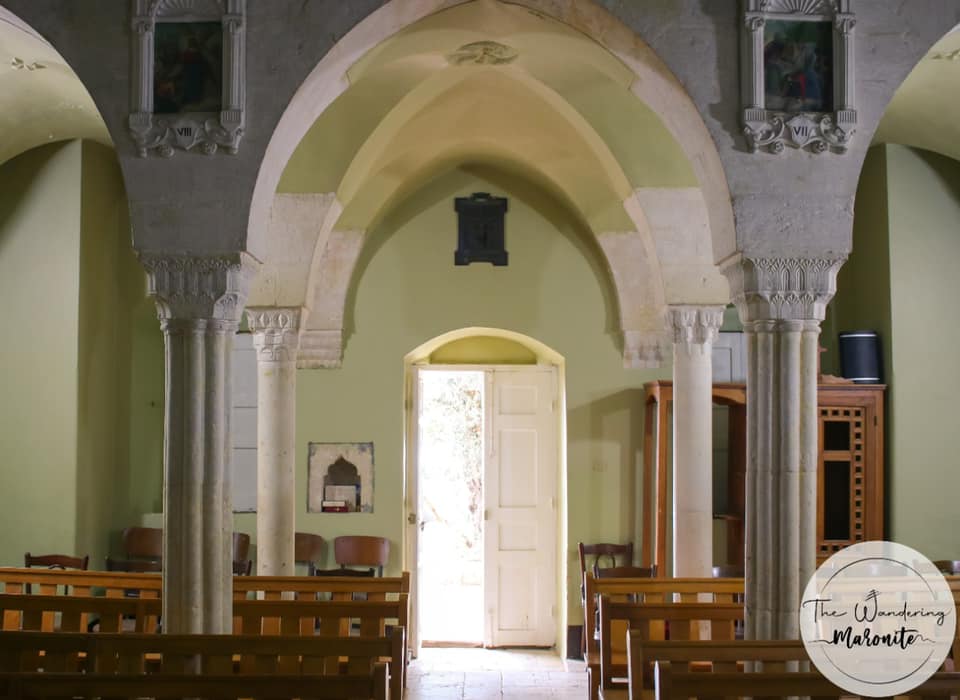
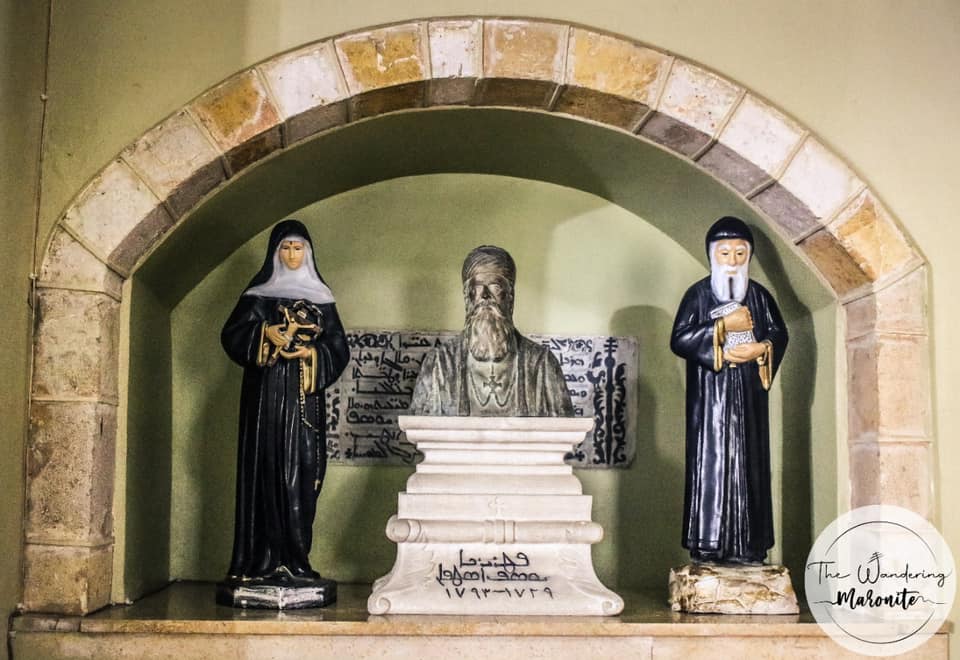
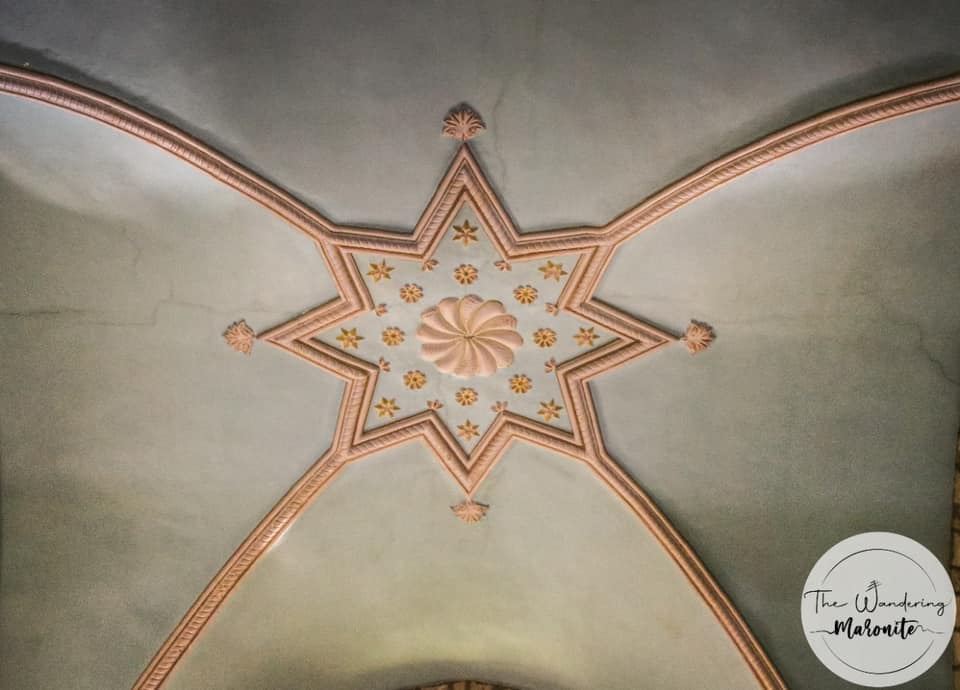
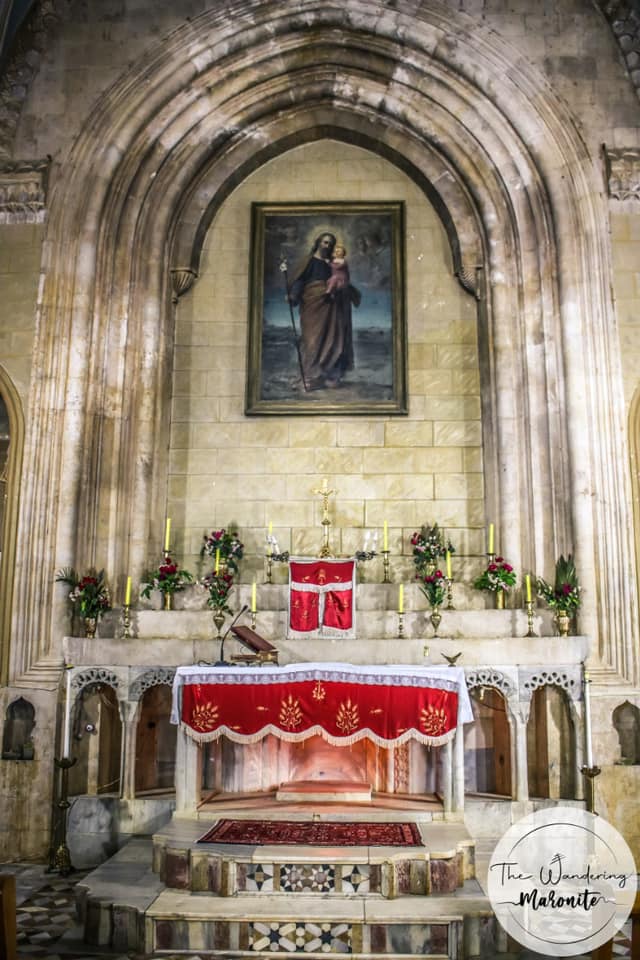
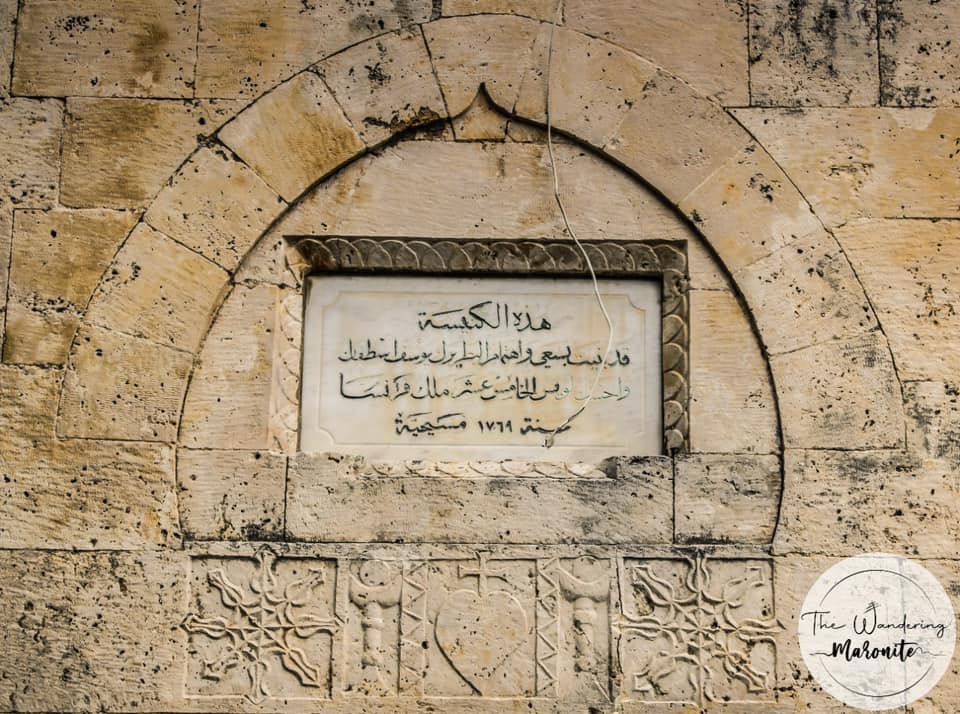
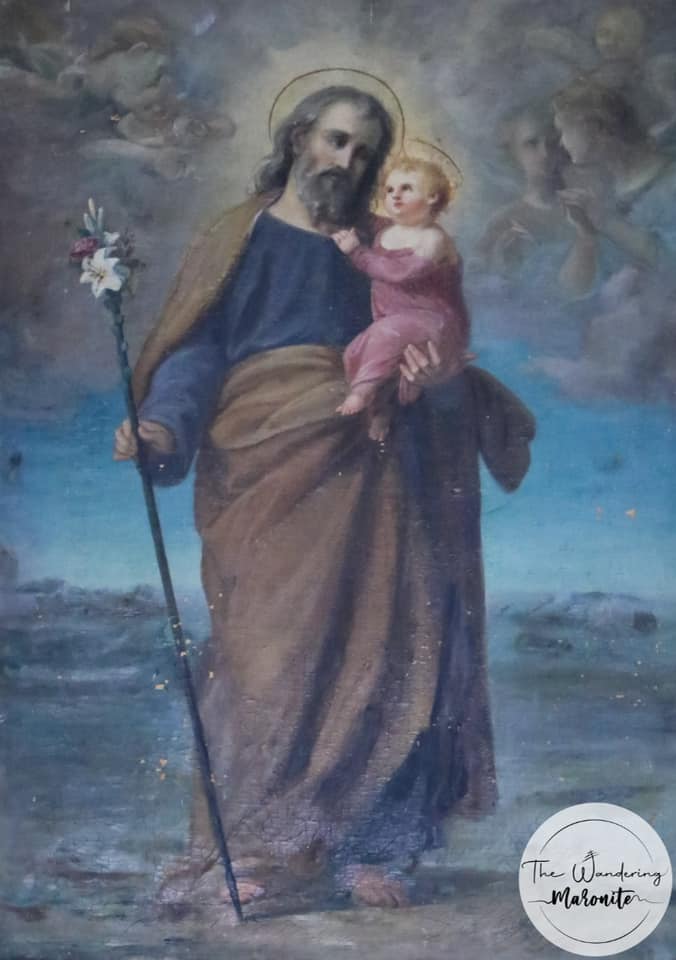


دير مار يوسف الحصن
Ghosta
Keserwan
Mount Lebanon
Visited 3187 times, 5 Visits today
St. Georges Cathedral sarba, Sarba, Lebanon
كاتدرائيّة مار جرجس
Jounieh Sarba
Keserwan
Mount Lebanon
كاتدرائيّة مار جرجس - صربا
سنة ١٨٦٩ اذ كان المطران يوحنّا الحاج (البطربرك لاحقًا) أسقفًا على بعلبك، وكانت صربا تابعة له، إشترى قطعة أرضٍ من بطريركيّة الروم الملكيّين الكاثوليك. فبنيت الكاتدرائيّة بسعي الخوري بولس الأشقر البجّاني. مع موت البطريرك الحاج سنة ١٨٩٠، ضمّت صربا إلى أبرشيّة دمشق. وسنة ١٩٦٠ فصلت عن دمشق لتصبح منطقة صربا نيابةً بطريركيّةً مركزها هذه الكاتدرائيّة. يتميّز بناء الكاتدرائيّة بتصميمٍ بازيليكيّ بسوقٍ واحدة وثلاث مذابح. اللوحات التي تعلو المذابح من عمل الرسّام داوود القرم وتعود للأوائل القرن العشرين.
St George’s cathedral - Sarba
In 1869 Mgr.John el Hajj (later patriarch) archbishop of Baalbeck, since Sarba was a dependency of Baalbeck back then, bought a parcel of land from the Melkite Catholic patriarchate to build a church. The construction of the new church began with Fr Boulos al Achkar el Bejjany. When Patriarch el Hajj passed away, Sarba was transferred juridically from the see of Baalbeck to the see of Damascus. In 1860 Sarba was proclaimed an independent ecclesiastical province, a patriarchal vicariate with the cathedral at it’s center. The structure is a single nave with three apses, and three altars. The church holds three early XXth century paintings by Daoud el Qorm.
كنيسة مار سركيس وباخوس, Kfar Aabida, Lebanon
كنيسة مار سركيس وباخوس
Kfar Aabida
Batroun
North
كنيسة مار سركيس وباخوس - كفرعبيدا
بوشر بناء الكنيسة سنة ١٩١٢ على أنقاض كنيسةٍ صغيرة أقدم، هندستها فريدة نيو رومانيّة تعلوها قبة مسدّسة. عام ١٩٨٨ رمّمت الكنيسة والساحة بما يتناسب مع الهندسة المعماريّة، وأضيفت إليها مجموعة من الزجاجيّات. تحوي الكنيسة على لوحةٍ قديمةٍ لمار سركيس وباخوس للفنّان كنعان ديب تعود لسنة ١٨٤٤.
The church of Sts Sergius and Bacchus - Kfarabida
The church was built over an older one in 1913, according to a neo romanesque style with a heptagonal bell tower. In 1988 the church and the place were renovated and stained glass windows decorated the building. The church contains an old painting of Sts Sergius and Bacchus by Kanaan Dib dating back to year 1844.
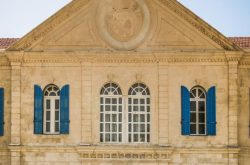
Church of Bkerke, Juniyah, Lebanon
دير سيّدة بكركي البطريركيّ
Jounie Ghadir
Keserwan
Mount Lebanon
دير سيّدة بكركي البطريركيّ - بكركي
سنة ١٧٠٣ بنى الشيخ خطّار الخازن دير بكركي في محلّة البشوشي أوّلاً، وفي سنة ١٧٣٠ تسلّمه الرهبان الأنطونيون؛ بعدها سنة ١٧٥٠ تسلّمه المطران جرمانوس صقر والراهبة هندية عجيمي ليكون مقرًّا لأخوية قلب يسوع التي بدأت تشييد الدّير في موقعه الحاليّ. سنة ١٧٧٩ قضت براءة رسوليّة بأن يتحوّل دير بكركي لخير الطائفة المارونيّة. سنة ١٨٢٣ أصبح الدّير كرسيًّا بطريركيًّا لفصل الشتاء. سنة ١٨٩٠ رمّمه البطريرك يوحنا الحاج وأضاف إليه قسمًا من الطابق السفلي والطابق العلوي بكامله، والكنيسة التي رسم جداريّتها داوود القرم. والدّير من تصميم الأخ ليونار اللعازاريّ. رممّ أيضًا سنة ١٩٧٠ و١٩٨٢. سنة ١٩٩٥ أضاف إليه البطريرك نصر الله صفير جناحاً ليحفظ فيه الأرشيف ويكون متحفاً خاصاً بالكرسيّ البطريركي، كما أنشأ مدافن للبطاركة وزيّن الكنيسة بالزجاجيّات.
The Patriarchal monastery of Our Lady of Bkerke - Bkerke
In 1703 Sheikh Khattar el Khazen built the first church in the Bchouchi area and gave it in 1730 to the Antonine Order. In 1750 the monastery was given to Bishop Germanos Sakr and the nun Hindye to become a mother house to the congregation of the Sacred Heart of Jesus, and the construction on the current site began. In 1779 the congregation was dissolved and the monastery became the property of the Maronite church who decided to make it a winter residence for the patriarchs in 1823. In 1890 the building was restored by Patriarch John el Hajj with the design of the Lazarists Brother Lenard. The church was built and decorated with a fresco by Dawoud el Qorm. The building was restored in 1970 and 1982. In 1995 Patriarch Nasrallah Sfeir added a new hall for the archives and the museum, the patriarchal cemetery and decorated the church with stained glass windows.
Reviews are disabled, but trackbacks and pingbacks are open.