
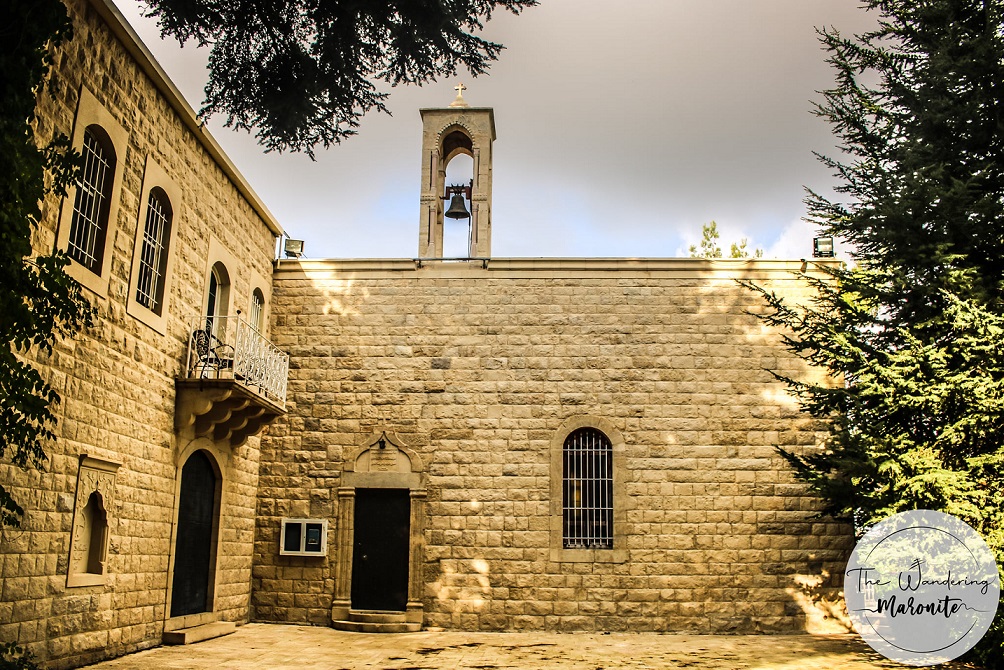
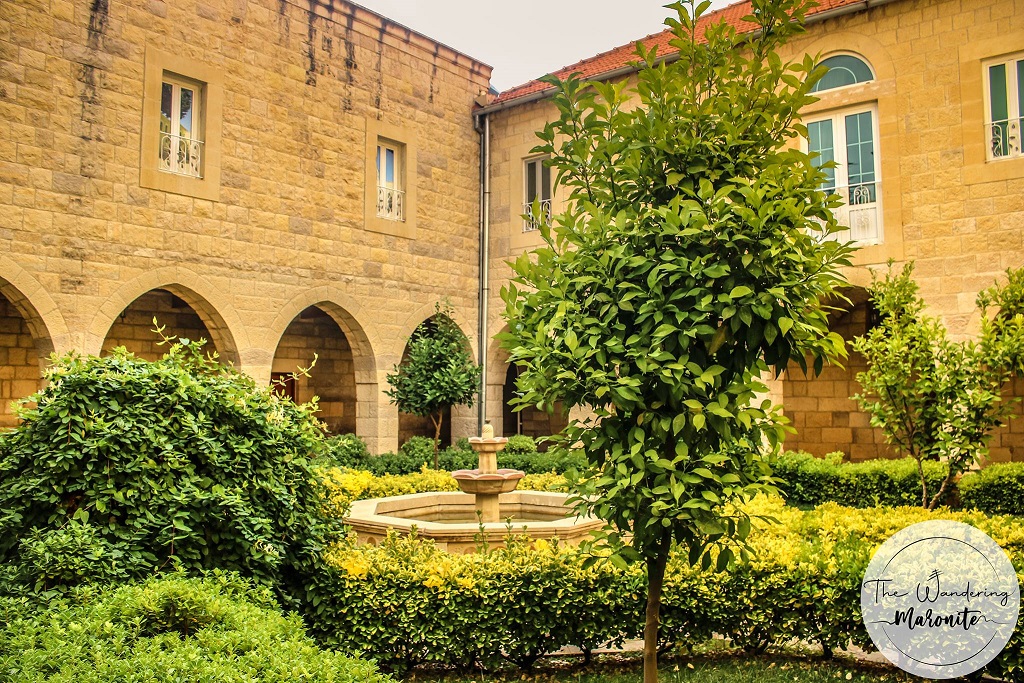
دير مار عبدا - دير القمر
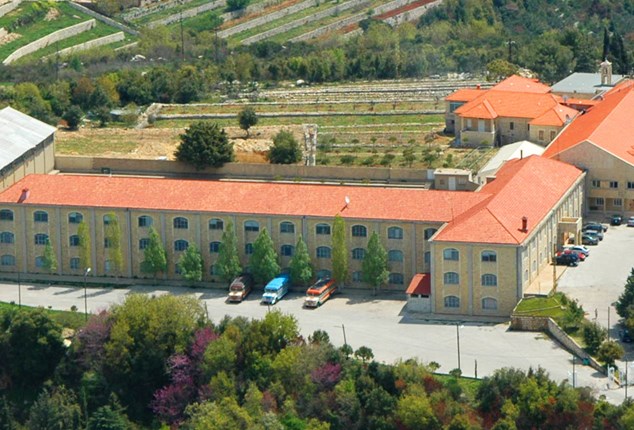
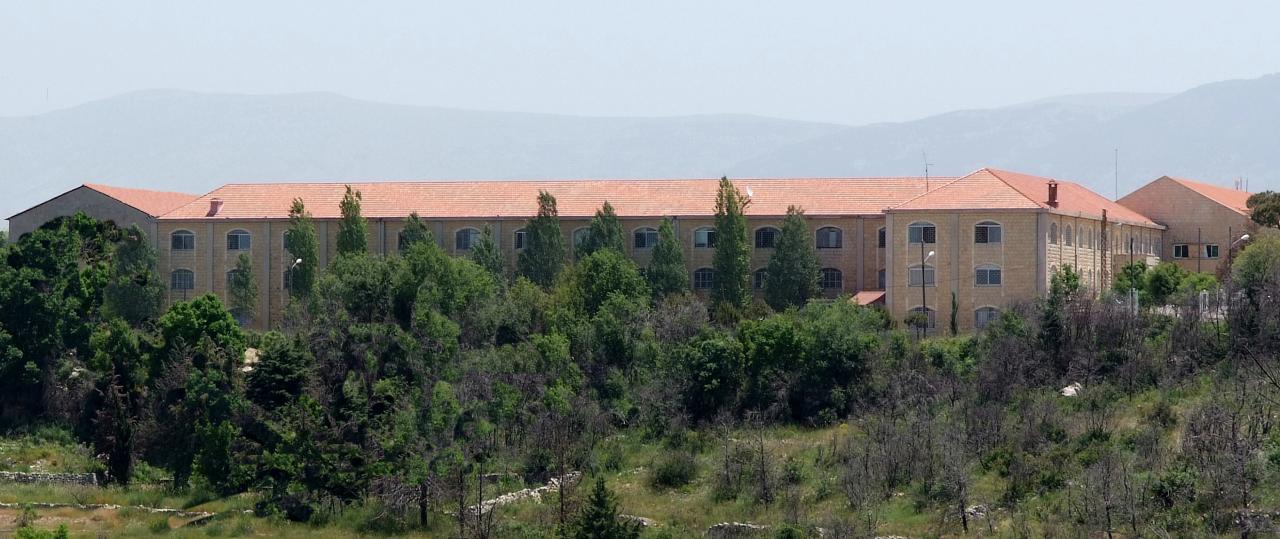
سنة ١٨٤٩، تأسّس الدير على يد الأب نعمة الله البكفاوي والأب بطرس الغزيريّ، بهدف خدمة النفوس في منطقة دير القمر. سنة ١٨٩٥، على عهد الأب العام سابا دريان، اتمّ الاب المدبّر افرام حنين الديراني بناء الدير، وأنشأ مدرسة لأبناء الرهبانية. سنة ١٩٦٣، تمّ بناء مدرسة مار عبدا. سنة ٢٠٠١، تمّ إفتتاح فرع لجامعة سيّدة اللويزة في الدير مكان الثانويّة الرسميّة وفرع للجامعة اللبنانية. سنة ٢٠٠٥، تم ترميم الدير وإصلاح غرفه والصالون والاقبية ليستقبل الرهبان والحركات الرسولية. يتميّز الدير بهندسته الفريدة وهي مزيج من فنّ العمارة اللبنانيّة والحلبيّة.
The monastery of St. Abda - Deir el Qamar
The monastery was built in 1849, to provide pastoral and spiritual assistance in Deir el Qamar. In 1895 during the mandate of Abbot Saba Derian the monastery was completed and a monastic school was erected. In 1963 the school was renewed and opened to the public. In 2001 a branch of NDU and of the Lebanese University were opened next to the monastery. In 2005 the monastery was renewed. The building is a great late 19th century witness to Lebanese architecture with elements of Aleppo’s art and arabesque.
دير سيّدة القلعة - منجز بنى الأمير البيزنطيّ فيليكس قلعةً على ضفاف النهر الكبير، على بقايا هياكل فينيقيّة ورومانيّة. سنة ١١٢٨ رممّ الأمير الصليبيّ جيلبير دي بوي لوران القلعة، ثم باعها لأمير طرابلس ريموند سان جيل. بعد ذلك استولى فرسان القدّيس يوحنا على القلعة وبنوا فيها معبدًا على اسم شفيعهم مار يوحنّا. تعرض الدّير في حقباتٍ عديدةٍ للخراب. وأثناء انتقال الملك الظاهر بيبرس الى القبيات في طريقه الى حصن عكار استولى على الدير والقلعة. بعد رحيل المماليك تحوّل الدّير إلى مزارٍ مريميّ. أواسط القرن التاسع عشر رمّم الدّير يوسف المريض من منجز، وتنسّك به. سنة ١٨٩٢ تسلّم الدّير الآباء اليسوعيّون فبنوا الكنيسة الجديدة، وأقاموا مدرسةً سنة ١٨٩٥. سنة ١٩٢٥ تسلّمت الرهبانيّة اللبنانيّة المارونيّة الدّير. تعرّض الدّير للخراب خلال الحرب الأهليّة، وعاد إليه الرهبان بداية التسعينيّات. الكنيسة مبنيّة بالحجر البركانيّ الأسود، بسوقٍ واحد وعقد سريريّ، تضمّ الكنيسة العديد من اللوحات الغربيّة ومذبح خشبيّ أوروبيّ الصنع. The monastery of Our Lady of the fortress - Menjez The Byzantine prince Felix built a castle over phoenician and roman ruins, that the Crusader prince Gilbert de Pui Lorain took in 1128, then he sold it to the prince of Tripoli Raymond de Saint Gilles. After that the knights of St John took the castle and built a monastery dedicated to St John. With the Mamelouk invasion the monastery was sabotaged when king Zaher Bibars took over Tripoli. After the Mamelouks left, the locals converted the ruins into a Marian shrine. In the mid XIXth century, a local named Youssef el Marid renewed the monastery and made it a hermitage. In 1882 the Jesuits took over, rebuilt the church, and built a school in 1885. In 1925 the Lebanese Maronite Order took the monastery and the school. During the civil war the monastery was sabotaged, the monks didin’t return to the mission until the nineties. The church is made of black bazalt, it is a single nave crib vaulted structure. The church holds many western paintings, and a wooden European high altar.
كنيسةٌ بيزنطيّة بعقدٍ سريريّ وحنية نصف دائريّة، مبنيّة فوق أنقاضٍ رومانيّة. تقع الكنيسة في موضعٍ أثريّ غنيّ بالنواويس والآثار. رمّمت الكنيسة في القرن العشرين وأُضيفت إليها قبّة جرسٍ.
The Church of Our Lady of the Farm - Bejjeh
The church is a Byzantine church, with its structure consisting of a rib vault and a semicircular apse. The church was built over Roman ruins in a historic necropolis. It was renovated in the 20th century, and a bell tower was added.
House and the Church of St. God's grace (Neamtallah) Hardini Lebanese Maronite Order, Hardine, Lebanon
بيت وكنيسة القديس نعمة الله الحرديني
Hardine
Batroun
North
Hardine’s name is derived from the Syriac language meaning ‘pious’, Witness of justice, Ardent in faith and Square of religion.
It is located about 1100m. above sea level. A large area of very thick forests surrounds it and the following ruins of its inveterate past decorate its mountain terraces:
-The «rocky tile of Hardine» with its marine fossils and its unique length of 350 m along a slope to the west and its width of nearly l00m. Some one said, «The three most beautiful in Mount Lebanon are the valley of Kannoubine, The Palace of Beit Eddine and the tile of Hardine».
–The Temple of God Mercury With 30 majestic pillars built according to the rare ionic style. This temple known as «the roman Palace of Hardine». It’s a really fantastic one; it goes back to the time of Emperor Hadrian Augustus (117-137 A.D).
-“St Fawka’s” monastery (6th century)
-“Patriarchal monastery” since the Maronites came to Lebanon, known as “St. Sergios Alkarn”.
-“St John Alchakf” monastery, since the days of the Crusaders.
-“St Taqla” church in Beit Kassab square. It was the father of St Hardidni, who first started its renovation in the 19th Century.
-The church and hermitage of “St Stephan” in a hollow in a light rock over the Plain of Al Jawz River.
-The ruins of “St Richa’s” monastery, where the Syriac Diocese was moved between 1384 and 1598.
-The hermitages of “St Joseph”, “Ste Anne”, “St Ephram” the Syriac, “St Jacob Jesus’ brother” and “the pottery monastery” in the hollows of Kfarshira, and “the Lady of the Castle” in the hollow of the water spring.
-The Church of “St. Georges and Edna” which is distinguished Christian inscriptions (fish and cross).
-The churches of “St Elias”, “St Challita and Nohra” in the hollows engraved in the rocks, the old parish churches, like “St. Sergios and Bacchus” (rebui1t in 1932). “the Lady of deliverance” (rebuilt in 1948). The current one is St. Shayna” (1844), and finally the church of “St. Tadros” with its maronite alter, The two rebuilt churches of “St. Antonios of Padova” (1907), “St. Thomas” (1950) and the church of “Ste Theresa of the Baby Jesus” (1946).
-The monastery of St. Hardini» built with the donations of the people from Hardine in Lebanon and all over the world.
– Hardine is the hometown of one of Lebanon’s four saints, Saint Nimatullah Hardini (1808-58) who was canonised by Roman Catholic Pope John Paul II in 2004.
The village is naturally protected by the valleys and the rocky mountains around it making it an ideal place for the then new religion (Christianity) to flourish.
Legend has it that in 270AD, a Roman official imprisoned his daughter in Hardine for converting to Christianity. She converted many others in Hardine to the Christian faith.
Reviews are disabled, but trackbacks and pingbacks are open.