
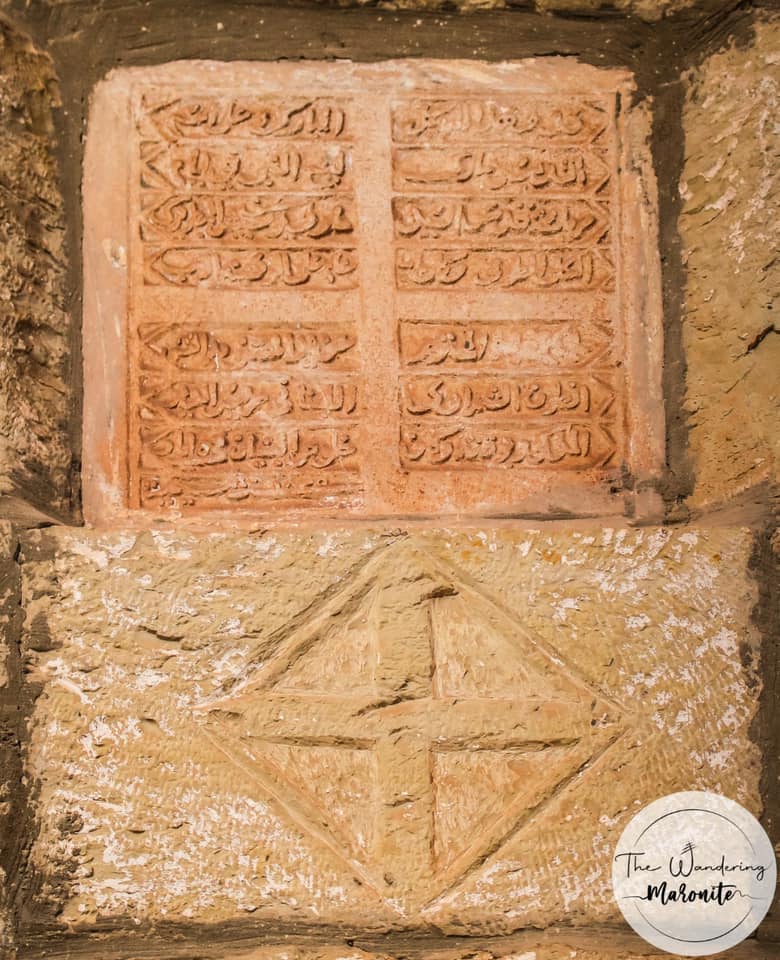
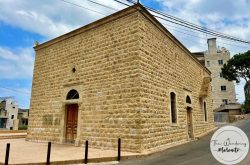
Bcharre – The old monastery of Prophet Elishah

Saint Elisha the Prophet, Bcharre - Tannourine Road, Lebanon

Other Details

دير مار أليشاع القديم

Bcharreh

Bcharre

North

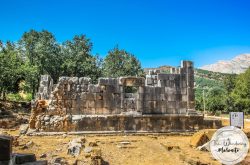
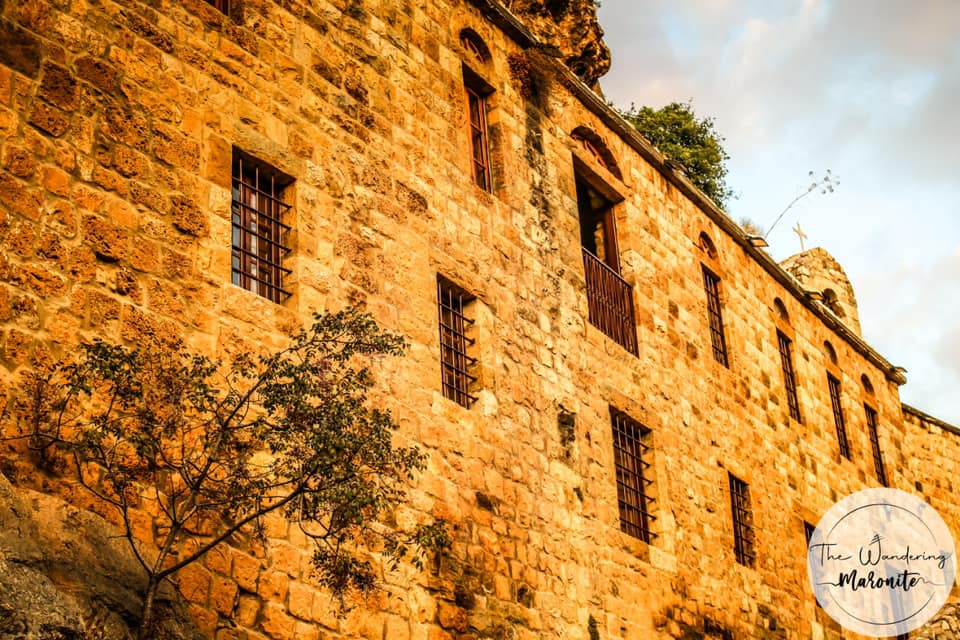
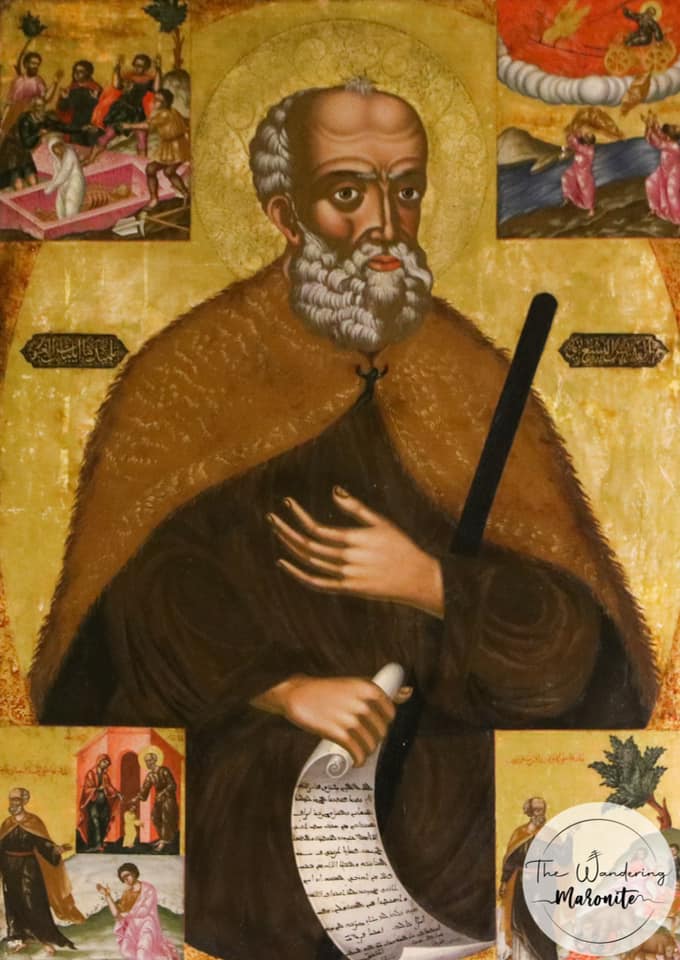
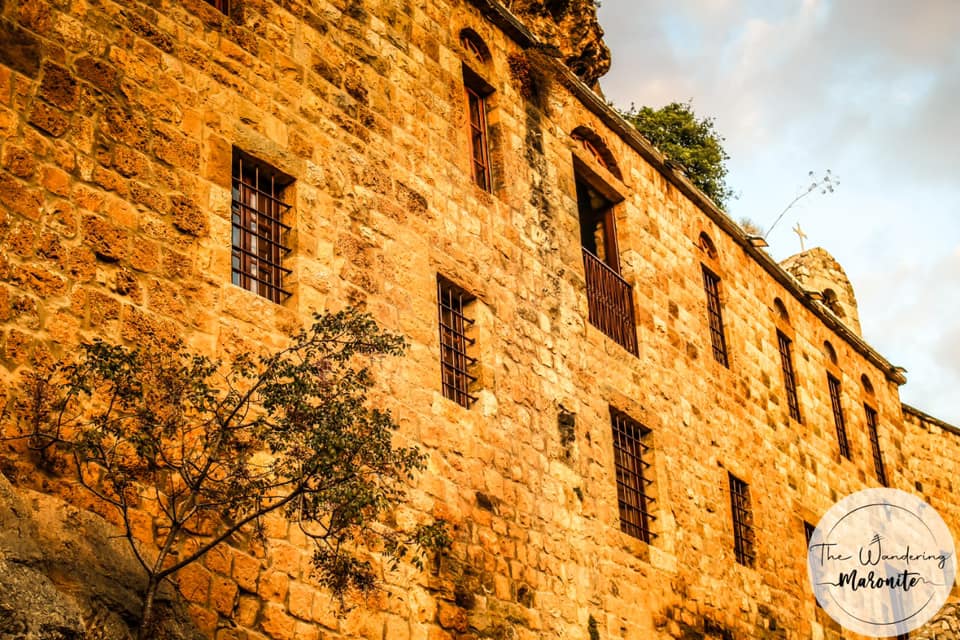
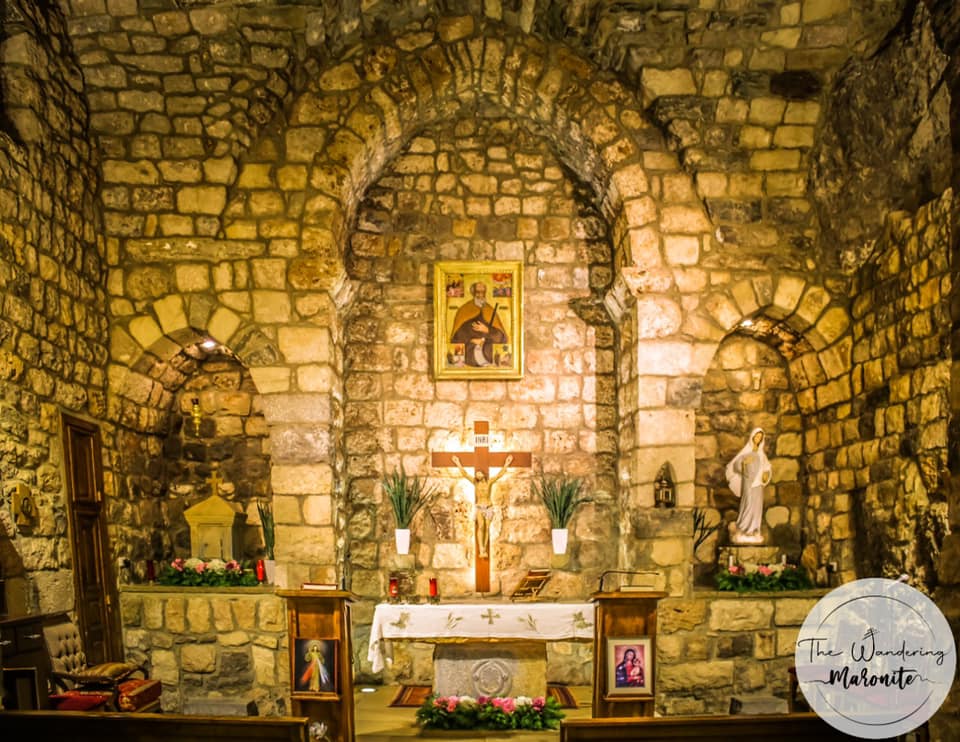
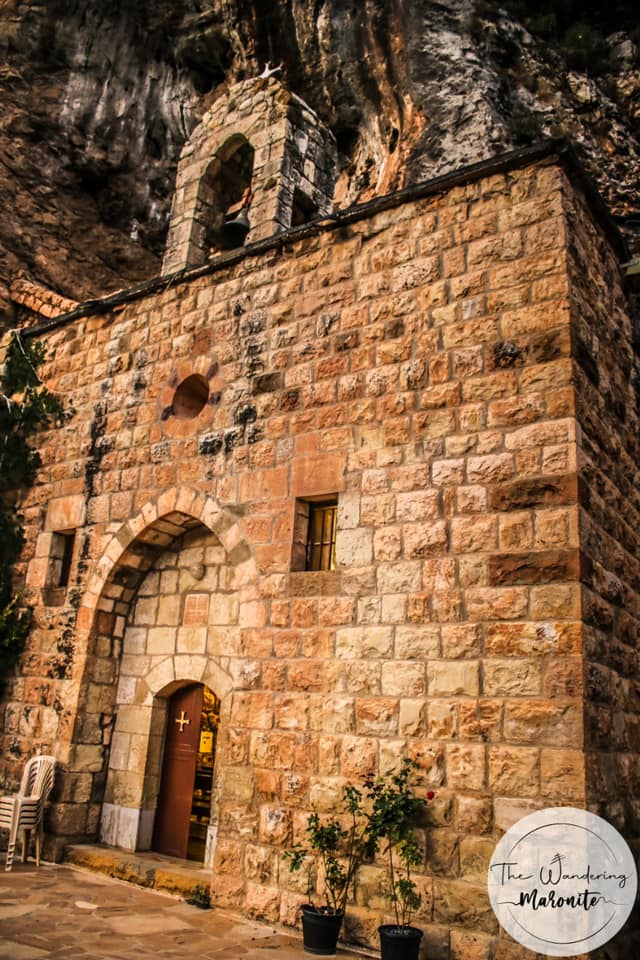
دير مار أليشاع القديم - بشرّييقع الدير في وادي قنّوبين على السفح أسفل مدينة بشرّي. أولى الإشارات لوجوده تعود لسنة ١٣١٥، حين كان الدير مقرًّا لأساقفة بشرّي.سنة ١٦٤٣، قطنه الرهبان الكرمليّون وهم أوّل إرساليّة أجنبيّة خدمت الموارنة. سنة ١٦٤٤، توفّي فيه برائحة القداسة، الناسك الفرنسيّ فرانسوا دي شاستوي. سنة ١٦٩٥، تسلّمت الرهبانيّة الحلبيّة اللبنانيّة الناشئة الدير من اهالي بشرّي، فأعاد الرهبان بناءه، وأقاموا فيه مدرسةً، وجلبوا من حلب أيقونة مار أليشاع. في ١٠ تشرين الثاني ١٦٩٨ إنعقد فيه أوّل مجمع للرهبانيّة، وفيه وُضع القانون الرهبانيّ الذي ثبّته فيما بعد البابا أقليمنضوس الثاني عشر وأهدى بدوره الدّير بيت قربانٍ وذخيرة مار مارون. أصبح الدّير محبسةً بعد بناء الدّير الجديد سنة ١٨٧٤، وكان آخر حبسائه الأب أنطونيوس طربيه (+١٩٩٨). وهو اليوم محجّ ومقصد للعزلة والصلاة.The old monastery of Prophet Elishah - BcharreThe monastery is situated in the holy valley of Qannoubin, on a cliff underneath the city of Bcharre. The oldest signs of it’s existence date back to 1315 when it was the seat of Bcharre’s bishops.In 1643 it was the headquarters of the Carmelites, the first western missionaries to the Maronites.In 1644 the saintly hermit Francois de Chasteuil died and was buried in the monastic church.The newly founded Lebanese Aleppan Maronite took the monastery as it’s headquarter in 1695 and bought the icon of Prophet Elishah from Aleppo. On the 10th of November 1698 the first monastic council was held and the new monastic rules where promulgated. They where later acknowledged by Pope Clement XII who gave the monastery a tabernacle and a relic of St Maroun.The monastery was used as a hermitage after the construction of the new monastery in 1874. The last of the hermits was Father Antonios Torbey (+1998). The monastery is now a shrine for pilgrims who seek solitude.

Visited 2642 times, 1 Visit today
Reviews are disabled, but trackbacks and pingbacks are open.

Related Listings

Mazraat Yashou’ – The Church of the Holy Martyrs, Disciples of St. Maroun

St. Maroun Church, Mazraat Yachoua, Lebanon

كنيسة تلاميذ مار مارون

Mazraat Yachouaa

Metn

Mount Lebanon

كنيسة تلاميذ مار مارون - مزرعة يشوع

بُنيت الكنيسة الأولى شرفيّ البلدة أواخر القرن الثامن عشر. أعاد الأهالي بناء الكنيسة سنة ١٨٨٣ في موقعها الحاليّ. البناء كناية عن عقدٍ مُصالب ينتهي بحنية نصف دائرية. رمّمت الكنيسة أواخر القرن العشرين.

The Church of the Holy Martyrs, Disciples of St. Maroun - Mazraat Yashou’

The first church was built at the end of the XVIII century east of the village. The villagers rebuilt it in its current location in 1883. The structure is a cross-vault with a semi-circular apse. The church was restored during the nineties.

Aqoura – The church of Sts Peter and Paul

Saint Peter and Paul, Aaqoura, Lebanon

كنيسة مار بطرس وبولس

Aaqoura

Jbeil

Mount Lebanon

كنيسة مار بطرس وبولس - العاقورة

الكنيسة عبارة عن مغارة كانت مدفنًا لكهنة أدونيس وتحوي عدّة نواويس، وثلاث اعمدة تنضح الماء كانت قديمًا لنذور العواقر. وثّق المغارة العالم إرنست رينان والمفوّضيّة السّامية الفرنسيّة، لكنّ العديد من معالم المدفن خرّبت جرّاء البحث عن الطمائر. على الجدار الشرقيّ داخل الكنيسة كتابة منقوشة باللغة السريانيّة وهي مختلفة من حيث الاسلوب، لأنّها منقوشةٌ بشكلٍ عاموديٍّ وليس افقياً. وقد فسّر علماء الآثار هذه الظاهرة أنّه في القرن السابع للميلاد زمن الامويّين ذهبت بعثات نسطوريّة الى الصين. وهذا ما يفسّر الاسلوب العامودي في الكتابة الآراميّة المنقوشة، فهؤلاء تأثروا بالكتابة الصينيّة العاموديّة كالكتابات السريانيّة في شيان التي تعود للحقبة نفسها. رمّم المذبح سنة ١٨٩٥، والواجهة الأماميّة سنة ١٩٥٢.

The church of Sts Peter and Paul - Aqoura

The church was a funerary cave for the priests of Adonis, it holds many sarcophaguses and three columns that pour water. The cave was studied by Ernest Renan and the archeologists of the French high commissariat. The church holds a VIIth century Syriac calligraphy that is distinct since it was written vertically, which relates to the Nestorian monks who went to missions during the Umayyad era and reached China. There they were influenced by the mandarin calligraphy and began writing Syriac in this manner. The stella of Xian uses the same type of writing and dates back to that era. The church was plundered by tomb raiders, the high altar was restored in 1895, and the entrance in 1952.

Yanouh – The blue monastery of St George

Mar Gerges Blue Yanouh, Mghayra, Lebanon

دير مار جرجس الأزرق

Yanouh Jbayl

Jbeil

Mount Lebanon

دير مار جرجس الأزرق - يانوح

البناء أساسًا كان معبدًا فينيقيّ ثمّ رومانيّ. عُرف بالأزرق نسبةً للون الحجر الكلسيّ. مع قدوم المسيحيّة حُوّل المعبد إلى ديرٍ على اسم مار جرجس وكان الأكبر في جبّة المنيطرة. إختاره البطريرك يوحنّا مارون الثاني مقرًّا له سنة ٧٥٠، وذلك لصعوبة الوصول إليه، ولأن يانوح بحسب البطريرك الدويهيّ: "كانت من أشرف المجالِس في جِبَة المنيطرة وأهلها كثيرو العِبادة والغيرة". بقيت يانوح مقرًّا بطريركيًّا شبه ثابتٍ
ما بين ٧٥٠ و١٢٧٧، لأن البطاركة تنقلوا مابين سنتيّ ١١٢٠ و١٢٠٠ بين ميفوق وهابيل ولحفد. بنى البطاركة بقرب المعبد كنيسةً صغيرة خاصة للبطاركة وأقبية وغرف. وبنوا كنيسة السيّدة خارج المحلّة. أقام البطاركة في يانوح، ما مجموعه أربعماية واثنتان وثلاثون سنة، منها ثلاثمائة وسبعون سنةً متواصلةً دون إنقطاع. مع قدوم الصليبيّين في عهد البطريرك يوسف الجرجسيّ إستبشر الموارنة خيرًا بحسب ابن القلاعي، فأُعيد اتصالهم بروما، وعاشوا فترةً من الإزدهار، ويذكر التاريخ أنّه في تلك الحقبة إستبدل الموارنة نوافيس الخشب بنواقيس حديدٍ في يانوح. لكنّ الفترة الصليبيّة شهدت العديد من القلاقل والمعارك ممّا استدعى تنقلاتٍ عديدةٍ للبطاركة واتخاذهم عدّة مراكز. ومع رحيل الصليبييّن وحملة المماليك أُحرقت يانوح، ولم تُجرى أبحاث أركيواوجيّة على الموضع لحين الإنتداب الفرنسيّ بداية القرن العشرين.

The blue monastery of St George - Yanouh

The building was originally a Phoenician than a Roman temple consecutively. With the locals conversion to Christianity the temple was consecrated as a church dedicated to St George. In 750 Yanouh was chosen as a patriarchal seat, it remained a nearly consistent seat between 750 and 1277. The patriarchs built near the temple a patriarchal chapel, many vaults and cells and the church of the Virgin Mary outside of the complex. With the Crusades during the pontificate of Patriarch Youssef el Gergesy, the Maronites entered a golden age, they reconnected with Rome. Yet the latter Crusader’s period saw unrest and struggles, that was the reason why many patriarchs used to change residences. In 1277 the patriarchs moved out of Yanouh. The seat was completly abandoned after the Crusaders left and the Mamluk’s campaign that destroyed the village. The site was excavated by the french archeological missions in the early XXth century.