
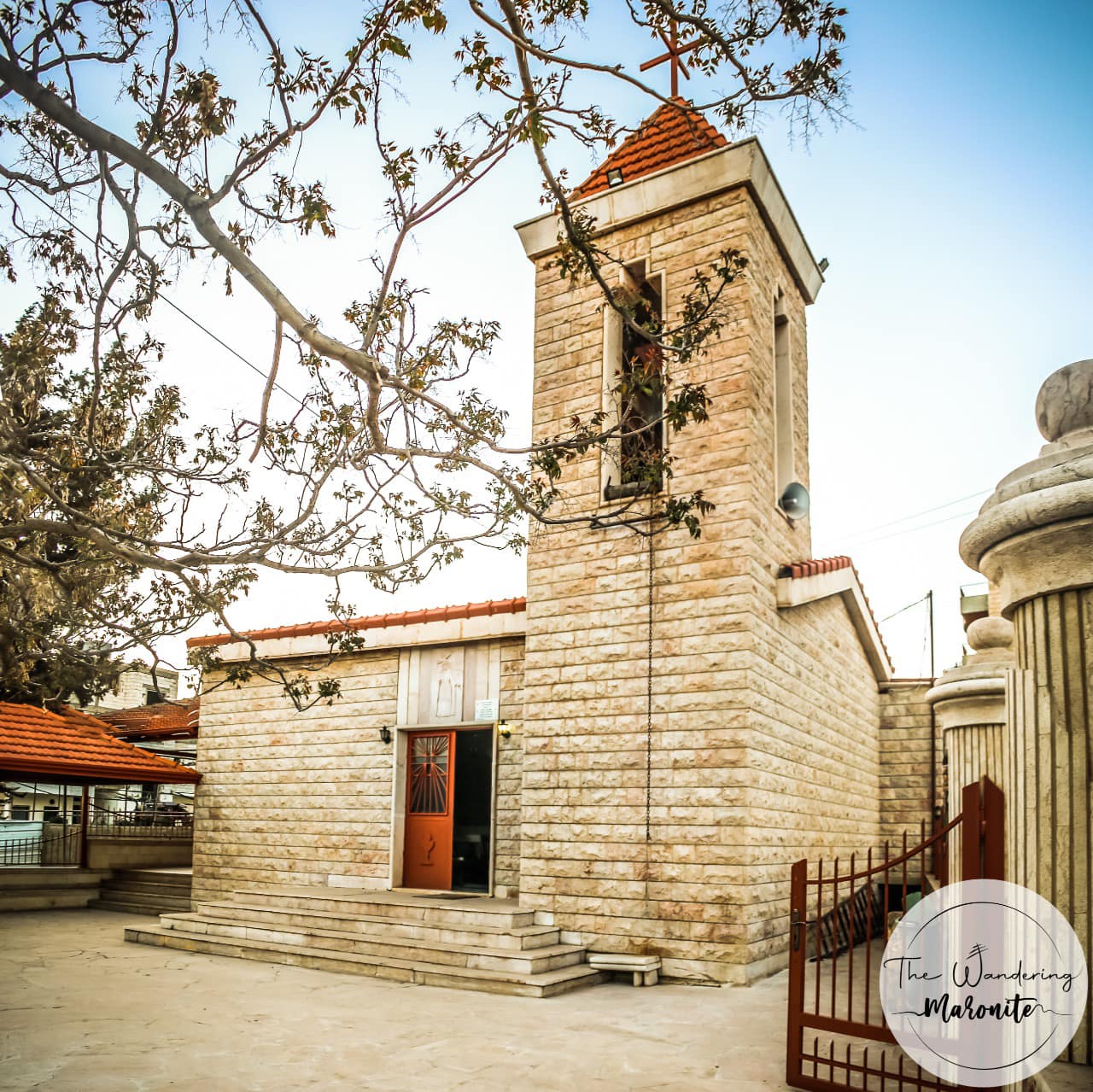
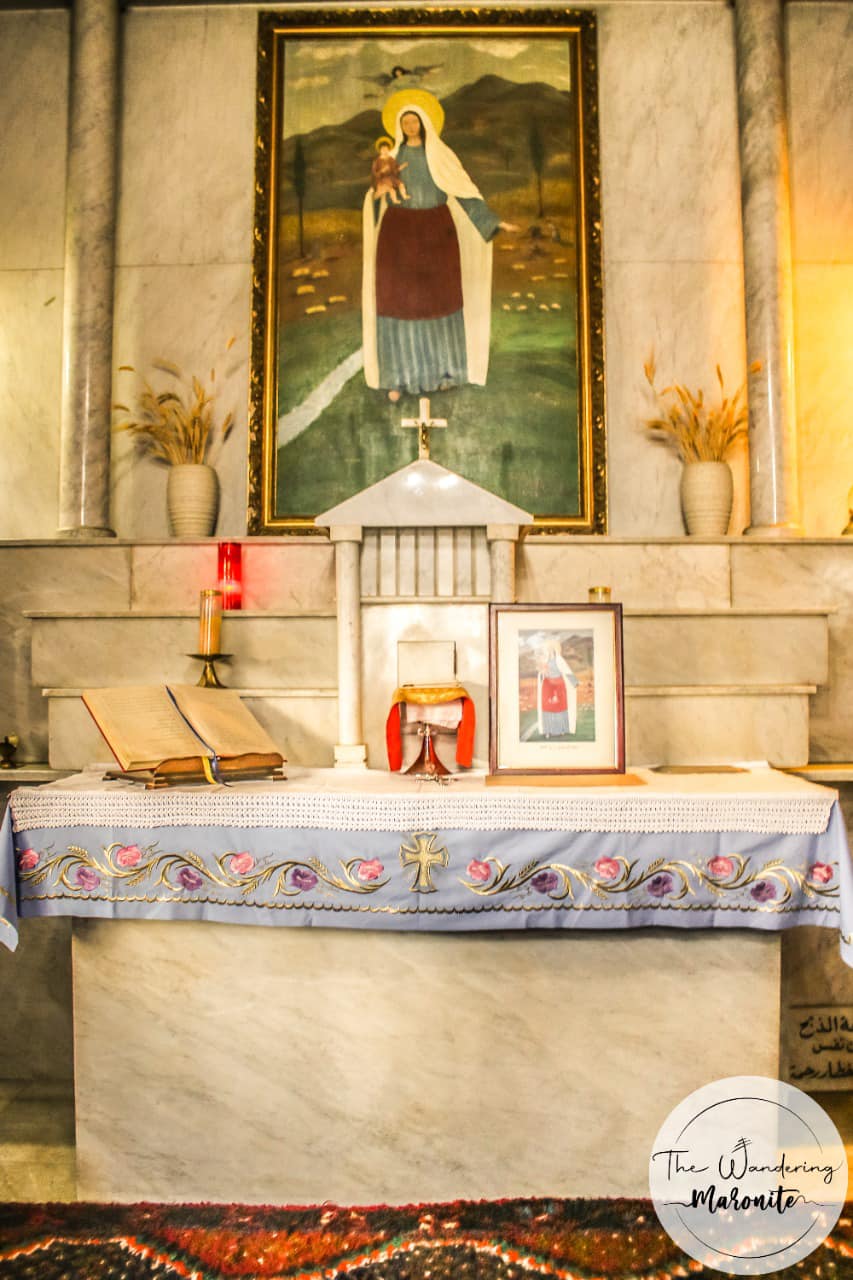
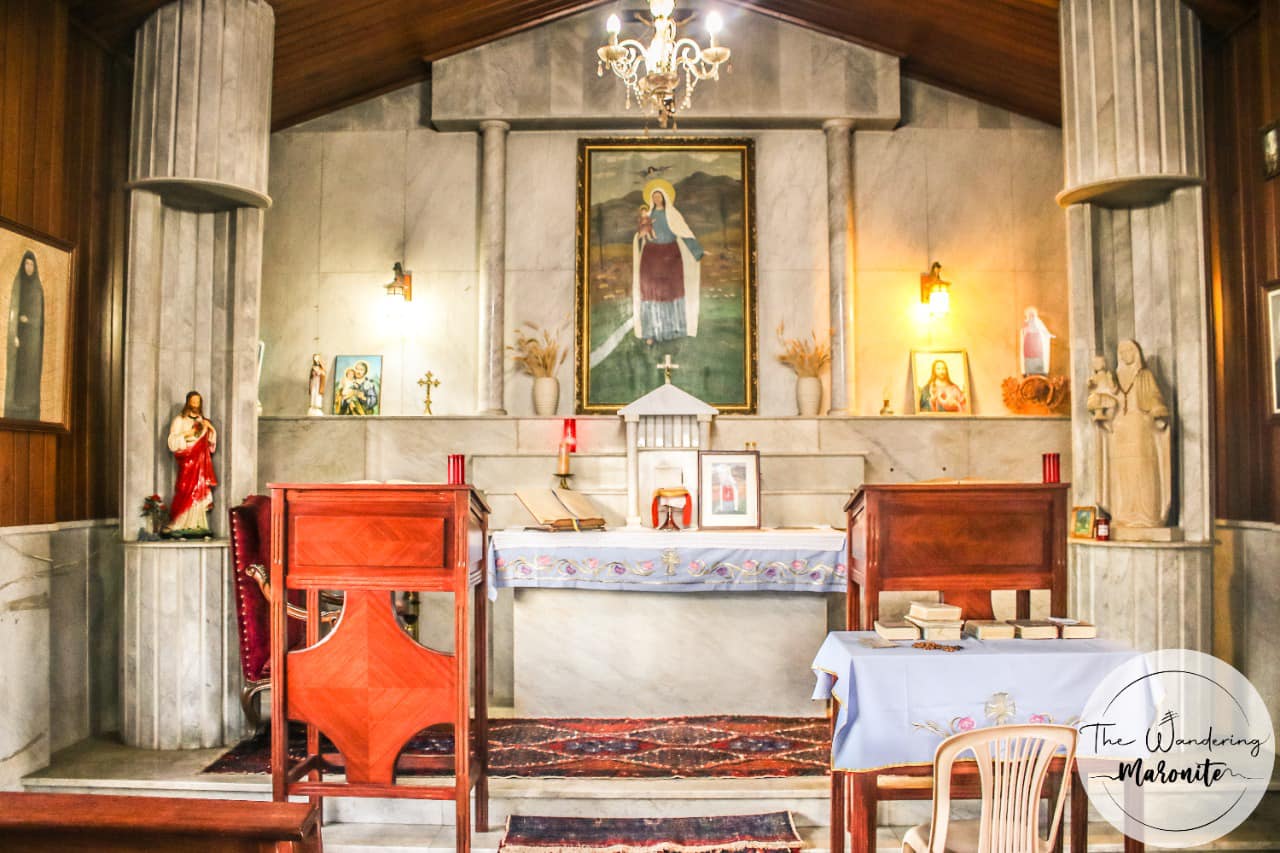
Deir el Ahmar – The Church of Our Lady of ٍSown

كنيسة سيدة الزروع Church of Our Lady of Sown, Deir Al-Ahmar, Lebanon

Other Details

كنيسة سيّدة الزروع

Deir El-Ahmar

Baalbek

Baalbek-Hermel

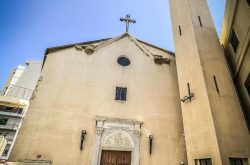
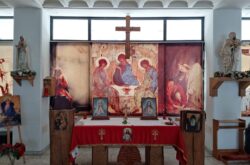
كنيسة سيّدة الزروع - دير الأحمرمنذ القرن السابع عشر سكن الرعاة النازحون من جبّة بشرّي والعاقورة بلدة دير الأحمر، وبدأوا ببناء كنيسة للسيّدة على اسم سيّدة الزروع بإذن مشايخ آل حرفوش، وحفروا بقربها بئراً. في الربع الأوّل من القرن السابع عشر سنة ١٦٢٥ انتُخب القس يوحنا من بيت قيزوح على دير مار اليشع بشري ودير الأحمر بحسب كتاب تاريخ الأزمنة للبطريرك الدويهيّ، وجُعلت هذه الكنيسة مقرًّا له. سنة ١٧٥٩ هُدمت الكنيسة بفعل زلزالٍ كبيرٍ ضرب المنطقة، ولم يبقَ منها سوى حجر عتبة الباب. أعيد بناء الكنيسة الحاليّة في النصف الثاني من القرن العشرين.The Church of Our Lady of ٍSown - Deir el AhmarFrom the beginning of the XVIIth century, many families of shepherds relocated from the regions of Bsharre and Aqoura to Deir el Ahmar. With the approval of the local lords of the Harfoush family, the locals began the construction of a church dedicated to our Lady of the Sown, and they dug a well near it. In 1625 Deir el Ahmar had a bishop as indicated by Patriarch El Douwaihy in his book Tarikh al Azmina where he talks about the monk John of the house Qaizouh bishop of the monastery of St Elishaa and Deir el Ahmar, this bishop had this church as a residence. In 1759 the church was destroyed by an earthquake and only a fraction of the tympant remained of the old church. The church was reconstructed in the second half of the XXth century.

Visited 3690 times, 2 Visits today

Reviews are disabled, but trackbacks and pingbacks are open.

Related Listings

Mayfouq – The monastery of Our Lady of Mayfouq

Mayfouk monastery lebanese maronite order, Maifouq, Lebanon

دير سيّدة ميفوق

Mayfouq

Jbeil

Mount Lebanon

دير سيّدة ميفوق - ميفوق

هو من الأديار القديمة في الكنيسة المارونيَّة،
بناه المرَدَةَ سنة ٨٥٠. إستولى عليه الحماديُّون حوالي سنة ١١٢١، مدَّةً من الزمن، فانتقل رهبانُه في أثنائها إلى دير سيِّدة إيليج. تَسَلَّمت الرهبانيَّةُ اللبنانيّة المارونيّة ديرَ ميفوق سنة ١٧٦٦، من الأمير يوسف الشهابيّ. انعقد في هذا الدير، مجمعًا إقليميًّا للكنيسة المارونيَّة، برئاسة القاصد الرسولي الأب بطرس دي مورينا و المطران ميخائيل الخازن سنة ١٧٨٠. سنة ١٨٥٠، أمضى فيه مار شربل سنة ابتداءٍ واحدة. أنشأت الرهبانيَّة معهدًا في الدير، سنة ١٩٢٢. وَمِن محفوظات دير سيِّدة – ميفوق، صورة سيِّدة إيليج الأثريَّة التي أُعيد ترميمُها بين سنتَي ١٩٨٢ ١٩٨٧. لعب الدّير دورًا على صُعُد التنشئة الرهبانيّة والوطنيّة دورًا بارزًا.

The monastery of Our Lady of Mayfouq - Mayfouq

One of the oldest Maronite monasteries built arround 850 by the Maradites. It was taken over by the Hamadi’s in 1121, and back then the monks moved to Ilige. The monastery was given to the Lebanese Maronite Order in 1766 by Prince Youssef Shehab. In 1780 a local Maronite council was held in the monastery presided by the papal delegate Fr Peter di Morina and bishop Mikael el Khazen. In 1850 St Charbel spent a year of his novitiate there. A school was founded by the order in 1922. The monastery holds the famous icon of our Lady of Ilige restored between 1982 and 1987. The monastery played a great national role and it was a major school of formation for the monks.

Aqoura – The church of Sts Peter and Paul

Saint Peter and Paul, Aaqoura, Lebanon

كنيسة مار بطرس وبولس

Aaqoura

Jbeil

Mount Lebanon

كنيسة مار بطرس وبولس - العاقورة

الكنيسة عبارة عن مغارة كانت مدفنًا لكهنة أدونيس وتحوي عدّة نواويس، وثلاث اعمدة تنضح الماء كانت قديمًا لنذور العواقر. وثّق المغارة العالم إرنست رينان والمفوّضيّة السّامية الفرنسيّة، لكنّ العديد من معالم المدفن خرّبت جرّاء البحث عن الطمائر. على الجدار الشرقيّ داخل الكنيسة كتابة منقوشة باللغة السريانيّة وهي مختلفة من حيث الاسلوب، لأنّها منقوشةٌ بشكلٍ عاموديٍّ وليس افقياً. وقد فسّر علماء الآثار هذه الظاهرة أنّه في القرن السابع للميلاد زمن الامويّين ذهبت بعثات نسطوريّة الى الصين. وهذا ما يفسّر الاسلوب العامودي في الكتابة الآراميّة المنقوشة، فهؤلاء تأثروا بالكتابة الصينيّة العاموديّة كالكتابات السريانيّة في شيان التي تعود للحقبة نفسها. رمّم المذبح سنة ١٨٩٥، والواجهة الأماميّة سنة ١٩٥٢.

The church of Sts Peter and Paul - Aqoura

The church was a funerary cave for the priests of Adonis, it holds many sarcophaguses and three columns that pour water. The cave was studied by Ernest Renan and the archeologists of the French high commissariat. The church holds a VIIth century Syriac calligraphy that is distinct since it was written vertically, which relates to the Nestorian monks who went to missions during the Umayyad era and reached China. There they were influenced by the mandarin calligraphy and began writing Syriac in this manner. The stella of Xian uses the same type of writing and dates back to that era. The church was plundered by tomb raiders, the high altar was restored in 1895, and the entrance in 1952.

Sarba – St George’s cathedral

St. Georges Cathedral sarba, Sarba, Lebanon

كاتدرائيّة مار جرجس

Jounieh Sarba

Keserwan

Mount Lebanon

كاتدرائيّة مار جرجس - صربا

سنة ١٨٦٩ اذ كان المطران يوحنّا الحاج (البطربرك لاحقًا) أسقفًا على بعلبك، وكانت صربا تابعة له، إشترى قطعة أرضٍ من بطريركيّة الروم الملكيّين الكاثوليك. فبنيت الكاتدرائيّة بسعي الخوري بولس الأشقر البجّاني. مع موت البطريرك الحاج سنة ١٨٩٠، ضمّت صربا إلى أبرشيّة دمشق. وسنة ١٩٦٠ فصلت عن دمشق لتصبح منطقة صربا نيابةً بطريركيّةً مركزها هذه الكاتدرائيّة. يتميّز بناء الكاتدرائيّة بتصميمٍ بازيليكيّ بسوقٍ واحدة وثلاث مذابح. اللوحات التي تعلو المذابح من عمل الرسّام داوود القرم وتعود للأوائل القرن العشرين.

St George’s cathedral - Sarba

In 1869 Mgr.John el Hajj (later patriarch) archbishop of Baalbeck, since Sarba was a dependency of Baalbeck back then, bought a parcel of land from the Melkite Catholic patriarchate to build a church. The construction of the new church began with Fr Boulos al Achkar el Bejjany. When Patriarch el Hajj passed away, Sarba was transferred juridically from the see of Baalbeck to the see of Damascus. In 1860 Sarba was proclaimed an independent ecclesiastical province, a patriarchal vicariate with the cathedral at it’s center. The structure is a single nave with three apses, and three altars. The church holds three early XXth century paintings by Daoud el Qorm.