
Qattyn – The monastery of Sts Peter and Paul

Deir Mar Botros Wa Boulos - Qattine, Qatin, Lebanon

Other Details

دير مار بطرس وبولس

Deir El Qattine

Jezzine

South

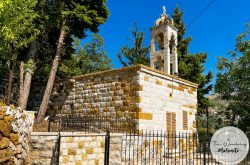
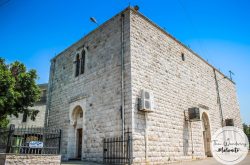
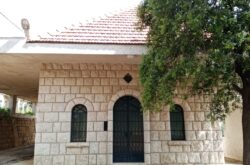
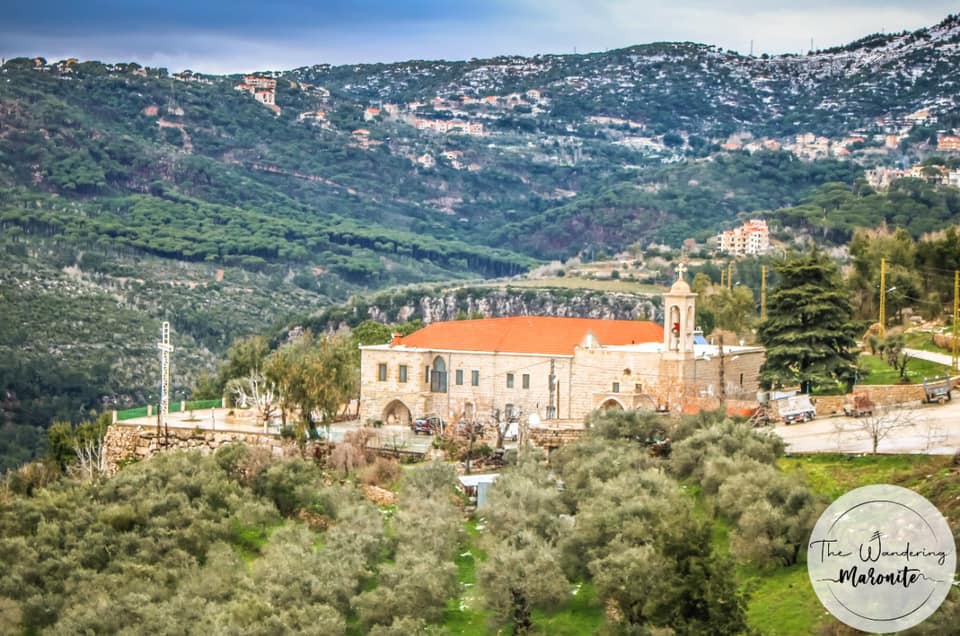
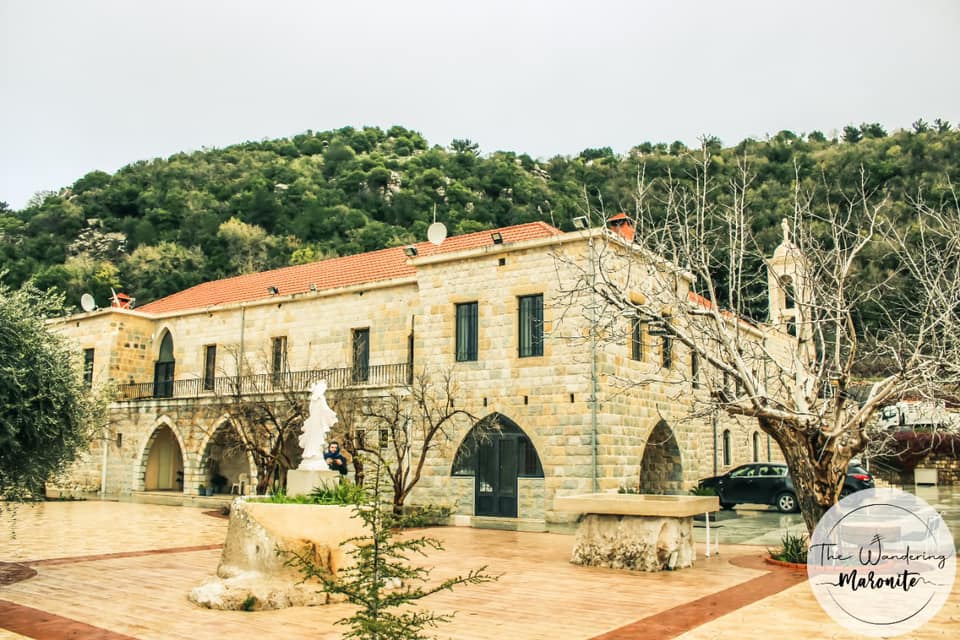
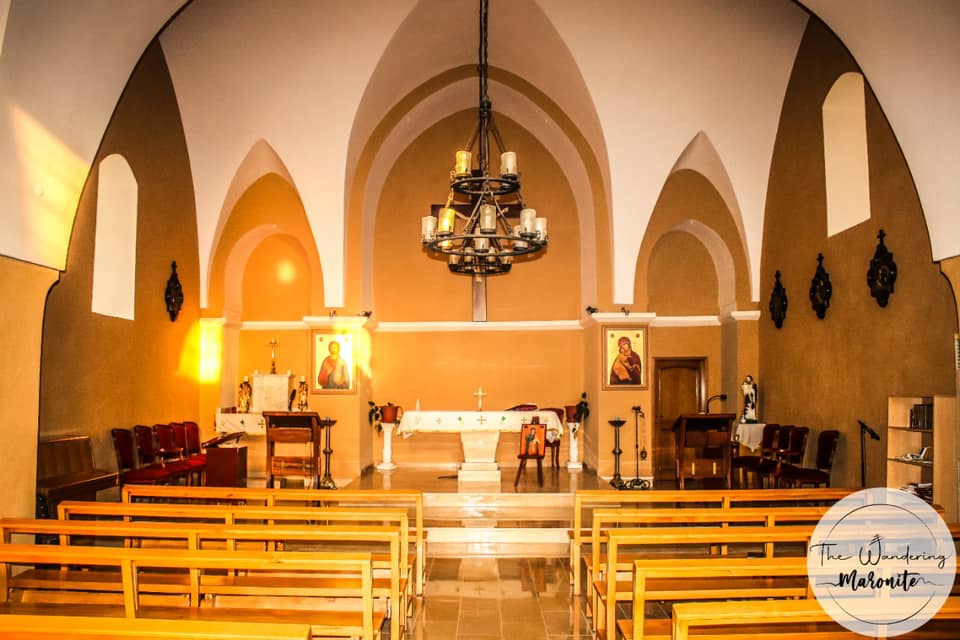
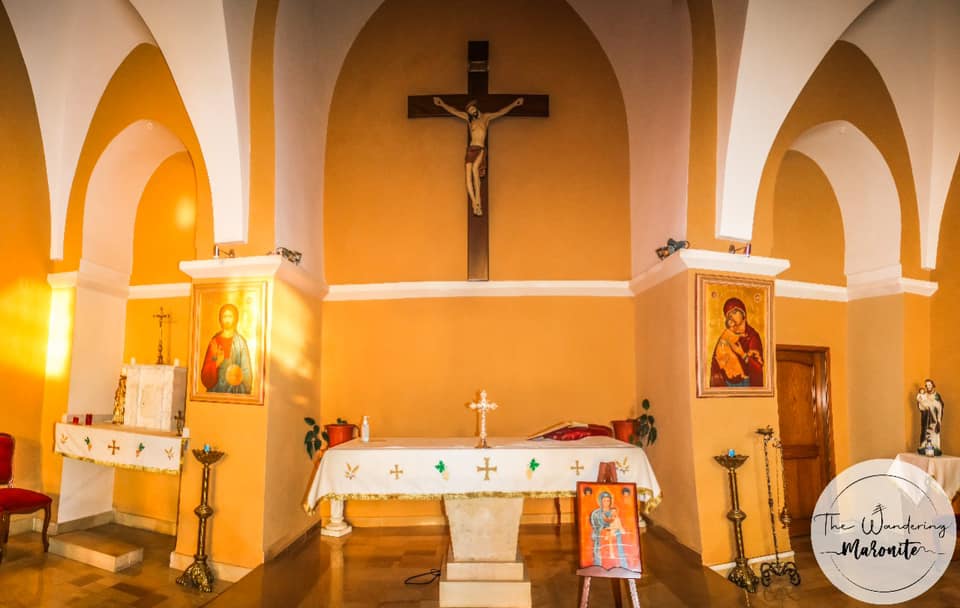
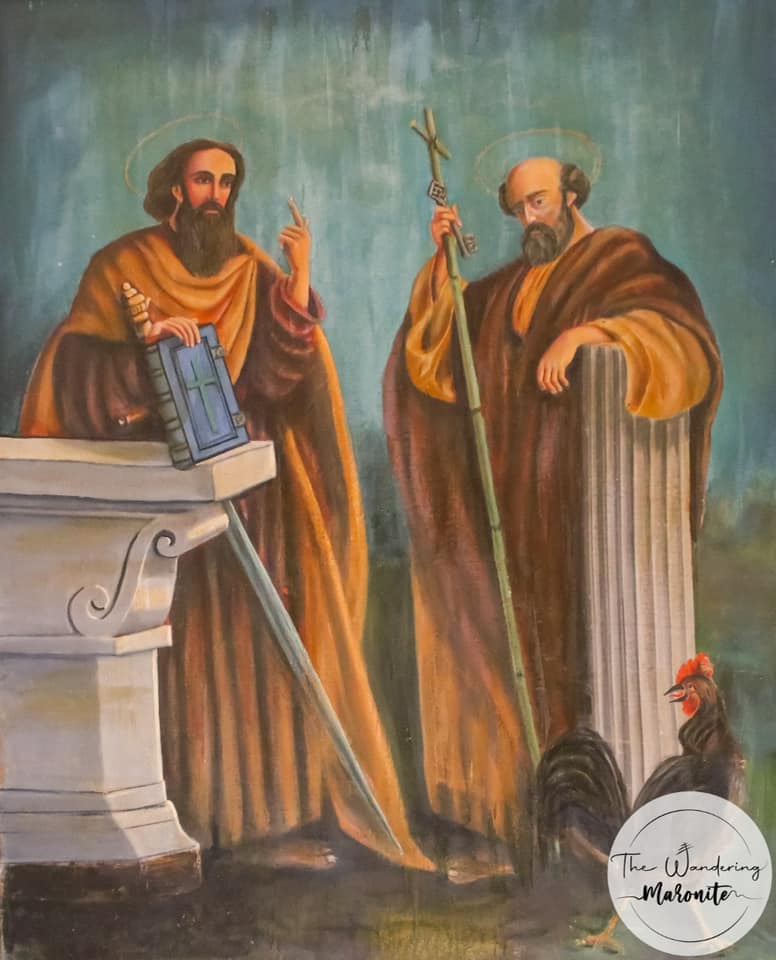
دير مار بطرس وبولس - قطّينبناه المطران سمعان عوّاد الحصروني سنة ١٧٣٦ أيّام حبريّة البطريرك يوسف ضرغام الخازن، وكان مزرعةً صغيرة. سلّم المطران الدّير للرهبانيّة الأنطونيّة المارونيّة سنة ١٧٦٠، فبنى الرهبان الكنيسة ووسّعوا الدّير واستُخدم فترة قصيرة كدير للراهبات العابدات الأنطونيّات. سنة ١٨٦٠ تعرّض الدّير للتخريب إبّان الأحداث الطائفيّة. أعيد ترميمه ليخدم رسالته وجلبت للكنيسة لوحة إيطاليَة لمار بطرس وبولس مع الذخيرة الرسوليّة. سنة ٢٠١٧ بنيت بقرب الدّير محبسة مكرّسة لمار يوسف حارس الفادي.The monastery of Sts Peter and Paul - QattynThe monastery was built in 1736 by bishop Gebrayel Awad from Hassroun, and consisted of a small farm. In 1760 the bishop handed over the monastery to the Antonine Maronite Order, who enlarged the building and built the church. The monastery was shortly used as a nunnery for solitary Antonine nuns. The monastery was devastated in the war of 1860. After the war it was renewed, an Italian painting and the apostolic relic where brought from Rome and enshrined in the church. In 2017 a hermitage dedicated to St Joseph the guardian of the Redeemer was built near the monastery.

Visited 3059 times, 2 Visits today

Reviews are disabled, but trackbacks and pingbacks are open.

Related Listings

Haqel – The church of our Lady of Almonds

Saint Mary -Haqel -Lebanon, 3arbit saydder, Haqel, Lebanon

كنيسة سيّدة اللوزة

Haqel

Jbeil

Mount Lebanon

كنيسة سيّدة اللوزة – حاقل

يعود بناء الكنيسة إلى القرن السابع للميلاد. البناء كناية عن عقدٍ سريريّ ينتهي بحنية. هي من أقدم الكنائس في لبنان، ويعود سبب تسميتها إلى رمزيّة اللوز في الكتاب المقدّس، فاللوزة هي أوّل شجرة تُزهر مُعلنة قدوم الربيع، وقد رأى الآباء في اللوزة رمزًا لإيمان مريم العذراء. كانت هذه الكنيسة منطلقًا للعلّامة إبراهيم الحاقلاني قبل ذهابه إلى روما سنة 1616، وللحاج سلهب الحاقلاني مؤسس دير سيّدة اللويزة – ذوق مصبح سنة 1682. تضمّ الكنيسة نقوشًا صليبيّة على الكلس، لوحة السيّدة من القرن السادس عشر، ونسخة أحدث عنها، مذبح أساسيّ رخاميّ يعود لسنة 1923، ومذبح خلفيّ خشبيّ.

The church of our Lady of Almonds - Haqel

The church was built in the VIIth century. The structure consists of a crib vault. It is one of the oldest churches in Mount Lebanon. The origin of the name Lady of Almond is Biblical, the almond tree being the first tree that blossoms announcing spring. Early Church fathers saw in the almond tree a symbol of the Virgin Mary. The church was the parish of Ibrahim Haqlany before he went to Rome in 1616, and the monk Salhab Haqlany founder of the monastery of Our Lady of Louaize Zouk Mosbeh in 1682. The church holds engravings dating back to the crusaders era, a XVIth century Marian icon and a latter replica, a main marble altar fron 1923, and a wooden altar at the end of the church.

Dlebta – Convent of Our Lady of the Fields

دير سيدة الحقلة، دلبتا، Lebanon

دير سيّدة الحقلة - دلبتا

1755

Dlebta

Keserwan

Mount Lebanon

دير سيدة الحقلة - دلبتا
يعود تأسيس دير سيدة الحقلة في دلبتا – لبنان إلى القرن السادس عشر على يد الخوري يوسف قصاف.
عام 1755 شيدت الكنيسة الكبيرة وحفر على عتبة بابها الصليب البطريركي الماروني.
راهبات سيدة الحقلة أو الراهبات الحبيسات المسؤولات عن الدير يقضين نهارهنّ في الصلاة، العمل اليدوي والزراعي.
هذا الدير الذي كان يجمع الراهبات والرهبان، قصد إحدى رهبانه من حوالي ٤٠٠ سنة تقريباً النمسا بهدف البحث عن جرس جديد حيث كُسر جرس الكنيسة الأساسي على يد الراهب نفسه.
وفي التفاصيل، أن ابنة الملك كانت مريضة وسمع هذا الراهب بهذا الأمر فتوجه الى البلاط الملكي وصلّى على الفتاة فشيت في الحال. فقال له الملك، ماذا تريد وكيف اردّ لك الجميل، فقال الراهب، اريد جرساً جديداً أصطحبه معي الى جبل لبنان. فأهداه الملك جرسًا وبيت قربان وكأس قربان ومذبحًا وغيرها من الأمور التي جاء بها الى الدير.
ومنذ ذلك التاريخ وهذه التّحف موجودة في الدير حتى يومنا هذا.

The monastery of our Lady of the fields - Dlebta
The monastery was built by the priest Joseph Asaf during the sixteenth century. The main church was built in 1755 and a patriarcal cross was engraved on it’s main door. The monastery is now occupied by a patriarcal contemplative order of nuns.
When it was built, the monastery was mixed with two communities: monks and nuns. 400 years ago a monk broke the church’s bell when he was ringing it, so he went to Austria where he had an audience with the emperor and asked him for a bell to be taken to Mount Lebanon.
After a healing miracle with an austrian princess, the emperor donated a bell, a great tabernacle, a high altar, and a chalice to the monastery. All of these baroque artifacts are still conserved in the monastery today.

Jezzine – Saint Joseph Church

Saint Joseph Church, Jezzine, Lebanon

دير مار يوسف - جزين

1807

Jezzine

Jezzine

South


سنة ١٨٠٤ رسم المطران يوحنا الحلو الخوري حنا رزق (المطران يوسف) كاهنًا، وفوّض إليه بأمر البطريرك يوسف التيّان حقوق النيابة وزيارة أبرشية صور وصيدا، فسهر على خيرها ملاحظًا شؤونها متجوّلاً في أنحائها. بعد قرابة الثلاثة أعوام من تعيينه نائبًا عامًا على أبرشية صور وصيدا، وبعد أن عرف حاجتها الى العلم، باشر الأب حنا رزق بإنشاء دير ومدرسة مار يوسف في جزين. عام 1810 توقف الأب حنا عن البناء وعاد الى عين ورقة ليصبح رئيسًا للمدرسة في غسطا. عاد المطران يوسف بعد احداث ١٨٦٠ ليبني الدير والكنيسة. ميزة بناء هذه الكنيسة هي عدم وجود اي عمود في وسطها ، وطراز شبابيكها، ونوع حجارتها والدرج الداخلي في حائطها الشمالي. واستقدم لها اللوحات من روما والمذابح الرخاميّة من المرمر الأبيض. وهي آية في الجمال المعماري. اللوحات من عمل رسام ايطالي انريكو سكيفوني. وهي اليوم وقف الآل رزق.

In 1804 Archbishop Youhanna el Helo ordained Hanna Rizk (later bishop Youssef) a priest, and gave him the mission with the blessing of Patriarch Tayyan to oversee as a vicar general the archdiocese of Tyr and Sidon. After three years in his mission, and seeing the urge for a seminary in the diocese, he began the construction of St. Joseph's Seminary in his hometown Jezzin. In 1810 the construction was delayed due to the appointment of Mgr. Rizk as a Rector in the Maronite Grand Patriarcal Seminary in Ain Warqa. Yet after the war in 1860 he resumed his initial project in Jezzin.
The church is unique in its architecture: a high cieling with no columns. The white marble altars are beautifully ornate. And the paintings are the work of the Italian Enrico Scifoni. The establishment is now a private chapel owned by the Rizk family.