
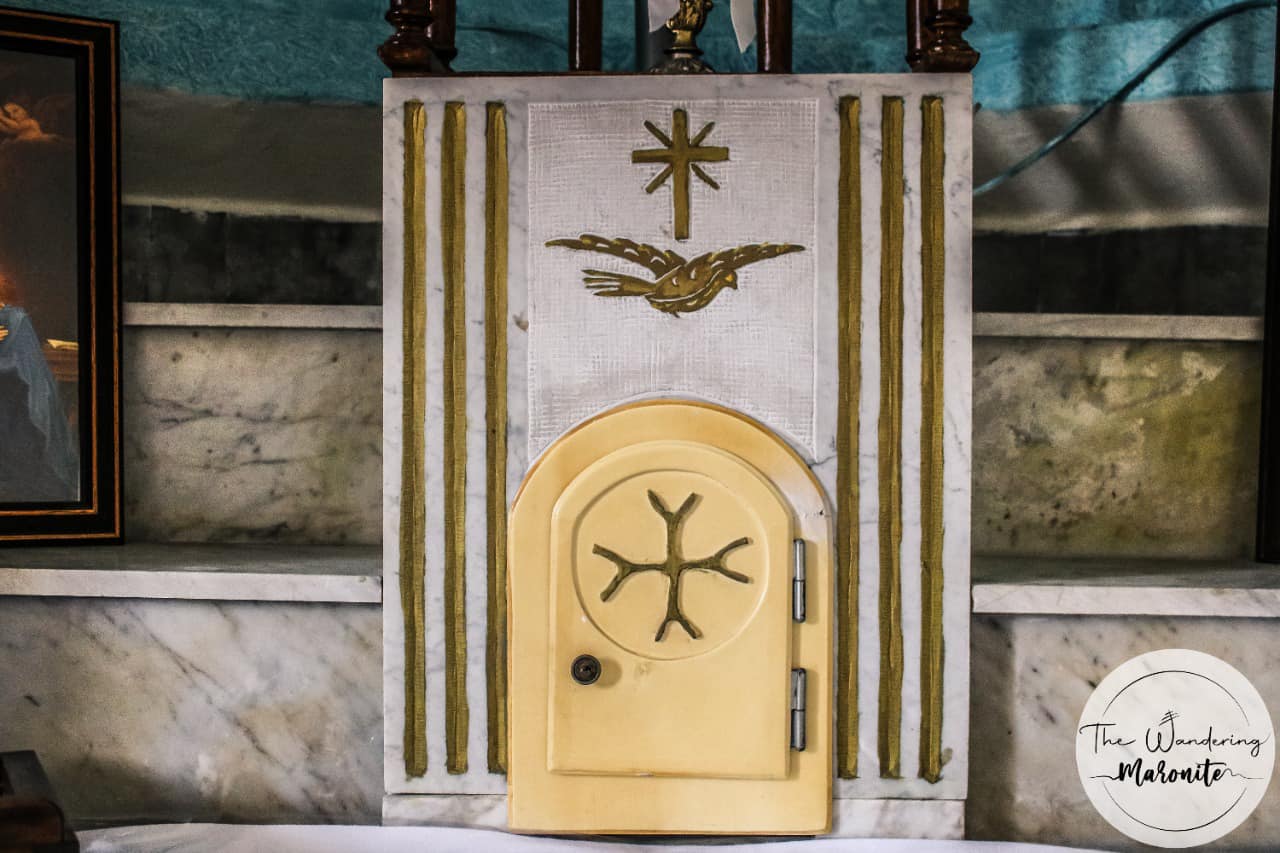
Darb el Sim – The old church of Our Lady of the Annunciation

Darb El Sim, Lebanon

Other Details

كنيسة سيّدة البشارة القديمة

Darb Es-Sim

Saida

South

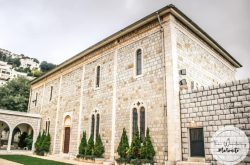
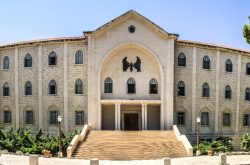
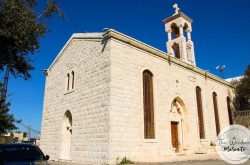
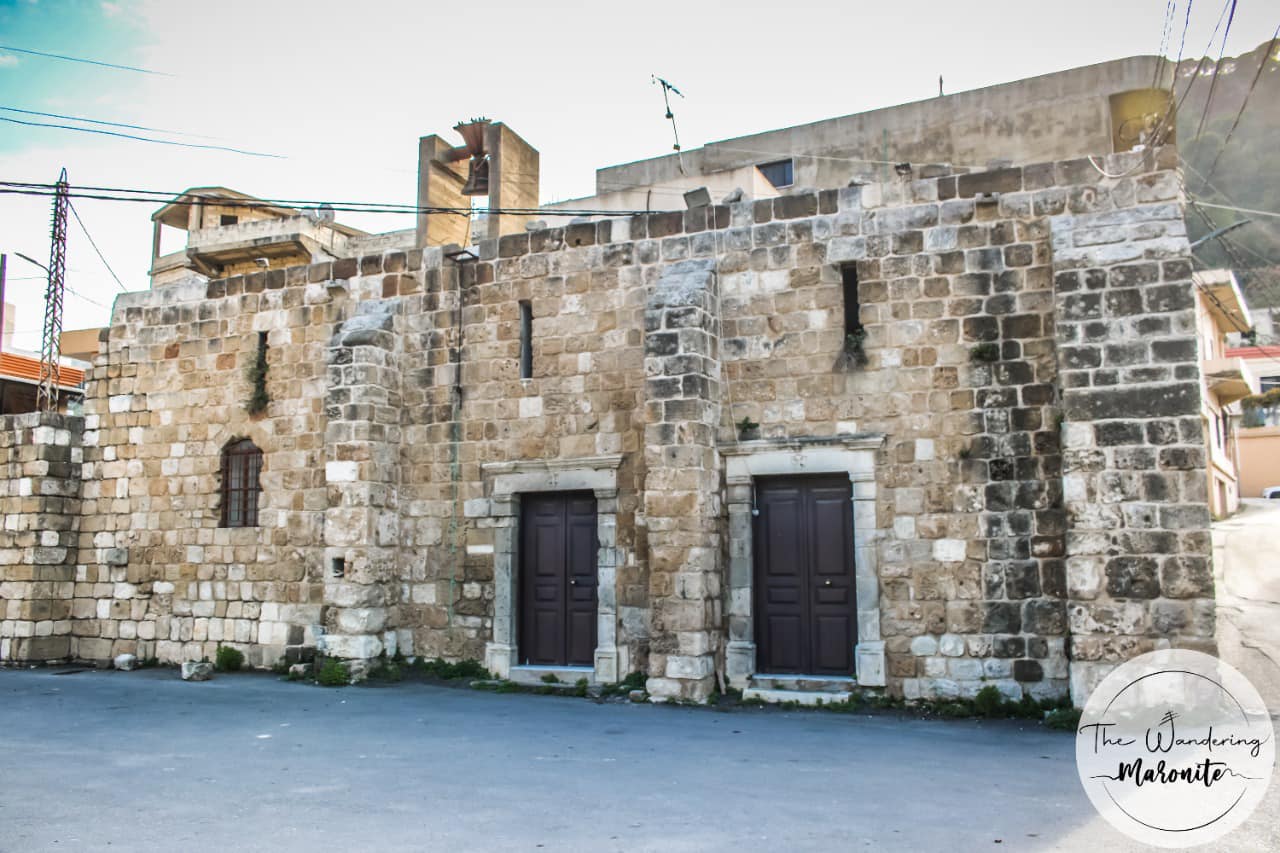
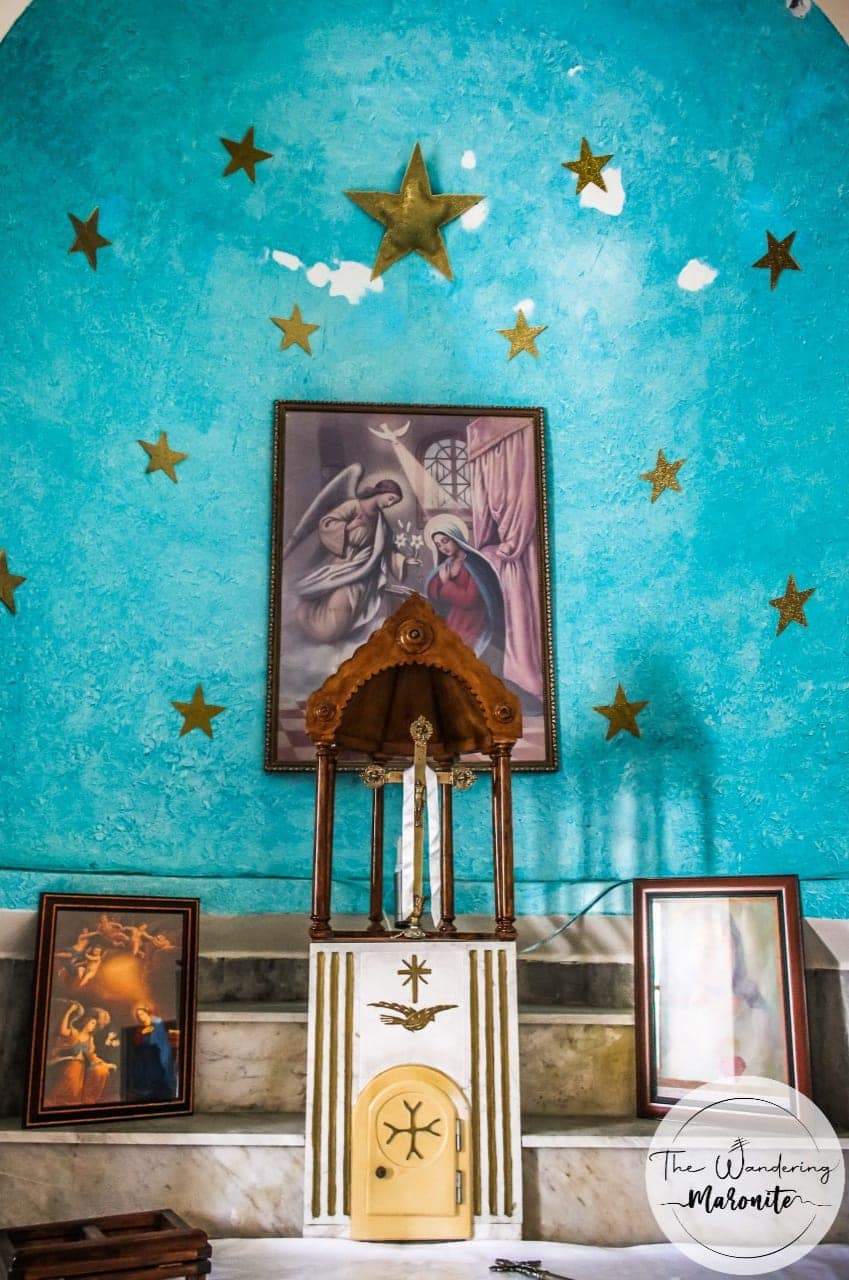
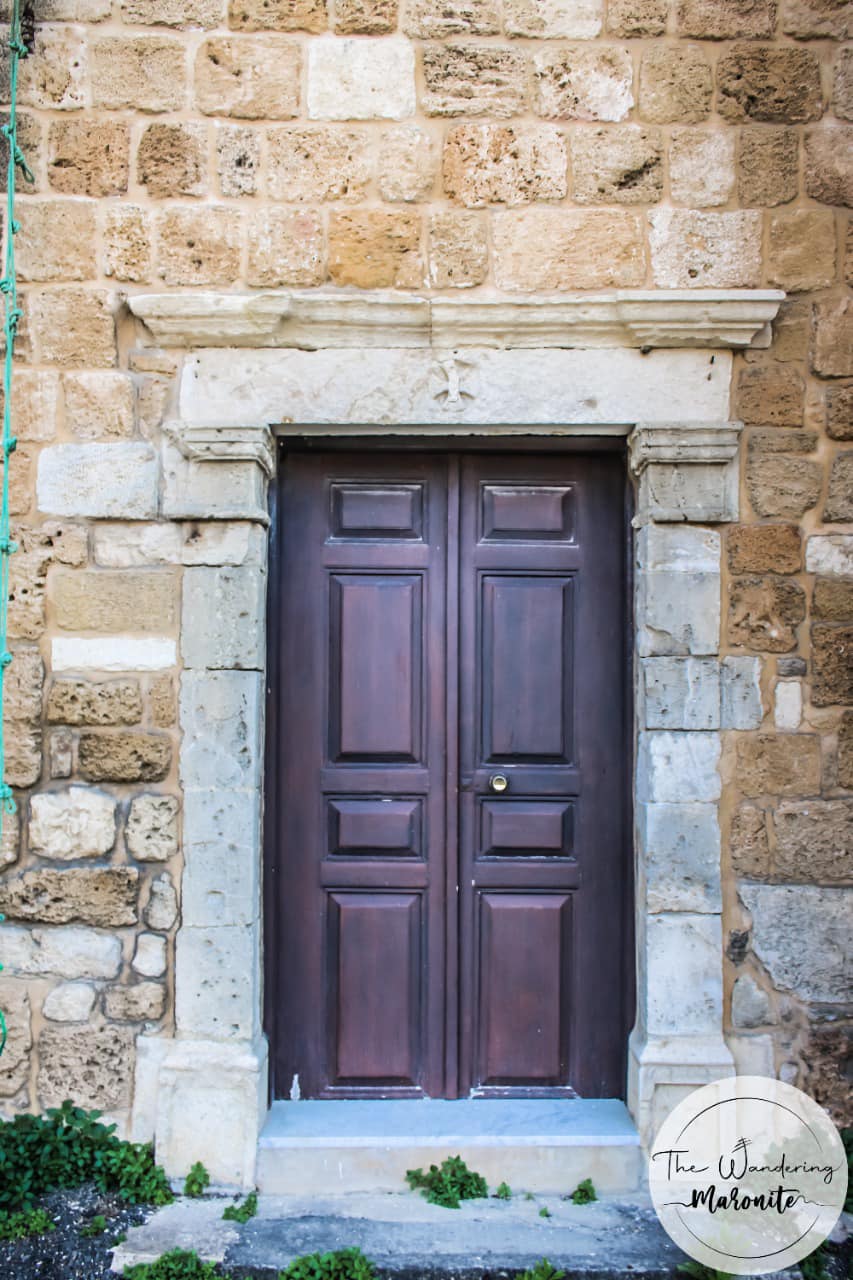
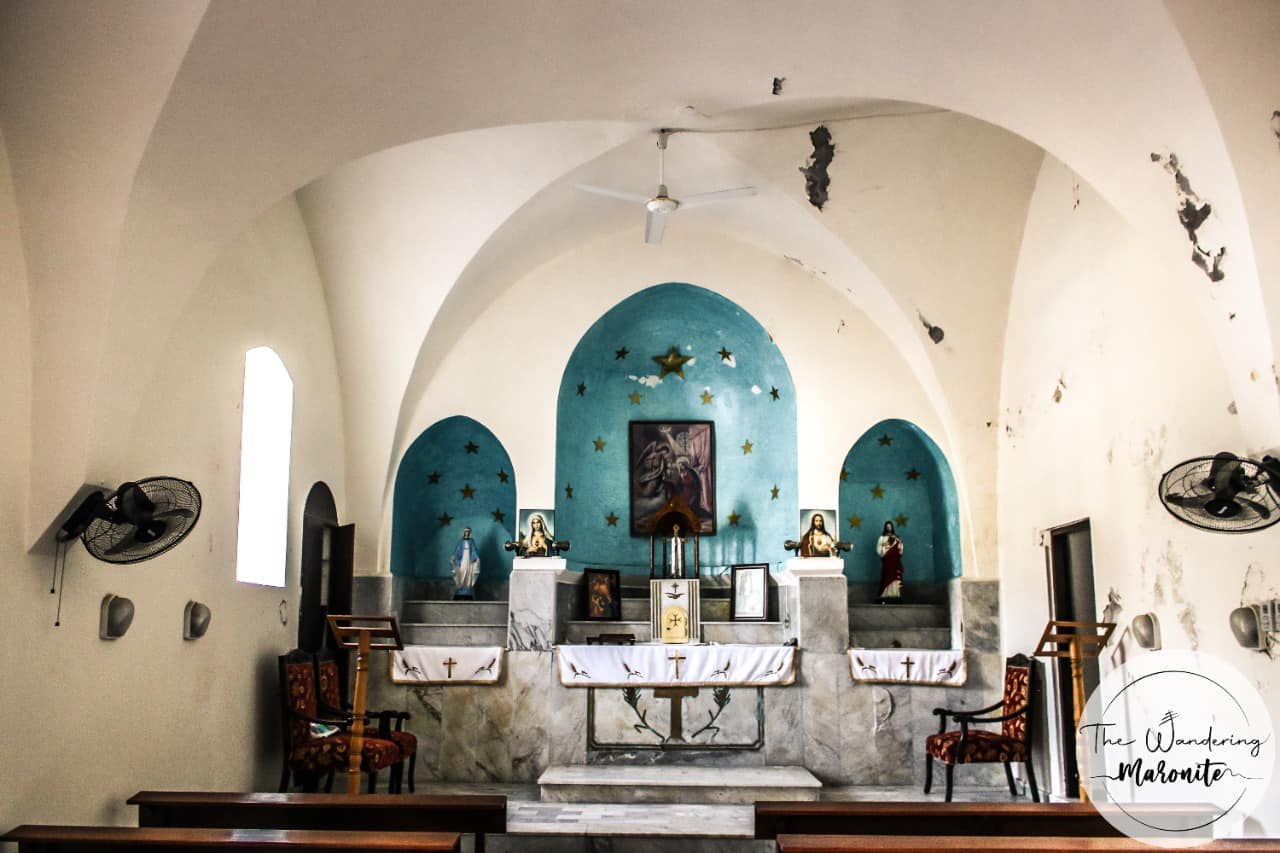
كنيسة سيّدة البشارة القديمة - درب السيمبنى الصليبيّون الكنيسة في القرن الثاني عشر بهندسةٍ دفاعيّةٍ، الكنيسة مؤلفة من سوقٍ واحدة بعقدٍ مصالبٍ. مع رحيل الصليبيّين أصبح البناء بيد مشايخ آل الجواد الشيعة الذين حافظوا عليه طوال قرون. مع قدوم الموارنة إلى البلدة في القرن الثامن عشر، أعاد لهم الشيخ منصور الجواد البناء، فأعادوا تكريس الكنيسة وبناء المذبح. خربت الكنيسة في أحداث ١٨٦٠ و١٩٨٥ ورمّمت مرّتين.لوحة سيّدة البشارة هي من محفوظات الكنيسة الجديدة، من عمل الرسّام أندريه نمّور.The old church of Our Lady of the Annunciation - Darb el SimThe church was built by the crusaders in the XIIth century. The structure consists of a single nave with a crossed vault, and many defensive elements. After the crusaders left, the structure was left with a feudal Shia family, the Sheikhs of Al Jawad. With the settlement of the Maronites in the village during the XVIIIth century, Sheikh Mansour Al Jawad gave them back the church. The Maronites reconsecrated it and built a new altar. The church was sabotaged during the wars of 1860 and 1985 and restored twice.The painting of the Annunciation is contemporary made by Andre Nammour.

Visited 3174 times, 7 Visits today

Reviews are disabled, but trackbacks and pingbacks are open.

Related Listings

Bzommar – The chapel of Our Lady of Sorrows

Our lady of Bzoumar, Lebanon

كابيلا سيّدة الآلام

Bzoummar

Keserwan

Mount Lebanon

كابيلا سيّدة الآلام - بزمّار

في القرن السادس عشر زار البطريرك ارزيفيان روما والتقى البابا بنديكتوس الرابع عشر، وأهداه أحد الكرادلة لوحة لسيّدة الآلام، منسوبة لمدرسة رافاييل تعود لرافاييل سانزيو أو الى غيراريو بار بيري. في رحلة العودة تعرّضت السفينة لخطر الغرق فرُميت اللوحة في البحر ووُجدت تطفو على المياه بشكلٍ عجائبيّ. بعد هذه الحادثة وُضعت اللوحة في كنيسة الدّير فوق العرش البطريركيّ.
عام ١٨٠٢ ضربت الصاعقة الكنيسة، وسقطت على العرش البطريركيّ حيث كانت صورة العذراء، من دون الحاق الضرر بالعرش، ولا باللوحة، فبُنيت على إثر المعجزة كابيلا صغيرة ملاصقة للدّير وهي مزار للمؤمنين طالبين نِعم سيّدة الآلام. زارها قداسة البابا بنديكتوس السادس عشر سنة ٢٠١٢.

The chapel of Our Lady of Sorrows - Bzommar

In the XVIth century, the Armenian Patriarch Arzivian visited Rome and met pope Benedict XIV. He was gifted an icon of our Lady of Sorrows from an Italian cardinal. The painting is from Raphael’s school and is attributed to Raphael Sanzio or Gerario Parperi. On the way back the ship was in danger of shipwreck, and the painting was thrown in the sea with other furniture. It was rediscovered miraculously floating several days later. After the incident it was put over the patriarchal chair in the main church of Bzommar.
In 1802 a lighting bolt hit the throne and the painting fell down, yet even the glass that was on it was miraculously preserved. A chapel adjacent to the monastery was erected to enshrine the miraculous icon. The chapel was visited by pope Benedict XVI in 2012.

Lehfed – The church of St Stephen

St. Estephan Church, Lehfed, Lebanon

كنيسة مار أسطفان

Lehfed

Jbeil

Mount Lebanon

كنيسة مار أسطفان - لحفد

الكنيسة بالأصل كانت معبدًا رومانيًّا على تلّة حوّله الصليبيّون إلى بُرجٍ للمراقبة، سكنه مقدَّموا لحفد. سنة ١٨١٠ تحوّل المكان إلى كنيسةٍ بعقدٍ مُصالبٍ لتكون رعيّة البلدة. مذبح الكنيسة ولوحة مار أسطفان، مُستوردان من إيطاليا بسعي من أبناء البلدة في بيروت أواخر القرن التاسع عشر. حمل إبن لحفد الطوباوي أسطفان نعمه شفاعة صاحب الكنيسة وتكنّى باسمه عند دخوله الرهبانيّة.

The church of St Stephen - Lehfed

The church was originally a pagan roman temple on a hill that was converted into a watch tower by the crusaders, after they left the land the maronite lords of Lehfed used it as residence. In 1810 the crossed vault structure took it’s current shape and was converted into a parochial church. The altar and the painting are imported from Italy with the help of the villagers who lived in Beirut at the end of the XIXth century. Blessed Stephen Nehme, the son of Lehfed, took the name of the Church's patron saint when he entered the monastic life.

Yanouh – The blue monastery of St George

Mar Gerges Blue Yanouh, Mghayra, Lebanon

دير مار جرجس الأزرق

Yanouh Jbayl

Jbeil

Mount Lebanon

دير مار جرجس الأزرق - يانوح

البناء أساسًا كان معبدًا فينيقيّ ثمّ رومانيّ. عُرف بالأزرق نسبةً للون الحجر الكلسيّ. مع قدوم المسيحيّة حُوّل المعبد إلى ديرٍ على اسم مار جرجس وكان الأكبر في جبّة المنيطرة. إختاره البطريرك يوحنّا مارون الثاني مقرًّا له سنة ٧٥٠، وذلك لصعوبة الوصول إليه، ولأن يانوح بحسب البطريرك الدويهيّ: "كانت من أشرف المجالِس في جِبَة المنيطرة وأهلها كثيرو العِبادة والغيرة". بقيت يانوح مقرًّا بطريركيًّا شبه ثابتٍ
ما بين ٧٥٠ و١٢٧٧، لأن البطاركة تنقلوا مابين سنتيّ ١١٢٠ و١٢٠٠ بين ميفوق وهابيل ولحفد. بنى البطاركة بقرب المعبد كنيسةً صغيرة خاصة للبطاركة وأقبية وغرف. وبنوا كنيسة السيّدة خارج المحلّة. أقام البطاركة في يانوح، ما مجموعه أربعماية واثنتان وثلاثون سنة، منها ثلاثمائة وسبعون سنةً متواصلةً دون إنقطاع. مع قدوم الصليبيّين في عهد البطريرك يوسف الجرجسيّ إستبشر الموارنة خيرًا بحسب ابن القلاعي، فأُعيد اتصالهم بروما، وعاشوا فترةً من الإزدهار، ويذكر التاريخ أنّه في تلك الحقبة إستبدل الموارنة نوافيس الخشب بنواقيس حديدٍ في يانوح. لكنّ الفترة الصليبيّة شهدت العديد من القلاقل والمعارك ممّا استدعى تنقلاتٍ عديدةٍ للبطاركة واتخاذهم عدّة مراكز. ومع رحيل الصليبييّن وحملة المماليك أُحرقت يانوح، ولم تُجرى أبحاث أركيواوجيّة على الموضع لحين الإنتداب الفرنسيّ بداية القرن العشرين.

The blue monastery of St George - Yanouh

The building was originally a Phoenician than a Roman temple consecutively. With the locals conversion to Christianity the temple was consecrated as a church dedicated to St George. In 750 Yanouh was chosen as a patriarchal seat, it remained a nearly consistent seat between 750 and 1277. The patriarchs built near the temple a patriarchal chapel, many vaults and cells and the church of the Virgin Mary outside of the complex. With the Crusades during the pontificate of Patriarch Youssef el Gergesy, the Maronites entered a golden age, they reconnected with Rome. Yet the latter Crusader’s period saw unrest and struggles, that was the reason why many patriarchs used to change residences. In 1277 the patriarchs moved out of Yanouh. The seat was completly abandoned after the Crusaders left and the Mamluk’s campaign that destroyed the village. The site was excavated by the french archeological missions in the early XXth century.