
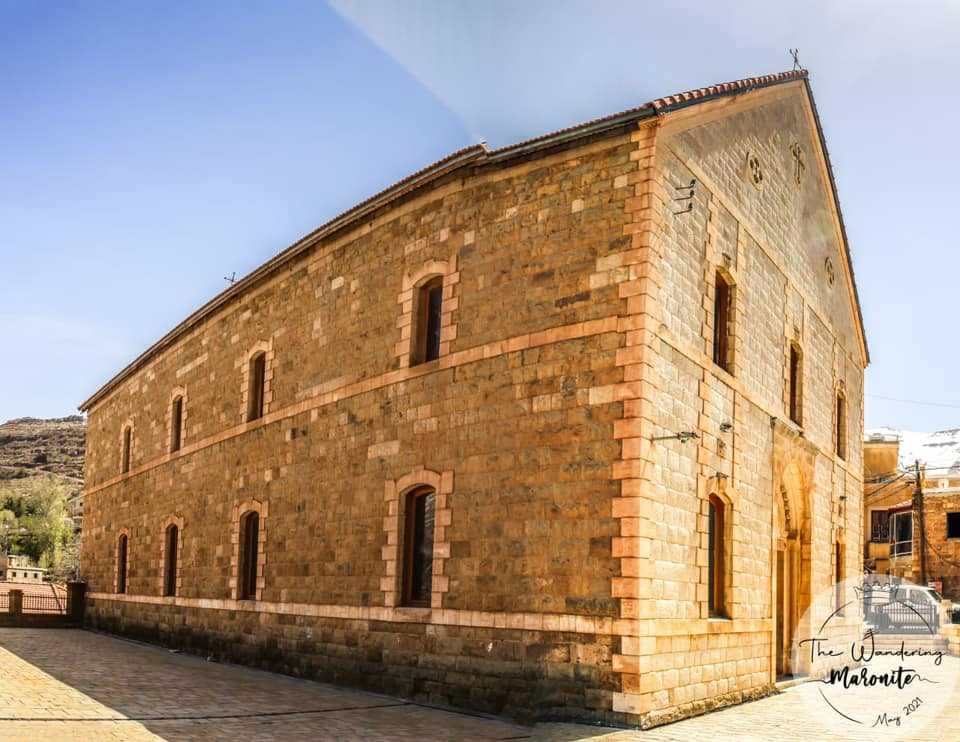
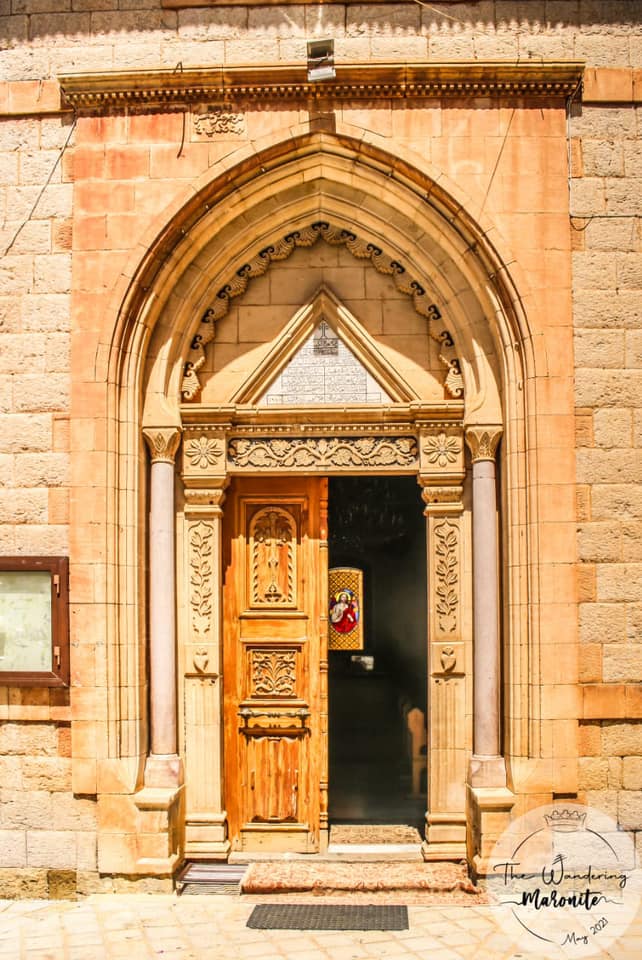
Bekaa Kafra – The New church of Our Lady of Assumption

Our Lady of Bkaa Kafra, Bqaa Kafra, Lebanon

Other Details

كنيسة سيّدة الإنتقال الجديدة

Bqaa Kafra

Bcharre

North

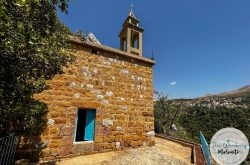
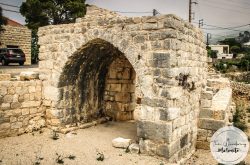
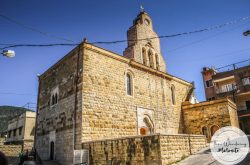
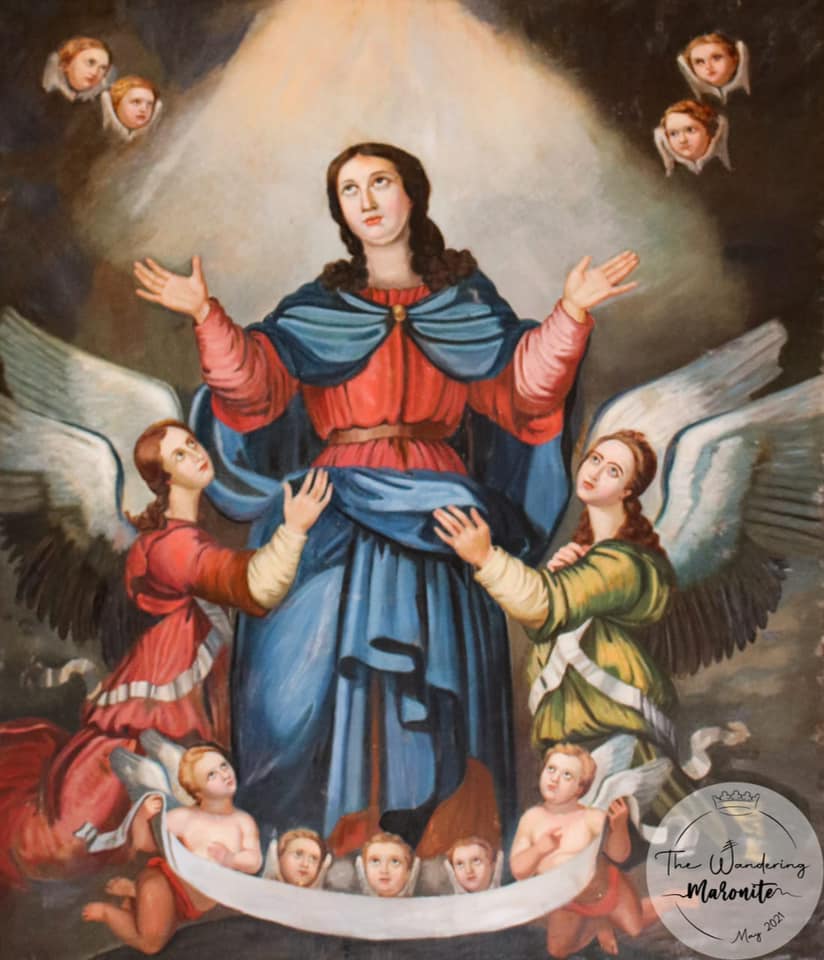
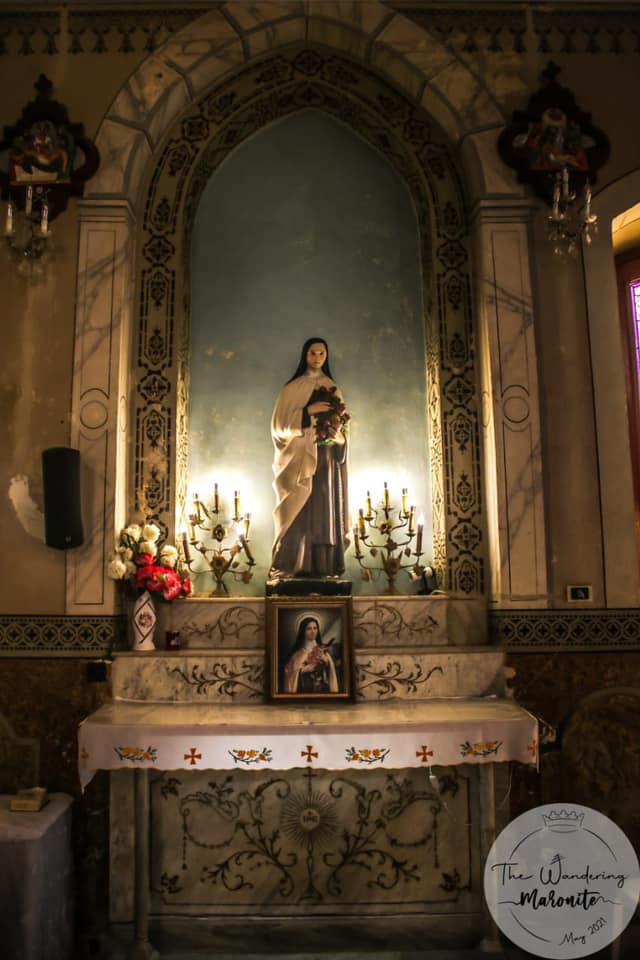
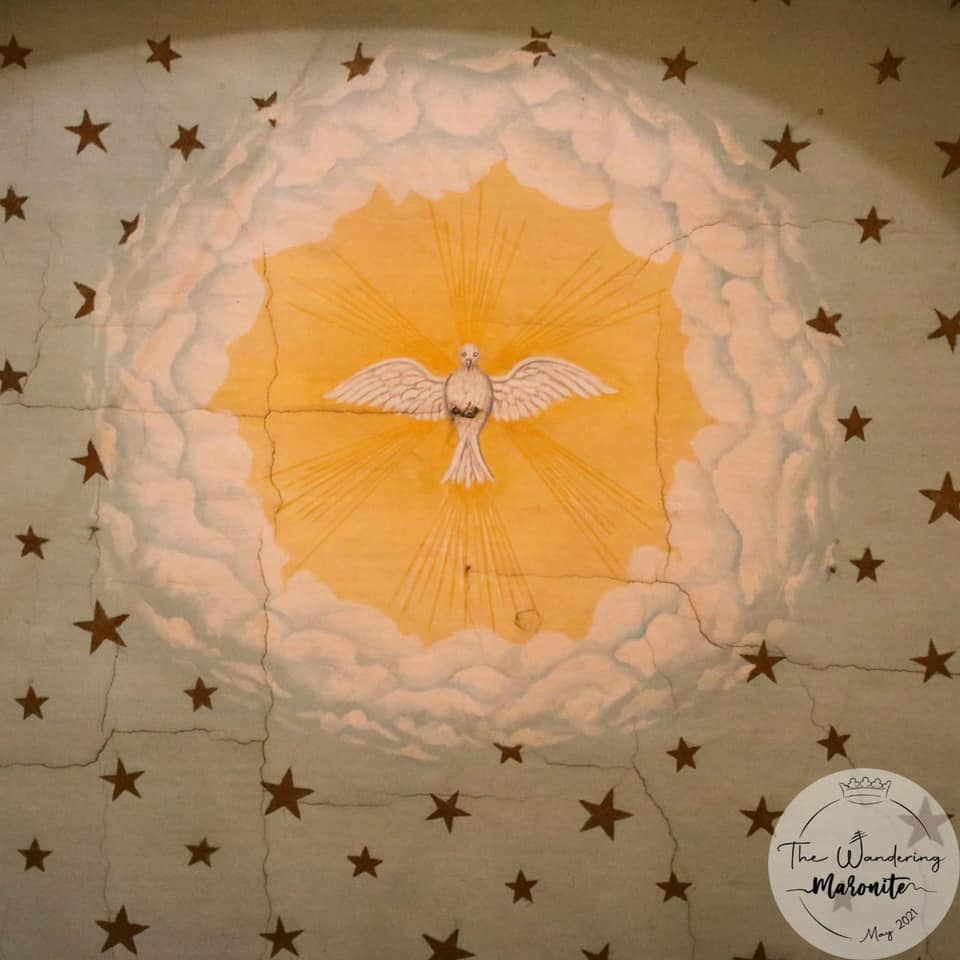
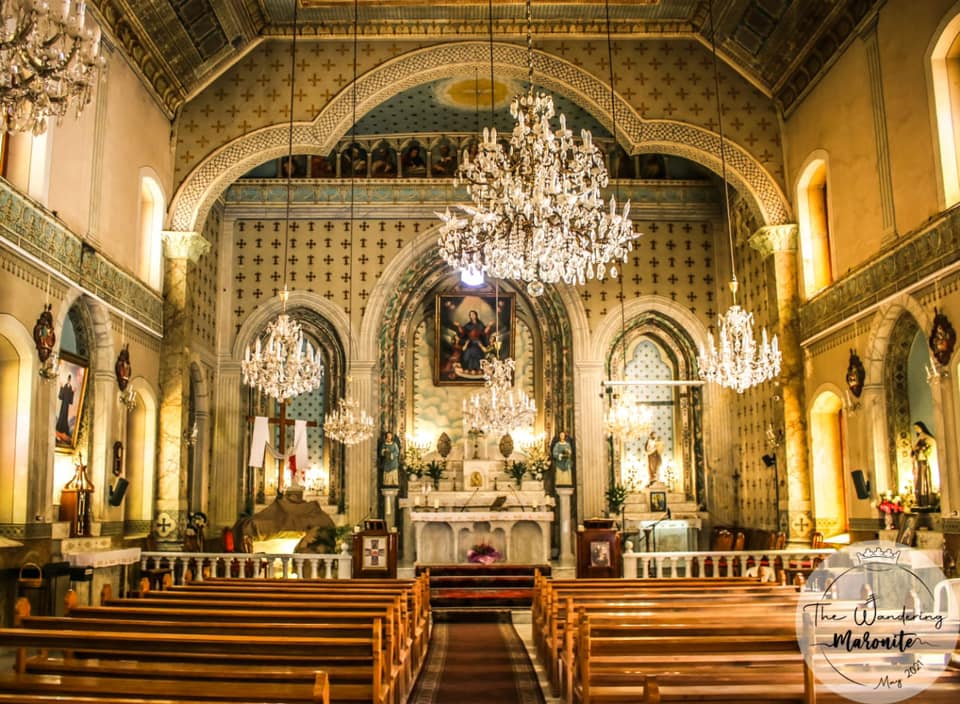
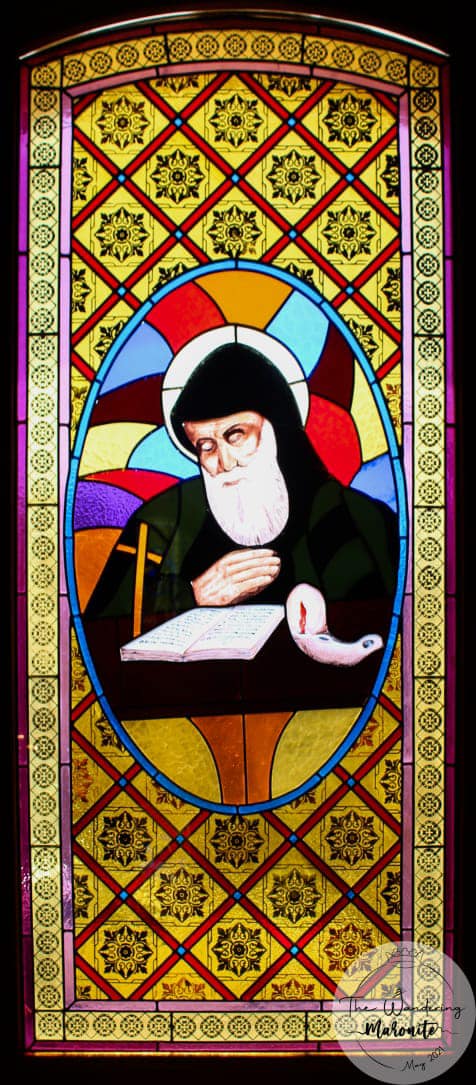
كنيسة سيّدة الإنتقال الجديدة - بقاع كفراهي الكنيسة الرعائيّة الجديدة. بُنيت على سطح الكنيسة القديمة، سنة ١٩٢٥. تجمع بين القديم والحديث. مسقوفة بالقرميد من الخارج، أمّا من الداخل، فسقفها بغداديّ. تتألق الكنيسة سوق واحدة، وتحتوي على رسومات وصُوَر وزخارف ونقوش على جدرانها، وزجاجيّات على شبابيكها.The New church of Our Lady of Assumption - Bekaa KafraThe new parish church of Our Lady was built on top of the old one in 1925, and consists of one nave. The walls are lavishly decorated with frescoes mouldings and arabesques. The roof is of local type of decoration called Baghdady. The church also contains beautiful stained glass windows.

Visited 5700 times, 9 Visits today

Reviews are disabled, but trackbacks and pingbacks are open.

Related Listings

Aqoura – The church of Sts Peter and Paul

Saint Peter and Paul, Aaqoura, Lebanon

كنيسة مار بطرس وبولس

Aaqoura

Jbeil

Mount Lebanon

كنيسة مار بطرس وبولس - العاقورة

الكنيسة عبارة عن مغارة كانت مدفنًا لكهنة أدونيس وتحوي عدّة نواويس، وثلاث اعمدة تنضح الماء كانت قديمًا لنذور العواقر. وثّق المغارة العالم إرنست رينان والمفوّضيّة السّامية الفرنسيّة، لكنّ العديد من معالم المدفن خرّبت جرّاء البحث عن الطمائر. على الجدار الشرقيّ داخل الكنيسة كتابة منقوشة باللغة السريانيّة وهي مختلفة من حيث الاسلوب، لأنّها منقوشةٌ بشكلٍ عاموديٍّ وليس افقياً. وقد فسّر علماء الآثار هذه الظاهرة أنّه في القرن السابع للميلاد زمن الامويّين ذهبت بعثات نسطوريّة الى الصين. وهذا ما يفسّر الاسلوب العامودي في الكتابة الآراميّة المنقوشة، فهؤلاء تأثروا بالكتابة الصينيّة العاموديّة كالكتابات السريانيّة في شيان التي تعود للحقبة نفسها. رمّم المذبح سنة ١٨٩٥، والواجهة الأماميّة سنة ١٩٥٢.

The church of Sts Peter and Paul - Aqoura

The church was a funerary cave for the priests of Adonis, it holds many sarcophaguses and three columns that pour water. The cave was studied by Ernest Renan and the archeologists of the French high commissariat. The church holds a VIIth century Syriac calligraphy that is distinct since it was written vertically, which relates to the Nestorian monks who went to missions during the Umayyad era and reached China. There they were influenced by the mandarin calligraphy and began writing Syriac in this manner. The stella of Xian uses the same type of writing and dates back to that era. The church was plundered by tomb raiders, the high altar was restored in 1895, and the entrance in 1952.

Aintourin – The church of our Lady of the Cliff

Aintourine, Lebanon

كنيسة سيّدة الشير

Aintourine

Zgharta

North

كنيسة سيّدة الشير - عينطورين

هي كنيسة على سفح الوادي المقدّس، بُنيت في القرن الثاني عشر، واتّخذها الأسقف تادروس مقرًّا له إلى يوم وفاته سنة ١٥٠٢ بحسب البطريرك الدويهيّ. بقيت الكنيسة فترةً طويلة مُهملة إلى أن رُمّمت في ستينيّات القرن العشرين.

The church of our Lady of the Cliff - Aintourin

The church is built on the cliff side of the Holy Valley. The church was built in the XIIth century and was made an episcopal residence by Bishop Tadros until his death in 1502, according to Patriarch Douweihy. The church was left abandoned for a long time and restored during the sixties.

Bhorsaf – The monastery of St Joseph

Couvent Saint Joseph, Bharsaf, Lebanon

دير مار يوسف

Bhersaf

Metn

Mount Lebanon

دير مار يوسف - بحرصاف

شيّدت الرهبانيّة الأنطونيّة المارونيّة دير مار يوسف في بلدة بحرصاف، سنة ١٨٥١. خلال الحرب العالميّة الأول إحتلّ الجيش العثمانيّ الدّير. فتوسل الأب المدبّر يوسف الحاج بطرس ونسيبه الأب انطون إلى القائد رضا باشا كي لا تُدنّس الكنيسة، فشطب القائد صورة مار يوسف بسيفه وأمر ذلك الطاغية، فنفيا إلى الأناضول. ومات هناك الأب يوسف من جرّاء معاملات قاسية ونجا رفيقه بأعجوبة. أُعيدت الحياة إلى الدّير بعد رحيل العثمانيّين سنة ١٩١٨، فرُمّم وأُعيد تكريس الكنيسة. رُمّم الدّير مجدّدًا مع بداية القرن الحاليّ، وهو مستمرّ برسالته الروحيّة والرهبانيّة.

The monastery of St Joseph - Bhorsaf

The monastery was built in the town of Bahersaf by the Maronite Antonine monks in 1851. During World War I, the Ottoman army occupied the monastery. Fr. superior Youssef El Hajj Boutros, and his cousin, Father Anton, pleaded with the commander, Reza Pasha, to prevent the desecration of the church. Due to their plea, the tyrant ordered their immediate exile to Anatolia. Father Youssef died there due to harsh treatment, but his companion miraculously survived. The monastery was revived after the departure of the Ottomans in 1918, and the church was repaired and rededicated. The monastery was renovated again at the beginning of this century and continues with its spiritual and monastic mission.