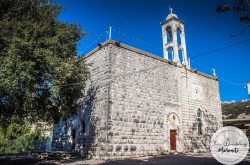
Beit Chabab – The church of St Anthony the Great

Eglise Saint-Antoine le Grand, Beit Chabeb, Lebanon

Other Details

كنيسة مار أنطونيوس الكبير

Beit Chabab

Metn

Mount Lebanon

كنيسة مار أنطونيوس الكبير - بيت شباب بَنت عائلة الأشقر كنيسة على إسم القدّيس أنطونيوس الكبير، حوالي سنة ١٨٤٨. سنة ١٩٥٧، هُدمت الكنيسة القديمة التي كان قد صدّعها الزلزال، وبُنيت على أنقاضها كنيسةً حديثةً، على عهد رئيس الدير الأب أنطونيوس راشد أبي يونس. هذه الكنيسة تتبع بهندستها شكل البازيليك، وهي مؤلّفة من ثلاثة صحون تفصل بينها العواميد. لقد اكتست بجدرانيّات رسَمها الفنان أسعد رنّو سنة ١٩٦٦. The church of St Anthony the Great - Beit Chabab The first church was built by Al Ashkar family in 1848. It was destroyed after its walls were weakened by the earthquake of 1957 and the new church was built by Fr. Antonios Rashed Abi Younes according to a basilical plan with three naves separated by a row of columns. The church was decorated with frescoes by Asaad Renno in 1966.

Visited 5164 times, 5 Visits today

Reviews are disabled, but trackbacks and pingbacks are open.

Related Listings

Blat Byblos – The church of St Elias

St Elias Church, Blat, Lebanon

كنيسة مار الياس

Blat Jbeil

Jbeil

Mount Lebanon

كنيسة مار الياس - بلاط جبيل

الكنيسة في الأساس مبنيّة بحجارة معبدٍ رومانيّ بُني في زمان الإمبراطور انطونان التقيّ كما تشير النقوش اليونانيّة على جدرانها. تحوي الكنيسة على عدّة آثار من المعبد القديم كتمثال صنمٍ في آخرها. في القرون الوسطى تزيّنت الكنيسة بمجموعة من الجداريّات ما زال قسمٌ منها ماثل. الكنيسة كناية عن بناء بنمط بازيليكيّ بثلاث أسواقٍ وعقدٍ سريريّ. في عهد المماليك إستُعملت هذه الكنيسة كخانٍ للمُسافرين، وفي بداية العهد العُثماني إستُعملت إسطبلاً للخيل في قسمٍ منها، وفي القسم الآخر أُنشئت معصرة للزيتون. وآلت ملكيتها لمشايخ آل حمادة الشيعة. وفي أوآخر القرن الثامن عشر قَدَمَ الشيخ وهبه الدحداح الأول من كسروان وإستملك بلاط، فَحوَّل الإسطبل الذي أصبح من أملاكه الى كنيسة على إسم مار الياس وأعاد ترميمها، فكرَّسها المطران يوسف المريض في 4 كانون الأول ١٨٧٠. وفي العام ١٩١٩ ضربتها صاعقة، فأعاد الشيخ إسكندر كنعان وهبه الدحداح ترميمها. وفي العام ١٩٧٨ قامت المديريّة العامّة للآثار بترميمها على الشكل الذي تقوم عليه الآن. تضمّ الكنيسة لوحةً لمار الياس من عمل كنعان ديب الدلبتاوي.

The church of St Elias - Blat Byblos

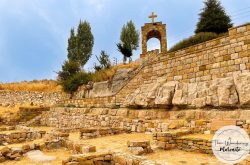
The church was built with the spolias of an ancient roman temple built during the reign of the emperor Antoninus the pious. The church holds many remanences of the temple : greek inscriptions and an idol. The church’s structure is a three naved basilical plan with a crib vault. It used to be covered with frescoes some of them can be seen today. During the Mamluk’s era the church was converted into a caravanserai. Later on it was converted into a stable and an olive pressing mill and remained so during the Ottoman era when it became property of the Shia lords of the Hemade family. The church was bought by the Sheikh Wehbe el Dahdah when he came from Kesserwan and bought the village of Blat. The church was reconsecrated and dedicated to the Saint Elias the Prophet by bishop Youssef el Marid of the 4th of december 1870. It was damaged by a lightning stroke and restored in 1919 by Sheikh Kanaan Wehbe Dahdah. The church was renovated by the Lebanese Directorate General of Antiquities in 1978. The church holds a painting of Elias by Kanaan Dib.

El Mzekke Broummana – The monastery of St Isaiah

Saint Isaiah (Mar Shaaya), Jouret El Ballout, Lebanon

دير مار شعيا

Broummana El-Matn

Metn

Mount Lebanon

دير مار شعيا - المزكه برمانا

سنة 1673 قام المطران جبرايل البلوزاني رئيس أساقفة حلب (البطريرك لاحقًا) بتأسيس حركة رهبانيّة تتبع قانون مار أنطونيوس الكبير وهدفها تبشير الدروز. سنة 1698 أُرسلت مجموعة من الرهبان لتأسيس ديرٍ في برمانا هم: سليمان الحجّة المشمشاني، وعطالله كريكر الشبابي، وموسى زمّار البعبداتي. فاشتروا أنقاض ديرٍ قديمٍ على تلّة بجوار برمانا. سنة 1700 بدأ الرهبان الأنطونيون تأسيس ديرٍ جديدٍ على اسم مار شعيا الراهب الحلبيّ. أصبح الدّير الدّير الأم للرهبانيّة الأنطونيّة الناشئة التي ثبّتها البابا أقليمنضوس الثاني عشر سنة 1740. إرتبط الأنطونيّون بدير التأسيس لدرجة أنّهم أصبحوا يتكنّون برهبان مار شعيا. أصبح الدير جسر علاقة بين الرهبانيّة وحكّام الجبل، أمراءِ آل أبي اللمع وآل شهاب الموحِّدّين ما حدا بأفرادٍ من الأسرتَين الكبيرتَين اعتناقَ الإيمانِ الكاثوليكي ونشره في مناطقَ متنيّة. تعاقبت الحروب على الدير وتركت بصماتِها الهدّامة من أحداث ١٨٤٠ و١٨٦٠، إلى الحرب العالميّة الأولى، وقد كانتِ الأشرس، فدمّر الجيش العثمانيّ الدير وأحرق مكتبته. رُمّم الدّير على مراحل عديدة وأُعيد بناؤه. كنيسة الدّير كناية عن عقدٍ مُصالبٍ ينتهي بحنية نصف دائريّة. تتميّز الكنيسة بخورسها الخشبيّ بين المذبح والسوق الرئيسيّ.كذلك تحوي الكنيسة أرغن الموسيقار الكبير الأب يوسف الأشقر أحد روّاد الموسيقى الكنسيّة المارونيّة. كذلك تحوي لوحة مار شعيا التي تعود لعام 1907، وجداريّة خلف المذبح من عمل الرسّام أسعد رنّو.

The monastery of St Isaiah - El Mzekke Broummana

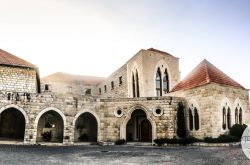
In 1673 the archbishop of Aleppo Mgr. Gebrayel el Blouzany (later Patriarch), started a monastic movement according to the Rule of St Anthony the great, with the aim of evangelizing the Druze. In 1698 a small group of monks were sent to start a monastery in Broummana: Sleiman Hajje from Meshmesh, Atallah Kreiker from Beit Chabab, Moussa el Zemmar from Baabdat. In 1700 the monks bought the ruins of an old monastery on a hill in the vicinity of Broummana. The monastery was dedicated to St Isaiah the Aleppan monk, and the monastery became the motherhouse of the new order that was recognized by Pope Clement XII in 1740. The monks became commonly known as the monks of St Isaiah. The monastery became a mission hub and many Druze were converted by the monks, it was noted that many princes from the families of Shehab and Abi el Llamah became Maronites and helped spreading the catholic faith in the Metn region. The monastery suffered greatly during the wars of 1840 and 1860, it was severely damaged during World War I and its great library was burnt down. Yet it was always restored and rebuilt. The monastery's church is a crossed vault ending with a semi circular apse. The nave and the sanctuary are separated by wooden choir stalls. The church holds the organ of Fr. Boulos el Ashkar a pioneer in Maronite ecclesiastical music, a painting of St Isaiah from 1907 and a fresco of the saint by Assaad Renno.

Bcharre – The church of Our Lady of the Milk

Saydet al dorr سيدة الدر, Bsharri, Lebanon

كنيسة سيّدة الدرّ

Bcharreh

Bcharre

North

كنيسة سيّدة الدرّ - بشرّي
سيدة الدرّ أو الوريسة كان معبدًا فينيقيًّا تحوّل الى كنيسة في القرن الحادي عشر. بحسب الأب بطرس ضو "تحوّل هذا المعبد الى كنيسة، وكان يوجد فيه رسوم جدرانيّة من القرن الثاني عشر وتحتوي على أسماء القدّيسين باليونانيّة، مما يدلّ على أن الموارنة في وادي قاديشا كانوا حتى القرن الثالث عشر على اتصال بالحضارة البيزنطيّة". الكنيسة عبارة عن مغارة محفورة في الصخر ذات خوروسين، لعلّ جداريتها الأجمل هي الظهور الإلهيّ.

The church of Our Lady of the Milk - Bcharre

The church of Our Lady of the Milk or El Waryse is a Phoenician temple converted in the XIth century. According to the historian Fr. Boutros Daw: ”The shrine was converted into a fresco covered church in the XIIth century with the saints name written in greek, indicating that the Maronites in that era kept contact with the Byzantines”. The church consists of a man made cave with a double apse. The best kept fresco is that of the Epiphany over the altar.