
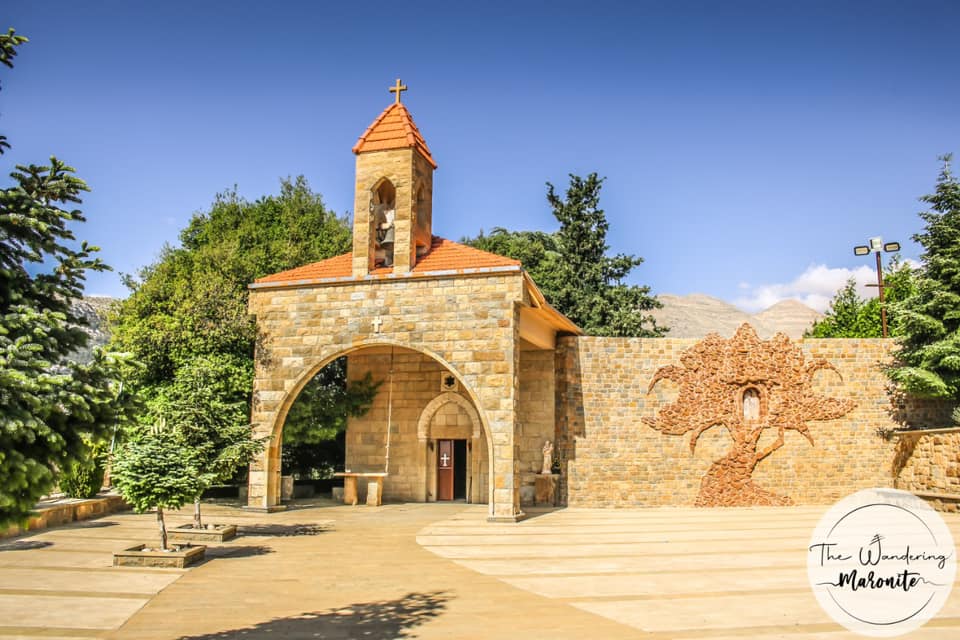
Ban – The church of Our Lady of the fields

Saydet El-Hakleh, Ariz, Lebanon

Other Details

كنيسة سيّدة الحقلة

Bane

Bcharre

North

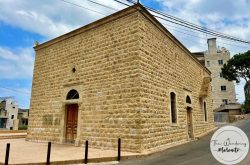
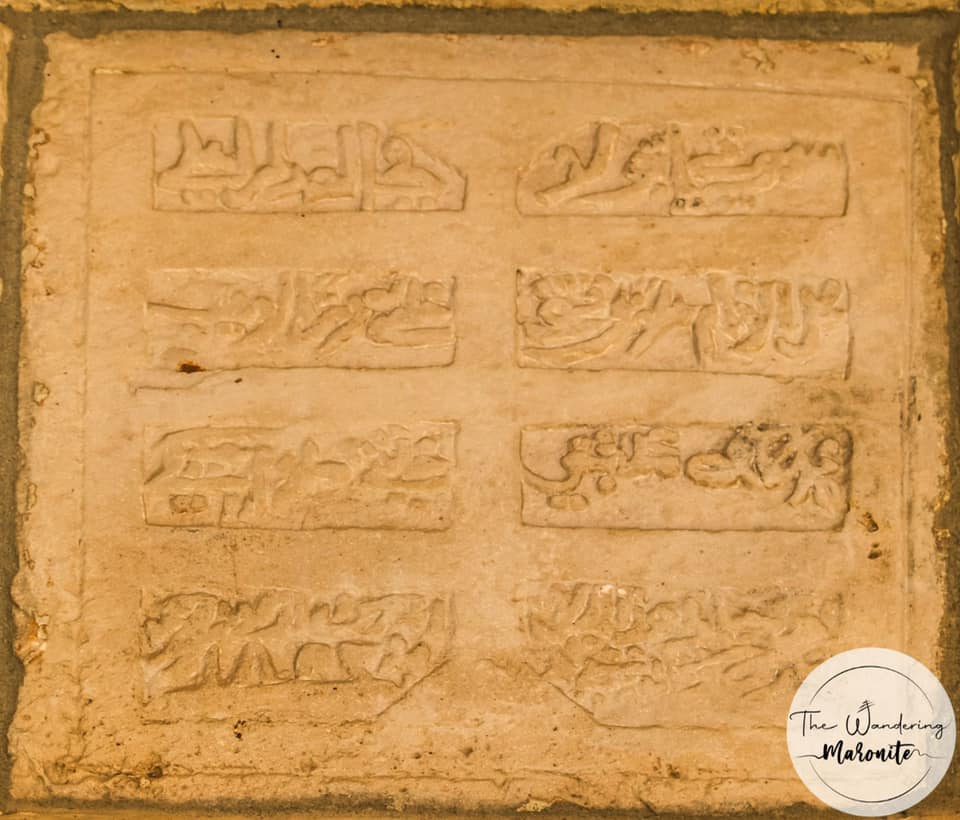
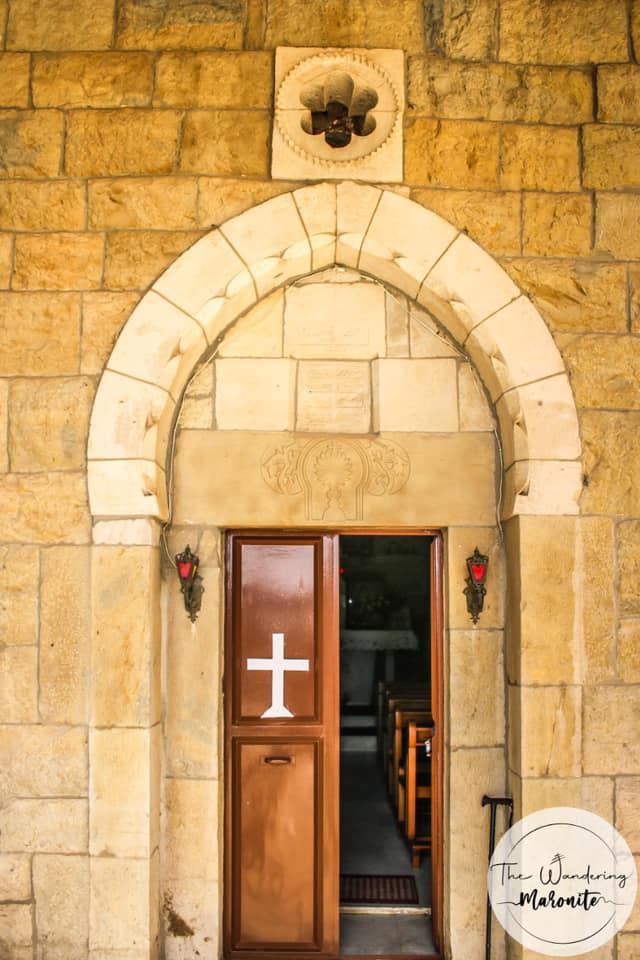
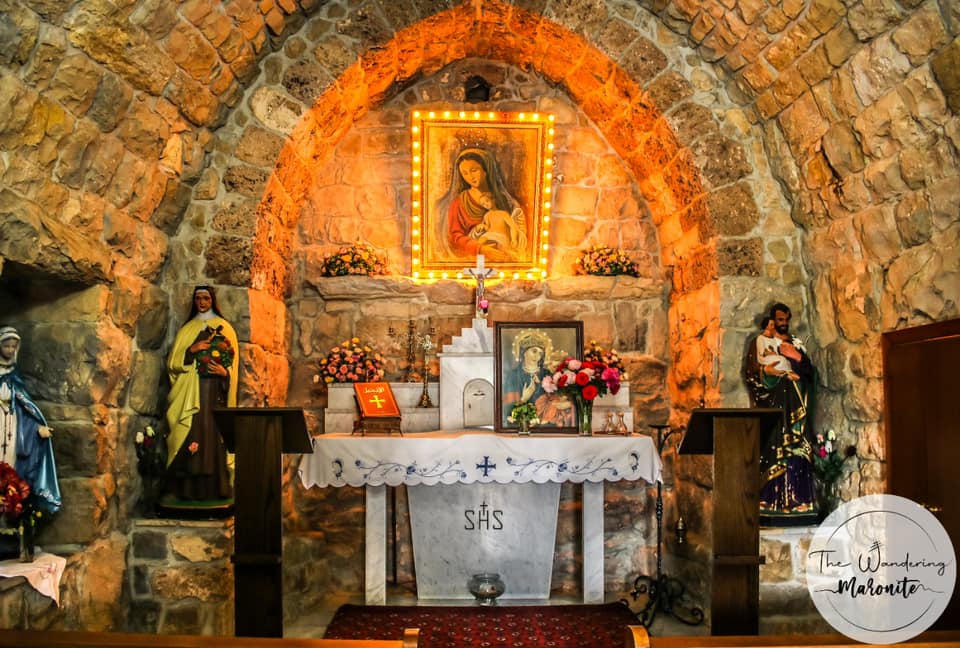
كنيسة سيّدة الحقلة - بانبنيت سنة ١٨٨٣ كما تشير البلاطة التذكاريّة. هي كابيلا صغيرة تابعة للرعيّة بجانب المدافن تتألف من سوق واحد ينتهي بالمذبح. زيد عليها قنطرة المدخل والقرميد أواخر القرن العشرين. لوحتها من صنع أوروبي تعود لسنة ١٩٢٣.The church of Our Lady of the fields - BanThe church was built in 1883 as it is shown by the epitaph. The church is a small chapel near the cemetery. It consists of one nave ending with the altar. A gateway and a tiled roof were added at the end of the XXth century. The painting is imported from Europe and dates back to 1923.

Visited 2653 times, 4 Visits today

Reviews are disabled, but trackbacks and pingbacks are open.

Related Listings

Kobayyat – The monastery of St Doumit of the Carmelite fathers

St. Doumit Monastery, Qoubaiyat, Lebanon

دير مار ضومط للآباء الكرمليّين

Qbaiyat Aakkar

Akkar

Akkar

دير مار ضومط للآباء الكرمليّين - القبيات

بذأت زسالة الآباء الكرمليّين في القبيّات أوائل القرن التاسع عشر. سنة ١٨٣٥، بدؤا بناء ديرهم، بعد ان أوقف لهم الارض جبّور سيف حبيش. كان في تلك الأرض آثار كنيسةِ لمار ضومط، والعديد من الآثار التي بيعت لبناء الكنيسة الجديدة. بّنيت الكنيسة بشكلها الحاليّ سنة ١٨٥٢، وجدّدت على الطراز النبو غوطي سنة ١٩١٤. لعب الدّير دورًا هامًا في تاريخ البلدة خصوصًا أنّه ضمّ مدرسةً لتعليم الأحداث.

The monastery of St Doumit of the Carmelite fathers - Kobayyat

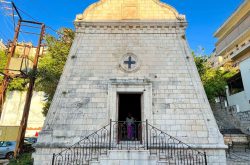
The Carmelite mission in the region of Kobayyat began in the dawn of the XIXth century. In 1935 Jabbour Seif Hobeich donated a piece of land to build a monastery. In this land where a ruined church dedicated to St Doumit and lots of ancient artifacts that where sold to museums to build the monastery. In 1852 the current church was built, and it 1914 it was remodeled with a neo gothic style. The monastery played an important role in the community”s history specially on the educational level with the famous Carmelite school.

Mrouj – The church of St Thecla

Mar Takla Church, Mrouj, Lebanon

كنيسة مارت تقلا

Mrouj

Metn

Mount Lebanon

كنيسة مارت تقلا - المروج

الكنيسة مبنيّة أوائل القرن الثامن عشر، تسلّمتها الرهبانيّة اللبنانيّة المارونيّة سنة ١٧٩٢، وكانت الكنيسة متهدّمة فرممّتها، وقامت بخدمة شركاء آل أبي اللمع المسيحيّين. سنة ١٨٢٩ وسّع الرهبان بناء الكنيسة التي أخذت شكلها الحاليّ سنة ١٩٢٩: نمط بازيليكيّ مسقوف بسوقٍ واحد. للرهبانيّة أنطش بالقرب من الكنيسة تتابع من خلاله النشاط الرعويّ والرسوليّ. تضمّ الكنيسة العديد من اللوحات والأعمال الفنيّة القديمة والحديثة من مدارس مختلفة، أهمّها لوحة القدّيسة تقلا لحبيب سرور.

The church of St Thecla - Mrouj

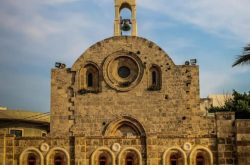
The first church was built in the early XVIIIth century, and was given as a donation to the Lebanese Maronite Order in 1792 to restore it and give pastoral care to the maronite subjects of the Abi Al Lamah lords. In 1829 the monks enlarged the church and it took its current form in 1929: a single roofed nave basilical plan. The Order built a presbytery near the church and serves the parish spiritual needs. The church is decorated with many old and new works of art from different schools, the most important being the painting of St Thecla behind the altar.

Amshit – The church of Our Lady

Notre dame de amchit - كنيسة السيدة عمشيت, Aamchit, Lebanon

كنيسة السيّدة

Aamchit

Jbeil

Mount Lebanon

كنيسة السيّدة - عمشيت
بُنيت الكنيسة الأولى أواسط القرن العاشر وكان يطلق عليها إسم سيّدة البيدر. سنة ١٧٨٢ بُنيت الكنيسة الحاليّة. سنة ١٩٠٠. أُفيم في الكنيسة بيت القربان الرخاميّ ووضعت لوحة سيّدة الإنتقال. سنة ١٩٥٨ رمّمت الكنيسة ووُسّعت آخذة شكلها الحاليّ بعدما أُزيلت من داخلها الشواهد والقبور. رُمّمت الكنيسة أواخر القرن العشرين وهي كناية عن عقد مُصالب ينتهي بحنية.

The church of Our Lady - Amshit
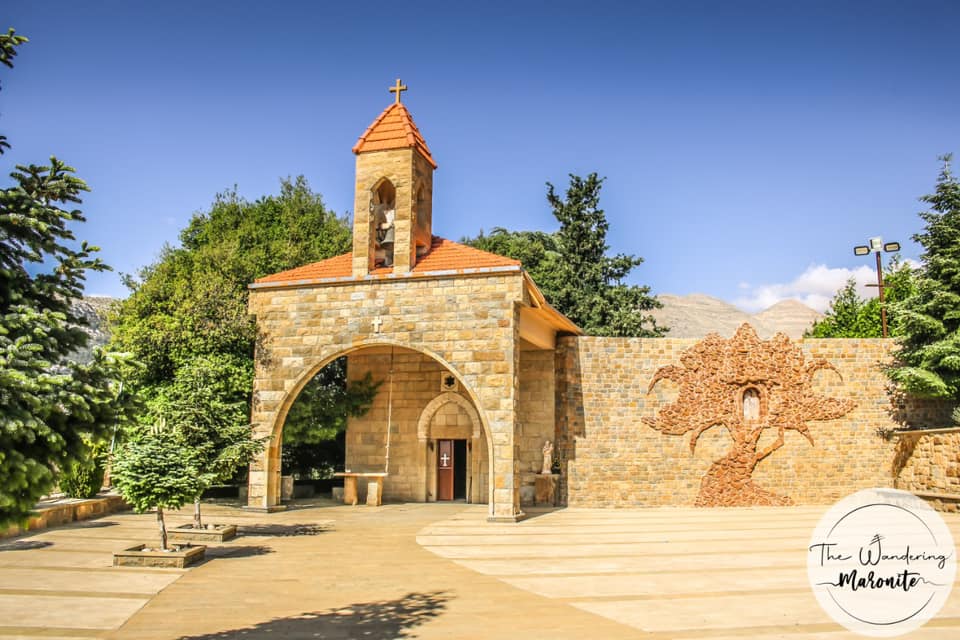
The first church was built in the middle of the Xth century and was known by our Lady of the field. In 1782 the current church was built. In 1900 the marble tabernacle and the painting of the Assumption were brought. In 1958 the church was restored and all of the tombs and the shrines where removed. The church was renewed in the latter part of the XXth century. The structure consists of a crossed vault ending with an apse.