كنيسة سيّدة الشير - عينطورين
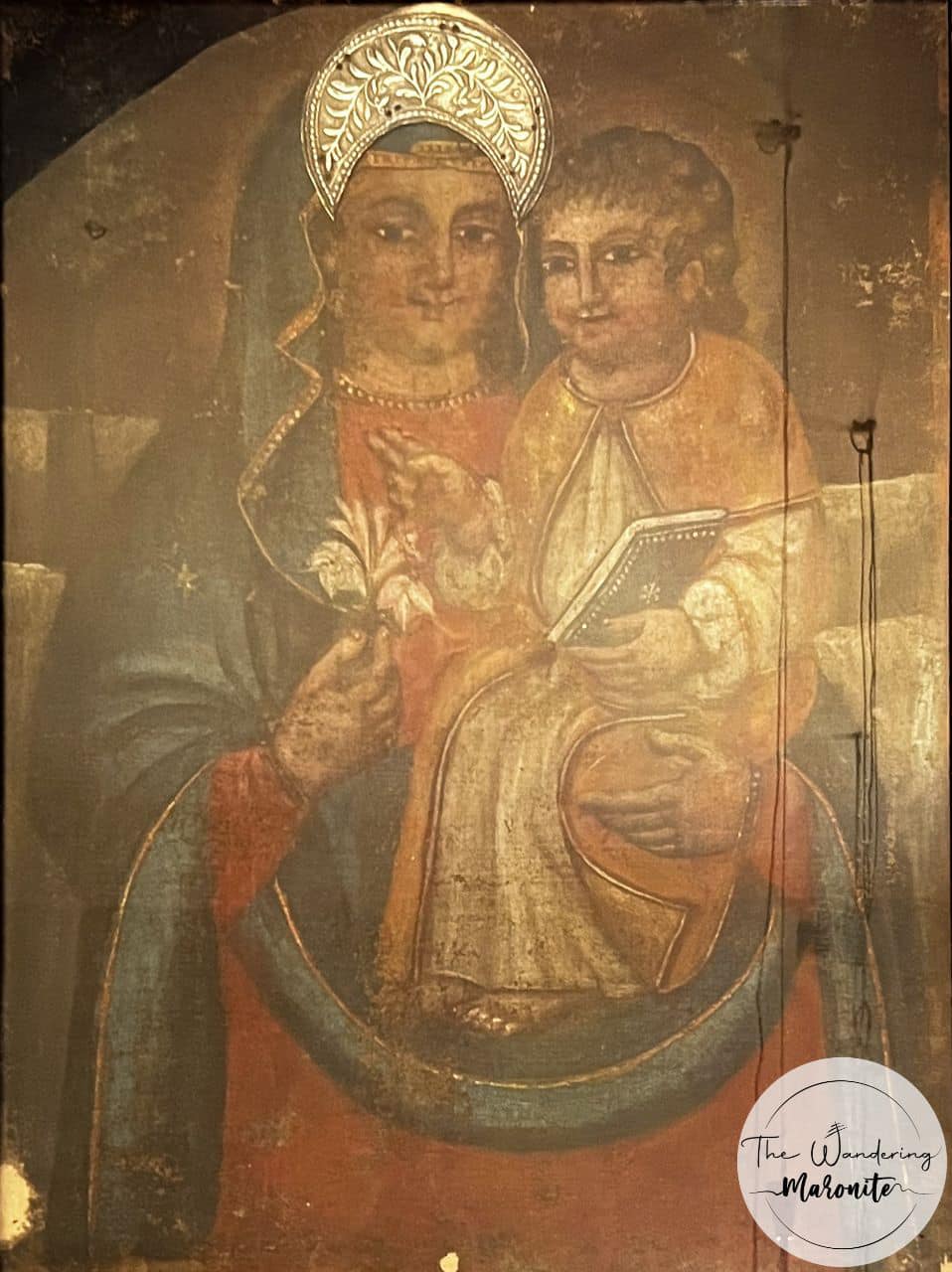
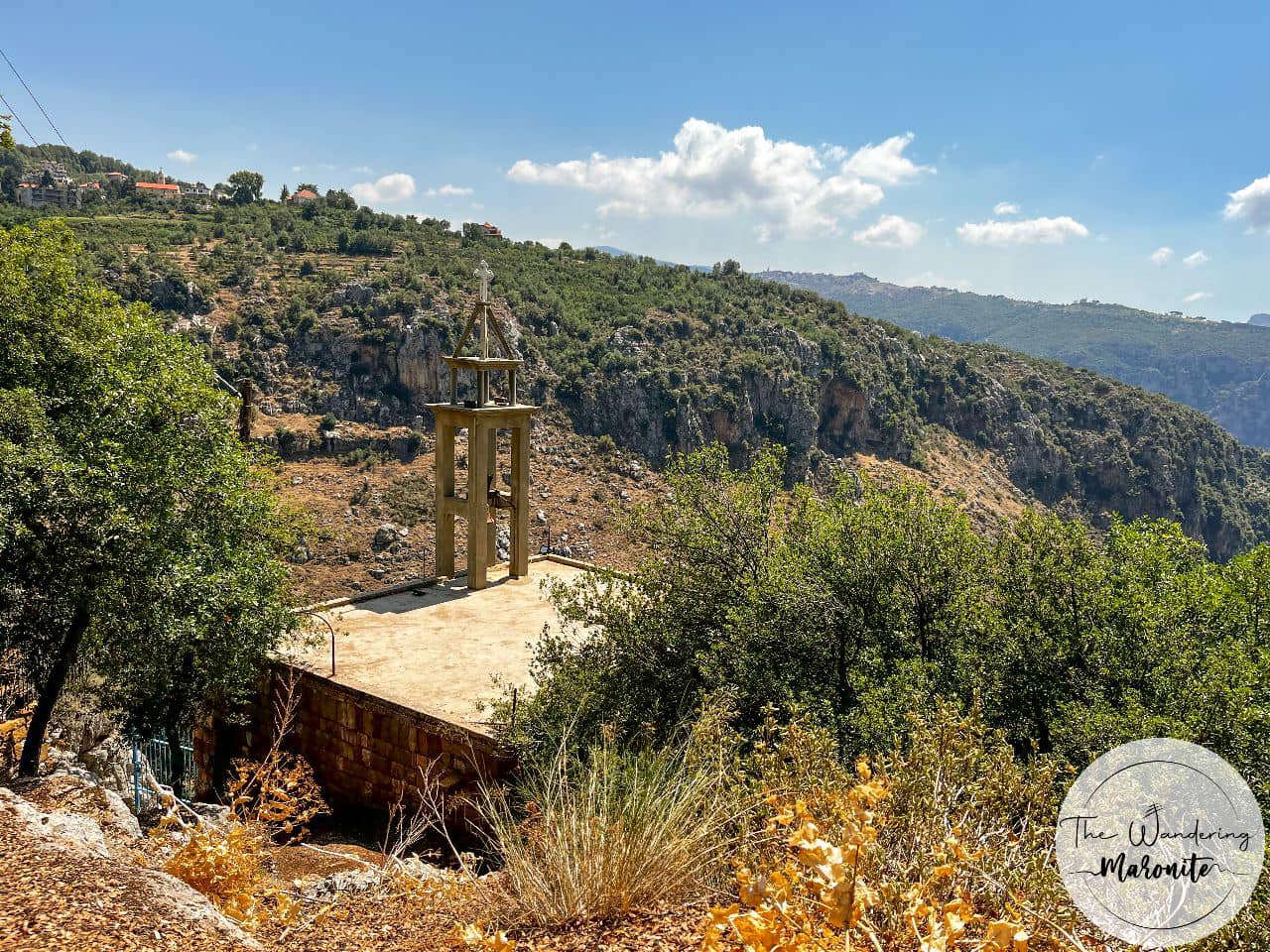
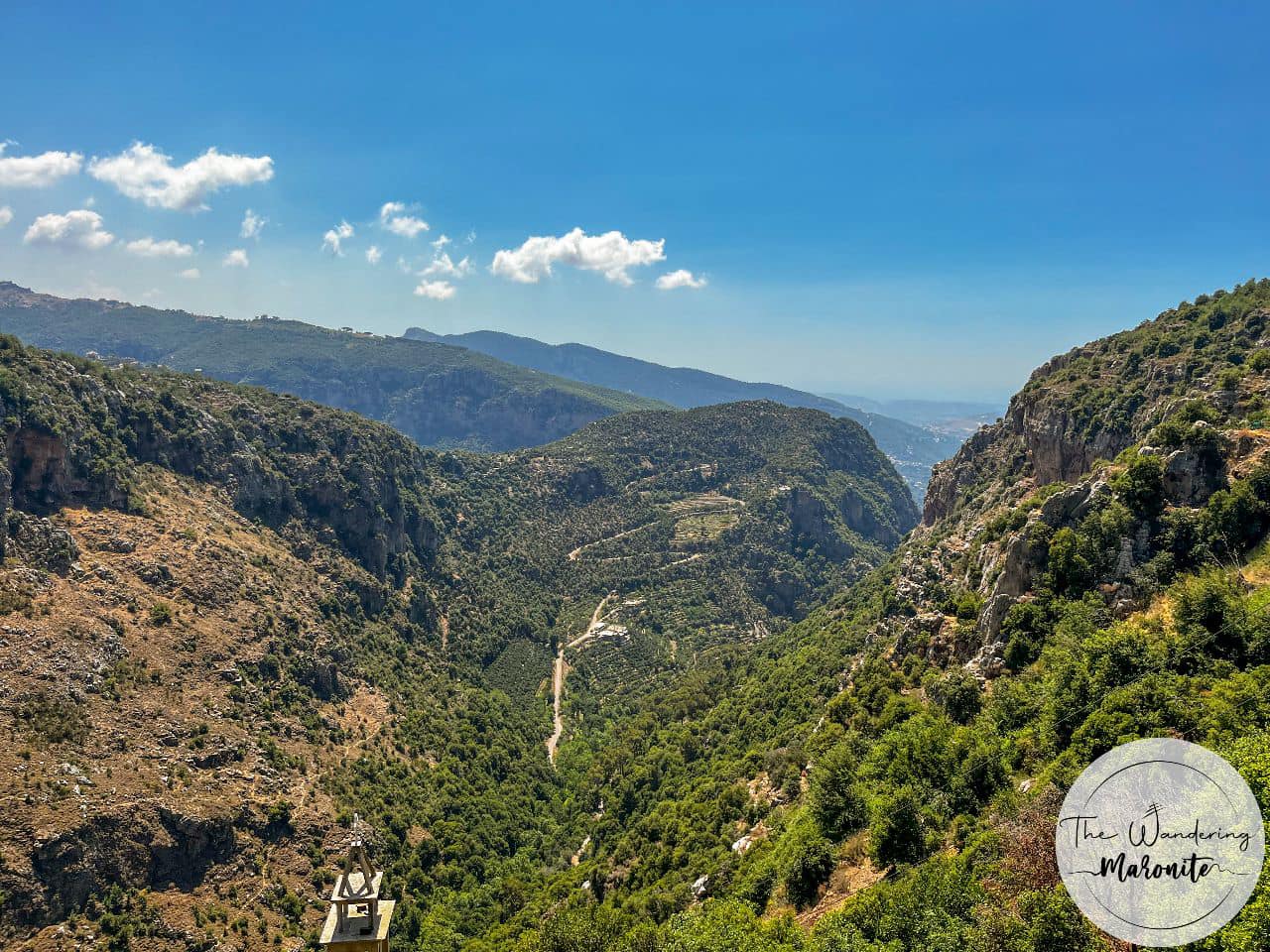
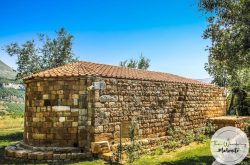
هي كنيسة على سفح الوادي المقدّس، بُنيت في القرن الثاني عشر، واتّخذها الأسقف تادروس مقرًّا له إلى يوم وفاته سنة ١٥٠٢ بحسب البطريرك الدويهيّ. بقيت الكنيسة فترةً طويلة مُهملة إلى أن رُمّمت في ستينيّات القرن العشرين.
The church of our Lady of the Cliff - Aintourin
The church is built on the cliff side of the Holy Valley. The church was built in the XIIth century and was made an episcopal residence by Bishop Tadros until his death in 1502, according to Patriarch Douweihy. The church was left abandoned for a long time and restored during the sixties.
بعد محاولته العودة إلى أنطاكيا ورجوعه الى جبل لبنان سنة ٧٥٠، سكن البطريرك الرابع يوحنّا مارون الثاني و من بعده خلفائه البطاركة دير مار جرجس الأزرق يانوح لخمسمئة سنة إلى سنة ١٢٧٧. يُعزى ذلك بحسب المؤرخين لثلاثة أسباب : كون يانوح منطقة جبليّة عاصية، قربها من معبر المنيطرة القريب الى البقاع، وتقوى أهل يانوح بحسب البطريرك الدويهيّ. في القرن الثامن بُنيت كنيسة أم الله في الصرح البطريركيّ لجهة الشمال، وجدّدت في أيّام الصليبيّين. سنة ١٢١٥ صدر أمر البابا اينوشنسيوس الثالث الى الأساقفة الموارنة بالخضوع للبطريرك في كرسيّ يانوح. ضمّت هذه الكنيسة مخطوط إنجيل رابولا. بعد القرون الوسطى خرب الدّير والكرسيّ. رمّمت الكنيسة بسعي البطريرك بشارة بطرس الراعي وأعيد تكريسها سنة ٢٠١٧. تضمّ العرش البطريركيّ القديم، وعلى زواياها نقشت الصلبان المثنية الأطراف.
The church of the Theotokos our Lady Mary - Yanouh
After his failed attempt to go back to Antioch the fourth Maronite patriarch John Maroun II move his seat to the monastery of St George the blue in Yanouh in 1750. The patriarchal seat remained there for 500 years until 1277. The main reasons that Yanouh was chosen was because of the mountainous nature of the region, the closeness to the pass of Mneitra and to the region of Bekaa, and the locals piety described by patriarch Douwaihy. In the VIIIth century the church of the Theotokos was built north of the patriarchal seat, and renewed during the crusades. In 1215 an edict by pope Innocent III ordered the maronite bishops to obey the patriarch in the sear of Our Lady of Yanouh. This church held the Codex Rabbula. After the middle ages the church fell into despair, it was renewed by order of Patriarch Bechara Boutros el Rai in 2017 and reconsecrated. The church holds the old patriarcal throne and has two egged crosses on the four sides of the structure.
Saint Isaiah (Mar Shaaya), Jouret El Ballout, Lebanon
دير مار شعيا
Broummana El-Matn
Metn
Mount Lebanon
دير مار شعيا - المزكه برمانا
سنة 1673 قام المطران جبرايل البلوزاني رئيس أساقفة حلب (البطريرك لاحقًا) بتأسيس حركة رهبانيّة تتبع قانون مار أنطونيوس الكبير وهدفها تبشير الدروز. سنة 1698 أُرسلت مجموعة من الرهبان لتأسيس ديرٍ في برمانا هم: سليمان الحجّة المشمشاني، وعطالله كريكر الشبابي، وموسى زمّار البعبداتي. فاشتروا أنقاض ديرٍ قديمٍ على تلّة بجوار برمانا. سنة 1700 بدأ الرهبان الأنطونيون تأسيس ديرٍ جديدٍ على اسم مار شعيا الراهب الحلبيّ. أصبح الدّير الدّير الأم للرهبانيّة الأنطونيّة الناشئة التي ثبّتها البابا أقليمنضوس الثاني عشر سنة 1740. إرتبط الأنطونيّون بدير التأسيس لدرجة أنّهم أصبحوا يتكنّون برهبان مار شعيا. أصبح الدير جسر علاقة بين الرهبانيّة وحكّام الجبل، أمراءِ آل أبي اللمع وآل شهاب الموحِّدّين ما حدا بأفرادٍ من الأسرتَين الكبيرتَين اعتناقَ الإيمانِ الكاثوليكي ونشره في مناطقَ متنيّة. تعاقبت الحروب على الدير وتركت بصماتِها الهدّامة من أحداث ١٨٤٠ و١٨٦٠، إلى الحرب العالميّة الأولى، وقد كانتِ الأشرس، فدمّر الجيش العثمانيّ الدير وأحرق مكتبته. رُمّم الدّير على مراحل عديدة وأُعيد بناؤه. كنيسة الدّير كناية عن عقدٍ مُصالبٍ ينتهي بحنية نصف دائريّة. تتميّز الكنيسة بخورسها الخشبيّ بين المذبح والسوق الرئيسيّ.كذلك تحوي الكنيسة أرغن الموسيقار الكبير الأب يوسف الأشقر أحد روّاد الموسيقى الكنسيّة المارونيّة. كذلك تحوي لوحة مار شعيا التي تعود لعام 1907، وجداريّة خلف المذبح من عمل الرسّام أسعد رنّو.
The monastery of St Isaiah - El Mzekke Broummana
In 1673 the archbishop of Aleppo Mgr. Gebrayel el Blouzany (later Patriarch), started a monastic movement according to the Rule of St Anthony the great, with the aim of evangelizing the Druze. In 1698 a small group of monks were sent to start a monastery in Broummana: Sleiman Hajje from Meshmesh, Atallah Kreiker from Beit Chabab, Moussa el Zemmar from Baabdat. In 1700 the monks bought the ruins of an old monastery on a hill in the vicinity of Broummana. The monastery was dedicated to St Isaiah the Aleppan monk, and the monastery became the motherhouse of the new order that was recognized by Pope Clement XII in 1740. The monks became commonly known as the monks of St Isaiah. The monastery became a mission hub and many Druze were converted by the monks, it was noted that many princes from the families of Shehab and Abi el Llamah became Maronites and helped spreading the catholic faith in the Metn region. The monastery suffered greatly during the wars of 1840 and 1860, it was severely damaged during World War I and its great library was burnt down. Yet it was always restored and rebuilt. The monastery's church is a crossed vault ending with a semi circular apse. The nave and the sanctuary are separated by wooden choir stalls. The church holds the organ of Fr. Boulos el Ashkar a pioneer in Maronite ecclesiastical music, a painting of St Isaiah from 1907 and a fresco of the saint by Assaad Renno.
أواسط القرن السادس عشر بنى مشايخ آل الخازن دارًا واسعة في بلوّنه. في هذه الدّار أخفت الستّ نسب التنّوخيّة الأميرين فخر الدّين ويونس معن، عن أعين الدّولة العثمانيّة بعد موت والدهما قرقماز، تحت وصاية الشيخ أبا صقر إبراهيم الخازن، من سنة ١٥٨٤ إلى سنة ١٥٩٠. في ١٤ كانون الأوّل ١٧٨٥ أوقف الشيّخ عبد السلام بن عبد الملك الدّار وكنيسة مار موسى بداخله، ليصبح ديرًا وأثبت هذه الوصيّة البطريرك يوسف أسطفان. تولى رئاسة الدّير المطران يوسف اسطفان الأوّل أسطفان سنة ١٧٨٦، سافر الى روما بالسنة ذاتها، حيث قابل البابا بيوس السادس الذي أنعم بغفرانٍ كاملٍ لكلّ من يقدّس على مذبح الدير بموجب براءة بتاريخ ١٧٨٨. الجدير بالذكر أنّ الكنيسة هي مثال نادر على حفاظها على حالتها الأولى، من الزخارف والمذبح والشعريّة وبيض النعام فوق المقدس.
The Monastery of St Moses the Abyssinian - Ballouneh
During the mid XVIth century, the lords of the feudal Khazen house built an estate in Ballouneh. In this house Lady Nasab Tannoukh hid her two sons Fakher Ed Dyn and Youness Maan after the assassination of their father. The princes where under the custody of Sheikh Aba Sakr Ibrahim El Khazen from 1584 till 1590. On the 14th of December 1785, Sheikh Abdul Salam Bin Abul Malik el Khazen converted the estate and the chapel inside it, into a monastery by a decree of Patriarch Youssef Estephan. In 1786 Bishop Youssef Estfan I el Khazen was appointed superior of the monastery. He traveled to Rome and met the Pope Pius VI who gave a plenary indulgence to all who celebrate mass on the monastery’s altar in 1788. What is worth mentioning is that the church is a rare example of intact XVIth century church architecture, conserving original elements.



Reviews are disabled, but trackbacks and pingbacks are open.