
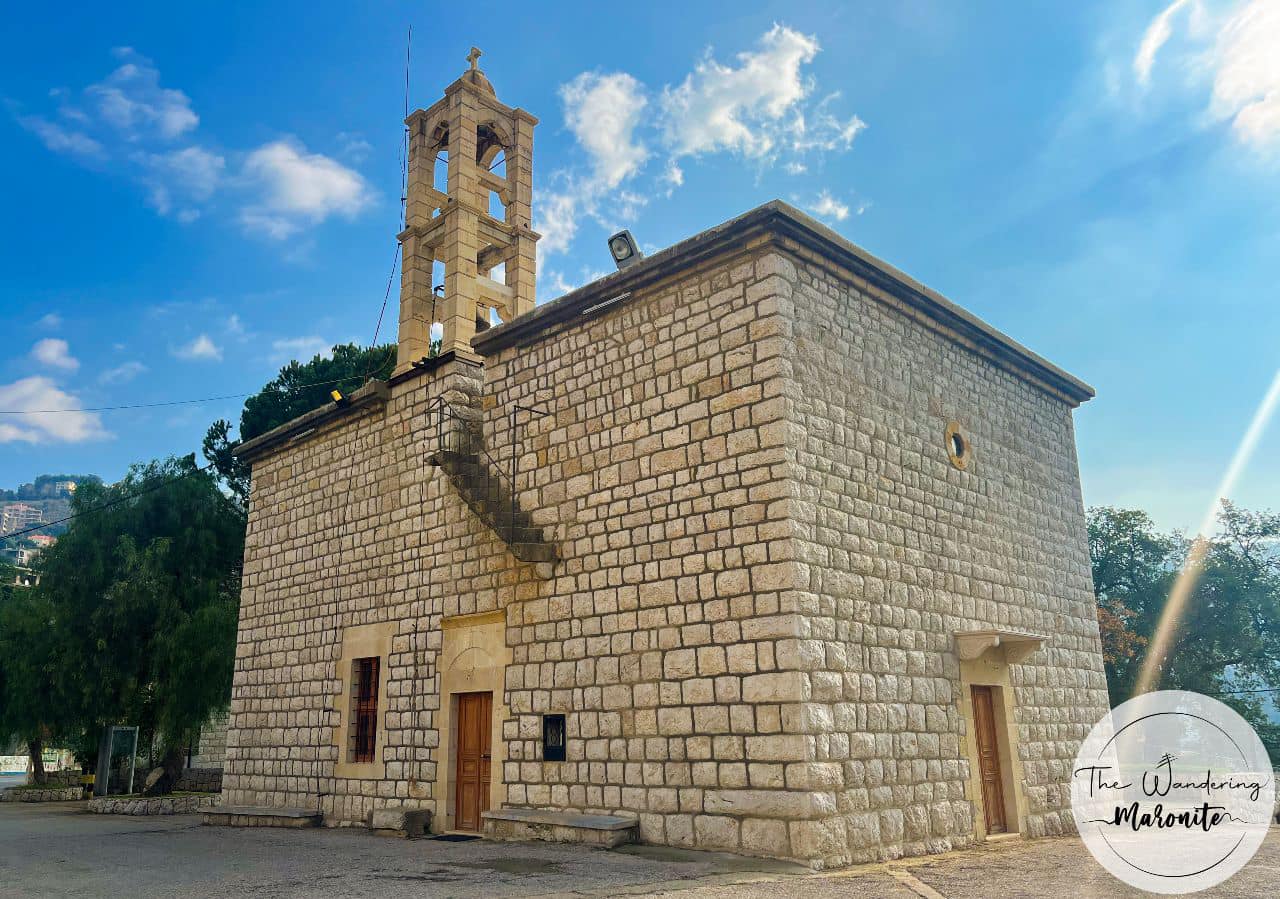
Aïn el Kharroubeh – The church of Our Lady of Perpetual Help

Saydet el Maounat سيدة المعونات, Sfayleh, Lebanon

Other Details

كنيسة سيّدة المعونات

Ain El-Kharroubeh

Metn

Mount Lebanon

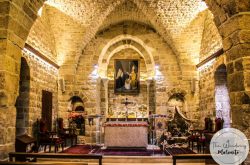
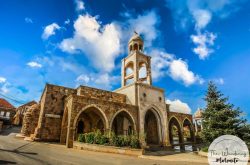
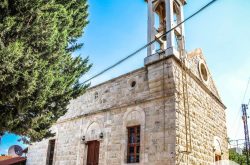
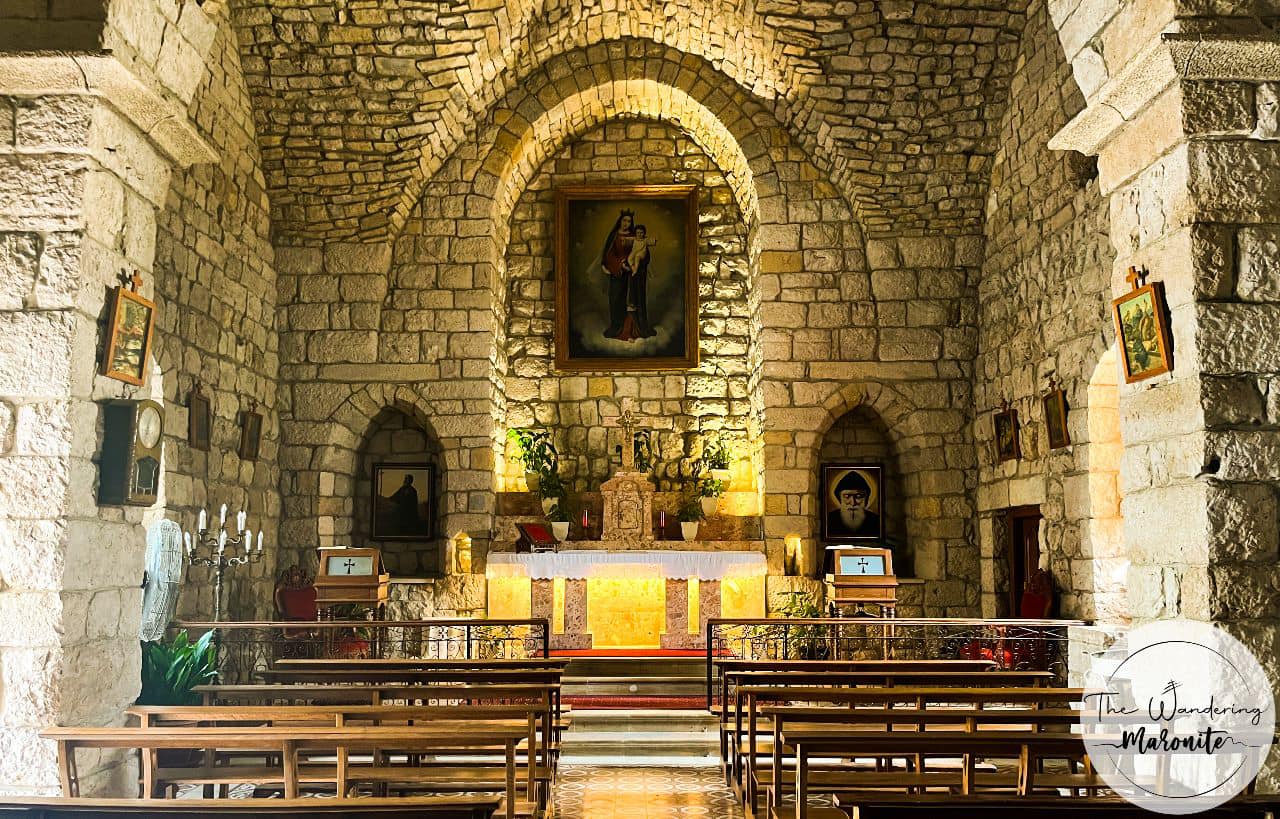
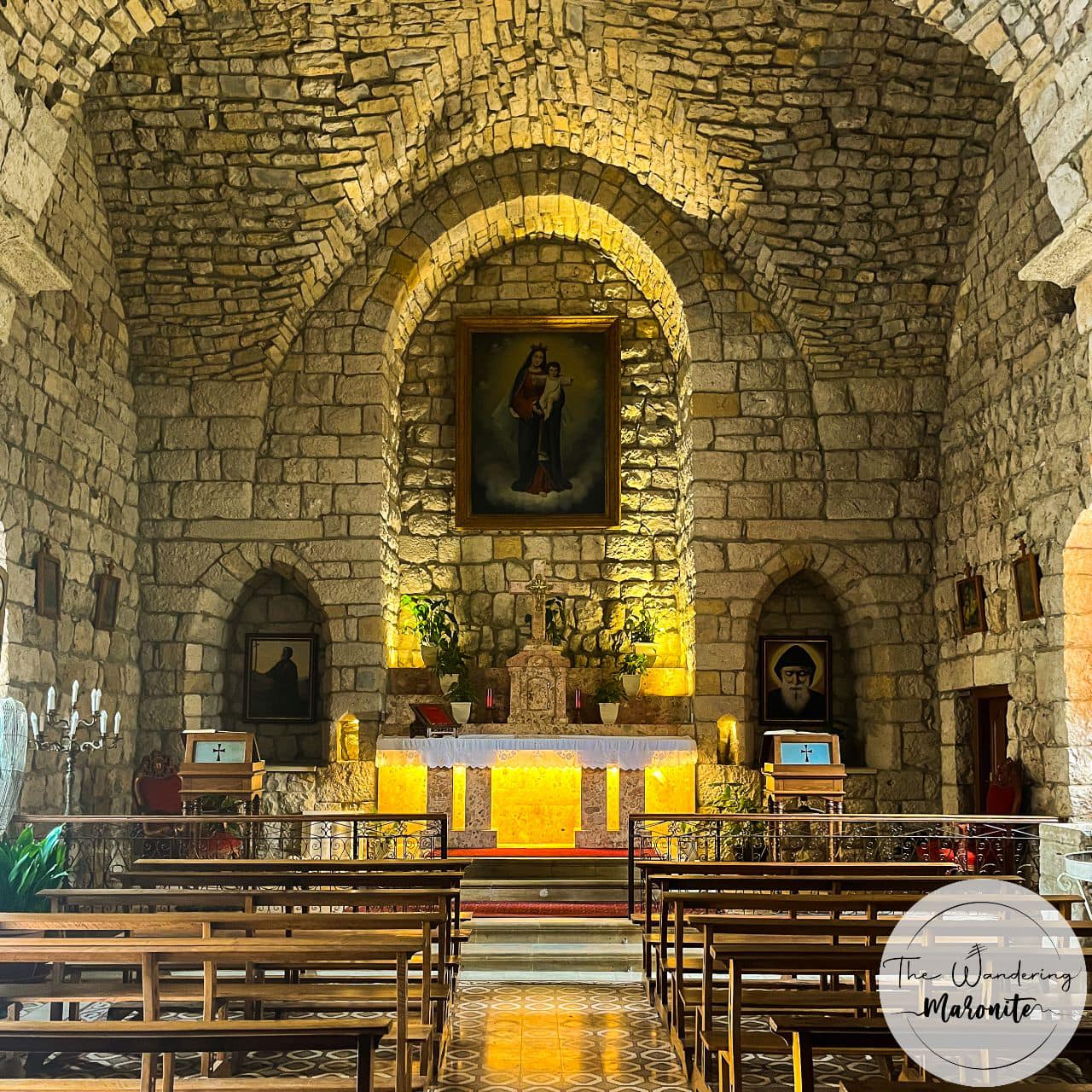
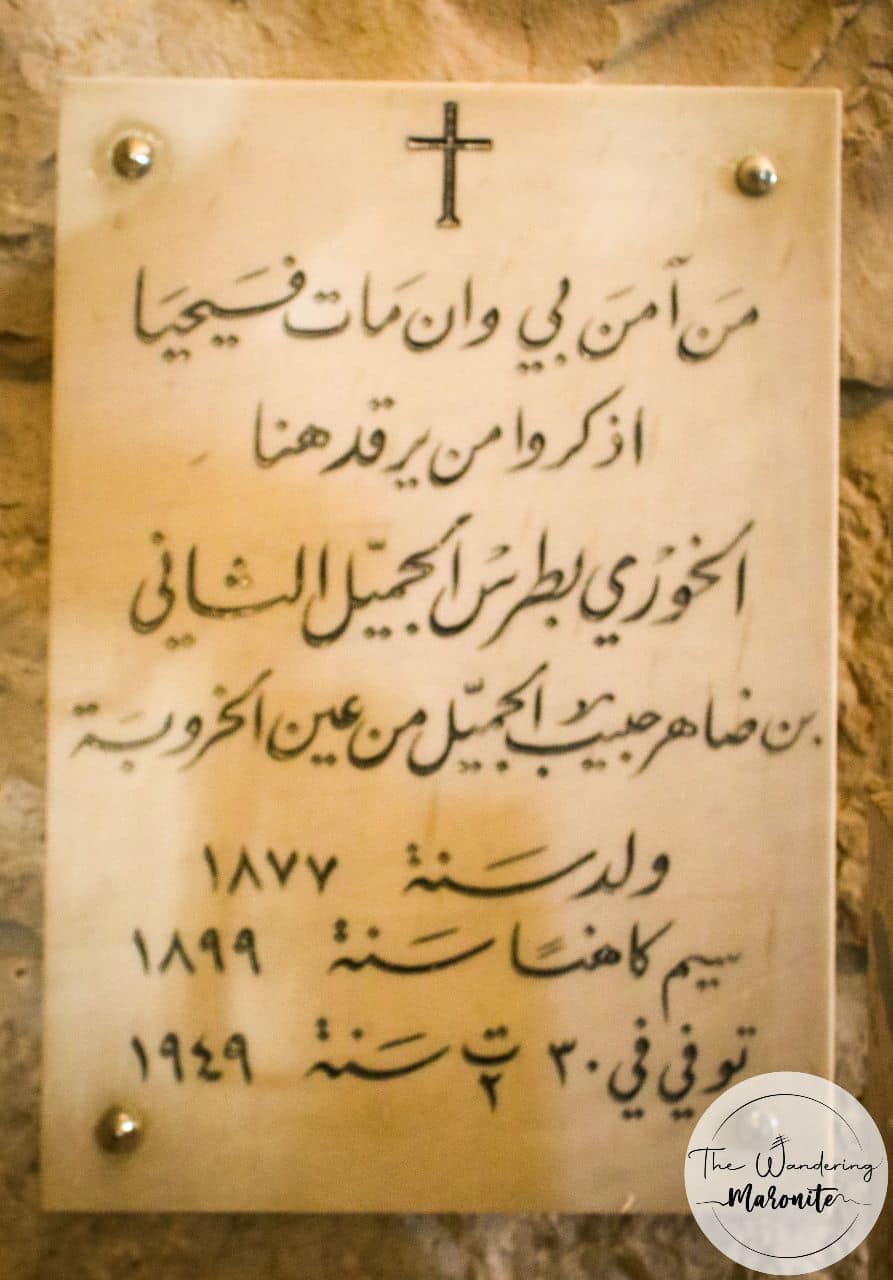
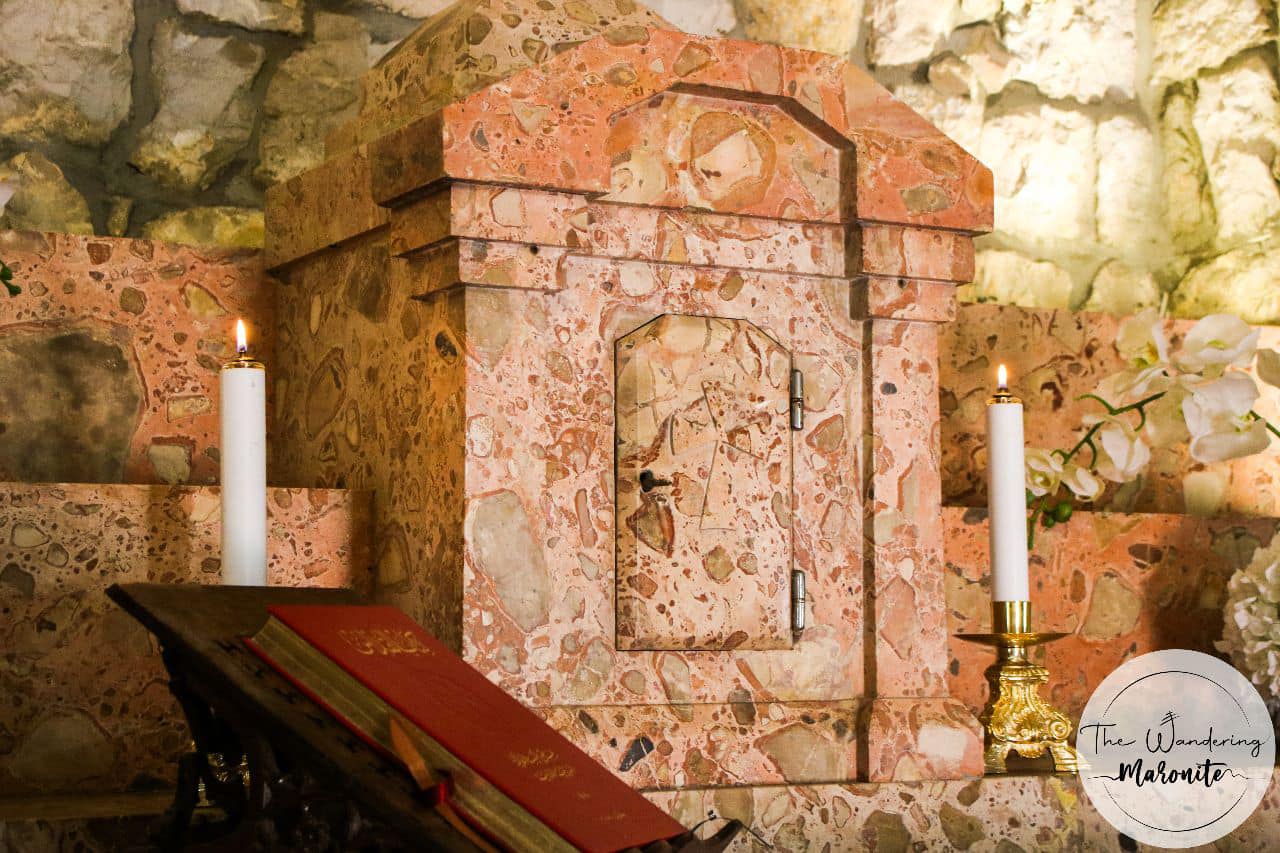
كنيسة سيّدة المعونات  - عين الخرّوبة الكنيسة الأولى مجهولة تاريخ البناء. في القرن الثامن عشر أعاد أهالي بناء كنيستهم القديمة التي كانت بخطر الإندثار وكانت هذه الكنيسة رعائيّة لكلّ القرى المجاورة. سنة ١٨٦٢ قرّر أهالي عين الخرّوبة توسيع الكنيسة لتُصبح رعيّتهم. لم يتمكّن أهل الرعيّة من إنهاء مشروعهم، إلى أن حدثت هذه الأعجوبة: يوم ذهب الشيخ ضاهر الجميّل إلى عكّار، فخطفه الحمّاديّين و سرقوه ورموه في الجرود ليموت، فنذر للعذراء لتُعينه، فنجّتهُ من الموت. عاد الأخير إلى بلدته وأكمل بناء العقد المُصالب فكان النجاز منه سنة ١٨٨٢ وكرّس الكنيسة المطران نعمة الله سلوان سنة ١٨٩٢. تضمّ الكنيسة مذبحًا مرمريًّا زهريًّا، كذلك أيقونة أمّ النور وهي أيقونة مارونيّة للراهب بطرس القبرصيّ تعود لسنة ١٧٢٦، ولوحةً للعذراء من عمل داوود القرم. The church of Our Lady of Perpetual Help -  Aïn el Kharroubeh The first church built on the site has an unknown history, records show that it was renovated in the XVIIIth century and became the parochial church for all the surrounding villages. In 1862 the people of Aïn el Kharroubeh decided to rebuild the church, yet many problems occurred leaving an unfinished structure. In the same year Sheikh Daher el Gemayel went to Akkar and was kidnapped by the Hammadis who stole him and left him stranded in the mountains to die. He then asked the Blessed Virgin to help him, and she miraculously saved him. He then went back to his village and completed the crossed vault in 1892. The church was reconsecrated by Mgr. Nematullah Selwan in 1892. The church’s altar is made with a beautiful pink marble stone. It holds a maronite icon called The Mother of Light by Fr. Boutros the Cypriot dating back to 1726, and a painting by Dawoud el Qorm.

Visited 5027 times, 5 Visits today

Reviews are disabled, but trackbacks and pingbacks are open.

Related Listings

Kfaraabida – The church of St Anthony of Padua

Kfar Aabida, Lebanon

كنيسة مار أنطونيوس البادواني

Kfar Aabida

Batroun

North

كنيسة مار أنطونيوس البادواني - كفرعبيدا

هي كنيسة صغيرة في البلدة، بُنيت سنة ١٨١٦. البناء كناية عن عقدٍ سريريّ بسيط، يعلوه تمثال لمار أنطونيوس البادوانيّ حاملاً الطفل.

The church of St Anthony of Padua - Kfaraabida

A small church on the outskirts of the village, built in 1816. The structure is a simple crib vault, with St Anthony's statue over the building.

Al Midane Jezzine – The church of St Laba

St. Mary Church - كنيسة السيدة, Wadi Jezzine, Lebanon

كنيسة مار لابا

Midane Jezzine

Jezzine

South

كنيسة مار لابا - الميدان جزّين

سنة ١٧٤٢ إنتُخب المطران سمعان عوّاد الحصرونيّ بطريركًا وجعل كرسيّه في بلدة الميدان الجزينيّة. حمل أهل حصرون معهم شفاعة مار لابا أو يهوذا الرسول إلى الميدان وبنوا له مقامًا صغيرًا. سنة ١٩٠٣ بعناية الخوري يعقوب عوّاد، بُنيت الكنيسة الحاليّة، وهي كناية عن عقدٍ مصالبٍ ينتهي بحنيةٍ نصف دائريّة. وجلب مغتربو البلدة لوحة مار لابا من المكسيك سنة ١٩٢١ وهي من عمل سارييا زاكاتيكاس. وسّعت الكنيسة ورمّمت عدّة مرّات في النصف الثاني من القرن العشرين.

The church of St Laba - Al Midane Jezzine

In 1742 bishop Semaan Awad was elected patriarch, and made his patriarchal seat in Al Midane. Since he was originally from Hassroun he built a shrine for St Jude the apostle (Laba or Tedy) in the village. In 1903 the current church was built, with the efforts of Fr. Yaqoub Awad. The structure consists of a crossed vault ending with a semi circular apse. The church was renovated many times during the latter half of the XXth century. The painting of St Leba was donated by the village’s diaspora in Mexico in 1921 it is the work of Saria Zakaticas.

Kousba – Hamatoura Monastery

Hamatoura Monastery, Karm Saddeh, Lebanon

دير رقاد السيدة - حمطورة

Kousba

Koura

North

On the northern side of the village of Kousba, is the monastery of Our Lady of Hamatoura, built in the rocky hollow of a high cliff which overlooks the holy valley of Kadisha. Hamatoura is 84km from Beirut.

The church of Saint Jacob is the most ancient part of the monastery, belonging to the 4th century, while a large cross from the 7th century rises above the outer doorway. Some quite well preserved frescoes dating back to the middle ages cover the walls of the church, one of which shows the Holy Virgin, Queen of Heaven, seated on a throne with the Child Jesus on her knees.

Near the monastery are two venerable churches, one dedicated to Saint Michael and the other to Saint John the Baptist. On the top of the hill one can see the church of St. George. Close by the monastery is a rocky cave where one may perceive the base of a stalagmite, where barren women come to pray in the hope of bearing a child, for this grotto was dedicated to the pagan goddess of fecundity.

Late in the 13th century, at Our Lady Monastery in Hamatoura, Saint Jacob began his ascetic life. Later, when the monastery was destroyed by the Mamlukes, he reestablished monasticism along the perimeter of the ruined monastery. In time, he rebuilt the monastery, regenerating and giving renewed vigor to monastic life in the area. His spiritual briskness, vivacity, and popularity among believers drew the attention of the Mamelukes who set their minds to stop his verve and determination and force him to convert to Islam. He stubbornly refused their relentless pressures. The Mamlukes killed him and burned the church. Today, believers and pilgrims are constantly reporting his apparitions, miraculous healings and other Grace-filled deeds.