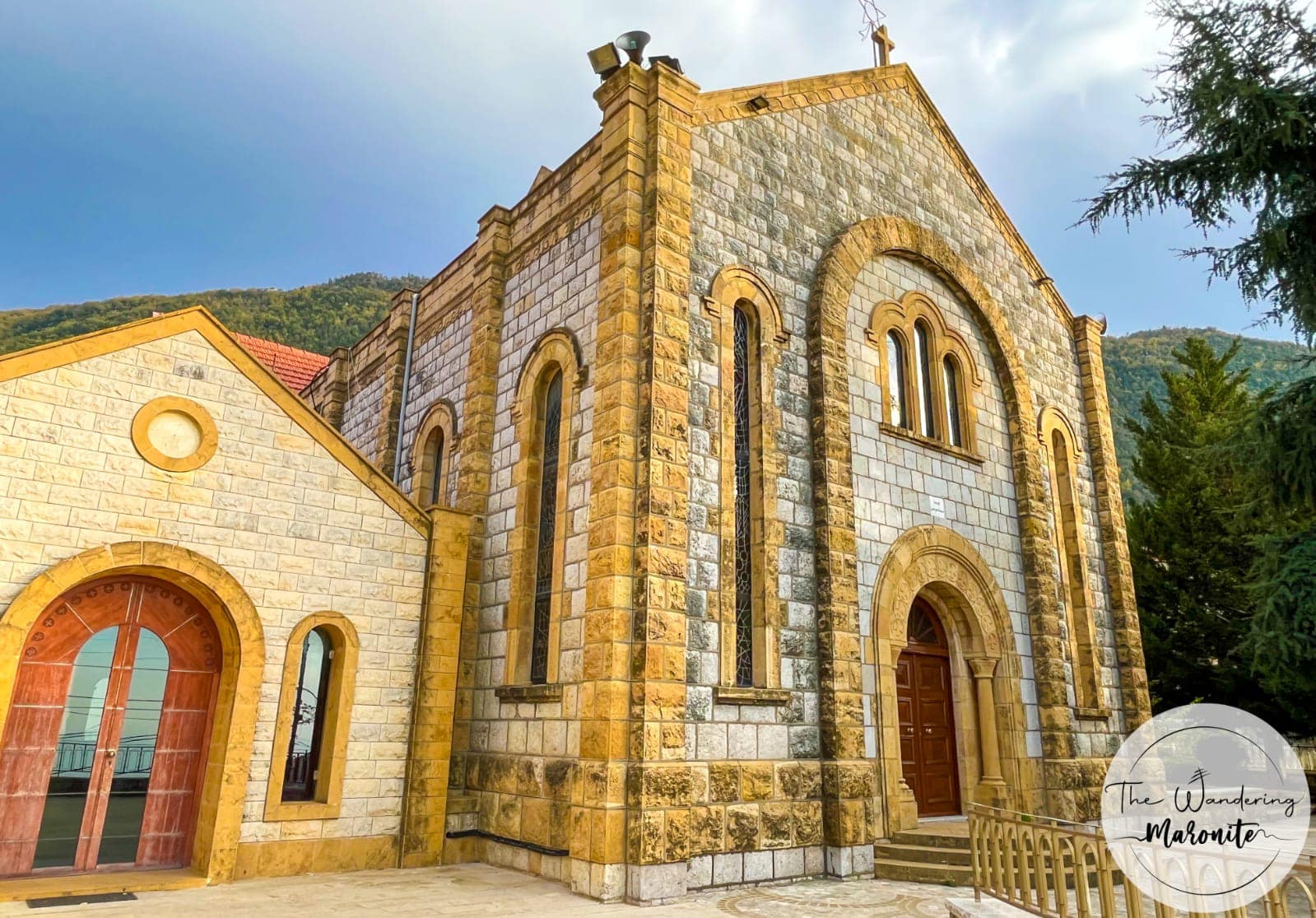
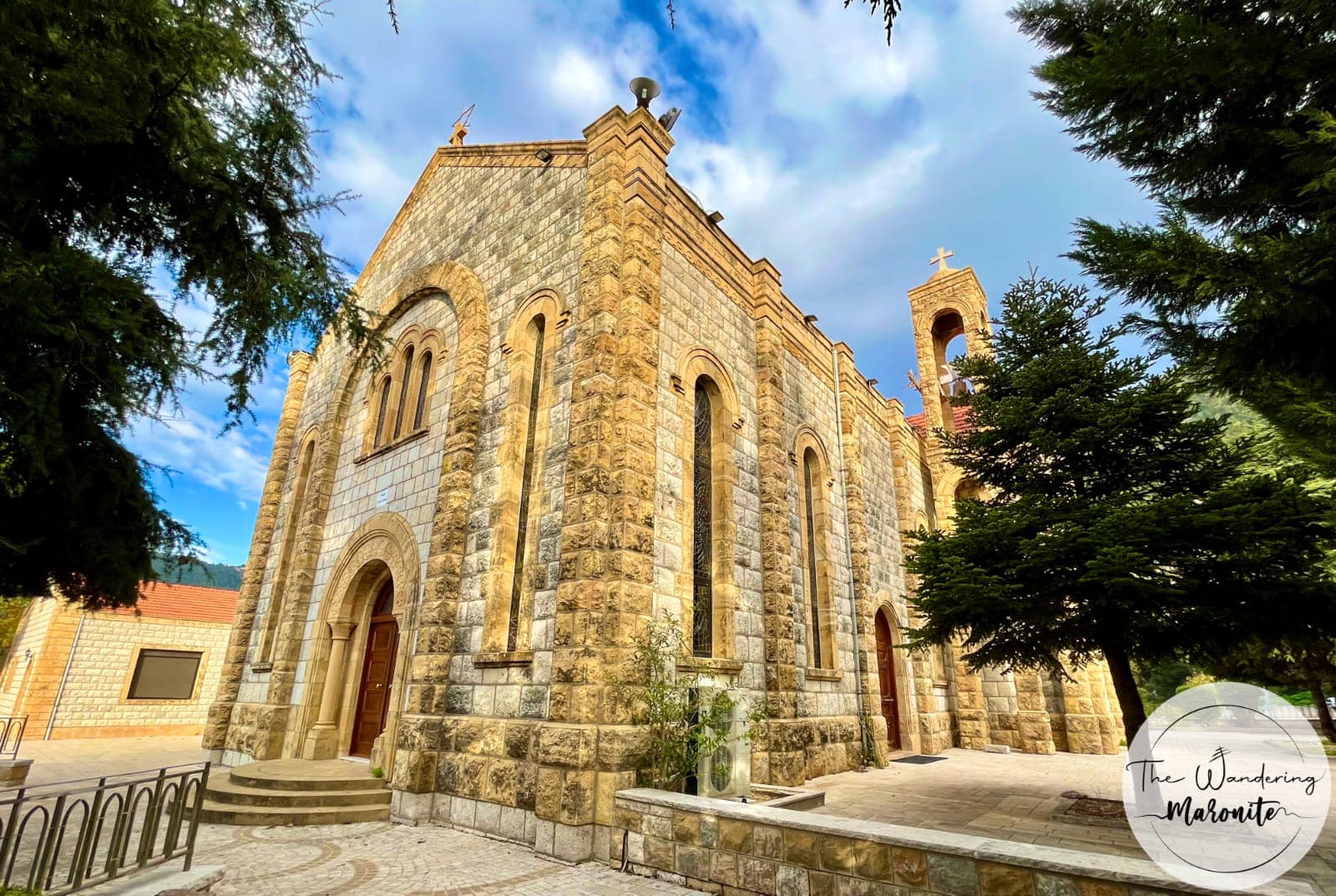
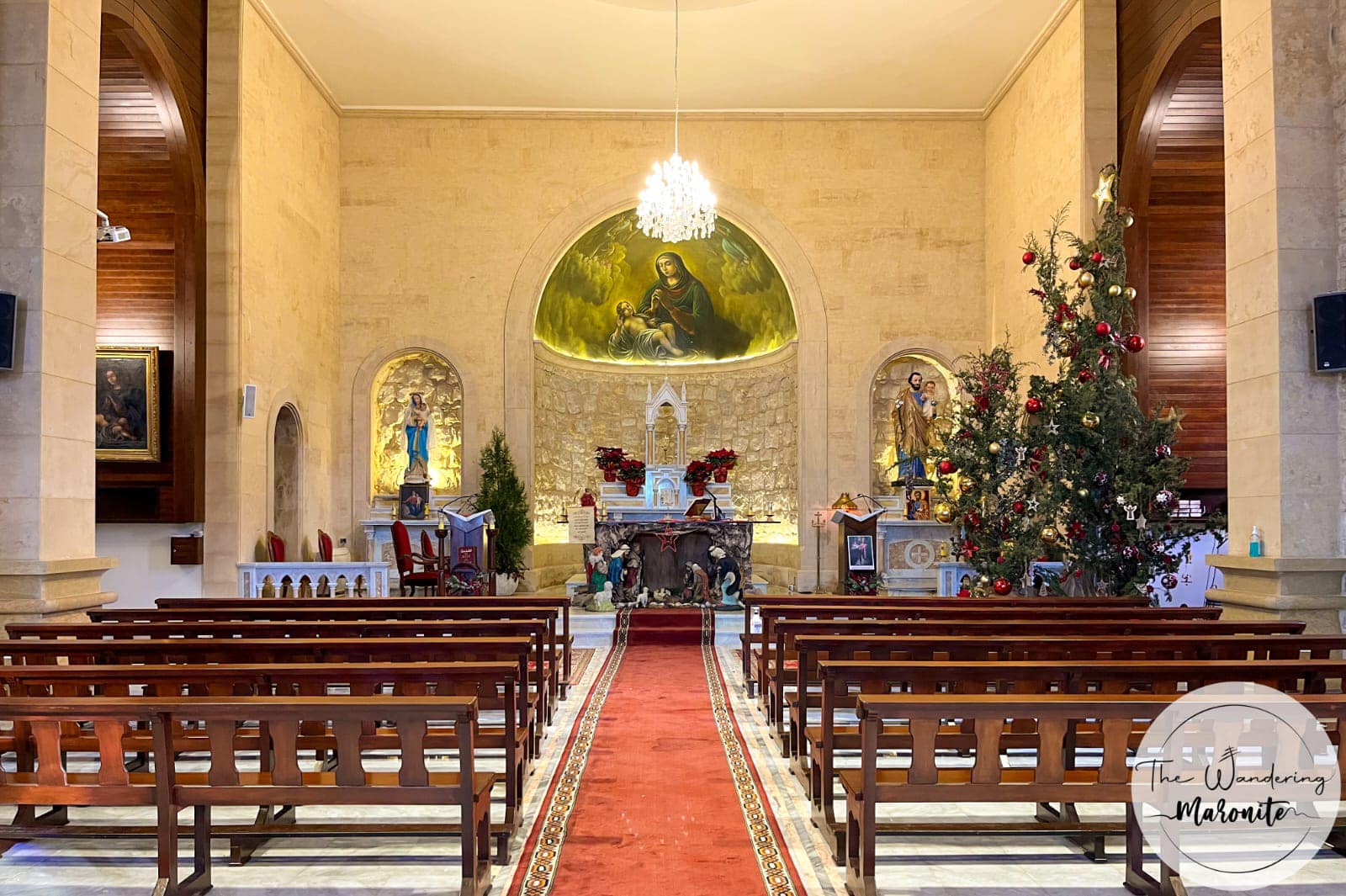
كنيسة السيّدة - عرمون
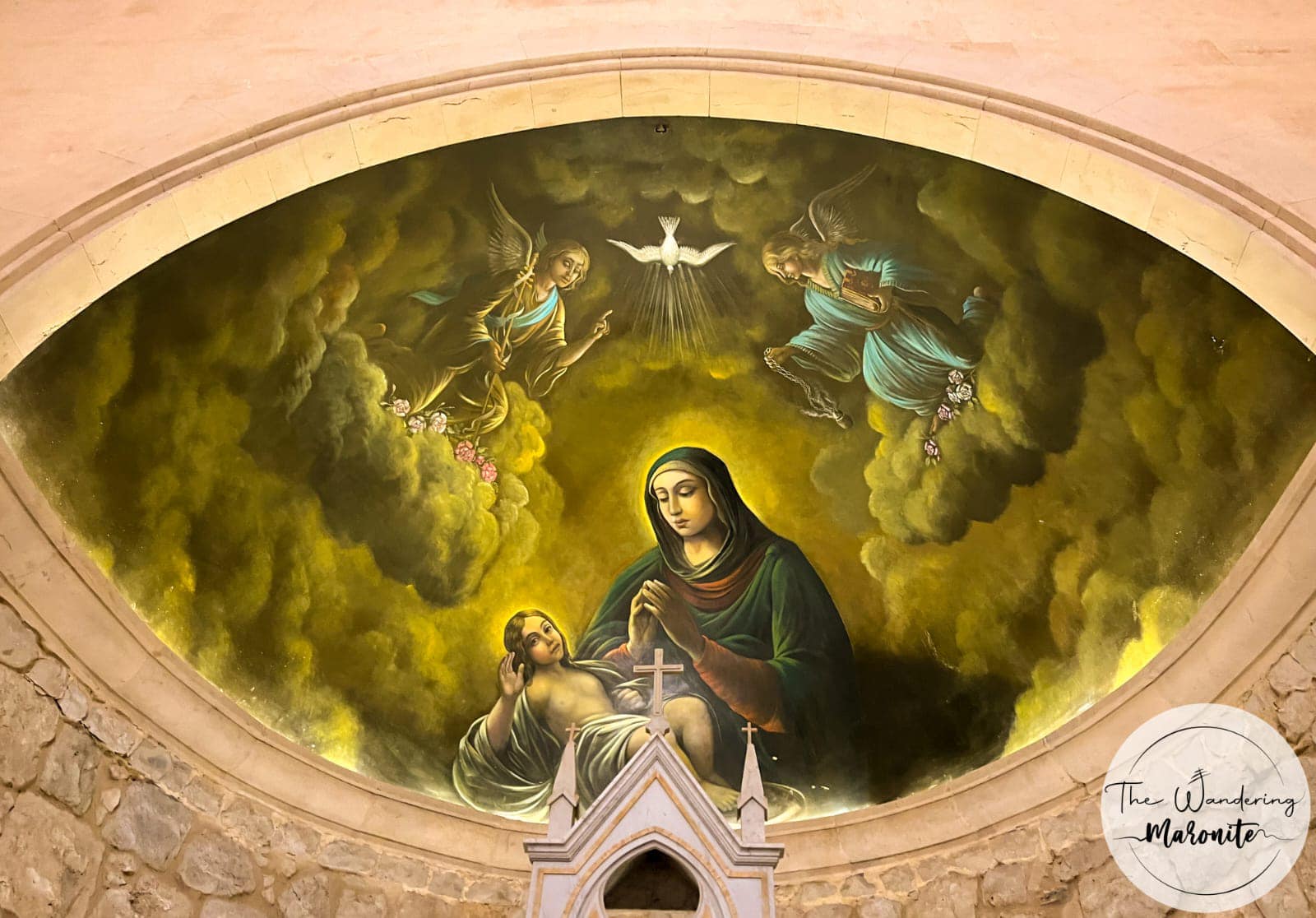
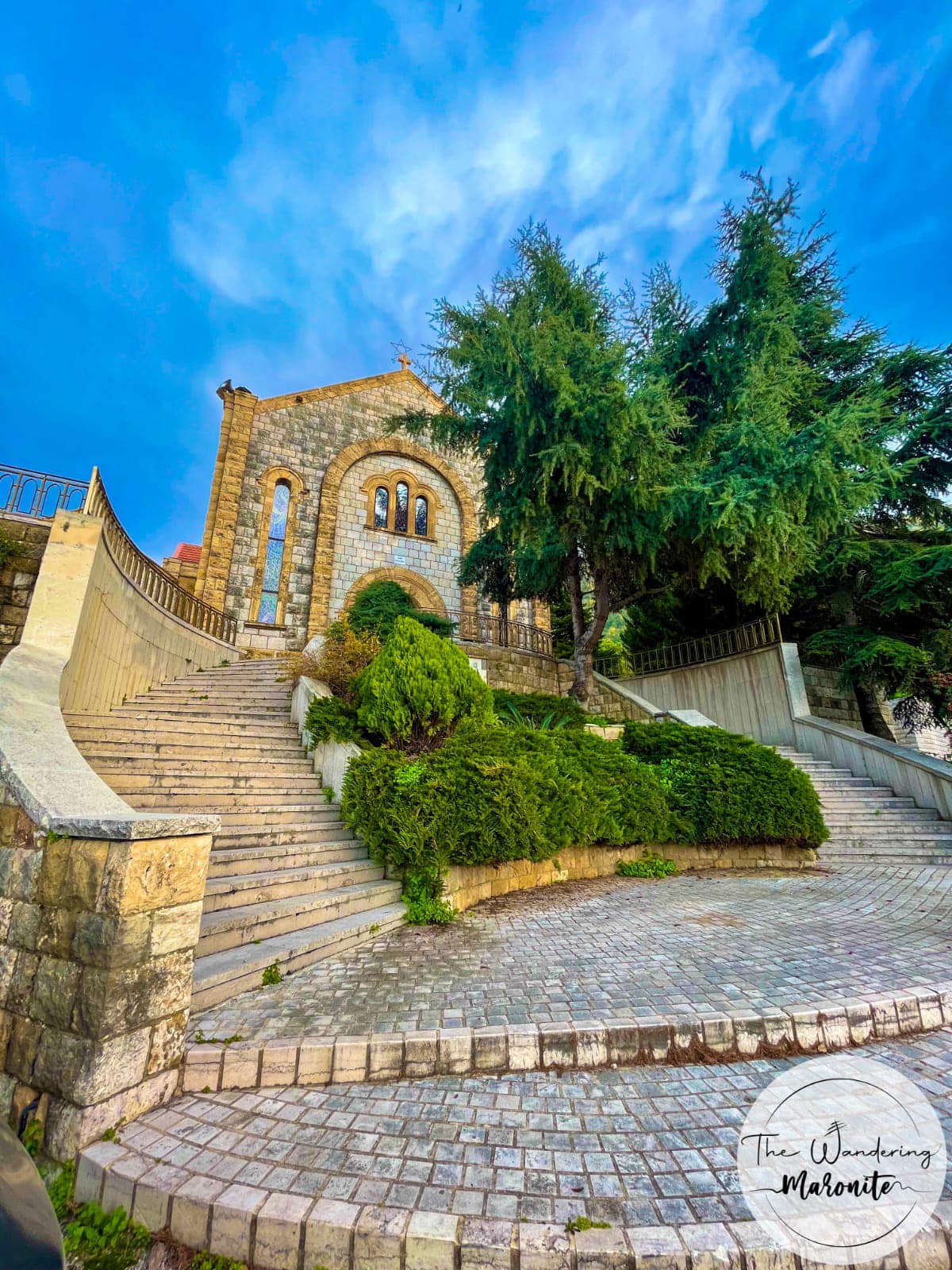
تمّ تشييد الكنيسة بدايةً على أنقاض معبد قديم وذلك في العام ١٦٦٢. وُسّع البناء في العام ١٨٤٨ وتم أضافة قبّة الجرس. وفي عام ١٩٤٦، بُني المبنى الجديد الذي أضيف إلى مبنى الكنيسة. رُمّمت الكنيسة مؤخرًا سنة ٢٠٢٢. البناء بازيليكيّ الطراز بسوقٍ واحدٍ مسقوف. تحوي الكنيسة أيقونةً من عمل الخوري موسى ديب.
The church of Our Lady - Aramoun
The church was first built in 1662. It was enlarged and the bell tower was added in 1848. The adjacent building was built in 1946. The church was finally renewed in 2022. The church is built following a single nave basilical plan. The church holds a maronite icon of the Madonna by Fr Moussa Dib.
الكنيسة مبنيّة أوائل القرن الثامن عشر، تسلّمتها الرهبانيّة اللبنانيّة المارونيّة سنة ١٧٩٢، وكانت الكنيسة متهدّمة فرممّتها، وقامت بخدمة شركاء آل أبي اللمع المسيحيّين. سنة ١٨٢٩ وسّع الرهبان بناء الكنيسة التي أخذت شكلها الحاليّ سنة ١٩٢٩: نمط بازيليكيّ مسقوف بسوقٍ واحد. للرهبانيّة أنطش بالقرب من الكنيسة تتابع من خلاله النشاط الرعويّ والرسوليّ. تضمّ الكنيسة العديد من اللوحات والأعمال الفنيّة القديمة والحديثة من مدارس مختلفة، أهمّها لوحة القدّيسة تقلا لحبيب سرور.
The church of St Thecla - Mrouj
The first church was built in the early XVIIIth century, and was given as a donation to the Lebanese Maronite Order in 1792 to restore it and give pastoral care to the maronite subjects of the Abi Al Lamah lords. In 1829 the monks enlarged the church and it took its current form in 1929: a single roofed nave basilical plan. The Order built a presbytery near the church and serves the parish spiritual needs. The church is decorated with many old and new works of art from different schools, the most important being the painting of St Thecla behind the altar.
On the northern side of the village of Kousba, is the monastery of Our Lady of Hamatoura, built in the rocky hollow of a high cliff which overlooks the holy valley of Kadisha. Hamatoura is 84km from Beirut.
The church of Saint Jacob is the most ancient part of the monastery, belonging to the 4th century, while a large cross from the 7th century rises above the outer doorway. Some quite well preserved frescoes dating back to the middle ages cover the walls of the church, one of which shows the Holy Virgin, Queen of Heaven, seated on a throne with the Child Jesus on her knees.
Near the monastery are two venerable churches, one dedicated to Saint Michael and the other to Saint John the Baptist. On the top of the hill one can see the church of St. George. Close by the monastery is a rocky cave where one may perceive the base of a stalagmite, where barren women come to pray in the hope of bearing a child, for this grotto was dedicated to the pagan goddess of fecundity.
Late in the 13th century, at Our Lady Monastery in Hamatoura, Saint Jacob began his ascetic life. Later, when the monastery was destroyed by the Mamlukes, he reestablished monasticism along the perimeter of the ruined monastery. In time, he rebuilt the monastery, regenerating and giving renewed vigor to monastic life in the area. His spiritual briskness, vivacity, and popularity among believers drew the attention of the Mamelukes who set their minds to stop his verve and determination and force him to convert to Islam. He stubbornly refused their relentless pressures. The Mamlukes killed him and burned the church. Today, believers and pilgrims are constantly reporting his apparitions, miraculous healings and other Grace-filled deeds.
سنة ١٨٦٩ اذ كان المطران يوحنّا الحاج (البطربرك لاحقًا) أسقفًا على بعلبك، وكانت صربا تابعة له، إشترى قطعة أرضٍ من بطريركيّة الروم الملكيّين الكاثوليك. فبنيت الكاتدرائيّة بسعي الخوري بولس الأشقر البجّاني. مع موت البطريرك الحاج سنة ١٨٩٠، ضمّت صربا إلى أبرشيّة دمشق. وسنة ١٩٦٠ فصلت عن دمشق لتصبح منطقة صربا نيابةً بطريركيّةً مركزها هذه الكاتدرائيّة. يتميّز بناء الكاتدرائيّة بتصميمٍ بازيليكيّ بسوقٍ واحدة وثلاث مذابح. اللوحات التي تعلو المذابح من عمل الرسّام داوود القرم وتعود للأوائل القرن العشرين.
St George’s cathedral - Sarba
In 1869 Mgr.John el Hajj (later patriarch) archbishop of Baalbeck, since Sarba was a dependency of Baalbeck back then, bought a parcel of land from the Melkite Catholic patriarchate to build a church. The construction of the new church began with Fr Boulos al Achkar el Bejjany. When Patriarch el Hajj passed away, Sarba was transferred juridically from the see of Baalbeck to the see of Damascus. In 1860 Sarba was proclaimed an independent ecclesiastical province, a patriarchal vicariate with the cathedral at it’s center. The structure is a single nave with three apses, and three altars. The church holds three early XXth century paintings by Daoud el Qorm.



Reviews are disabled, but trackbacks and pingbacks are open.