
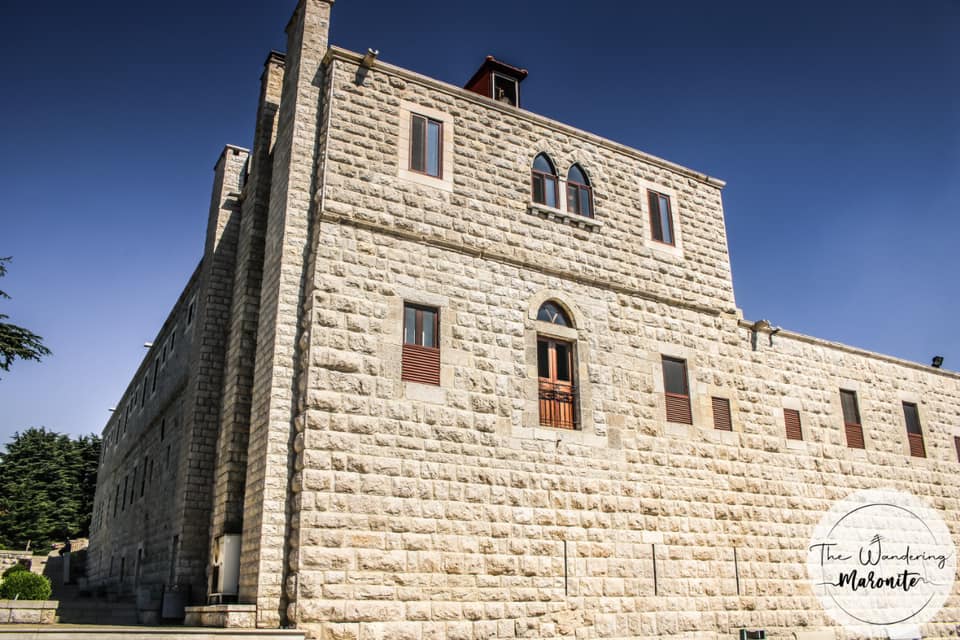
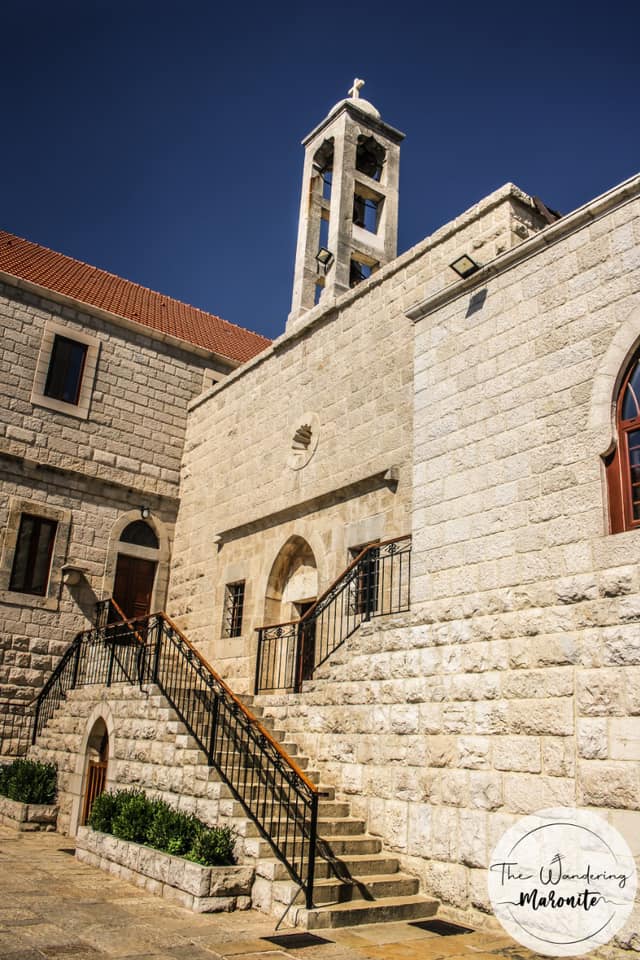
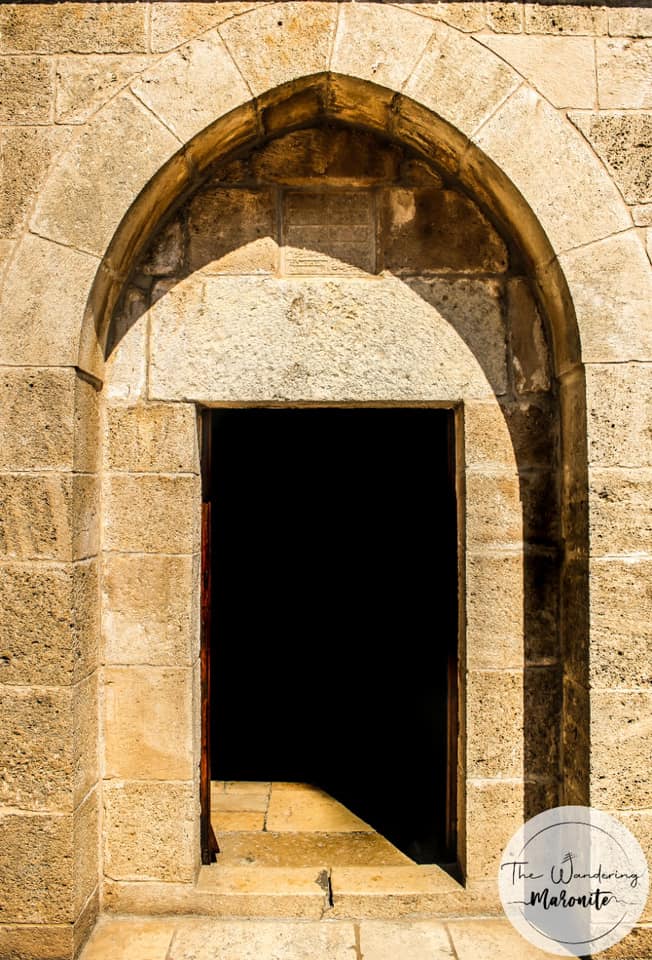
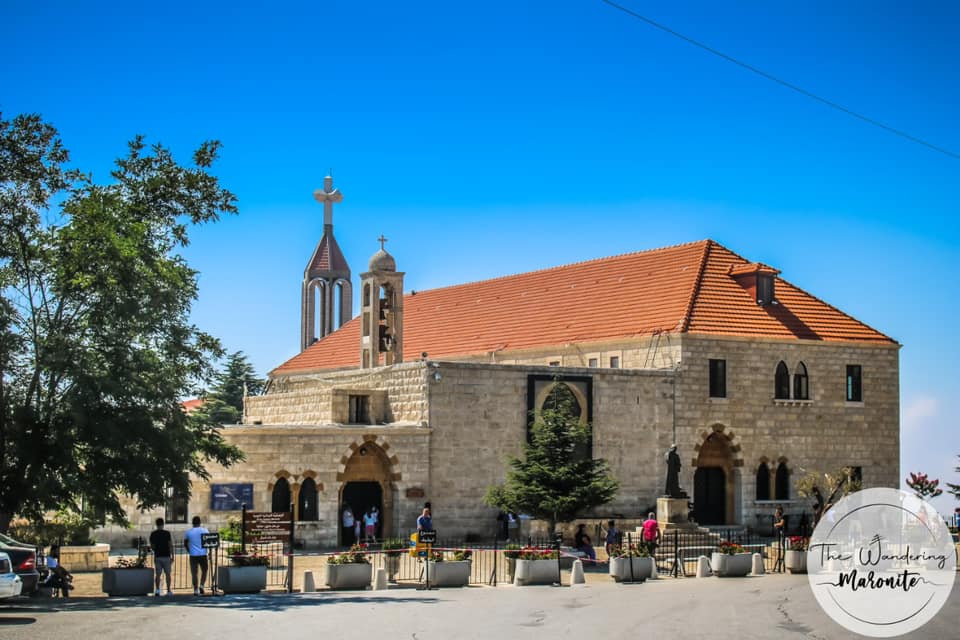
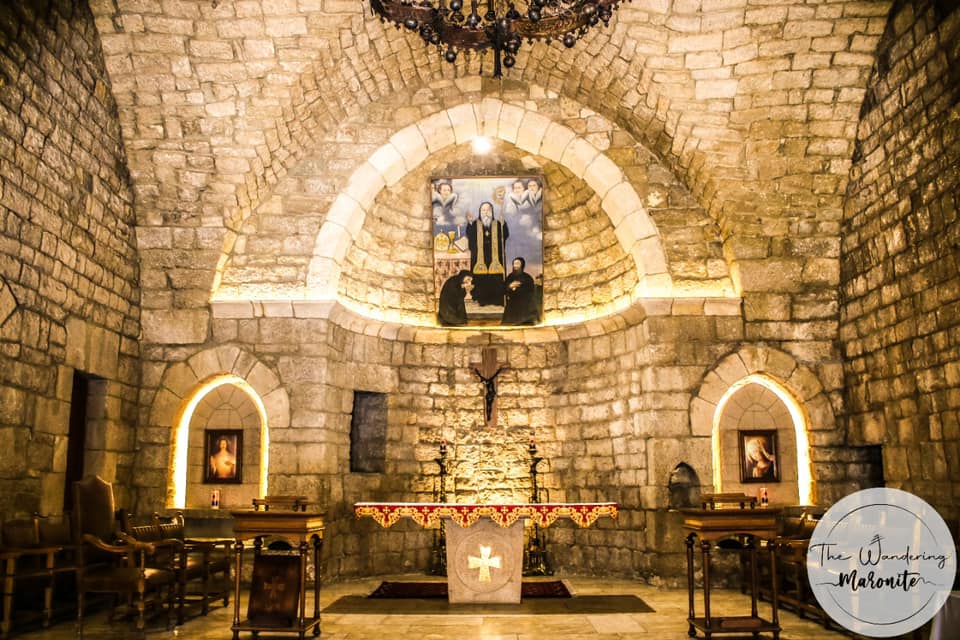
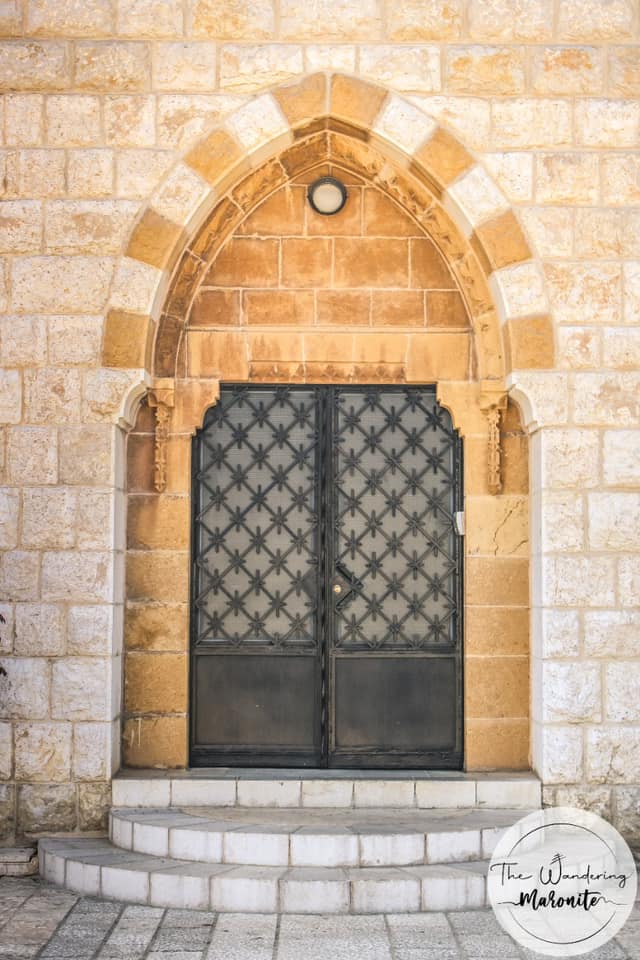
Annaya – The monastery of St Maroun

Monastery Saint Maroun, Aannaya, Lebanon

Other Details

دير مار مارون

AAnaya

Jbeil

Mount Lebanon

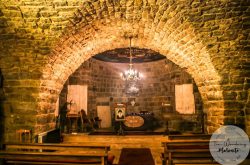
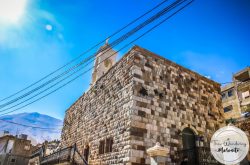
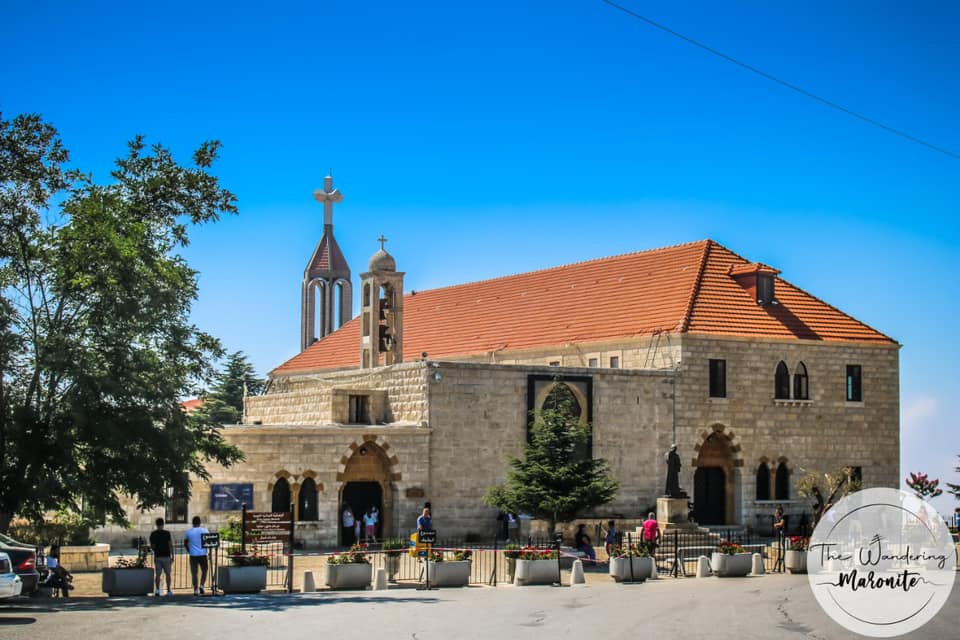
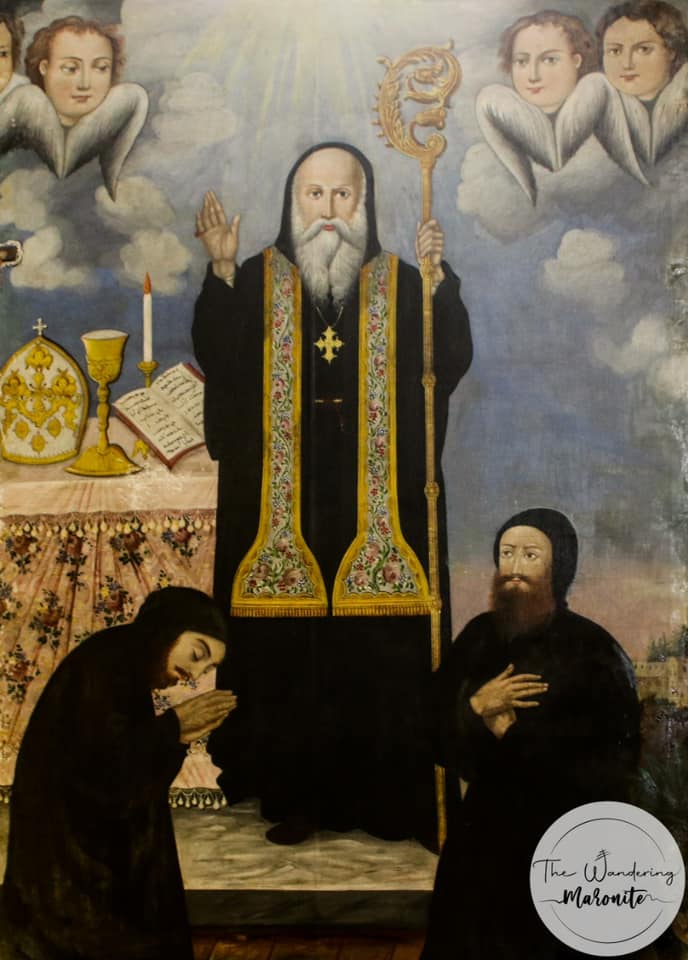
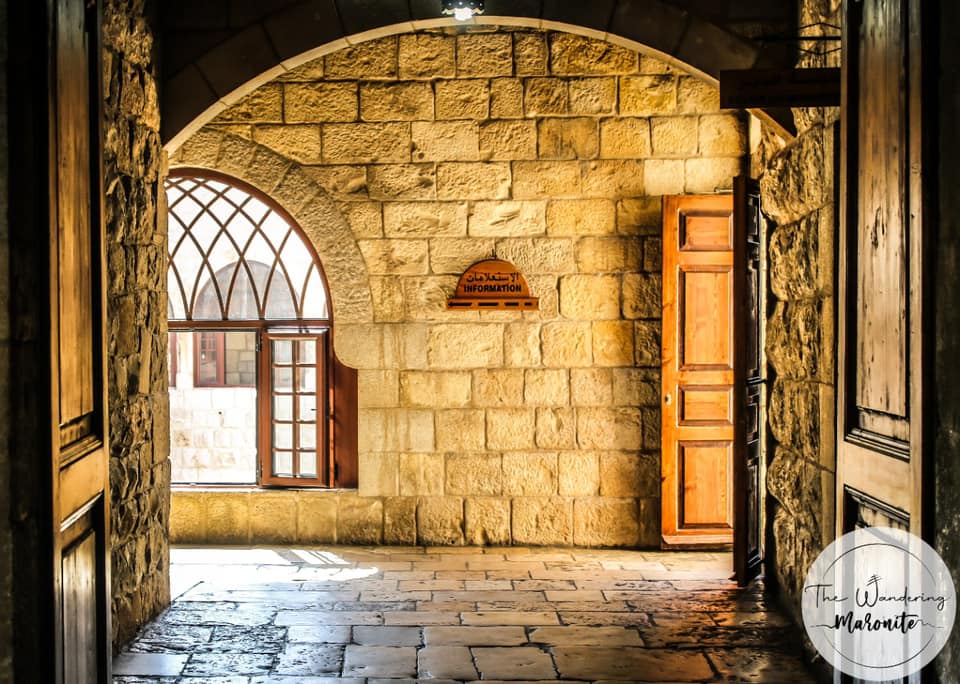
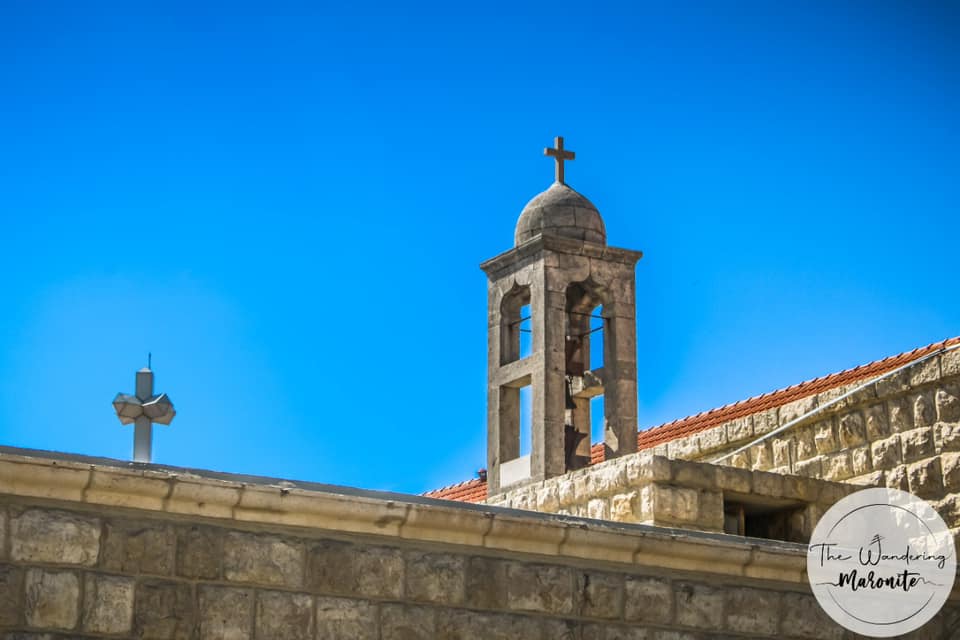
دير مار مارون - عنّايادير للرهبانيّة اللّبنانيّة المارونيّة إنتهى العمل من بنائه سنة ١٨٢٨. وبين سنتي ١٨٣٨ و١٨٤١ أُكمِل بناء الكنيسة وجميع الأقبية. هو دير مارونيّ تقليديّ بجميع أقسامه من حوش ومضافة وكنيسة صغيرة. إشتهر الدّير لأنّه مقام القدّيس شربل مخلوف الذي حوّله إلى محجّ ومزار.The monastery of St Maroun AnnayaA monastery for the Lebanese Maronite Order built in 1828. The church and the vaults were completed between 1838 and 1841. It is a traditional maronite monastery with its vaults, cloister, reception room and small church. It was made famous by being the resting place of St Charbel Makhlouf who transformed it into a pilgrimage site.

Visited 4069 times, 1 Visit today

Reviews are disabled, but trackbacks and pingbacks are open.

Related Listings

Aqoura – The monastery of St Edna

Mar Edna Monastery, Aaqoura, Lebanon

دير مار إدنا

Aaqoura

Jbeil

Mount Lebanon

دير مار ادنا - العاقورة

ادنا هو لقب سريانيّ لمار طراخونيوس، وهو من القدّيسين الأكثر شهرة عند موارنة القرون الوسطى. بني هذا الدّير سنة ٥٠٩ على أنقاضٍ رومانيّة ما زالت ماثلة، ويتألّف من كنيسة بخوروسين ما يزال القسم الجنوبيّ منها ماثل. بقيّة الدّير ودير البنات أي دير الراهبات العابدات الذي بقربه أنقاض. قنطرة الحنية مزيّنة بالعديد من الصلبان والنقوش التي ترمز للتجسد والفداء. كان الدّير مقرًّا لأساقفة العاقورة مدى قرون ومن أشهرهم البطريرك يوحنا السابع العاقوري الذي توفي سنة ١٣٥٧.

The monastery of St Edna - Aqoura

Edna is a title given by syriacs to St Trakhonius, who was one of the most venerated saints by the medieval Maronites. The monastery was built in 509 over roman ruins that are still visible, and it consists of a two aped church, with the southern part of the church still standing. The rest of the church and monastery and the adjacent nunnery are all in ruins. The apse is decorated with crosses and symbols of the Incarnation and Redemption. The monastery was the seat of Aqoura’s bishops for centuries, the most famous of them was patriarch John VII El Aqoury who died in 1357.

Tourza – The church of Sts Sergius and Bacchus

St. Sarkis And Bakhos Church, Tourza, Lebanon

كنيسة مار سركيس وباخوس

Toura

Bcharre

North

كنيسة مار سركيس وباخوس - طورزا

بُنيت سنة ١٤٧٠ بحسب تأريخ الشدياق انطونيوس العنطوري، وورد ذكرها كذلك مع البطريرك اسطفانوس الدويهيّ في تاريخ الأزمنة. البناء الحاليّ يعود لسنة ١٨٦٨، لكنّ الكنيسة رُممّت ووسّعت على عدّة مراحل. تتميّز الكنيسة بعقدها المصالب ذات اللونين وهو من حجر مقالع البلدة المحليّ. في سبعينيّات القرن العشرين أضاف أحد أبناء البلدة المغترين قبّة الساعة. تضمّ الكنيسة ثلاث لوحات للفنّان داوود القرم، أمّا الزجاجيّات فهي من عمل الأب عبده بدوي.

The church of Sts Sergius and Bacchus - Tourza

The church was built in 1470 according to the chronicles of the Subdeacon Antonyos El Aintoury, and it is also mentioned in Patriarch Stephen El Douaihy's "History of the Times". The current building dates back to 1868, yet the church was restored and enlarged on many occasions. The church consists of a crossed vault with two colors stones from the local quaries. During the seventies an emigrant donated the unique clock tower. The church holds three paintings from Dawoud Al Qorm dating back to 1892, and stained glass windows by Fr Abdo Badawi.

Bteden Al-Laqsh – The Church of St Joseph

Saint Joseph Church, Bteddine El Loqch, Lebanon

كنيسة مار يوسف

Btedine El-Leqch

Jezzine

South

كنيسة مار يوسف - بتدين اللقش

بنيت الكنيسة الأولى أوائل القرن التاسع عشر وكانت صغيرةً تعرضت للتخريب بعد حوادث سنة ١٨٦٠. سنة ١٨٧٠ بُنيت الكنيسة الحاليّة بشكل عقدٍ مُصالبٍ. تضمّ الكنيسة لوحتين الأولى للعائلة المقدّسة وهي أيقونة من المدرسة الأورشليميّة تعود لأواسط القرن التاسع عشر أمّا الثانية فهي لوحة غربيّة من أوائل القرن العشرين.

The Church of St. Joseph- Bteden Al-Laqsh

The Church of St. Joseph in Bteden Al-Laqsh has a rich history dating back to the early XIXth century. The original church was constructed in the first half of the 1800s but was unfortunately vandalized during the events of 1860. In response, a new church was constructed in 1870 with a cross-vaulted architectural style. Today, the church is known for its stunning interior, which contains two significant paintings. The first is an icon of the Holy Family from the Jerusalemite school, dating back to the mid-XIXth century. The second is a classical painting from the early XXth century.