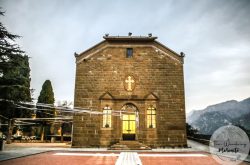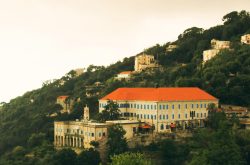

Yanouh – The blue monastery of St George

Mar Gerges Blue Yanouh, Mghayra, Lebanon

Other Details

دير مار جرجس الأزرق

Yanouh Jbayl

Jbeil

Mount Lebanon

دير مار جرجس الأزرق - يانوحالبناء أساسًا كان معبدًا فينيقيّ ثمّ رومانيّ. عُرف بالأزرق نسبةً للون الحجر الكلسيّ. مع قدوم المسيحيّة حُوّل المعبد إلى ديرٍ على اسم مار جرجس وكان الأكبر في جبّة المنيطرة. إختاره البطريرك يوحنّا مارون الثاني مقرًّا له سنة ٧٥٠، وذلك لصعوبة الوصول إليه، ولأن يانوح بحسب البطريرك الدويهيّ: "كانت من أشرف المجالِس في جِبَة المنيطرة وأهلها كثيرو العِبادة والغيرة". بقيت يانوح مقرًّا بطريركيًّا شبه ثابتٍما بين ٧٥٠ و١٢٧٧، لأن البطاركة تنقلوا مابين سنتيّ ١١٢٠ و١٢٠٠ بين ميفوق وهابيل ولحفد. بنى البطاركة بقرب المعبد كنيسةً صغيرة خاصة للبطاركة وأقبية وغرف. وبنوا كنيسة السيّدة خارج المحلّة. أقام البطاركة في يانوح، ما مجموعه أربعماية واثنتان وثلاثون سنة، منها ثلاثمائة وسبعون سنةً متواصلةً دون إنقطاع. مع قدوم الصليبيّين في عهد البطريرك يوسف الجرجسيّ إستبشر الموارنة خيرًا بحسب ابن القلاعي، فأُعيد اتصالهم بروما، وعاشوا فترةً من الإزدهار، ويذكر التاريخ أنّه في تلك الحقبة إستبدل الموارنة نوافيس الخشب بنواقيس حديدٍ في يانوح. لكنّ الفترة الصليبيّة شهدت العديد من القلاقل والمعارك ممّا استدعى تنقلاتٍ عديدةٍ للبطاركة واتخاذهم عدّة مراكز. ومع رحيل الصليبييّن وحملة المماليك أُحرقت يانوح، ولم تُجرى أبحاث أركيواوجيّة على الموضع لحين الإنتداب الفرنسيّ بداية القرن العشرين.The blue monastery of St George - YanouhThe building was originally a Phoenician than a Roman temple consecutively. With the locals conversion to Christianity the temple was consecrated as a church dedicated to St George. In 750 Yanouh was chosen as a patriarchal seat, it remained a nearly consistent seat between 750 and 1277. The patriarchs built near the temple a patriarchal chapel, many vaults and cells and the church of the Virgin Mary outside of the complex. With the Crusades during the pontificate of Patriarch Youssef el Gergesy, the Maronites entered a golden age, they reconnected with Rome. Yet the latter Crusader’s period saw unrest and struggles, that was the reason why many patriarchs used to change residences. In 1277 the patriarchs moved out of Yanouh. The seat was completly abandoned after the Crusaders left and the Mamluk’s campaign that destroyed the village. The site was excavated by the french archeological missions in the early XXth century.

Visited 4369 times, 3 Visits today
Reviews are disabled, but trackbacks and pingbacks are open.

Related Listings

Qartaba – Saint Joseph

St Joseph Church, Qartaba, Lebanon

مار يوسف - قرطبا

1898

Qartaba

Jbeil

Mount Lebanon

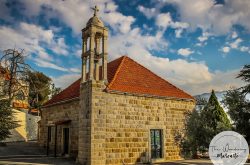
بُنيت سنة ١٨٩٨ عندما اوقف يوسف روفايل جبّور ارض الملّاحة لبناء كنيسة. مؤلّفة من سوق واحدة مليّسة وهي من الحجر المصقوب المغطى بالقرميد. اللوحة من عمل سليم صليبا سنة ١٩٢٧.

The church was built in 1898 when Joseph Rafael Jabbour gave the land of Al Malaha to build a church. The church is a single nave built in yellow stone. The painting is the work of Salim Saliba dating back to 1927

Ehmej – The church of Our Lady of the cliff

Église Notre Dame de la Falaise, Ehmej, Lebanon

كنيسة سيّدة الشير

Ehmej

Jbeil

Mount Lebanon

كنيسة سيّدة الشير - إهمج

كنيسة سيدة الشير الرعائيّة العجائبيّة، دُعيت بهذا الإسم نسبةً إلى المكان الذي أقيمت عليه وهو شير صخريّ يبلغ ارتفاعه حوالي خمسين مترًا. تعود الكنيسة الأولى إلى العصور الوسطى، وخُرّبت وأعيد بناؤها سنة ١٦٧٦، بعد عودة الأهالي إلى القرية. بدأ العمل في بناء الكنيسة بشكلها الحاليّ سنة ١٩٠٠ وتمّ إنجازها في العام ١٩٢٠. وهي تشتهر بعجائبها الكثيرة.

The church of Our Lady of the cliff - Ehmej

The parish church of our Lady was named after a 50 meter limestone cliff above which it stands. The first medieval church was sabotaged and rebuilt in 1676 after the Maronites' return to the village. In 1900 the church took its current form and was completed in 1920. The church is a pilgrimage site famous for the miracles that happened there.

Ghosta – Ain Warka Monastery

Ain Warka Monastery, Ghosta, Lebanon

دير ومدرسة عين ورقة - غوسطا

1660

Ghosta

Keserwan

Mount Lebanon

من أهم أديرة غوسطا، أسّسه المطران جرجس خيرالله أسطفان سنة 1660. وفي 14 أيلول 1698 كرّس كنيسة الدير البطريرك أسطفان الدويهي. في العام 1789 وقّع خلفه البطريرك يوسف أسطفان صك تحويل الدير الى مدرسة اكليريكيّة. وافتُتحت مدرسة عين ورقة سنة 1797-1798 على عهد البطريرك يوسف التيّان على قوانين وبرامج المدرسة المارونيّة في روما. ولم تلبث أن ضاهت جامعات أوروبا، فكانت أول جامعة في الشرق، حتى لقّبها مارون عبود بـ"سوربون الشرق"، حيث كانت تدرّس فيها خمس لغات الى جانب العلوم اللاهوتيّة والفلسفيّة. وقد قيل على سبيل المزاح أنّ "دجاجات عين ورقة تتكلم خمس لغات". خرّجت المدرسة أربعة بطاركة وعشرون مطرانًا، وعنها نشأت المدارس الأخرى التي انتشرت في البلاد، وخرّجت روّاد النهضة العربيّة في القرن التاسع عشر. هي اليوم ميتم بعهدة راهبات القربان الأقدس المارونيّات.
The monastery of Ain Warqa
Located in Ghosta Keserwan, it was built by Bishop Gerges Khairallah Estefan in 1660. The grand church was dedicated by Patriarch Stephen Doueihi on the 14th of September year 1698. During the pontificate of Patriarch Joseph Estephan, the monastery was transformed into a seminary in 1789. The first scholastic year was in 1797-1798 during the pontificate of Patriarch Joseph Tyan, according to the curriculum of the Maronite Grand Seminary in Rome. The reputation of the school was so great that it competed with the grand seminaries of Europe, and ranked first in the Middle East. The seminary was even called by the great author Maroun Abboud “the Sorbone of the East”. The curriculum included five languages, along with theological, philosophical, and scientific studies.The most important alumnus where four patriarchs and twenty bishops, and a great numer of notable writers and scientists that were the pioneers of the Arabic renaissance during the nineteenth century. The school was also named the mother of all schools in Syria and Lebanon. Today it is used as a foster home in the custody of the Maronite sisters of the Most Blessed Sacrament.