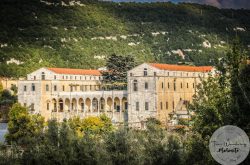
Tannourin el Fawqa – The church of Our Lady of Assumption

Tannourine El Faouqa, Lebanon

Other Details

كنيسة سيّدة الإنتقال

Tannourine El-Faouqa

Batroun

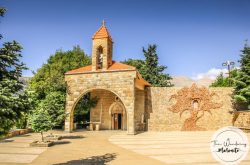
كنيسة سيّدة الإنتقال - تنورين الفوقا بُنيت هذه الكنيسة على أنقاض كنيسة أقدم تعود للقرن الثامن. بوشر البناء سنة ١٨٧٠ وتمّ سنة ١٩٢١ فكانت أكبر كنيسة في لبنان آنذاك. رُمّمت سنة ١٩٧٩ وأظهر الترميم العقد المصنوع من خشب الأرز. سنة ١٩٩٦ إستُقدمت الساعة من إيطاليا.The church of Our Lady of Assumption - Tannourin el FawqaThe church was built over an older church dating back to the VIIIth century. The construction began from 1870 until 1921, becoming the biggest church in Lebanon at that time. The church was restored in 1979 and the cedar wood roof was revealed. A bell tower imported from italy was added to the structure in 1996.

Visited 5311 times, 4 Visits today
Reviews are disabled, but trackbacks and pingbacks are open.

Related Listings

Ban – The church of Our Lady of the fields

Saydet El-Hakleh, Ariz, Lebanon

كنيسة سيّدة الحقلة

Bane

Bcharre

North

كنيسة سيّدة الحقلة - بان

بنيت سنة ١٨٨٣ كما تشير البلاطة التذكاريّة. هي كابيلا صغيرة تابعة للرعيّة بجانب المدافن تتألف من سوق واحد ينتهي بالمذبح. زيد عليها قنطرة المدخل والقرميد أواخر القرن العشرين. لوحتها من صنع أوروبي تعود لسنة ١٩٢٣.

The church of Our Lady of the fields - Ban

The church was built in 1883 as it is shown by the epitaph. The church is a small chapel near the cemetery. It consists of one nave ending with the altar. A gateway and a tiled roof were added at the end of the XXth century. The painting is imported from Europe and dates back to 1923.

Mayfouq – The monastery of Our Lady of Mayfouq

Mayfouk monastery lebanese maronite order, Maifouq, Lebanon

دير سيّدة ميفوق

Mayfouq

Jbeil

Mount Lebanon

دير سيّدة ميفوق - ميفوق

هو من الأديار القديمة في الكنيسة المارونيَّة،
بناه المرَدَةَ سنة ٨٥٠. إستولى عليه الحماديُّون حوالي سنة ١١٢١، مدَّةً من الزمن، فانتقل رهبانُه في أثنائها إلى دير سيِّدة إيليج. تَسَلَّمت الرهبانيَّةُ اللبنانيّة المارونيّة ديرَ ميفوق سنة ١٧٦٦، من الأمير يوسف الشهابيّ. انعقد في هذا الدير، مجمعًا إقليميًّا للكنيسة المارونيَّة، برئاسة القاصد الرسولي الأب بطرس دي مورينا و المطران ميخائيل الخازن سنة ١٧٨٠. سنة ١٨٥٠، أمضى فيه مار شربل سنة ابتداءٍ واحدة. أنشأت الرهبانيَّة معهدًا في الدير، سنة ١٩٢٢. وَمِن محفوظات دير سيِّدة – ميفوق، صورة سيِّدة إيليج الأثريَّة التي أُعيد ترميمُها بين سنتَي ١٩٨٢ ١٩٨٧. لعب الدّير دورًا على صُعُد التنشئة الرهبانيّة والوطنيّة دورًا بارزًا.

The monastery of Our Lady of Mayfouq - Mayfouq

One of the oldest Maronite monasteries built arround 850 by the Maradites. It was taken over by the Hamadi’s in 1121, and back then the monks moved to Ilige. The monastery was given to the Lebanese Maronite Order in 1766 by Prince Youssef Shehab. In 1780 a local Maronite council was held in the monastery presided by the papal delegate Fr Peter di Morina and bishop Mikael el Khazen. In 1850 St Charbel spent a year of his novitiate there. A school was founded by the order in 1922. The monastery holds the famous icon of our Lady of Ilige restored between 1982 and 1987. The monastery played a great national role and it was a major school of formation for the monks.

Bqorqasha – St Simon the stylite hermitage

Monastery of St. Simon, Bqerqacha, Lebanon

محبسة مار سمعان العاموديّ

Bqerqacha

Bcharre

North

محبسة مار سمعان العاموديّ - بقرقاشا

هذه المحبسة المبنيّة في حرف شيرٍ صخريّ، تعود للقرون الوسطى. بحسب البطريرك الدويهيّ بنتها سنة ١١١٢ تقلا إبنة الخوري باسيل البشرّاني على إسم مار جرجس ومار ضوميط، وما برحت وتحوّلت على اسم مار سمعان العاموديّ. يشهد على ذلك كتاب الريش قُريان السريانيّ الخاص بالمحبسة، الذي يعود لسنة ١٢٤٢، وهو محفوظ في جامعة السلامانكا.

St Simon the stylite hermitage - Bqorqasha

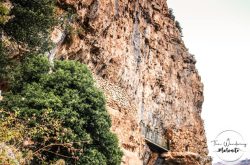
The hermitage is built on the slope of a rocky cliff in the holy valley of Qannoubin. It dates back according to patriarch Stephen Al Douwaihy to year 1112 when Thekle the daughter of a priest named Basil of Bsharre built a hermitage dedicated to Sts George and Doumith, that was rededicated to St Simon the stylite. A Syriac lectionary proper to the hermitage, the Rish Qoryan, dating back to 1242, that was discovered and conserved in Salamanca’s university, attests this story.