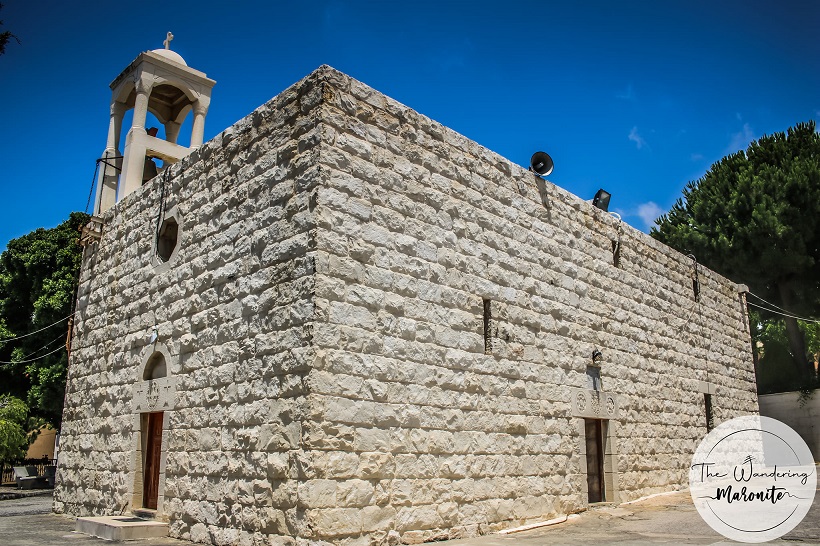
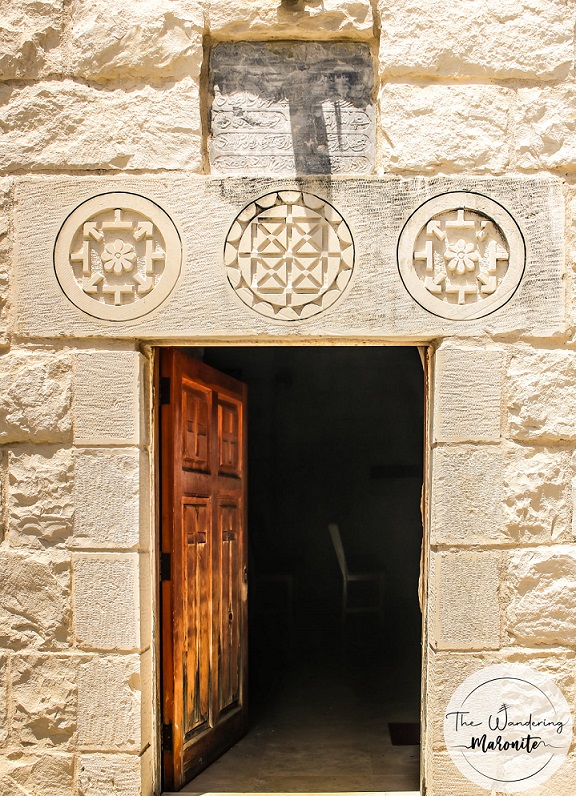
بُنيت الكنيسة سنة ١٧٥٥ في عهد البطريرك يعقوب عوّاد وكرّسها المطران سمعان عوّاد اسقف صيدا. هي اولى الكنائس المارونيّة التي بنيت في منطقة شرقيّ صيدا وساحل جزّين. تتميّز بهندستها البسيطة وبالنقوش على أعتاب أبوابها المنخفضة. خُرّبت إبّان الحرب الأهليّة وأعيد ترميمها في تسعينات القرن العشرين.The church was built in 1755 during the pontificate of Patriarch Jacob Awad and was consecrated by Sidon’s bishop Simon Awad. It is the first maronite church in the vicinity of Sidon. The architecture is simple and doted with symbolic arabesque over the small narrow doors. During the civil war it was heavily damaged and restored during the nineties.
بنيت الكنيسة الحاليّة سنة ١٧٦٣ على أنقاض برجٍ صليبيّ. تتألف الكنيسة من صحنٍ كبير ينتهي بالحنية والمذبح، وعلى جهة الجنوب صحن آخر أعلى من مستوى الكنيسة ينتهي بمذبح مكرّس للقدّيسة تقلا. تحوي الكنيسة أيقونة مارونيّة للسيّدة تعود للقرن السابع عشر، أمّا لوحة مار جرجس فهي غربيّة الصنع.
The church of St George - Baskinta
The current church was built in 1763, over an old crusader’s tower. The church consists of a great nave ending with the apse and the altar. A smaller nave on the southern side is higher than the church ending with a small altar dedicated to St Thecla. The church holds a XVIIth century Maronite icon of the Madona, and a European painting of St George.
Mar Elias El Ras Monastere (Church), Mazraat El Ras, Lebanon
دير مار الياس الراس
Jaaita
Keserwan
Mount Lebanon
دير مار الياس الراس – جعيتا
تأسّس الدّير في مزرعة الراس بعد جلاء المماليك عن كسروان. عام ١٧٠٤ كان الدّير بعهدة القسّ بطرس صفرونيوس الحاقلانيّ من زوق مصبح، الذي ترهّب فيه مع رهبانه العبّاد. قرّر المجمع اللبنانيّ المنعقد سنة ١٧٣٦ إلغاء الأديار المزدوجة، وفصل أديار الرهبان عن أديار الراهبات، وشدّد على أن يكون للراهبات قانون خاصّ. عند الإنتقال إلى مرحلة تطبيق مبدأ الفصل إتّفق القاصد الرسوليّ يوسف السمعانيّ مع المطران عبدالله قراعلي، على إنشاء دير قانونيّ يكون مثالًا وقدوة لسائر أديار الراهبات في دير ما الياس الراس. وهكذا آل الدير إلى الرّهبانيّة اللبنانيّة المارونيّة. باشر الرهبان، بعد استلام الدّير، بناء كنيسةٍ ودير مخصّص لسكن راهبات محصّنات فبني الدّير الجديد مع كنيسته الكبيرة. فُتحت أبواب الدير في ٦ كانون الثاني ١٧٤٠. ولا يزال إلى اليوم واحة صلاةٍ وتأملٍ، ومزارًا يقصده المؤمنون من كلّ حدبٍ وصوب.
The convent of St Elias el Ras - Jeita
The convent was built in the farm of El Rass after the Mamluks left Keserwan. In 1704 the convent was under the custody of Boutros Safronius el Haklany, a monk from Zouk Mosbeh. In 1736 the Lebanese Council dictated that nunneries shall be separated from monks' monasteries, thereby abolishing mixed monasteries, and giving nuns their own convents and rules. When it was time to apply the new rules, Monsignor Youssef El Semaany, the papal nuncio, and Bishop Abdallah Qaraaly, decided to give St Elias’s convent to the nuns of the newly formed Lebanese Order. It was decided to build a new convent suitable for contemplative nuns with a big church. The new convent was consecrated on the 6th of January 1740, and is still a haven for prayer and meditation, and a shrine for all pilgrims.
في القرن السادس عشر زار البطريرك ارزيفيان روما والتقى البابا بنديكتوس الرابع عشر، وأهداه أحد الكرادلة لوحة لسيّدة الآلام، منسوبة لمدرسة رافاييل تعود لرافاييل سانزيو أو الى غيراريو بار بيري. في رحلة العودة تعرّضت السفينة لخطر الغرق فرُميت اللوحة في البحر ووُجدت تطفو على المياه بشكلٍ عجائبيّ. بعد هذه الحادثة وُضعت اللوحة في كنيسة الدّير فوق العرش البطريركيّ. عام ١٨٠٢ ضربت الصاعقة الكنيسة، وسقطت على العرش البطريركيّ حيث كانت صورة العذراء، من دون الحاق الضرر بالعرش، ولا باللوحة، فبُنيت على إثر المعجزة كابيلا صغيرة ملاصقة للدّير وهي مزار للمؤمنين طالبين نِعم سيّدة الآلام. زارها قداسة البابا بنديكتوس السادس عشر سنة ٢٠١٢.
The chapel of Our Lady of Sorrows - Bzommar
In the XVIth century, the Armenian Patriarch Arzivian visited Rome and met pope Benedict XIV. He was gifted an icon of our Lady of Sorrows from an Italian cardinal. The painting is from Raphael’s school and is attributed to Raphael Sanzio or Gerario Parperi. On the way back the ship was in danger of shipwreck, and the painting was thrown in the sea with other furniture. It was rediscovered miraculously floating several days later. After the incident it was put over the patriarchal chair in the main church of Bzommar. In 1802 a lighting bolt hit the throne and the painting fell down, yet even the glass that was on it was miraculously preserved. A chapel adjacent to the monastery was erected to enshrine the miraculous icon. The chapel was visited by pope Benedict XVI in 2012.



Reviews are disabled, but trackbacks and pingbacks are open.