
Enfeh – Deir Saydet el Natour

Deir Saydet el Natour, Hraiche, Lebanon

Other Details

سيدة الناطور

Enfeh

Koura

North

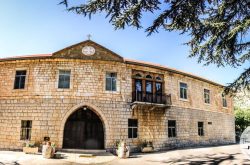
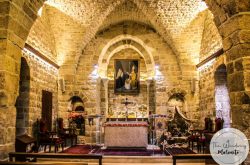
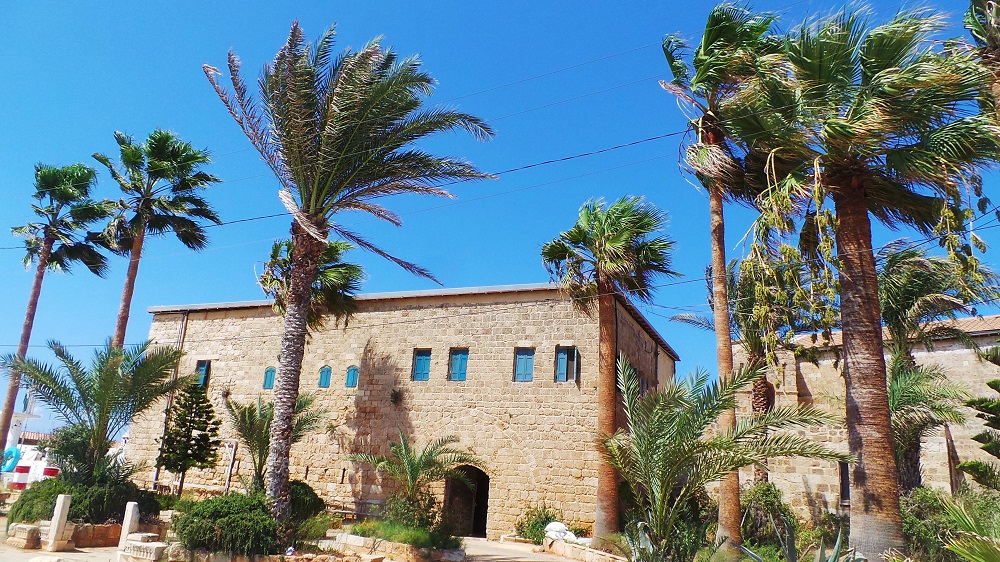
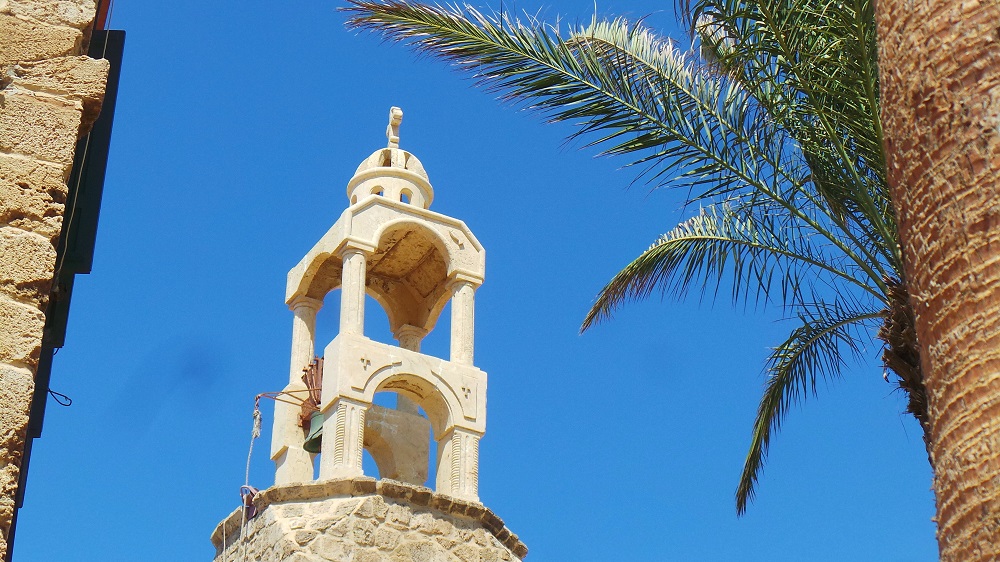
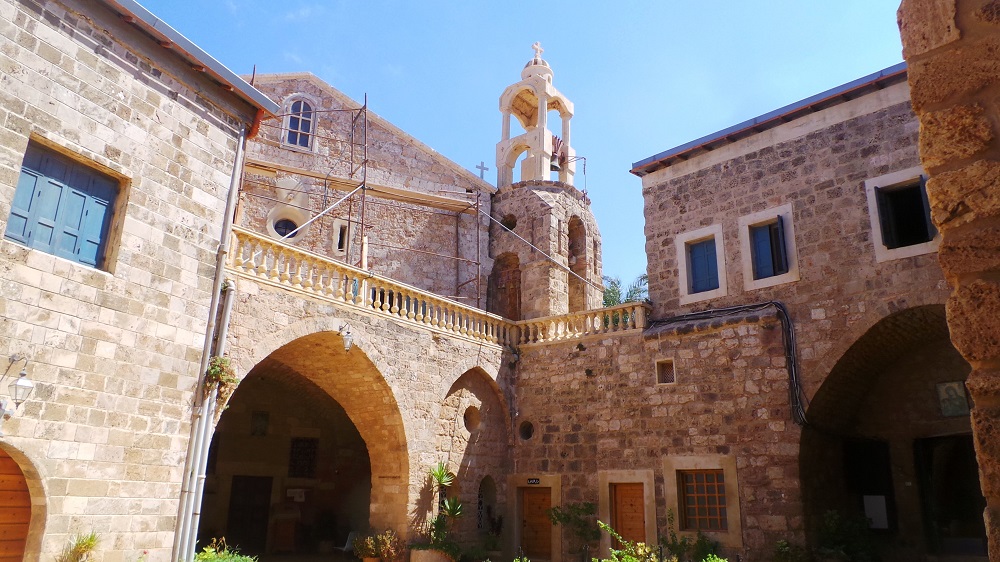
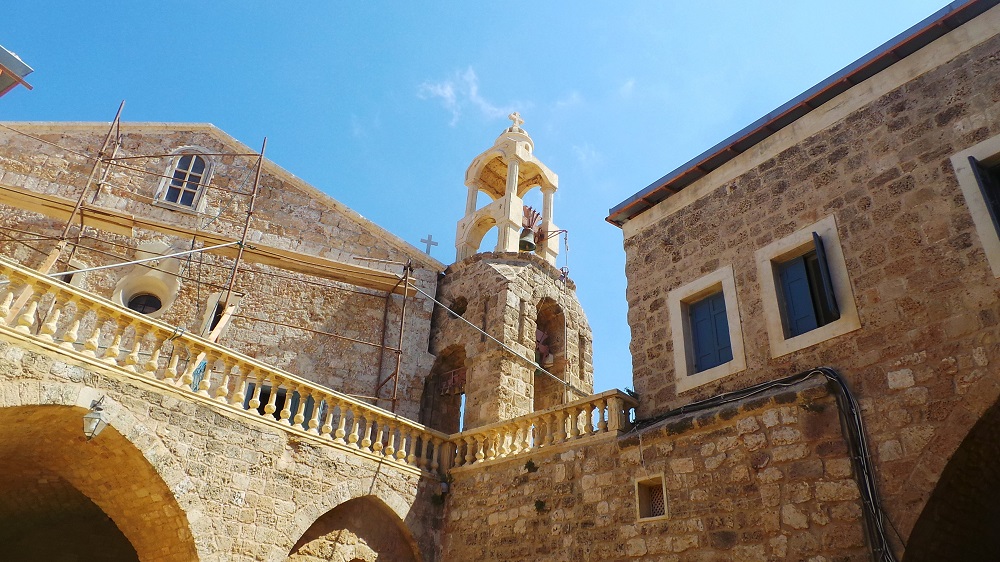
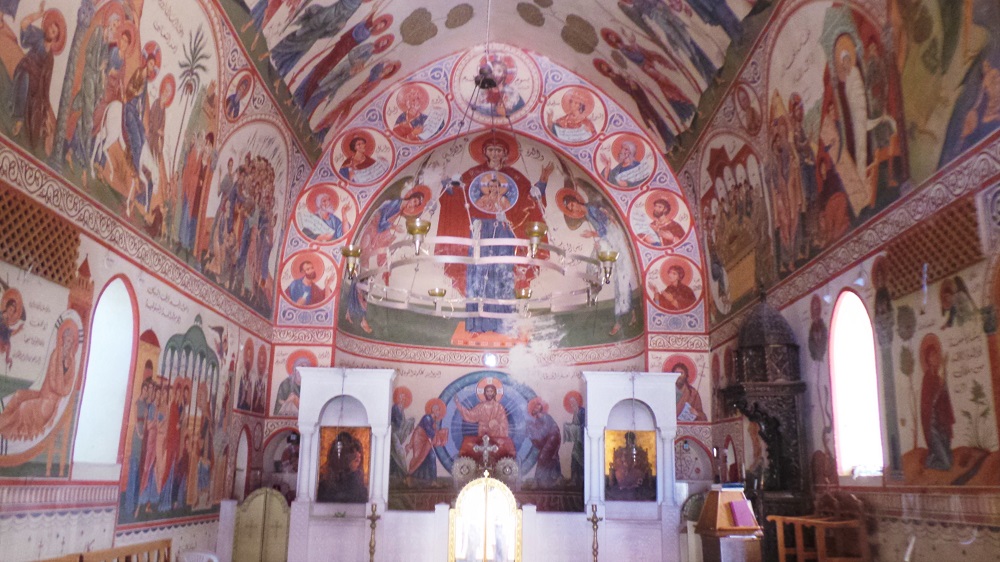
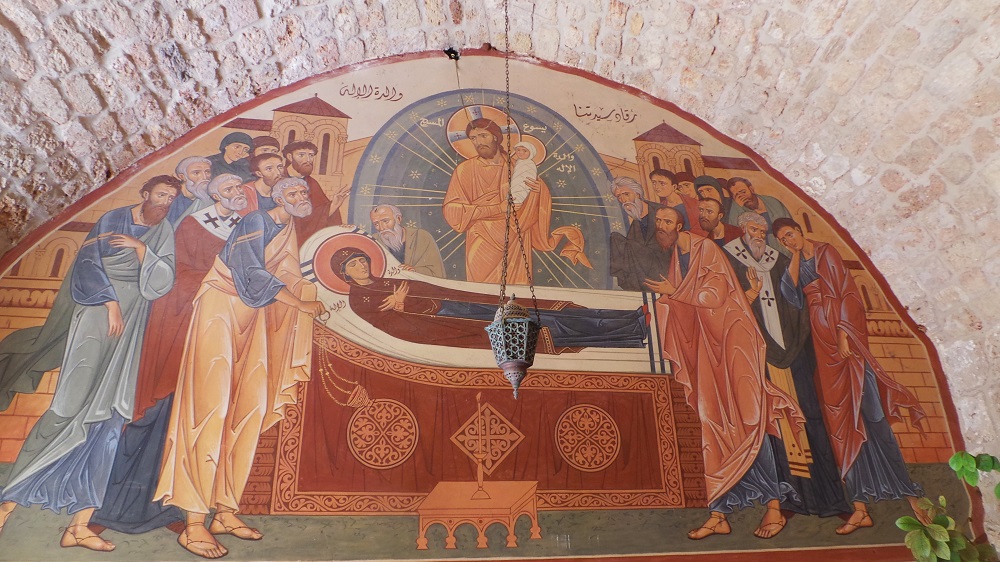
The convent’s ancient origin is attached to a legend. A rich man of the region committed adultery; filled with remorse, he attached a padlocked iron chain to his ankle and threw the key into the sea-shore and survived on the fish brought to him by local fishermen, who called him the guardian of the cavern. One day, a fisherman brought him a fish, in whose entrails the hermit found the key of the padlock. He knew then that God had delivered him from his suffering, and he built a convent above the cavern. He dedicated it to The Mother of God, but it also took the name of the Guardian. The daily life of the convent is regulated by the flow of visitors who come to fulfill vows and make prayers. Sister Catherine al-Jamal is the principal resident of Dayr al-Natour, and she has done everything within her power to restore it. According to the Crusader document, the Monastery of the Presentation of Our Lady Natour was built by Cistercians. Indeed, the Church interior resembles that of the Cistercian Church of Balamand, built in 1157. Otherwise, the history of Dayr al-Natour is hidden in obscurity, although it is said that the local Orthodox community took it over after the departure of the Crusaders. Its name is almost unmentioned by historical sources during the Mamluk and most of the Ottoman period, although it is reported that French corsairs attacked the Monastery at the beginning of the eighteenth century and killed a monk. In 1838, the Ottoman authorities gave permission to the Monastery to be rebuilt. In the second half of the nineteenth century, it contained several monks and a superior, and it possessed fifteen dunums of land. During the First World War, it was bombarded by a Russian ship. A few years later, the Monastery lost its last Superior, Basilios Debs, who became Archbishop of Akkar. After his departure, monastic life ended at Dayr al-Natour. During the twentieth century, the deserted monastery became a refuge for shepherds from the neighboring regions. In 1973, Sister Catherine al-Jamal moved to Dayr al-Natour and began to restore it from its ruin.

Visited 4142 times, 2 Visits today
Reviews are disabled, but trackbacks and pingbacks are open.

Related Listings

Lehfed – The monastery of St Eusabius of Caesarea

كنيسة مار حوشب, Lehfed, Lebanon

دير مار حوشب

Lehfed

Jbeil

Mount Lebanon

دير مار حوشب - لحفد

دير مار حوشب يقع شرقيّ البلدة. وهو عِبارة عن كَهف في الشير المُسمَّى شير العاميّة. بُنيَ الدير في القَرن الثاني عشر، إذ اختار البطريرك يوحنا اللِحفِدي أحد أساقفته الأربعة للإقامة فيه. وللدّير ثلاث صوامع متعلقة به وهي اليوم آثار.

The monastery of St Eusabius of Caesarea - Lehfed

The monastery is located in the eastern side of the village, like the old monasteries of the Qadisha valley. It is a cave inside a cliff called El Aamlyeh. The monastery dates back to the XIIth century, when Patriarch John of Lehfed appointed one of his four bishops as it’s head.

Ouata Houb – Couvent Saint Antonios

- Couvent Saint Antonios - الرهبنة اللبنانية المارونية OLM, Wata Houb, Lebanon

دير مار أنطونيوس - حوب تنورين

1700

Ouata Houb

Batroun

North

بُني الدير سنة 1700، آن عَرض الشيخ سليمان الهاشم العاقوريّ على الرهبانيَّة اللبنانيّة المارونيّة أن يسلِّمها مزرعة حوب لتنشئ فيها ديرًا. حوالي سنة 1714، عرض أهالي تنُّورين على المؤسِّس المطران عبدالله قراعلي، أن يسلِّموه وقف مار ضومط، لتقوم الرهبانيَّة بتعليم الأحداث. أنشأت الرهبانيَّة، سنة 1749، ديرًا على اسم العذراء مريم، على أنقاض كنيسةٍ قديمة. ومن ثمَّ عملت الرهبانيَّة على توسيع أملاكها في المحلَّة. سنة 1766، أوقف الأمير يوسف شهاب خرائب مار يعقوب الوادي ومار أنطونيوس. وسنة 1790، جعلت الرهبانيَّة دير السيِّدة ودير مار أنطونيوس ديرًا واحدًا، حيث هو اليوم، على اسم القدِّيس أنطونيوس الكبير. قرب الدير أُنشئت محبسة على اسم مار جرجس خرّجت كوكبة من الحبساء القدّيسين. كنيسته تحوي مذابح رخاميّة ومجموعة زيتيّات أهمها لوحة مار انطونيوس الكبير لداود القرم.


The mission of the Lebanese Maronite order started in Tannourin during the year 1700 when a local feudal lord Sleiman Hashem el Akoury gave the order a farm in Houb to build a monastery. In 1714 Bishop Abdalla Qaraaly was given custody over the church of St Doumit in order to start a monastic school. In 1790 the monks joined the two monasteries of the Madonna and St Anthony into the one that stands today. Near the monastery St George’s hermitage was erected. The monastic church holds beautiful marble altars and many oil paintings. The most important painting is the one depicting St Anthony the Great, painted by Dawoud El Qorm

Zakrit – Mar Abda

Mar abda church, Lebanon

دير مار عبدا المشمّر - زكريت

1685

Zakrit

Metn

Mount Lebanon

بُنيَ الدّير على تلّةٍ في ضواحي زكريت على ضفاف نهر الكلب. الكنيسة القديمة بُنيت على أنقاض هيكلٍ وثنيّ عقب حملة المماليك على كسروان، وجُدِّدت سنة ١٦٨٥، بحسب كتاب تاريخ الأزمنة للبطريرك إسطفان الدويهيّ. إستلمت الرهبانيّة الأنطونيّة المارونيّة الكنيسة وبنت ديرًا سنة ١٧١٦. أمّا الكنيسة الجديدة فبنيت سنة ١٨١٠ بإعتناء الأمير حسن قاسم الشهابي، أيّام رئاسة الأب يوسف البشابيّ العامّة. لوحة مار عبدا هي من عمل داود القرم، سنة ١٨٨٤. وفي الكنيسة لوحة أُخرى للقدّيس من عمل أسعد رنّو. يقصد هذا الدّير المؤمنون طالبين شفاعة مار عبدا العجائبيّ خصوصًا النّساء العواقر والأطفال المرضى.

Built on a hill in the vicinity of Zakrit near Nahr El Kalb, the first church was built over the ruins of a roman temple after the Mamluk’s campaign on Kesserwan and renovated in 1685 according to Patriarch Estephan El Douaihy in his book Tarikh al Azmina. The Antonine Maronite Order acquired the church and the monks built a new monastery in 1716. In 1810 a new church was built on top of the first one with the help of Prince Hassan Abou Qasem Shehab, when Fr Youssef al Bchabby was abbot. The main painting is the work of Dawoud el Qorm, dating back to year 1884. Another painting of the saint is kept in the church and is the work of Assad Renno. St Abda’s church is believed to be miraculous especially for baron ladies and sick children