كنيسة سيّدة الإنتقال - دير
طحنيش بنى الموارنة الكنيسة مع قدومهم إلى البلدة سنة ١٧٠٥، وهي أقدم كنيسة مارونيّة في البقاع الغربيّ. الكنيسة صغيرة كناية عن سوقٍ واحد مسقوفة. سقف الكنيسة بغداديّ. تحوي الكنيسة على لوحةٍ للسيّدة منقولة عن موريللو تعود لأربعينات القرن العشرين. مع بداية القرن الحاليّ رُمّمت الكنيسة ورُسم على السقف لوحات تجريديّة.
The church of Our Lady of Assumption - Deir Tahnish
The maronites built the church in 1705 when they came to the village. It is the oldest maronite church in the West Bekaa region. The structure consists of a small single roofed nave. The church holds a painting copied from Murillo’s Immaculate conception dating back to the forties. The church was renovated in the last decade and the roof was decorated with abstract frescoes.
محبسة قديمة من القرن الثالث عشر، وهي قبو بعقد سريريّ وثلاث حنايا. تحتوي المحبسة على بقايا رسم جداريّ وكتابةً سريانيّة، ومذبح مصنوع حجريّ. أمّا مار بهنام فهو أميرٌ فارسٌ من بلاد ما بين النهرين، ترك كلّ ما له وفضّل الإستشهاد في سبيل المسيح على ترك إيمانه، نال إكليل الشهادة في القرن الرابع. واتصلت شفاعته بالموارنة من خلال الرهبان اليعاقبة في شمال لبنان.
The hermitage of St Bahnam - The valley of Hasdshit Qannoubine
It is an old XIIIth century hermitage, that consists of a single crib vault ending with three apses, with a stone altar, fresco remains and Syriac calligraphy. St Bahnam was a prince from Assyria, who preferred to leave his privileged life for the love of Christ, and he preferred martyrdom over recanting his Christian faith in the IVth century. He was made known to the Maronites by the Jacobite monks of Northern Mount Lebanon.
كنيسة سيدة كفرملكون الأثرية - كفرحلده, Kfar Helda, Lebanon
كنيسة سيّدة كفرملكون (سيّدة الخرايب)
Kfar Hilda
Batroun
North
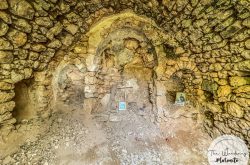
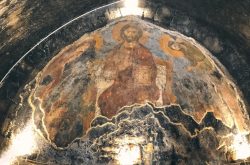
كنيسة سيّدة كفرملكون (سيّدة الخرايب) - كفرحلدا ترقى الكنيسة الى القرن الثالث عشر ، في أعالي بلدة كفرحلدا وكانت قد بنيت هذه الكنيسة بالطريقة البدائية التقليدية كما كان قائماً في القرون الوسطى، أما قبة الجرس فهي حديثة الصنع. هذه الكنيسة كانت جزءاً من قرية كفرملكون الواردة في السجلات العثمانية. مع مرور الزمن هُجّرت القرية وبدأت الابنية بالتفكك والانهيار خاصة بعد حدوث زلزال كان قد ضرب المنطقة أدى الى خرابها فسُميت بسيّدة الخرايب. أما السواد الذي يغطي بعضاً من معالم الرسومات داخل جدران الكنيسة، فكان بسبب ان بعض الرعاة كانوا يرتادون المكان ويشعلون النار للتدفئة. في حنية الكنيسة جدارية الشفاعة مع كتابة يسوع المسيح بالخط السرياني الملكي في الوسط. على الجدار الشمالي رسماً لأسقف أصلع الرأس، هو القديس يوحنا الذهبي الفم. وعلى الجدار نفسه نقرأ اسم ضومطيوس باللغة اليونانية. أما على الجدار الجنوبي بقايا مشهد الميلاد مع أربع ملائكة وراعٍ يعزف على الناي وبجانبه حملان.
Our lady of Kfarmalkoun, or Our lady of ruins - Kfarhelda Dating back to the 13th century, and laying on the high hills of Kfarhelda, this church was built following the traditional medieval style. This church is located in the old Kfarmalkoun village that is found in the Ottoman records. With time, the villagers had left their village and the buildings started to fall apart, especially after it was hit by an earthquake. Thus the name: Our Lady of the Ruins. Some of the Church walls are covered with a black layer caused by the fires that the pastors lit when they were cold. On the Church's apse, one can find the Deisis fresco, surrounded by the words Jesus Christ written in a royal syriac font. On the northen wall, we can see the drawing of a bald bishop, St. John Chrysostom. On the same wall, we can find the words Domtius written in Greek. On the sourhern wall, on can find the remains of a fresco depicting the Nativity scene with four angels and a pastor playing on the flute next to some sheep.
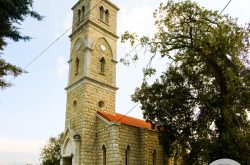
كلمة شَحْلُو من السريانيّة تُشير إلى مجرى المياه. هذه المنطقة قديمًا شكلت المدخل الشماليّ للقبيّات، بنى فيها الأهالي معبدًا وثنيًّا ما لبث أن حوّلوه كنيسةً. دمّر المماليك في حملتهم الكنيسة ليبنوا برجًا للمراقبة. هذا البرج دمّره العثمانيّون بعد معركة مرج دابق سنة ١٥١٦. أواسط القرن العشرين أُعيد بناء الكنيسة بشكلها الحاليّ، مع برج ساعةٍ رُفع عليه تمثال للعذراء في تسعينيّات القرن الماضي. تُعتبر هذه الكنيسة مزارًا ومحجًّا للأهالي.
The church of our Lady of Shahlo - Kobbayat
The word Shahlo is from a syriac root referring to a water source. In ancient times the locals built a pagan temple on the site that was converted into the first church. This church was destroyed by the Mamluks who built a tower on the site that was destroyed by the ottomans after the battle of Marj Dabeq in 1516. In the mid XXth century a church was rebuilt in it’s current form, with a bell tower added in the ninties. The church is considered a votive shrine for the villagers.




Reviews are disabled, but trackbacks and pingbacks are open.