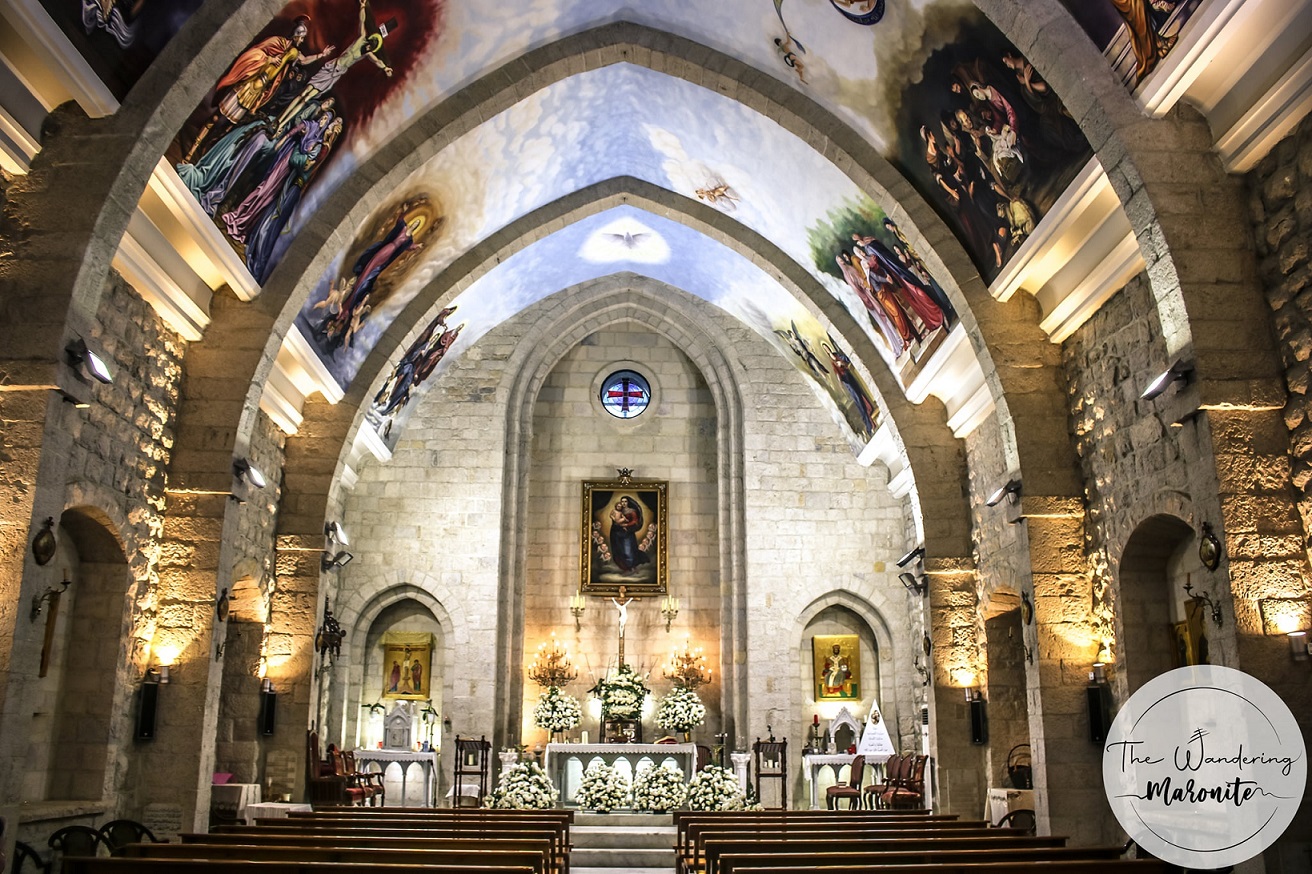
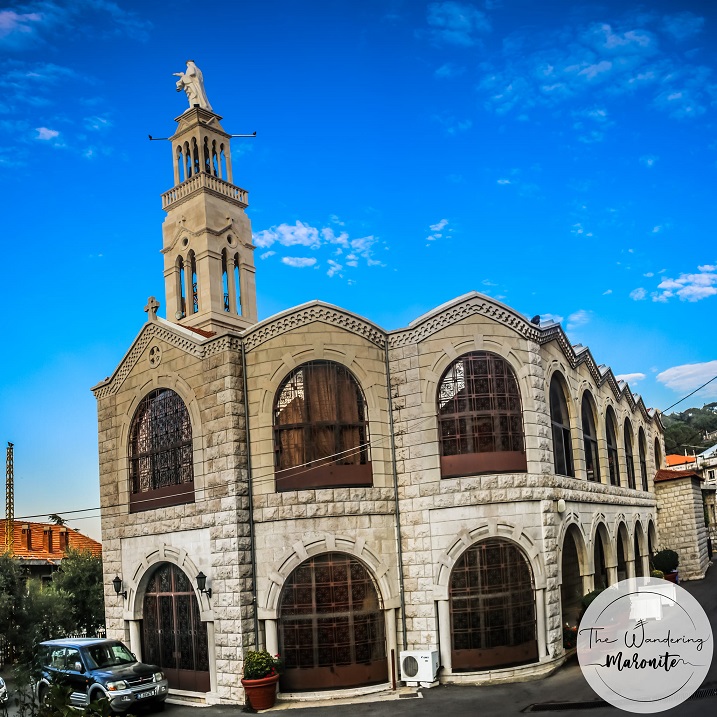
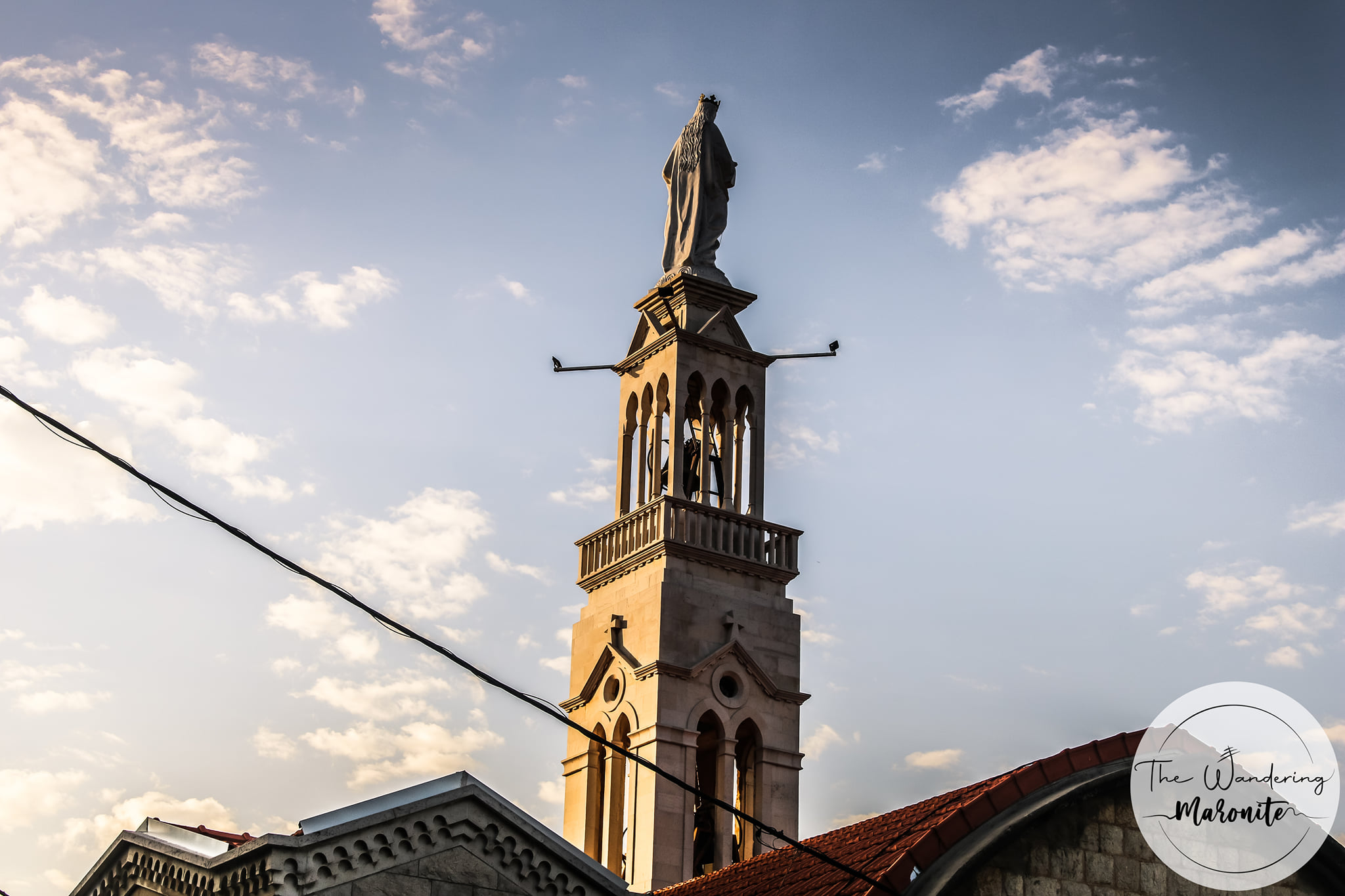
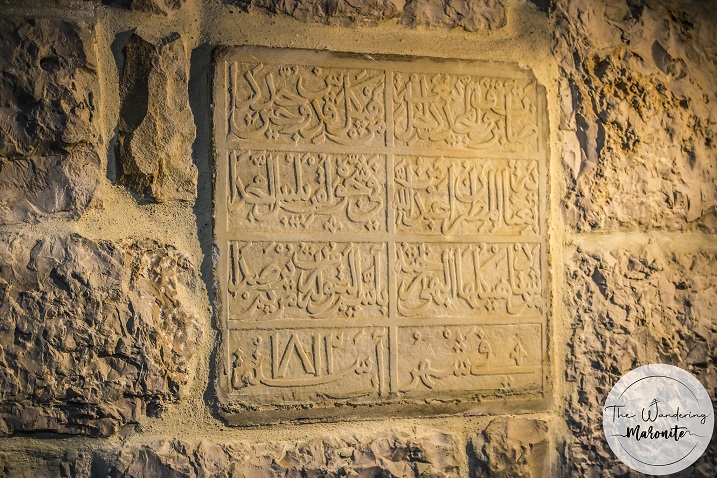
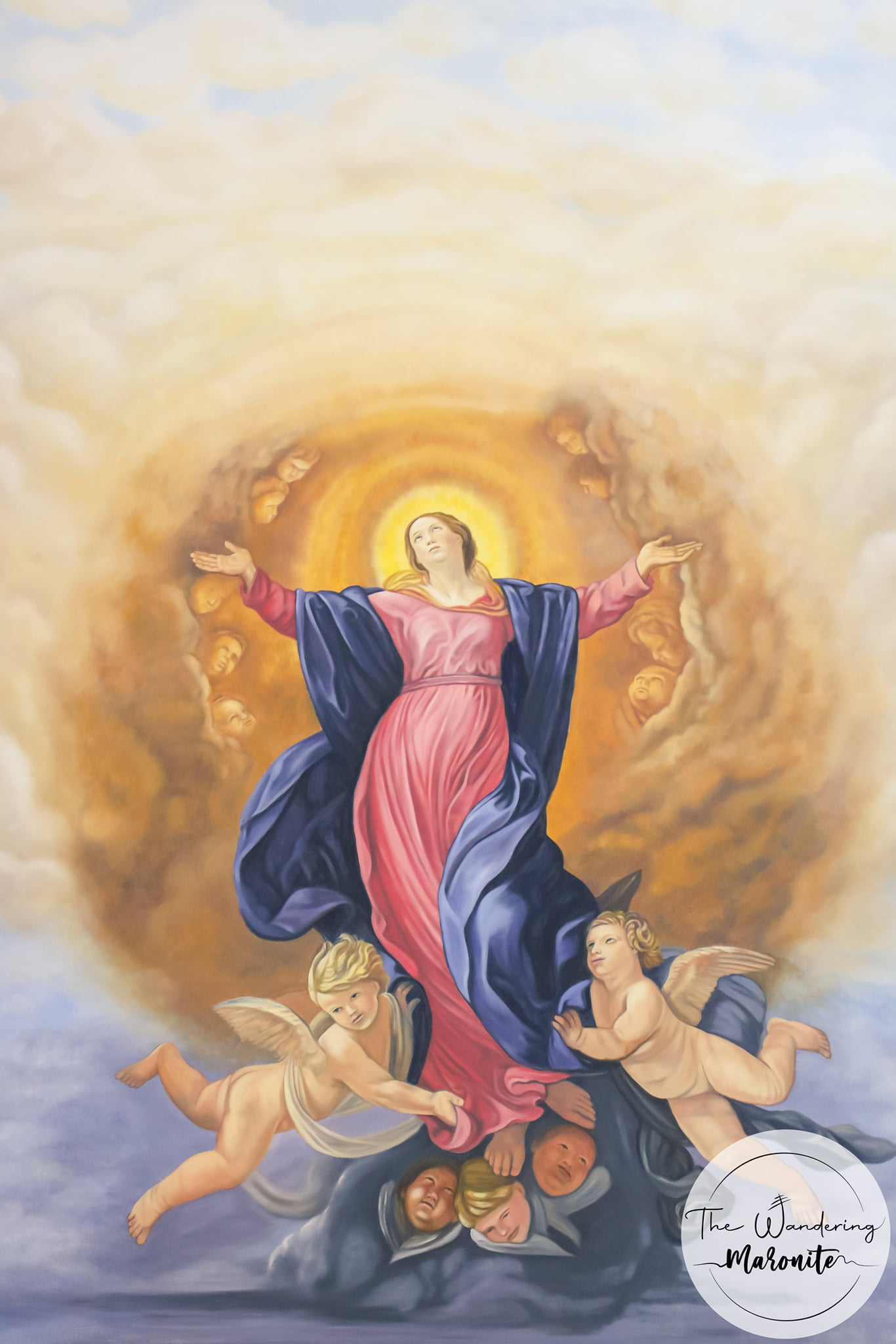
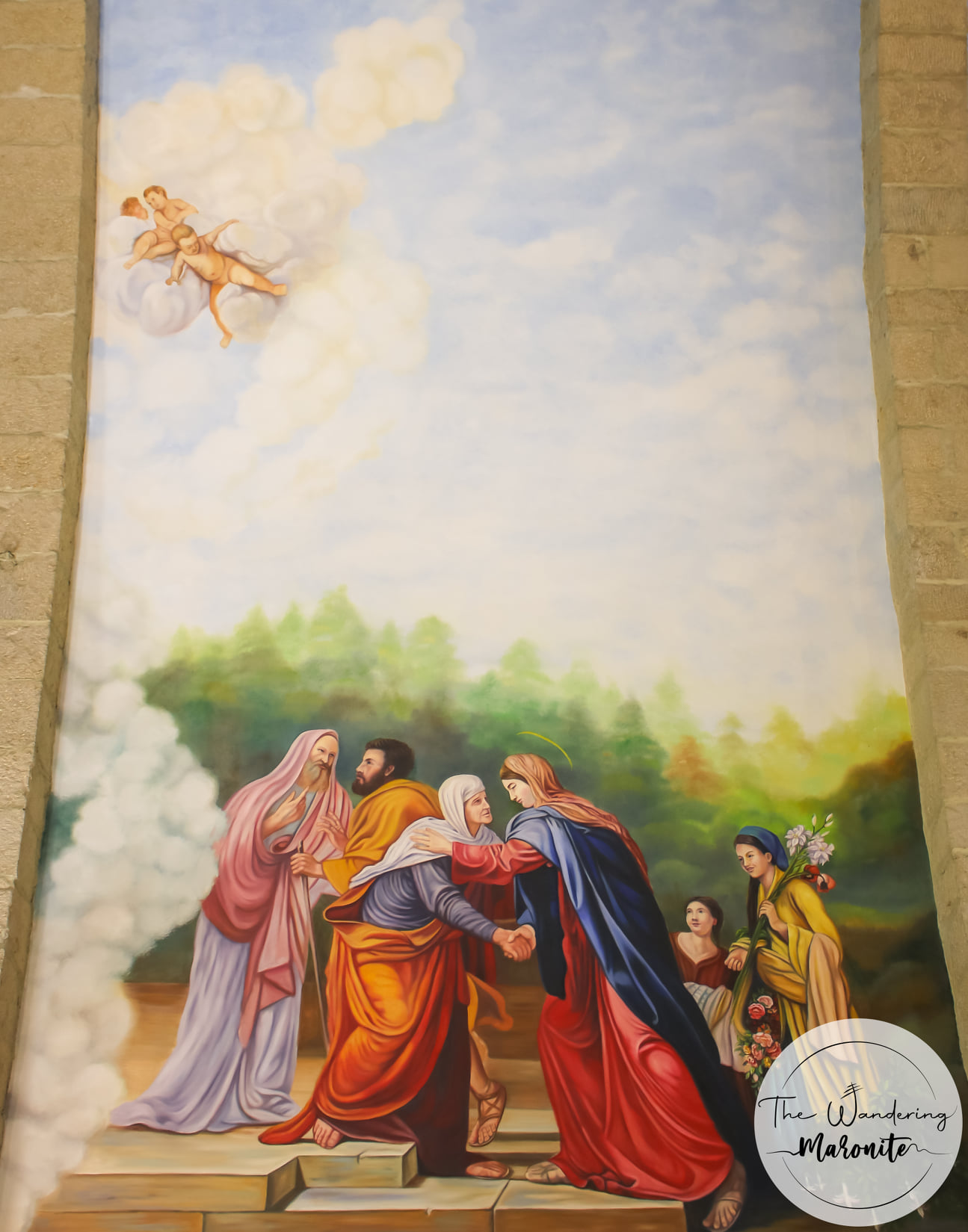
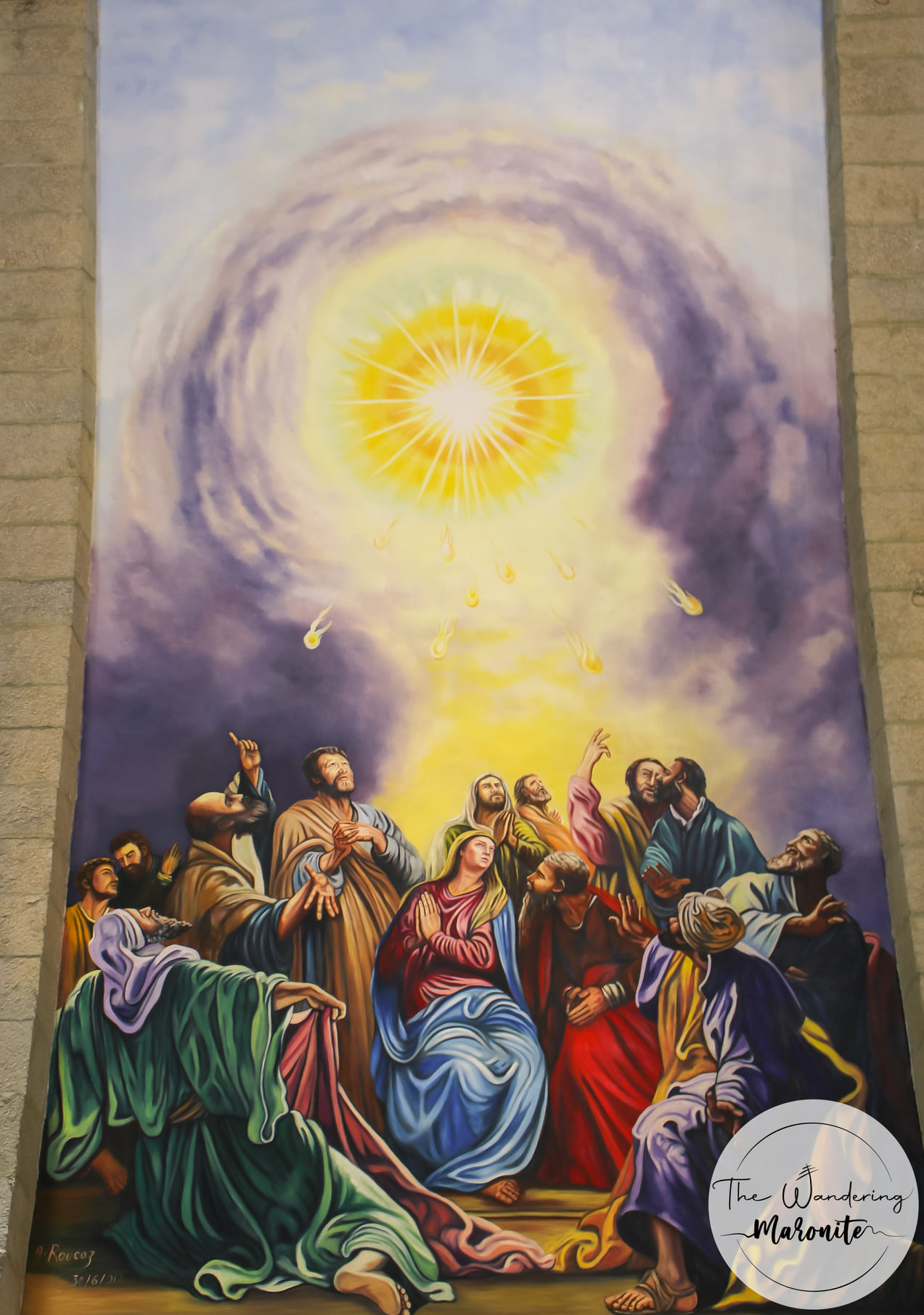
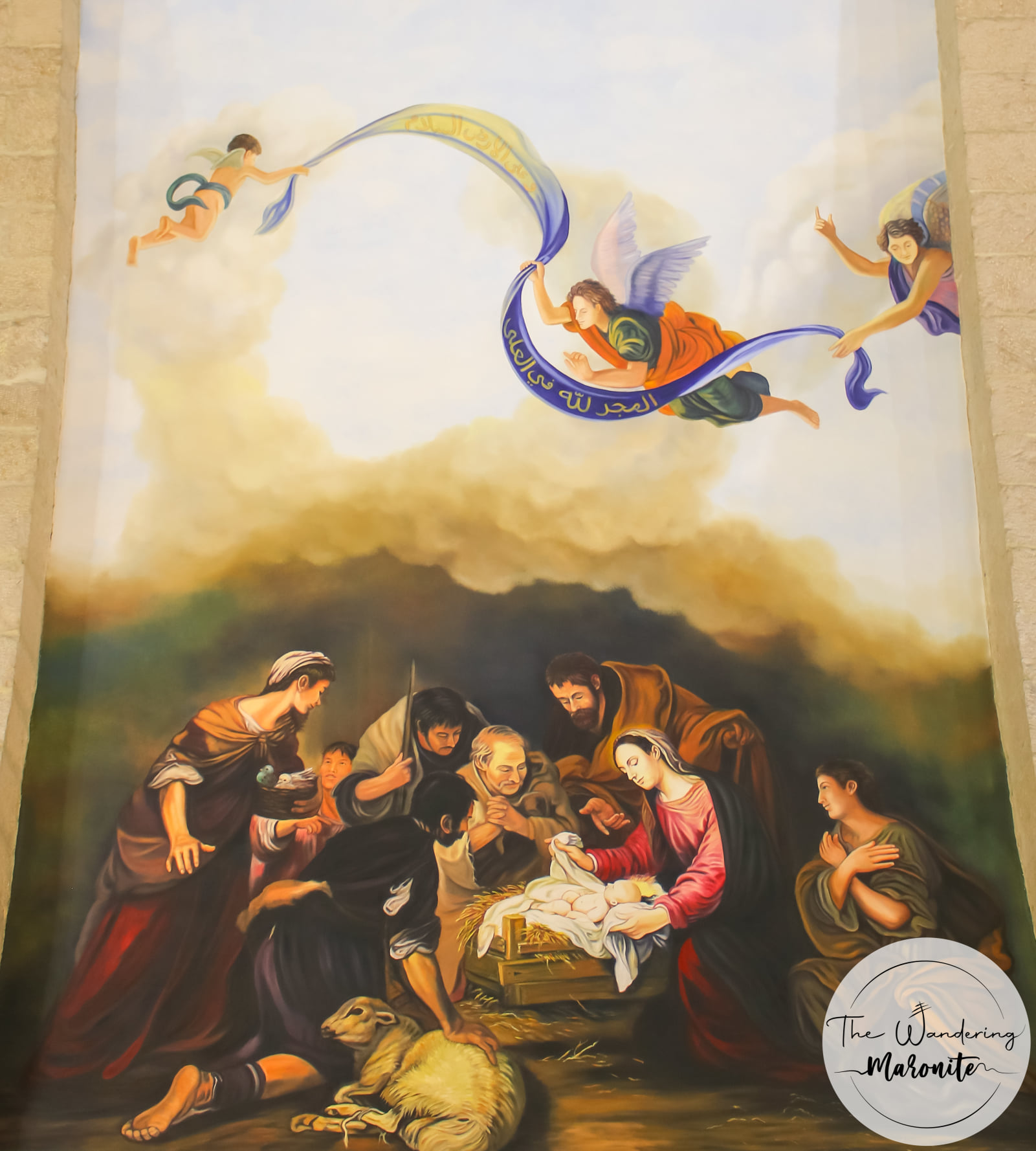
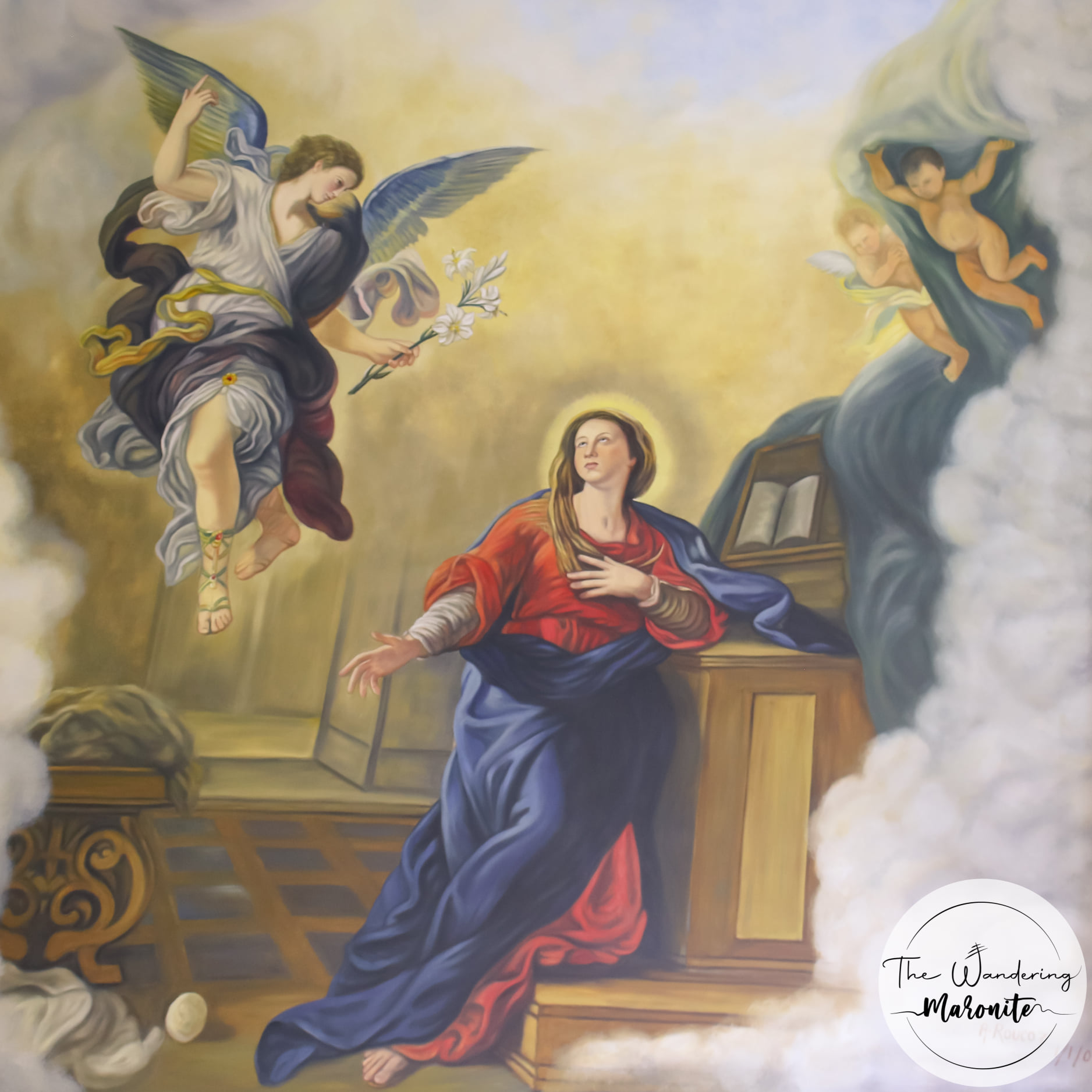
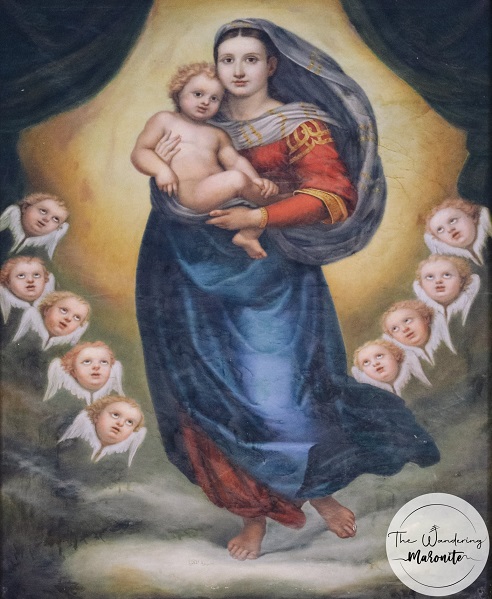
بُنيت الكنيسة سنة ١٨١٢ وكرّسها المطران الياس محاسب سنة ١٨٤١. بُنيت القبّة بسعي المغتربين سنة ١٩١٠. لوحة العذراء التي تعلو المذبح منقولة عن مادونا سيستينا لرافايل. في الكنيسة العديد من الأيقونات والسقف مكسو بالجداريات من عمل أ. روكز سنة ٢٠١٢.The church was built in 1812, and consecrated by Bishop Elias Mhaseb in 1841. The Campanile was built in 1910 with the donations of the village’s diaspora. The painting of the Madona over the high altar is a copy of the Madona Sistina of Raphael. The church is rich in icons, and the vault is covered in frescoes painted by I. Roukos in 2012.
دير مار جرجس - بحردق بُني الدّير سنة ١٦٥٤ بسعي الأب يوسف الرامي، وانتقلت الراهبات إلى الموضع الحالي سنة ١٧٤٤. شُيّدت الكنيسة سنة ١٧٥٠. أواسط القرن التاسع عشر وسّع المطران يوسف جعجع الدّير وجعله كرسيًّا لأبرشيّة قبرص، وجعله بعد سنة ١٨٧٠ مقرًّا لكهنة الأبرشيّة بإذن الكرسيّ الرسوليّ. تحوّل الى مدرسة أقفلت بعد الحرب العالميّة الأولى، بعدها أقفل وترك مهملاً. دشّنه بعد الترميم البطريرك نصرالله بطرس صفير في ٢٥ حزيران سنة ٢٠٠٠. The Monastery of St George - Bherdok
The first monastery was built with the efforts of Fr Youssef El Ramy in 1654. Nuns relocated to the current building in 1744. The church was accomplished in 1750. In the middle of the XIXth century, Archbishop Youssef Geagea enlarged the building and made it the seat of the eparchy of Cyprus. After year 1870 he made it a residence to the diocesan priests by a decree from the Holy See. After that it was converted to a school that was shut down after World War I, and then was left to abandon. The monastery was renovated and rededicated on the 25th of June 2000 by later Patriarch Nasrallah Boutros Sfeir.
الكنيسة في الأساس مبنيّة بحجارة معبدٍ رومانيّ بُني في زمان الإمبراطور انطونان التقيّ كما تشير النقوش اليونانيّة على جدرانها. تحوي الكنيسة على عدّة آثار من المعبد القديم كتمثال صنمٍ في آخرها. في القرون الوسطى تزيّنت الكنيسة بمجموعة من الجداريّات ما زال قسمٌ منها ماثل. الكنيسة كناية عن بناء بنمط بازيليكيّ بثلاث أسواقٍ وعقدٍ سريريّ. في عهد المماليك إستُعملت هذه الكنيسة كخانٍ للمُسافرين، وفي بداية العهد العُثماني إستُعملت إسطبلاً للخيل في قسمٍ منها، وفي القسم الآخر أُنشئت معصرة للزيتون. وآلت ملكيتها لمشايخ آل حمادة الشيعة. وفي أوآخر القرن الثامن عشر قَدَمَ الشيخ وهبه الدحداح الأول من كسروان وإستملك بلاط، فَحوَّل الإسطبل الذي أصبح من أملاكه الى كنيسة على إسم مار الياس وأعاد ترميمها، فكرَّسها المطران يوسف المريض في 4 كانون الأول ١٨٧٠. وفي العام ١٩١٩ ضربتها صاعقة، فأعاد الشيخ إسكندر كنعان وهبه الدحداح ترميمها. وفي العام ١٩٧٨ قامت المديريّة العامّة للآثار بترميمها على الشكل الذي تقوم عليه الآن. تضمّ الكنيسة لوحةً لمار الياس من عمل كنعان ديب الدلبتاوي.
The church of St Elias - Blat Byblos
The church was built with the spolias of an ancient roman temple built during the reign of the emperor Antoninus the pious. The church holds many remanences of the temple : greek inscriptions and an idol. The church’s structure is a three naved basilical plan with a crib vault. It used to be covered with frescoes some of them can be seen today. During the Mamluk’s era the church was converted into a caravanserai. Later on it was converted into a stable and an olive pressing mill and remained so during the Ottoman era when it became property of the Shia lords of the Hemade family. The church was bought by the Sheikh Wehbe el Dahdah when he came from Kesserwan and bought the village of Blat. The church was reconsecrated and dedicated to the Saint Elias the Prophet by bishop Youssef el Marid of the 4th of december 1870. It was damaged by a lightning stroke and restored in 1919 by Sheikh Kanaan Wehbe Dahdah. The church was renovated by the Lebanese Directorate General of Antiquities in 1978. The church holds a painting of Elias by Kanaan Dib.
On the northern side of the village of Kousba, is the monastery of Our Lady of Hamatoura, built in the rocky hollow of a high cliff which overlooks the holy valley of Kadisha. Hamatoura is 84km from Beirut.
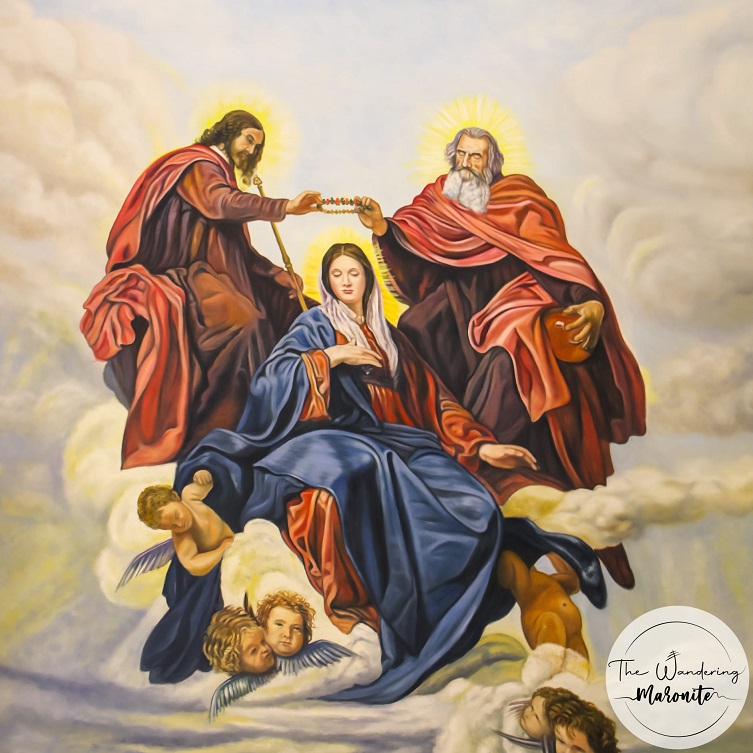
The church of Saint Jacob is the most ancient part of the monastery, belonging to the 4th century, while a large cross from the 7th century rises above the outer doorway. Some quite well preserved frescoes dating back to the middle ages cover the walls of the church, one of which shows the Holy Virgin, Queen of Heaven, seated on a throne with the Child Jesus on her knees.
Near the monastery are two venerable churches, one dedicated to Saint Michael and the other to Saint John the Baptist. On the top of the hill one can see the church of St. George. Close by the monastery is a rocky cave where one may perceive the base of a stalagmite, where barren women come to pray in the hope of bearing a child, for this grotto was dedicated to the pagan goddess of fecundity.
Late in the 13th century, at Our Lady Monastery in Hamatoura, Saint Jacob began his ascetic life. Later, when the monastery was destroyed by the Mamlukes, he reestablished monasticism along the perimeter of the ruined monastery. In time, he rebuilt the monastery, regenerating and giving renewed vigor to monastic life in the area. His spiritual briskness, vivacity, and popularity among believers drew the attention of the Mamelukes who set their minds to stop his verve and determination and force him to convert to Islam. He stubbornly refused their relentless pressures. The Mamlukes killed him and burned the church. Today, believers and pilgrims are constantly reporting his apparitions, miraculous healings and other Grace-filled deeds.



Reviews are disabled, but trackbacks and pingbacks are open.