
Zouk Mikael – The church of St Doumit

Mar Doumit El Athaya - Church, Zouq Mkayel, Lebanon

Other Details

كنيسة مار ضومط - زوق مكايل

Zouk Mkayel

Keserwan

Mount Lebanon

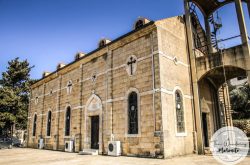
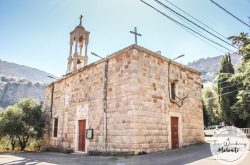
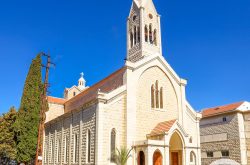
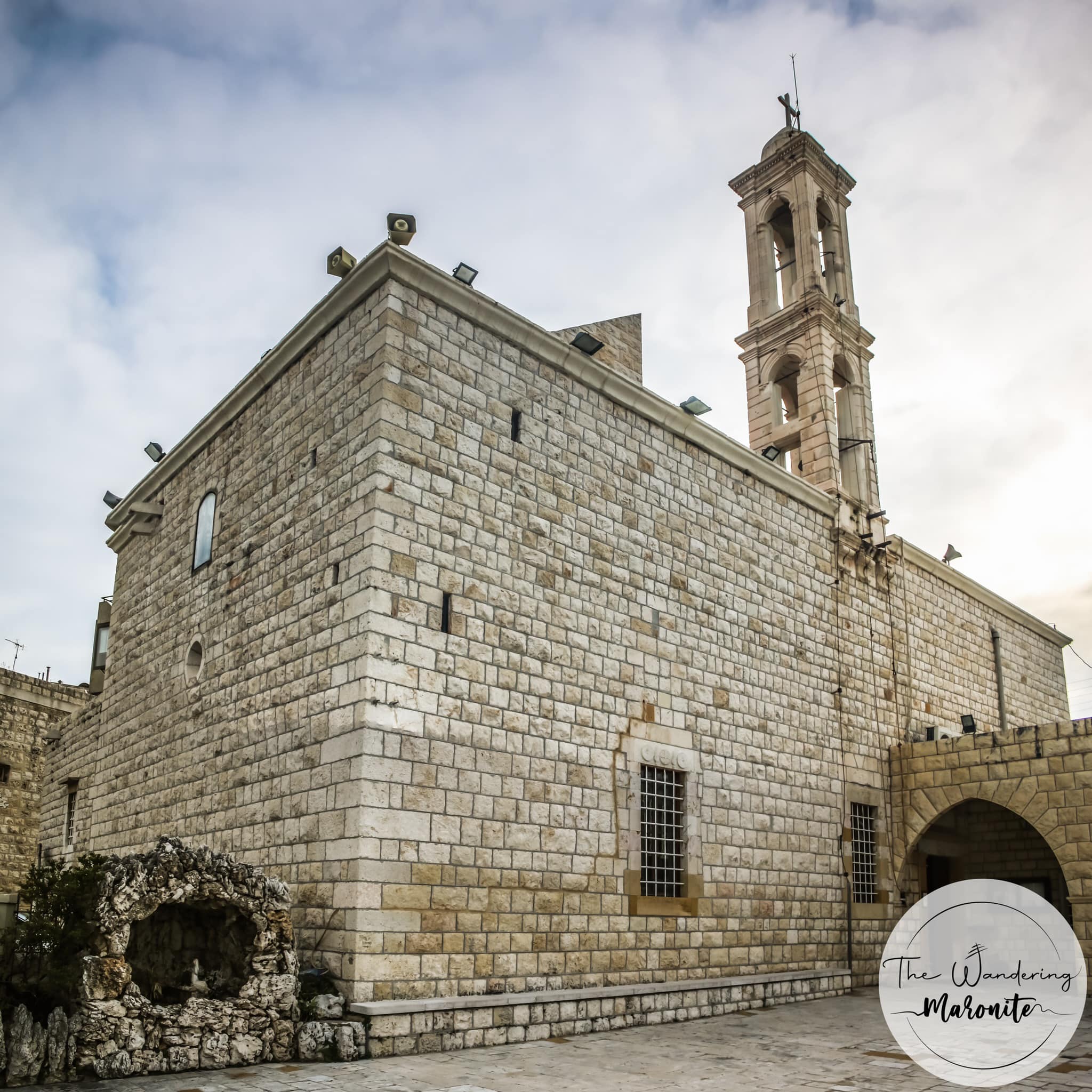
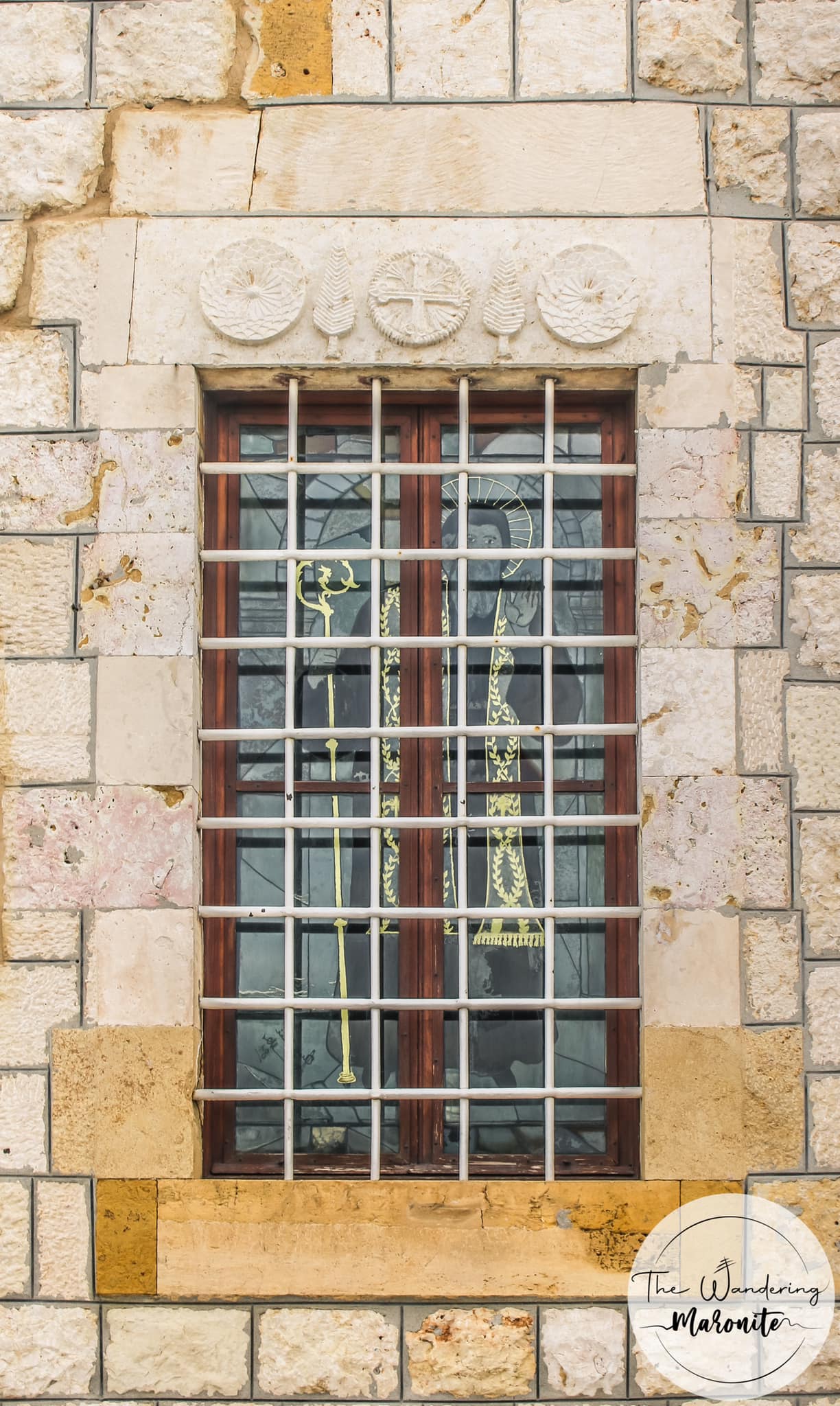
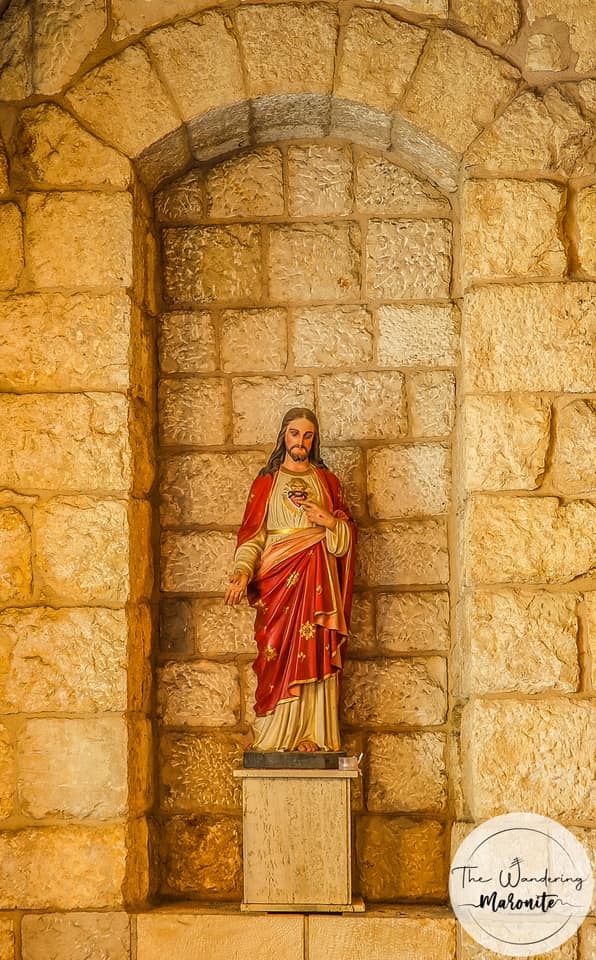
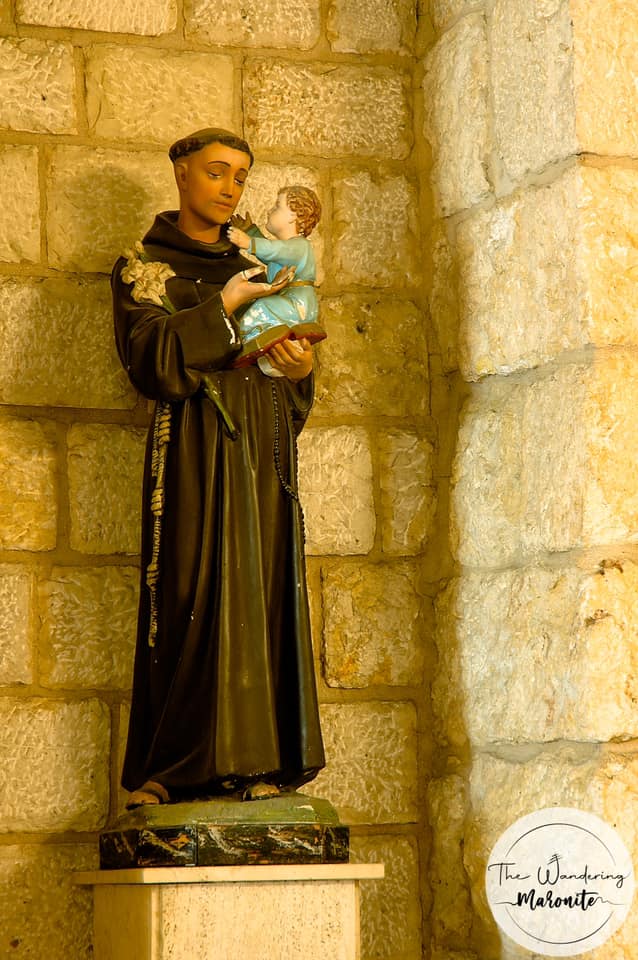
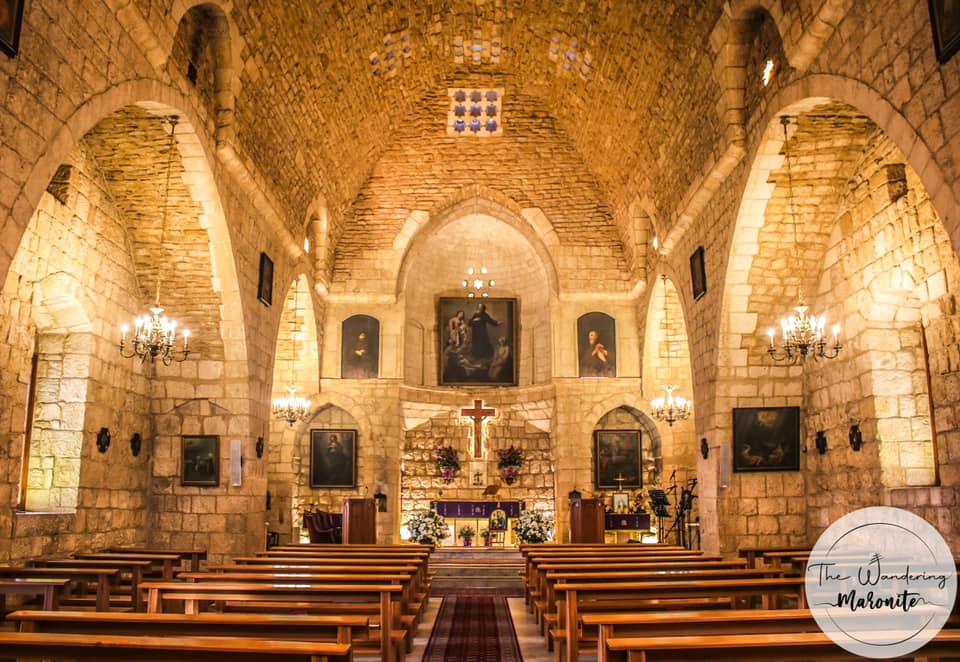
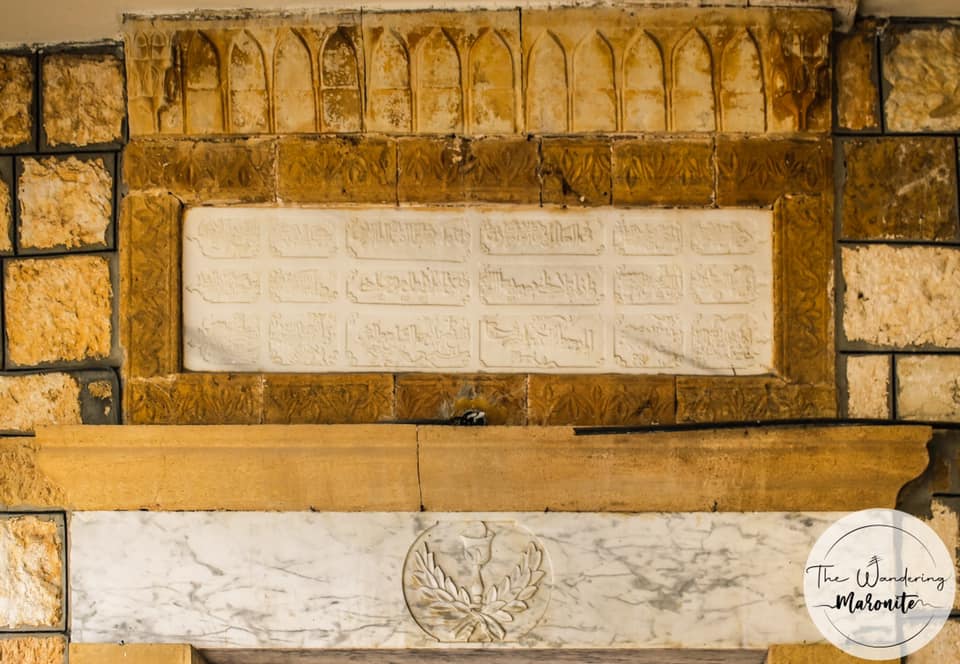
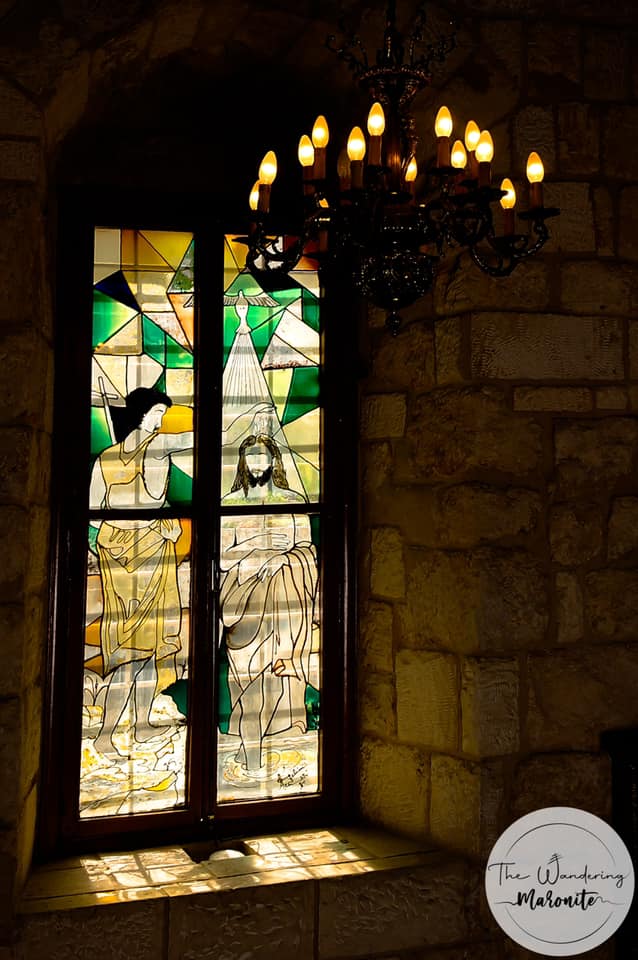
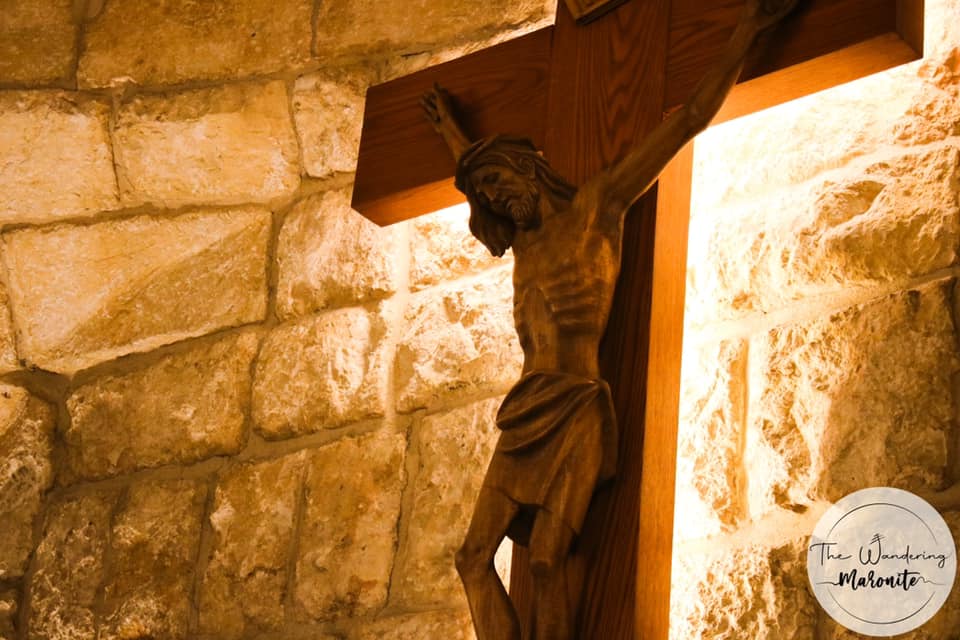
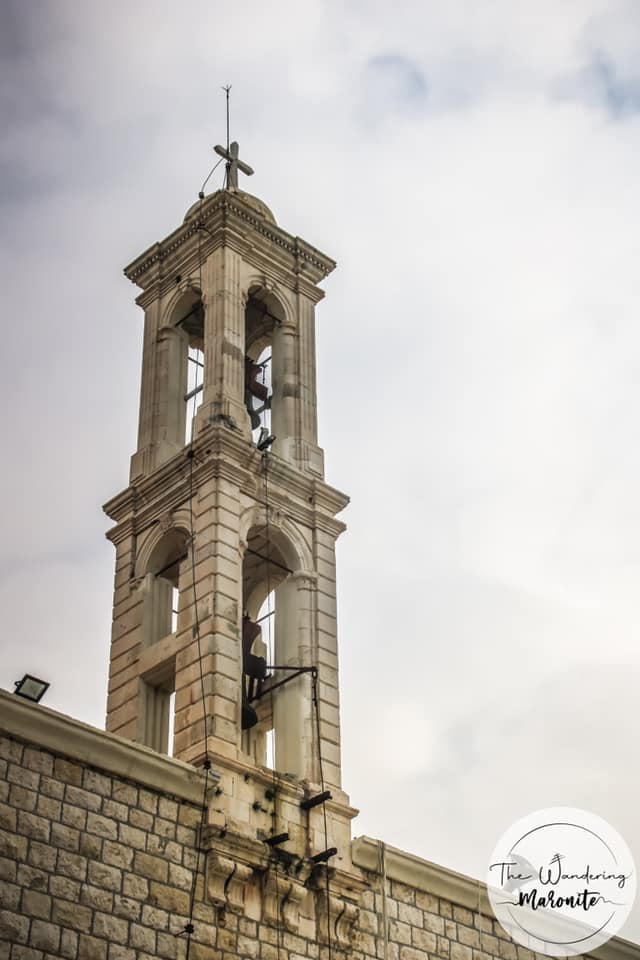
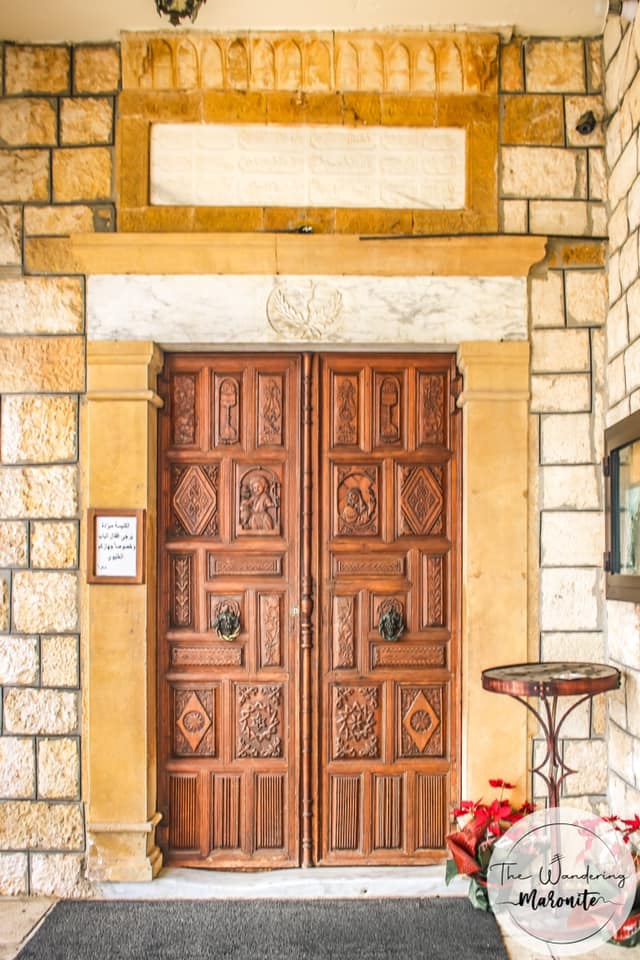
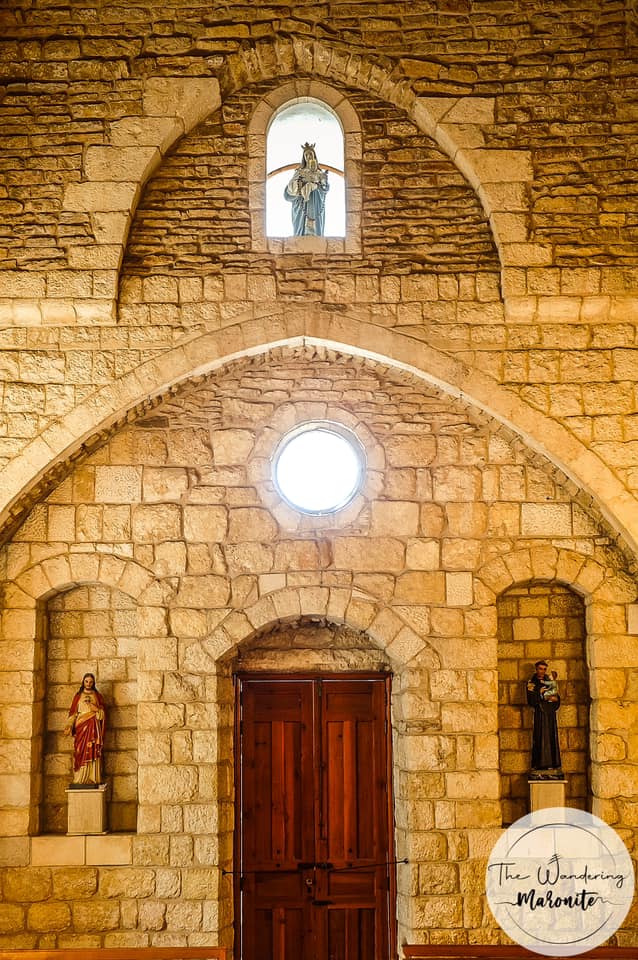
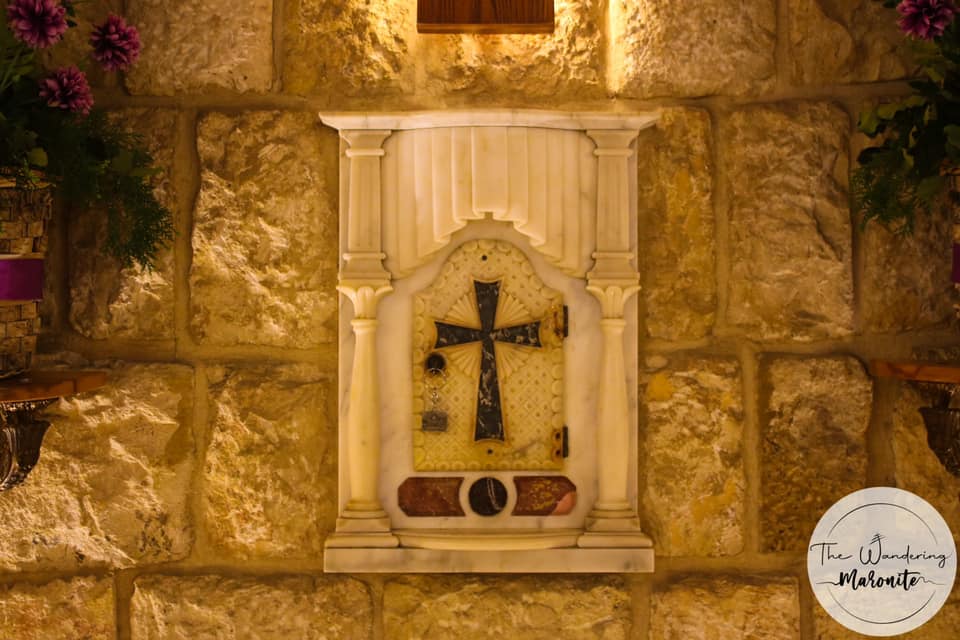
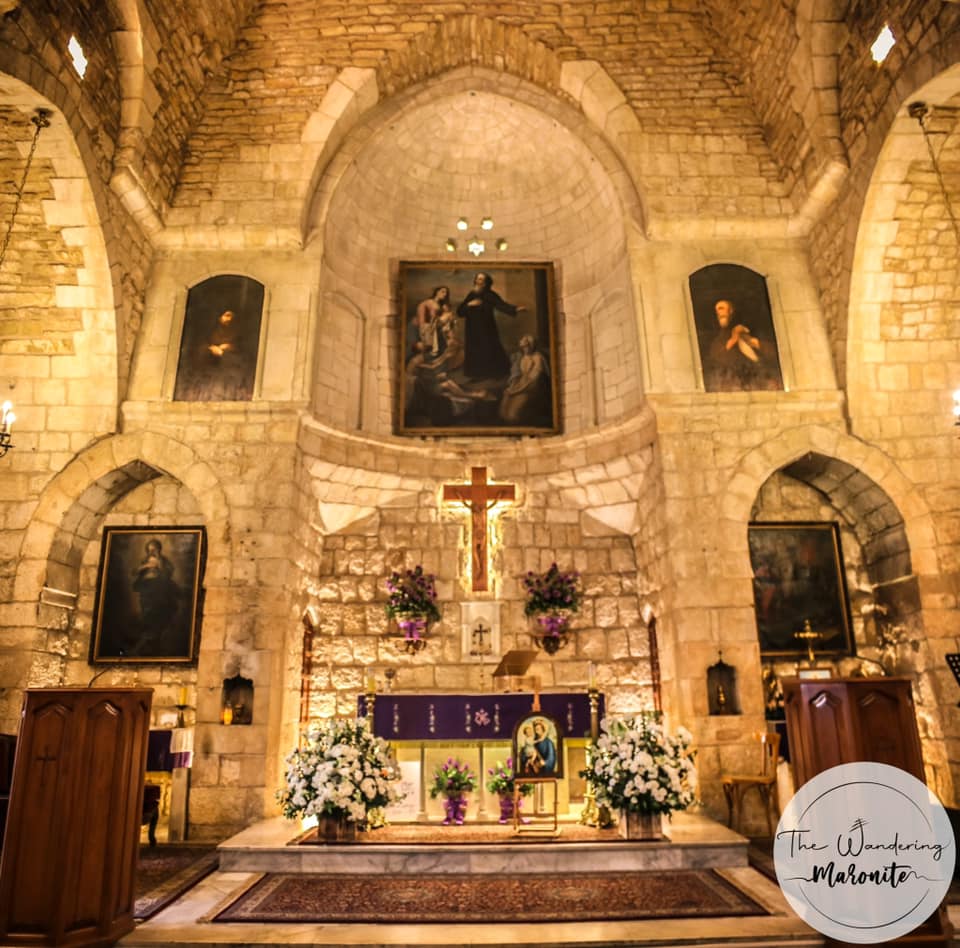
كنيسة مار ضومط - زوق مكايل بنى الكنيسة الشيخ موسى الخازن سنة ١٧٢٨ وكانت وقفيّةً لآل الخازن. الكنيسة عقد مزدوج فريد بزخرفته ومقرنصاته وفتحات الضوء في السقف. كانت الكنيسة لزمنٍ طويل مرتبطة بعائلة الخازن إلى أن قامت بين سنتيّ ١٩٠٢ و ١٩٠٤ عاميّة زوق مكايل. في ذلك الزمان هدّد الأهالي بتحوّلهم إلى المذهب الأنغليكانيّ، ولتحول البطريركيّة دون ذلك، حوّلت وقفيّة الكنيسة من عائلة الخازن إلى أهالي البلدة، وخصّ البطريرك الياس الحويّك الرعيّة بزيارةٍ حبريّة وبعددِ من الإنعامات. تضمّ الكنيسة العديد من اللوحات والتحف الكنسيّة القيّمة. رمّمت في ثمانينات القرن العشرين. The church of St Doumit - Zouk Mikael The church was built in 1728 by Sheikh Moussa el Khazen as a private church for the Khazen family. The structure is ornate with arabesque decoration and lucarnes in the vault, blending cribbed and crossed vaults. The church was a fiefdom of the Khazen family until the uprising of the peasants between 1902 and 1904. Back then the Maronite Patriarchy made the church a parish for the people to prevent them from turning to anglicanism. Also the Patriarch Elias Howayek made a pontifical visit to the parish and gave the parish many indulgences. The church holds a lot goldsmith artifacts and paintings. The building was renovated in the eighties of the XXth century.

Visited 3545 times, 8 Visits today

Reviews are disabled, but trackbacks and pingbacks are open.

Related Listings

Baskinta – Our Lady of the Assumption

Saint Mary Church,, Baskinta, Lebanon

كنيسة سيّدة الإنتقال

Baskinta

Metn

Mount Lebanon

كنيسة سيّدة الإنتقال - بسكنتا

تعودُ هذه الكنيسة إلى القرن السابع بحسب التقليد، خُرّبت الكنيسة الأولى مع حملة المماليك في القرن الثالث عشر. أْعيد البناء سنة ١٦٥٠، وجُدّد سنة ١٧١٢. سنة ١٩١١ ذُهِّب المذبح الرئيسيّ.
رُمّمت الكنيسة على عدّة مراحل وحقبات: ١٩٠٧ و ١٩٧٤ و ٢٠٠١. بُنيَ الرواق أمام الكنيسة سنة ١٩١٢. في الكنيسة ثلاث أروقة: السيّدة ولوحتها من عمل القسّ بطرس القبرصيّ الراهب اللبنانيّ، وهو أوّل رسّام في جبل لبنان القديم، مار جرجس، ومار يوحنّا المعمدان. هذه الكنيسة هي الأقدم في بسكنتا، وكانت أروقتها مقسومةً قديمًا بين الموارنة والروم الكاثوليك والروم الأرثوذكس، رعيّة واحدة لكنائس مختلفة!

Our Lady of the Assumption - Baskinta

The first church dates back to the VIIth century, yet it was destroyed with the Mamluk’s invasion in the XIIIth century. The church was rebuilt in 1650, and renewed in 1712. In 1911 the high altar was gilded. The church was renewed several times during its long history: 1907, 1974, and 2001. In 1912 a narthex was added with an Antipendium. The church is in a basilical plan and divided by three naves: Our Lady’s with a Madonna painting drawn by Boutros el Qobrsy the Lebanese Cypriot monk and the first known painter in Mount Lebanon, St John the baptist, and St George. This church is the oldest in Baskinta, in earlier times the naves where divided between the village's Christian communities: the Maronites, the Melkite, and the Greek Orthodox. One parish for three christian communities.

Kobayyat – The monastery of Chalita

Saint Challita church, Qatlabah, Lebanon

دير مار شليطا

Qbaiyat Aakkar

Akkar

Akkar

دير مار شليطا - القبيات

يقع الدّير في منطقة وادي حلسبان، في الأصل كان البناء معبدًا رومانيًّا للإله بان إله الرعيان والمواشي. حوّله الأهالي إلى كنيسةٍ بيزنطيّة على اسم القدّيس شليطا (أرتاميوس) شفيع الحيوانات والمواشي، إشارةً إلى تحوّلهم من الوثنيّة. بقي الدّير مُهملاً فترةً طويلةً، فآل إلى الخراب. خلال تسعينيّات القرن العشرين رُمّم الدّير، لكنّ الترميم أزال قسمًا كبيرًا من معالمه. أصبح الدّير اليوم مقصدًا للسيّاح ومحجًّا.

The monastery of Chalita - Kobayyat

The monastery is located in the valley of Helesban. The building was a roman temple dedicated to Pan the god of shepherds. The temple was converted into a church during the byzantine era and was dedicated to St Chalita (Arthemius) the patron saint of animals and heards. After the middle ages, the monastery fell into ruins for along time. The structure was restored in the last decade of the XXth century, yet the restoration destroyed many of the original elements. The monastery became a pilgrimage site.