
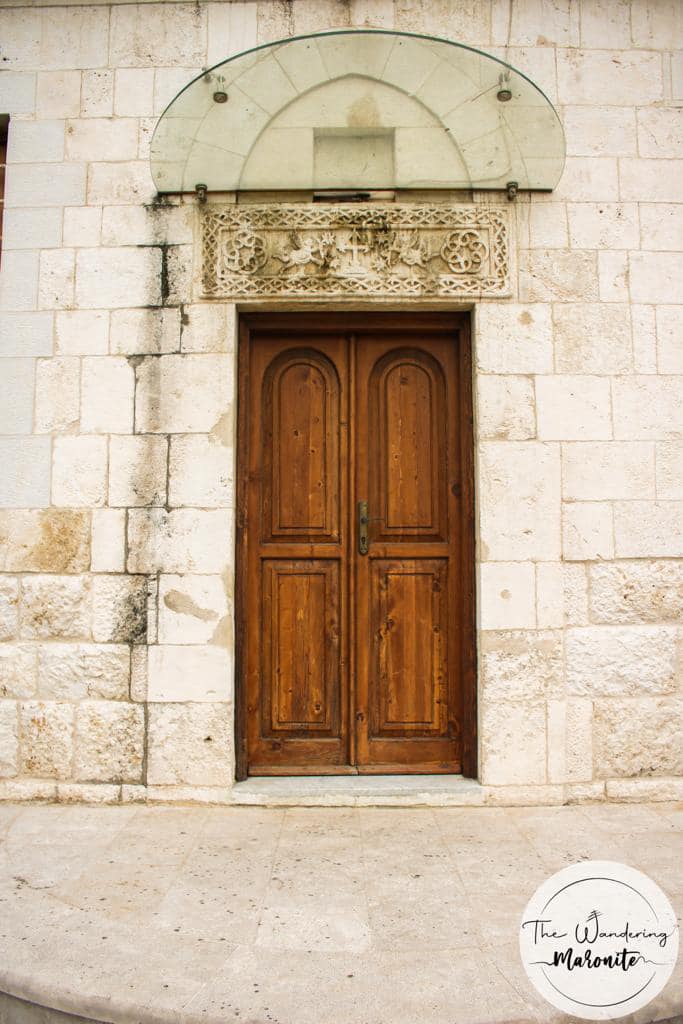
Haret el Mir, Zouk Mikael – The Church of Our Lady of Perpetual Help

Haret El Mir, Lebanon

Other Details

كنيسة سيّدة المعونات حارة المير

Zouk Mkayel

Keserwan

Mount Lebanon

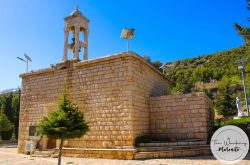
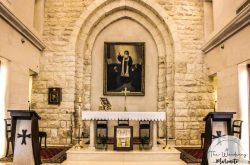
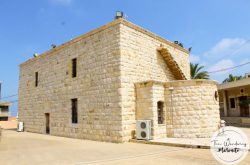
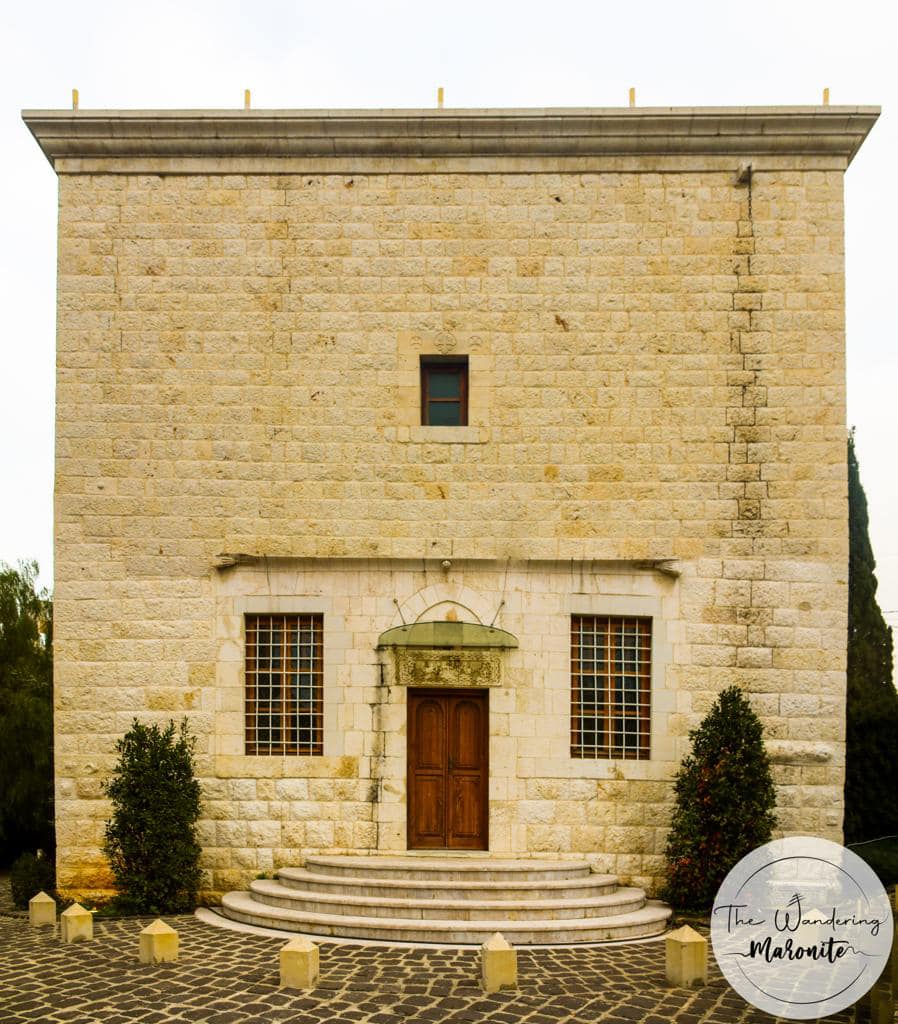
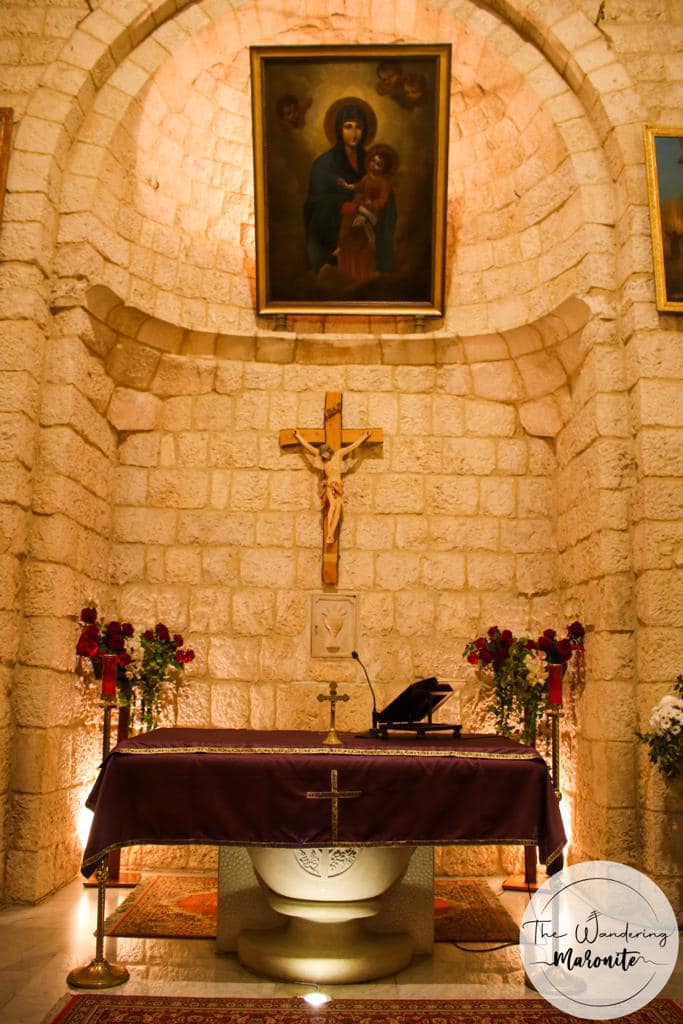
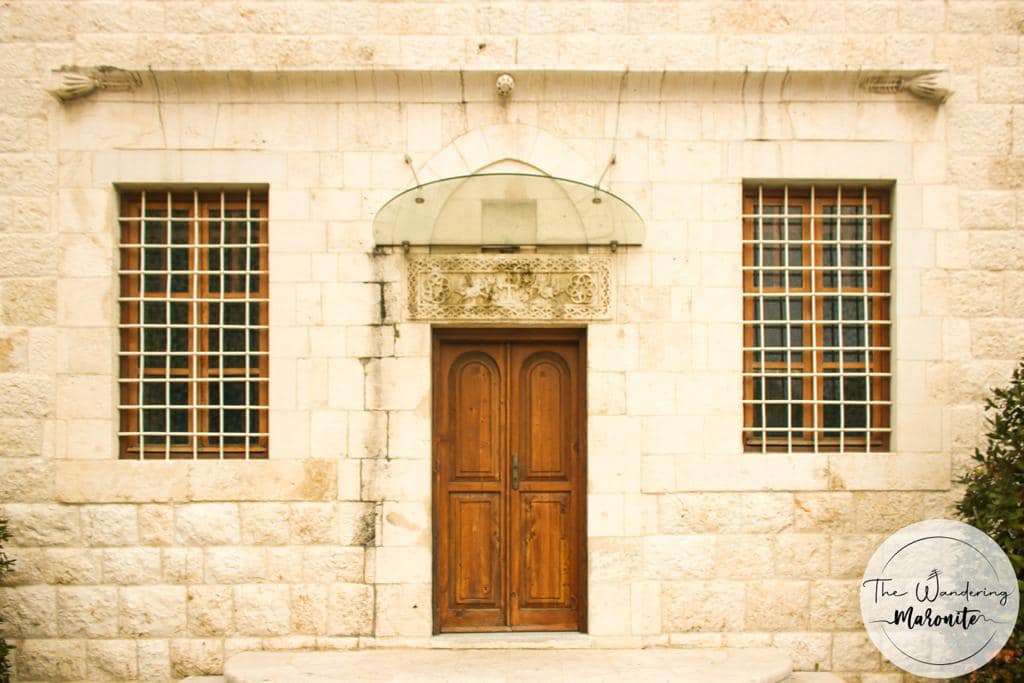
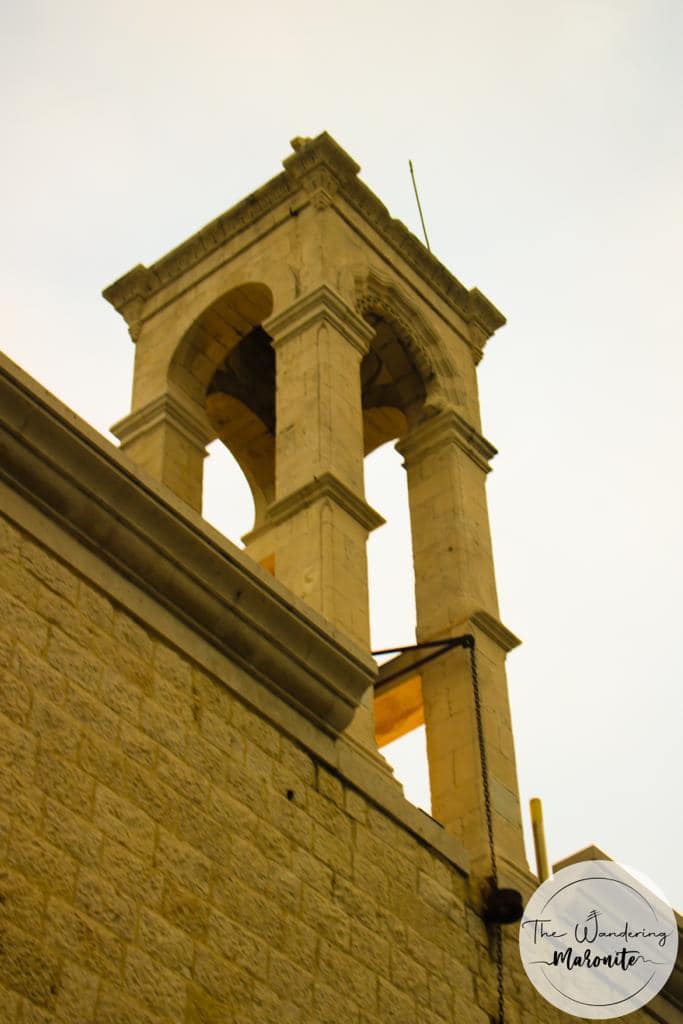
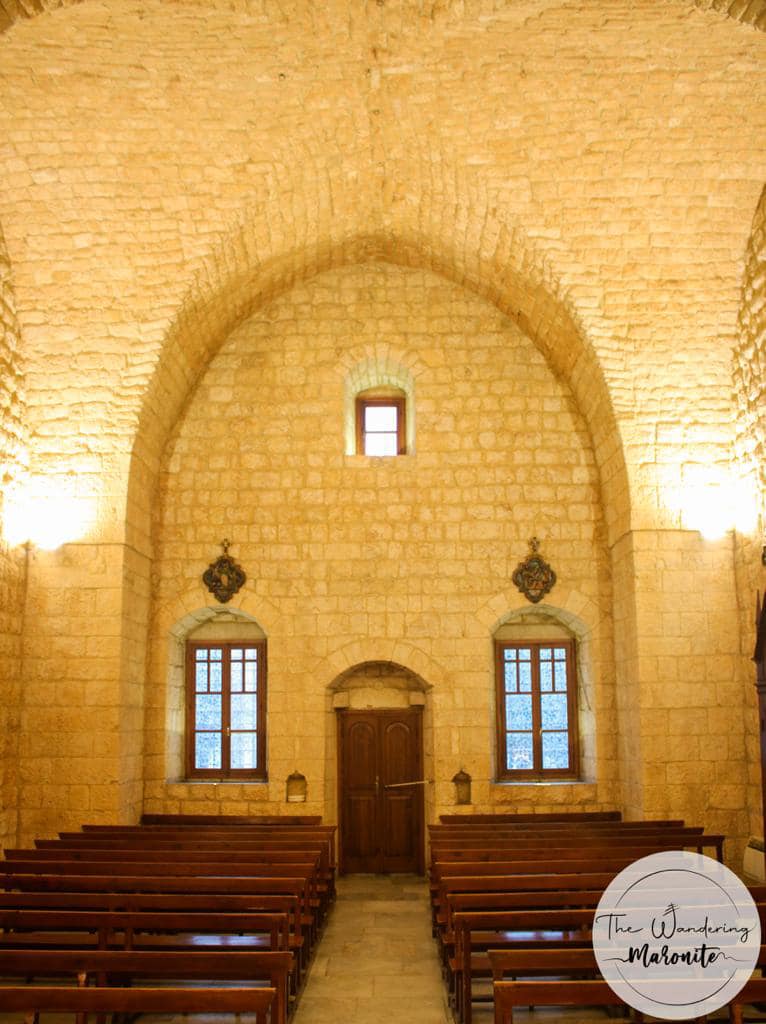
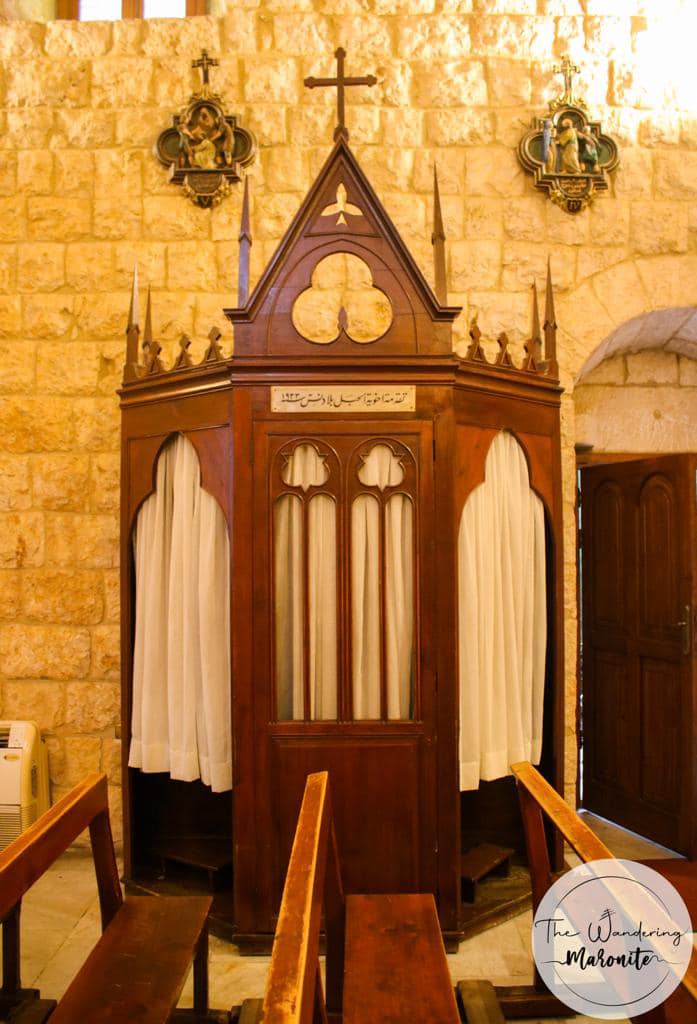
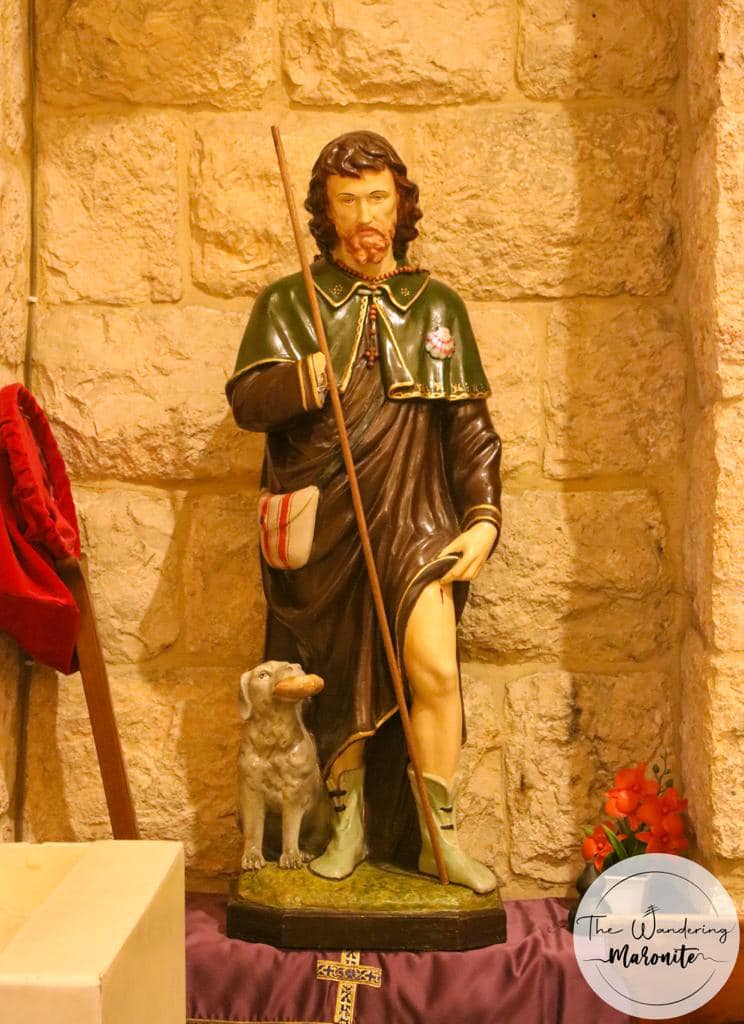
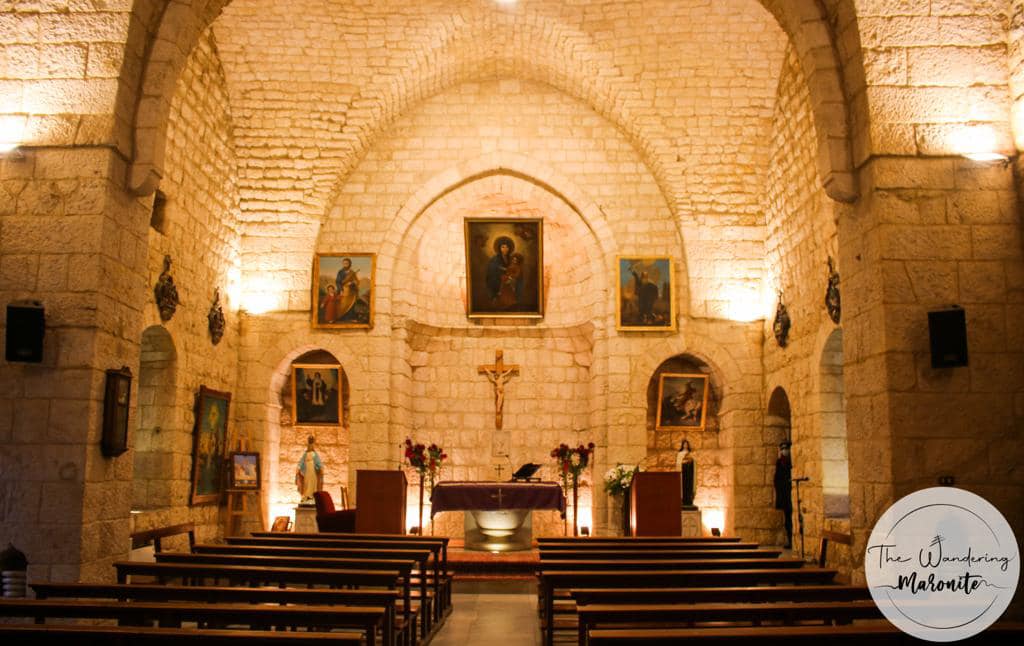
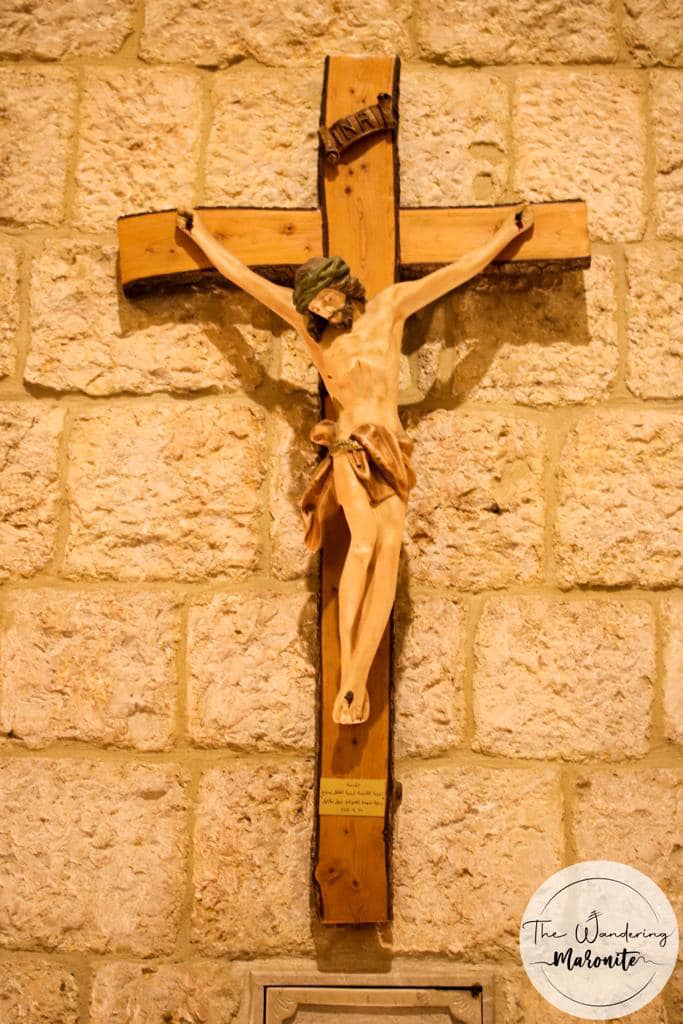
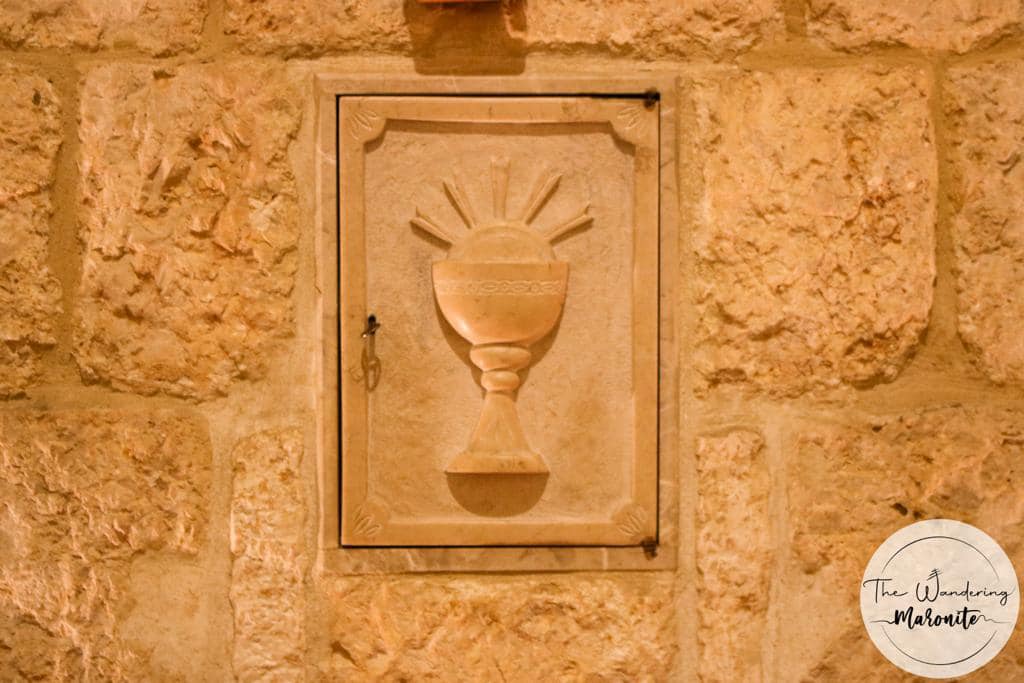
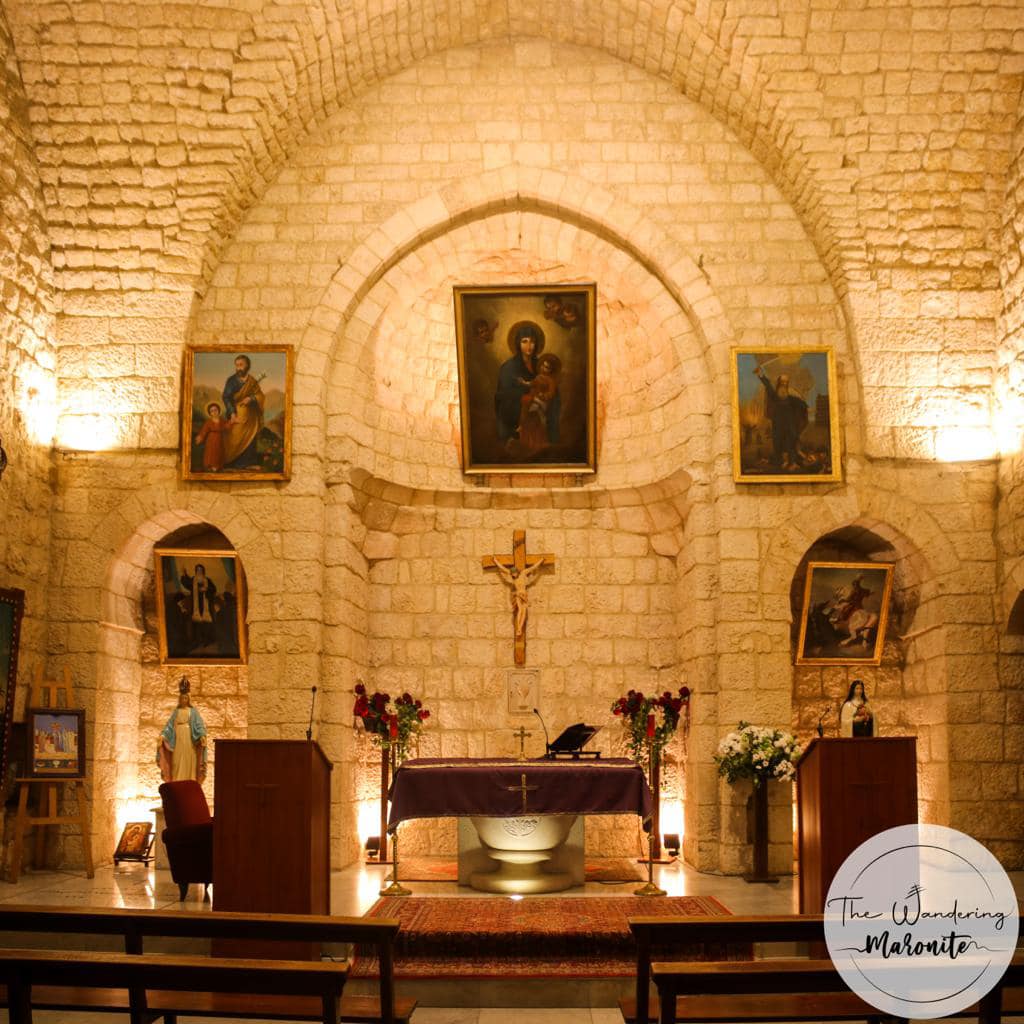
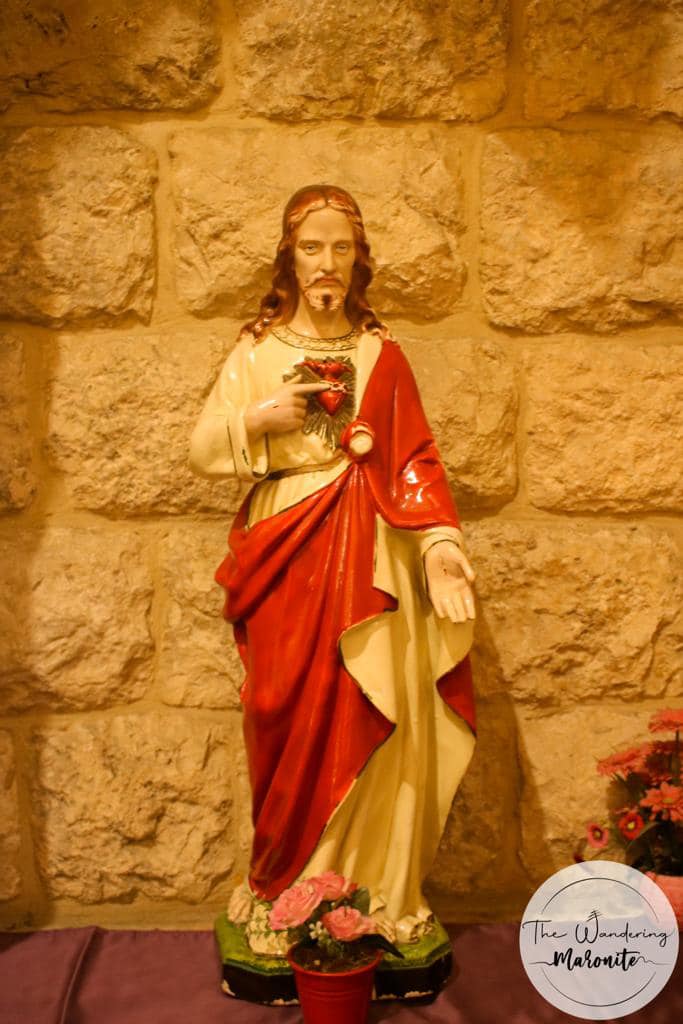
كنيسة سيّدة المعونات حارة المير - ذوق مكايل سنة ١٨٥٠ إشترى الشيخ عبّاس الخازن حجارةً مقصوبةً لبناء حارته. خلال ثورة الفلاّحين صادر الثوّار الحجارة بأمر قائدهم الياس المنيّر وبنوا بها كنيسةً رعائيّةً حتّى لا تصير مُطالبة بالحجارة، فجاء البناء عقدًا سريريًّا. رُمّمت الكنيسة أواخر القرن العشرين وهي تحوي العديد من اللوحات المحليّة. The Church of Our Lady of Perpetual Help - Haret el Mir, Zouk Mikael It was built using building stones that were originally purchased by Sheikh Abbas el Khazen in 1850 for the construction of his mansion. However, during the peasant revolution of 1858, a group of revolutionaries led by Elias el Mnayyar confiscated the stones and used them to build a cross-vaulted church. As the stones were used to build a parochial church, no one could claim ownership over them. The church features many locally made paintings and was renovated at the end of the 20th century.

Visited 6323 times, 4 Visits today

Reviews are disabled, but trackbacks and pingbacks are open.

Related Listings

Ghazir – The Maronite Patriarchal Seminary

Maronite Patriarchal Seminary - Ghazir, Ghazir, Lebanon

الإكليريكيّة البطريركيّة المارونيّة

Ghazir

Keserwan

Mount Lebanon

الإكليريكيّة البطريركيّة المارونيّة - غزير

بنى أمراء آل شهاب قصرًا لهم في غزير مع بداية القرن التاسع عشر ما لبث أن باعه الأمير عبدالله شهاب للآباء اليسوعيّين سنة ١٨٤٣ لتأسيس مدرسة إكليريكيّة. سنة ١٨٨١ بنيت كنيسة مار يوسف الكبيرة. سنة ١٩١٤ طرد العثمانيّون الرهبان من الدّير، ليعودوا بعد الحرب ويؤسسوا ميتمًا في رحابه. سنة ١٩٣٤ أصبح الدّير إكليريكيّة بإدارة اليسوعيّين. اشترى الدّير أخيرًا البطريرك أنطونيوس خريش سنة ١٩٧٦، ليصبح شرعًا مبنى الإكليريكيّة البطريركيّة المارونيّة. عدّل بناء الدّير عدّة مرّات وأضيف عليه عدّة مبانٍ على مراحل. يحوي العديد من الأجنحة ويحوي إضافةً لكنيسته الكبرى اربعة كنائس: مار مارون شفيع الإكليريكيّة، البشارة، مار شربل، والقدّيسة رفقا التي خدمت في الدّير ردحًا من الزمن.

The Maronite Patriarchal Seminary - Ghazir

In the early XIXth century the Chehaby princes of Ghazir built a palace that prince Abdallah Chehab sold to the Jesuits in 1843, to build a seminary. In 1881 the grand church was built and dedicated to St Joseph. In 1914 the Ottomans occupied the seminary, it was reopened at the end of the war as a foster home. In 1934 the Jesuits reopened the seminary. In 1976 Patriarch Khoreiche bought the building from the Jesuits to house the Maronite Patriarchal Seminary. The building was renovated and repurposed many times. It holds many wings, the church of St Joseph, and four other chapels: St Maroun the patron of the seminary, St Charbel, The Annunciation, St Rafqa who served as a nun in Ghazir during her lifetime.

Dimane – The Old Patriarchate of Saint John Maron

Old Saint John Maroun Church, Dimane, Lebanon

البطريركيّة القديمة مار يوحنّا مارون

Dimane

Bcharre

North

البطريركيّة القديمة مار يوحنّا مارون - الديمان

بداية القرن التاسع عشر، قرّر البطاركة الانتقال من وادي قنوبين إلى قرية الديمان. وفي العام ١٨١٩، بنى البطريرك يوحنا الحلو منزلاً ليكون مقرّ إقامته. سنة ١٨٣٣، بدأ البطريرك يوسف حبيش بناء الدير والكنيسة، وتمّ في هذا الدير البطريركيّ انتخاب البطريرك يوسف راجي الخازن عام ١٨٤٥، ورفع البطريرك بولس مسعد الخوري يوحنا الحاج إلى الرتبة الأسقفية في ١٥ آب ١٨٦١، ليخلفه كبطريرك سنة ١٨٩٠. نهاية القرن التاسع عشر انتهت أعمال بناء الدير البطريركيّ الكبير في الديمان، وأصبح هذا البناء كنيسةً رعائيّة. ومن أبرز الكنوز الموجودة في الكنيسة كأس القدّاس الذي أهداه البابا لاون الثاني عشر إلى البطريرك حبيش، ومكتبة المخطوطات، وبعض الأيقونات المحليّة.

The Old Patriarchate of Saint John Maron - Dimane

At the start of the XIXth century, the patriarchs decided to relocate from Wadi Qannoubin to the village of Diman. In 1819, Patriarch John Al Helou constructed a residence for himself, and in 1833, Patriarch Youssef Hobeish began building a monastery and church. It was at this patriarchal monastery that Patriarch Youssef Raji Al Khazen was elected in 1845. Later on, on August 15, 1861, Patriarch Boulos Massad ordained Fr. Youhanna Al Hajj to the episcopal rank, and he succeeded him as patriarch in 1890. At the end of the XIXth century, the construction of the great patriarchal monastery in Diman was finished, and the building became a parish church. One of the most notable treasures of the church is a chalice gifted to Patriarch Hobeish by Pope Leo XII, as well as the manuscript library and local icons.

Baskinta – Our Lady of the Assumption

Saint Mary Church,, Baskinta, Lebanon

كنيسة سيّدة الإنتقال

Baskinta

Metn

Mount Lebanon

كنيسة سيّدة الإنتقال - بسكنتا

تعودُ هذه الكنيسة إلى القرن السابع بحسب التقليد، خُرّبت الكنيسة الأولى مع حملة المماليك في القرن الثالث عشر. أْعيد البناء سنة ١٦٥٠، وجُدّد سنة ١٧١٢. سنة ١٩١١ ذُهِّب المذبح الرئيسيّ.
رُمّمت الكنيسة على عدّة مراحل وحقبات: ١٩٠٧ و ١٩٧٤ و ٢٠٠١. بُنيَ الرواق أمام الكنيسة سنة ١٩١٢. في الكنيسة ثلاث أروقة: السيّدة ولوحتها من عمل القسّ بطرس القبرصيّ الراهب اللبنانيّ، وهو أوّل رسّام في جبل لبنان القديم، مار جرجس، ومار يوحنّا المعمدان. هذه الكنيسة هي الأقدم في بسكنتا، وكانت أروقتها مقسومةً قديمًا بين الموارنة والروم الكاثوليك والروم الأرثوذكس، رعيّة واحدة لكنائس مختلفة!

Our Lady of the Assumption - Baskinta

The first church dates back to the VIIth century, yet it was destroyed with the Mamluk’s invasion in the XIIIth century. The church was rebuilt in 1650, and renewed in 1712. In 1911 the high altar was gilded. The church was renewed several times during its long history: 1907, 1974, and 2001. In 1912 a narthex was added with an Antipendium. The church is in a basilical plan and divided by three naves: Our Lady’s with a Madonna painting drawn by Boutros el Qobrsy the Lebanese Cypriot monk and the first known painter in Mount Lebanon, St John the baptist, and St George. This church is the oldest in Baskinta, in earlier times the naves where divided between the village's Christian communities: the Maronites, the Melkite, and the Greek Orthodox. One parish for three christian communities.