
Zaghrine – The church of St Anthony the Great

Zaghrine, Lebanon

Other Details

كنيسة مار أنطونيوس الكبير

Zighrine

Metn

Mount Lebanon

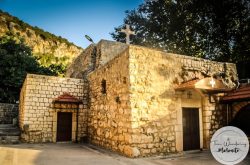
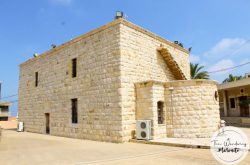
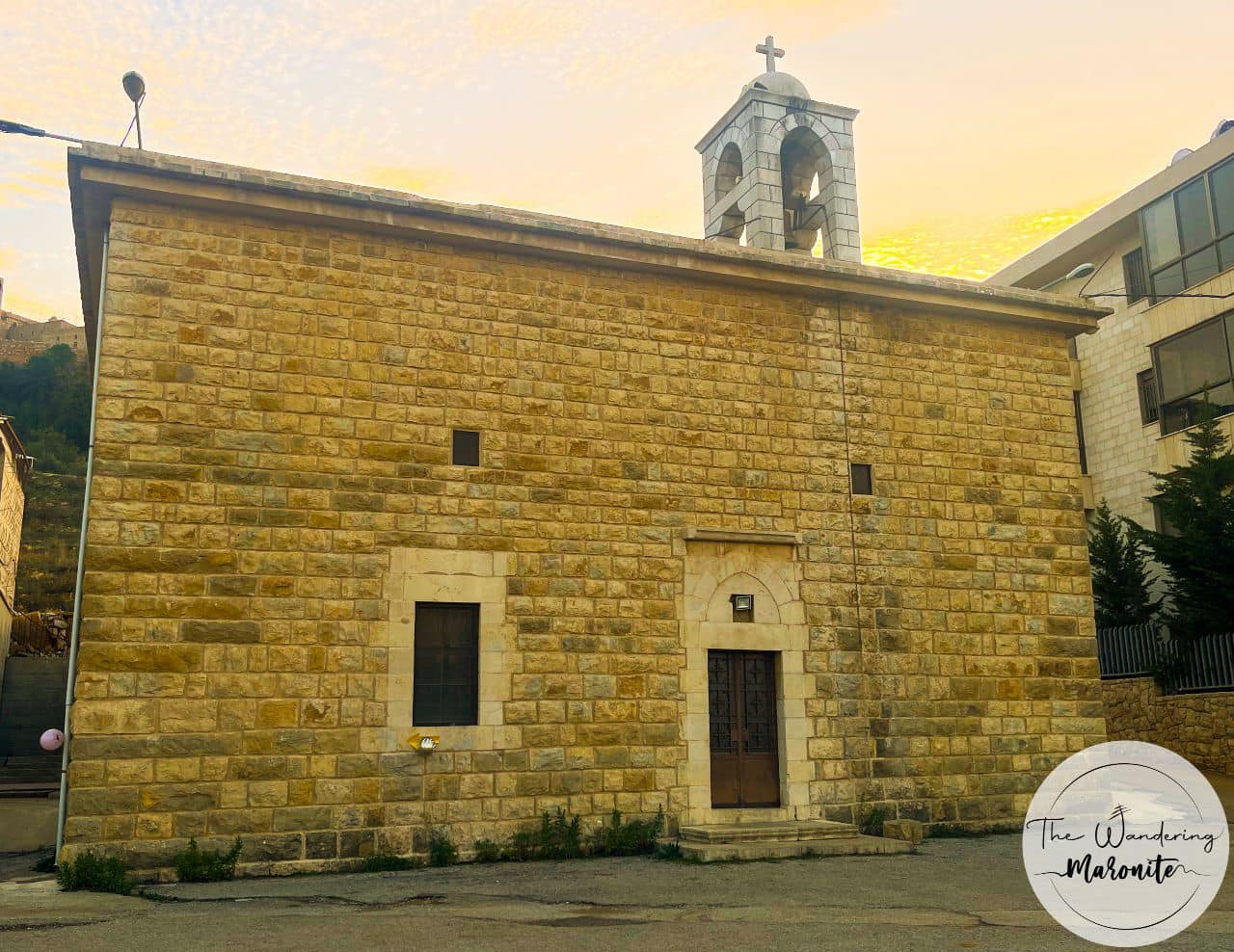
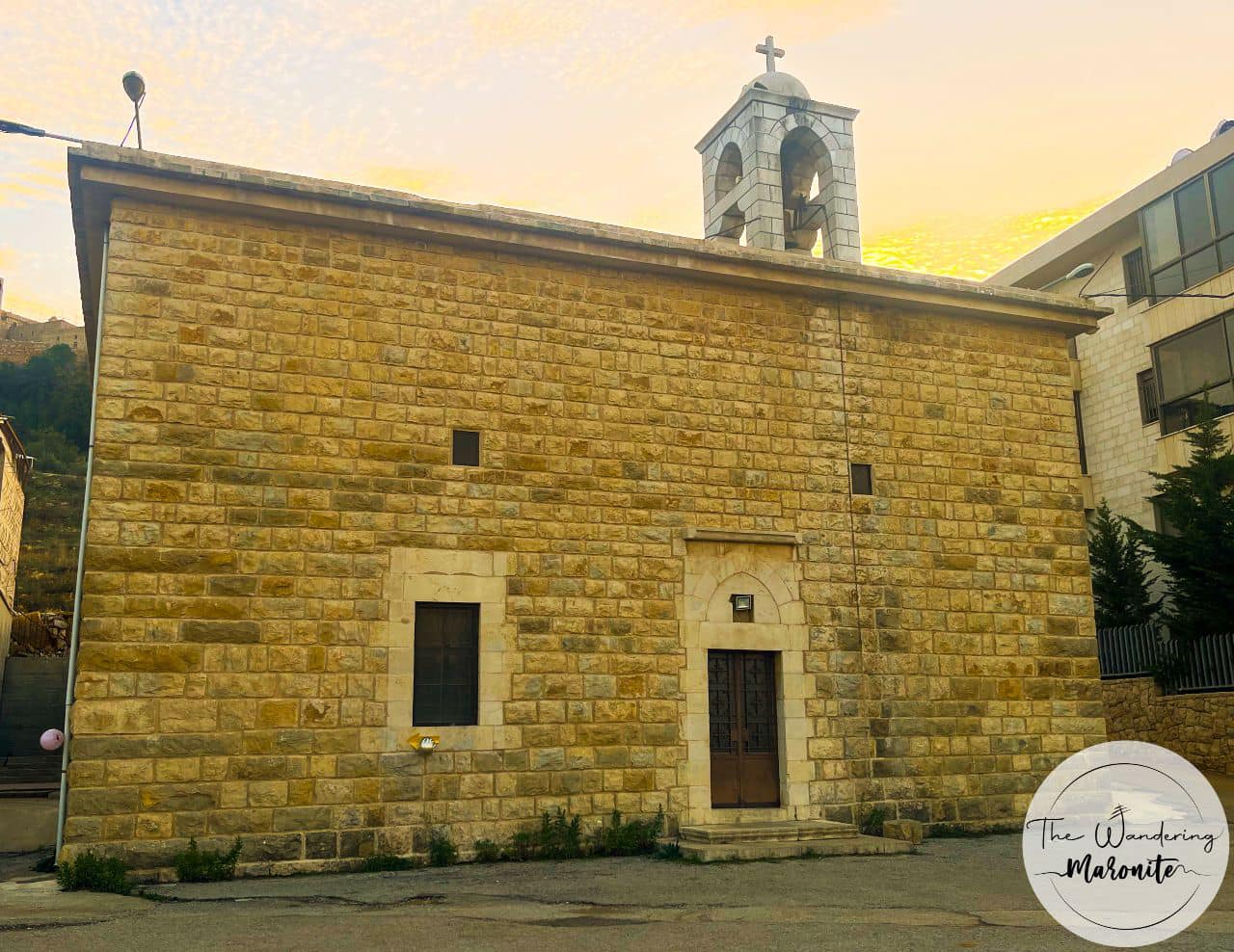
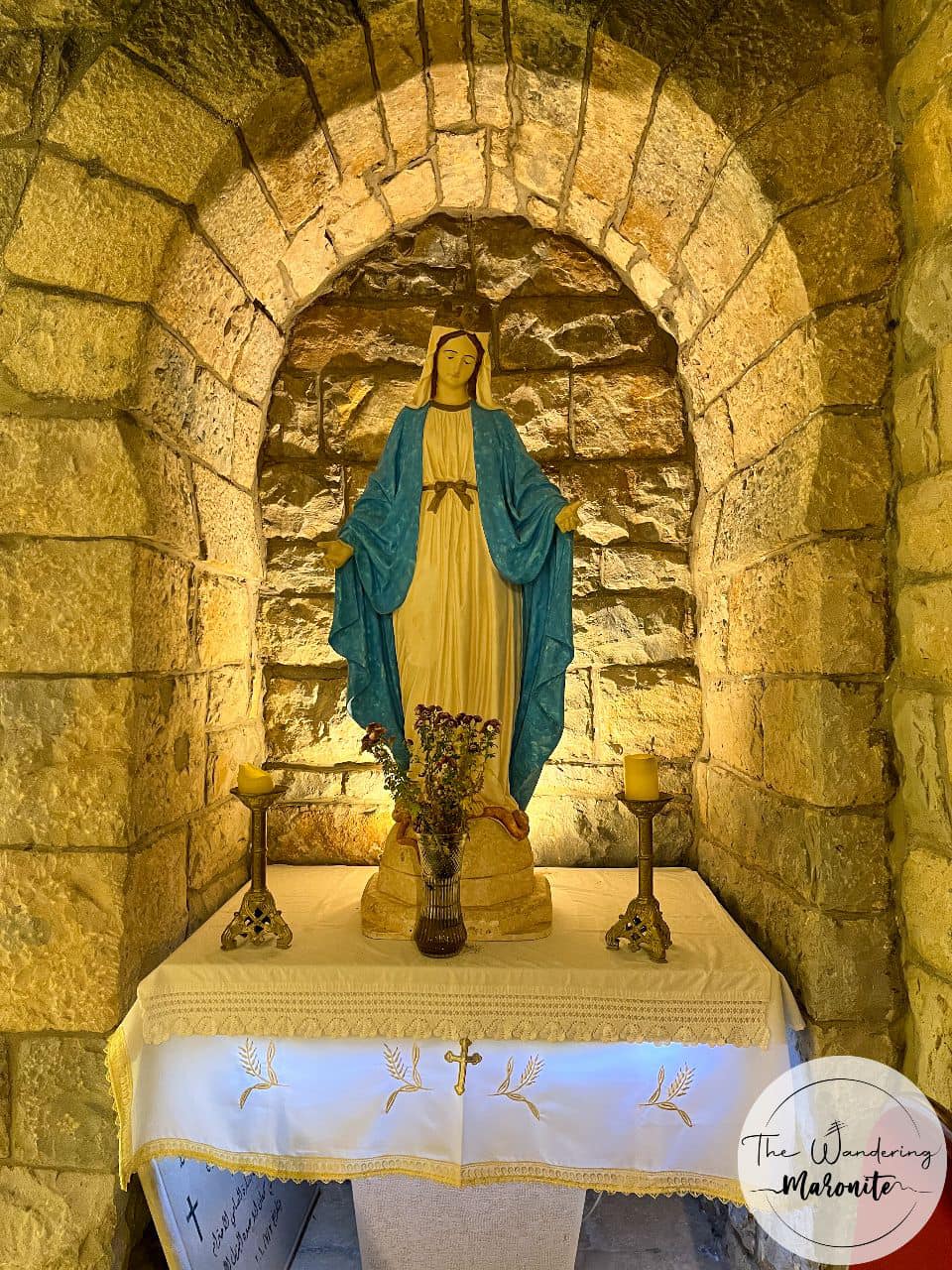
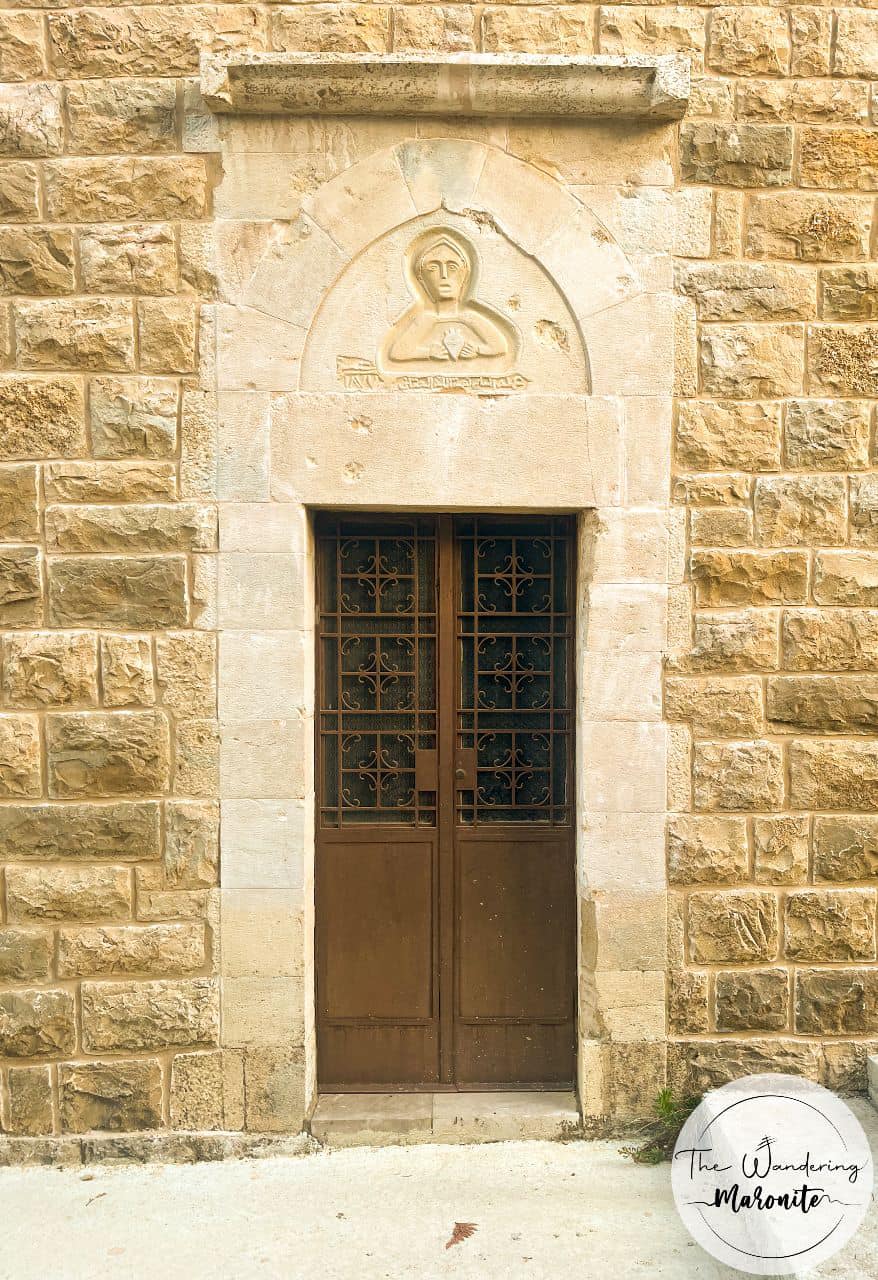
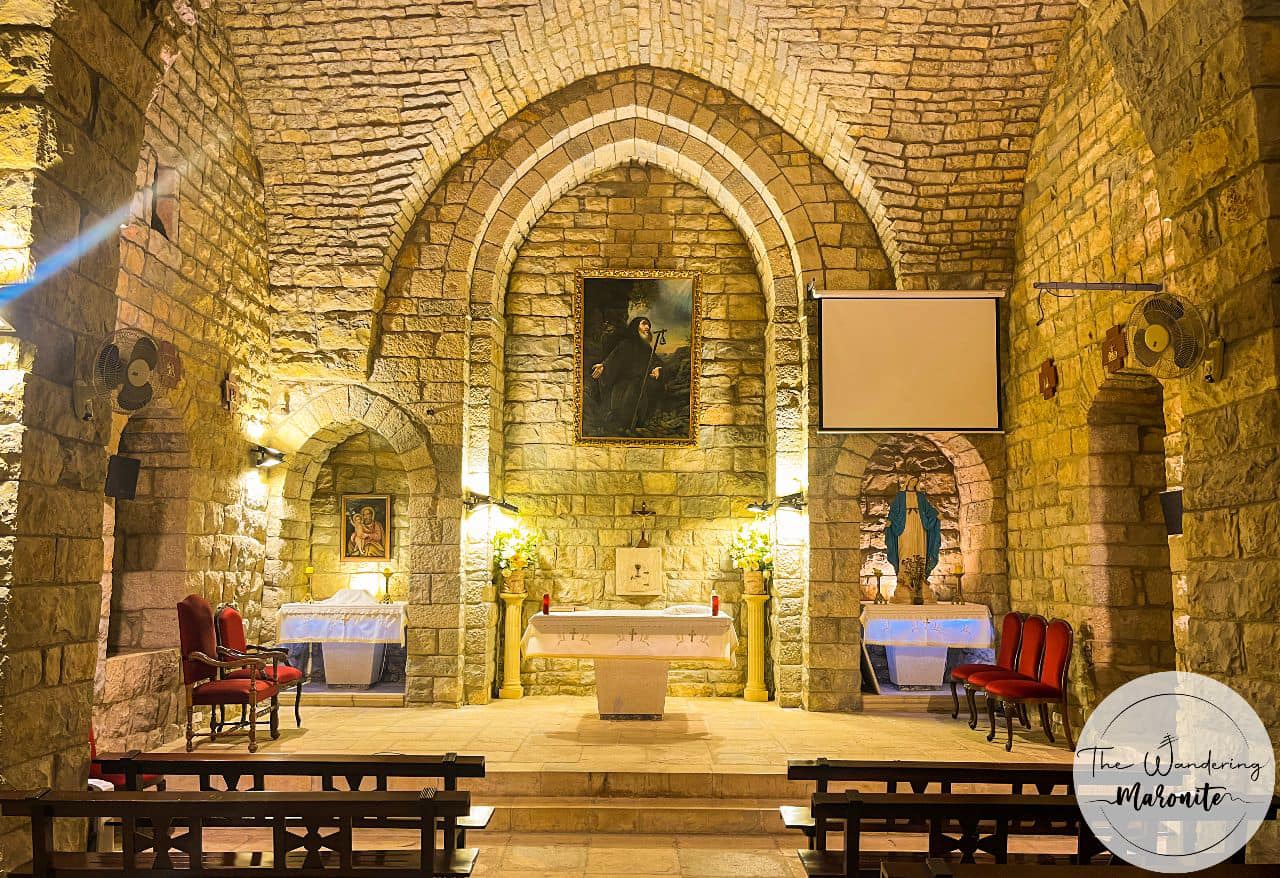
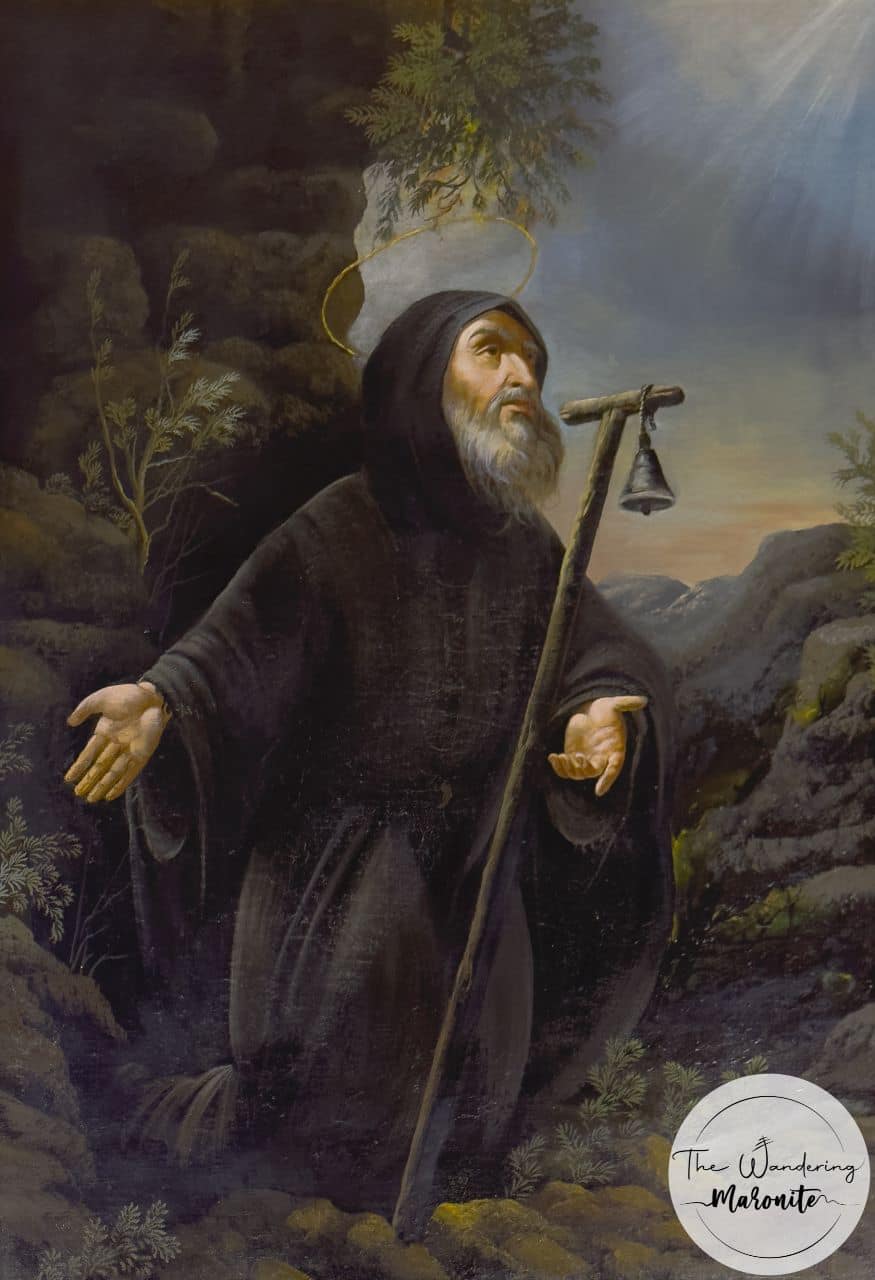
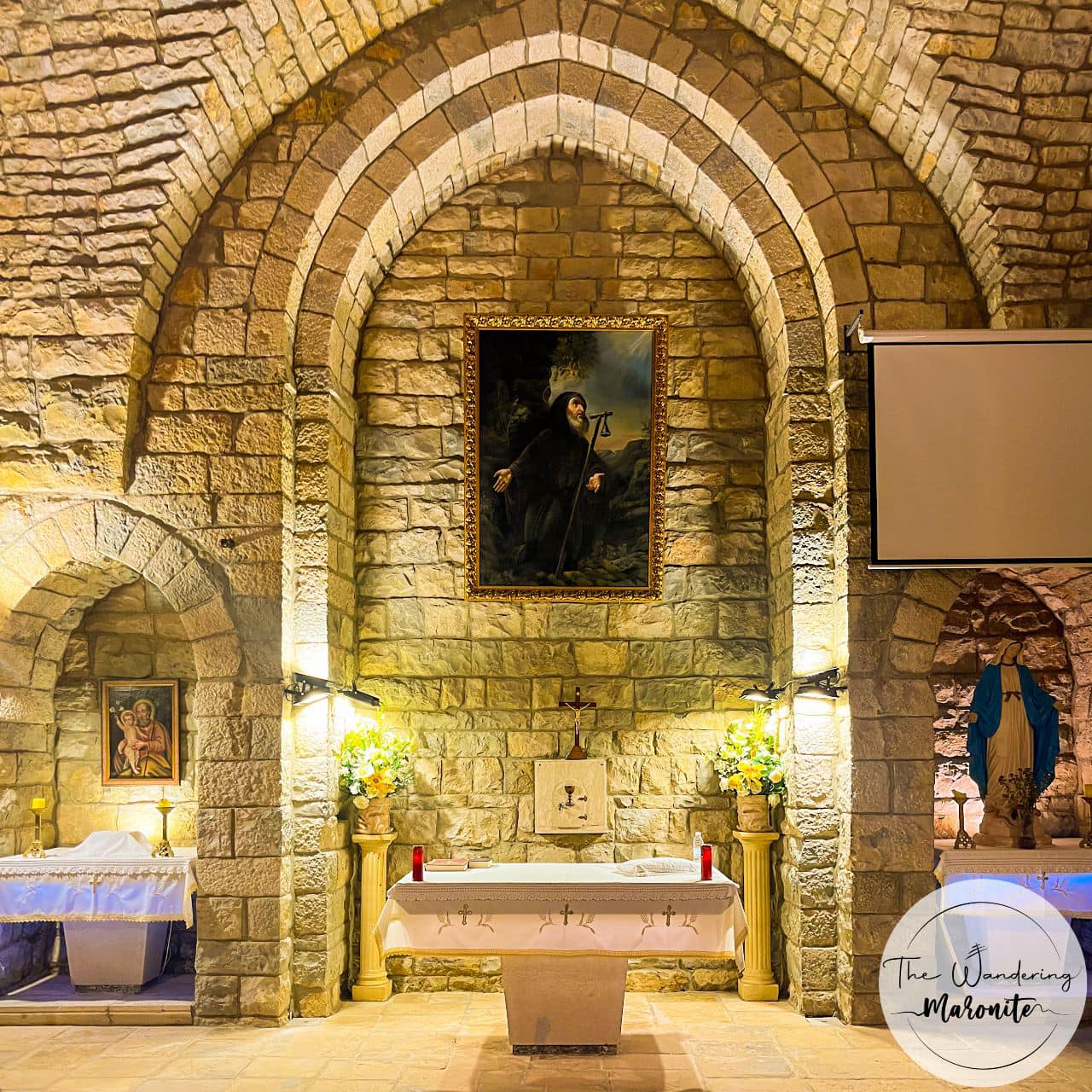
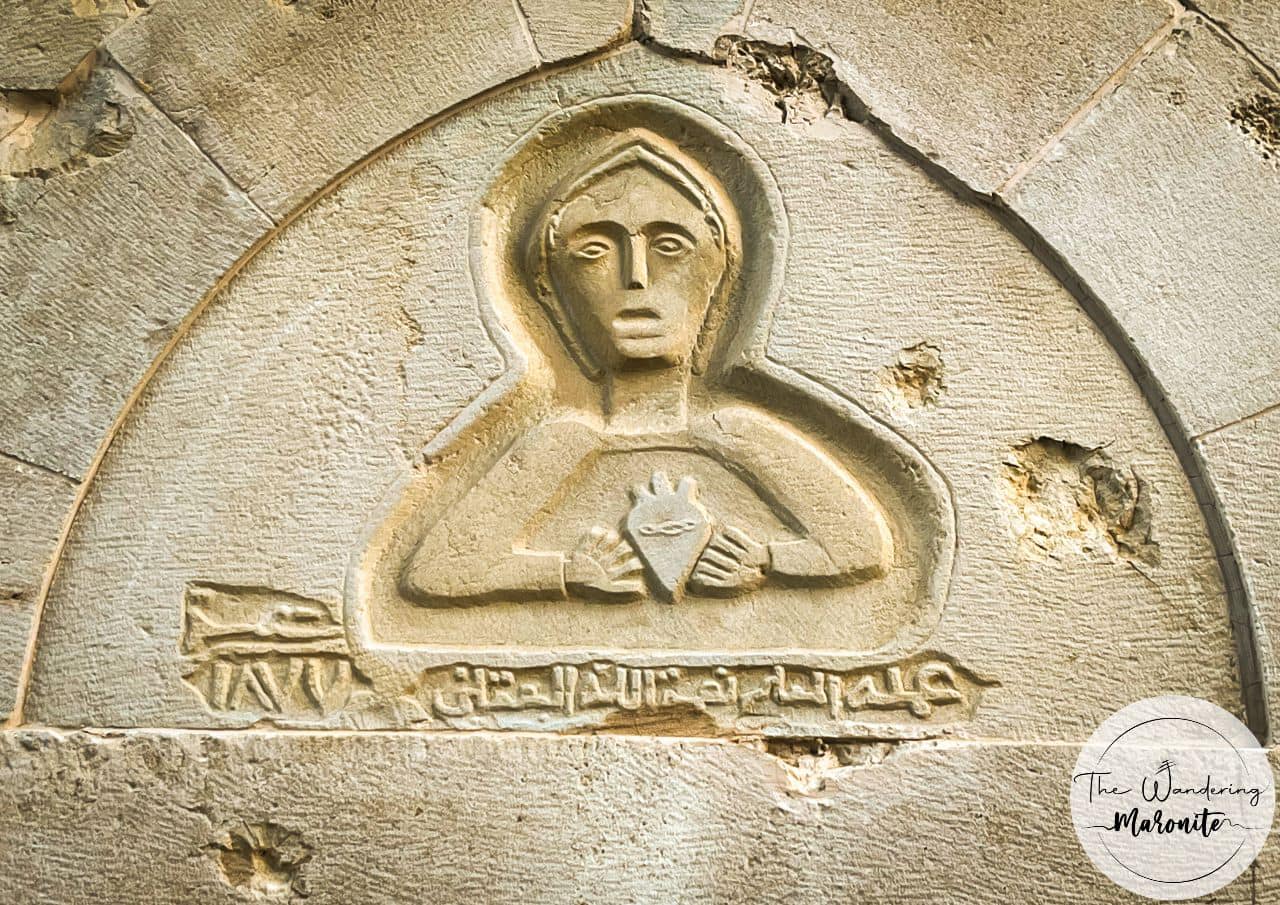
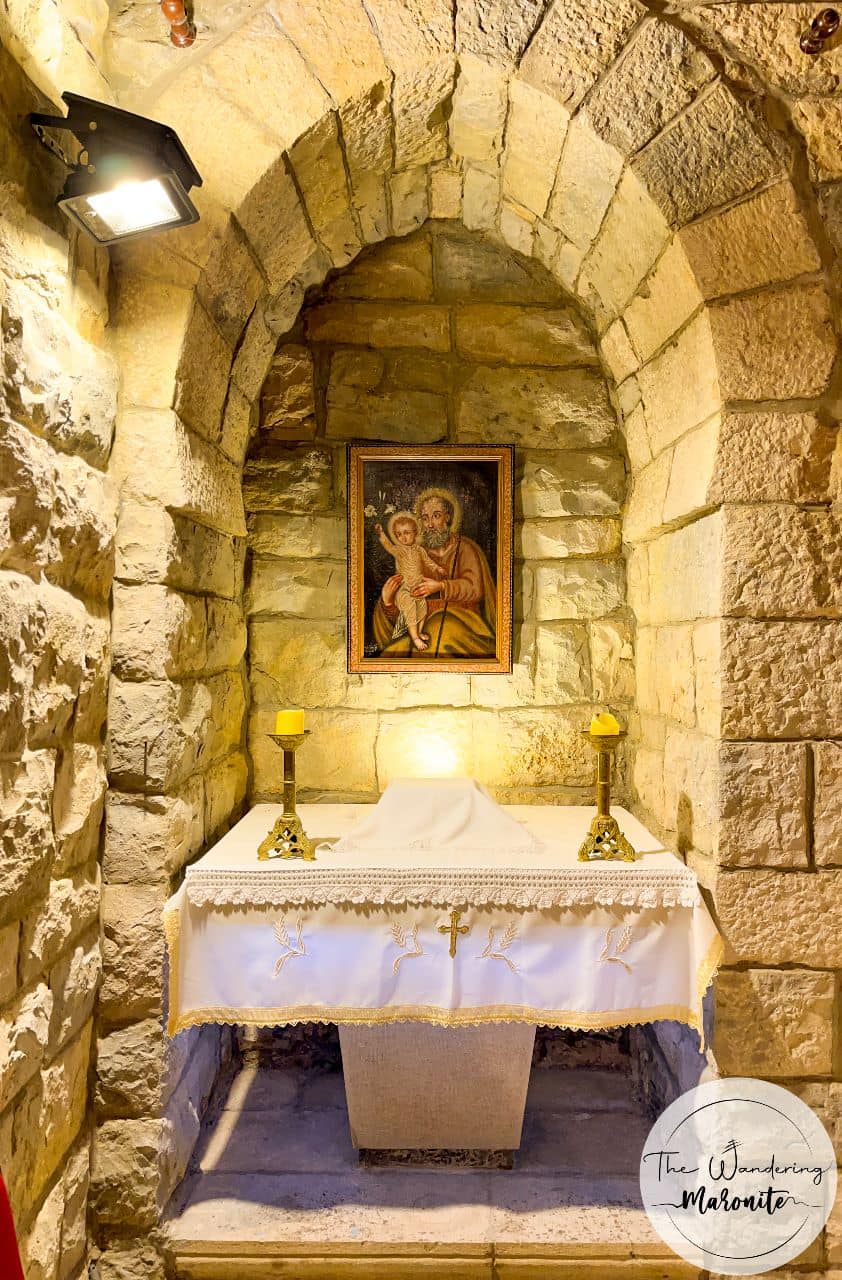
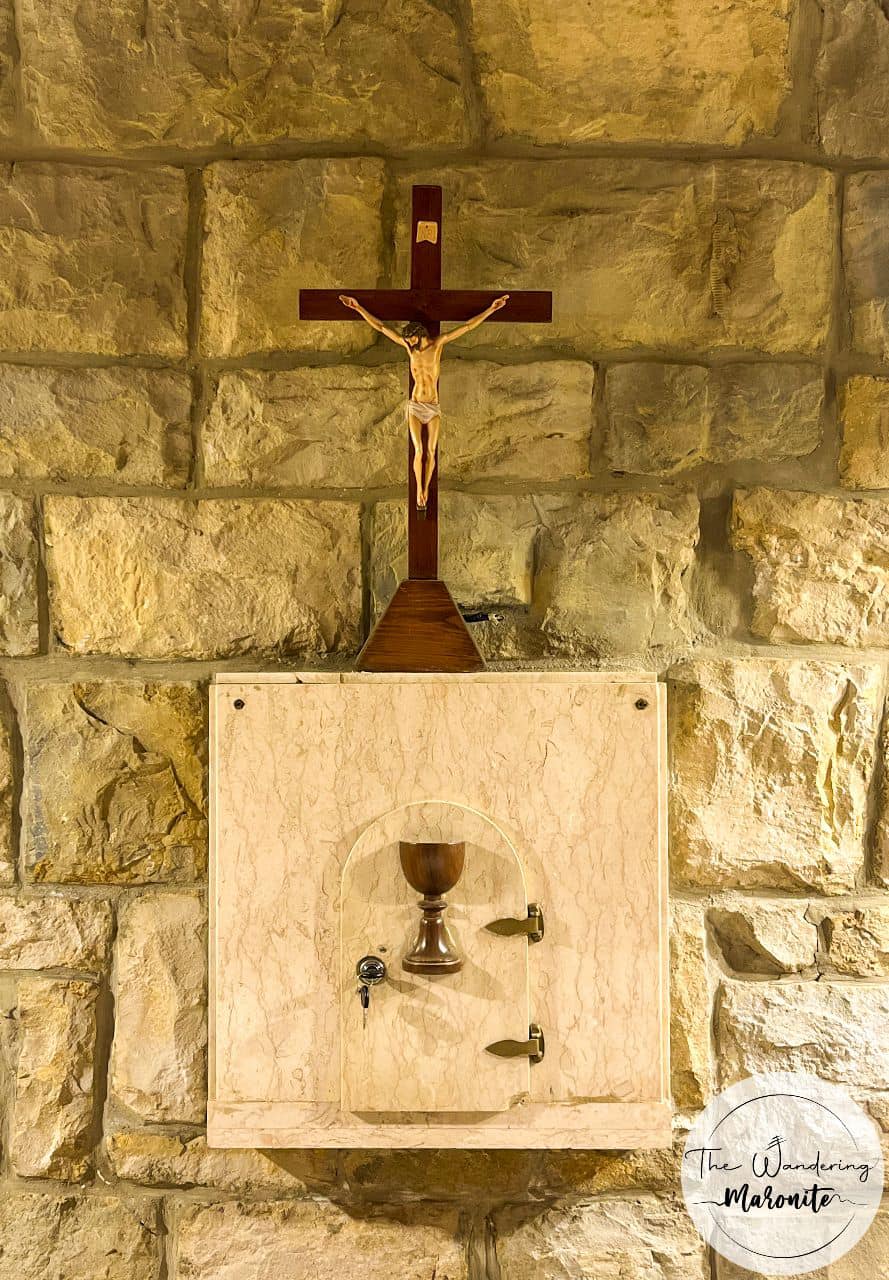
كنيسة مار أنطونيوس الكبير - الزغرين سنة ١٨٧٦ طلب الرهبان الحلبيّين في دير مار الياس شويّا من المطران يوسف جعجع بناء كنيسةٍ لشركائهم، فأذن لهم وبنوا الكنيسة سنة ١٨٧٧. الكنيسة كناية عن عقدٍ مُصالب ينتهي بحنية. تضم الكنيسة لوحتين تعودان لأواخر القرن التاسع عشر: مار يوسف من عمل كنعان ديب، ومار أنطونيوس الكبير من عمل داوود القرم. The church of St Anthony the Great - Zaghrine In 1876 the Aleppan monks living in the monastery of St Elias Shwaya asked Mgr Youssef Geagea a permission to build a church for their monastery’s surfs living in Zeghrine. After the permission was given, construction began and ended a year later. The church is a cross vaulted structure. It holds two paintings from the end of the XIXth century: St Joseph by Kanaan Dib and St Anthony by Daoud el Qorm.

Visited 3777 times, 11 Visits today

Reviews are disabled, but trackbacks and pingbacks are open.

Related Listings

El Hajje – The Church of Our Lady of Mzaar

Hajjeh, Lebanon

كنيسة سيّدة المزار

Hajjeh

Saida

South

كنيسة سيّدة المزار - الحجة

بُنيت الكنيسة أواخر القرن الثامن عشر مع قدوم المسيحيّين إلى البلدة، وكانت كنيستهم الأساسيّة. تعرّضت للسلب خلال أحداث سنة ١٨٦٠. أُهملت الكنيسة بعد بناء كنيسة مار يوسف وسط البلدة، وأعيد ترميمها مؤخّرًا. الكنيسة مبنيّة بأسواقٍ ثلاث أفقيّة على نمط العليّة في البيت اللبنانيّ مسقوفة بالخشب وقد أُضيفت إليها قبّة صغيرة وقت الترميم.

The Church of Our Lady of Mzaar - El Hajje

The church is the original parochial church of the village, built during the late 18th century. It was sabotaged during the war of 1860 and remained abandoned after the construction of St. Joseph's Church in the village center. However, it has been recently restored. The structure of the church resembles that of a cenacle in a traditional Lebanese house, with three horizontal aisles. A dome was added to the structure during the restoration.

Bhersaf – Monastery Saint Michael

Saint Michael Convent, Antelias - Bikfaiya Road, Lebanon

(ساقية المسك) دير مار ميخائيل - بحرصاف

1740

Bhersaf

Metn

Mount Lebanon

بنى دير مار ميخائيل مشايخ آل بليبل سنة 1740. تسلَّمت الرهبانيَّة اللبنانيَّة هذه الوقفيَّة من الشيخ عبد الأحد بليبل، في تشرين الثاني 1756، بموجب صكٍّ مكتوبٍ وموقَّعٍ ومصدَّقٍ، لكي "تعلِّم الأولادَ وتفيد القريبَ... والأنفس حسب الإمكان"... شيَّدت الكنيسة الجديدة، سنة 1905. وبدأت، سنة 1997، ورشة ترميمٍ للكنيسة وإلباسها حلَّةً جديدة. يتابع دير مار ميخائيل رسالتَه الثقافيَّة بالإضافة إلى نشاطاته الرعويَّة.

The Monastery was built by the Bleibels a feudal lords family in 1740. It was put under the custody of the Lebanese Maronite Order by Sheikh Abd el Ahad Bleibel in 1756, in a decree that widens the mission of the monastery to education and pastoral work.
The church was rebuilt in 1905. And since 1997 the monastery was renewed to continue the mission.

Zouk Mikael – The monastery of the Annunciation Khazen for the Visitandine nuns

Monastery of the Annunciation, Unnamed Road, Lebanon

دير سيّدة البشارة الخازن لراهبات الزيارة

Zouk Mkayel

Keserwan

Mount Lebanon

دير سيّدة البشارة الخازن لراهبات الزيارة - زوق مكايل

سنة ١٨٢٥ بعد وفاة الشيخ بشارة جفال الخازن، كرَّس البطريرك يوسف حبيش حارته ديراً على اسم سيّدة البشارة. كان الدير أوّلاً خاصًا ببنات عائلة الخازن، اللواتي نظمن حياتهنّ بحسب قانون مار فرنسيس السالسيّ لراهبات الزيارة. مع مرور الزمن أصبح الدير يستقبل كافة البنات اللواتي يُردن اعتناق الحياة الديريّة التأمليّة المحصنة. وراهبات الزيارة ما زلن يحافظن على نمط حياةٍ تقليديّ بحسب قانونهنّ. كنيسة الدّير مسقوفة، تتميَز بخوروس الراهبات الموجود آخر الكنيسة وهو أعلى من مستواها، خلف مكان جلوس العوام، يعلوه متخّتين للراهبات العجائز.

The monastery of the Annunciation Khazen for the Visitandine nuns - Zouk Mikael

In 1825 after Sheikh Bchara Jaffal el Khazen passed away, Patriarch Youssef Hbeich converted his estate into a nunnery dedicated to our Lady of the Annunciation. The nuns where essentially from the Khazen family and adopted the rule of St Francis of Sales for the visitandine sisters while remaining maronites. With time the monastery began to accept girls from outside of the Khazen family who wanted a strict observance and a contemplative way of life that is still practiced today. The chapel of the monastery is roofed, it is distinguishable by it’s nuns choir at the end of the church, and three mezzanines used by older nuns to participate in the liturgy.