
Fradis – The church of St Roch

Fradis, Lebanon

Other Details

كنيسة مار روكز

Fraikeh

Zgharta

North

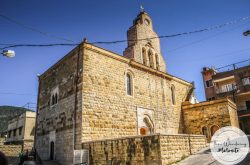
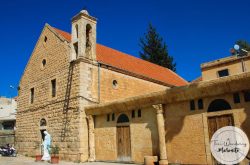
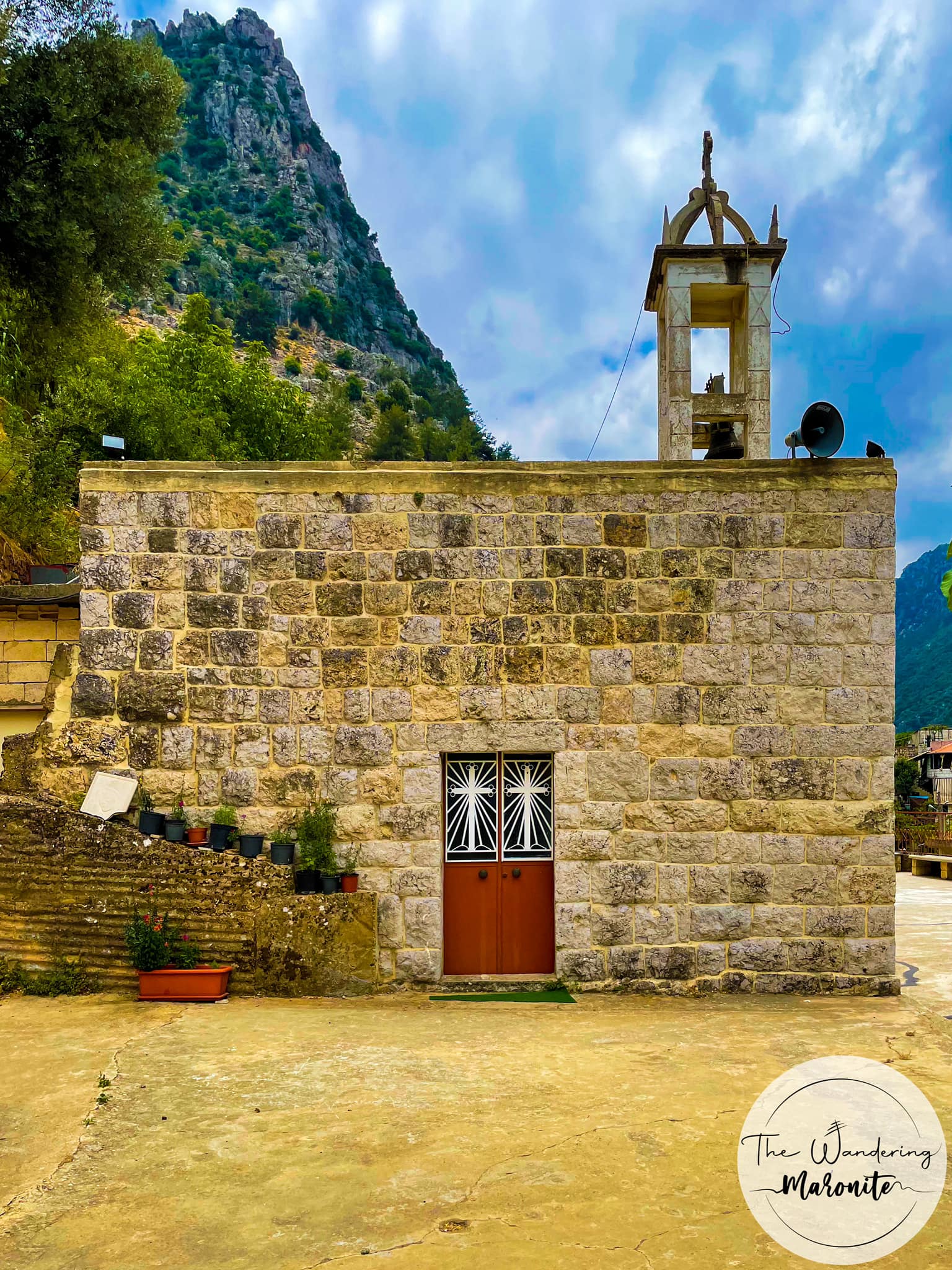
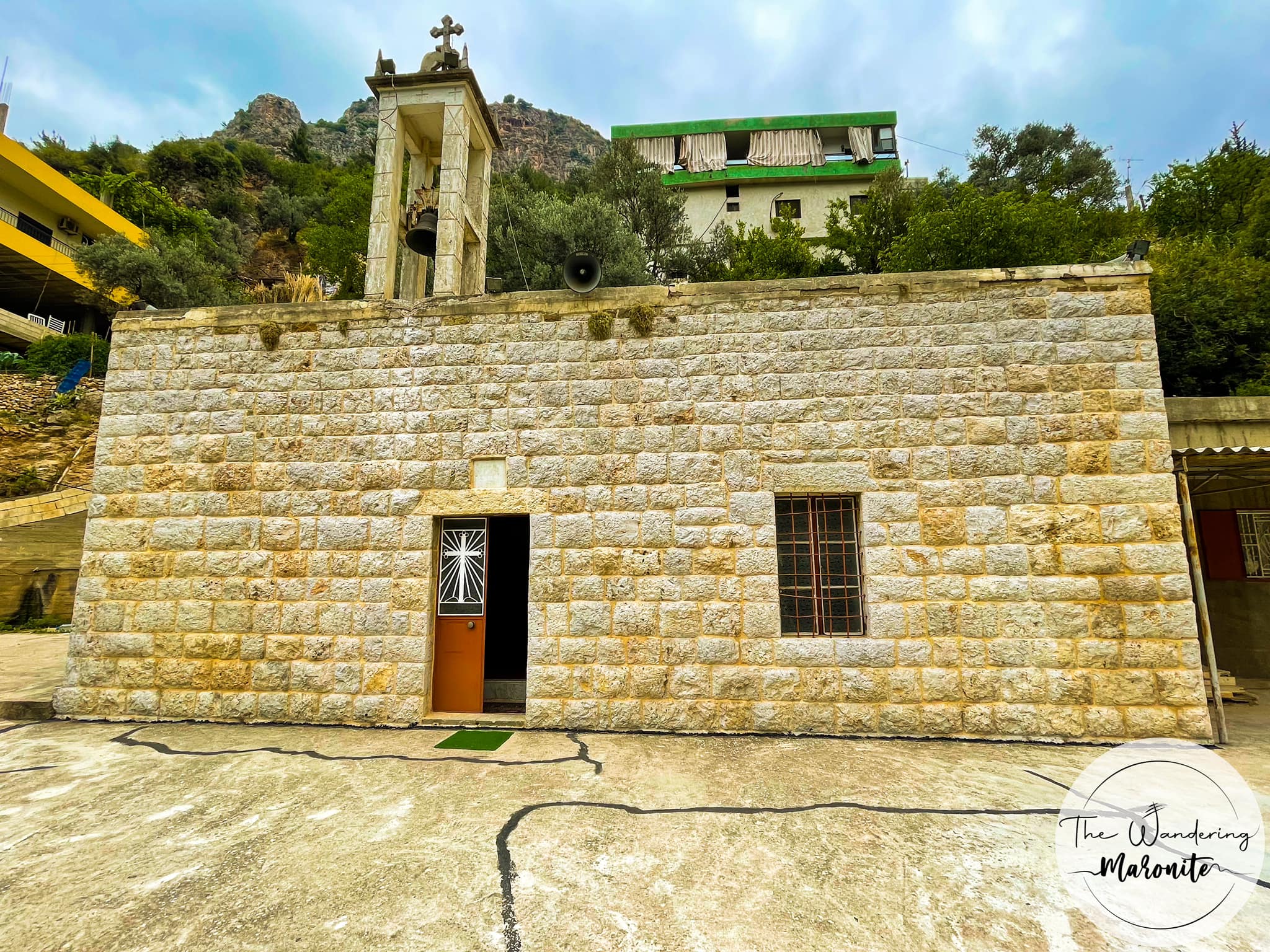
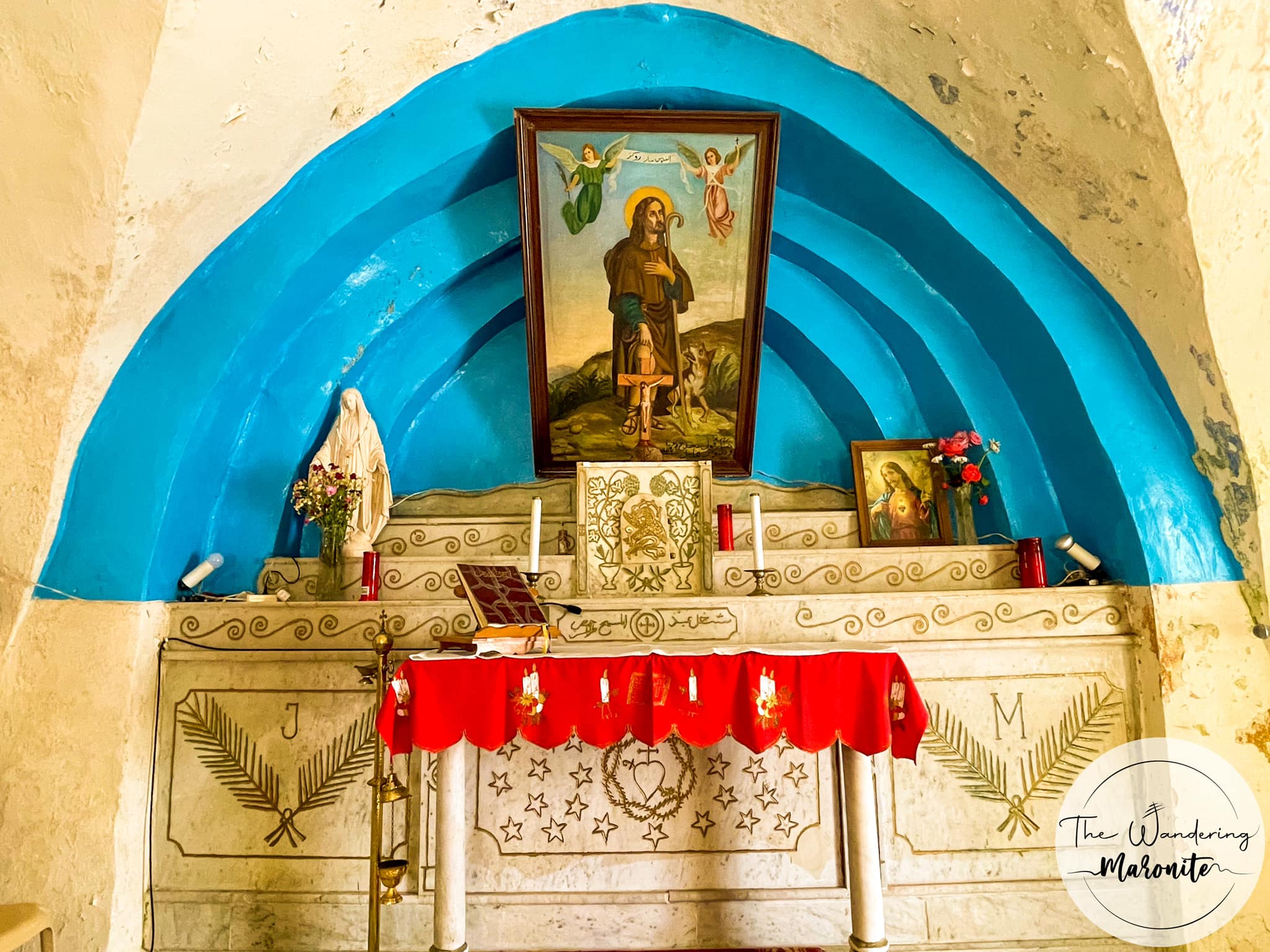
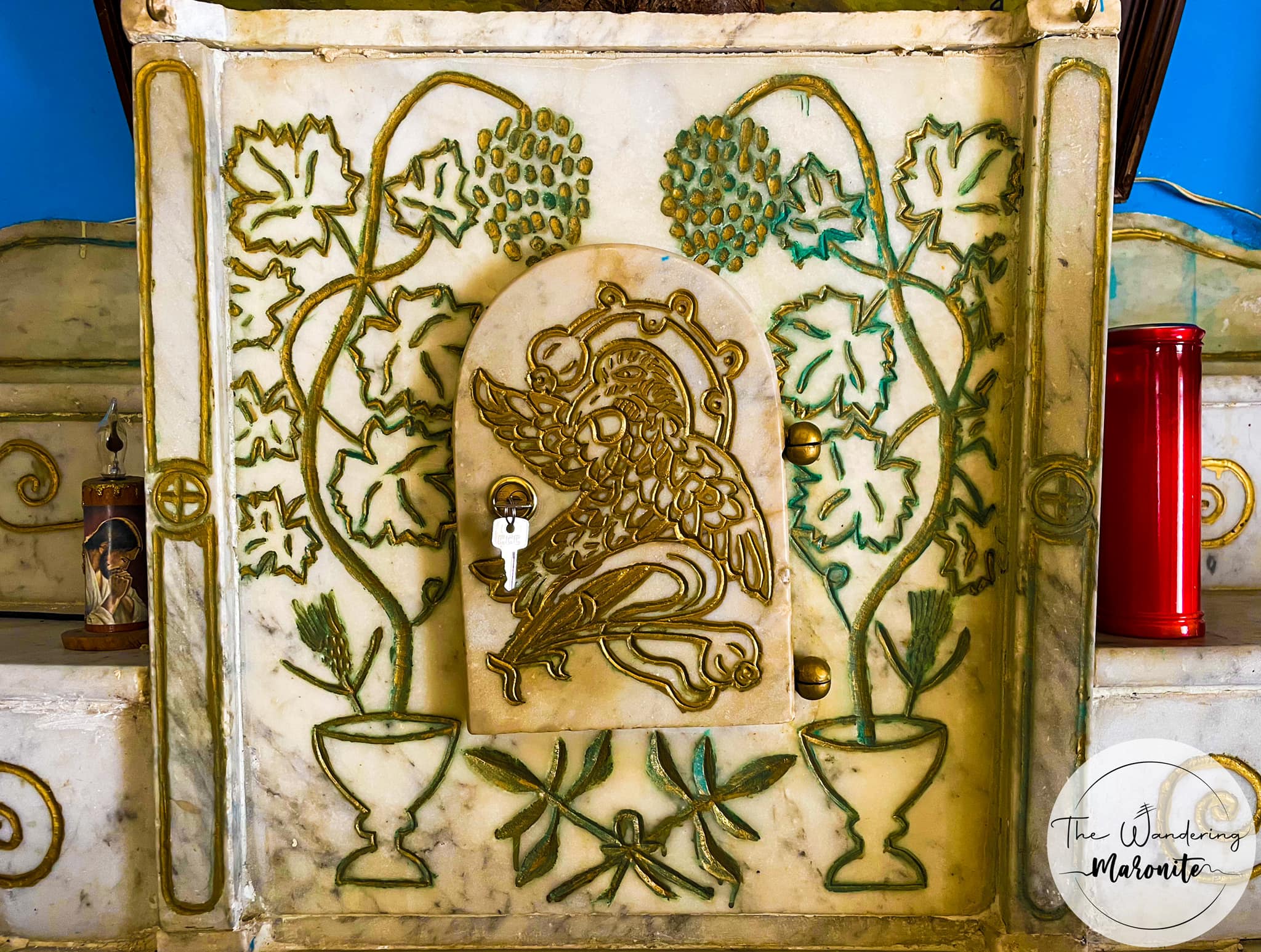
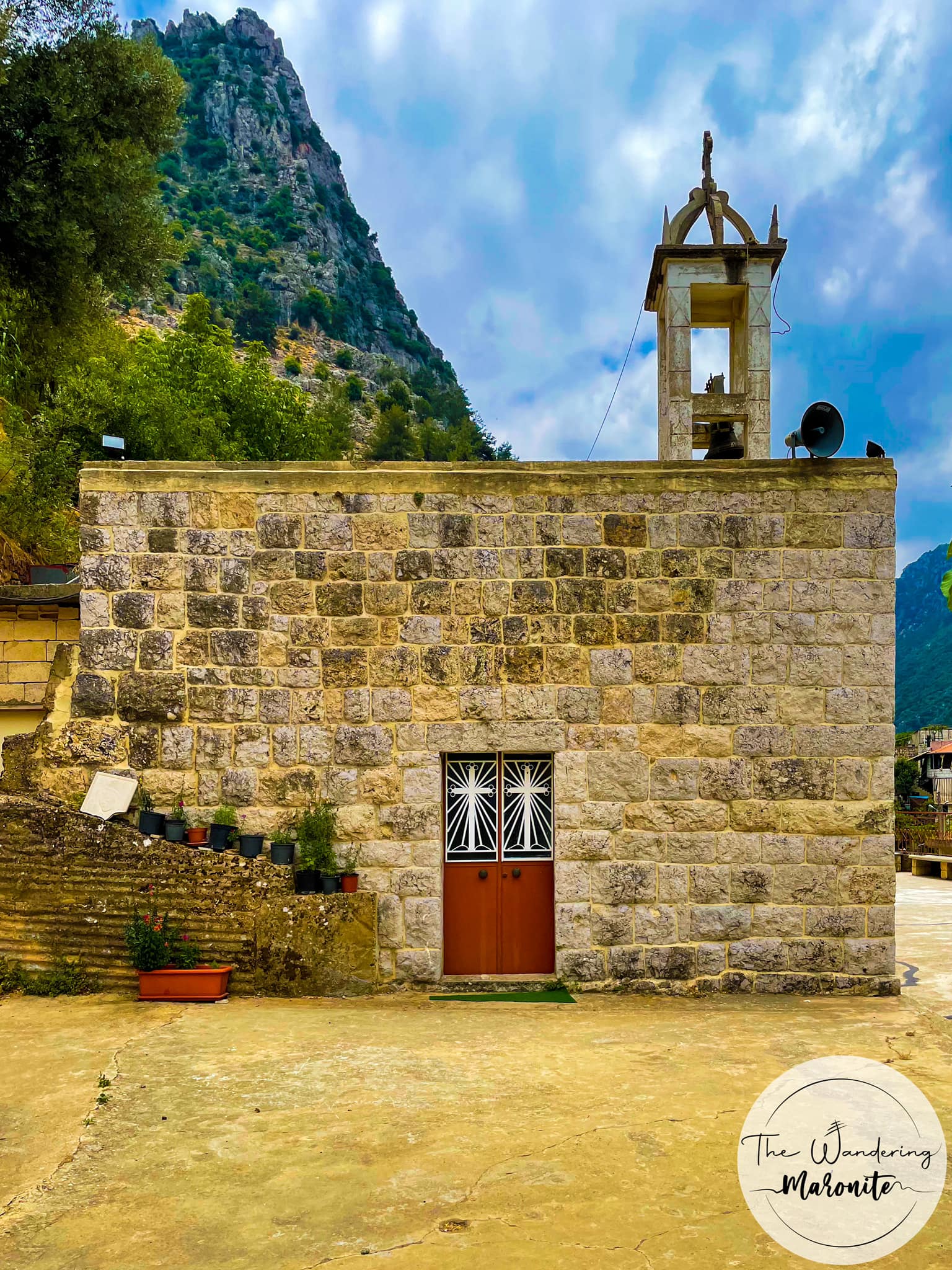
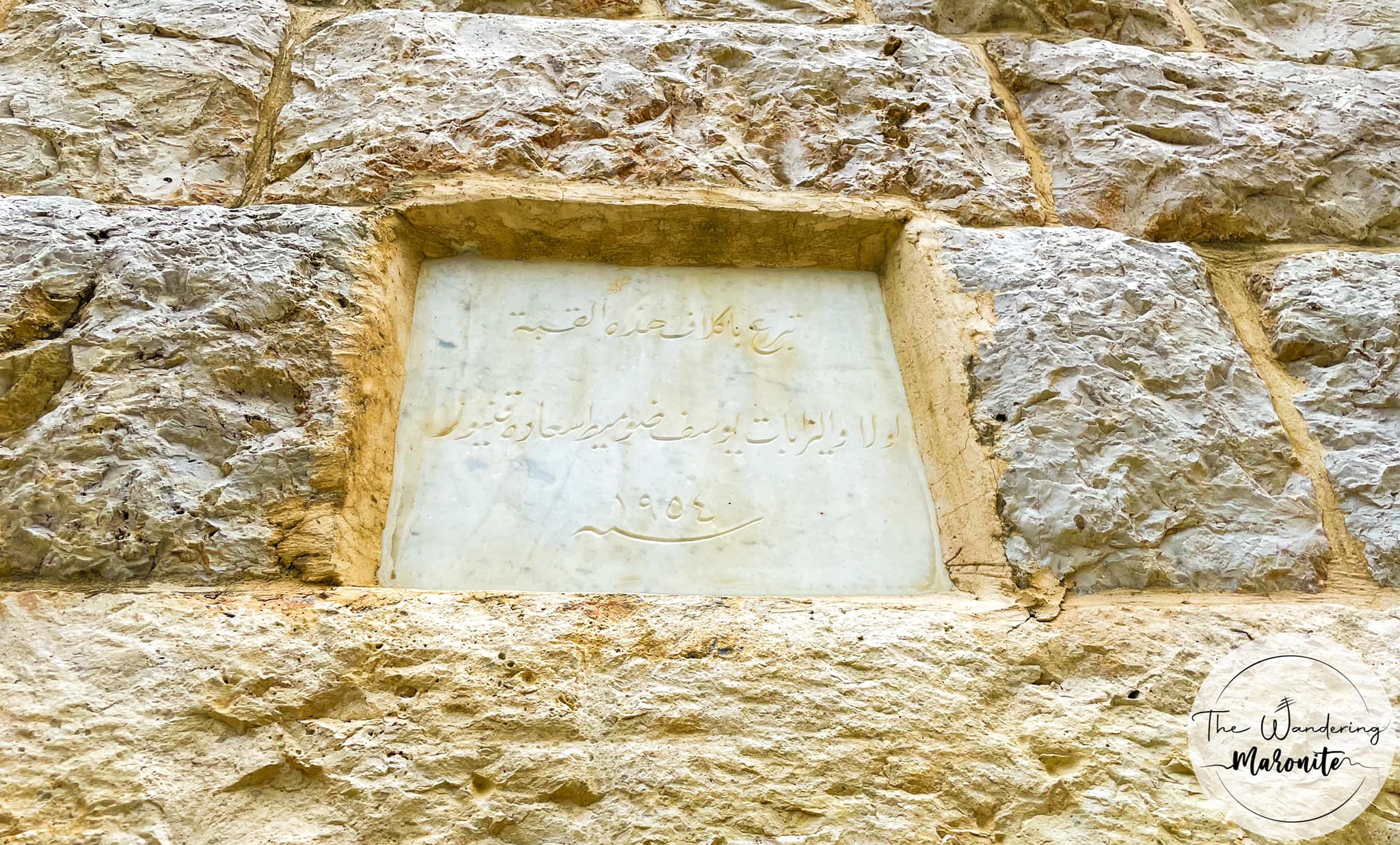
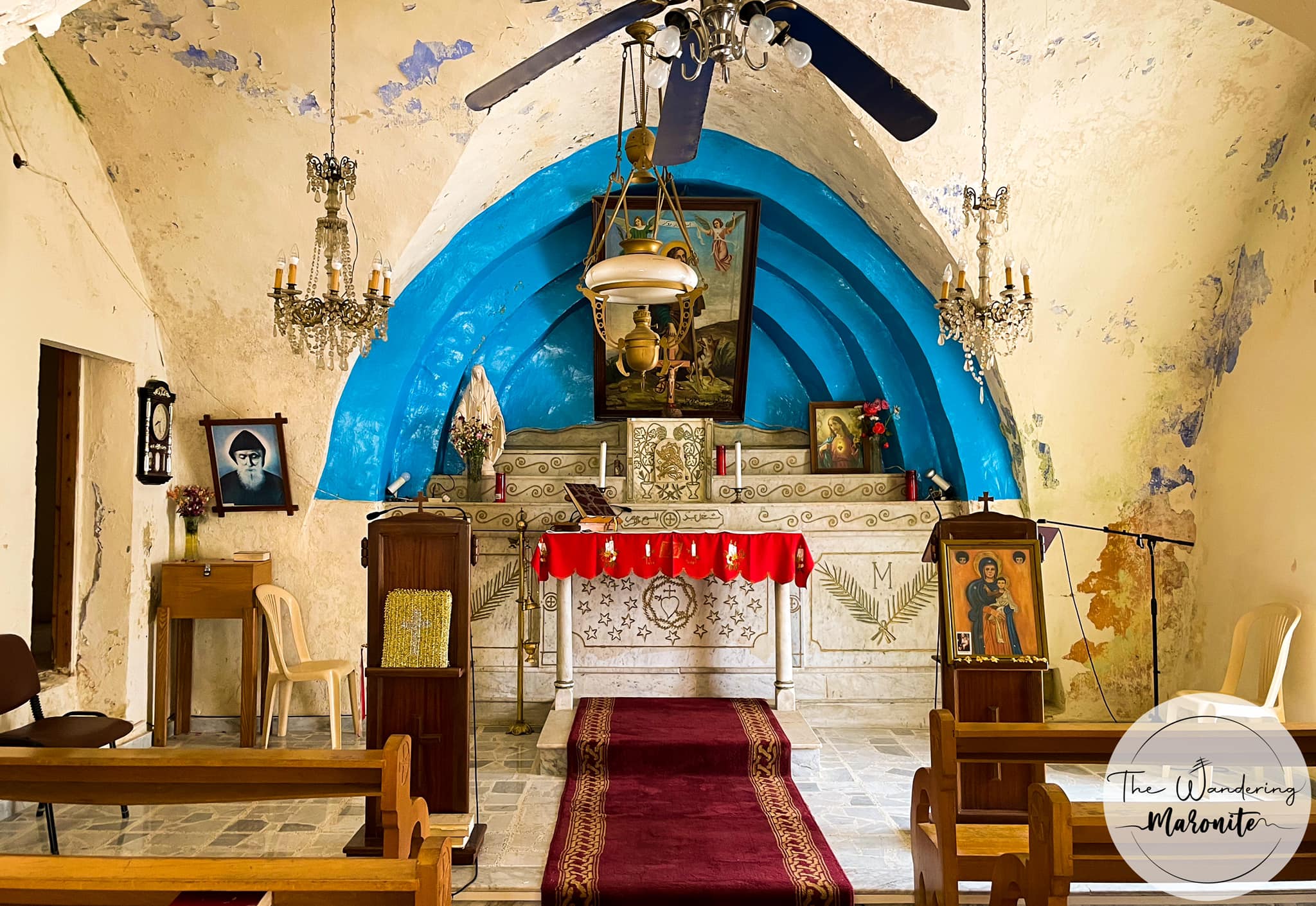
كنيسة مار روكز - الفراديسالكنيسة الأولى هي محبسة في أعلى القرية تعود للقرون الوسطى. بُنيت الكنيسة الحاليّة وسط البلدة في القرن التاسع عشر، هي كنيسة صغيرة بعقدٍ مصالب، قبّتها تعود لسنة ١٩٥٤. تضم الكنيسة لوحةً لمار روكز عمل حنّا رفوّل دحدح سنة ١٩٥٧. على بيت القربان نقشٌ لطائر الفينيق رمزٌ القيامة.The church of St Roch - FradisThe first church was a medieval hermitage on the edge of the village. In the mid XIXth century the current church was built in the middle of the vill’age. The structure consists of a single small crossed vault, the bell tower was added in 1954. The church holds a painting of St Roch by Hanna Raffoul Dahdah from 1957. The tabernacle has a phoenix engraving on it’s door symbolizing Ressurection.

Visited 2104 times, 1 Visit today

Reviews are disabled, but trackbacks and pingbacks are open.

Related Listings

Karm Saddeh – Saint Jacob Monastery and Saint Anthony Padua Church

Saint Jacob Monastery (Couvent Saint Jacques), Karm Saddeh, Lebanon

دير مار يعقوب وكنيسة مار أنطونيوس البادوانيّ

Karm Saddeh

Zgharta

North

دير مار يعقوب وكنيسة مار أنطونيوس البادوانيّ – كرم سدّه

الدير كان قديمًا هيكلًا وثنيًّا رومانيًّا. تاريخ البناء الأوّل مجهول. سكنه اليعاقبة وتركوه في القرن الخامس عشر فأصبح خرابًا. جدّده عام ١٨٣٧ المطران بولس موسى رئيس أساقفة طرابلس لجعله كرسيًّا أسقفيًّا ومدرسة إكليركيّة لـمار أنطونيوس البادوانيّ، الذي على اسمه شُيّدت الكنيسة. عام ١٨٨٤ شيّد المطران إسطفان عواد الجهة الشرقية وجدّد عام ١٨٧٩ الإكليركيّة. عام ١٩١٢ وسّعه المطران أنطون عريضة، لكنّ الإكليريكيّة أغلقت أبوابها مع الحرب العالميّة الأولى إلى أن عادت لتفتح أبوابها سنة ١٩١٩. زارها عام ١٩٢٠ المفوّض السامي الفرنسي الجنرال غورو . شيّد المطران أنطون عبد عام ١٩٦٠ قسمًا جديدًا من الدير، وعام ١٩٩٦ بُني البناء الجديد. ضمّ هذا البناء سنة ١٩٩٨ كليّة العلوم اللاهوتية والدراسات الرعائية في الجامعة الأنطونيّة، بسعي المطران يوحنّا فؤاد الحاج.

Saint Jacob Monastery and Saint Anthony Padua Church - Karm Saddeh

The monastery was originally an ancient Roman pagan structure. The exact date of its initial construction is unknown. It was inhabited by the Jacobites and abandoned in the 15th century, falling into ruins. It was renovated in 1837 by Archbishop Paul Moussa, the head of the Archdiocese of Tripoli, to serve as an episcopal see and a seminary for Saint Anthony Padua, after whom the church was named. In 1884, Archbishop Estephan Awwad constructed the eastern side and renovated the seminary in 1879. In 1912, Archbishop Antoine Arida expanded it further, but the seminary closed its doors during World War I and reopened in 1919. It was visited by the French High Commissioner General Gouraud in 1920. Archbishop Antoine Abed built a new section of the monastery in 1960, and in 1996, a new building was constructed, which included the Faculty of Theology and Pastoral Studies at Antonine University, under the guidance of Archbishop Youhanna Fouad El-Hage.

Yammouneh – The Fountain of the Forty Martyrs

Yammouneh, Lebanon

نبع الأربعين شهيد

Yammouneh

Baalbek

Baalbek-Hermel

نبع الأربعين شهيد - اليمّونة

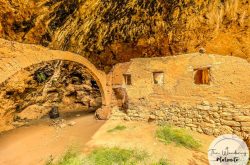
هو نبعُ ماءٍ طبيعيّ بقربه آثار رومانيّة. هذه الآثار تحوّلت إلى كنيسةٍ وديرٍ في العهد البيزنطيّ، وحافظ المكان على الإسم الذي يشير إلى شهداء سبسطية الأربعون. "

The Fountain of the Forty Martyrs - Yammouneh"

The fountain is a natural water source. Near the source, the Romans built some structures that were later converted into a church and a monastery during the Byzantine era. The ruins of the buildings are still visible, and the place has retained its dedication to the forty martyrs of Sebastopolis.

Hardine – Saint God’s grace (Neamtallah)

House and the Church of St. God's grace (Neamtallah) Hardini Lebanese Maronite Order, Hardine, Lebanon

بيت وكنيسة القديس نعمة الله الحرديني

Hardine

Batroun

North

Hardine’s name is derived from the Syriac language meaning ‘pious’, Witness of justice, Ardent in faith and Square of religion.

It is located about 1100m. above sea level. A large area of very thick forests surrounds it and the following ruins of its inveterate past decorate its mountain terraces:

-The «rocky tile of Hardine» with its marine fossils and its unique length of 350 m along a slope to the west and its width of nearly l00m. Some one said, «The three most beautiful in Mount Lebanon are the valley of Kannoubine, The Palace of Beit Eddine and the tile of Hardine».

–The Temple of God Mercury With 30 majestic pillars built according to the rare ionic style. This temple known as «the roman Palace of Hardine». It’s a really fantastic one; it goes back to the time of Emperor Hadrian Augustus (117-137 A.D).

-“St Fawka’s” monastery (6th century)

-“Patriarchal monastery” since the Maronites came to Lebanon, known as “St. Sergios Alkarn”.

-“St John Alchakf” monastery, since the days of the Crusaders.

-“St Taqla” church in Beit Kassab square. It was the father of St Hardidni, who first started its renovation in the 19th Century.

-The church and hermitage of “St Stephan” in a hollow in a light rock over the Plain of Al Jawz River.

-The ruins of “St Richa’s” monastery, where the Syriac Diocese was moved between 1384 and 1598.

-The hermitages of “St Joseph”, “Ste Anne”, “St Ephram” the Syriac, “St Jacob Jesus’ brother” and “the pottery monastery” in the hollows of Kfarshira, and “the Lady of the Castle” in the hollow of the water spring.

-The Church of “St. Georges and Edna” which is distinguished Christian inscriptions (fish and cross).

-The churches of “St Elias”, “St Challita and Nohra” in the hollows engraved in the rocks, the old parish churches, like “St. Sergios and Bacchus” (rebui1t in 1932). “the Lady of deliverance” (rebuilt in 1948). The current one is St. Shayna” (1844), and finally the church of “St. Tadros” with its maronite alter, The two rebuilt churches of “St. Antonios of Padova” (1907), “St. Thomas” (1950) and the church of “Ste Theresa of the Baby Jesus” (1946).

-The monastery of St. Hardini» built with the donations of the people from Hardine in Lebanon and all over the world.

– Hardine is the hometown of one of Lebanon’s four saints, Saint Nimatullah Hardini (1808-58) who was canonised by Roman Catholic Pope John Paul II in 2004.


The village is naturally protected by the valleys and the rocky mountains around it making it an ideal place for the then new religion (Christianity) to flourish.

Legend has it that in 270AD, a Roman official imprisoned his daughter in Hardine for converting to Christianity. She converted many others in Hardine to the Christian faith.