
Zahle – The Church of St. Rafqa

Saint Rafka, Zahlé, Lebanon

Other Details

كنيسة القديسة رفقا

Zahlé Saydet En-Najat

Zahle

Bekaa

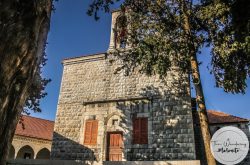
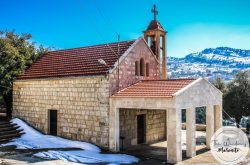
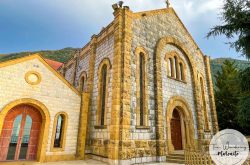
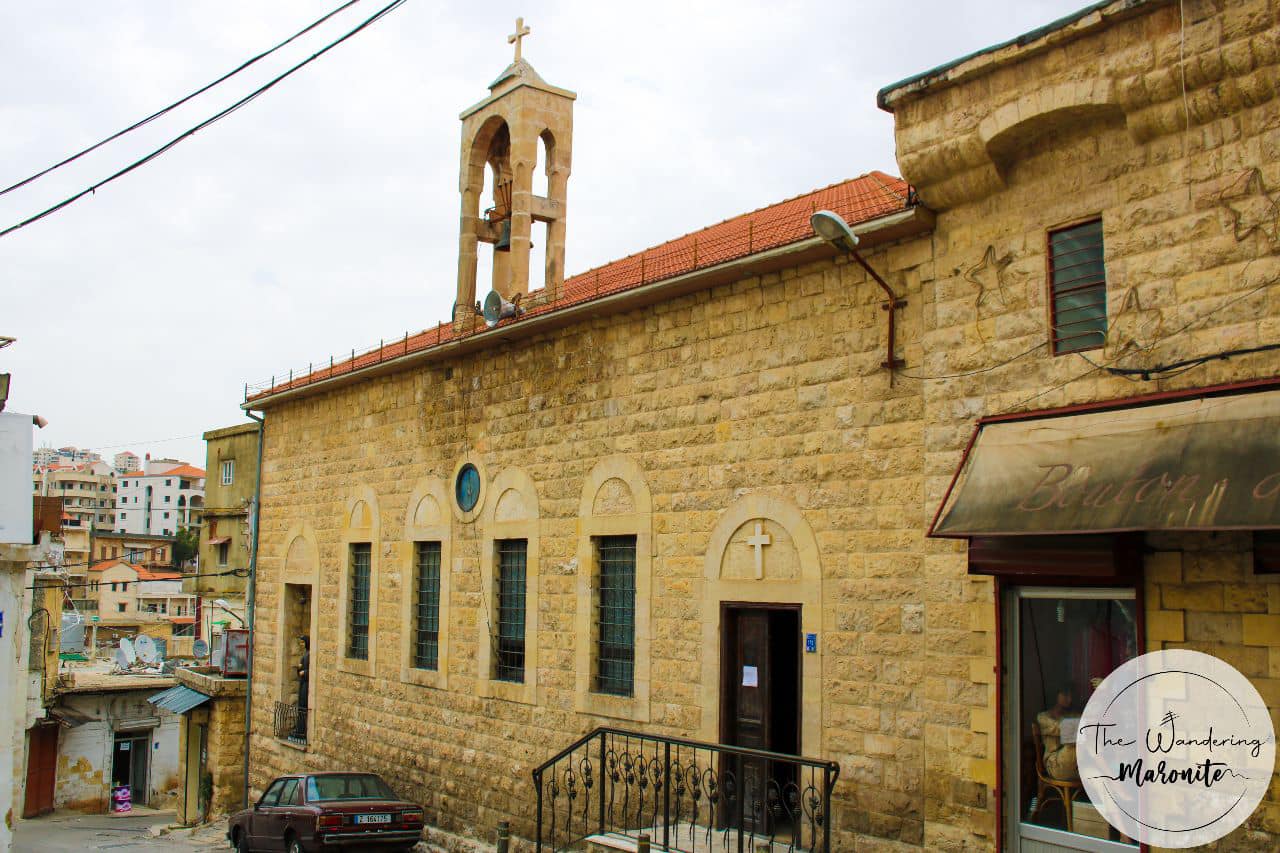
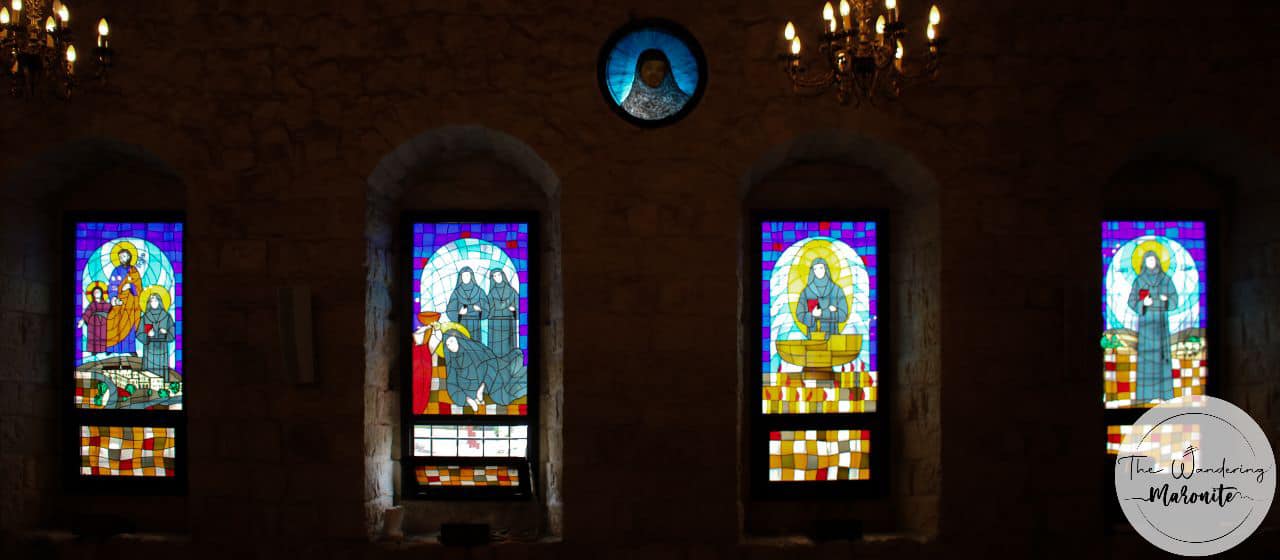
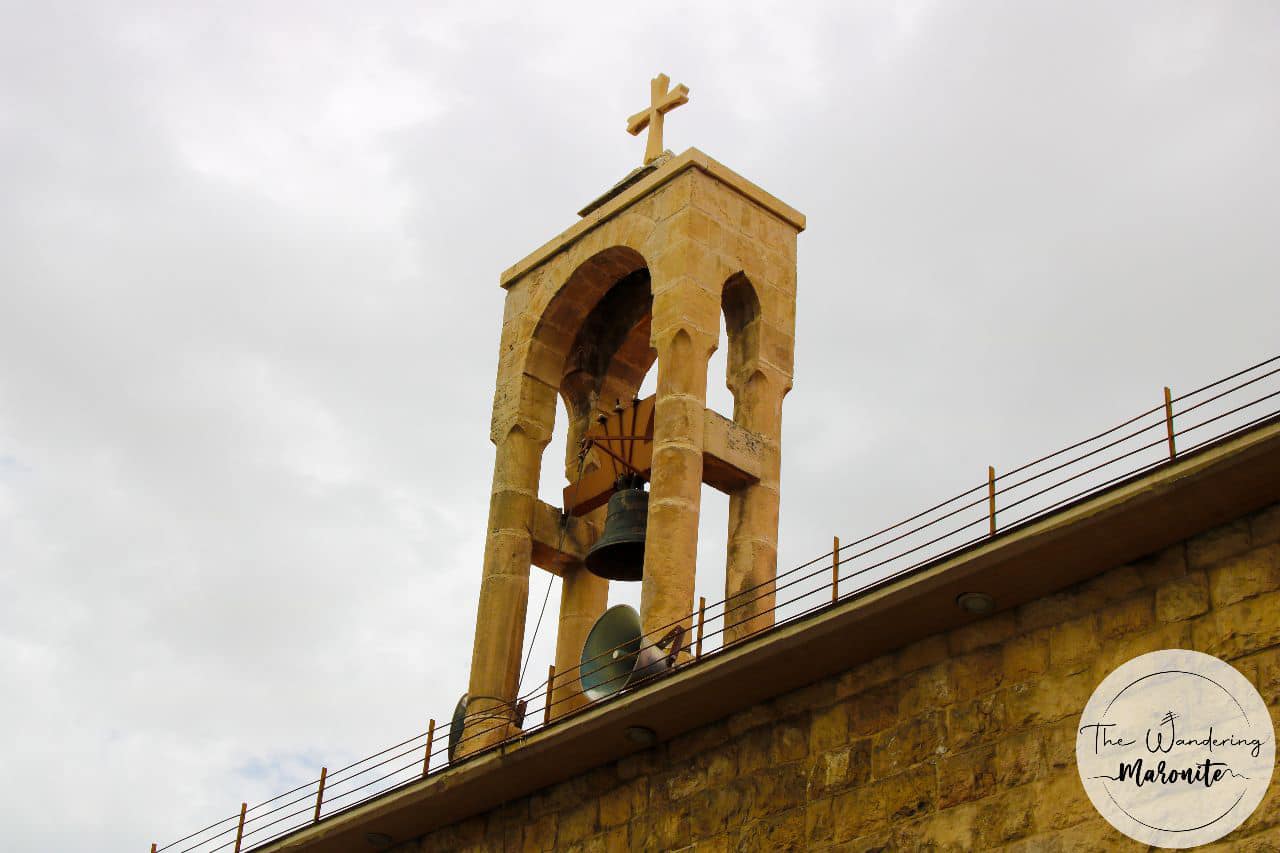
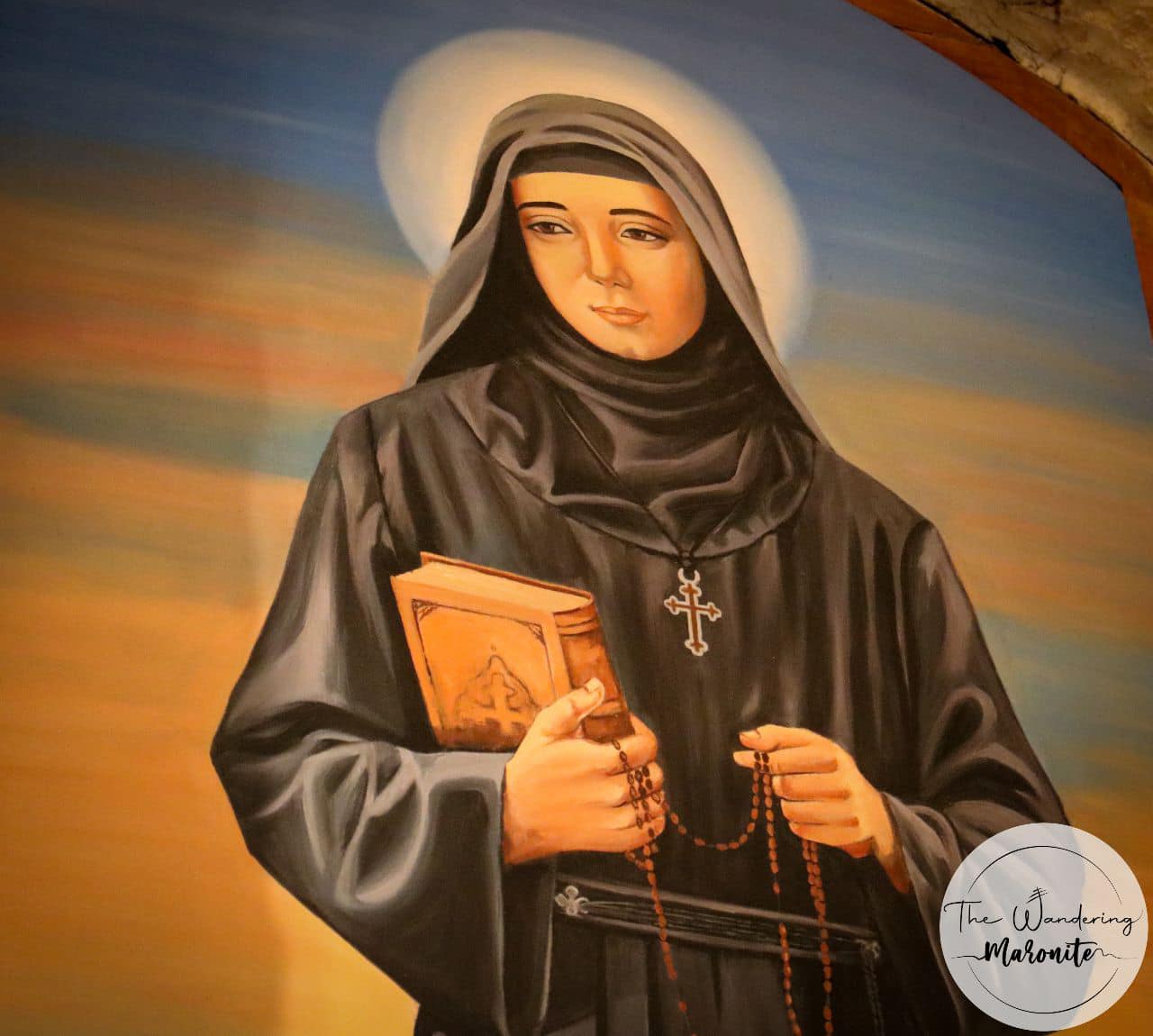
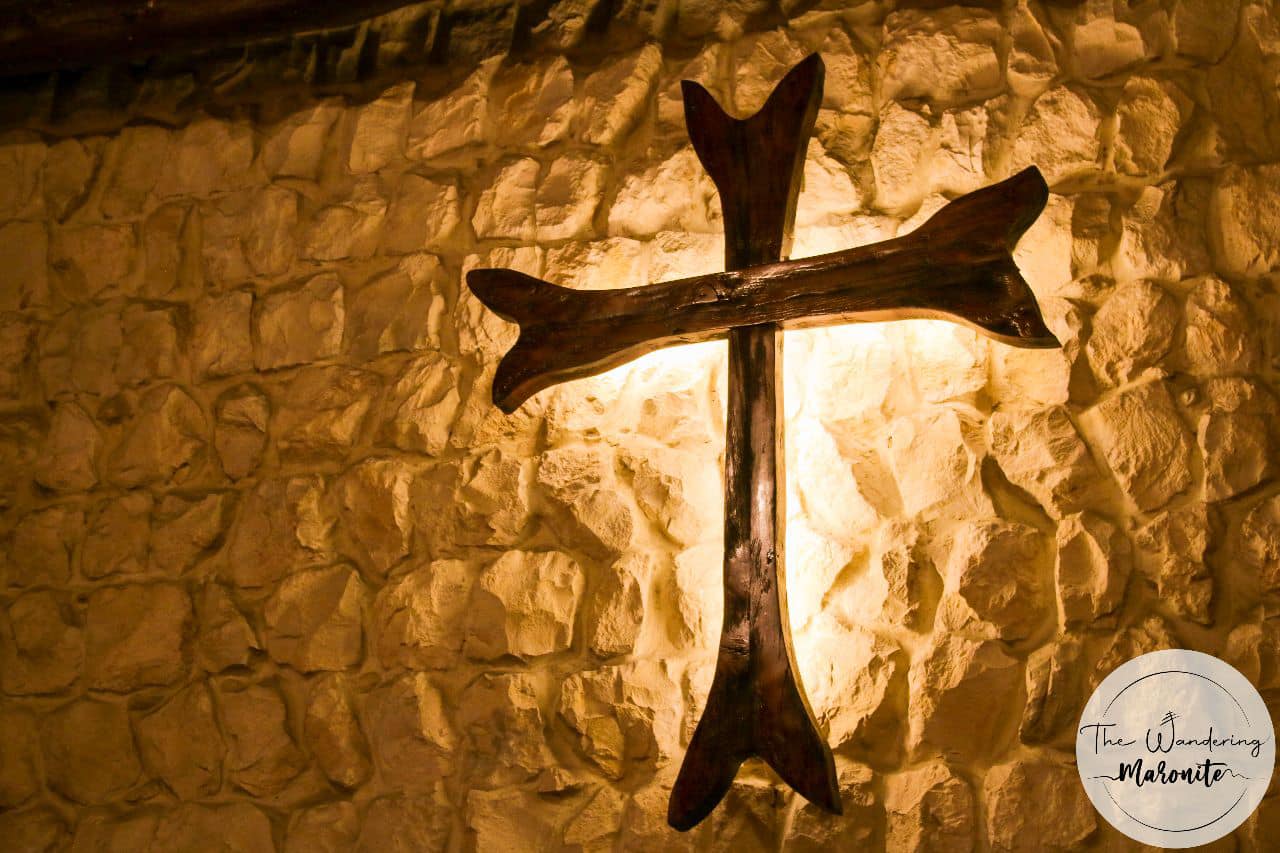
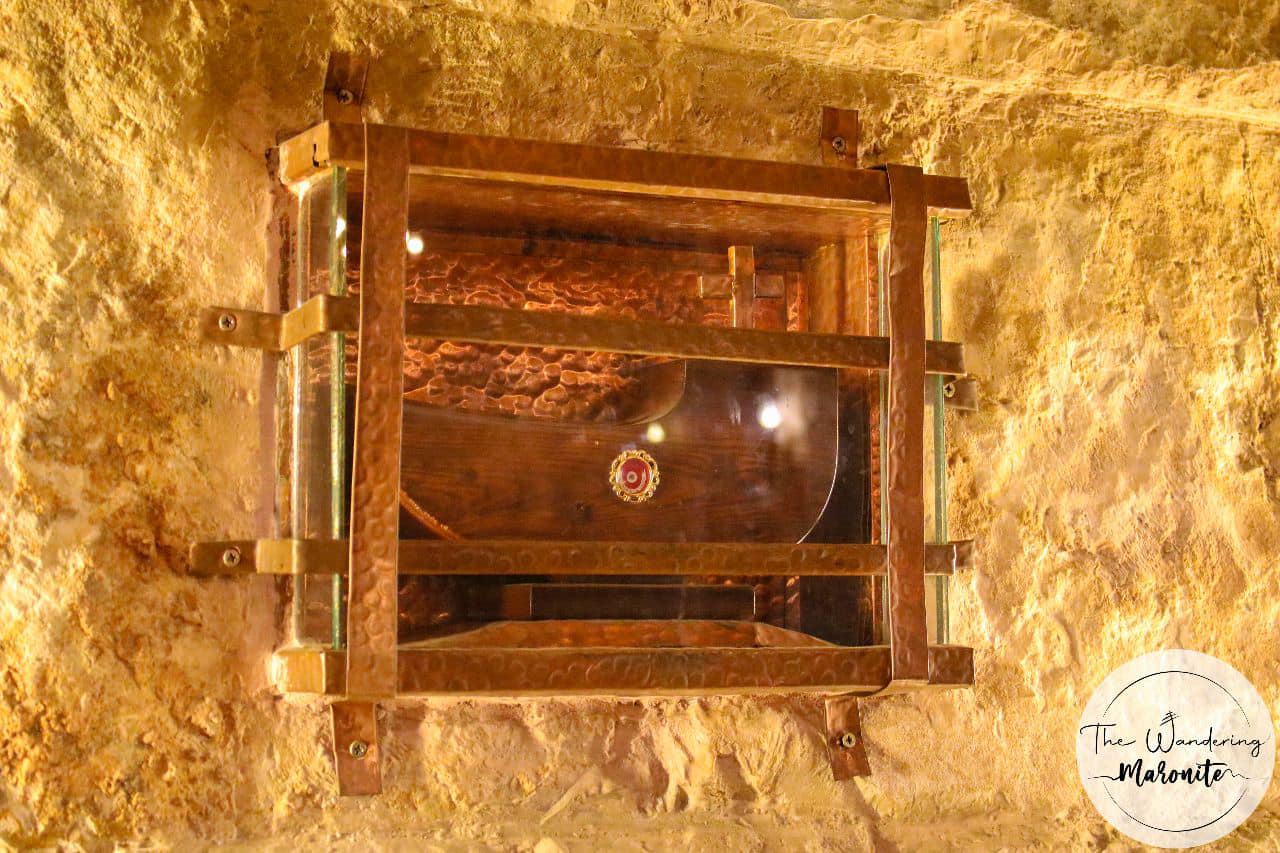
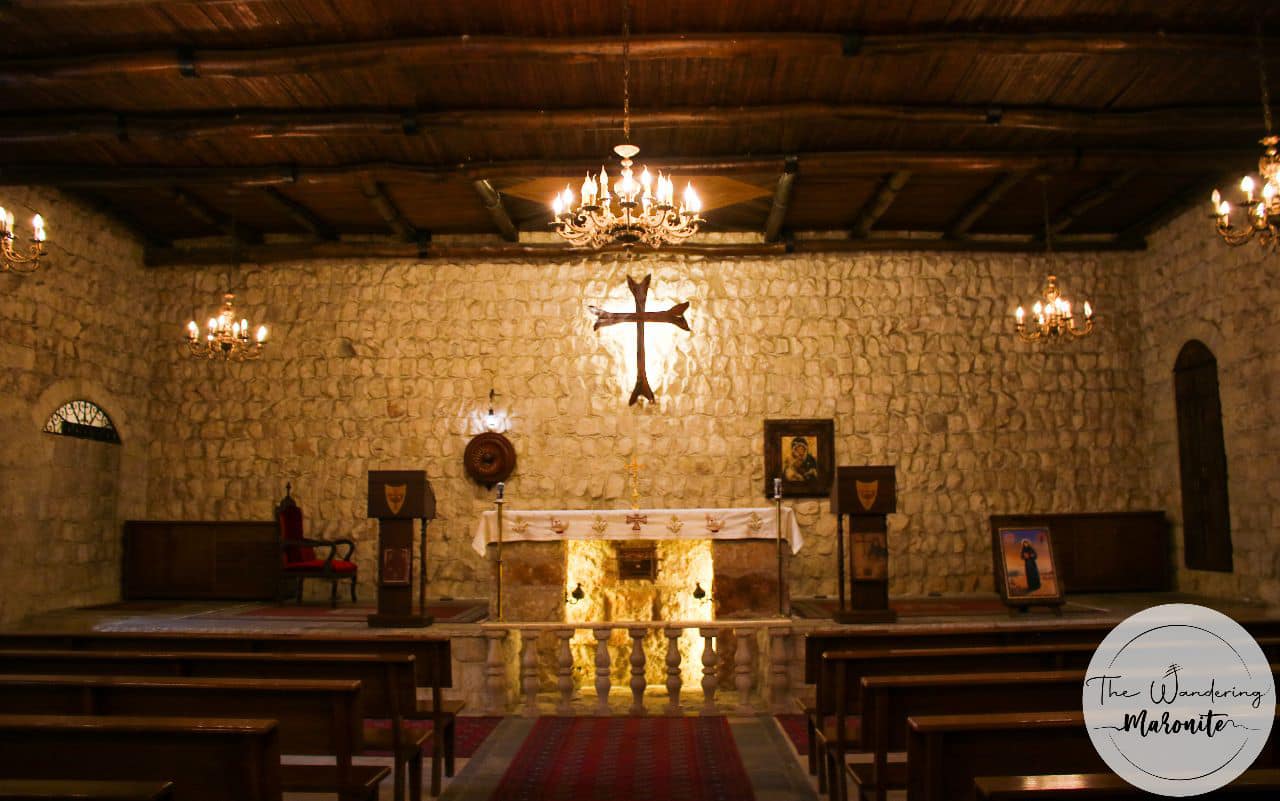
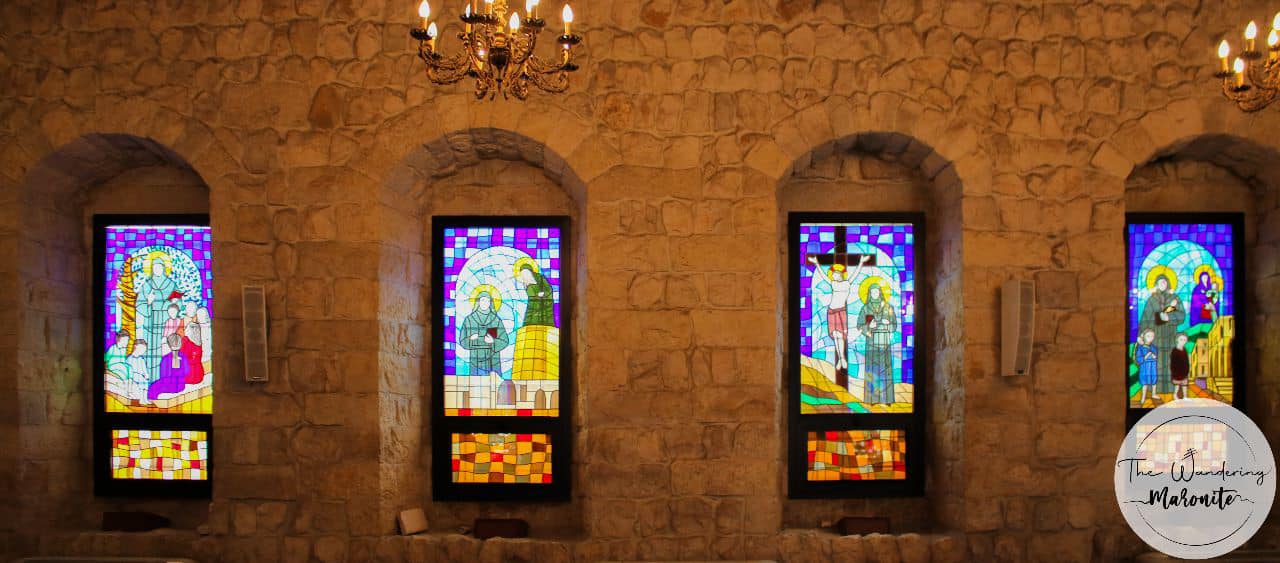
كنيسة القديسة رفقا - زحلة في أواخر القرن التاسع عشر، بدأت الإرسالية الأميركية الإنجيلية مهمّتها في مدينة زحلة. قامت هذه البعثة ببناء كنيسة بتصميم يشبه بيوت المدينة في تلك الحقبة الزمنية. في بداية القرن الحادي والعشرين، بعدما بدأ عدد المؤمنين بالانخفاض، تم شراء الكنيسة من قبل دير مار أنطونيوس الكبير التابع للرهبنة اللبنانية المارونية، وتحويلها إلى كنيسة مخصصة للقديسة رفقا. The Church of St. Rafqa - Zahle In the last decades of the 19th century, an American evangelical mission was established in Zahle. This mission built a church in the local architectural style of houses during that time. In the beginning of the 21st century, after the number of evangelicals began to dwindle, the church was bought by the Monastery of St. Anthony the Great of the Lebanese Maronite Order, who converted it into a chapel dedicated to St. Rafqa. Iglesia de Santa Rafka - Zahle En las últimas décadas del siglo XIX se estableció en Zahle una misión evangélica estadounidense. Esta misión construyó una iglesia según el estilo arquitectónico local de las casas de la época. A principios del siglo XXI, después de que el número de evangélicos empezara a disminuir, la iglesia fue comprada por el Monasterio de San Antonio el Grande de la Orden Libanesa Maronita, que la convirtió en una capilla dedicada a San Rafka.

Visited 9053 times, 5 Visits today

Reviews are disabled, but trackbacks and pingbacks are open.

Related Listings

Beit Shabab – The church of our Lady the Major

كنيسة السّيدة الكبرى, Beit Chabeb, Lebanon

كنيسة السيّدة الكبرى

Beit Chabab

Metn

Mount Lebanon

كنيسة السيّدة الكبرى - بيت شباب

الكنيسة الحاليّة مبنيّة على أنقاض كنيستين: الأولى مجهولة تاريخ البناء وكانت صغيرة واطئة بنيت قرب مصب الينبوع وكانت قائمة في القرن السادس عشر، الثانية وكانت تُعرف بسيّدة الجوزة، بدأ بناؤها سنة ١٧٠٣ في مكانها الحاليّ. كرّسها في ١٠ أيّار سنة ١٧١٦ البطريرك يعقوب عوّاد، جلب لوحاتها من روما الخورأسقف يوسف السمعاني. سنة ١٩٠٣ بوشر بناء الكنيسة الحاليّة، وهي بازيليكيّة الطراز بثلاث أسواق وعقدٍ بغداديّ، تحوي خمس مذابح رخاميّة. كرّسها سنة ١٩٤٠ الخورأسقف يوسف الحايك. رمّمت الكنيسة عدّة مرّات. وهي أكبر كنيسة في بيت شباب تشتهر بأبراج أجراسها.

The church of our Lady the Major - Beit Shabab

The current church was built over two older churches. The first one was built near the village’s water fountain, its history is unknown, yet it was in use during the XVIth century. The second one was in the current place, it was known as our Lady of the Walnut tree. Construction began in 1703 and it was consecrated by Patriarch Yaaqoub Awad on the 10th of May 1716. The paintings of the church were brought from Rome by Mgr Youssef el Semaani. The current church was built in 1903, it is a basilical structure with three naves and five marble altars. It was consecrated in 1940 by Mgr Youssef el Hayek. The church underwent many restorations, it is famous for the three bell towers on its facade

Qsaibeh – Our Lady of Deliverance

St Mary Church, Qsaybeh, Lebanon

كنيسة سيّدة النجاة القصيبة

1883

Qsaibeh Baabda

Baabda

Mount Lebanon

دُشّنت كنيسة سيّدة النجاة-القصيبة في عيد السيّدة سنة ١٨٨٣ بسعي وهمّة الخوري بطرس زيدان. تحتوي هذه الكنيسة على ثلاثة رسومات قيّمة لشفيعة الرعيّة (رسم داود القرم، ١٨٩٤) عليها كتابة: "من وجدني وجد الحياة ونال مرضاة الربّ" (أمثال ٨ /٣٥)، ومار مارون (رسم حبيب سرور، ١٩٢٣)، ومار بطرس(رسم جرجس عبدالله أبو جودة، ١٩١١).
من الملفت وجود عين العناية الإلهية على بيت القربان، رمزًا قّل استخدامه بعد منتصف القرن التاسع عشر في الفن المسيحي بعدما أخذ دلالةً ماسونيّةً.
رُمّمت الكنيسة في القرن الماضي وأُعيد تدشينها وتكريس المذبح الجديد في عيد السيّدة سنة ١٩٧٤.
Our Lady of Deliverance Church Qsaybeh
The church was consecrated on the feast of Assumption of Mary year 1883 with the efforts of Father Boutros Zeidan. Three main paintings are hung in the three apses. On the main apse, stands that of the Assumption of the Lady, painted by Dawoud El Qorm in year 1894, with the verse :"For whoever finds me finds life, and wins favor from the Lord" (Proverbs 8: 35) written below the virgin. On the side apses, one can find a painting that depicts Saint Maroun drawn by Habib Srour in 1923, and another one depicting Saint Peter, a work by Gerges Abdallah Abou Jaoudeh, year 1911.
What is remarkable is the presence of the Eye of Providence on the tabernacle, a symbol that was rarely used after the mid 19th century in Christian art for its relation with the Masonry.
The Church was renovated in the past century, and the Altar was reconsecrated on the feast of the Assumption of the Lady year 1974.

Mayfouq – The monastery of Our Lady of Mayfouq

Mayfouq Elige Convent, Street, Lebanon

دير سيّدة ميفوق

Mayfouq

Jbeil

Mount Lebanon

دير سيّدة ميفوق - ميفوق

هو من الأديار القديمة في الكنيسة المارونيَّة،
بناه المرَدَةَ سنة ٨٥٠. إستولى عليه الحماديُّون حوالي سنة ١١٢١، مدَّةً من الزمن، فانتقل رهبانُه في أثنائها إلى دير سيِّدة إيليج. تَسَلَّمت الرهبانيَّةُ اللبنانيّة المارونيّة ديرَ ميفوق سنة ١٧٦٦، من الأمير يوسف الشهابيّ. انعقد في هذا الدير، مجمعًا إقليميًّا للكنيسة المارونيَّة، برئاسة القاصد الرسولي الأب بطرس دي مورينا و المطران ميخائيل الخازن سنة ١٧٨٠. سنة ١٨٥٠، أمضى فيه مار شربل سنة ابتداءٍ واحدة. أنشأت الرهبانيَّة معهدًا في الدير، سنة ١٩٢٢. وَمِن محفوظات دير سيِّدة – ميفوق، صورة سيِّدة إيليج الأثريَّة التي أُعيد ترميمُها بين سنتَي ١٩٨٢ ١٩٨٧. لعب الدّير دورًا على صُعُد التنشئة الرهبانيّة والوطنيّة دورًا بارزًا.

The monastery of Our Lady of Mayfouq - Mayfouq

One of the oldest Maronite monasteries built arround 850 by the Maradites. It was taken over by the Hamadi’s in 1121, and back then the monks moved to Ilige. The monastery was given to the Lebanese Maronite Order in 1766 by Prince Youssef Shehab. In 1780 a local Maronite council was held in the monastery presided by the papal delegate Fr Peter di Morina and bishop Mikael el Khazen. In 1850 St Charbel spent a year of his novitiate there. A school was founded by the order in 1922. The monastery holds the famous icon of our Lady of Ilige restored between 1982 and 1987. The monastery played a great national role and it was a major school of formation for the monks.