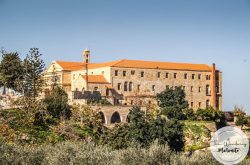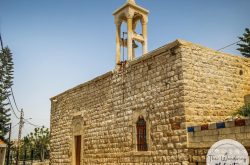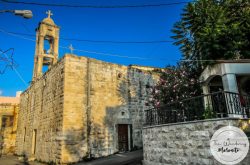

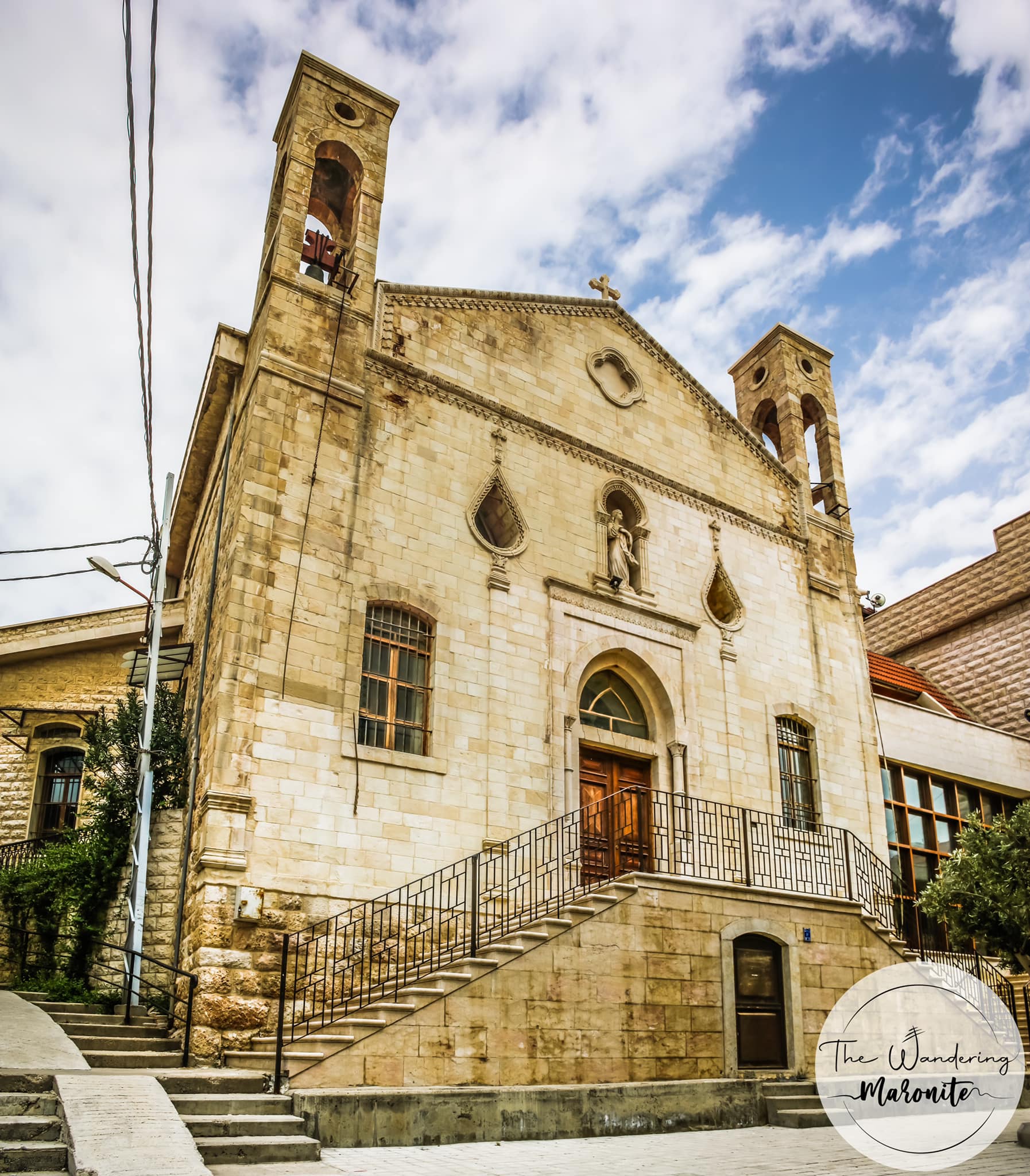
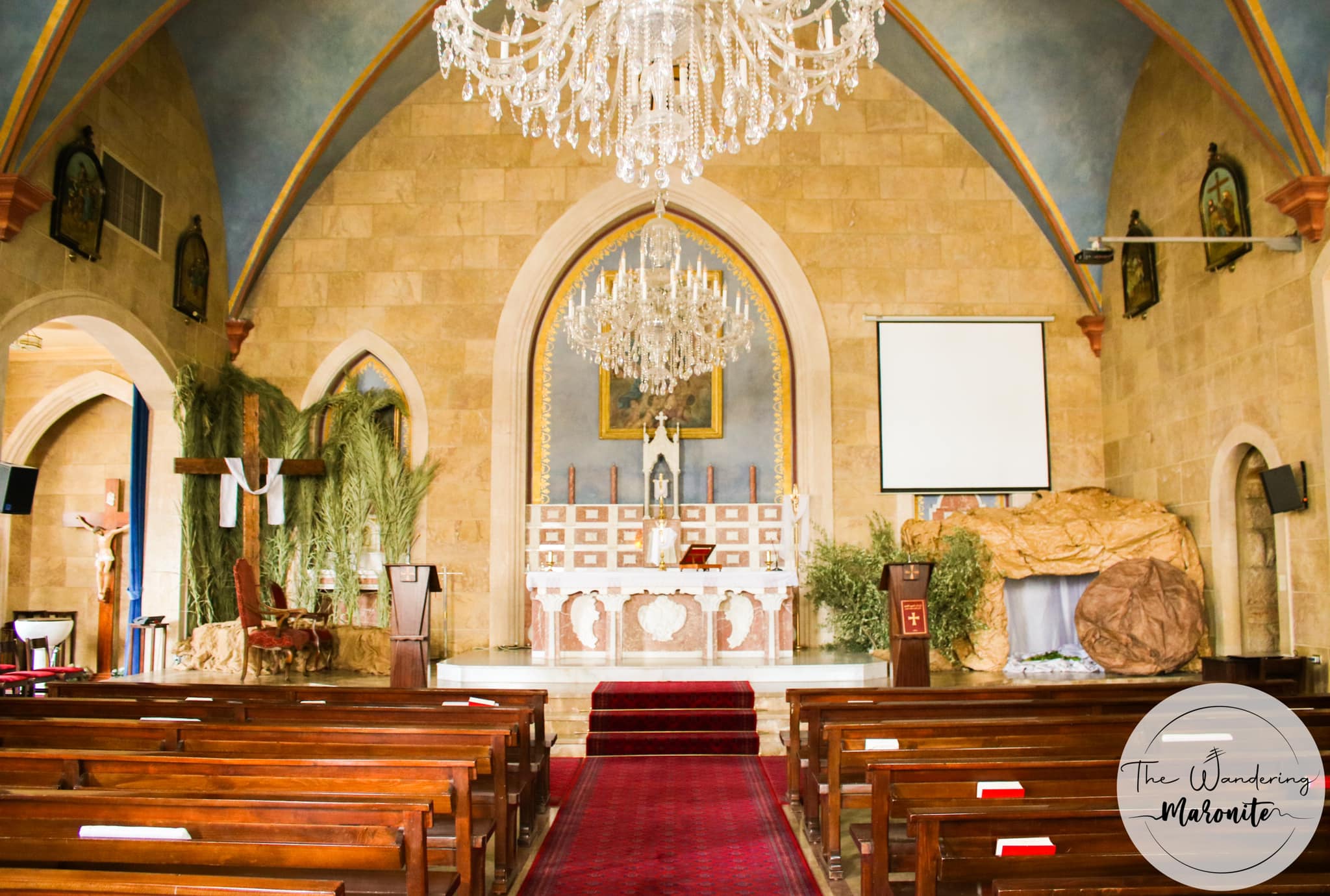
Maalaka Zahle – The church of our Lady of Perpetual Help

Saydit el Maounat (Maronites) كنيسة سيدة المعونات, Zahlé, Lebanon

Other Details

كنيسة سيّدة المعونات

Zahleh Maallaqa Aradi

Zahle

Bekaa

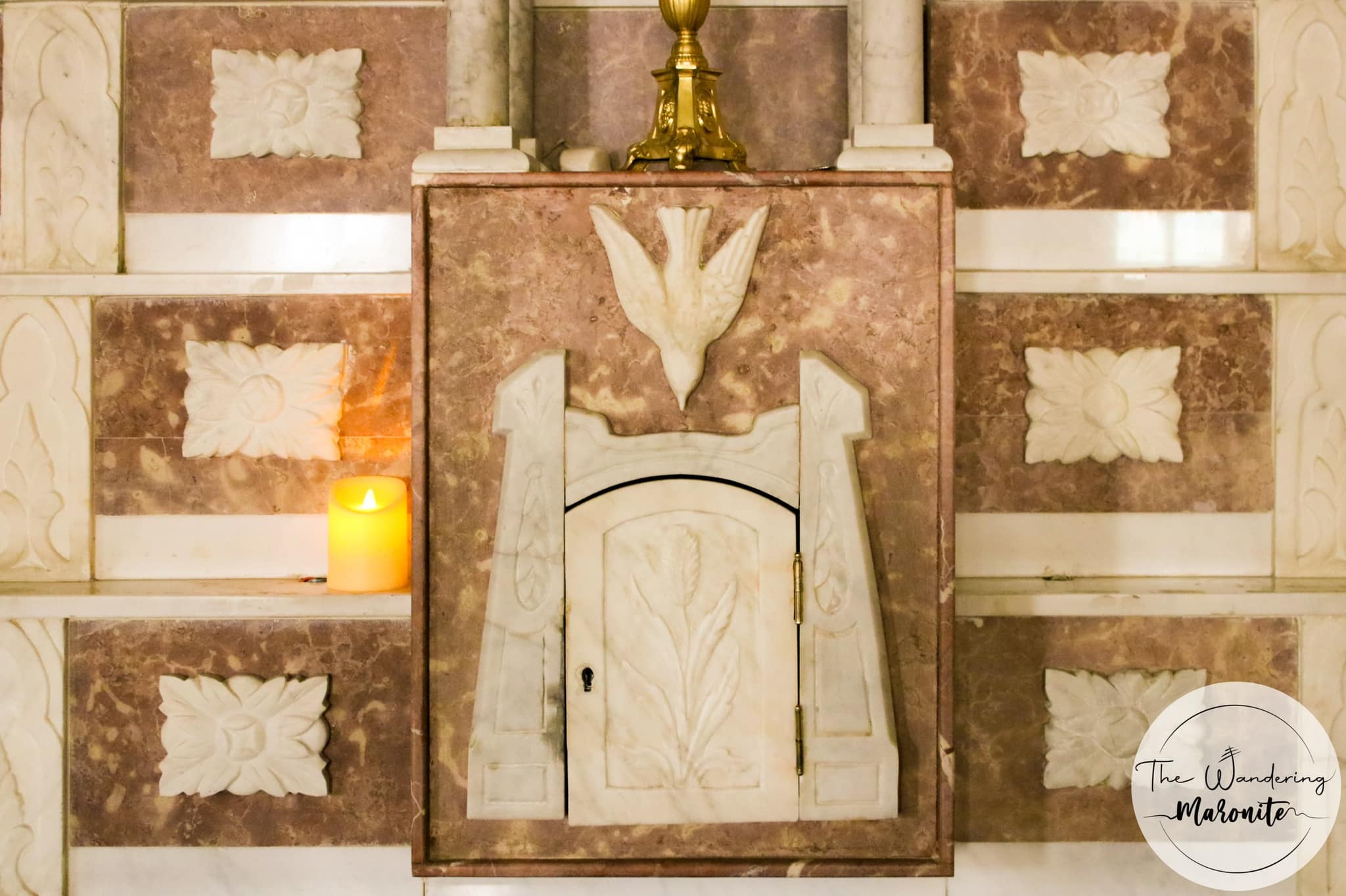
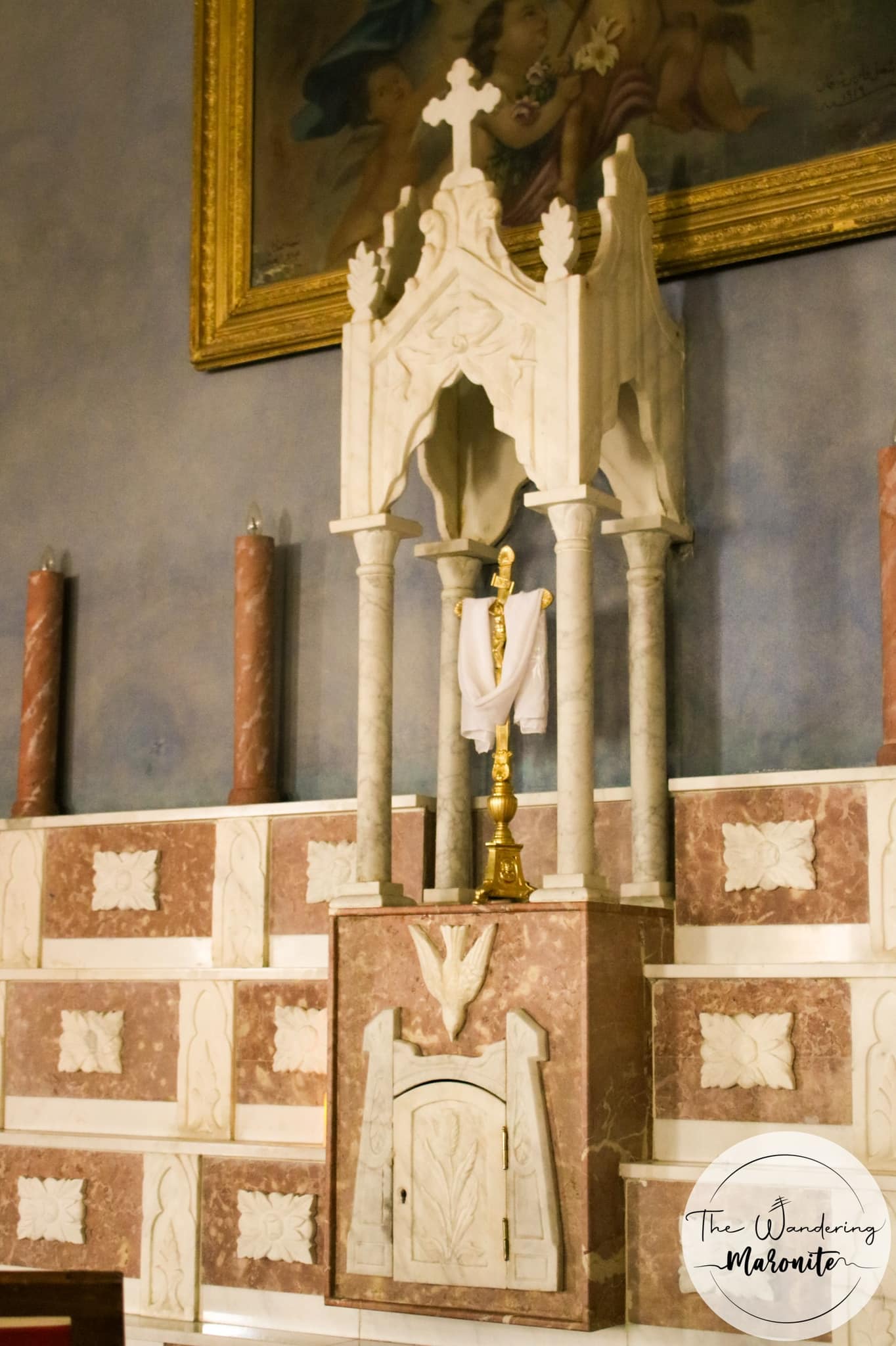
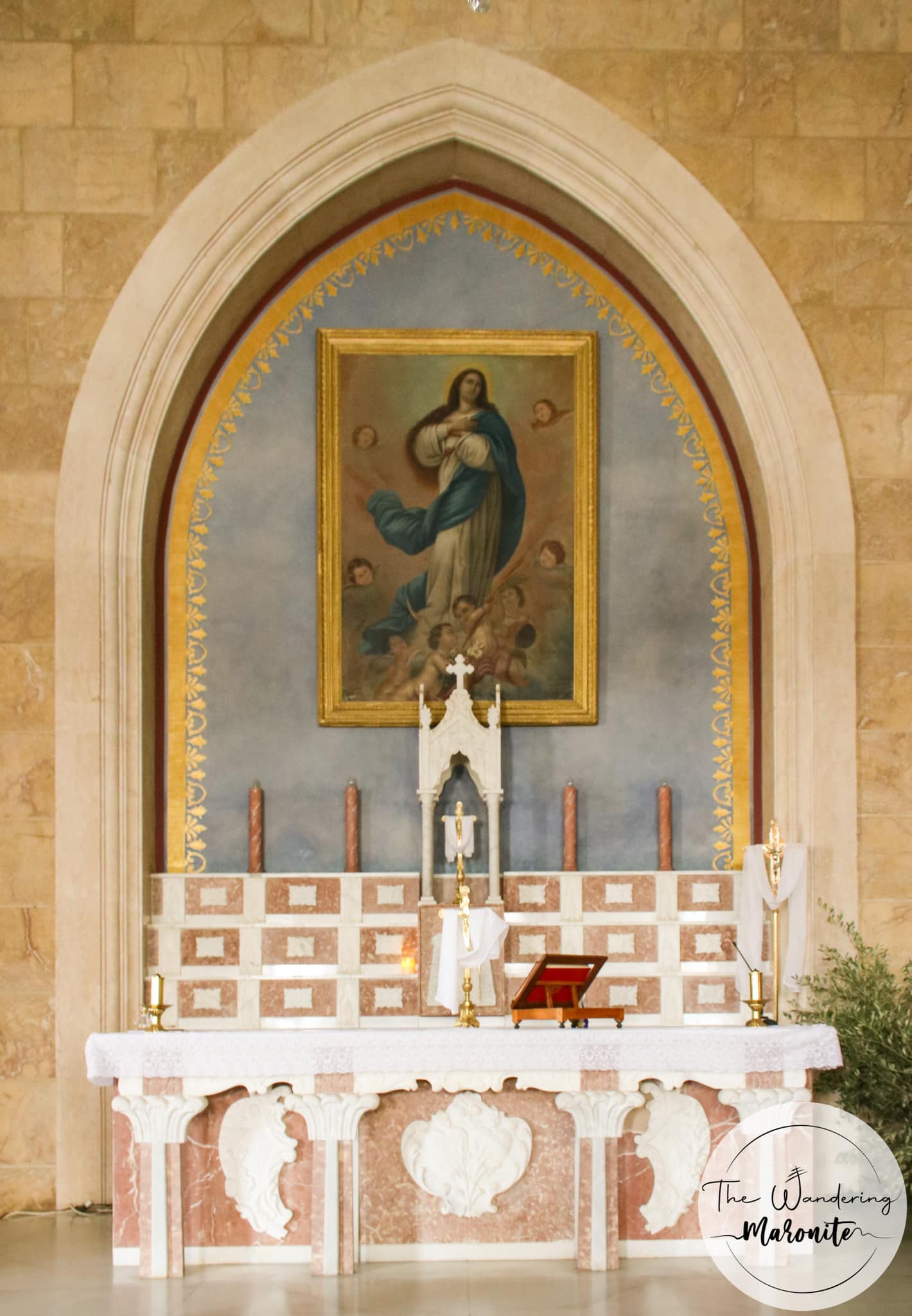
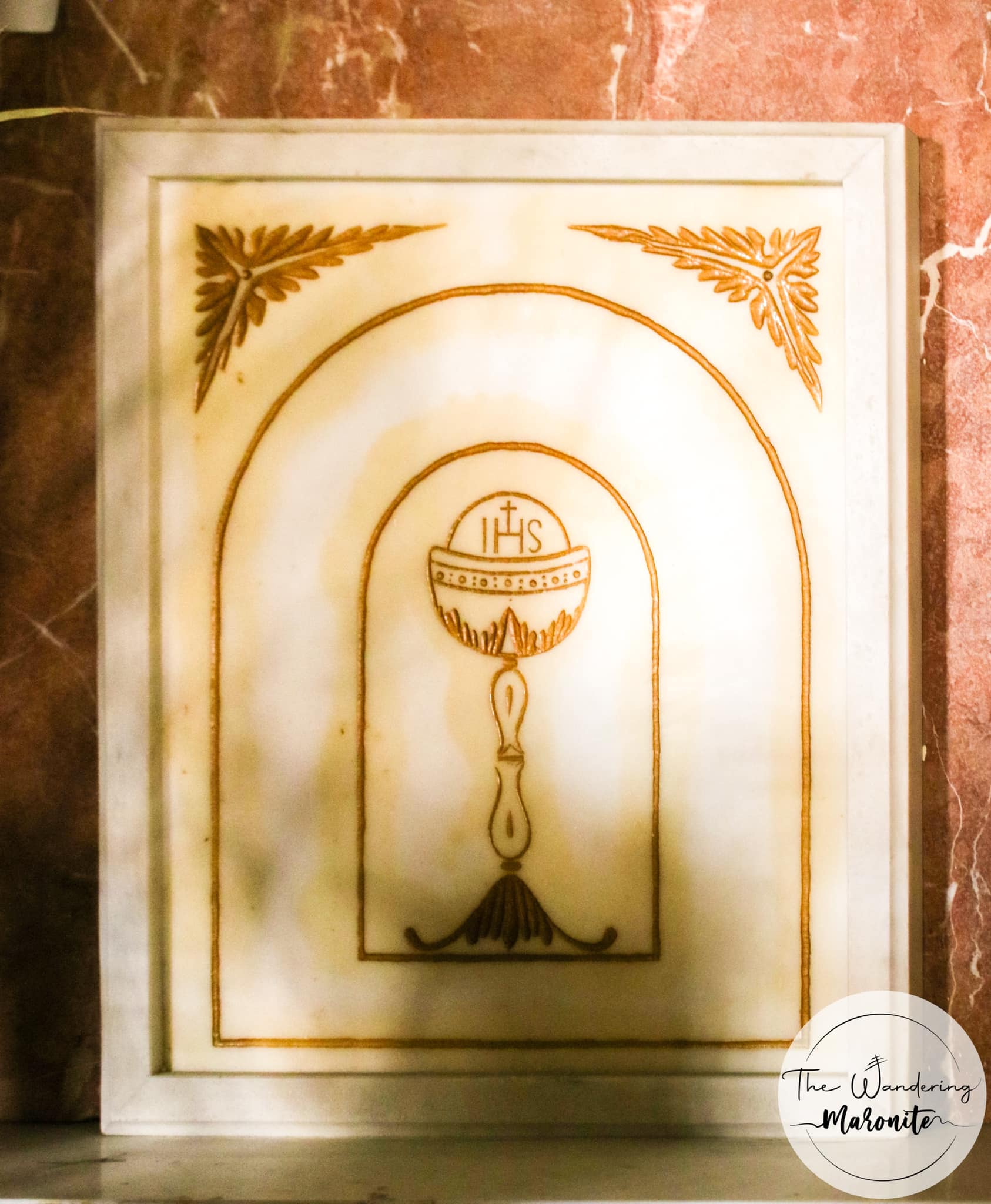
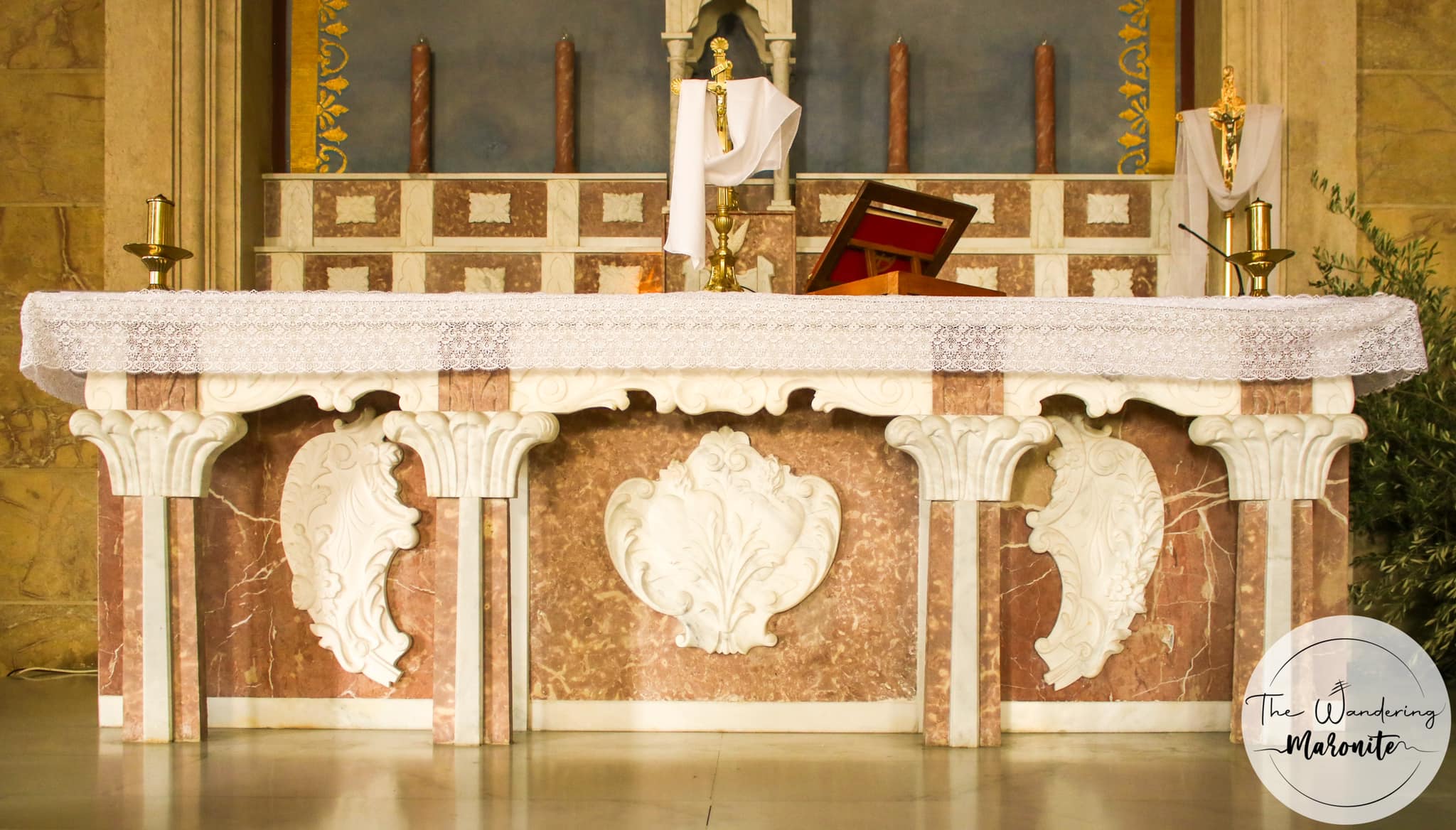
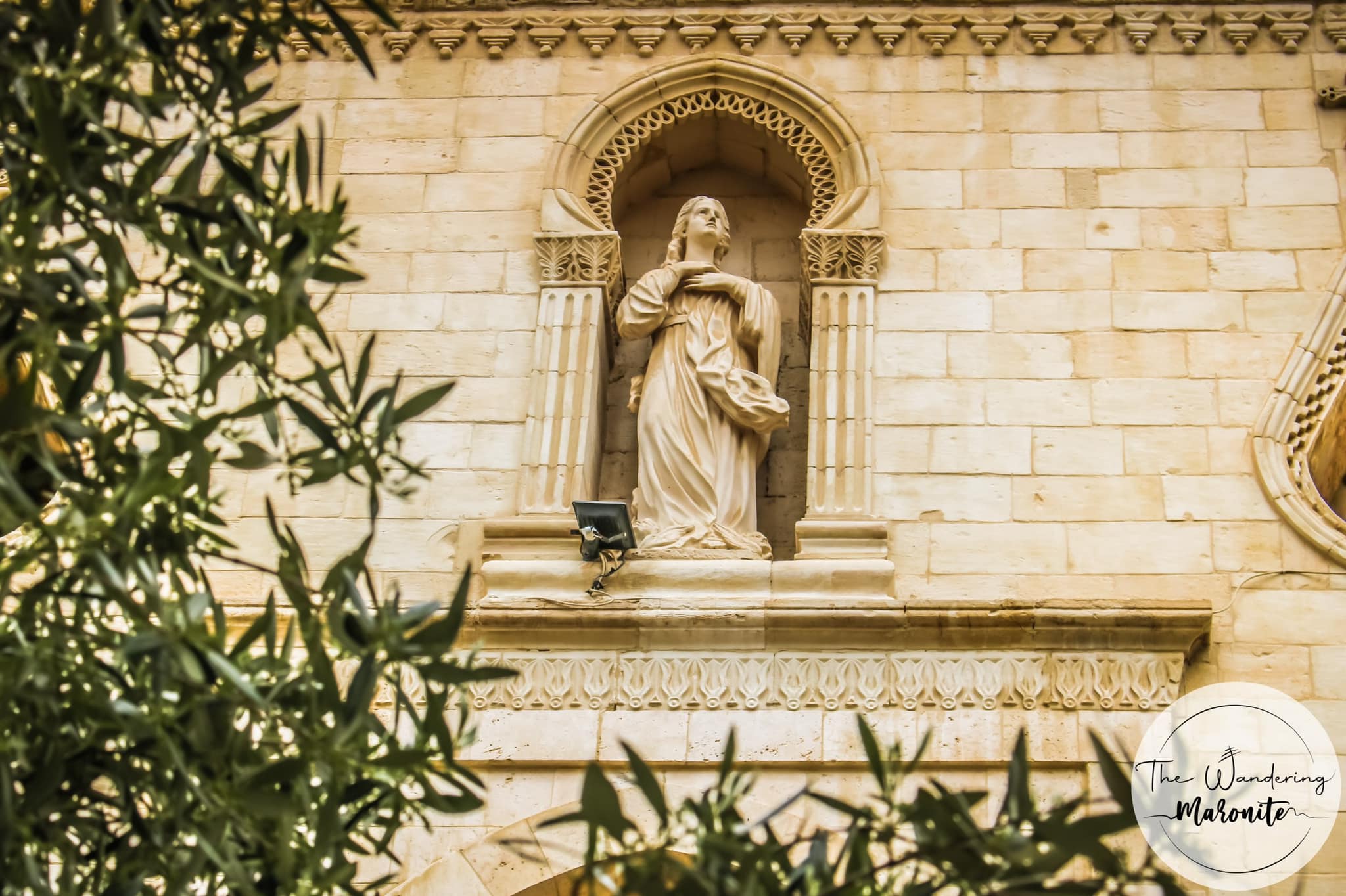
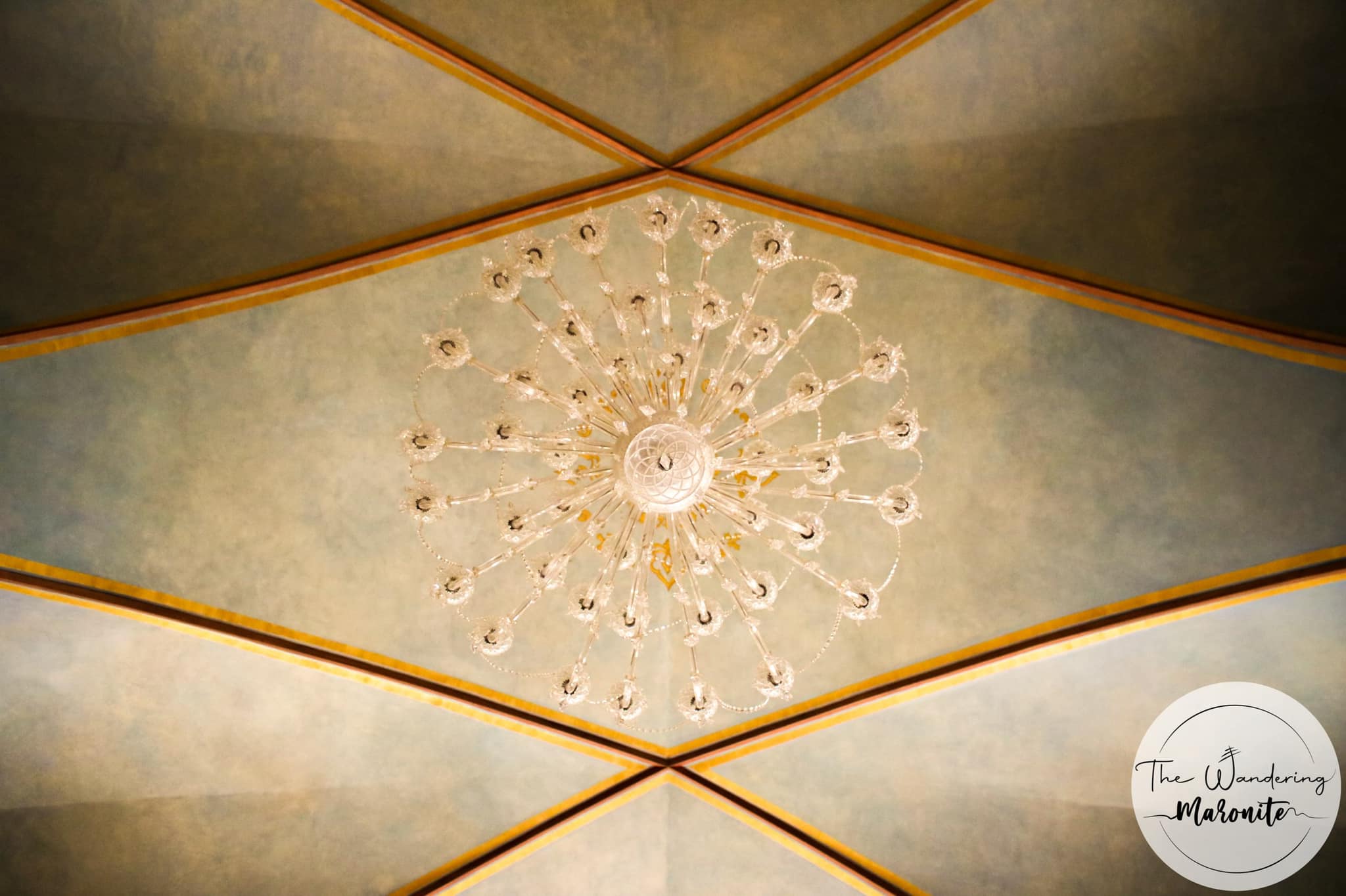
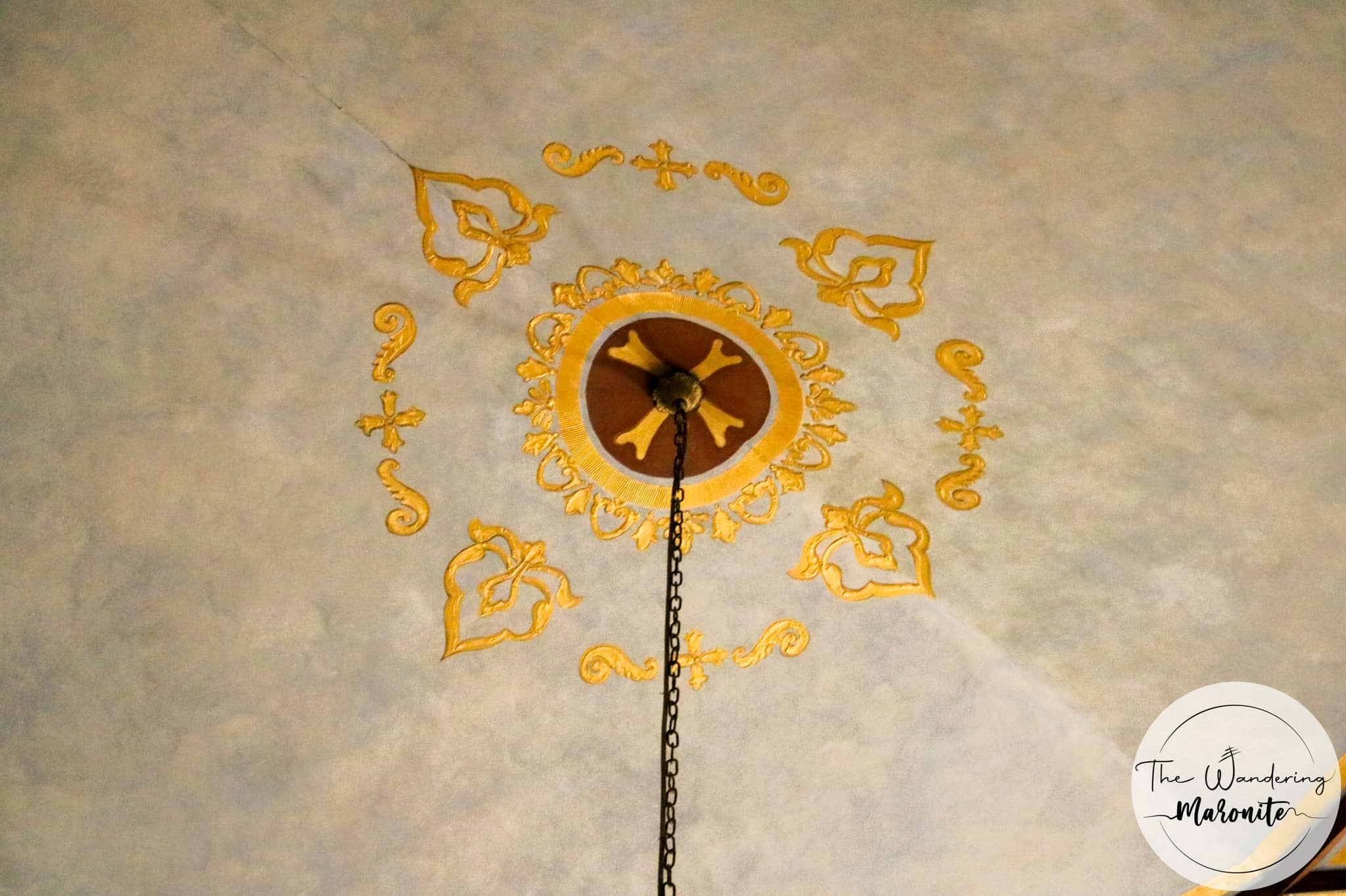
كنيسة سيّدة المعونات - المعلّقة زحلةالكنيسة قديمة العهد، تاريخ بنائها مجهولٌ. تعرّضت للتخريب في أحداث سنة ١٨٦٠. رمّمت من بعدها. بعد الحرب العالميّة الأولى أخذت الكنيسة شكلها الحاليّ: نمط بازيليكيّ بعقدٍ مصالب وسوقٍ واحد بواجهة حجرٍ مقصوبٍ مزخرف. نضمّ الكنيسة ثلاث مذابح من المرمر تعود لسنة ١٩٣٠: السيّدة، مار يوسف ومار يوحنّا مارون. رمّمت الكنيسة سنة ٢٠٠٨. تضمّ الكنيسة مدفن موسى بك نموّر رئيس مجلس النوّاب الأسيق.The church of our Lady of Perpetual Help - Maalaka ZahleThe church”s year of construction is unknown, it was sabotaged during the war of 1860. The church took it’s current form after World War I : a basilical plan with one nave and a grand ornate facade on the western side. The church holds three marble altars dedicated to the Assumption, St Joseph, St John Maroun. The church was restored in 2008, and it enshrines the tomb of the late lebanese speaker of the parliament Moussa Bey Nammour.

Visited 4706 times, 5 Visits today

Reviews are disabled, but trackbacks and pingbacks are open.

Related Listings

Lehfed – The monastery of St Sabas the hermit

Lehfed, Lebanon

دير مار سابا الناسك

Lehfed

Jbeil

Mount Lebanon

دير مار سابا الناسك - لحفد

هو دير قديم يعود لأوائل القرون الوسطى، لم يبقَ منه سوى الكنيسة. الكنيسة مبنيّة بعقدٍ سريريّ وحنيتين بمذبحين، على اسم السيّدة ومار سابا. على الجدران ماثلة بقايا جداريّات. إستُخدم الدّير كمركزٍ أسقفيّ في حبريّة البطريرك يوحنّا اللحفديّ. رُمّم أخيرًا سنة ٢٠١٠ بمناسبة تطويب الأخ اسطفان نعمه.

The monastery of St Sabas the hermit - Lehfed

An ancient ruined monastery that dates back to the high middle ages, with a church still standing. The church is a crib vault structure with a double apse and two altars dedicated respectively to the Madonna and St Sabas. Some traces of the frescoes can be noticed on the walls. The church was an episcopal residence during the pontificate of Patriarch John of Lehfed. The church was restored in 2010 with the canonisation of Blessed Estfan Nehme.

Bickfaya – Mar Abda

Saint Abda Church، Antelias - Bikfaiya Road, Lebanon

مار عبدا - بكفيا

1587

Bickfaya

Metn

Mount Lebanon

The Life of Mar Abda
Mar Abda was born in Persia (1) in the first generation after Christ. Judas – the disciple – baptized him and bestowed priesthood upon him then raised him to bishop over the city of Babel.
He preached the faith of Christ and baptized those turning to Christianity and bestowed priesthood in every country he crossed.
Some of his miracles include healing the sick and the blind and expelling devils. He walked over the water of the "Big River " with two of his disciples. He was martyrized by decapitation in the city of Noa on the Indian border with seven priests and nine virgins of his disciples.
After his martyrdom he became the intercessor of barren women and the guardian of children and Christian families as well as other families
(1) The Syriac church spread from Persia till the Mediterranean and was divided to Eastern and Western. The followers of this church used to move from one area to another carrying with them the saints they worshiped. Some of them carried with them the worship of Mar Abda to our area.

The Ancient History of Bikfaya
The name of the town comes from Armaic Syriac origin ( Beit Kfeya) the stone house – that is consecrated to worship the God "Kifa".
Church historian, the German historian Roehinger, proved that the Christian peoples – later known as al-Marada have dwelled in this area and built BasKinta, Bikfaya, and Bhersaf starting at around the year 679 – short time before building Ehden in north Lebanon. Historians mention as well that Bikfaya and Bhersaf were the headquarters of the Maronite Emirs and Bishops starting from the 7th Century A.D. and the most distinguished of these was Emir Semaan who resided in Bhersaf in the 11 th Century .
The residents of the old Kesrwan ( which included at the time the Metn area and its surroundings ) supported the Crusaders who stayed in this country from 1098 till 1291.
When the Crusaders withdrew from these lands, the Arabs led their first Mamluk campaign in revenge under the leadership of prince Pedra in 1292. However, these harsh mountains proved resistant to Mamluk soldiers who led a second campaign in 1293 which ended in the death of their leader and the slaughter of most of their soldiers.
The Marada victories filled the Mamluk with hatred.
They gathered an army of fifthy thousand warriors who attacked Kesrwan in 1305. They destroyed villages, burned temples, cut trees and wiped out all traces of construction and also killed everyone they could lay hands on. Only a few of the residents of these areas survived and wandered in the mountains of North Lebanon. As such , Bikfaya and its surroundings remained uninhabited until the 16th century.

Bikfaya during the era of the Assafiyeen Emirs
Feudalism in the Mamluk era was granted by the sultan in return for military services provided by individuals to the state.
The Mamluk granted the Turkuman ( known as Assafiyeen ) control over the north ( Lubnan Fi al-Tarikh- Dr Philip Hitty- Dar al –Thakafa- Beirut ,1959 ) with the mission to safeguard the shoreline against intrusion by occidentals and early natives. The Assafiyeen inhabited areas they called after their notables and then moved to Ghazir.
During the era of prince Mansour al-Assafy , with security spreading in the Kesrwan area, some members of the Bikfaya families- who had survived in 1305-started to return to their hometown in 1540 (Sheikh Edmond Bleybel ) . It seems that prince Mansour decided to befriend the Christians after destroying the Shiites in his area who had plotted to kill him .The Gemayels came from Jaj in 1545 and met him. He honored them and granted them control over Bikfaya and its northem suburbs and sent them immediately to it.
It is told that the Gemayels came to Bikfaya carrying the picture of Mar abda. With them came to Mhaidseh the Maalouf family and the two families became even closer when a member of the Maalouf family ( today known as klink ) married the sister of father Antoun Gemayel and was blessed with two children one of whom became a priest. In 1587 father Antoun sought to build a church in Bikfaya, so he donated one thousand Kobrosy to this cause. However , this sum was not enough and the number of inhabitants of Bikfaya was little, so father Antoun resorted to his brother-in-law and nephew for help and unified the efforts of the two towns and implemented his project next to an old oak tree. The tree is estimated to be around 1000 years old and its trunk still remains visible until our present day.
Antoun set in the south-eastern side of the church an altar in the name of Mar Abda for the Maronites an another in the north –eastern side in the name of Our Lady for the Greek Orthodox (Bleybel).
Dweihy says in his book: the history of the Maronites page 181 :…and in the year 1587 (996H) father Antoun of Gemayel family built the church of Mar Abda in the village of Bikfaya and had it illustrated by Elias al-Hasrouny. He spent on it 1000 Kobrosy in addition to donations by the residents of Bikfaya and other philanthropists… then Patriarch Sarkis followed in the steps of his predecessors and raised father Antoun to Archbishop as a reward for his efforts.

El Mzekke Broummana – The monastery of St Isaiah

Saint Isaiah (Mar Shaaya), Jouret El Ballout, Lebanon

دير مار شعيا

Broummana El-Matn

Metn

Mount Lebanon

دير مار شعيا - المزكه برمانا

سنة 1673 قام المطران جبرايل البلوزاني رئيس أساقفة حلب (البطريرك لاحقًا) بتأسيس حركة رهبانيّة تتبع قانون مار أنطونيوس الكبير وهدفها تبشير الدروز. سنة 1698 أُرسلت مجموعة من الرهبان لتأسيس ديرٍ في برمانا هم: سليمان الحجّة المشمشاني، وعطالله كريكر الشبابي، وموسى زمّار البعبداتي. فاشتروا أنقاض ديرٍ قديمٍ على تلّة بجوار برمانا. سنة 1700 بدأ الرهبان الأنطونيون تأسيس ديرٍ جديدٍ على اسم مار شعيا الراهب الحلبيّ. أصبح الدّير الدّير الأم للرهبانيّة الأنطونيّة الناشئة التي ثبّتها البابا أقليمنضوس الثاني عشر سنة 1740. إرتبط الأنطونيّون بدير التأسيس لدرجة أنّهم أصبحوا يتكنّون برهبان مار شعيا. أصبح الدير جسر علاقة بين الرهبانيّة وحكّام الجبل، أمراءِ آل أبي اللمع وآل شهاب الموحِّدّين ما حدا بأفرادٍ من الأسرتَين الكبيرتَين اعتناقَ الإيمانِ الكاثوليكي ونشره في مناطقَ متنيّة. تعاقبت الحروب على الدير وتركت بصماتِها الهدّامة من أحداث ١٨٤٠ و١٨٦٠، إلى الحرب العالميّة الأولى، وقد كانتِ الأشرس، فدمّر الجيش العثمانيّ الدير وأحرق مكتبته. رُمّم الدّير على مراحل عديدة وأُعيد بناؤه. كنيسة الدّير كناية عن عقدٍ مُصالبٍ ينتهي بحنية نصف دائريّة. تتميّز الكنيسة بخورسها الخشبيّ بين المذبح والسوق الرئيسيّ.كذلك تحوي الكنيسة أرغن الموسيقار الكبير الأب يوسف الأشقر أحد روّاد الموسيقى الكنسيّة المارونيّة. كذلك تحوي لوحة مار شعيا التي تعود لعام 1907، وجداريّة خلف المذبح من عمل الرسّام أسعد رنّو.

The monastery of St Isaiah - El Mzekke Broummana

In 1673 the archbishop of Aleppo Mgr. Gebrayel el Blouzany (later Patriarch), started a monastic movement according to the Rule of St Anthony the great, with the aim of evangelizing the Druze. In 1698 a small group of monks were sent to start a monastery in Broummana: Sleiman Hajje from Meshmesh, Atallah Kreiker from Beit Chabab, Moussa el Zemmar from Baabdat. In 1700 the monks bought the ruins of an old monastery on a hill in the vicinity of Broummana. The monastery was dedicated to St Isaiah the Aleppan monk, and the monastery became the motherhouse of the new order that was recognized by Pope Clement XII in 1740. The monks became commonly known as the monks of St Isaiah. The monastery became a mission hub and many Druze were converted by the monks, it was noted that many princes from the families of Shehab and Abi el Llamah became Maronites and helped spreading the catholic faith in the Metn region. The monastery suffered greatly during the wars of 1840 and 1860, it was severely damaged during World War I and its great library was burnt down. Yet it was always restored and rebuilt. The monastery's church is a crossed vault ending with a semi circular apse. The nave and the sanctuary are separated by wooden choir stalls. The church holds the organ of Fr. Boulos el Ashkar a pioneer in Maronite ecclesiastical music, a painting of St Isaiah from 1907 and a fresco of the saint by Assaad Renno.