
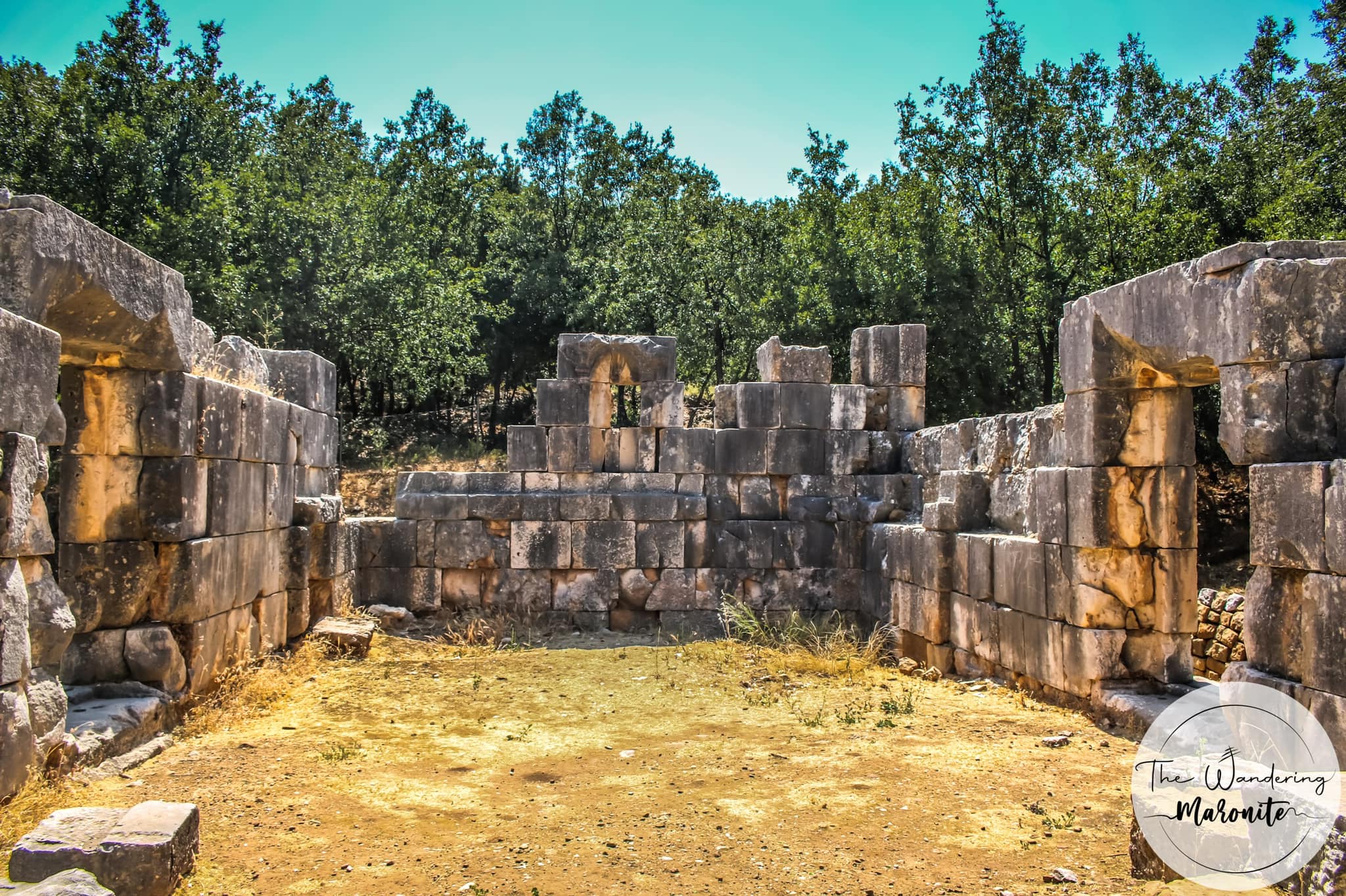
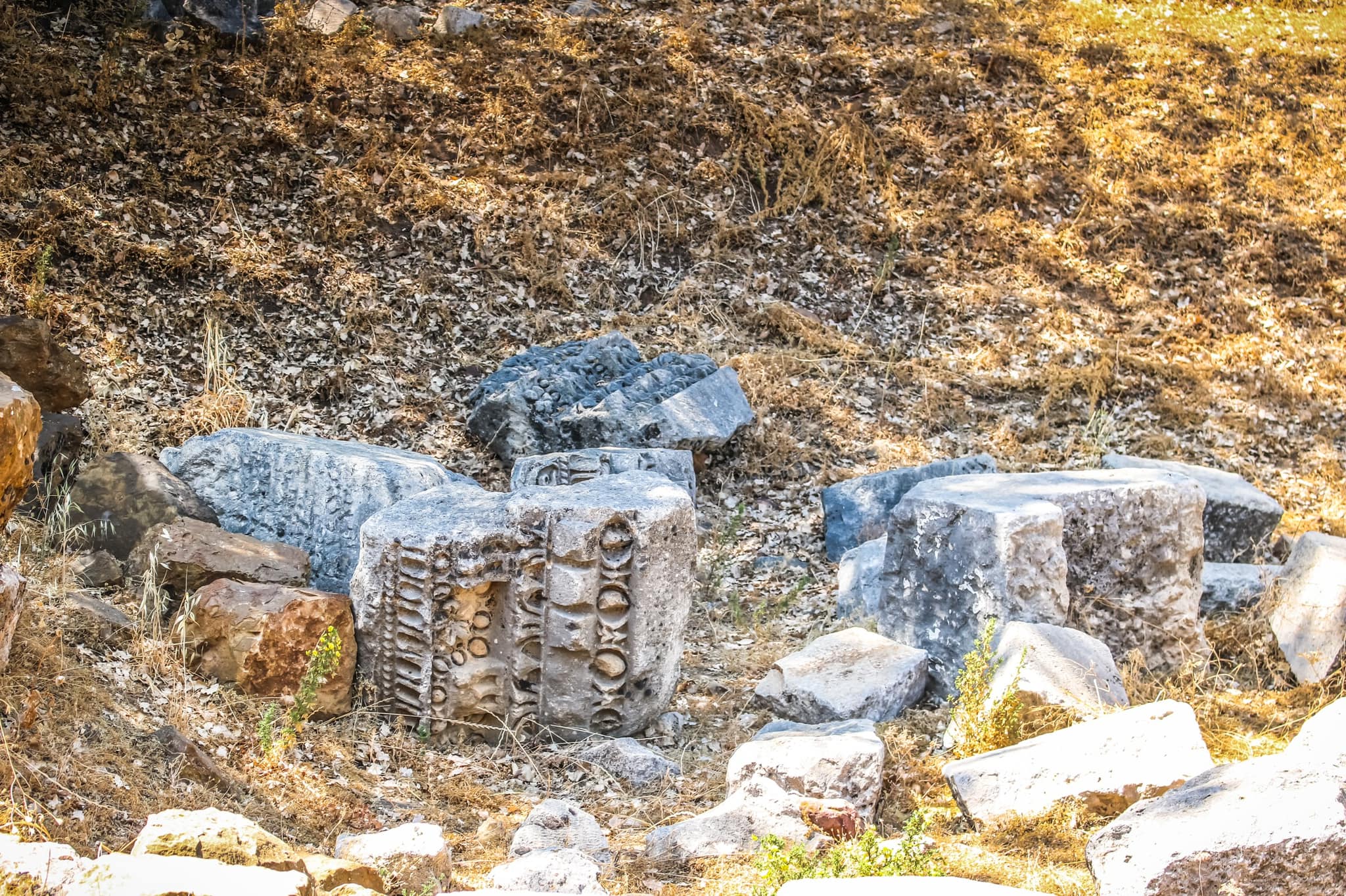
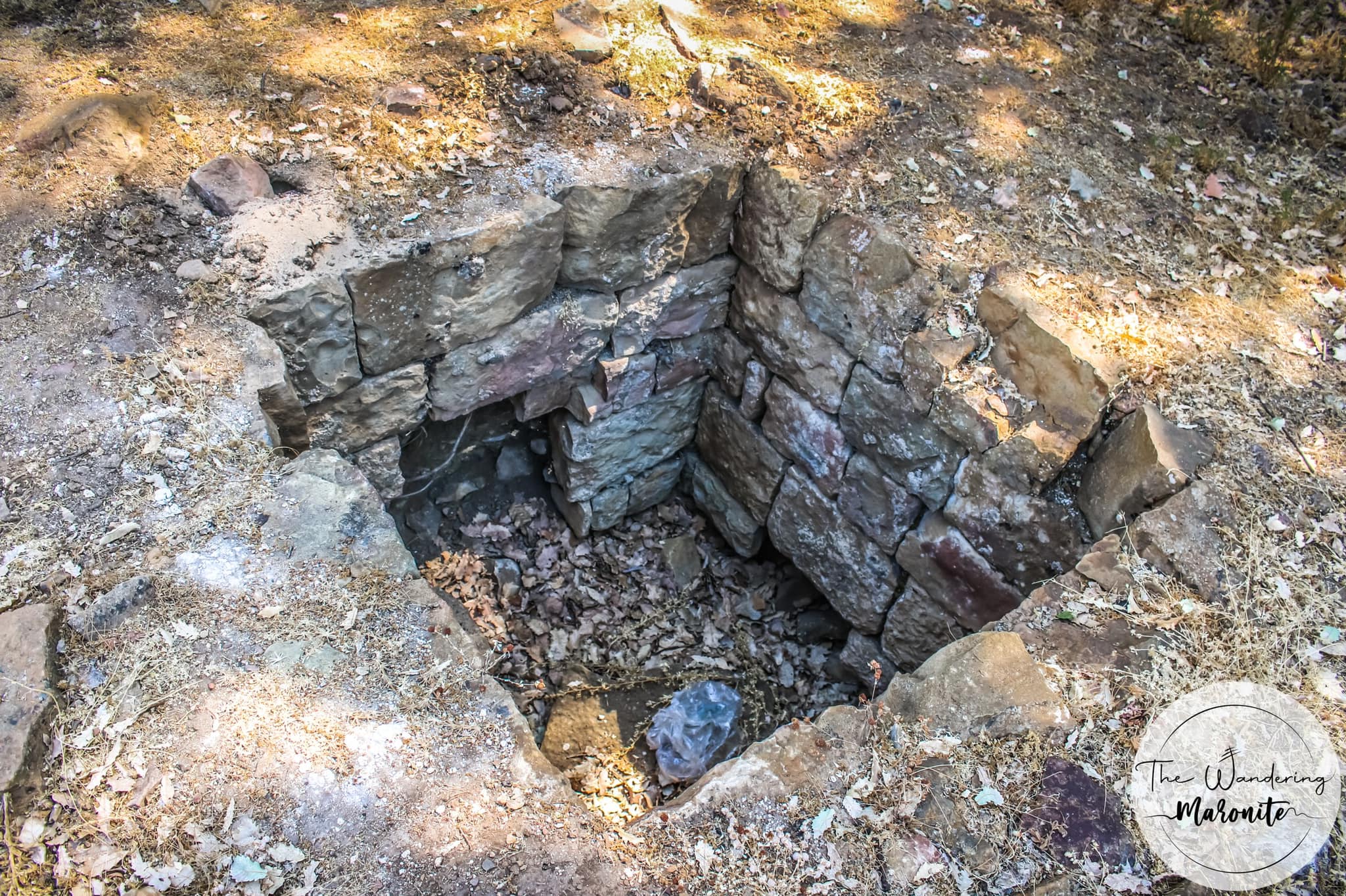
Yanouh – The blue monastery of St George

Mar Gerges Blue Yanouh, Mghayra, Lebanon

Other Details

دير مار جرجس الأزرق

Yanouh Jbayl

Jbeil

Mount Lebanon

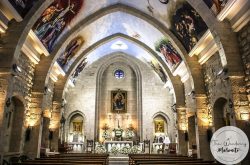
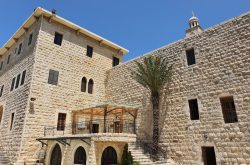
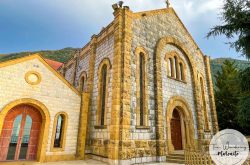
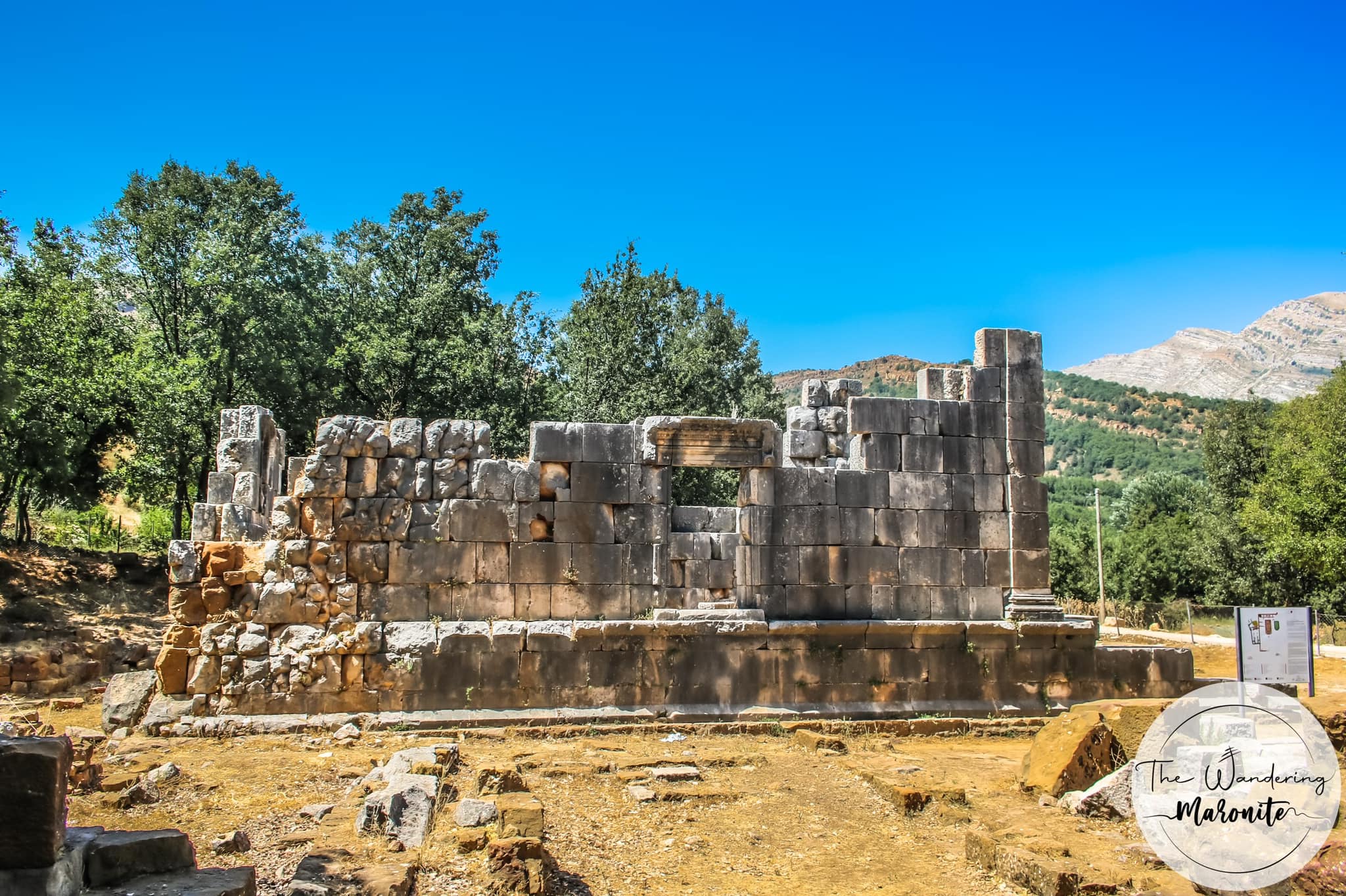
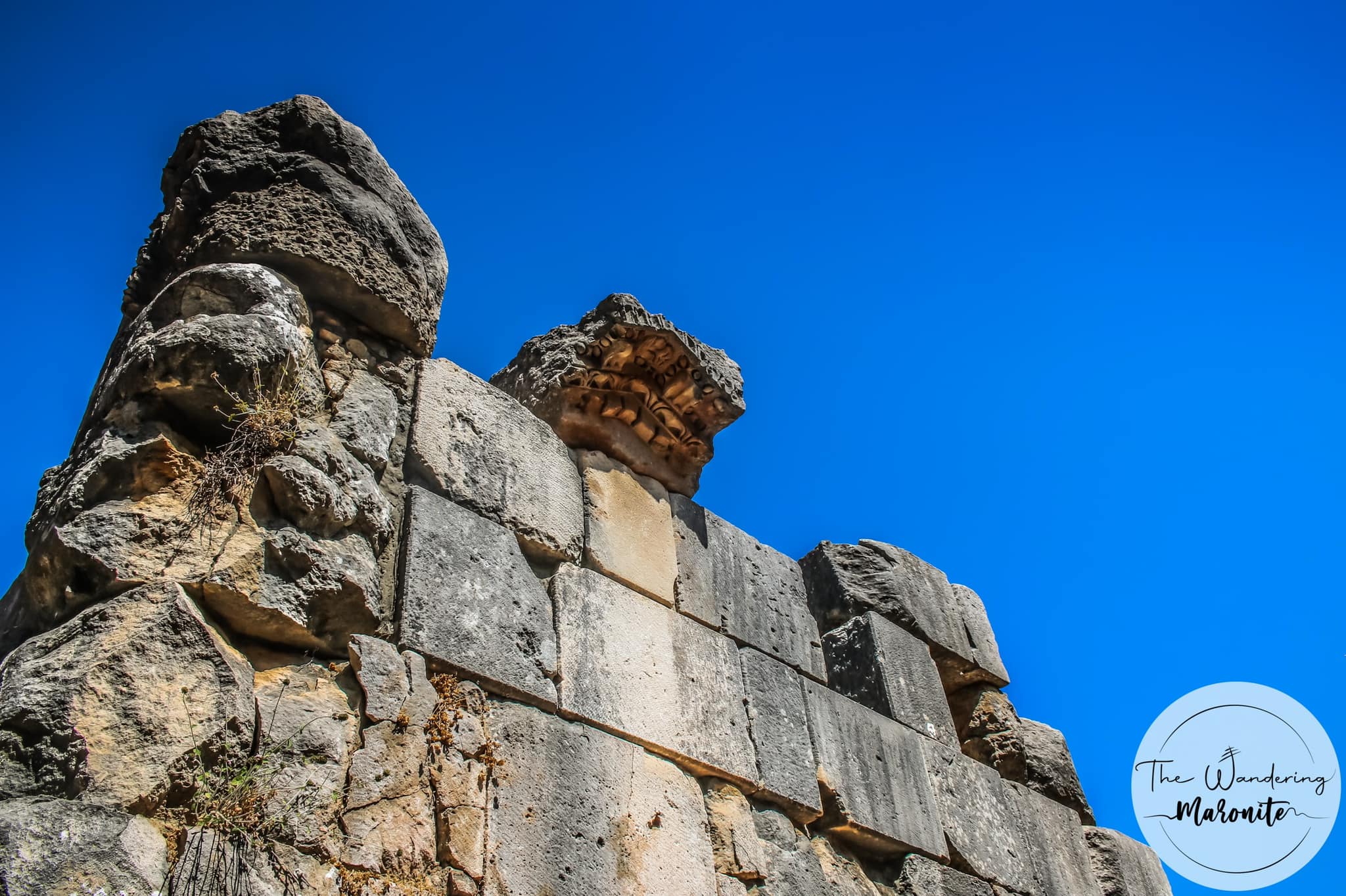
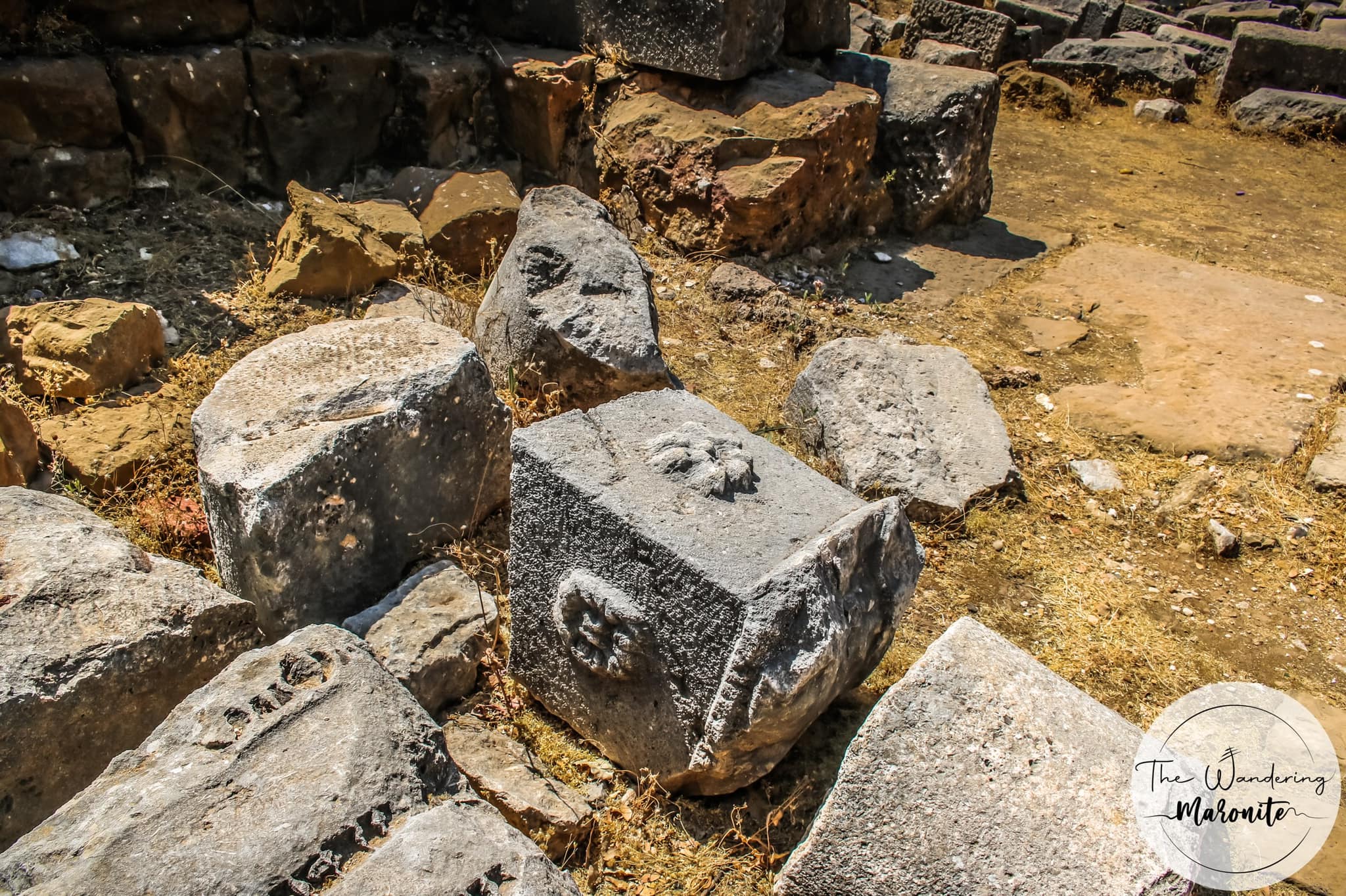
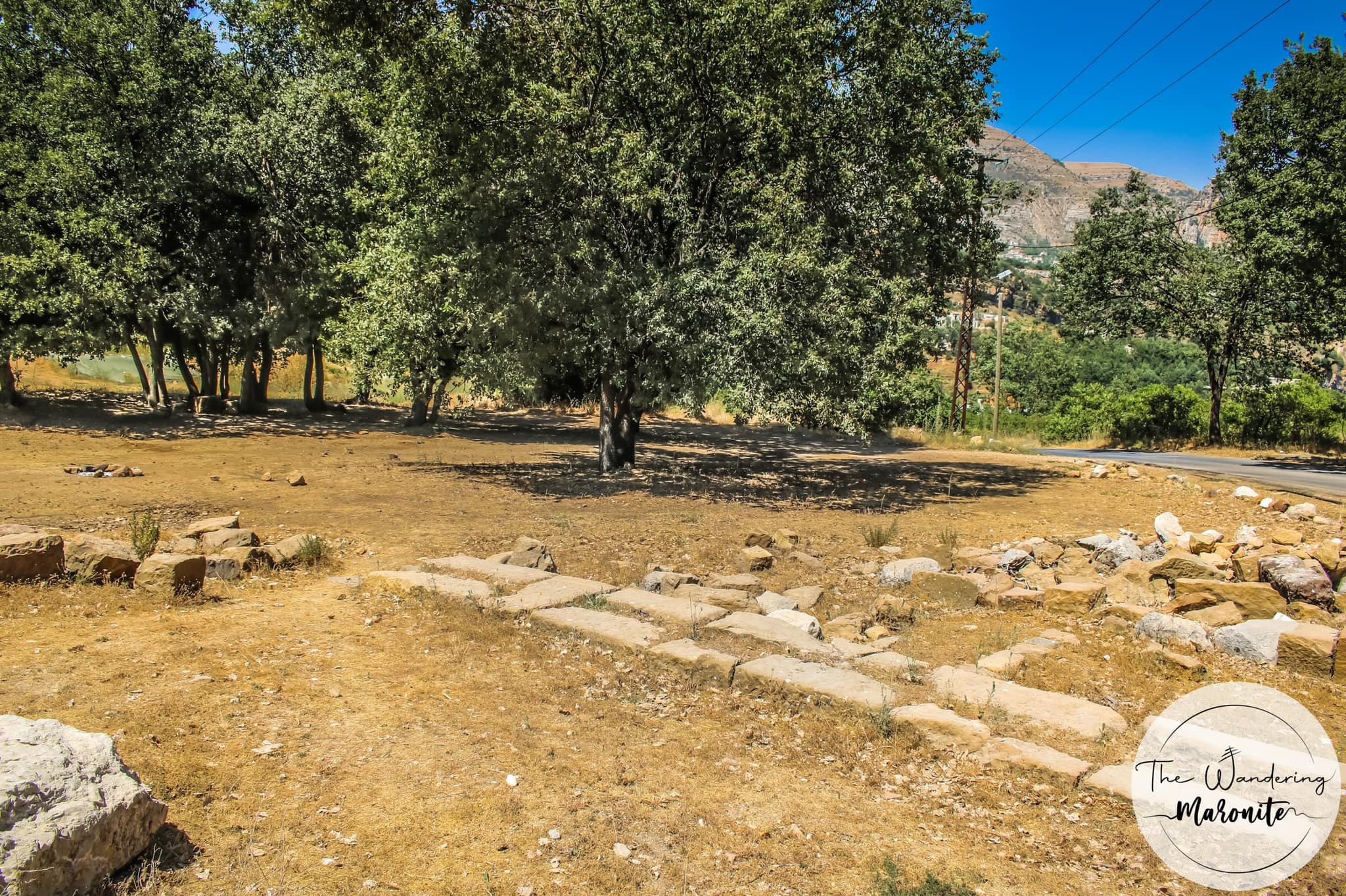
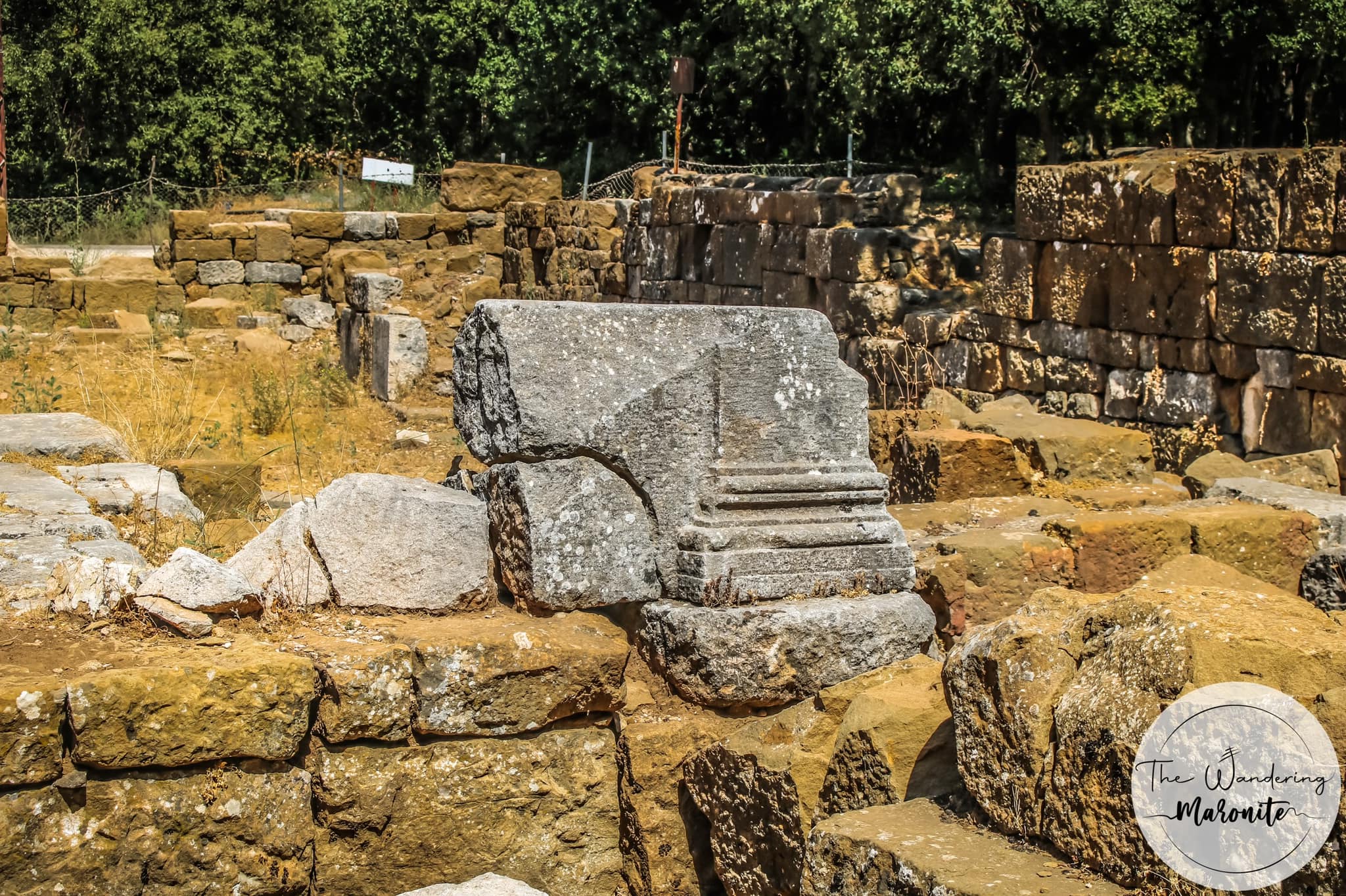
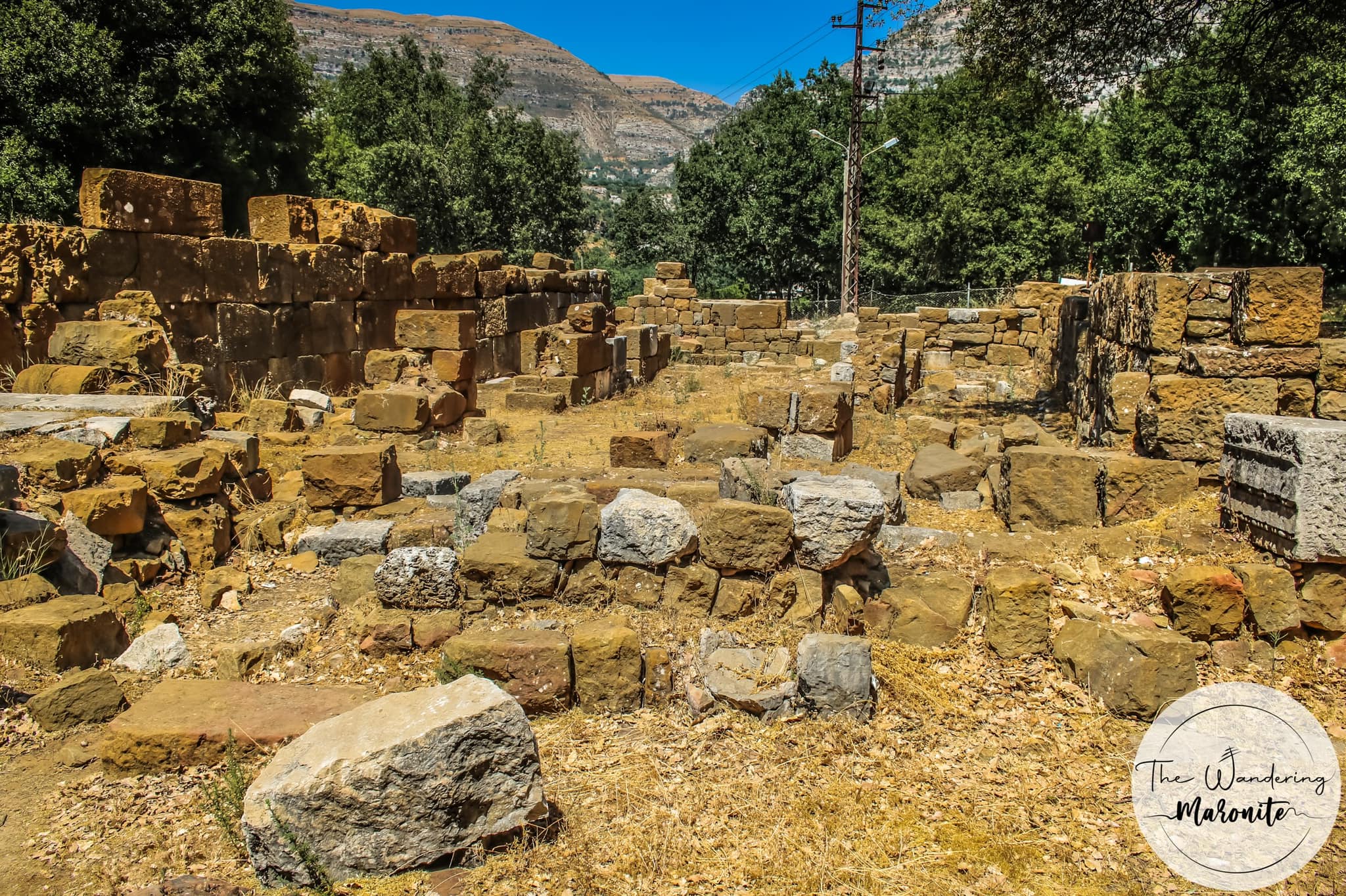
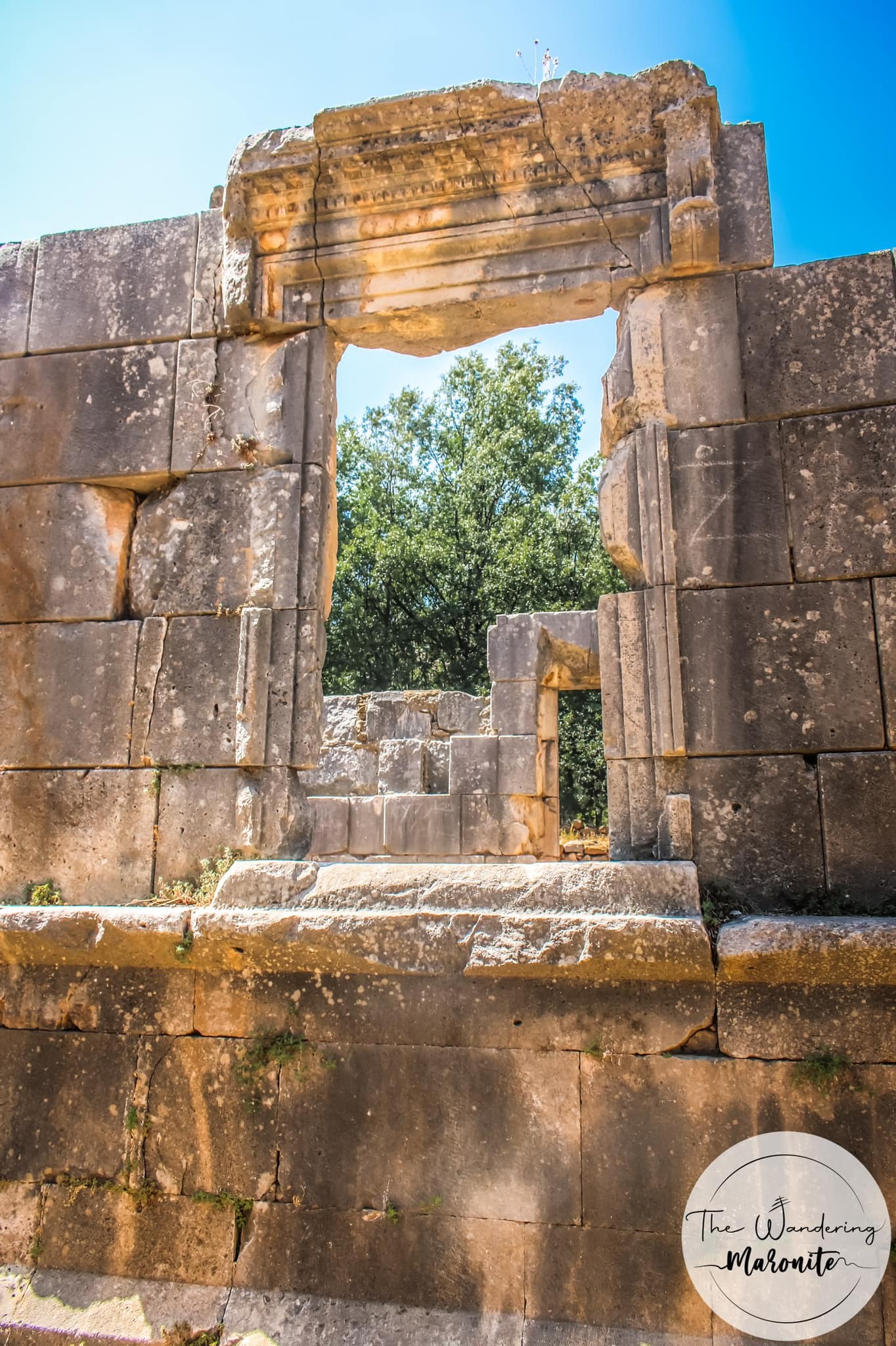
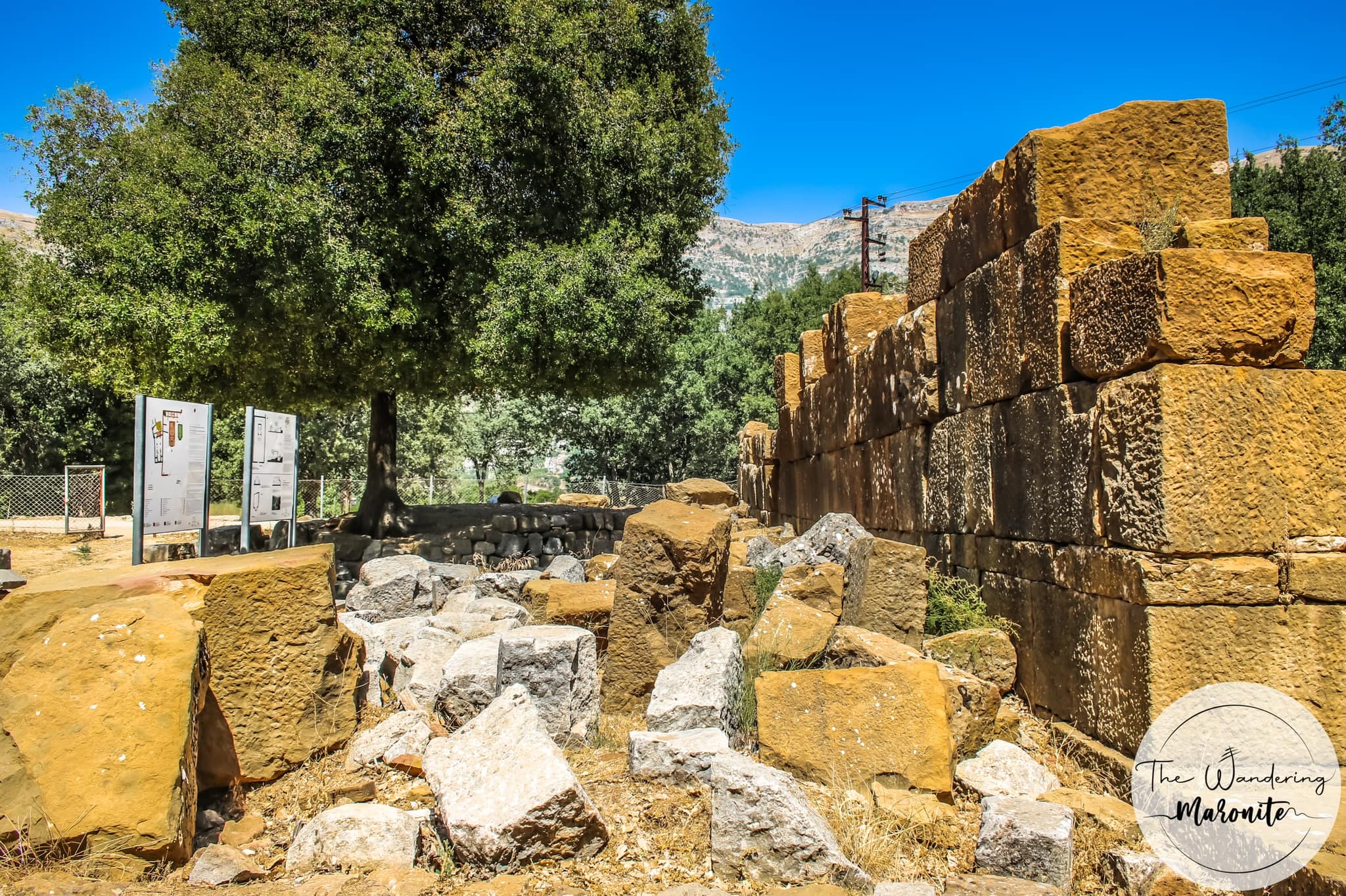
دير مار جرجس الأزرق - يانوحالبناء أساسًا كان معبدًا فينيقيّ ثمّ رومانيّ. عُرف بالأزرق نسبةً للون الحجر الكلسيّ. مع قدوم المسيحيّة حُوّل المعبد إلى ديرٍ على اسم مار جرجس وكان الأكبر في جبّة المنيطرة. إختاره البطريرك يوحنّا مارون الثاني مقرًّا له سنة ٧٥٠، وذلك لصعوبة الوصول إليه، ولأن يانوح بحسب البطريرك الدويهيّ: "كانت من أشرف المجالِس في جِبَة المنيطرة وأهلها كثيرو العِبادة والغيرة". بقيت يانوح مقرًّا بطريركيًّا شبه ثابتٍما بين ٧٥٠ و١٢٧٧، لأن البطاركة تنقلوا مابين سنتيّ ١١٢٠ و١٢٠٠ بين ميفوق وهابيل ولحفد. بنى البطاركة بقرب المعبد كنيسةً صغيرة خاصة للبطاركة وأقبية وغرف. وبنوا كنيسة السيّدة خارج المحلّة. أقام البطاركة في يانوح، ما مجموعه أربعماية واثنتان وثلاثون سنة، منها ثلاثمائة وسبعون سنةً متواصلةً دون إنقطاع. مع قدوم الصليبيّين في عهد البطريرك يوسف الجرجسيّ إستبشر الموارنة خيرًا بحسب ابن القلاعي، فأُعيد اتصالهم بروما، وعاشوا فترةً من الإزدهار، ويذكر التاريخ أنّه في تلك الحقبة إستبدل الموارنة نوافيس الخشب بنواقيس حديدٍ في يانوح. لكنّ الفترة الصليبيّة شهدت العديد من القلاقل والمعارك ممّا استدعى تنقلاتٍ عديدةٍ للبطاركة واتخاذهم عدّة مراكز. ومع رحيل الصليبييّن وحملة المماليك أُحرقت يانوح، ولم تُجرى أبحاث أركيواوجيّة على الموضع لحين الإنتداب الفرنسيّ بداية القرن العشرين.The blue monastery of St George - YanouhThe building was originally a Phoenician than a Roman temple consecutively. With the locals conversion to Christianity the temple was consecrated as a church dedicated to St George. In 750 Yanouh was chosen as a patriarchal seat, it remained a nearly consistent seat between 750 and 1277. The patriarchs built near the temple a patriarchal chapel, many vaults and cells and the church of the Virgin Mary outside of the complex. With the Crusades during the pontificate of Patriarch Youssef el Gergesy, the Maronites entered a golden age, they reconnected with Rome. Yet the latter Crusader’s period saw unrest and struggles, that was the reason why many patriarchs used to change residences. In 1277 the patriarchs moved out of Yanouh. The seat was completly abandoned after the Crusaders left and the Mamluk’s campaign that destroyed the village. The site was excavated by the french archeological missions in the early XXth century.

Visited 4133 times, 5 Visits today

Reviews are disabled, but trackbacks and pingbacks are open.

Related Listings

Qannoubin – The monastery of our Lady of Qannoubin

Deir Qannoubine monastery, Wadi Qannoubine, Lebanon

دير سيّدة قنّوبين

Ouadi Qannoubine

Bcharre

North

دير سيّدة قنّوبين - قنّوبين

هو من أهمّ وأقدم الأديار الأثريَّة في الوادي المقدّس. كان الكرسيّ البطريركيّ للكنيسة المارونيَّة من القرن الخامس عشر حتَّى القرن التاسع عشر. أعطى اسمه لجزء من وادي قاديشا أي وادي قنّوبين، ومعناه من اليونانيّة الشركة.
بحسب تقليد الكنيسة المارونيَّة، أسَّس هذا الدير تاودوسيوس الكبَّادوكيّ، في القرن السادس. أمَّا تقليد الكنيسة السريانيَّة الأرثوذكسيَّة فيذكر أنَّ الإمبراطور تاودوسيوس الأوَّل، في القرن الرابع، بنى كنيسة سيِّدة قنُّوبين. هذان التقليدان ليسا إلاَّ إثباتًا على قِدَم الدير وأهمِّيَّته بالنسبة إلى تاريخ الكنيسة في لبنان. يذكر التقليد أن القدّيسة مارينا سكنته وماتت ودفنت في المغارة المجاورة. إنتقل إليه البطريرك يوحنّا الجاجيّ على إثر تنكيل والي طرابلس بالموارنة. فأصبح مقرًّا بطريركيًّا.
جداريّات الكنيسة الأساسيّة مرسومة على عدّة مراحل من القرن العاشر وصاعدًا. جداريّات المذابح: الشفاعة، مار يوسف ومار دانيال، وجداريّة تكليل السيّدة هي من عمل الراهب اللبنانيّ بطرس القبرصيّ.

The monastery of our Lady of Qannoubin - Qannoubin

The monastery is one of the most important religious sites for the Maronite church. Two traditions narrate its history both attesting the great history behind it: the Maronite tradition dates it back to the VIth century with Theodosius the Cappadocien. The Syriac tradition dates it back to the IVth century when the Byzantine emperor Theodosius the first built a church dedicated for the Madonna in Qannoubin.
The frescoes of the main church were done layer over layer starting the Xth century up until the XVIth century when Boutros el Qobersy the Lebanese monk painted the three apses frescoes: the Deisis, St Joseph and St Daniel, and the frescoe of the coronation of the Virgin.

Kfarsghab – The church of St Augustin

St. Augustine, Unnamed Road, Ehden, Lebanon

كنيسة مار أغوسطينوس

Kfarsghab

Zgharta

North

كنيسة مار أغوسطينوس - كفرصغاب

كنيسة قديمة العهد تعود للقرون الوسطى. فيها عقد البطريرك يوسف الرزّي مجمع ضيعة موسى سنة ١٥٩٨ الذي أقرّ جملة من الإصلاحات الكنسيّة كاعتماد التقويم الغريغوريّ. بقيت الكنيسة خربةً ردحًا من الزمن، إلى أن رمّمت سنة ٢٠٠٧.

The church of St Augustin - Kfarsghab

An old medieval church dating back to the Middle Ages. In 1598 the council of Dai'at Moussa was held in it, presided by Patriarch Youssef El Rezzi, and proclaimed many liturgical renovations such as the adoption of the Gregorian calendar. The church laid in ruins for a long time, until it was renovated in 2007.

Deir el Qamar – Monastery Saint Abda

College Mar Abda, Deir El Qamar, Lebanon

دير مار عبدا - دير القمر

1849

Deir El-Qamar

Chouf

Mount Lebanon

دير مار عبدا - دير القمر سنة ١٨٤٩، تأسّس الدير على يد الأب نعمة الله البكفاوي والأب بطرس الغزيريّ، بهدف خدمة النفوس في منطقة دير القمر. سنة ١٨٩٥، على عهد الأب العام سابا دريان، اتمّ الاب المدبّر افرام حنين الديراني بناء الدير، وأنشأ مدرسة لأبناء الرهبانية. سنة ١٩٦٣، تمّ بناء مدرسة مار عبدا. سنة ٢٠٠١، تمّ إفتتاح فرع لجامعة سيّدة اللويزة في الدير مكان الثانويّة الرسميّة وفرع للجامعة اللبنانية. سنة ٢٠٠٥، تم ترميم الدير وإصلاح غرفه والصالون والاقبية ليستقبل الرهبان والحركات الرسولية. يتميّز الدير بهندسته الفريدة وهي مزيج من فنّ العمارة اللبنانيّة والحلبيّة. The monastery of St. Abda - Deir el Qamar The monastery was built in 1849, to provide pastoral and spiritual assistance in Deir el Qamar. In 1895 during the mandate of Abbot Saba Derian the monastery was completed and a monastic school was erected. In 1963 the school was renewed and opened to the public. In 2001 a branch of NDU and of the Lebanese University were opened next to the monastery. In 2005 the monastery was renewed. The building is a great late 19th century witness to Lebanese architecture with elements of Aleppo’s art and arabesque.