Overview
Map
Other Details
كنيسة مار يوحنّا المعمدان
RachAine
Zgharta
North
Visited 3236 times, 3 Visits today
Directory of Churches in Lebanon

St Jean Baptist - Rachiine, Rachiine, Lebanon
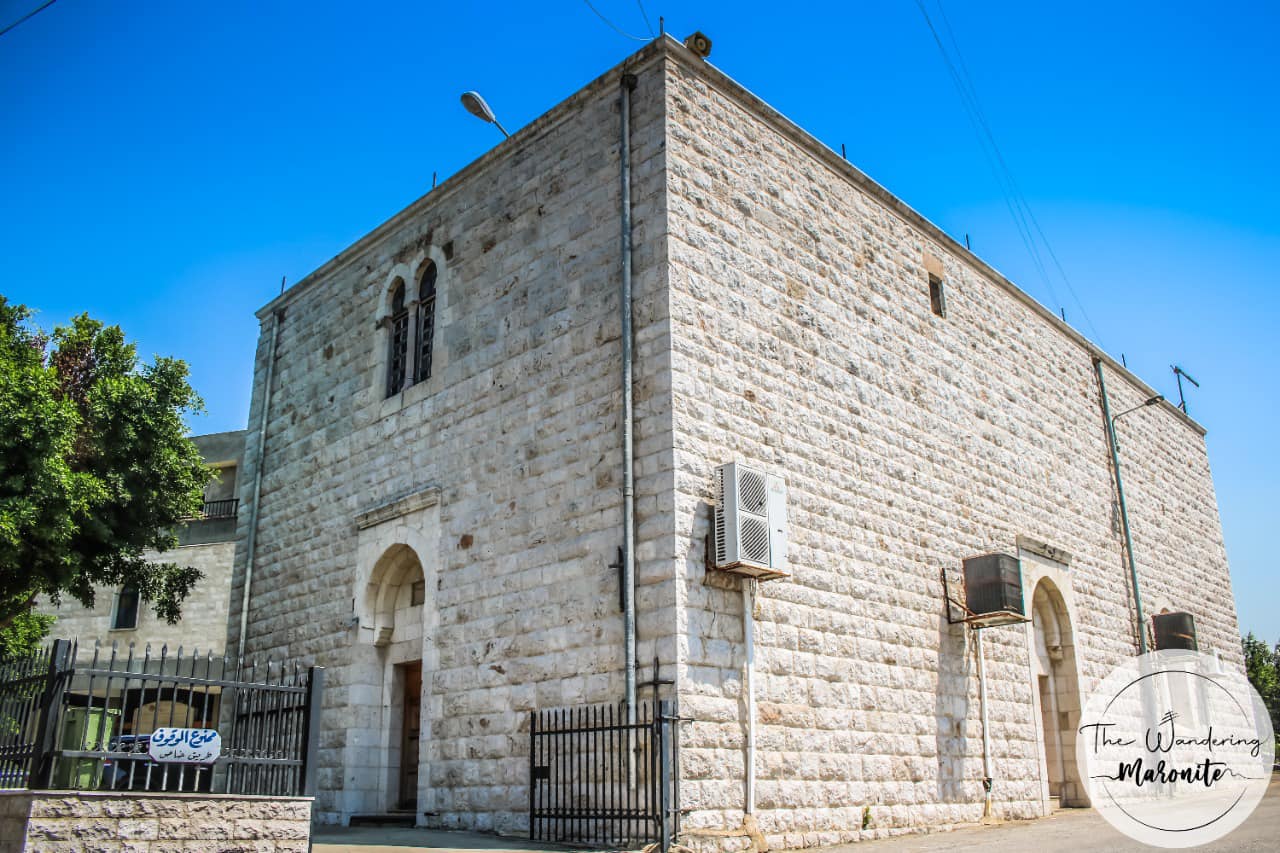
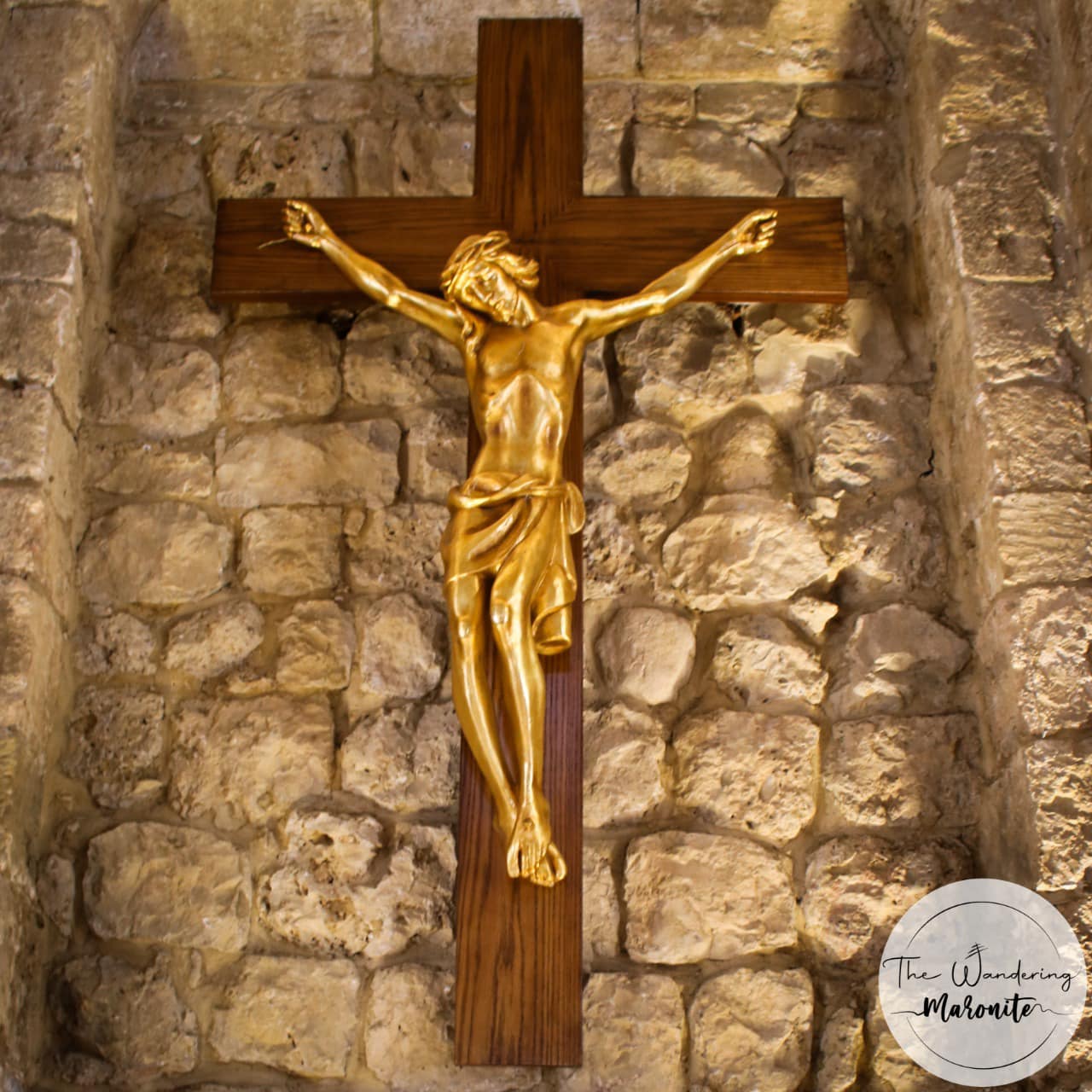
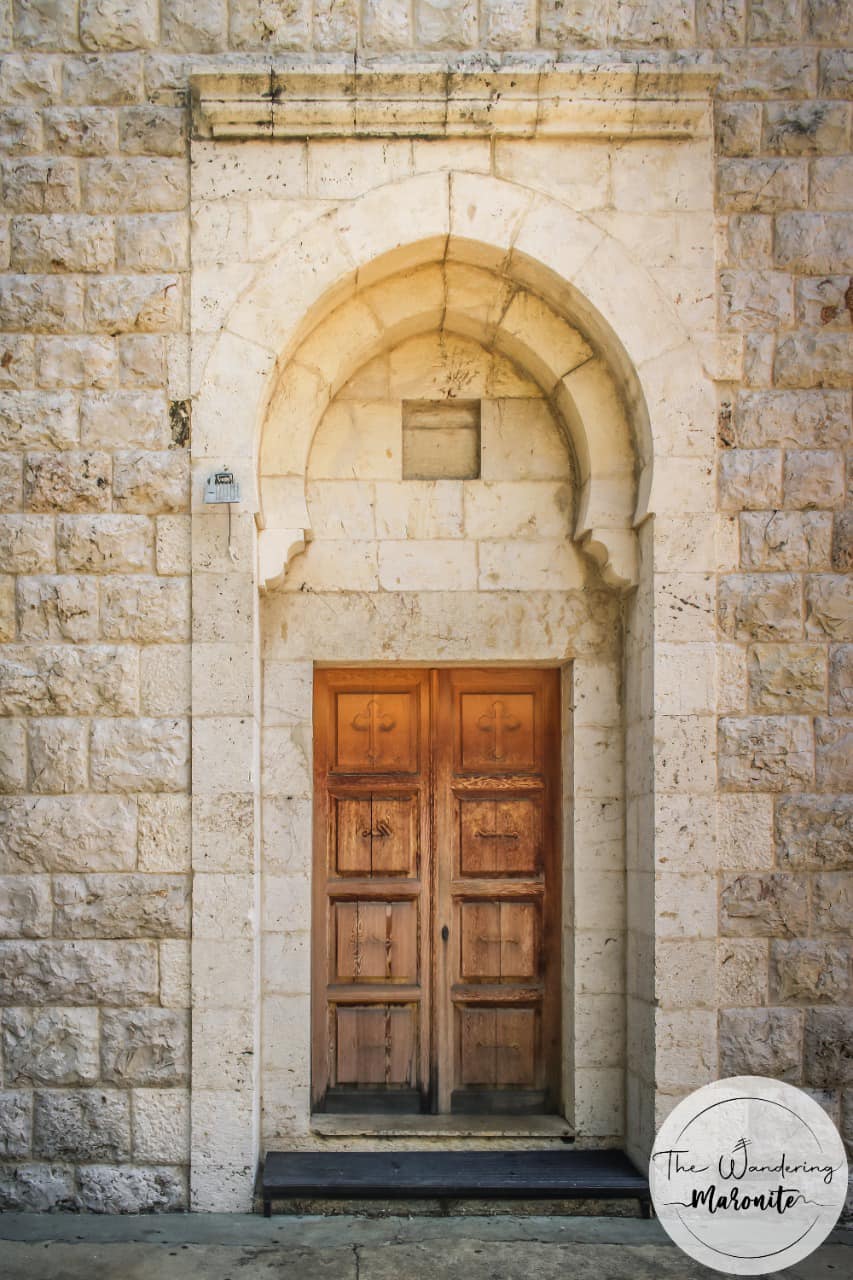
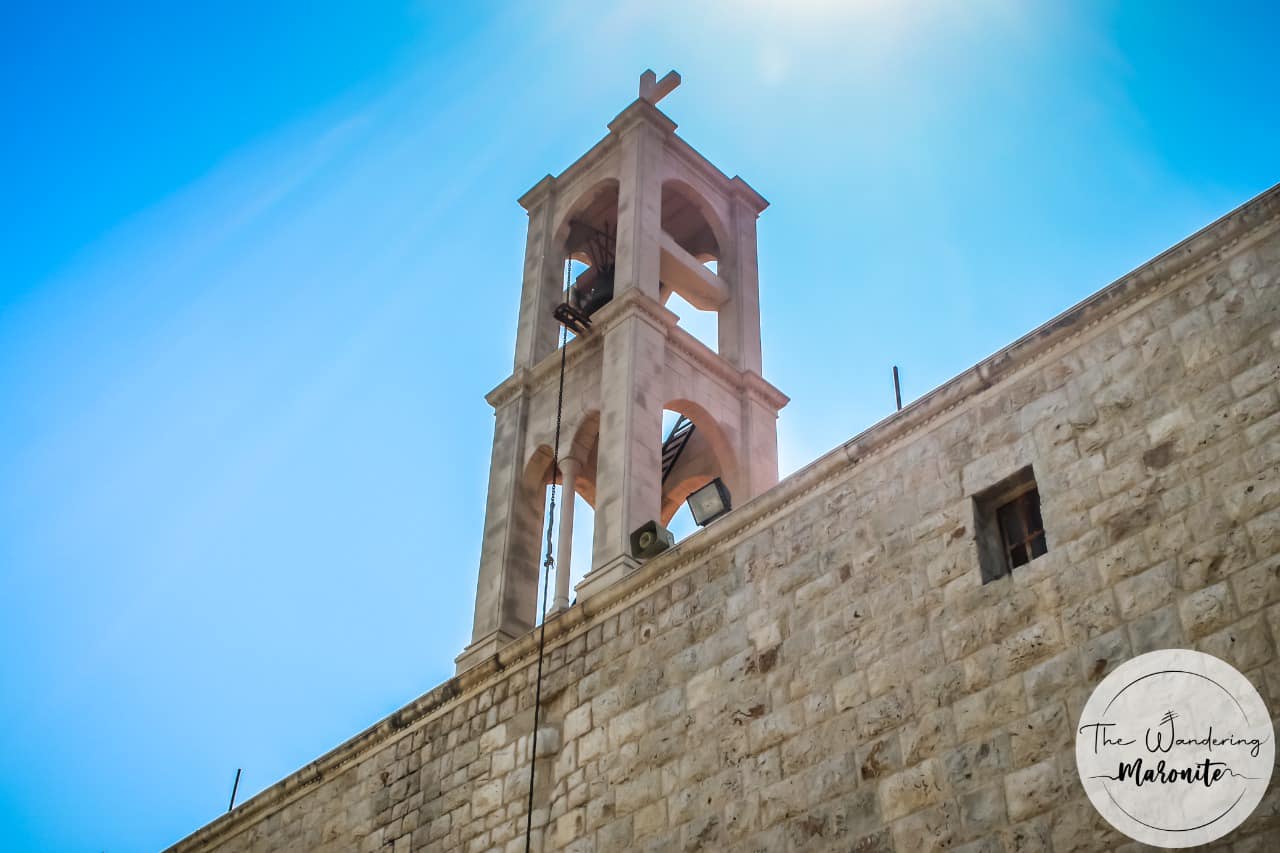
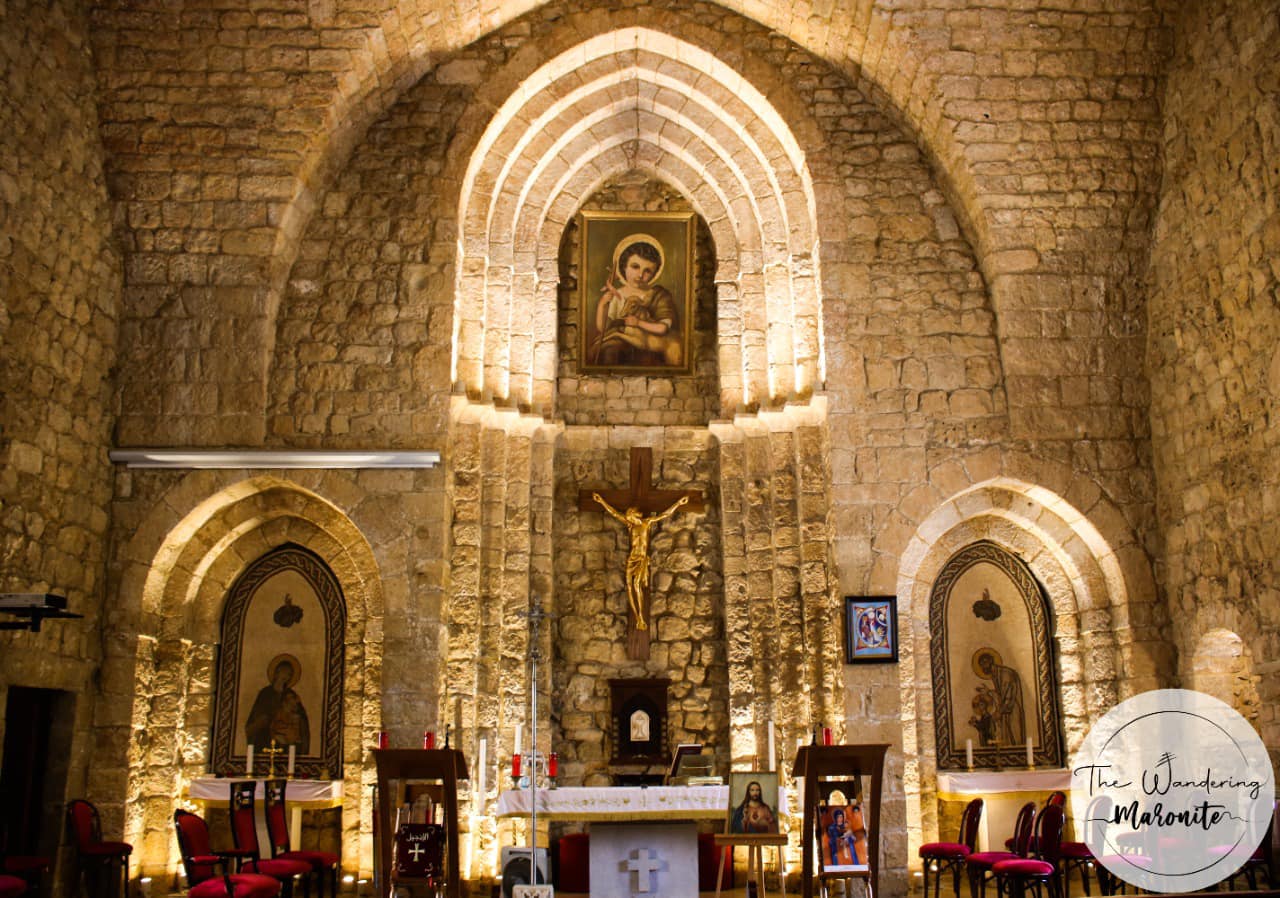
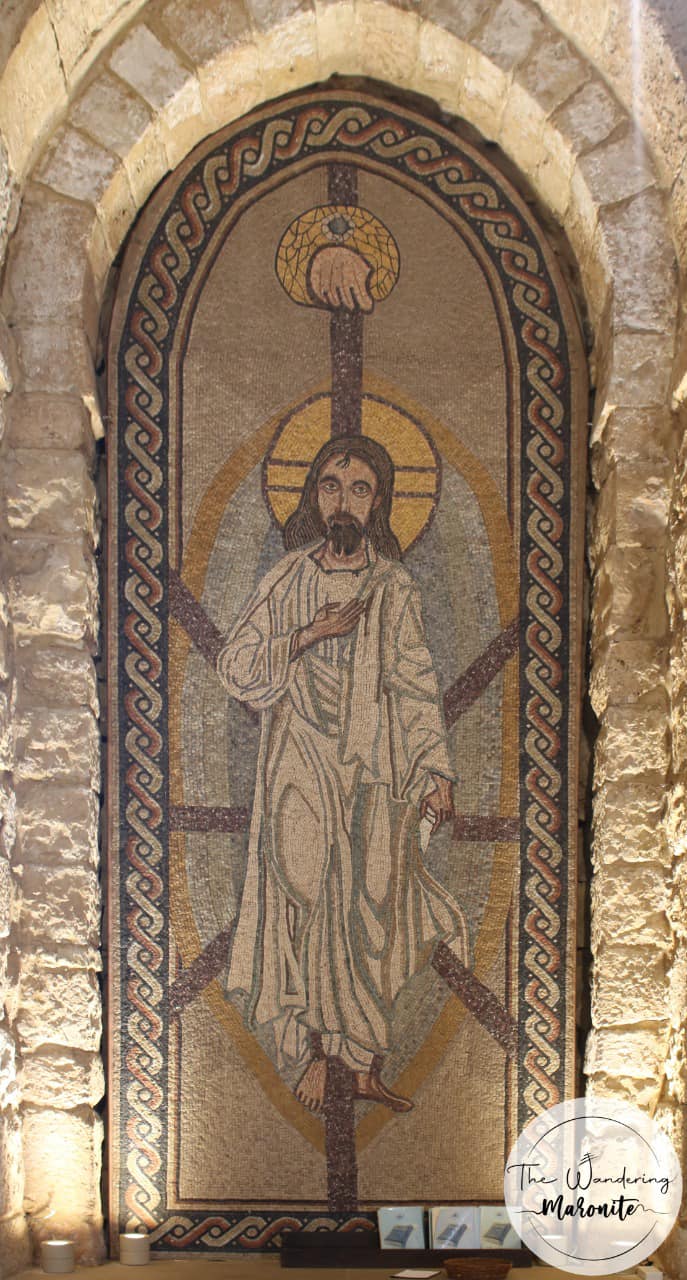
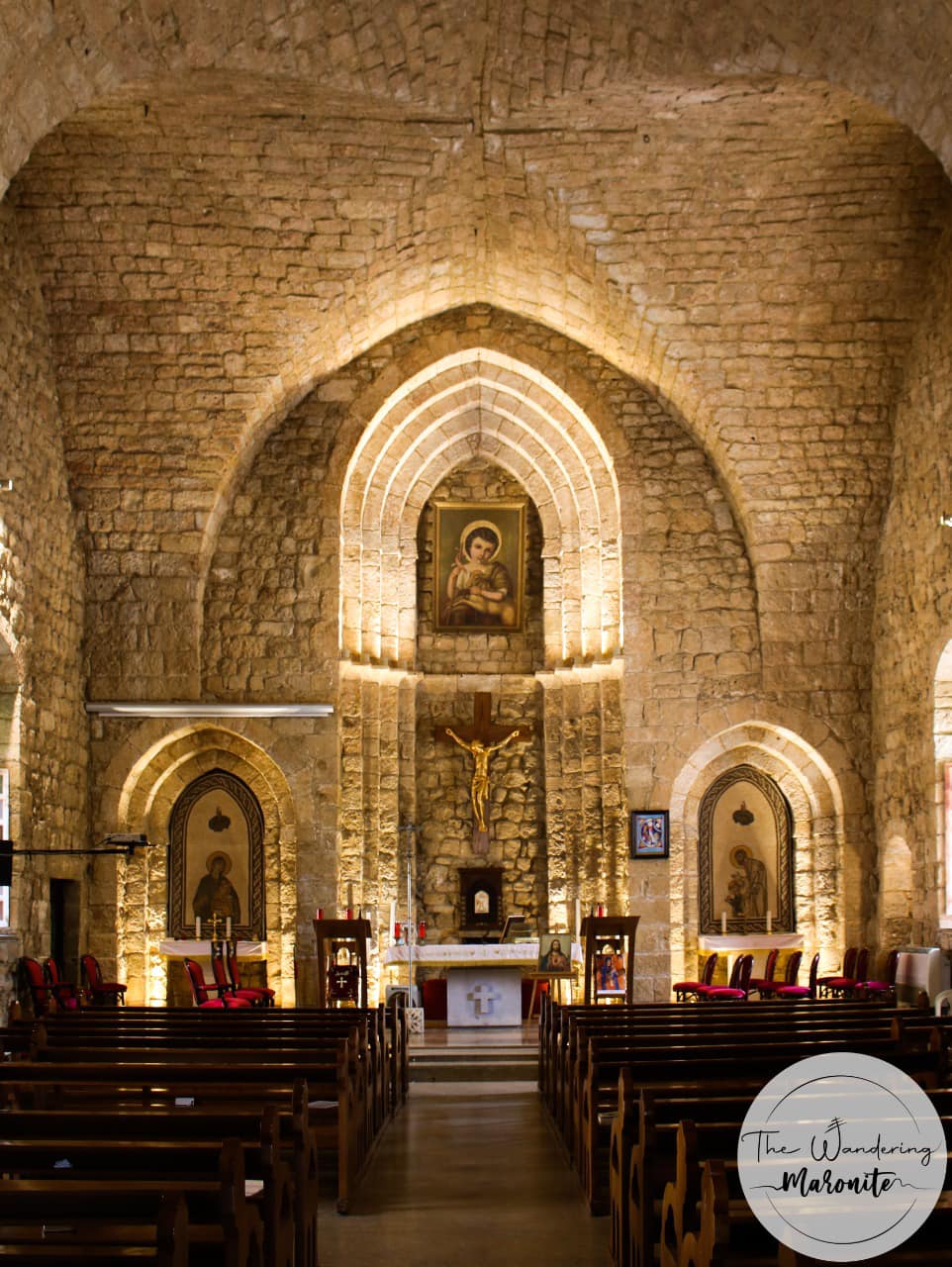
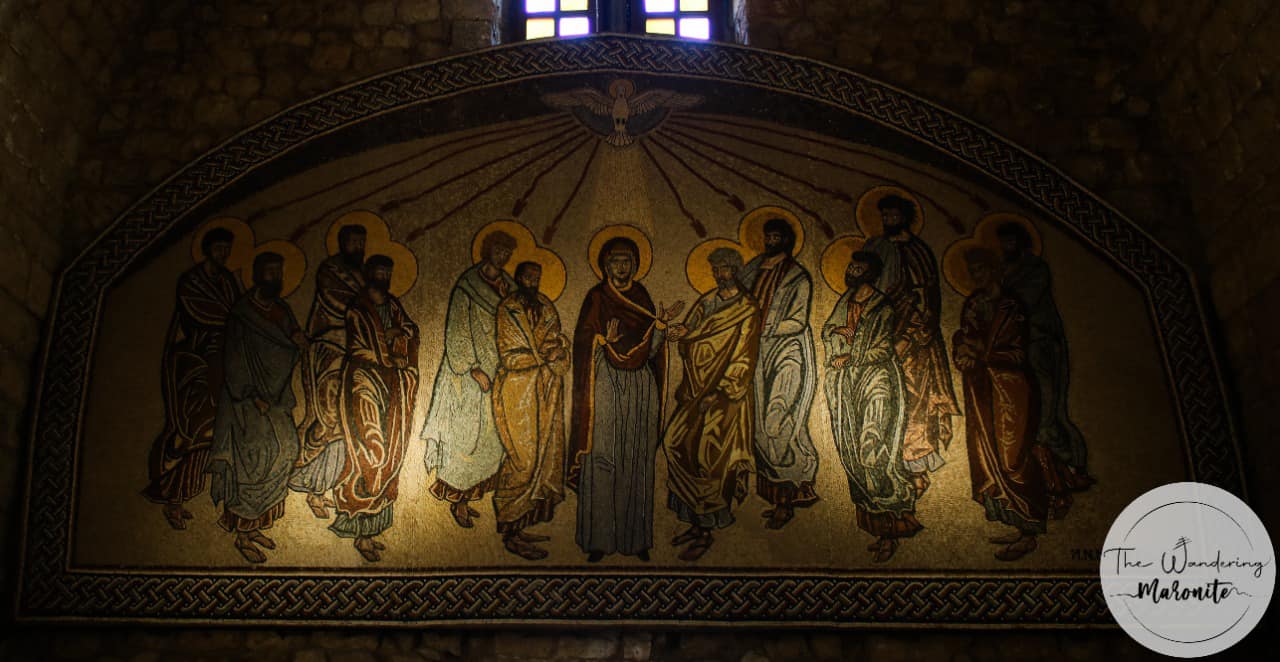


كنيسة مار يوحنّا المعمدان
RachAine
Zgharta
North
Visited 3236 times, 3 Visits today
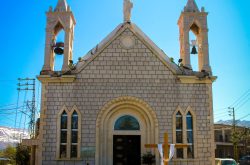
Mar Takla Church, Mrouj, Lebanon
كنيسة مارت تقلا
Mrouj
Metn
Mount Lebanon
كنيسة مارت تقلا - المروج
الكنيسة مبنيّة أوائل القرن الثامن عشر، تسلّمتها الرهبانيّة اللبنانيّة المارونيّة سنة ١٧٩٢، وكانت الكنيسة متهدّمة فرممّتها، وقامت بخدمة شركاء آل أبي اللمع المسيحيّين. سنة ١٨٢٩ وسّع الرهبان بناء الكنيسة التي أخذت شكلها الحاليّ سنة ١٩٢٩: نمط بازيليكيّ مسقوف بسوقٍ واحد. للرهبانيّة أنطش بالقرب من الكنيسة تتابع من خلاله النشاط الرعويّ والرسوليّ. تضمّ الكنيسة العديد من اللوحات والأعمال الفنيّة القديمة والحديثة من مدارس مختلفة، أهمّها لوحة القدّيسة تقلا لحبيب سرور.
The church of St Thecla - Mrouj
The first church was built in the early XVIIIth century, and was given as a donation to the Lebanese Maronite Order in 1792 to restore it and give pastoral care to the maronite subjects of the Abi Al Lamah lords. In 1829 the monks enlarged the church and it took its current form in 1929: a single roofed nave basilical plan. The Order built a presbytery near the church and serves the parish spiritual needs. The church is decorated with many old and new works of art from different schools, the most important being the painting of St Thecla behind the altar.
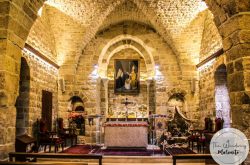
Mar abda church, Lebanon
دير مار عبدا المشمّر - زكريت
1685
Zakrit
Metn
Mount Lebanon
بُنيَ الدّير على تلّةٍ في ضواحي زكريت على ضفاف نهر الكلب. الكنيسة القديمة بُنيت على أنقاض هيكلٍ وثنيّ عقب حملة المماليك على كسروان، وجُدِّدت سنة ١٦٨٥، بحسب كتاب تاريخ الأزمنة للبطريرك إسطفان الدويهيّ. إستلمت الرهبانيّة الأنطونيّة المارونيّة الكنيسة وبنت ديرًا سنة ١٧١٦. أمّا الكنيسة الجديدة فبنيت سنة ١٨١٠ بإعتناء الأمير حسن قاسم الشهابي، أيّام رئاسة الأب يوسف البشابيّ العامّة. لوحة مار عبدا هي من عمل داود القرم، سنة ١٨٨٤. وفي الكنيسة لوحة أُخرى للقدّيس من عمل أسعد رنّو. يقصد هذا الدّير المؤمنون طالبين شفاعة مار عبدا العجائبيّ خصوصًا النّساء العواقر والأطفال المرضى.
Built on a hill in the vicinity of Zakrit near Nahr El Kalb, the first church was built over the ruins of a roman temple after the Mamluk’s campaign on Kesserwan and renovated in 1685 according to Patriarch Estephan El Douaihy in his book Tarikh al Azmina. The Antonine Maronite Order acquired the church and the monks built a new monastery in 1716. In 1810 a new church was built on top of the first one with the help of Prince Hassan Abou Qasem Shehab, when Fr Youssef al Bchabby was abbot. The main painting is the work of Dawoud el Qorm, dating back to year 1884. Another painting of the saint is kept in the church and is the work of Assad Renno. St Abda’s church is believed to be miraculous especially for baron ladies and sick children
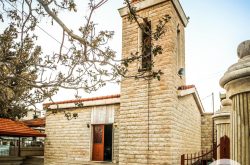
كنيسة سيدة الزروع Church of Our Lady of Sown, Deir Al-Ahmar, Lebanon
كنيسة سيّدة الزروع
Deir El-Ahmar
Baalbek
Baalbek-Hermel
كنيسة سيّدة الزروع - دير الأحمر
منذ القرن السابع عشر سكن الرعاة النازحون من جبّة بشرّي والعاقورة بلدة دير الأحمر، وبدأوا ببناء كنيسة للسيّدة على اسم سيّدة الزروع بإذن مشايخ آل حرفوش، وحفروا بقربها بئراً. في الربع الأوّل من القرن السابع عشر سنة ١٦٢٥ انتُخب القس يوحنا من بيت قيزوح على دير مار اليشع بشري ودير الأحمر بحسب كتاب تاريخ الأزمنة للبطريرك الدويهيّ، وجُعلت هذه الكنيسة مقرًّا له. سنة ١٧٥٩ هُدمت الكنيسة بفعل زلزالٍ كبيرٍ ضرب المنطقة، ولم يبقَ منها سوى حجر عتبة الباب. أعيد بناء الكنيسة الحاليّة في النصف الثاني من القرن العشرين.
The Church of Our Lady of ٍSown - Deir el Ahmar
From the beginning of the XVIIth century, many families of shepherds relocated from the regions of Bsharre and Aqoura to Deir el Ahmar. With the approval of the local lords of the Harfoush family, the locals began the construction of a church dedicated to our Lady of the Sown, and they dug a well near it. In 1625 Deir el Ahmar had a bishop as indicated by Patriarch El Douwaihy in his book Tarikh al Azmina where he talks about the monk John of the house Qaizouh bishop of the monastery of St Elishaa and Deir el Ahmar, this bishop had this church as a residence. In 1759 the church was destroyed by an earthquake and only a fraction of the tympant remained of the old church. The church was reconstructed in the second half of the XXth century.
Reviews are disabled, but trackbacks and pingbacks are open.