
Kobbayat – The church of our Lady of Shahlo

Notre Dame de Chahlo, Qoubaiyat, Lebanon

Other Details

كنيسة سيّدة شحلو

Qbaiyat Aakkar

Akkar

Akkar

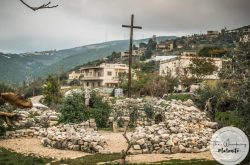
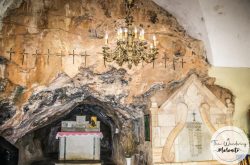
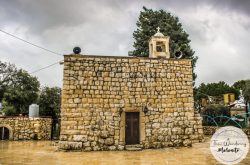
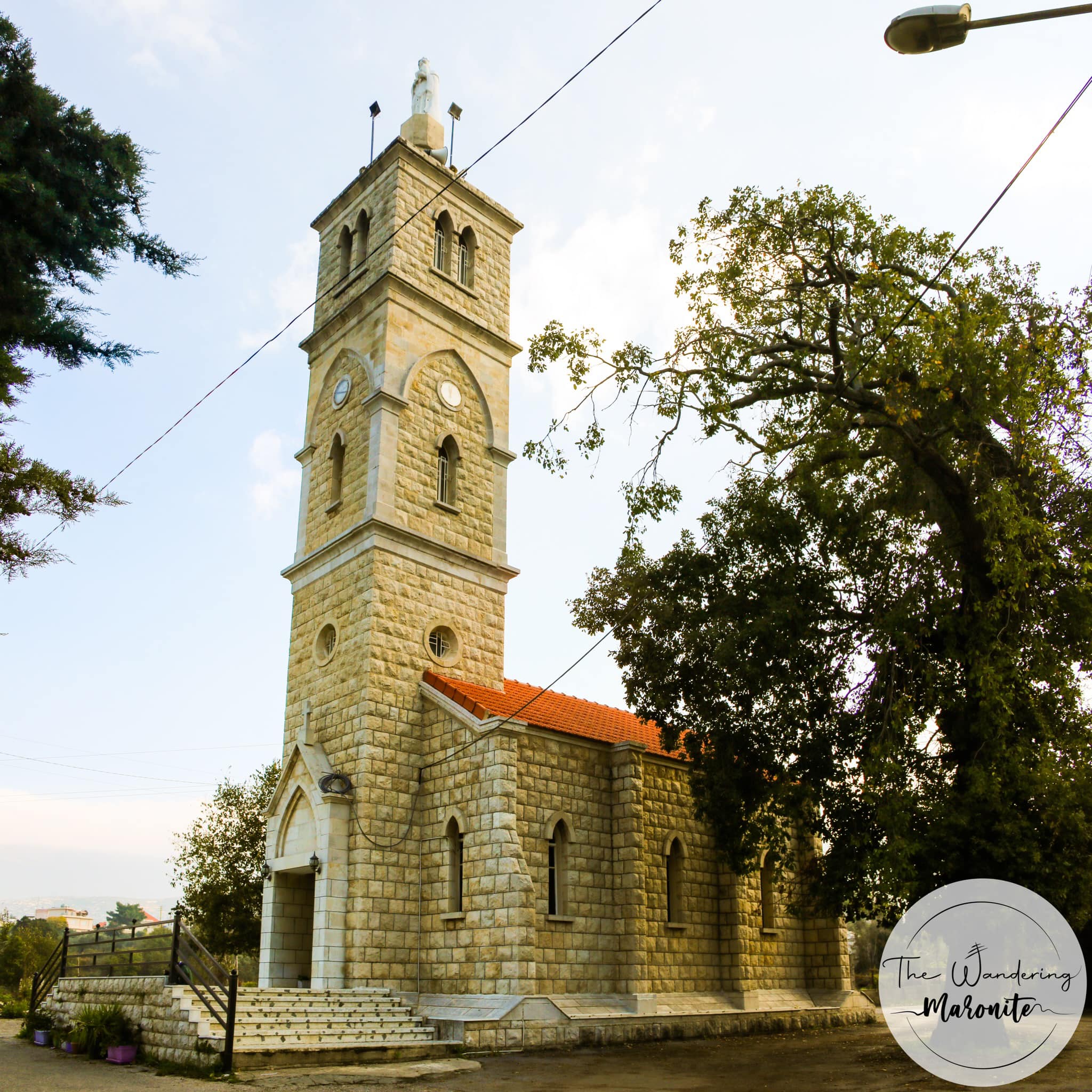
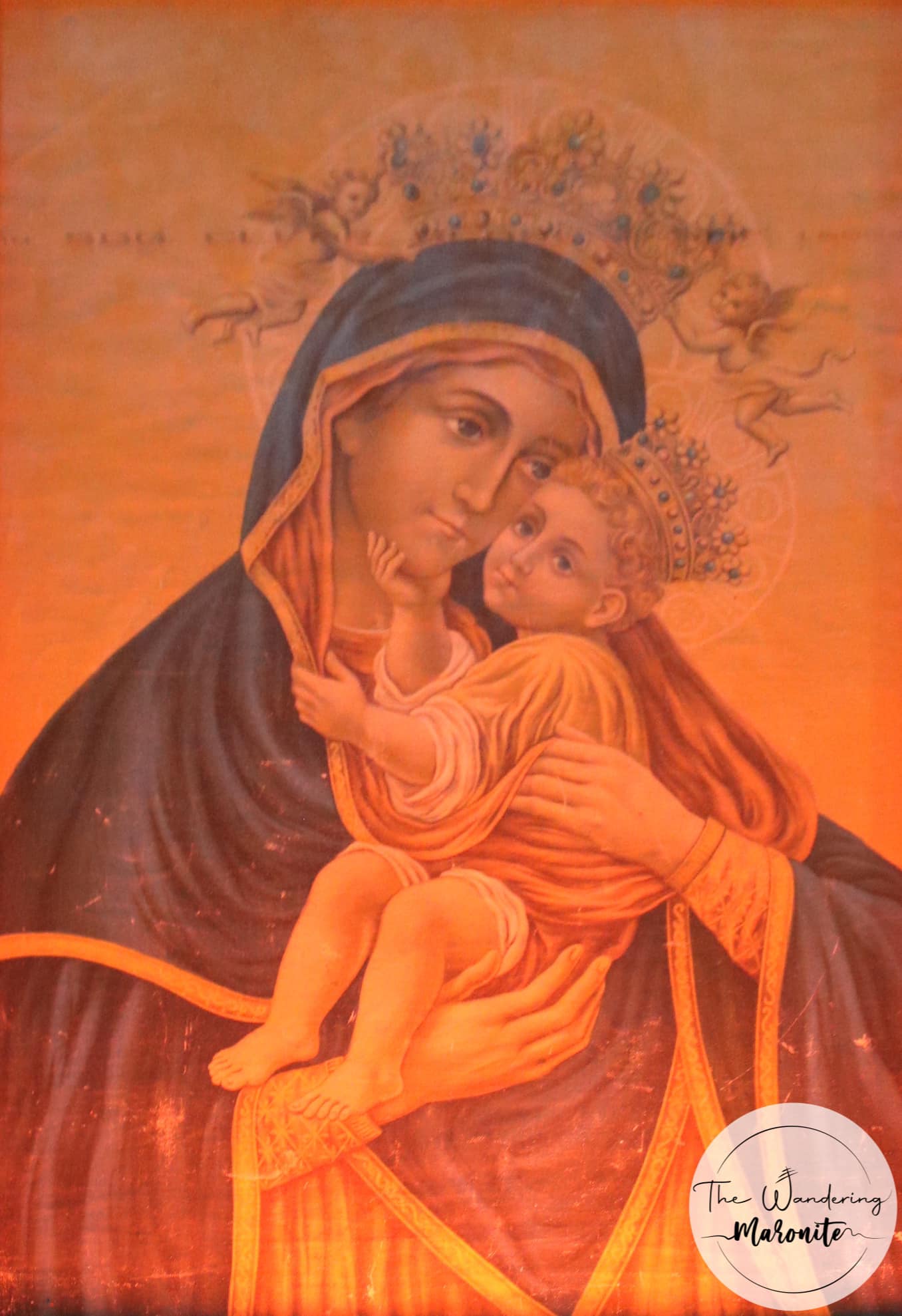
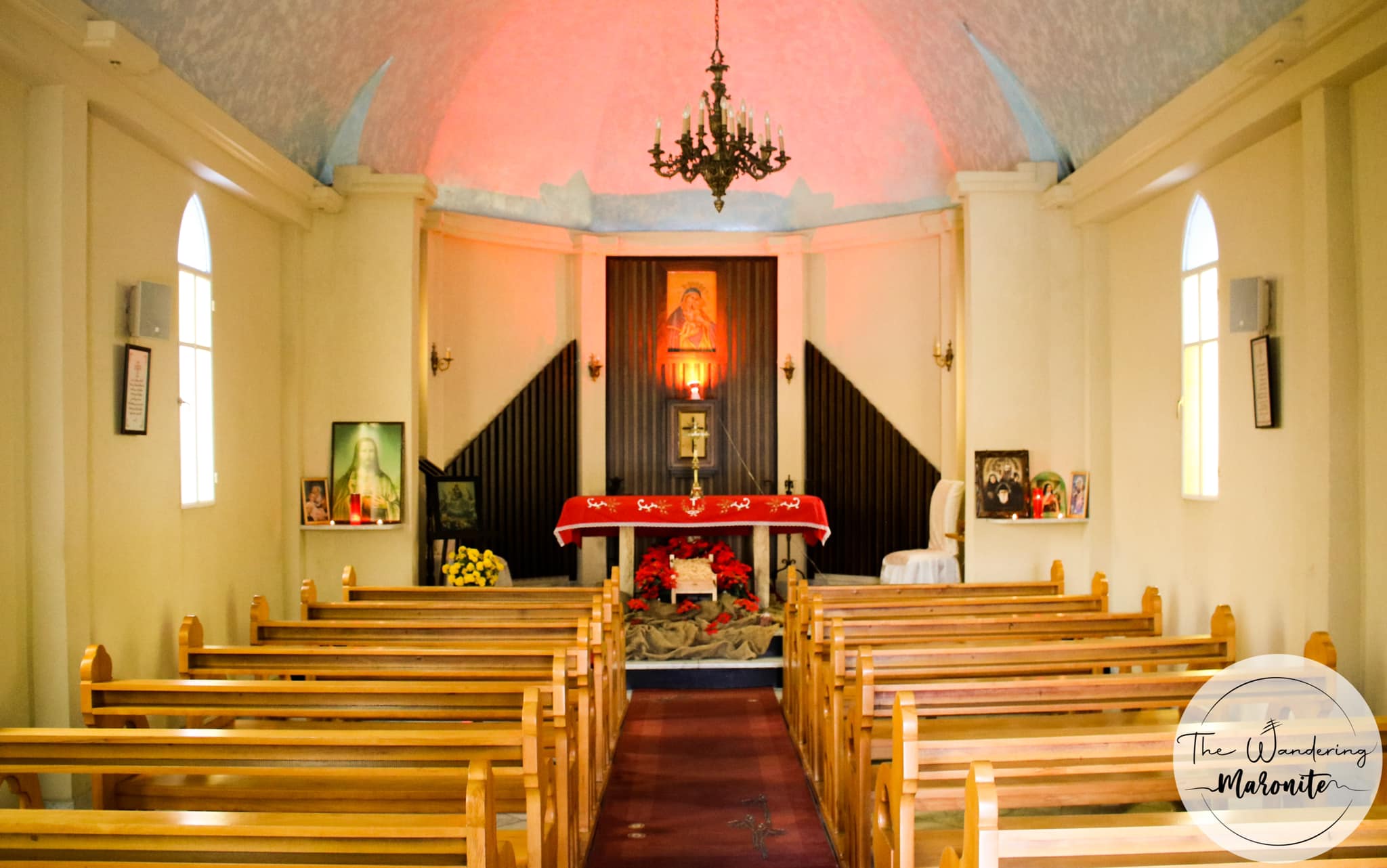
كنيسة سيّدة شحلو - القبيّات كلمة شَحْلُو من السريانيّة تُشير إلى مجرى المياه. هذه المنطقة قديمًا شكلت المدخل الشماليّ للقبيّات، بنى فيها الأهالي معبدًا وثنيًّا ما لبث أن حوّلوه كنيسةً. دمّر المماليك في حملتهم الكنيسة ليبنوا برجًا للمراقبة. هذا البرج دمّره العثمانيّون بعد معركة مرج دابق سنة ١٥١٦. أواسط القرن العشرين أُعيد بناء الكنيسة بشكلها الحاليّ، مع برج ساعةٍ رُفع عليه تمثال للعذراء في تسعينيّات القرن الماضي. تُعتبر هذه الكنيسة مزارًا ومحجًّا للأهالي. The church of our Lady of Shahlo - Kobbayat The word Shahlo is from a syriac root referring to a water source. In ancient times the locals built a pagan temple on the site that was converted into the first church. This church was destroyed by the Mamluks who built a tower on the site that was destroyed by the ottomans after the battle of Marj Dabeq in 1516. In the mid XXth century a church was rebuilt in it’s current form, with a bell tower added in the ninties. The church is considered a votive shrine for the villagers.

Visited 4593 times, 4 Visits today

Reviews are disabled, but trackbacks and pingbacks are open.

Related Listings

Aaqoura – The church of St Elijah

Saint Elie church- كنيسة مار الياس, Aaqoura, Lebanon

كنيسة مار الياس

Aaqoura

Jbeil

Mount Lebanon

كنيسة مار الياس - العاقورة

هي كنيسة صغيرة مسقوفة بُنيت أواخر القرن التاسع عشر، زُخرف بابها وأُضيفت لها القبّة في خمسينيّات القرن العشرين، رُمّمت وأخذت شكلها الحاليّ سنة ٢٠١٦.

The church of St Elijah - Aaqoura

The church is a small roofed structure built in the late XIXth century. During the mid XXth century the main door was decorated with arabesques and a bell tower was added to the structure. It was restored and took its current form in 2016.

Bechouat – The miraculous church of our Lady of Bechouat

Bechouat, Lebanon

كنيسة سيّدة بشوات العجائبيّة

Bechouat

Baalbek

Baalbek-Hermel

كنيسة سيّدة بشوات العجائبيّة - بشوات
الكنيسة الحاليّة مبنيّة في موضعٍ رومانيّ، بُني مكانه كنيسةً يعقوبيّة في القرون الوسطى. سنة ١٧٤١ إكتُشِفَت في الموقع أيقونةً للعذراء مريم. بُنيت في الموقع الكنيسة الحاليّة بشكل عقدٍ سريريّ وحنية نصف دائريّة. سنة ١٩٠٤ جلب الرهبان اليسوعيّون تمثالاً لعذراء بونتمان الفرنسيّة مازال بقلب الكنيسة. تشتهر هذه الكنيسة بحدوث العديد من المعجزات والكرامات بشفاعة العذراء مريم، وهي محجّ مريميّ كبير.

The miraculous church of our Lady of Bechouat - Bechouat

The first church was built on a roman site, it was a medieval Jacobite church. In 1741 a marian icon was discovered in this site. The current church was built on the site, consisting of a single crib vault and a semi circular apse. In 1904 the jesuits on a mission in the region brought to the village a replica of the French marian statue of Pontmain that is still enshrined in the church. The church is famous for being a pilgrimage site with many miracles attributed to the intercession of the Blessed Virgin.

Sarba – The Shrine of St George El Batyeh

Saint George Shrine, Sarba, Lebanon

مزار مار جرجس الباطية

Jounieh Sarba

Keserwan

Mount Lebanon

مزار مار جرجس الباطية - صربا

في أسفل الشير الصخري عند شاطىء صربا توجد مغارة طبيعية تعرف بـ"الباطية" وهي تعني "إناء للماء"، إذ تتضمّن المغارة حوضًا صخريًّ تملأه مياه البحر المحاذي للموقع.
فوق المغارة كان يوجد في السابق معبد قديم مكرّس لعبادة البعل. لقد شيّد المسيحيّون في الموقع كنيسةً كبيرةً كانت قد فُرشت أرضيتها بفسيفساء جميلة لم يبق منها سوى بعض الأجزاء. ومن ثم استُبدلت هذه العادات والتقاليد برموز مسيحيّة، فتحوّل الموقع إلى مزار للقديس جرجس، وأصبح السكان المحليّون يقصدون الموقع ويقدمون النذور للقديس جرجس لشفاء الأطفال من الأمراض المستعصية والنساء من مشاكل العقم.

The Shrine of St George El Batyeh - Sarba

Under a huge limestone cliff on the coast of Sarba there is a natural cave known as el Batyeh (meaning the water vessel) because it retains water from the neighboring sea. Over the cave, the Phoenicians erected a temple for Baal, that early christians converted to a church with mosaic flooring. Some of the mosaics are still visible. After the paleochristian era, the local pilgrimage and vitive customs attributed to the site were converted. The shrine was dedicated to St George, with an emergence of votive pilgrimage piety surrounding the place.