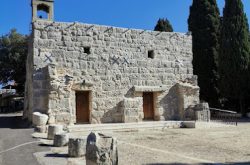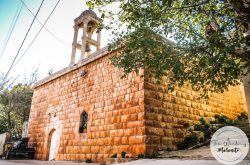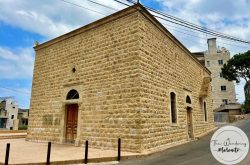

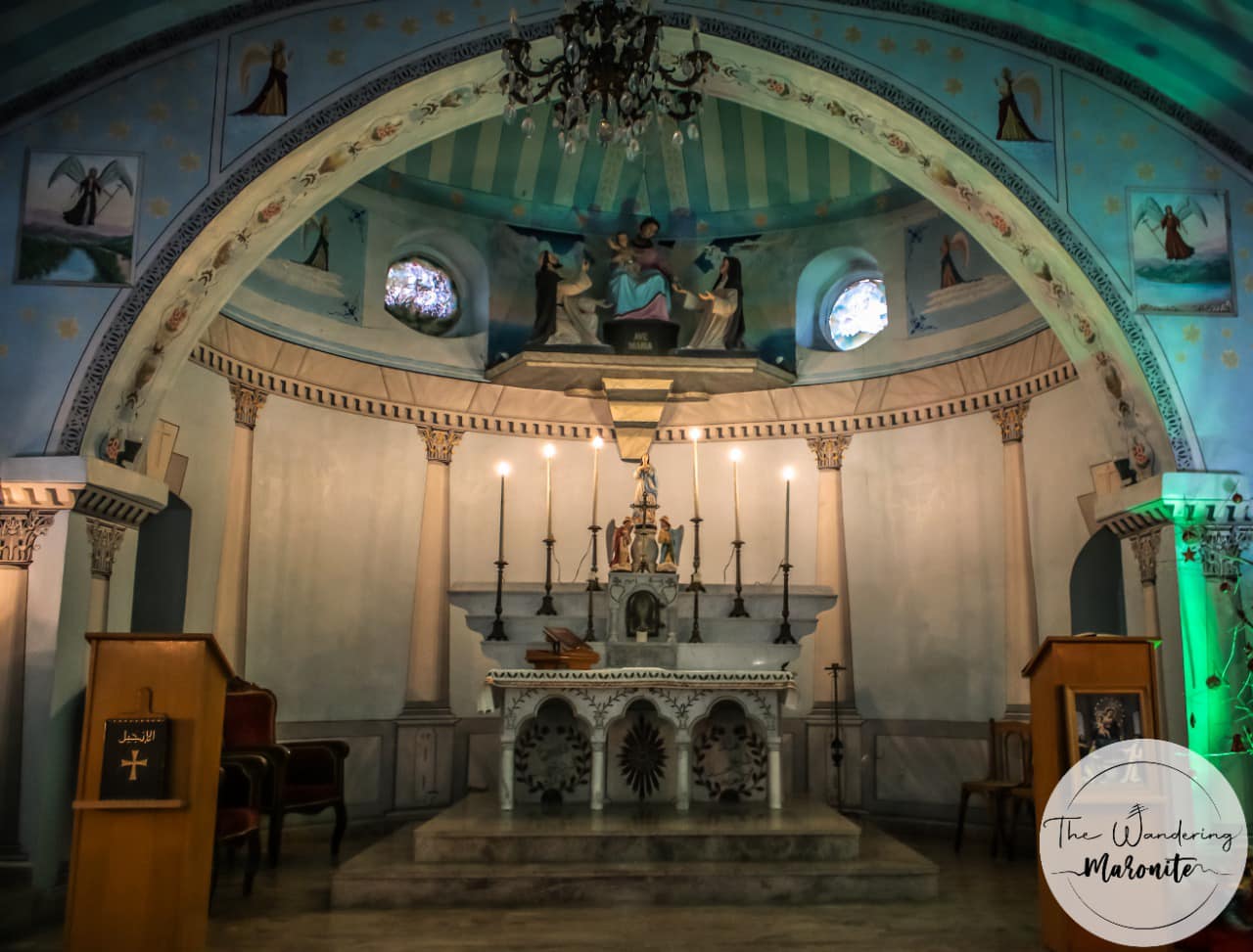
Kobayat – The church of Our Lady of Ghassala

Saydet el Ghassalet, Qoubaiyat, Lebanon

Other Details

كنيسة سيّدة الغسّالة

Qbaiyat Aakkar

Akkar

Akkar

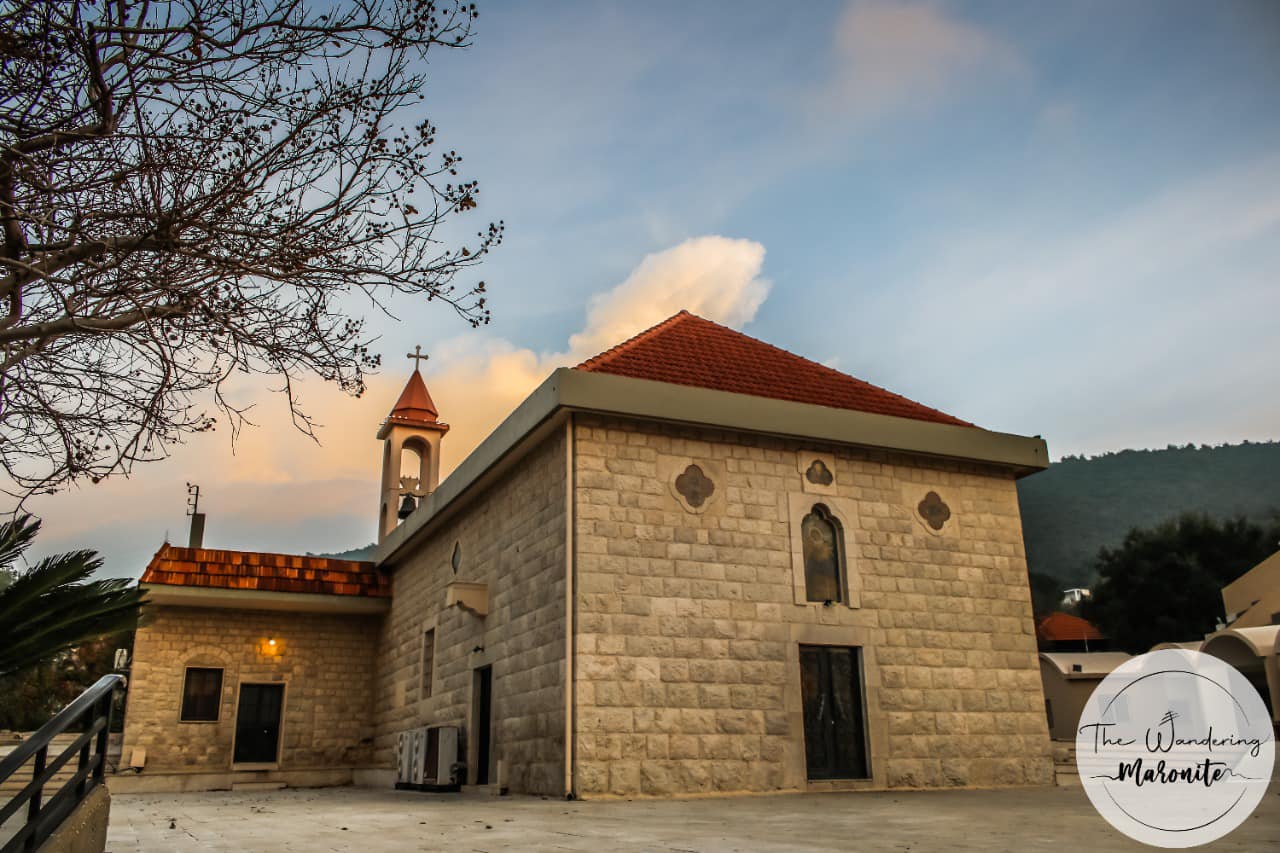
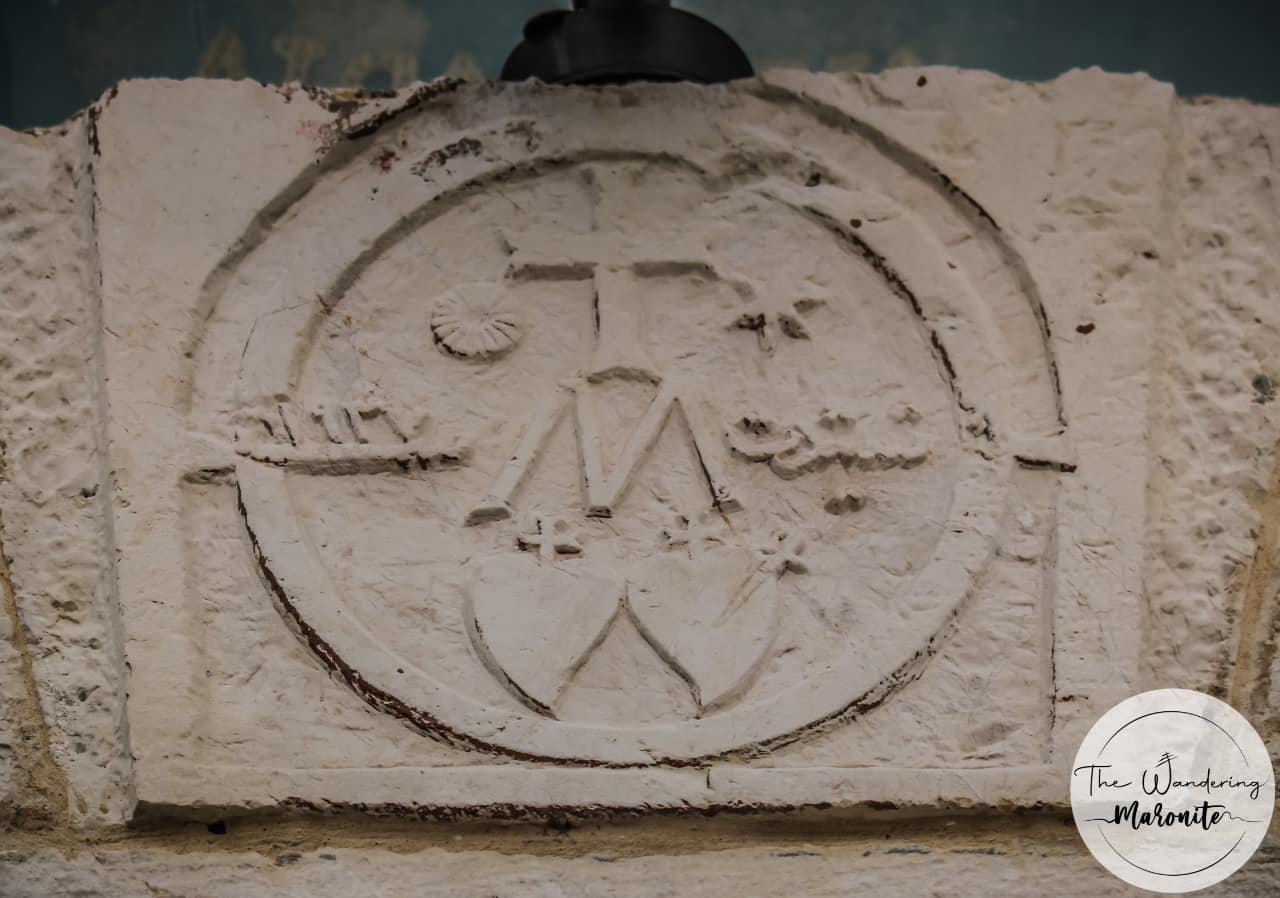
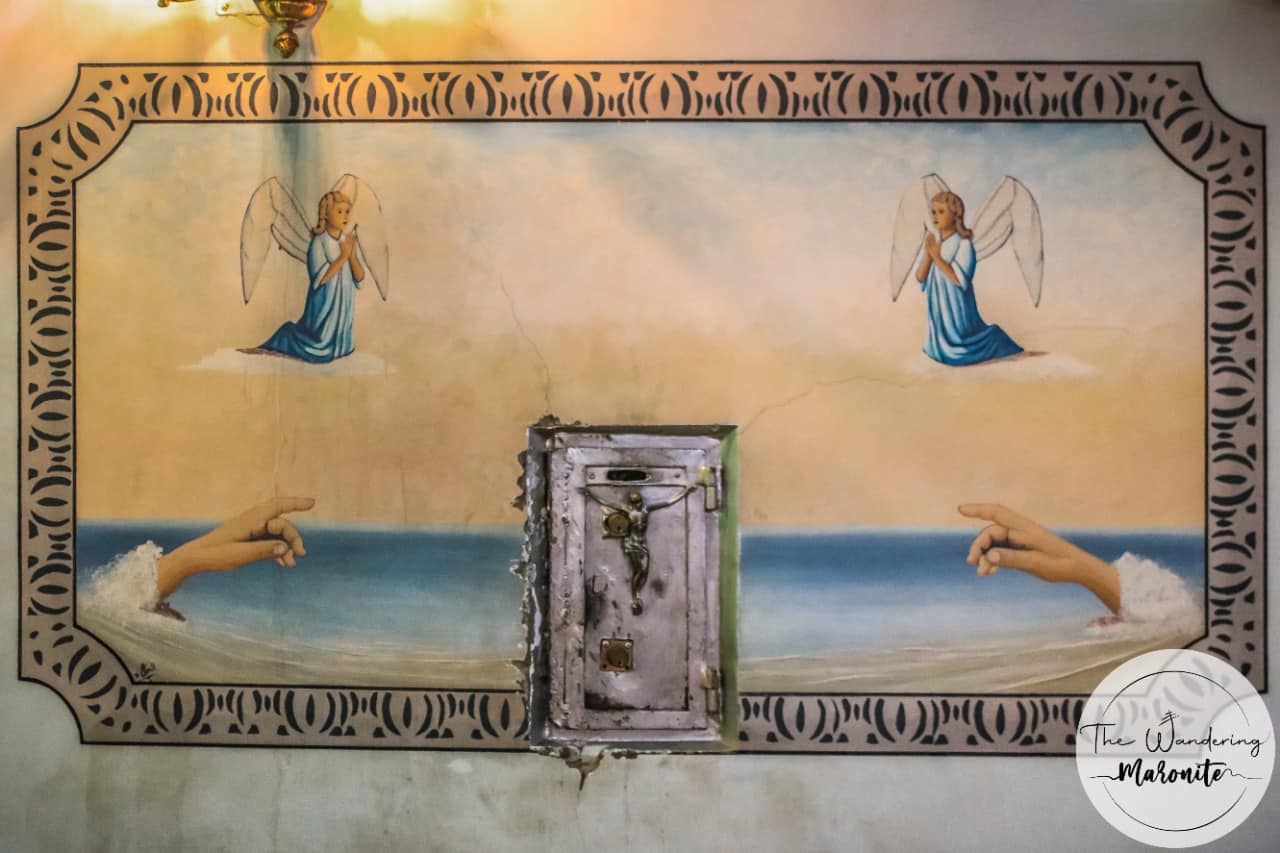
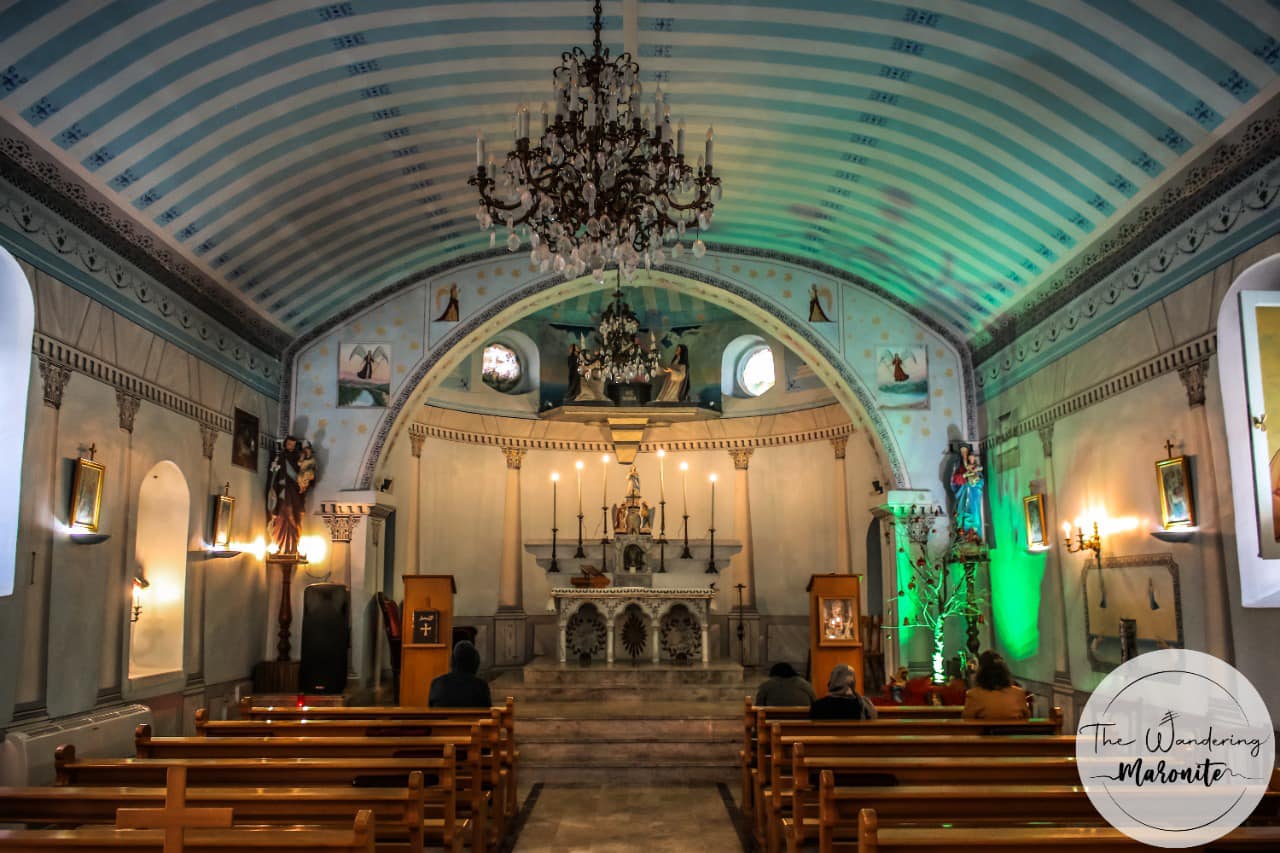
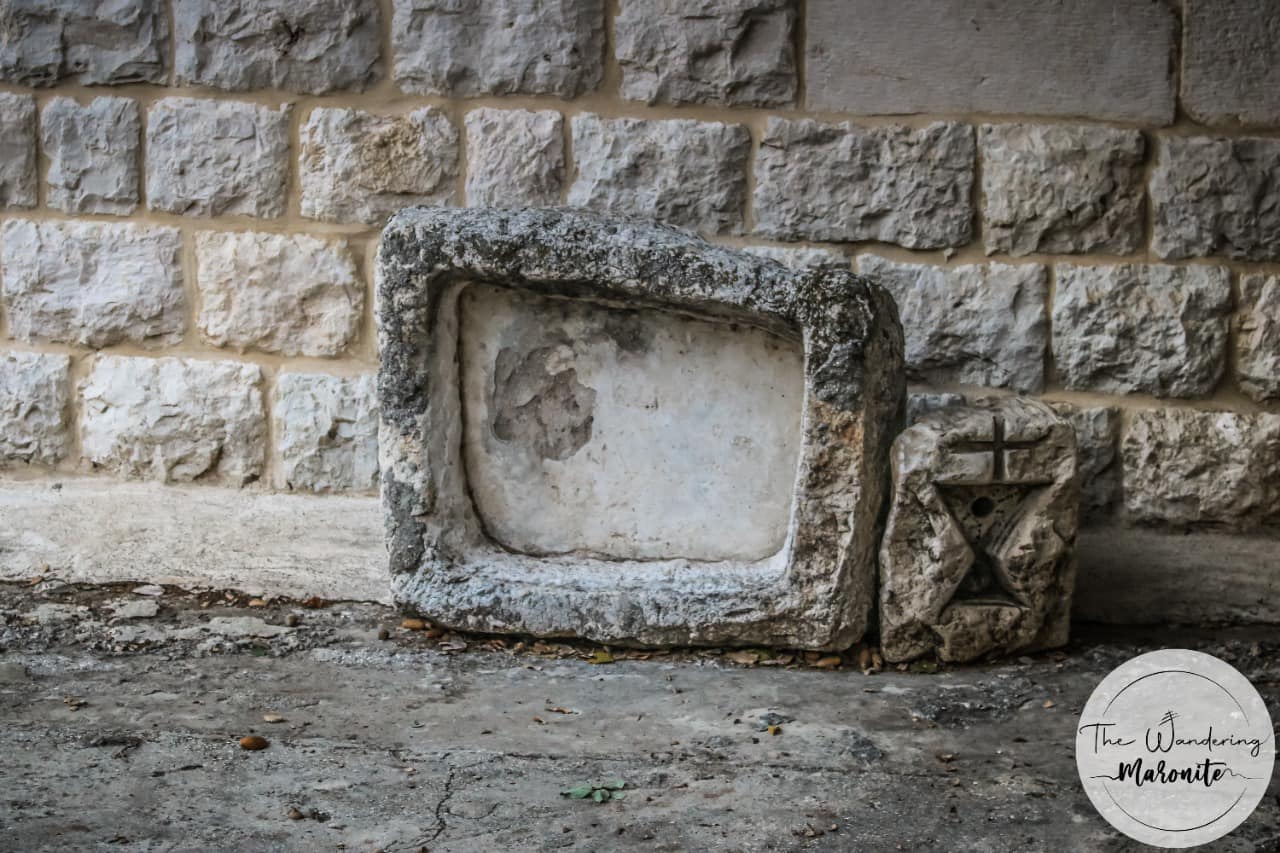
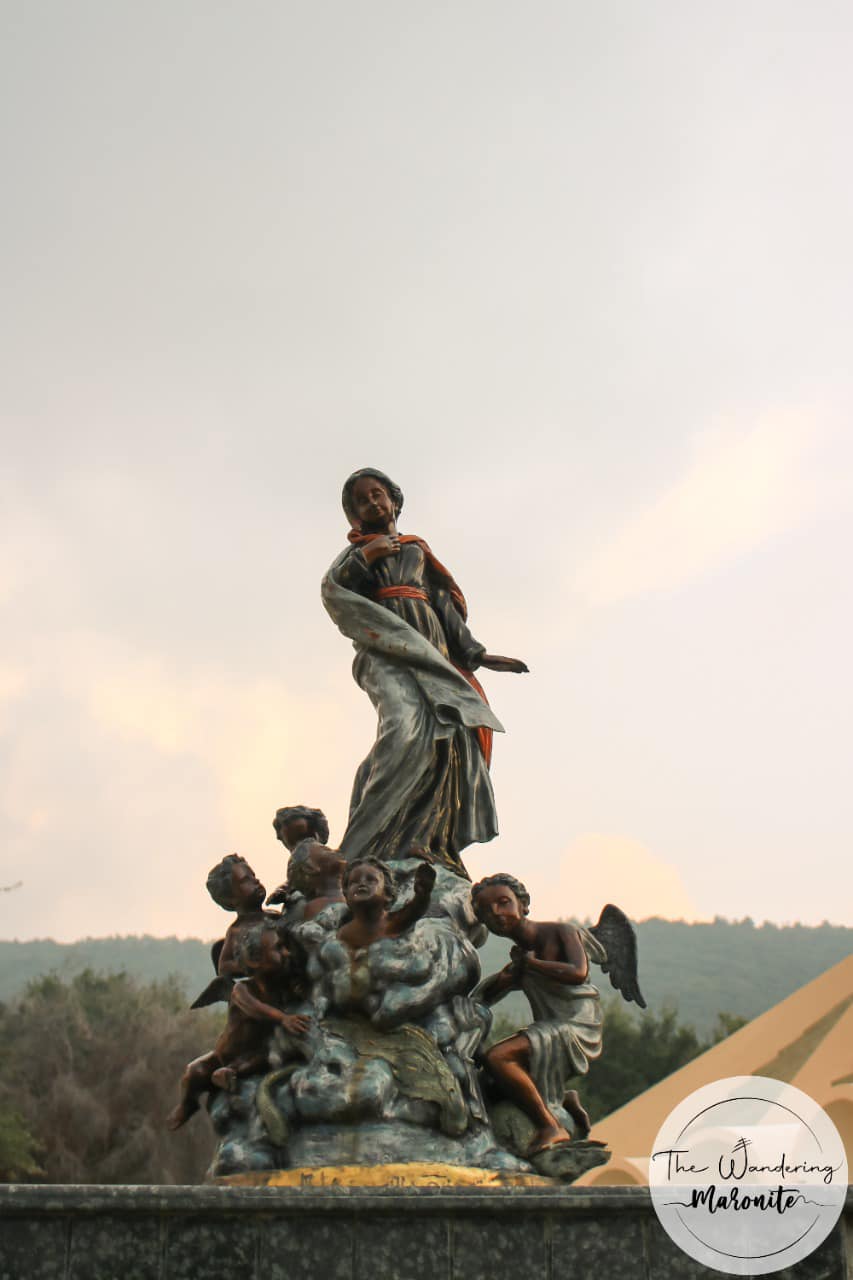
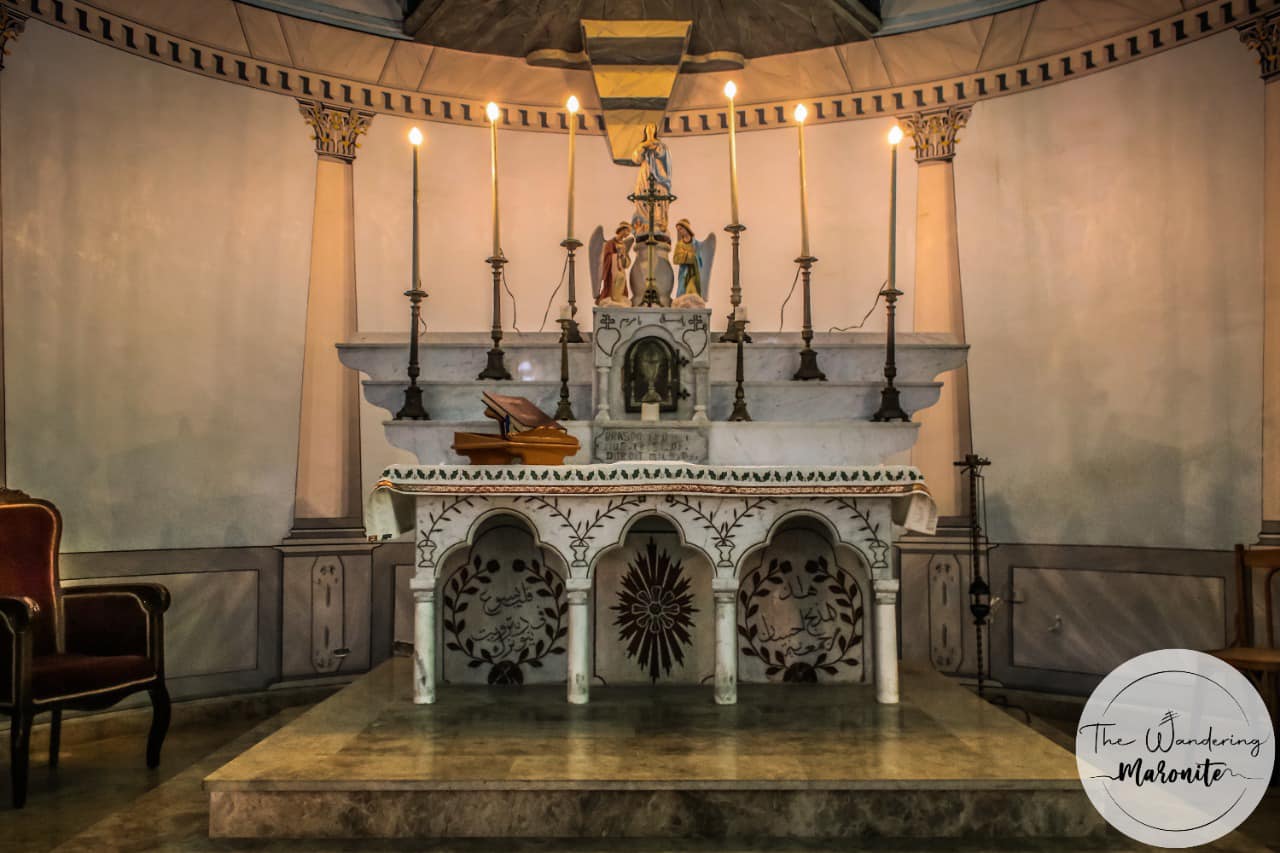
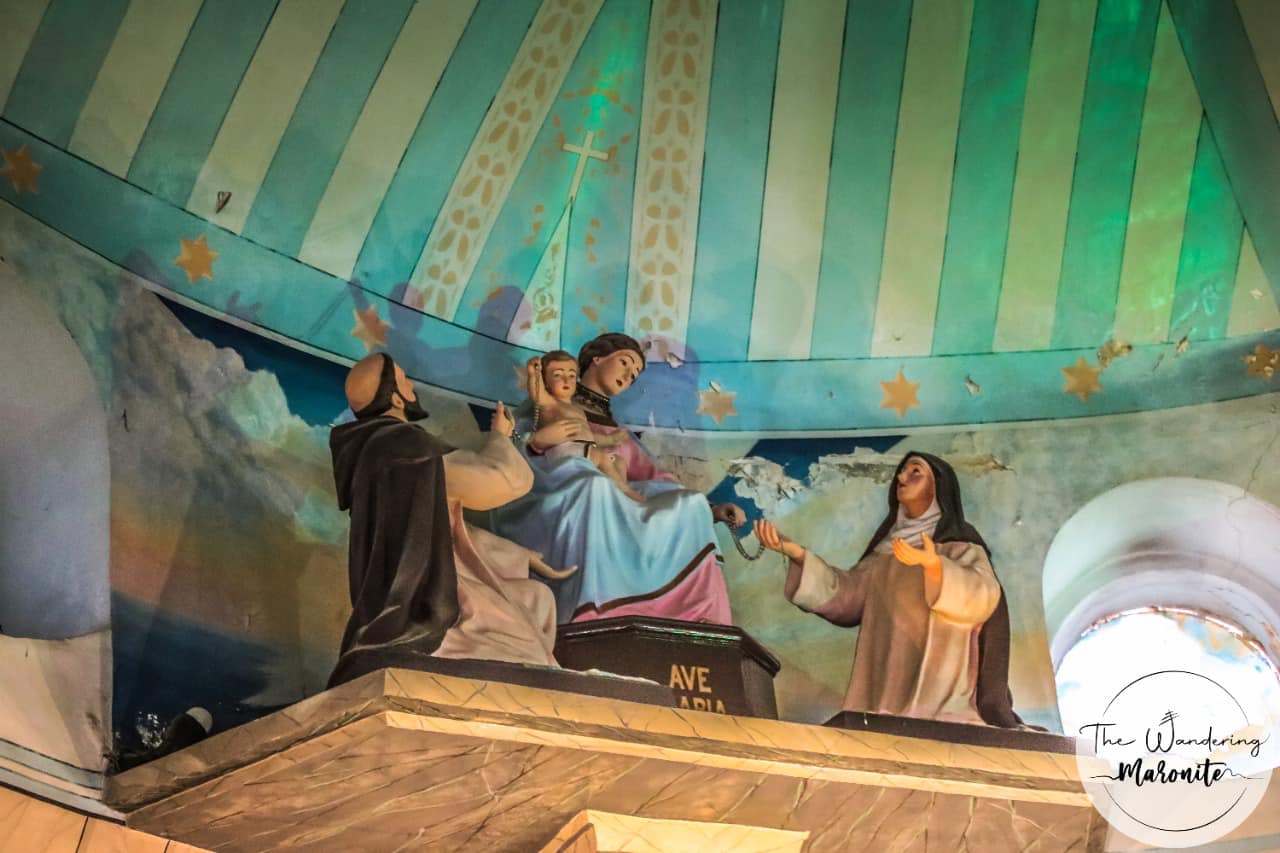
كنيسة سيّدة الغسّالة - القبياتبُنيت الكنيسة الأولى بالقرب من قناة جرًّ للمياه، كانت نساء القرية يغسلن ثيابهنّ بقربها أيّام السبوت، لذلك سمّي الموضع الغسّالة وحملت الكنيسة إسم سيّدة الغسّالة. بُنيت الكنيسة الحاليّة سنة ١٩٢٧ بمسعى من أبناء البلدة المغتربين. تتميّز الكنيسة أنّها مكسوّة الداخل بالكامل بالنقوش، تحوي عدّة جداريّات فريدة كجداريّة الذبيحة الإلهيّة حيث يظهر الكأس يعلوه النجم، وجداريّة الصدقة.The church of Our Lady of Ghassala - KobayatThe first church was built on a site near an aqueduct where the village’s ladies used to wash their laundry hence the name in Arabic Ghessele invoking laundry washing. The first church held the name of the site. In 1927 the new church was built with donations made by Kobayaty expats. The church is covered on the inside with painted stucco. The church holds distinctive unique frescoes such as the fresco of the Holy Sacrifice with the distinctive oriental liturgical altar paraments, and the fresco of the alm.

Visited 5717 times, 2 Visits today

Reviews are disabled, but trackbacks and pingbacks are open.

Related Listings

Zouk Mosbeh – Notre Dame du Rosaire

Église de Notre Dame du Rosaire - Zouk Mosbeh, Zouk Mosbeh, Lebanon

كنيسة سيدة الوردية

1704

Zouk Mousbeh

Keserwan

Mount Lebanon

بنيت الكنيسة سنة ١٧٠٤ على تلّة مشرفة في بلدة ذوق مصبح، على أنقاض كنيسة أقدم عهدًا. بناها وجهاء آلحقلاني الذين قَدِموا الى هذه البلاد من جرود جبيل. يوم انتُخِب المطران عبدالله قرعلي أسقفًا، جَعَل منها كرسيًّا لمدينة بيروت، وفيها أُقيمت للمرّة الأولى رتبة زيّاح الوردية الكبير. فيها العديد من اللوحات الزيتيّة، لكن الأهم هي اللّوحة الأساسيّة لسيّدة الورديّة، وتعود للقرن السادس عشر، فيها مريم العذراء بهيئة شرقية على ذراعها الطفل الإلهيّ، مُحاطة بالقدّيسيَن عبدالاحد وكاترين السيانية مجللة بأسرار الورديّة الخمسة عشر.

The Church of our Lady of the Rosary
Built in 1704 on a hill in the town of Zouk Mosbeh, over the ruins of an older church, by the notables of the Haqlany’s family.
When Abdalla Qaraaly became bishop of Beirut he made it his Cathedral, where he promulgated the rosary devotion.
The church is famous for its paintings, especially its main one: The Virgin Mary portrayed as an oriental lady with the child in her hands, handing the rosary to Sts Catherine and Dominic, with the rosary mysteries on her sides.

Beit Shabab – The church of St John the Baptist

St Jean Church, Beit Chabeb, Lebanon

كنيسة مار يوحنّا المعمدان

Beit Chabab

Metn

Mount Lebanon

كنيسة مار يوحنّا المعمدان - بيت شباب
هي وقف خاص لعائلة يمّين. بُنيت في مطلع القرن التاسع عشر، إذ يذكر المطران عبدالله بليبل أنّه رسم يوسف يمّين كاهنًا عليها سنة ١٨١١، الكنيسة عبارة عن عقد واحد ينتهي بحنية. جُدّدت حوالي سنة ١٨٦٣. سنة ١٩٤٢ بني الباب. رمّمت أخيرًا في مطلع الثمانينات.

The church of St John the Baptist - Beit Shabab
The church is a private chapel to the Yammine family. The church was built in the early XIXth century, the oldest trace of it dates to1811 when Bishop Abdallah Bleibel ordained Youssef Yammine as a pastor for the church. The church is a single crossed vault ending with a semi circular apse. The church was restored in 1863, the door was built in 1942. The church was completely restored in the eighties of the XXth century.

Hasbaya – The church of St George

Hasbaiyya, Lebanon

كنيسة مار جرجس

Hasbaiya

Hasbaya

Nabatieh

كنيسة مار جرجس - حاصبيّا

بُنبيت الكنيسة الأولى أوائل القرن التاسع عشر، وأُعيد بناء الحاليّة سنة ١٩١٠. الكنيسة كناية عن عقدٍ مُصالبٍ ينتهي بحنية نصف دائريّة. مذبح الكنيسة من الحجر الأصفر مبنيّ سنة ١٩١٢. بعد الحرب الأهليّة اللبنانيّة نزح القسم الأكبر من مسيحيّي البلدة فأصبحت الكنيسة شبه مهجورة. زارها غبطة البطريرك مار بشارة بطرس الراعي صيف سنة ٢٠١١.

The church of St George - Hasbaya

The first church was built in the early XIXth century, and rebuilt in 1910. The structure consists of a crossed vault ending with a semi circular apse. The altar is made of a local yellow limestone in 1912. After the civil war the town’s maronite population left in great numbers and the church became partially abandoned. The Patriarch Bechara el Rai visited the church in the summer of 2011.