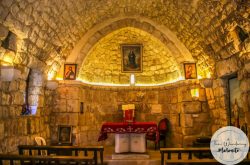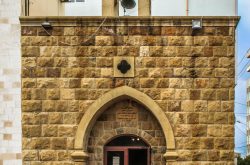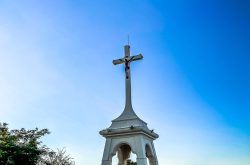

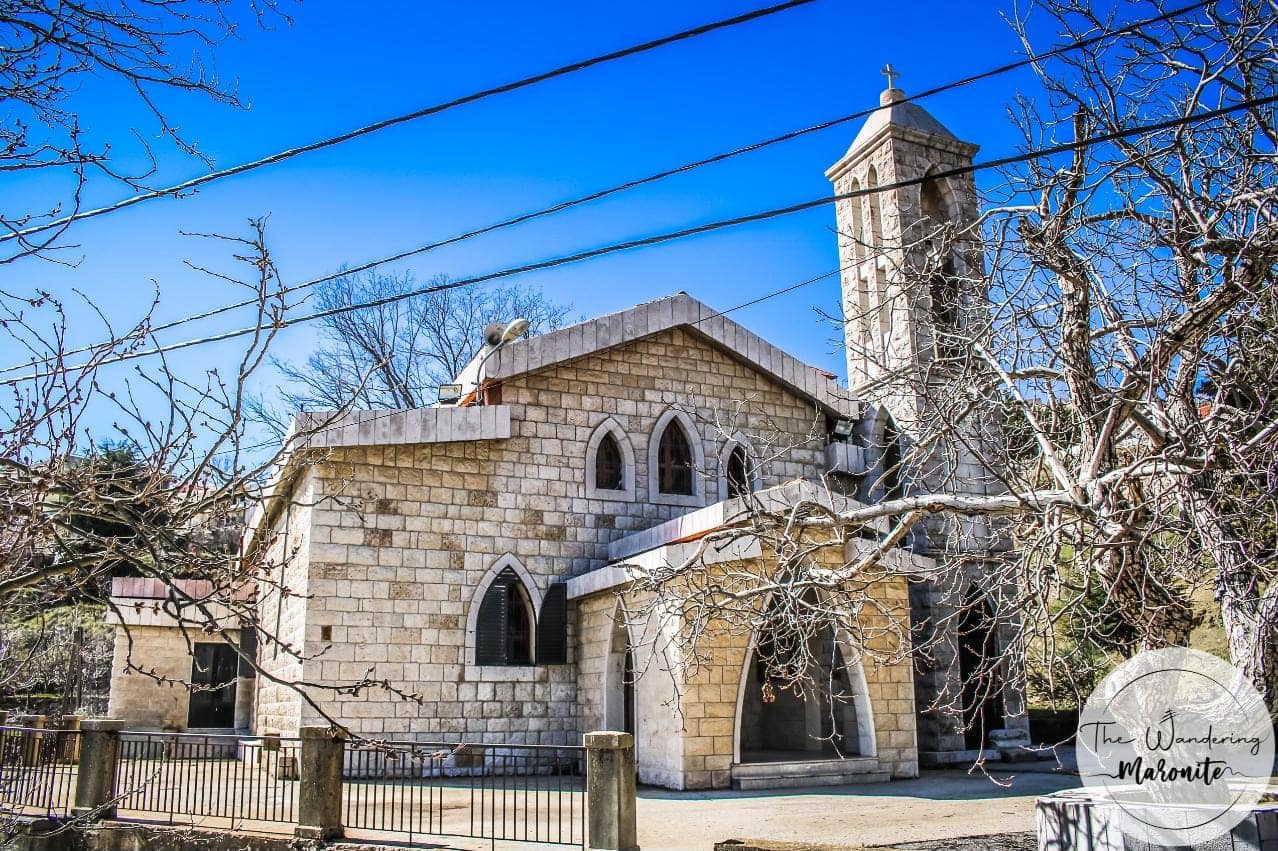
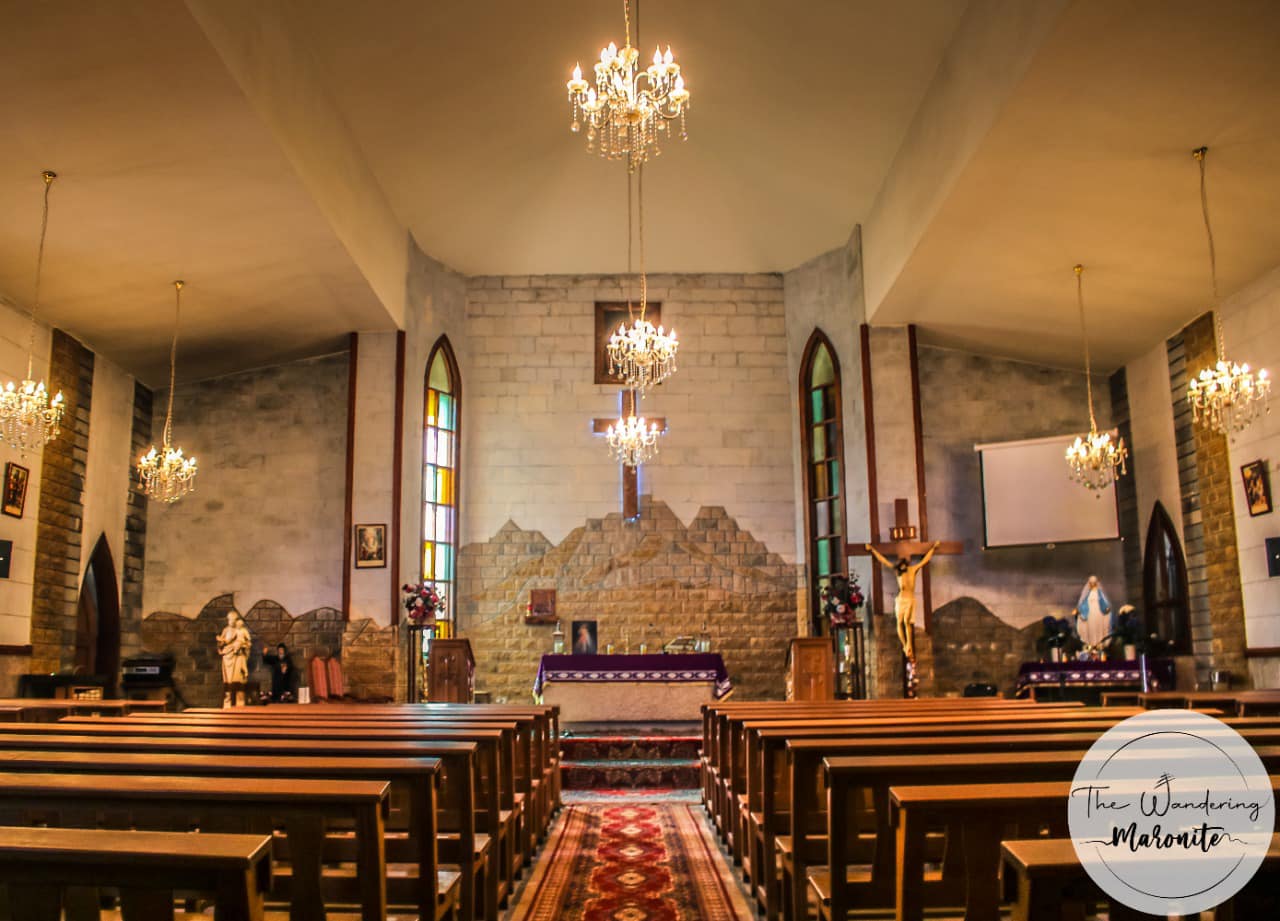
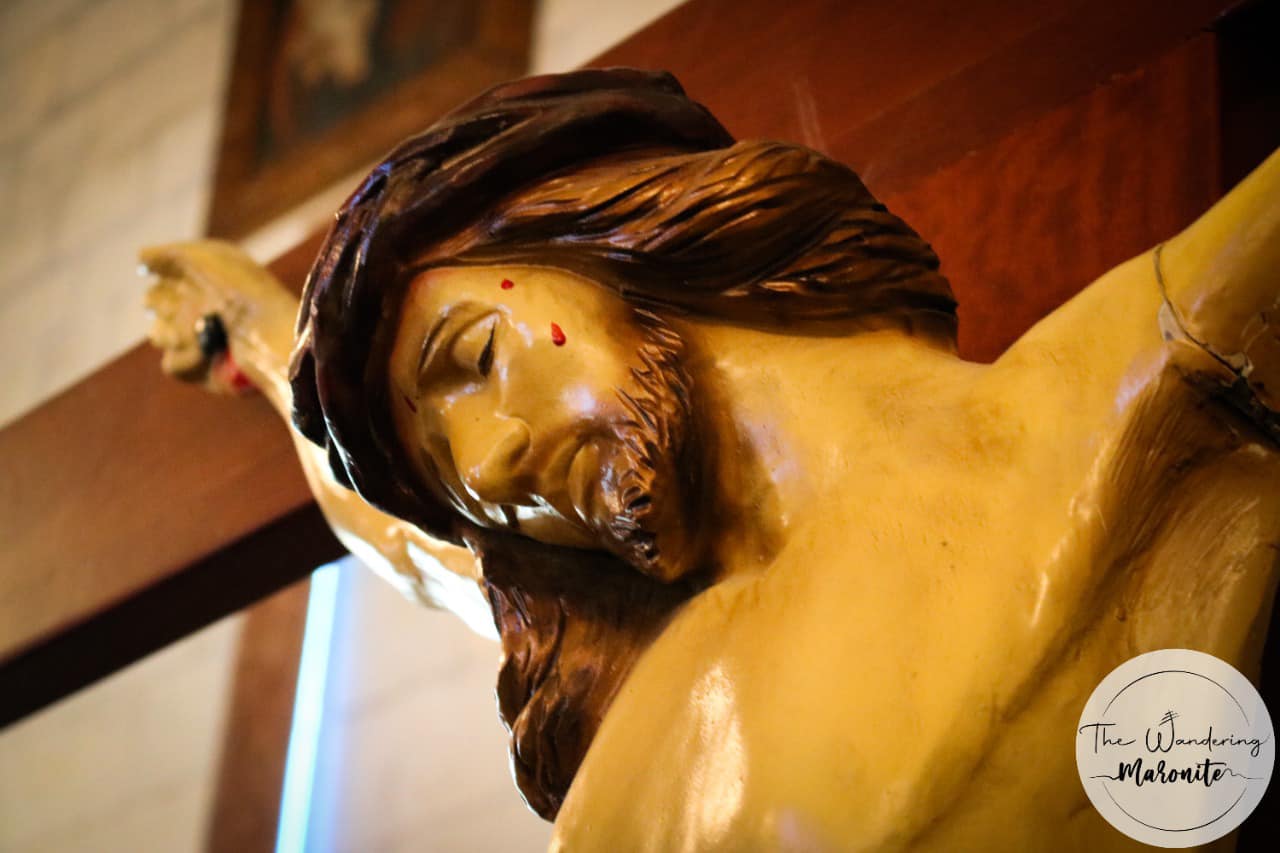
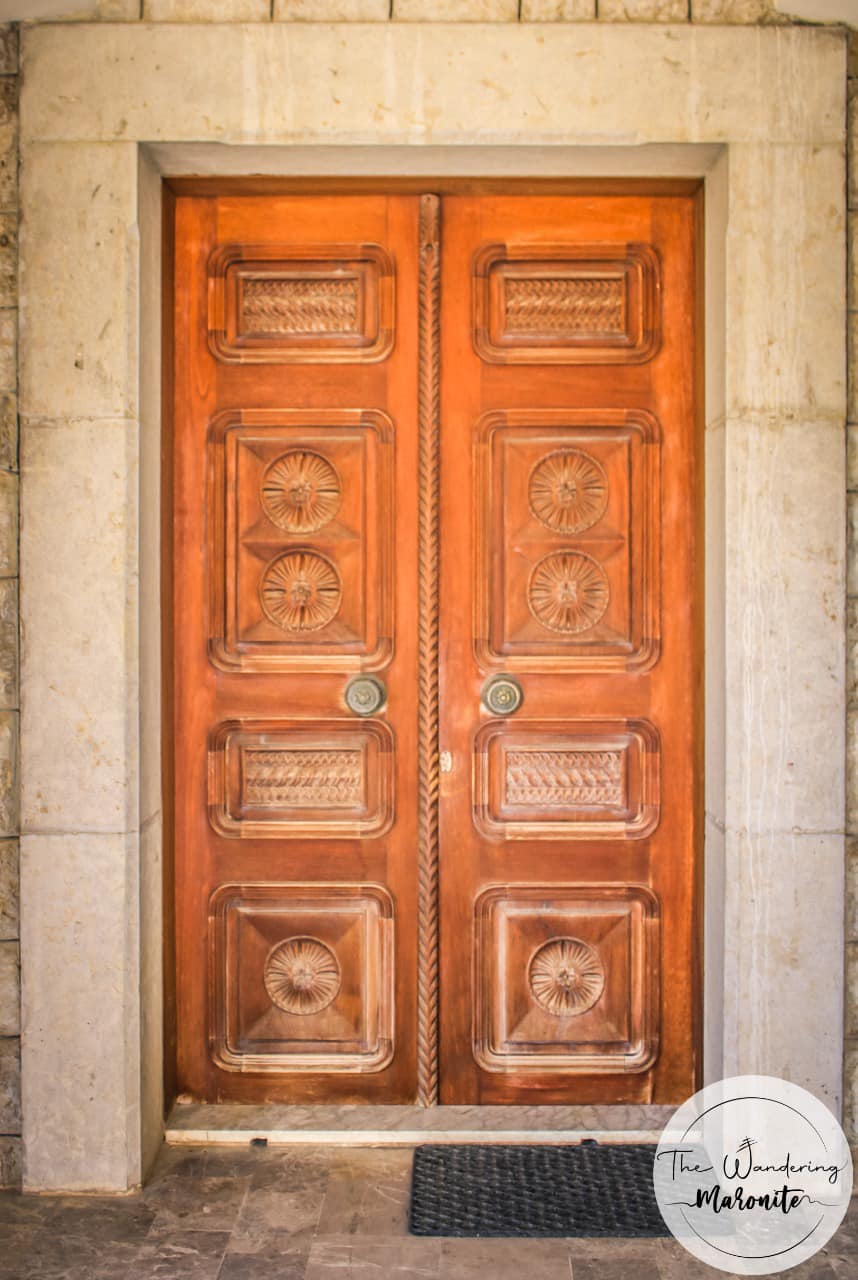
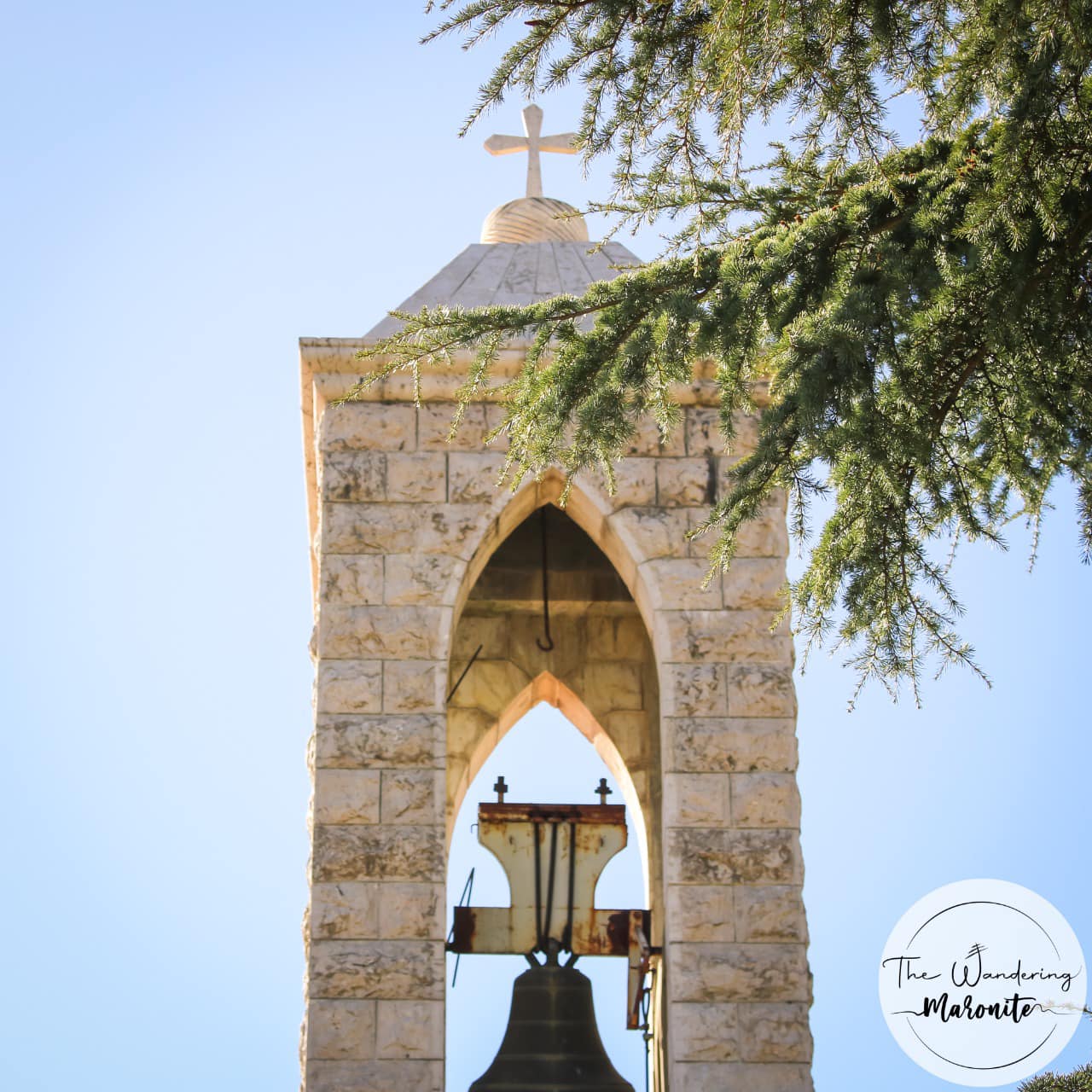
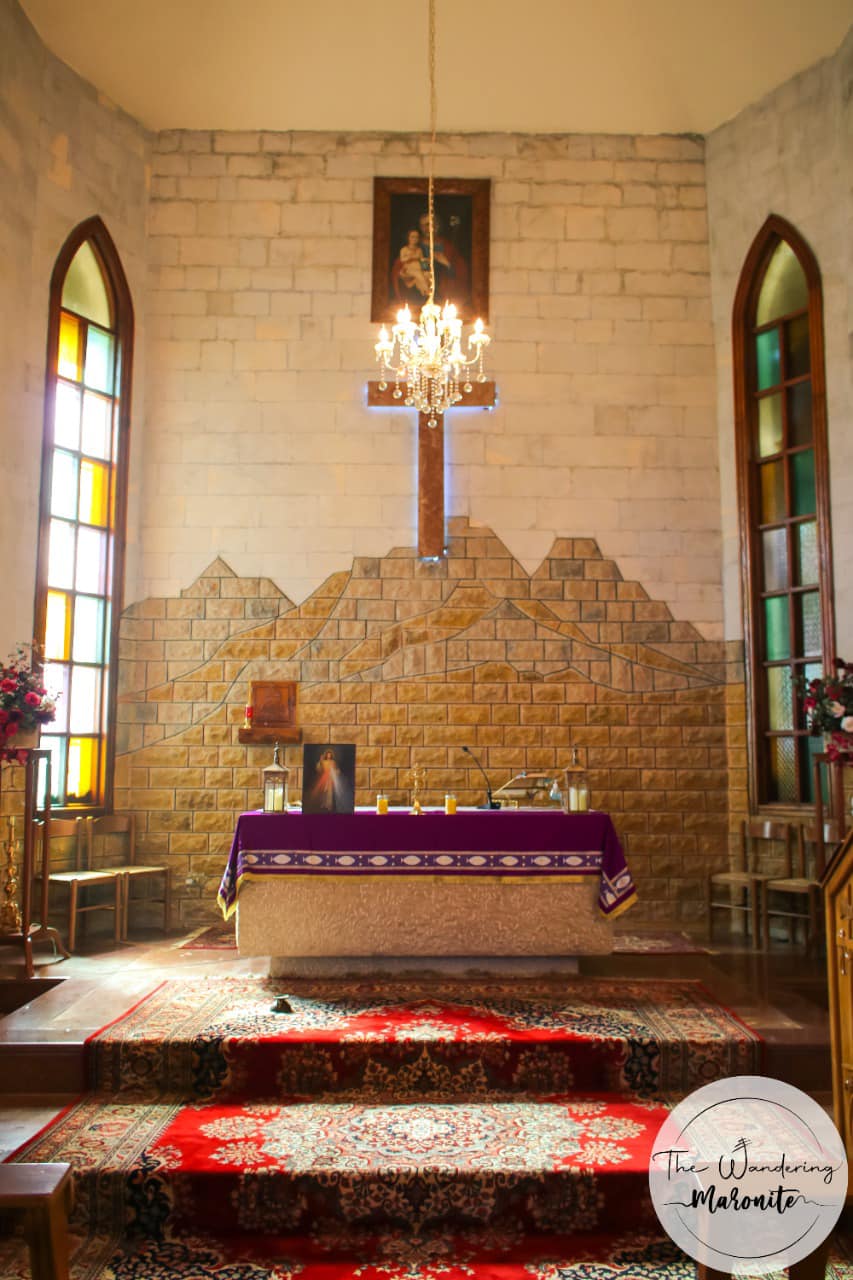
كنيسة مار يوسف - وطى الجوزبنيت الكنيسة سنة ١٩١٧ فوق كنيسةٍ أقدم عهدًا. رمّمت وأخذت شكلها الحاليّ سنة ١٩٧٥. لوحة مار يوسف من عمل كنعان ديب الدلبتاوي تعود لسنة ١٨٦٨. تتميّز الكنيسة بقبّة حجريّة بشكل طابيّة كاهن يعلوها صليب.The church of St Joseph - Wata el JawzThe church was built in 1917 over an older church, and took its final form in the restoration of 1975. The painting of St Joseph is made by Kanaan Dib in 1868. The bell tower is topped by a sculpture of a Tabye, the traditional maronite priestly hat, with a cross over it.
هو نبعُ ماءٍ طبيعيّ بقربه آثار رومانيّة. هذه الآثار تحوّلت إلى كنيسةٍ وديرٍ في العهد البيزنطيّ، وحافظ المكان على الإسم الذي يشير إلى شهداء سبسطية الأربعون. "
The Fountain of the Forty Martyrs - Yammouneh"
The fountain is a natural water source. Near the source, the Romans built some structures that were later converted into a church and a monastery during the Byzantine era. The ruins of the buildings are still visible, and the place has retained its dedication to the forty martyrs of Sebastopolis.
في أواخر القرن التاسع عشر، بدأت الإرسالية الأميركية الإنجيلية مهمّتها في مدينة زحلة. قامت هذه البعثة ببناء كنيسة بتصميم يشبه بيوت المدينة في تلك الحقبة الزمنية. في بداية القرن الحادي والعشرين، بعدما بدأ عدد المؤمنين بالانخفاض، تم شراء الكنيسة من قبل دير مار أنطونيوس الكبير التابع للرهبنة اللبنانية المارونية، وتحويلها إلى كنيسة مخصصة للقديسة رفقا.
The Church of St. Rafqa - Zahle
In the last decades of the 19th century, an American evangelical mission was established in Zahle. This mission built a church in the local architectural style of houses during that time. In the beginning of the 21st century, after the number of evangelicals began to dwindle, the church was bought by the Monastery of St. Anthony the Great of the Lebanese Maronite Order, who converted it into a chapel dedicated to St. Rafqa. Iglesia de Santa Rafka - Zahle En las últimas décadas del siglo XIX se estableció en Zahle una misión evangélica estadounidense. Esta misión construyó una iglesia según el estilo arquitectónico local de las casas de la época. A principios del siglo XXI, después de que el número de evangélicos empezara a disminuir, la iglesia fue comprada por el Monasterio de San Antonio el Grande de la Orden Libanesa Maronita, que la convirtió en una capilla dedicada a San Rafka.
كنيسة سيّدة الغسّالة - القبيات بُنيت الكنيسة الأولى بالقرب من قناة جرًّ للمياه، كانت نساء القرية يغسلن ثيابهنّ بقربها أيّام السبوت، لذلك سمّي الموضع الغسّالة وحملت الكنيسة إسم سيّدة الغسّالة. بُنيت الكنيسة الحاليّة سنة ١٩٢٧ بمسعى من أبناء البلدة المغتربين. تتميّز الكنيسة أنّها مكسوّة الداخل بالكامل بالنقوش، تحوي عدّة جداريّات فريدة كجداريّة الذبيحة الإلهيّة حيث يظهر الكأس يعلوه النجم، وجداريّة الصدقة.
The church of Our Lady of Ghassala - Kobayat The first church was built on a site near an aqueduct where the village’s ladies used to wash their laundry hence the name in Arabic Ghessele invoking laundry washing. The first church held the name of the site. In 1927 the new church was built with donations made by Kobayaty expats. The church is covered on the inside with painted stucco. The church holds distinctive unique frescoes such as the fresco of the Holy Sacrifice with the distinctive oriental liturgical altar paraments, and the fresco of the alm.
Reviews are disabled, but trackbacks and pingbacks are open.