
The valley of Hasdshit Qannoubine – The hermitage of St Bahnam

Wadi Qannoubine, Lebanon

Other Details

محبسة مار بهنام

Ouadi Qannoubine

Bcharre

North

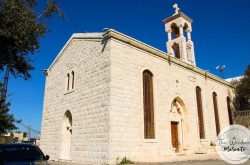
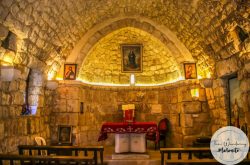
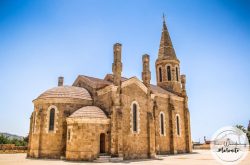
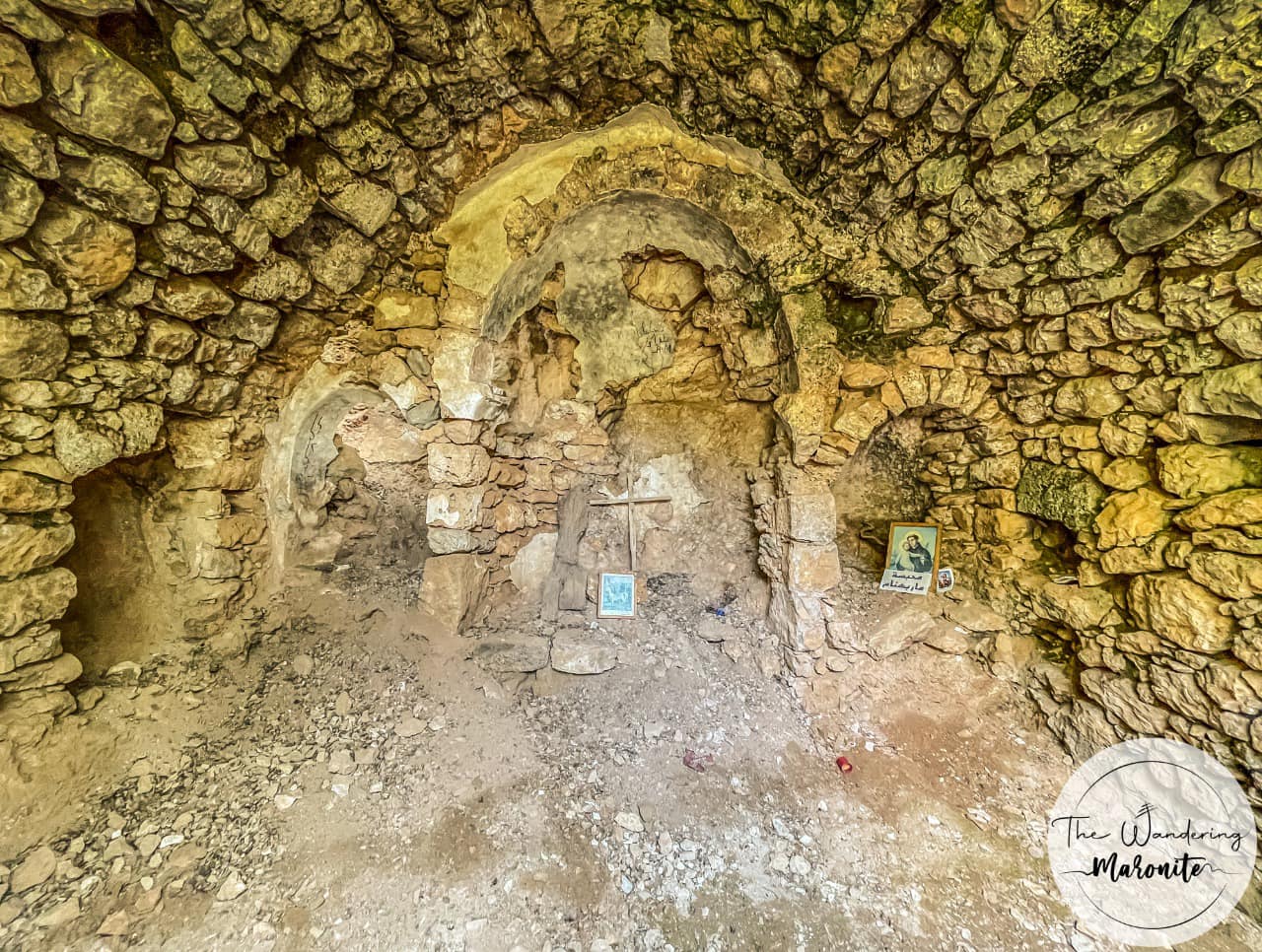
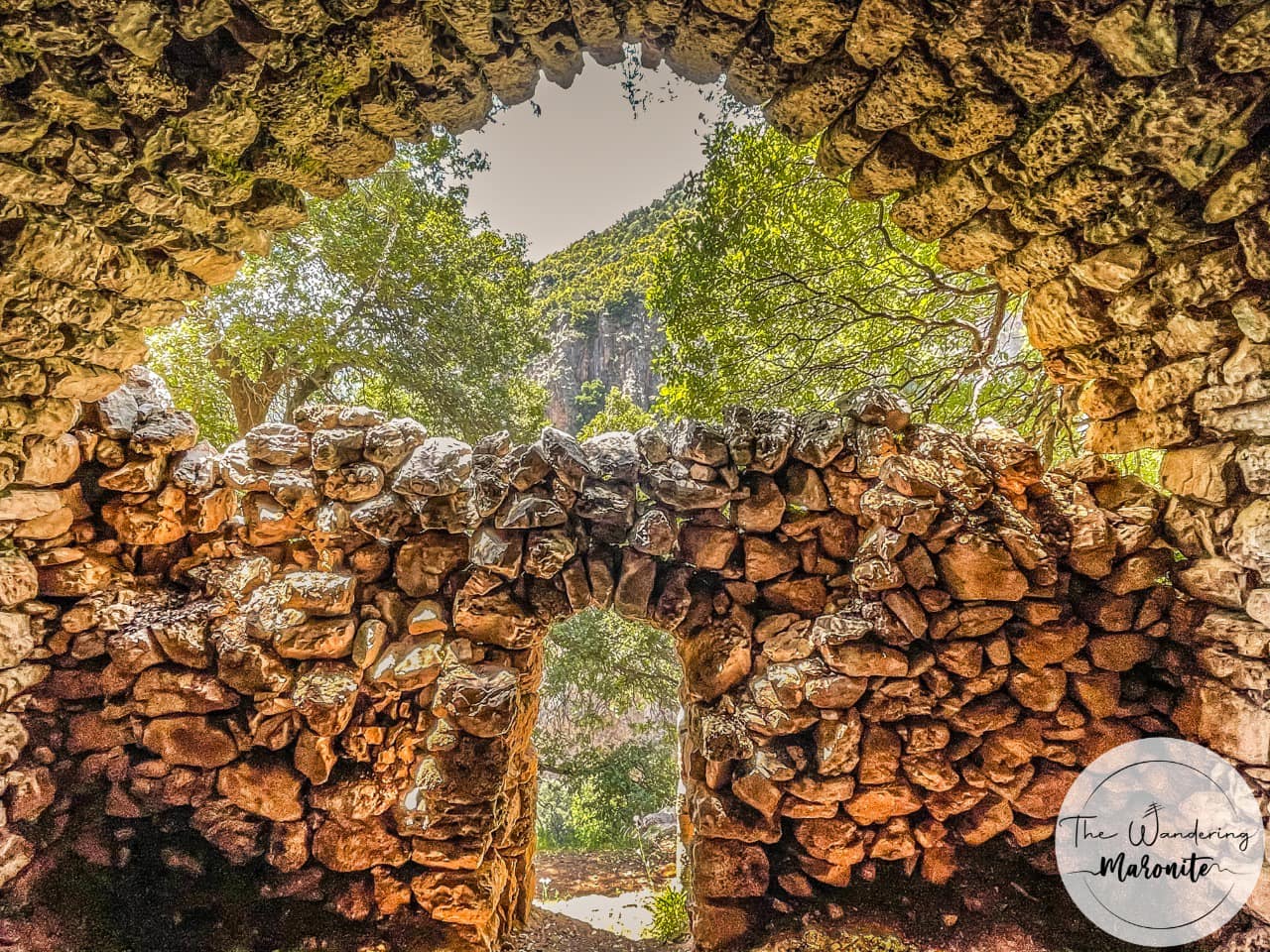
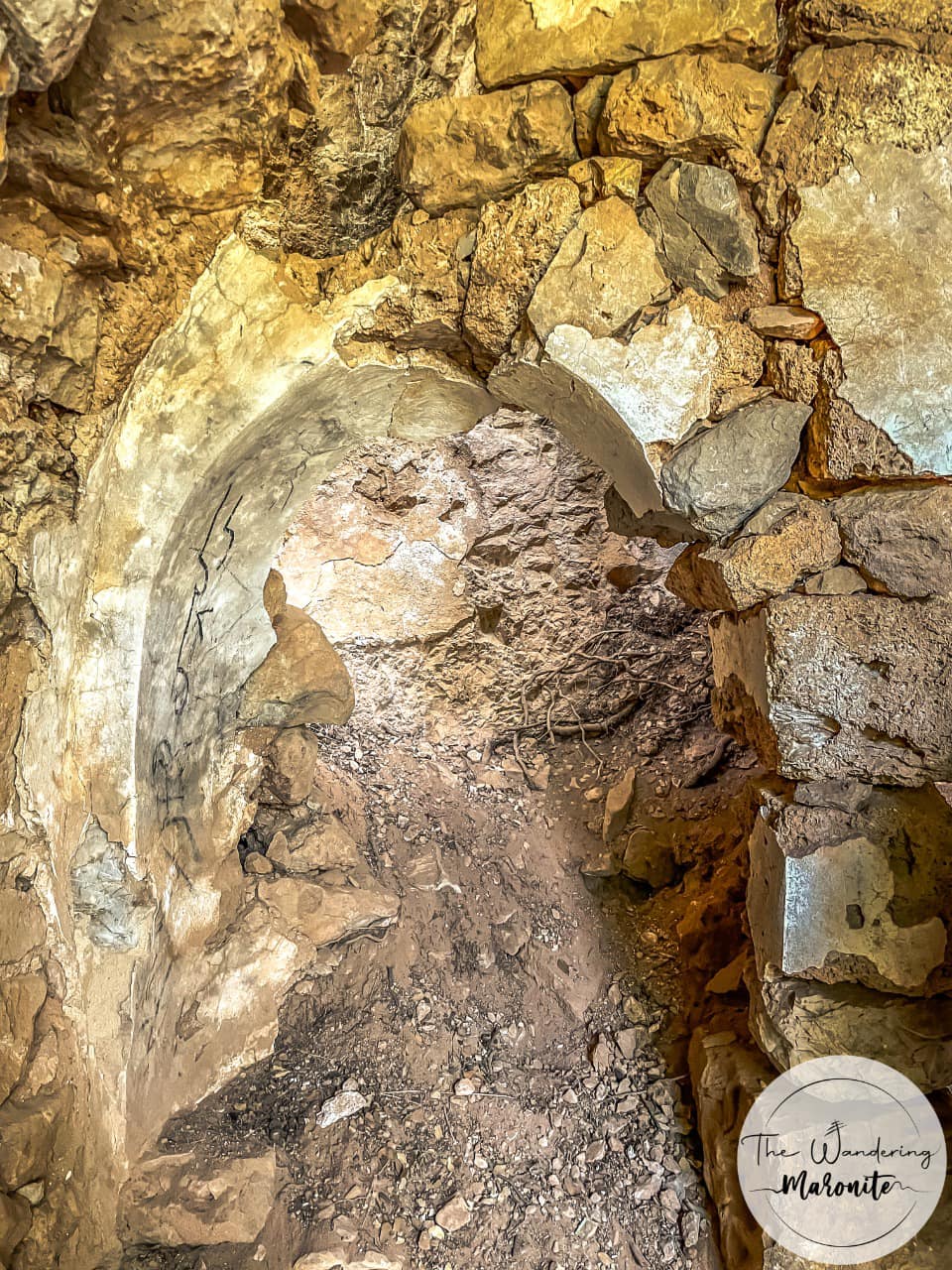
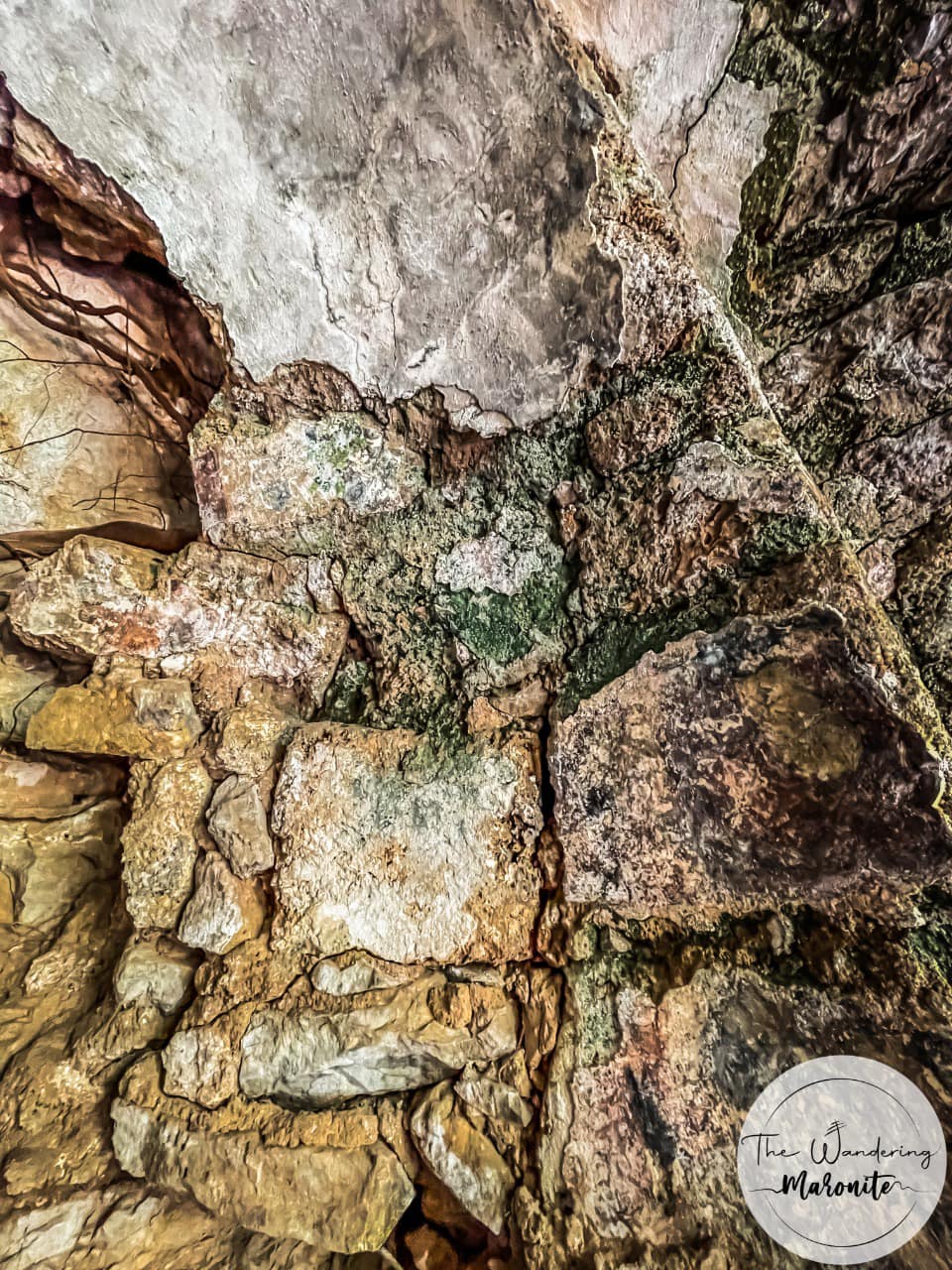
محبسة مار بهنام - وادي حدشيت قنوبينمحبسة قديمة من القرن الثالث عشر، وهي قبو بعقد سريريّ وثلاث حنايا. تحتوي المحبسة على بقايا رسم جداريّ وكتابةً سريانيّة، ومذبح مصنوع حجريّ. أمّا مار بهنام فهو أميرٌ فارسٌ من بلاد ما بين النهرين، ترك كلّ ما له وفضّل الإستشهاد في سبيل المسيح على ترك إيمانه، نال إكليل الشهادة في القرن الرابع. واتصلت شفاعته بالموارنة من خلال الرهبان اليعاقبة في شمال لبنان.The hermitage of St Bahnam - The valley of Hasdshit QannoubineIt is an old XIIIth century hermitage, that consists of a single crib vault ending with three apses, with a stone altar, fresco remains and Syriac calligraphy. St Bahnam was a prince from Assyria, who preferred to leave his privileged life for the love of Christ, and he preferred martyrdom over recanting his Christian faith in the IVth century. He was made known to the Maronites by the Jacobite monks of Northern Mount Lebanon.

Visited 3836 times, 5 Visits today

Reviews are disabled, but trackbacks and pingbacks are open.

Related Listings

Habil – The patriarchal monastery of our Lady of Habil

Our Lady of Habeel, Habil, Lebanon

دير سيّدة هابيل البطريركيّ

Habil

Jbeil

Mount Lebanon

دير سيّدة هابيل البطريركيّ - هابيل

البناء يعود لأواخر الحقبة البيزنطيّة، إنتقل إليه البطريرك يوحنا اللحفدي في القرن الثاني عشر وبقي مقرًّا بطريركيًّا الى عهد البطريرك إرميا العمشيتي. البناء كناية عن بقايا ديرٍ مع أقبية وأروقة، لم يسلم منه سوى الكنيسة وهي عقدٍ سريريّ بخوروسين، رُمّمت سنة ٢٠١٢.

The patriarchal monastery of our Lady of Habil - Habil

The church was first built during the Byzantine era. During the XIIth century patriarch Youhanna el Lehfedy made it his patriarchal seat, and it remained that way until the reign of patriarch Jeremiah of Amshyt. What remains of the patriarchal seat are the ruins of old crypts, the church still stands: it is a cribed vault with two choirs and two semi circular apses. The church was restored in 2012.

Qattyn – The monastery of Sts Peter and Paul

Deir Mar Botros Wa Boulos - Qattine, Qatin, Lebanon

دير مار بطرس وبولس

Deir El Qattine

Jezzine

South

دير مار بطرس وبولس - قطّين

بناه المطران سمعان عوّاد الحصروني سنة ١٧٣٦ أيّام حبريّة البطريرك يوسف ضرغام الخازن، وكان مزرعةً صغيرة. سلّم المطران الدّير للرهبانيّة الأنطونيّة المارونيّة سنة ١٧٦٠، فبنى الرهبان الكنيسة ووسّعوا الدّير واستُخدم فترة قصيرة كدير للراهبات العابدات الأنطونيّات. سنة ١٨٦٠ تعرّض الدّير للتخريب إبّان الأحداث الطائفيّة. أعيد ترميمه ليخدم رسالته وجلبت للكنيسة لوحة إيطاليَة لمار بطرس وبولس مع الذخيرة الرسوليّة. سنة ٢٠١٧ بنيت بقرب الدّير محبسة مكرّسة لمار يوسف حارس الفادي.

The monastery of Sts Peter and Paul - Qattyn

The monastery was built in 1736 by bishop Gebrayel Awad from Hassroun, and consisted of a small farm. In 1760 the bishop handed over the monastery to the Antonine Maronite Order, who enlarged the building and built the church. The monastery was shortly used as a nunnery for solitary Antonine nuns. The monastery was devastated in the war of 1860. After the war it was renewed, an Italian painting and the apostolic relic where brought from Rome and enshrined in the church. In 2017 a hermitage dedicated to St Joseph the guardian of the Redeemer was built near the monastery.

The Valley of Qannoubine – The monastery of St Aboun

دير مار آبون, Wadi Qannoubine, Lebanon

دير مار أبون

Ouadi Qannoubine

Bcharre

North

دير مار أبون - وادي قاديشا

هو دير مار يوحنّا القصير الملقب بأبون أحد آباء الصحراء. يتكوّن الدّير من كنيسةٍ وعدّة قلالي. تقع الكنيسة داخل مغارة وهي على نسق البازيليك في البناء، والأكبر بين كنائس الوادي. أوّل ذكر للدّير يعود إلى القرن الثاني عشر، عندما أفاد البطريرك اسطفان الدويهيّ أن "هذا الدير كان مديرًا لجميع النساك في منطقة بشراي" . جعله البطريرك يعقوب الحدثي مقرًّا له سنة ١٤٤٥. بقي الدّير مأهولاً للقرن السابع عشر، وهو اليوم ضمن ورشة ترميم لإصلاحه وتجديده.

The monastery of St Aboun - The Valley of Qannoubine

The monastery is dedicated to St John the short an Egyptian desert father known to the syriacs as Aboun. The monastery consists of a basilical cave church, the largest one in the holy valley, and some adjacent cells. The first mention of the monastery is from the XIIth century when it was the head of all the monasteries and hermitages in the region of Bsharre according to Patriarch Estefan el Douaihy. In 1445 the monastery became the patriarchal residence of Patriarch Yaaqoub el Hadathi. The monastery fell into ruins at the end of the XVIIth century, today a plan for it’s restoration is undergoing.