
The valley of Hasdshit Qannoubine – The hermitage of St Bahnam

Wadi Qannoubine, Lebanon

Other Details

محبسة مار بهنام

Ouadi Qannoubine

Bcharre

North

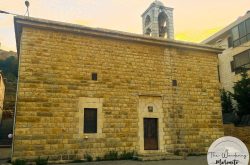
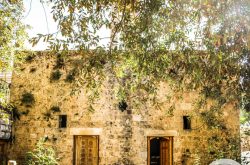
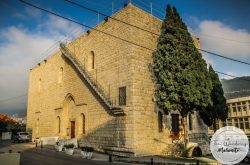
محبسة مار بهنام - وادي حدشيت قنوبينمحبسة قديمة من القرن الثالث عشر، وهي قبو بعقد سريريّ وثلاث حنايا. تحتوي المحبسة على بقايا رسم جداريّ وكتابةً سريانيّة، ومذبح مصنوع حجريّ. أمّا مار بهنام فهو أميرٌ فارسٌ من بلاد ما بين النهرين، ترك كلّ ما له وفضّل الإستشهاد في سبيل المسيح على ترك إيمانه، نال إكليل الشهادة في القرن الرابع. واتصلت شفاعته بالموارنة من خلال الرهبان اليعاقبة في شمال لبنان.The hermitage of St Bahnam - The valley of Hasdshit QannoubineIt is an old XIIIth century hermitage, that consists of a single crib vault ending with three apses, with a stone altar, fresco remains and Syriac calligraphy. St Bahnam was a prince from Assyria, who preferred to leave his privileged life for the love of Christ, and he preferred martyrdom over recanting his Christian faith in the IVth century. He was made known to the Maronites by the Jacobite monks of Northern Mount Lebanon.

Visited 3393 times, 4 Visits today

Reviews are disabled, but trackbacks and pingbacks are open.

Related Listings

Smar Jbeil – The church of St Takla

Saint Takla Church - Smar Jbeil, Smar Jbeil, Lebanon

كنيسة مارت تقلا

Smar Jbayl

Batroun

North

كنيسة مارت تقلا - سمار جبيل
هي كنيسة صغيرة بجوار كنيسة مار نوهرا الرعائيّة، مؤلّفة من سوق واحد ينتهي بحنية. بحسب التقليد المحليّ يعود وجود كنيسة لتكريم مارت تقلا بالقرب من كنيسة مار نوهرا، لأنّ شقيقة القديس نوهرا كانت تدعى تقلا، وقد تبعت أخاها في تبشيره، واستشهدت مثل شفيعتها ثم دفنت هي ايضاً في سمار جبيل. إلا أنّه لا دلائل تاريخيّة حتى الآن تثبت هذه المقولة. الكنيسة تعود لأواخر القرن الثامن عشر.

The church of St Thecla - Smar Jbeil

The church is a small chapel near the parish church of St Nohra. It consists of a single aisle ending with an apse. According to local traditions the church is dedicated to the patroness of St Nohra’s sister also called Thecla and also a martyr, yet no historical records show that. The church dates back to the late XVIIIth century.

Lehfed – The church of St Stephen

St. Estephan Church, Lehfed, Lebanon

كنيسة مار أسطفان

Lehfed

Jbeil

Mount Lebanon

كنيسة مار أسطفان - لحفد

الكنيسة بالأصل كانت معبدًا رومانيًّا على تلّة حوّله الصليبيّون إلى بُرجٍ للمراقبة، سكنه مقدَّموا لحفد. سنة ١٨١٠ تحوّل المكان إلى كنيسةٍ بعقدٍ مُصالبٍ لتكون رعيّة البلدة. مذبح الكنيسة ولوحة مار أسطفان، مُستوردان من إيطاليا بسعي من أبناء البلدة في بيروت أواخر القرن التاسع عشر. حمل إبن لحفد الطوباوي أسطفان نعمه شفاعة صاحب الكنيسة وتكنّى باسمه عند دخوله الرهبانيّة.

The church of St Stephen - Lehfed

The church was originally a pagan roman temple on a hill that was converted into a watch tower by the crusaders, after they left the land the maronite lords of Lehfed used it as residence. In 1810 the crossed vault structure took it’s current shape and was converted into a parochial church. The altar and the painting are imported from Italy with the help of the villagers who lived in Beirut at the end of the XIXth century. Blessed Stephen Nehme, the son of Lehfed, took the name of the Church's patron saint when he entered the monastic life.

Hadath el Jubba – The church of St Daniel

St. Daniel - Church, Hadath El Jebbeh, Lebanon

كنيسة مار دانيال

Hadath Ej-Jebbeh

Bcharre

North

كنيسة مار دانيال - حدث الجبّة

بعد تحوّلهم الى المسيحيّة حوّل أهالي الحدث معبدهم إلى كنيسةٍ على اسم مار الياس، ما زالت قائمة في القسم الجنوبيّ. سنة ١١١٠ باشرت بناء كنيسة مار دانيال صالومي إبنة الخوري باسيل من بشرّي. تعرّض البناء للخراب على يد المماليك سنة ١٢٨٣. وأخذ البناء شكله الحاليّ في زمن حبريّة البطريرك شمعون الحدثيّ. رُمّم البناء أواخر القرن العشرين. الكنيسة بازيليكيّة الطراز بعقد مصالب وثلاث حنايا مع رواق خارجيّ معقود. تحوي الكنيسة ثلاث لوحات لداوود القرم تعود للقرن التاسع عشر.

The church of St Daniel - Hadath el Jubba

After the conversion of the people of Hadath el Jubba, they converted an old pagan shrine to a church dedicated to St Elijah the prophet. In 1110 Salome the daughter of the priest Basil of Bsharre began building a new church dedicated to Daniel the prophet. The church was destroyed by the Mamluks in 1283. It then took its final shape during the pontificate of Patriarch Chamoun el Hadathy, and was renovated in the late XXth century. The church consists of a basilical plan with three naves with arched vaults and three apses, with an external ambulatory. It holds three paintings by Dawoud el Qor