
Qannoubine valley – St Marina’s Grotto

St. Marina the Monk, Wadi Qannoubine, Lebanon

Other Details

مغارة القدّيسة مارينا

Ouadi Qannoubine

Bcharre

North

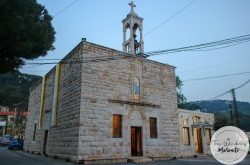
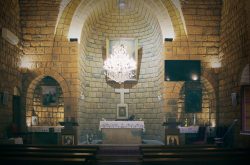
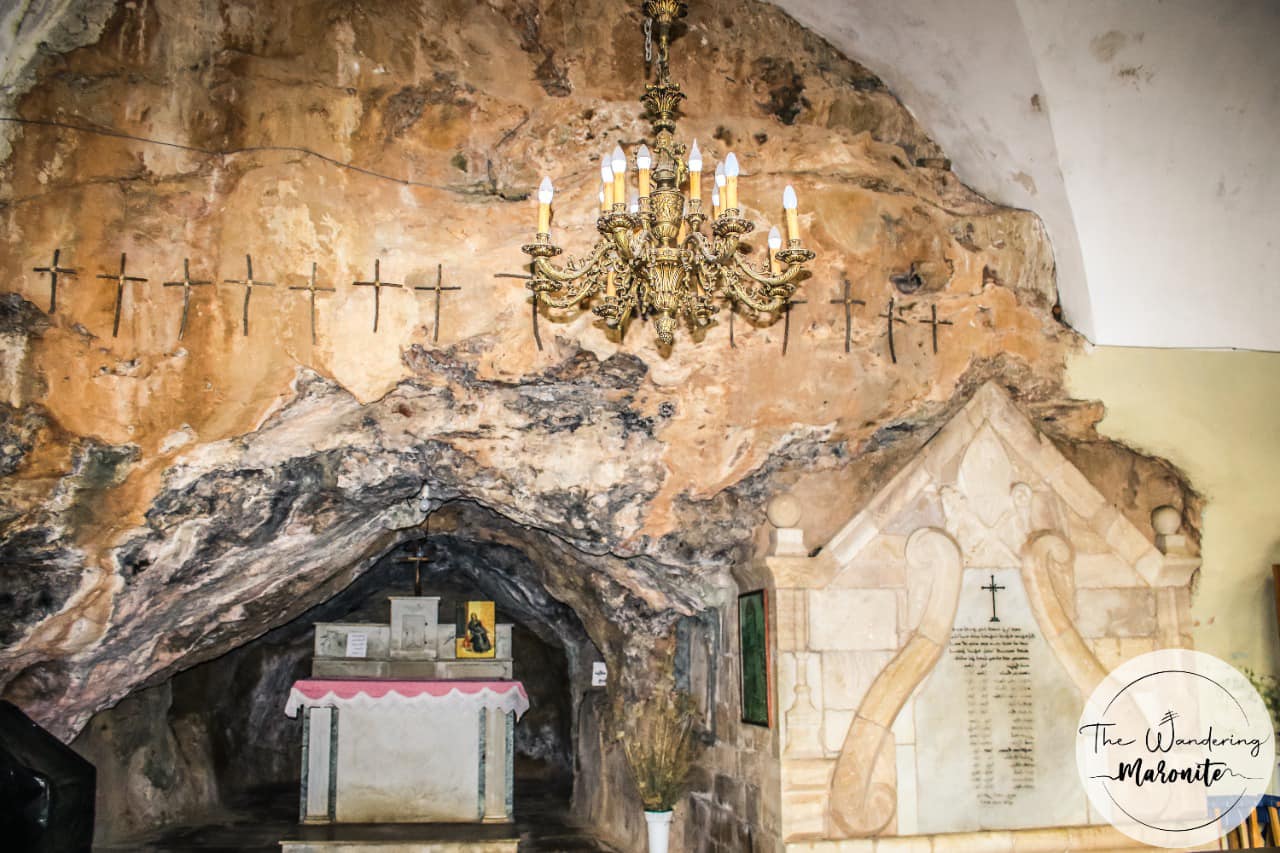
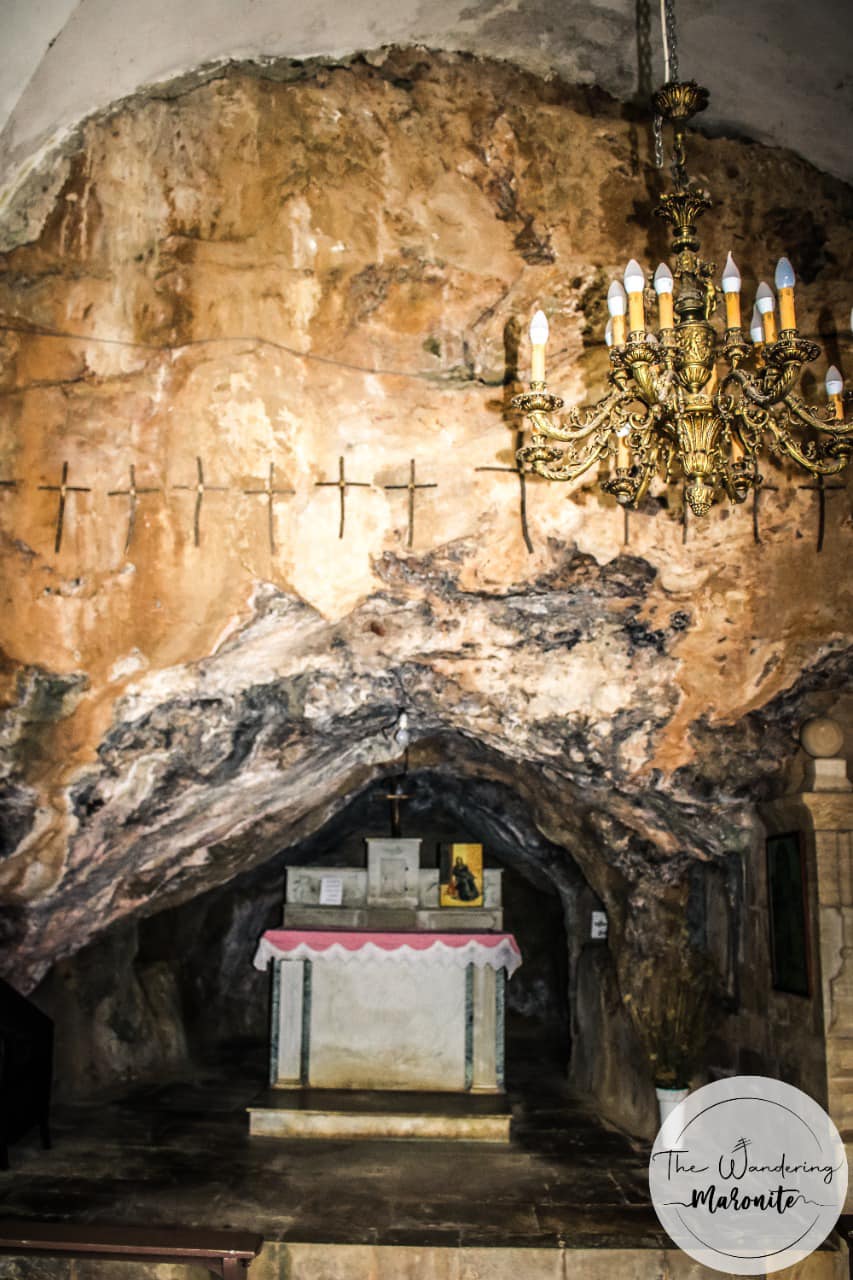
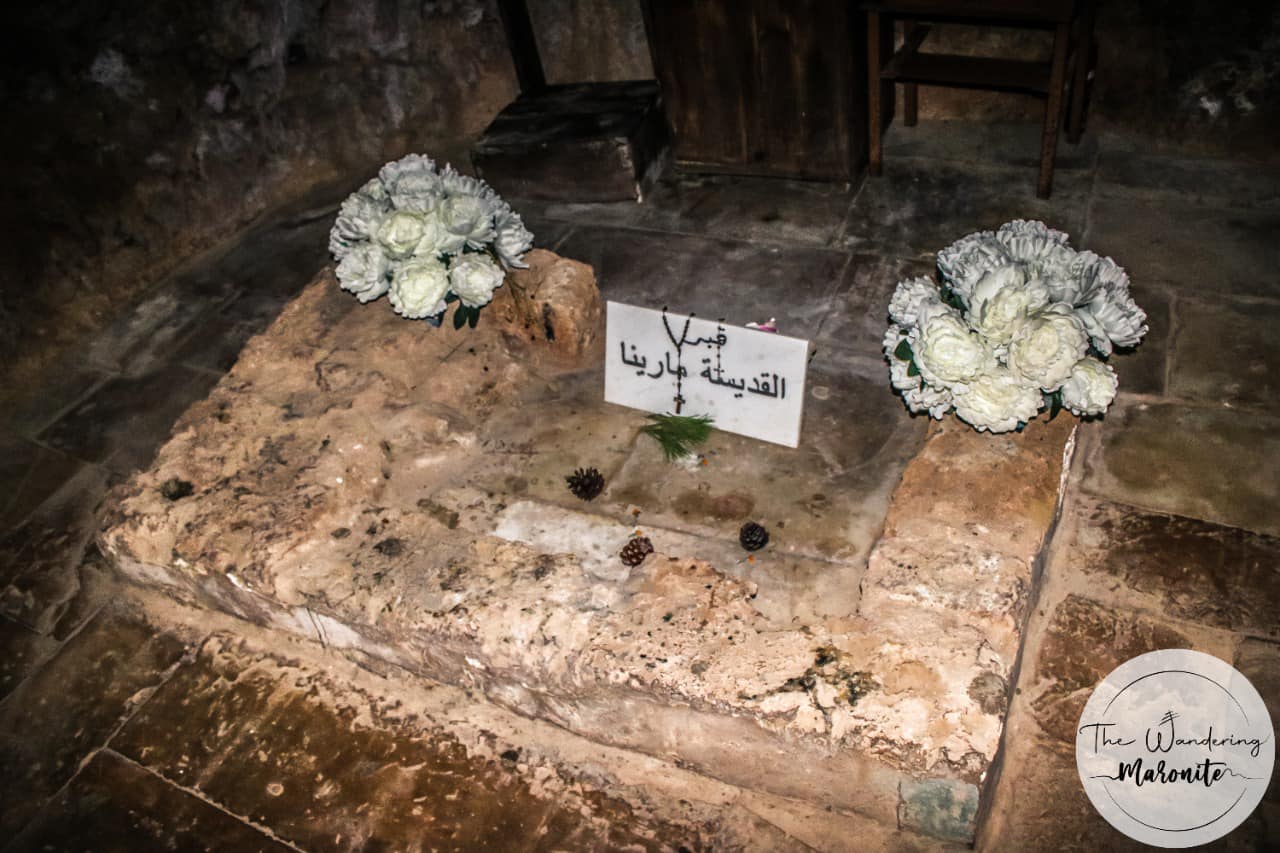
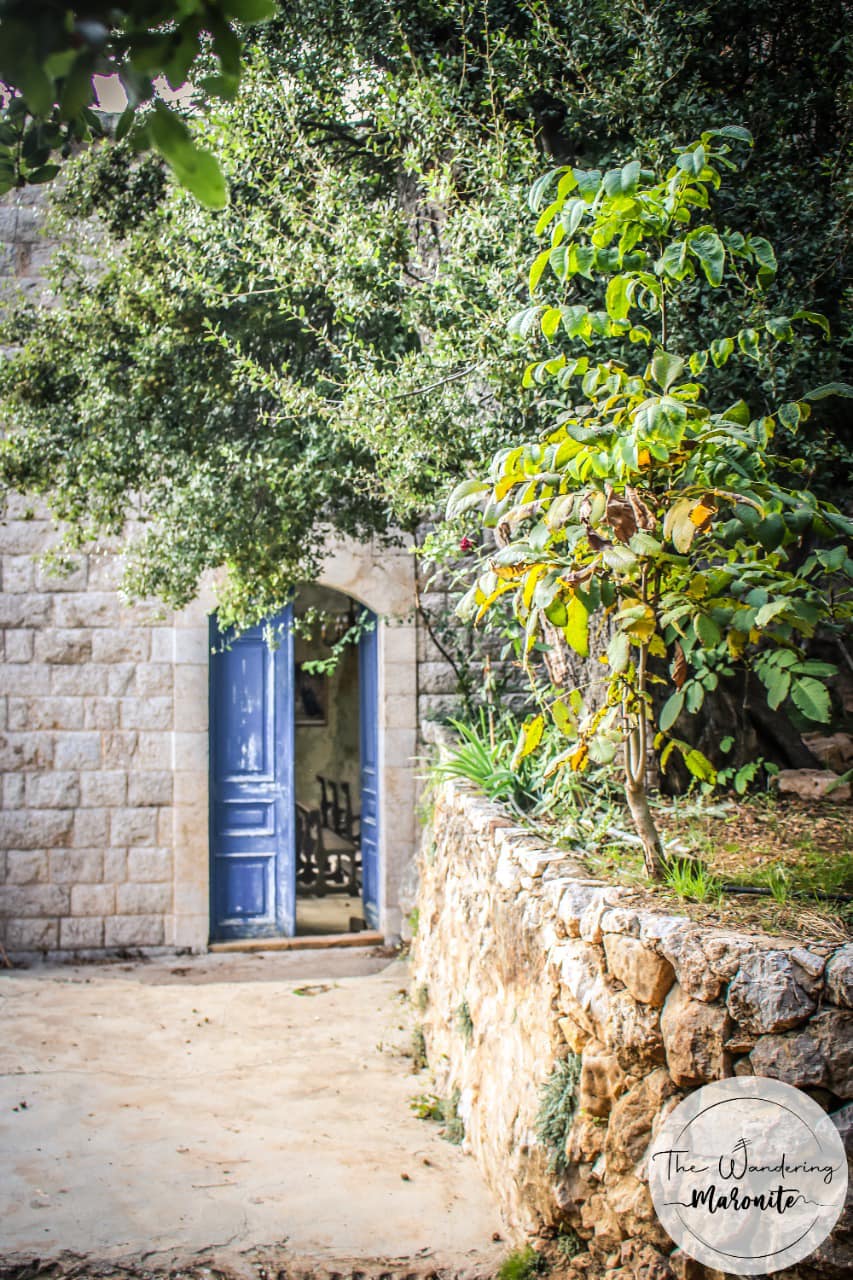
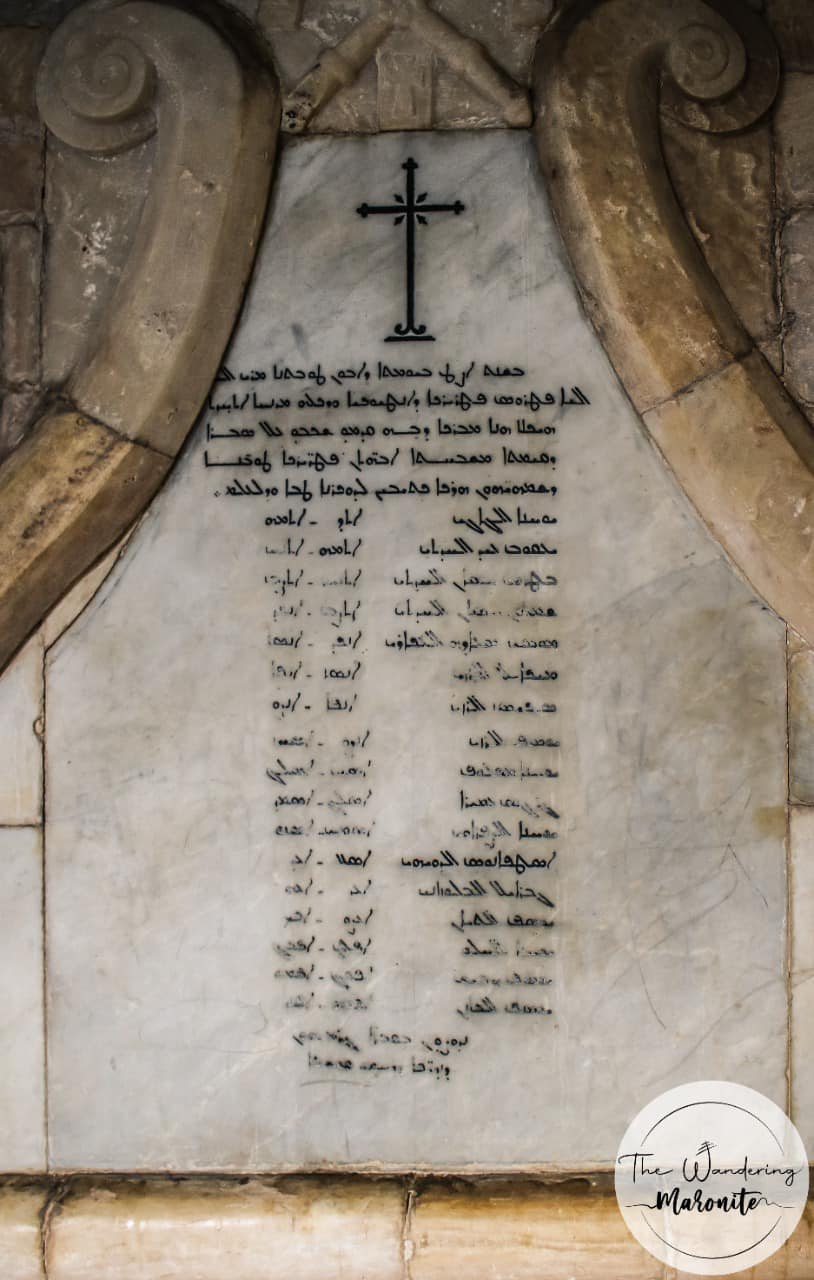
مغارة القدّيسة مارينا - وادي قنّوبينبالأصل هذه المحبسة مغارة طبيعيّة بقرب دير قنّوبين، قصدها الحبساءللخلوة. الى هذه المغارة لجأت القديسة مارينا والولد اللقيط الذي ربّته واهتمّت به بعد طردها من الدّير، وفيها ماتت ودفنت. بحسب البطريرك الدويهيّ أخذ الصليبيّون جثمانها الى البندقيّة وبقيت يدها اليسرى في المغارة. أصبحت هذه المغارة محجًّا ومدفنًا لسبعة عشر بطريركًا سكنوا في دير قنّوبين، من يوحنّا الجاجيّ الى يوحنّا الحلو. سنة ١٩٠٩ خلال حبريّة البطريرك الياس الحويّك ، رُمّم المدفن، وبنيت للمغارة واجهة حجريّة، ووضع في داخله مذبح رخاميّ جديد.St Marina’s Grotto - Qannoubine valleyThe cave was a hermitage dependent of the monastery of Qannoubine. In this cave St Marina took refuge with the bastard child she raised after her unfair expulsion from the monastery. She was buried in the same cave that became a pilgrimage site. The Crusaders transferred her relics to Venice leaving only her left hand in the cave according to patriarch Douweihy. The cave became the patriarchal necropolis, a total of 17 patriarchs were buried there from John of Jaj to John El Helou. In 1909 during the pontificate of Patriarch Elias Howayek the necropolis was restored, a stone facade was built to the west, and a new marble altar was brought in.

Visited 6801 times, 7 Visits today

Reviews are disabled, but trackbacks and pingbacks are open.

Related Listings

Aqoura – The church of Sts Peter and Paul

Saint Peter and Paul, Aaqoura, Lebanon

كنيسة مار بطرس وبولس

Aaqoura

Jbeil

Mount Lebanon

كنيسة مار بطرس وبولس - العاقورة

الكنيسة عبارة عن مغارة كانت مدفنًا لكهنة أدونيس وتحوي عدّة نواويس، وثلاث اعمدة تنضح الماء كانت قديمًا لنذور العواقر. وثّق المغارة العالم إرنست رينان والمفوّضيّة السّامية الفرنسيّة، لكنّ العديد من معالم المدفن خرّبت جرّاء البحث عن الطمائر. على الجدار الشرقيّ داخل الكنيسة كتابة منقوشة باللغة السريانيّة وهي مختلفة من حيث الاسلوب، لأنّها منقوشةٌ بشكلٍ عاموديٍّ وليس افقياً. وقد فسّر علماء الآثار هذه الظاهرة أنّه في القرن السابع للميلاد زمن الامويّين ذهبت بعثات نسطوريّة الى الصين. وهذا ما يفسّر الاسلوب العامودي في الكتابة الآراميّة المنقوشة، فهؤلاء تأثروا بالكتابة الصينيّة العاموديّة كالكتابات السريانيّة في شيان التي تعود للحقبة نفسها. رمّم المذبح سنة ١٨٩٥، والواجهة الأماميّة سنة ١٩٥٢.

The church of Sts Peter and Paul - Aqoura

The church was a funerary cave for the priests of Adonis, it holds many sarcophaguses and three columns that pour water. The cave was studied by Ernest Renan and the archeologists of the French high commissariat. The church holds a VIIth century Syriac calligraphy that is distinct since it was written vertically, which relates to the Nestorian monks who went to missions during the Umayyad era and reached China. There they were influenced by the mandarin calligraphy and began writing Syriac in this manner. The stella of Xian uses the same type of writing and dates back to that era. The church was plundered by tomb raiders, the high altar was restored in 1895, and the entrance in 1952.

Sarba – St George’s cathedral

St. Georges Cathedral sarba, Sarba, Lebanon

كاتدرائيّة مار جرجس

Jounieh Sarba

Keserwan

Mount Lebanon

كاتدرائيّة مار جرجس - صربا

سنة ١٨٦٩ اذ كان المطران يوحنّا الحاج (البطربرك لاحقًا) أسقفًا على بعلبك، وكانت صربا تابعة له، إشترى قطعة أرضٍ من بطريركيّة الروم الملكيّين الكاثوليك. فبنيت الكاتدرائيّة بسعي الخوري بولس الأشقر البجّاني. مع موت البطريرك الحاج سنة ١٨٩٠، ضمّت صربا إلى أبرشيّة دمشق. وسنة ١٩٦٠ فصلت عن دمشق لتصبح منطقة صربا نيابةً بطريركيّةً مركزها هذه الكاتدرائيّة. يتميّز بناء الكاتدرائيّة بتصميمٍ بازيليكيّ بسوقٍ واحدة وثلاث مذابح. اللوحات التي تعلو المذابح من عمل الرسّام داوود القرم وتعود للأوائل القرن العشرين.

St George’s cathedral - Sarba

In 1869 Mgr.John el Hajj (later patriarch) archbishop of Baalbeck, since Sarba was a dependency of Baalbeck back then, bought a parcel of land from the Melkite Catholic patriarchate to build a church. The construction of the new church began with Fr Boulos al Achkar el Bejjany. When Patriarch el Hajj passed away, Sarba was transferred juridically from the see of Baalbeck to the see of Damascus. In 1860 Sarba was proclaimed an independent ecclesiastical province, a patriarchal vicariate with the cathedral at it’s center. The structure is a single nave with three apses, and three altars. The church holds three early XXth century paintings by Daoud el Qorm.

Kobayyat – The monastery of St Doumit of the Carmelite fathers

St. Doumit Monastery, Qoubaiyat, Lebanon

دير مار ضومط للآباء الكرمليّين

Qbaiyat Aakkar

Akkar

Akkar

دير مار ضومط للآباء الكرمليّين - القبيات

بذأت زسالة الآباء الكرمليّين في القبيّات أوائل القرن التاسع عشر. سنة ١٨٣٥، بدؤا بناء ديرهم، بعد ان أوقف لهم الارض جبّور سيف حبيش. كان في تلك الأرض آثار كنيسةِ لمار ضومط، والعديد من الآثار التي بيعت لبناء الكنيسة الجديدة. بّنيت الكنيسة بشكلها الحاليّ سنة ١٨٥٢، وجدّدت على الطراز النبو غوطي سنة ١٩١٤. لعب الدّير دورًا هامًا في تاريخ البلدة خصوصًا أنّه ضمّ مدرسةً لتعليم الأحداث.

The monastery of St Doumit of the Carmelite fathers - Kobayyat

The Carmelite mission in the region of Kobayyat began in the dawn of the XIXth century. In 1935 Jabbour Seif Hobeich donated a piece of land to build a monastery. In this land where a ruined church dedicated to St Doumit and lots of ancient artifacts that where sold to museums to build the monastery. In 1852 the current church was built, and it 1914 it was remodeled with a neo gothic style. The monastery played an important role in the community”s history specially on the educational level with the famous Carmelite school.